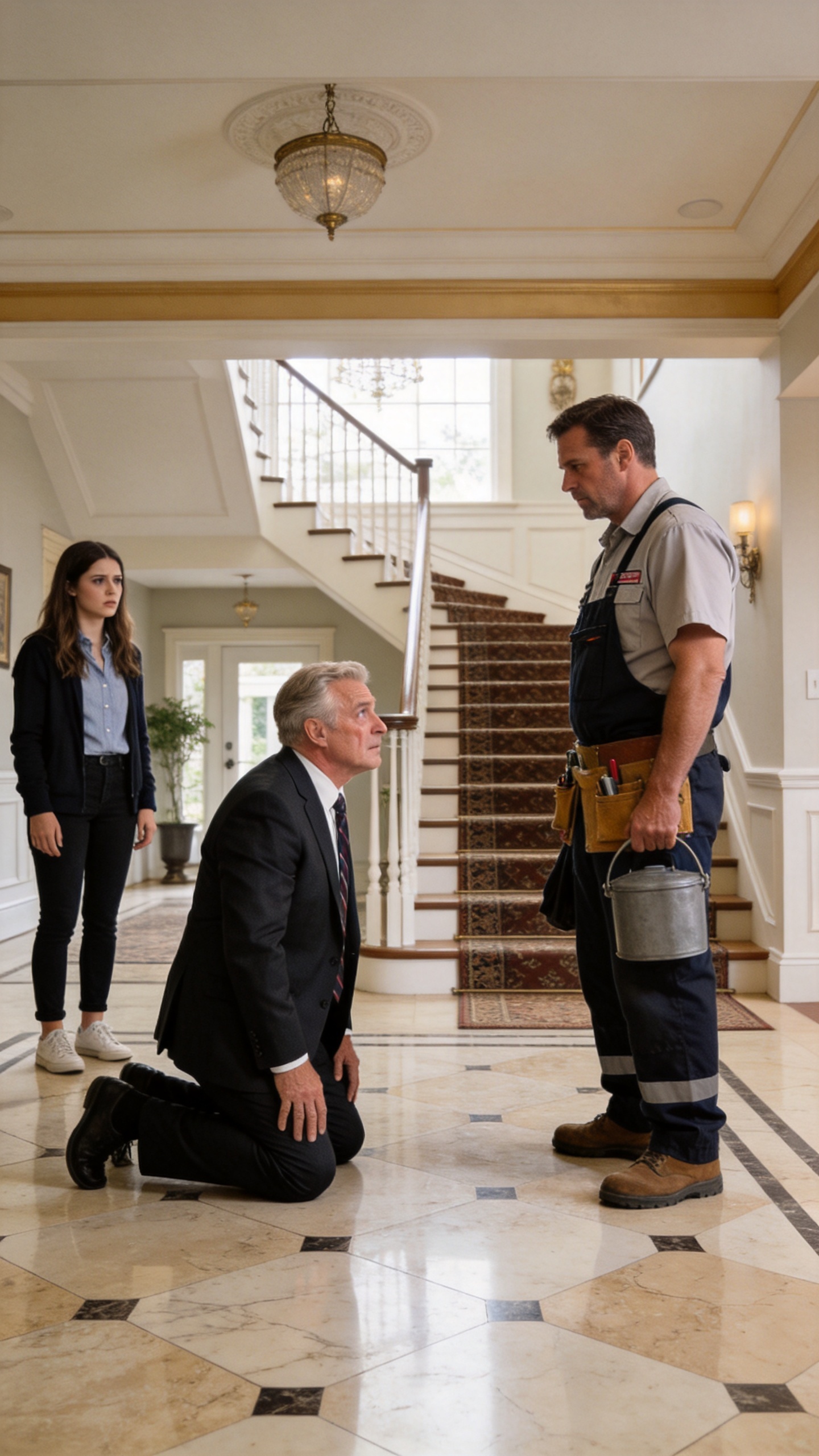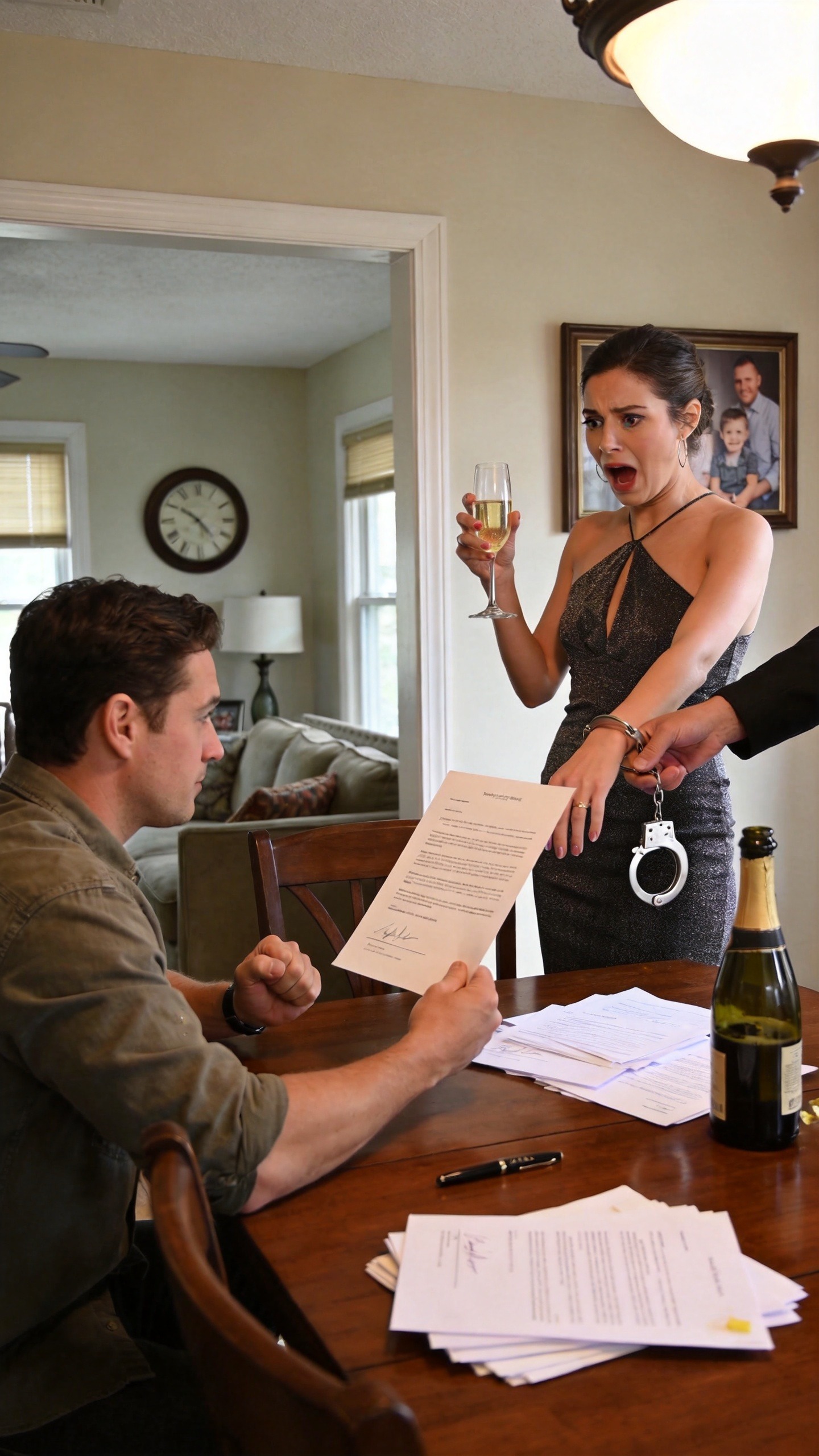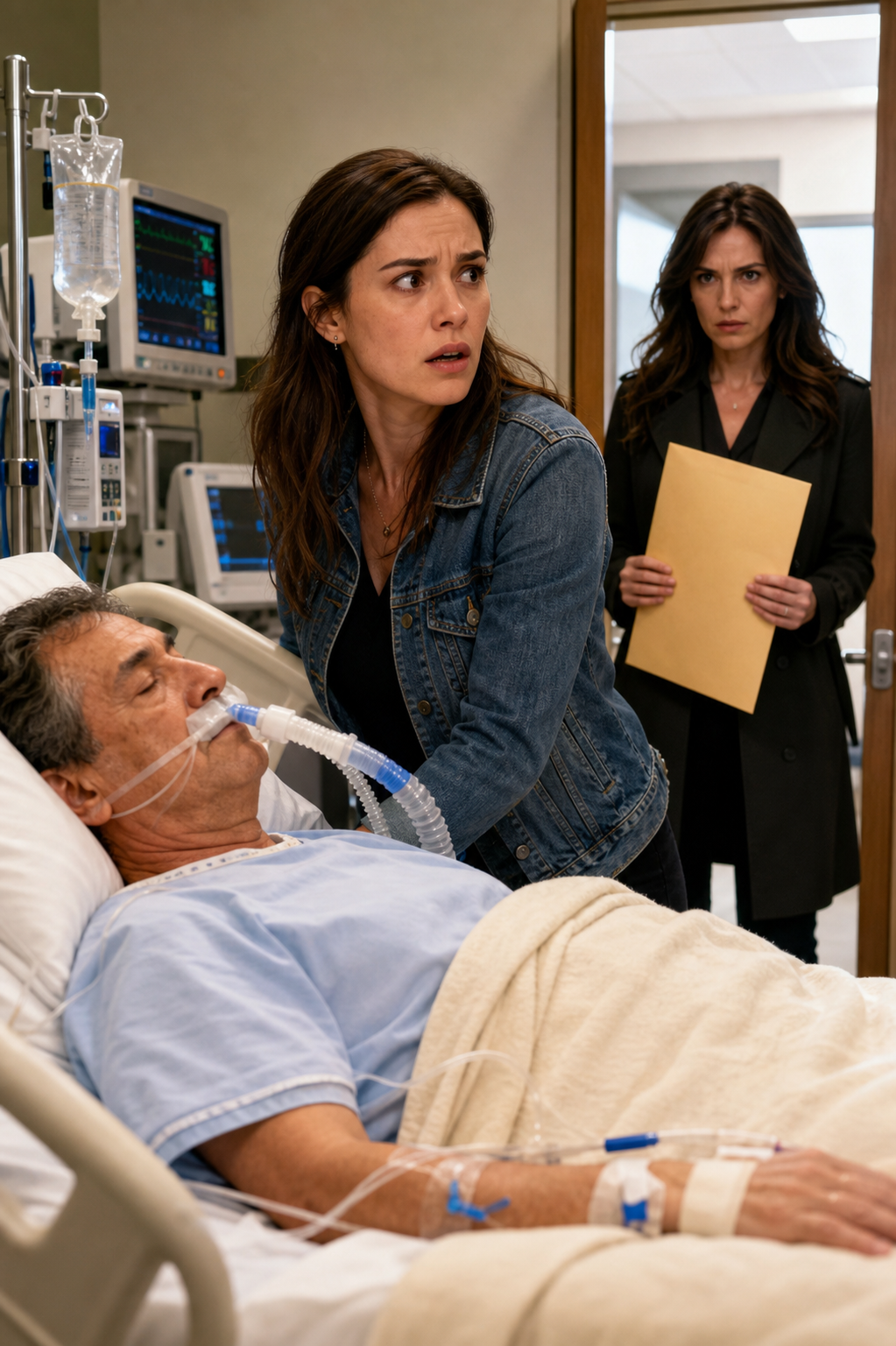
I Carried Their Disabled Grandson Out of the Fire - Before the Ash Settled, His Family Had to Decide Whether I Was a Nurse or the Villain They Needed
Victoria pushed a chair out with her foot. "Please.
For a moment Victoria looked older than she had on the terrace. Without makeup repairs, her face showed the fine exhaustion lines that gala lighting was designed to erase.
No." Victoria's fingers tightened around the cup. "Your job did not require you to go into a burning building.
Victoria set down the cup.
Edmund says we should avoid assigning responsibility until the investigation is complete.
Edmund is right about that.
Victoria looked surprised.
But he assigned Oliver responsibility at the hospital," Rachel added.
So was Oliver.
The kitchen clock made a small ticking sound. Outside, dawn had begun to lighten the lake. A groundskeeper from the neighboring property drove past in a utility cart, lifted one hand in greeting, then seemed to recognize Victoria and lowered it awkwardly.
Victoria rubbed the chipped edge of her thumbnail.
I sent Oliver to the library," she said. "He had been rude to Peter Harcourt.
Rachel thought back through the gala. Lorraine had approached while Rachel was helping Mrs. Fenwick after the woman coughed on a piece of chicken. Lorraine had said, Victoria needs Oliver out of the conservatory for a few minutes.
Rachel had assumed Oliver was with Victoria. By the time she finished helping Mrs. Fenwick, the speeches had begun and Oliver was no longer in sight.
Victoria's eyes closed briefly.
The study door opened. Edmund entered with a folder in one hand.
At six thirty in the morning?" Victoria asked.
A guest recorded the rescue.
Oliver's rescue, reduced to two words that could be owned.
Edmund placed the folder on the table. Inside were printed pages marked DRAFT. Rachel saw her name in the first paragraph.
The gala was a foundation event," Edmund said.
The statement praised emergency personnel, described an electrical malfunction, and said a member of the household staff had discovered that Oliver was missing during an orderly evacuation. It did not say his call button had failed.
It did not mention the blocked service corridor. It said Rachel had "temporarily become separated from the child in her care.
Edmund sat across from her. "You were not together.
His presence was related to event operations. His grandmother sent him away from the gala.
Mia tore off the only coat she owned and threw it over the boy whose lips were turning blue.
Victoria's head lifted.
Edmund's expression cooled. "That is not an appropriate characterization.
Oliver told me.
Oliver is a frightened child recovering from smoke inhalation.
Victoria pushed the folder away. "Remove that sentence.
Edmund looked at her. "We have discussed this.
There are two additional videos," she said. "In one, Rachel can be heard saying Oliver is inside. The audio is clear.
Edmund pressed his fingertips to the table. "All the more reason for a disciplined account.
We are not finished," Edmund said.
Edmund's voice became softer. "No one is asking you to lie.
The lie was small enough to survive inside formal language. She had seen such lies before, in hospital incident reports and home-care notes edited by supervisors who disliked the word fall. No one fell a patient was found on the floor.
No one missed a dose medication administration was delayed. Responsibility disappeared through grammar.
Edmund leaned back. "That may have consequences.
Victoria stared at him. "What exactly does that mean?
Upstairs, Oliver was awake. He had found a television remote and was watching the rescue video without sound.
The recording shook badly. Flames filled one side of the screen. Guests moved backward. Rachel appeared in the doorway carrying him, her face almost invisible beneath smoke and wet hair.
A woman near the person filming said, "That's the caregiver," as though identifying an athlete.
Oliver paused the video on Rachel's face.
He studied her. "Did Grandpa fire you?
Oliver turned off the television.
No single person caused what happened.
Oliver did not.
Your grandmother loves you.
By noon, Rachel's photograph was on national news sites. The clearest image showed her carrying Oliver across the terrace while flames burned behind them.
The headline beneath it called her a nanny, then a nurse, then a housekeeper, depending on the publication. One article described Oliver as wheelchair-bound.
Another said he was unable to walk because of a "tragic childhood illness," though his spinal cord injury had resulted from the same collision that killed his parents.
People found Rachel's dormant social media accounts. A photograph from her sister's wedding appeared beside comments praising her as an angel. Others asked why she had left Oliver alone.
One person wrote that heroic rescues were often staged for attention. Another said wealthy people always expected servants to die for them.
Lorraine asked Rachel to deactivate her accounts.
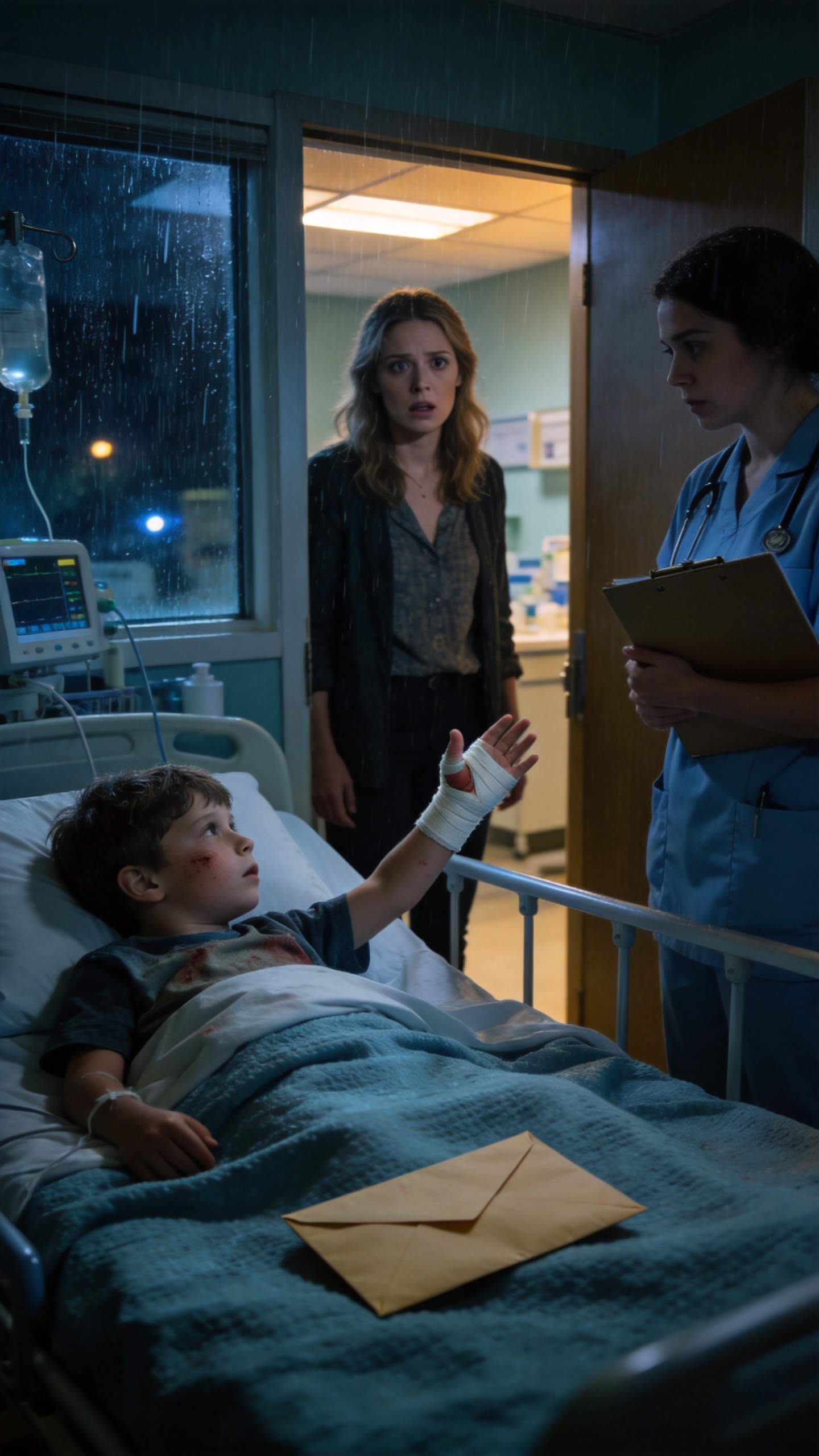
Rachel spent the afternoon on the phone with the company that maintained Oliver's mobility equipment. His wheelchair would need new upholstery, wiring, and control components. The frame had heat exposure but no obvious distortion.
An assessor would examine it before repairs.
We'll document it as reported.
At three, a deputy fire marshal arrived at the guesthouse with an investigator from the county's building department. Edmund wanted the interviews conducted in the study.
The fire marshal insisted on speaking with Oliver separately, with a guardian nearby but not answering for him.
Victoria attended. Edmund did not.
Rachel waited in the hall. Through the door she heard the fire marshal ask Oliver to describe the corridor. Oliver spoke slowly and corrected the investigator when she called his chair electric.
It was manual, with a power-assist attachment for long distances. He explained the blue call button. He explained the cart.
Mia tore off the only coat she owned and threw it over the boy whose lips were turning blue.
The orchid pot.
Victoria made a sound too small to identify.
The Cost Comes Due
After the interview, the fire marshal asked Rachel about the timeline. Rachel showed her the caregiver application on her phone. The event log recorded Oliver's call device as connected at 7:41 p.m. and disconnected at 8:06. The main alarm sounded at 8:14.
Edmund's speech.
That evening, Edmund dismissed Marcus, the security guard Oliver had spoken to. He described the decision as immediate corrective action.
Marcus called Rachel ten minutes after leaving the property.
Did Oliver tell you where he was going?
Because Mr. Bell told us not to interrupt the speech unless there was visible fire or a medical emergency.
Rachel stood by the guesthouse laundry room, holding a stack of Oliver's clean shirts.
They fired you.
That night, she drove to her apartment for the first time since the fire. It was a second-floor unit above a pharmacy, forty minutes from the lake.
She kept it because living full-time at the manor had always felt too close to disappearing into someone else's life.
She stayed there on her weekends off, watered basil she rarely cooked with, and complained to her sister about the upstairs neighbor's treadmill.
The apartment smelled stale. Her mail lay beneath the door. Someone had taped a handwritten note to the wall beside the stairs.
Underneath, another person had written in different ink: SHE LEFT THE KID ALONE FIRST.
You smell like a fireplace," Camille murmured.
They ate noodles from cartons while the television played silently. Rachel's face appeared every fifteen minutes. Camille changed the channel until she found a home-renovation program, but a news banner interrupted it with footage of the fire.
You and Oliver spend too much time together.
Rachel told her about the statement. She told her about the call button and Marcus. She did not tell her how Oliver had felt in her arms or that she had dreamed, during a twenty-minute nap, of dropping him on the terrace while everyone watched.
You need a lawyer," she said.
You work for people who brought lawyers to breakfast.
The next morning, Edmund asked Rachel to meet him at the manor.
Fire investigators had released the main residence but not the conservatory or east wing. The house smelled of wet plaster and smoke. Industrial fans roared in the hall. Protective plastic covered portraits and furniture.
Staff members moved through the rooms carrying inventory sheets.
The gala decorations remained in places untouched by the fire. Silver branches rose from dining tables. Half-filled glasses had dried beside plates of congealed food.
In the ballroom, a silent auction display still offered a week in Tuscany, a signed basketball, and dinner with a former governor.
Edmund waited in the library. He had changed into a navy suit. A fresh stack of documents lay on the desk.
I watched you carry Oliver out. I will not forget it.
Edmund placed one hand on the documents.
Mia tore off the only coat she owned and threw it over the boy whose lips were turning blue.
For the household. For Oliver. For you.
You think losing another person without warning will help him?
Edmund's jaw shifted.
Then Oliver sent a formal invitation printed on cream paper.
ELENA BROOKS IS REQUESTED TO ATTEND DINNER AS A PERSON, NOT AN EMPLOYEE.
Beneath it he added in pencil: You can leave if Grandpa is weird.
Rachel attended.
The dinner was held at Victoria's smaller house. Edmund arrived carrying wine and a pie he claimed to have made. No one believed him.
I assembled it," he admitted.
You warmed it," Victoria said.
I selected it.
Oliver examined the crust. "Did you select the burnt one?
The evening did not heal anything. Edmund and Rachel spoke carefully. Victoria spilled gravy on the tablecloth.
Camille, invited at Oliver's request, asked Edmund whether he still monitored the foundation's grant portfolio, then argued with him about administrative overhead for twenty minutes.
Oliver watched them with visible delight.
After dinner, the orchid horticulturist sent a photograph. A new green shoot had appeared near the surviving root.
Oliver passed the phone around the table.
Do not say it is a miracle," he warned.
No one did.
In January, Rachel accepted a position coordinating home transitions for children leaving rehabilitation hospitals.
The work involved assessing houses, training caregivers, checking equipment, and identifying the ordinary dangers families missed when they were overwhelmed. Rugs. Narrow bathroom doors. Medication stored beyond reach.
Emergency plans that assumed every person could use stairs.
On her first week, she visited a family whose twelve-year-old daughter had recently begun using a wheelchair. The father had built a ramp himself. It was too steep and ended against a planter.
I followed a video," he said defensively.
Rachel stood at the bottom and looked up.
The video did not meet your planter.
He stared at her, then laughed.
They rebuilt it.
Oliver complained that her new job made her late on Thursdays.
It makes me six minutes late.
That is still late.
You survived.
He looked at her.
She winced. "Bad word choice.
I accept.
You are enjoying this.
Their relationship changed by inches. Rachel stopped answering every nonurgent message immediately. Oliver stopped treating delays as abandonment, though sometimes he asked for the exact time she would call and set a timer.
Victoria learned to transfer him safely without summoning staff. She did it too slowly, narrating every movement.
You can stop talking," Oliver told her.
I am helping.
You are describing.
I thought you preferred information.
Not about my own legs.
Edmund attended a caregiver training session and became angry when corrected.
You are lifting from the wrong position," the therapist said.
I have done this before.
Edmund looked toward Oliver.
Oliver shrugged. "She's right.
Edmund started again.
Victoria decided not to move back.
Edmund remained there alone with a reduced staff.
He asked Oliver whether he wanted the house sold.
Oliver rolled through the restored conservatory, following the line of pale stone where the fire damage had been repaired. His silver-framed chair moved quietly beneath the new glass roof. The space smelled of wet soil and paint.
Do you want to sell it?" he asked.
I don't know.
You always know.
I often decide before I know.
Oliver looked at him.
That is different," Edmund added.
They stopped near the east corridor. The service route had been widened. No cart, table, or decorative installation could be placed within it. A blue emergency button was mounted at Oliver's height, though he could reach the standard alarm as well.
He pressed neither.
Mom liked it here," he said.
I don't.
Edmund nodded.
They listed the manor that summer.
The decision cost less financially than it did socially. The house had belonged to Edmund's family for four generations. Newspapers described the sale as the end of an era. Trustees who had ignored safety reports mourned the loss of a venue.
Victoria bought a modest house two streets from Oliver's school. Edmund rented an apartment nearby rather than moving with her. They attended counseling and refused to predict whether their marriage would survive.
When the manor sold, Oliver asked for only three things: his mother's desk, the brass telescope from the library, and the section of conservatory tile marked by one scorched wheel.
The restoration company cut the tile into a small square.
What are you going to do with that?" Rachel asked.
I don't know.
He kept it in a drawer.
A year after the fire, the orchid produced one white bloom.
The horticulturist called on a Tuesday morning. Oliver insisted on seeing it before school. Victoria said he would miss math. Oliver said flowers did not follow school calendars.
Rachel, who had arrived to take him to an adaptive rowing program after class, found them arguing in the driveway.
We can go for ten minutes," she said.
Victoria looked at her. "You are no longer allowed to solve conflicts by appearing.
I was invited.
Oliver was already turning his chair toward the van.
They drove to the greenhouse. Morning light shone through the plastic roof. Fans turned overhead. The orchid sat on a waist-high table in a plain black pot.
It had four leaves, two scarred brown at the edges, and one white flower smaller than the blooms Evelyn used to photograph.
Oliver stopped a few feet away.
No one spoke.
Rachel expected him to cry. He did not. He leaned forward, studying the petals.
It's crooked," he said.
The horticulturist smiled. "It grew toward the light.
Can we take it home?
Yes. But it will need stable temperature, careful watering, and no one moving it without asking.
Victoria glanced at Oliver.
I can manage the first two," she said.
He looked at her.
And the third," she added.
They placed the pot on a padded tray across Oliver's lap. He held it with both hands as they left the greenhouse.
At the van, Rachel opened the rear door and lowered the lift. She reached automatically for the wheelchair handles.
Oliver looked back at her.
I can do it.
The incline was gentle. His chair had fresh batteries in the power-assist hubs. The orchid trembled slightly on his lap.
Rachel stepped aside.
Oliver aligned his wheels, paused, and moved onto the lift under his own control. Victoria stood inside the van, close enough to catch the pot but careful not to touch it. Rachel waited on the pavement while the platform rose.
At the top, Oliver turned.
You're coming, right?
Rachel picked up her bag.
The Girl Who Gave Away Her Only Coat Before Anyone Knew Her Name
Mia tore off the only coat she owned and threw it over the boy whose lips were turning blue.
Yes," she said. "I'm coming.
He pressed the button that opened the van's interior door, and this time the system answered him at once.