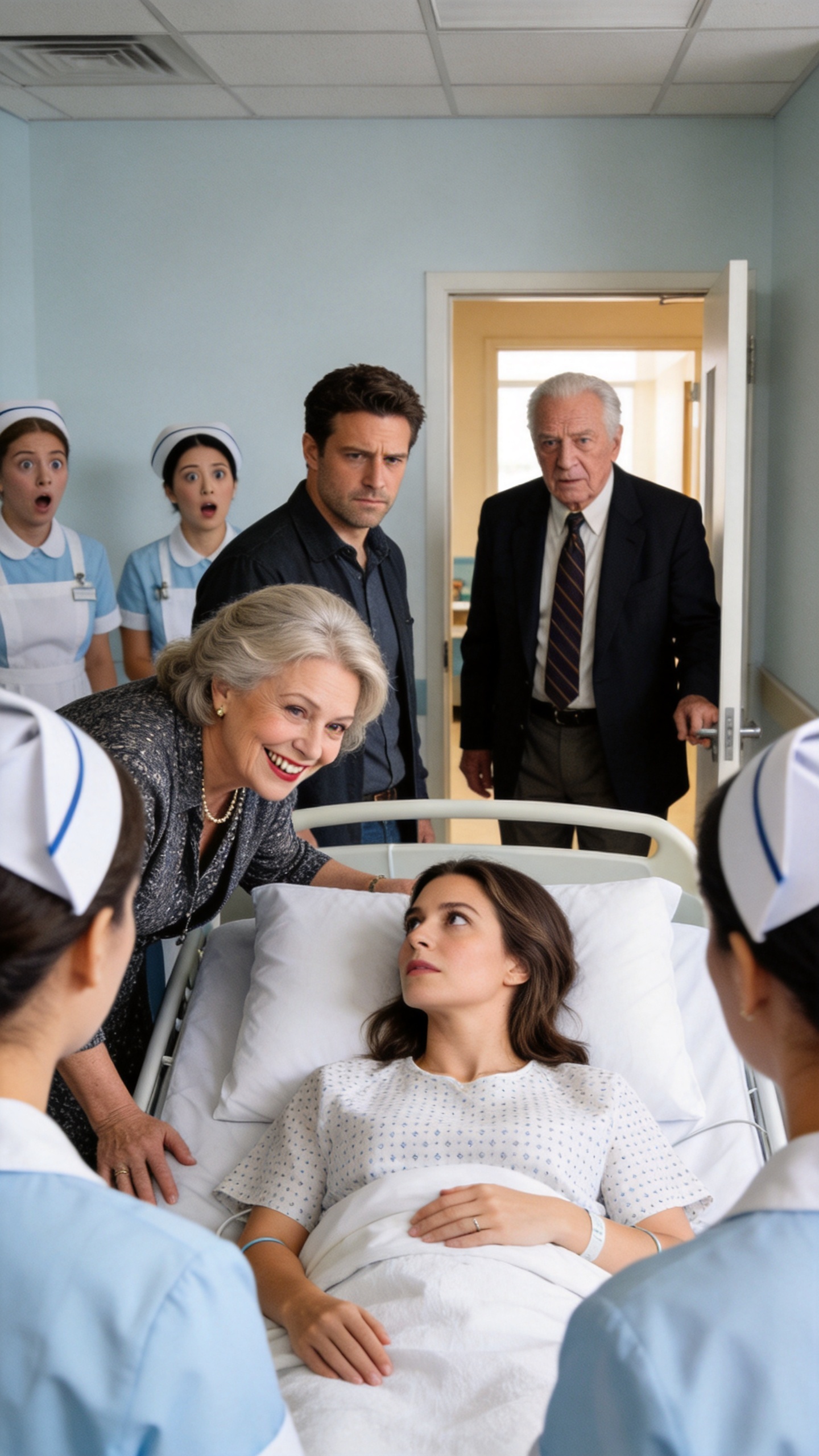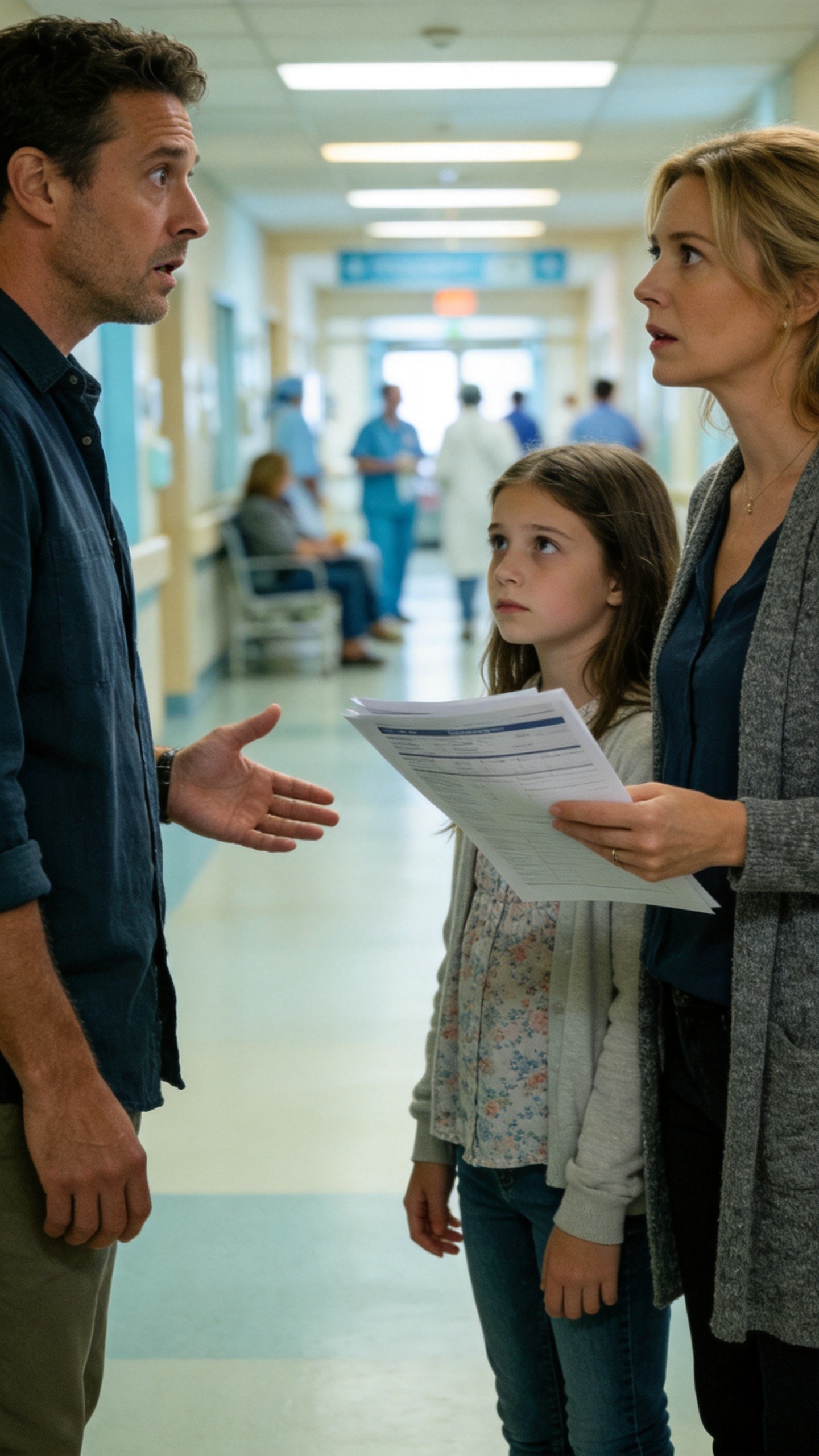
Three Hours After Childbirth, My Mother-In-Law Pointed At My Dark-Skinned Baby And Said, "Tell Us Who The Father Is," Until The DNA Test Exposed The Secret Her Family Had Buried For Thirty Years
"Yes," I said.
She nodded as if she deserved that.
Then she kept talking.
The box in Grandma Adele's closet had not only held photographs. It held checks. Old donor letters. A small church program from Samuel Price's funeral with Adele's handwriting on the back.
Forgive me for choosing safety over truth.
Tessa had copied some of it before Evelyn found out.
"Mom slapped me when she saw the photos on my phone," Tessa said. "Then she cried and told me I was trying to ruin her marriage."
"Her marriage?"
Tessa's face twisted.
"Dad knows enough to be afraid of it. Not enough to be free of her."
Piece by piece, the polished Ward family rearranged itself in front of me.
Evelyn had not been defending blood.
She had been defending a story.
The charity wife.
The respectable matriarch.
The woman who could decide who belonged because nobody had ever forced her to admit how she got in.
Tessa showed me a photo of Samuel Price.
He stood beside a blue truck, one hand on the open door, smiling at whoever held the camera.
I looked at his cheekbones.
Then at Isla.
My daughter yawned in her sleep.
The resemblance was not proof in a legal sense.
But it was enough to make the room feel haunted.
The Test Did Not Clear My Name. It Exposed Hers.
Two days later, Evelyn arrived with Miles, the attorney, and a private lab technician she had somehow convinced to come to the hospital.
She looked triumphant.
I looked tired.
That was useful.
People underestimate a tired mother because they think exhaustion is surrender.
It is not.
Sometimes exhaustion burns away everything except the truth.
The technician explained the samples.
Miles gave his.
Isla's cheek was swabbed gently while she slept.
Then I held out my hand.
The technician frowned.
"We do not need yours for paternity."
"Take it anyway."
Evelyn crossed her arms.
"This is theater."
"No," I said. "This is family history."
Tessa stepped into the doorway.
Behind her was a woman in her seventies with silver braids tucked beneath a navy scarf.
Evelyn's face drained.
"Who is that?"
Tessa answered before anyone else could.
"Samuel Price's daughter. Your half-sister."
The attorney looked up from his tablet.
Miles turned slowly toward his mother.
For once, Evelyn had no sentence ready.
The older woman introduced herself as Ruth Price. Her voice was calm, but her eyes were wet.
"Your mother wrote to my father until the week he died," she said. "He kept every letter."
Tessa placed copies on the tray table.
Birth certificate.
Photographs.
Old letters in Adele Ward's handwriting.
Enough proof to make Evelyn's entire performance fold in on itself.
Miles picked up one photo and stared at the young woman in it.
His grandmother.
Standing beside a Black man with one hand resting against her stomach.
On the back, in faded ink, someone had written: Our daughter will know the truth one day.
Evelyn whispered, "This is not necessary."
I looked at my husband.
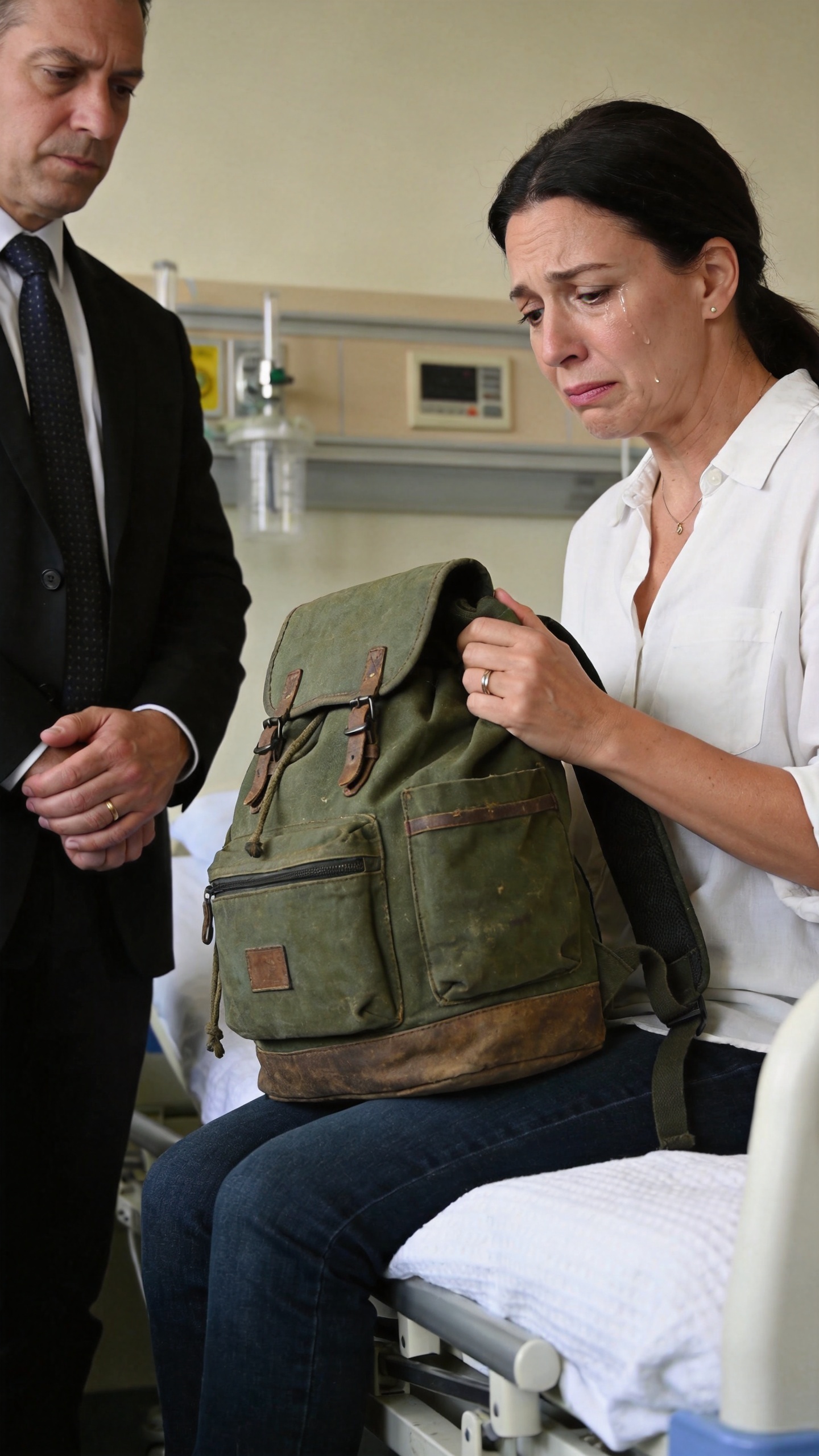
"Was it necessary when your mother asked who fathered my child while I was bleeding in this bed?"
He flinched.
Good.
Some shame should land where it belongs.
Charles arrived before the lab technician left.
He wore a gray overcoat over a suit, the kind of man who looked dressed even when he was unraveling.
"Evelyn," he said.
She did not turn around.
"Not now."
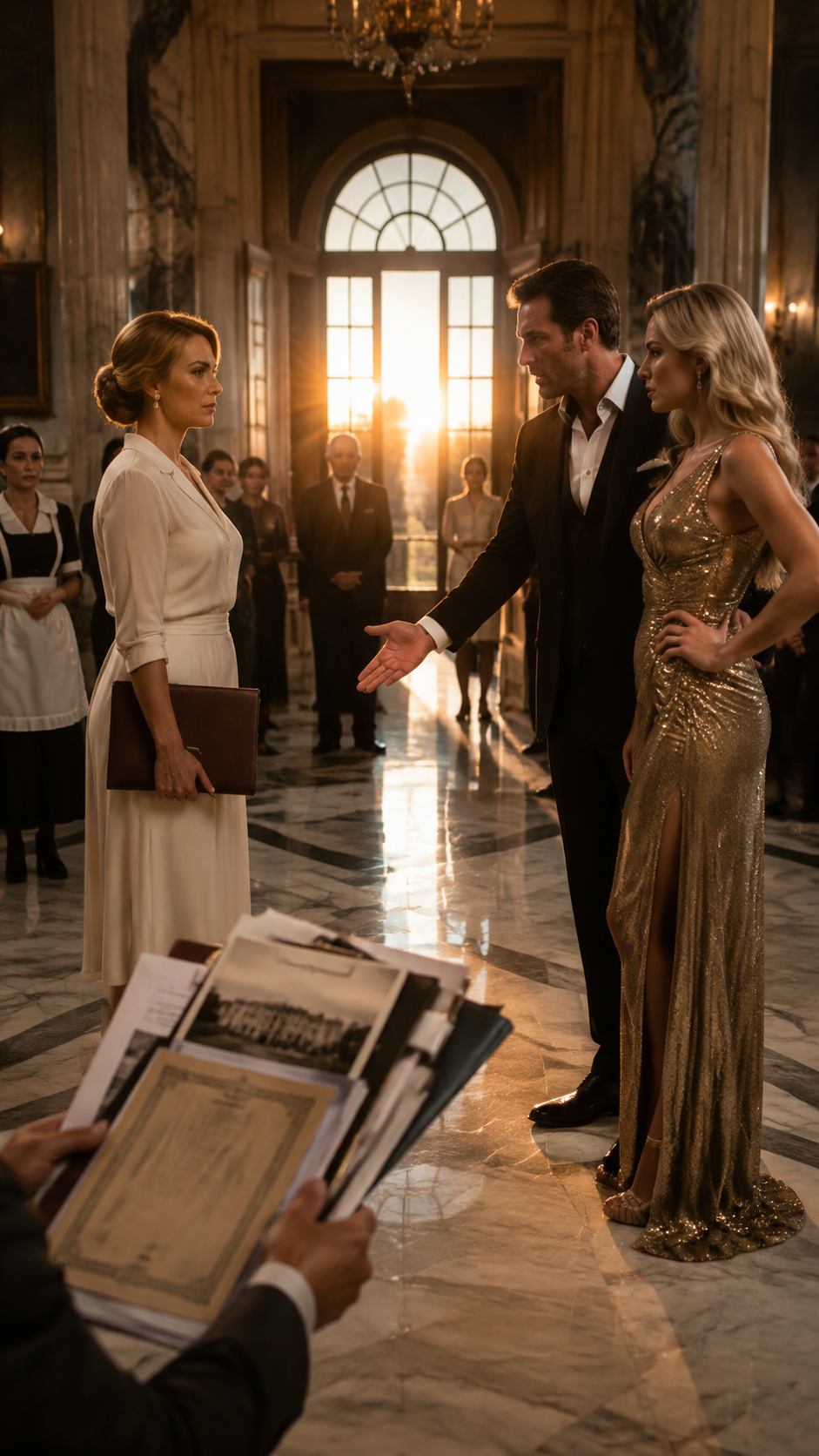
Ruth Price stepped fully into the room.
She was not tall, but she carried herself like someone who had spent a lifetime refusing to shrink.
"I think now is exactly when," she said.
Charles stared at her.
His face changed before his mouth did.
Recognition.
Not of Ruth herself.
Of the threat she represented.
Evelyn whispered, "You had no right to come here."
Ruth smiled sadly.
"Your mother wrote that same sentence to my father in 1978."
Tessa laid the copies on the tray table.
The attorney picked one up.
Then another.
His expression turned from irritation to professional alarm.
Miles reached for a photograph of Adele Ward standing beside Samuel Price, one hand resting over a rounded stomach.
On the back, in faded ink, someone had written:
Our daughter should not have to hate the face that made her.
Miles read it once.
Then again.
Then he sat down like his knees had forgotten their job.
For the first time since Isla was born, he looked less afraid of what people would say than of what his silence had already done.
The DNA results came the next morning.
Miles was Isla's father.
No surprise to me.
But the ancestry match also confirmed what Evelyn had spent her life denying.
The Ward bloodline she had guarded like a locked gate had never been what she claimed.
It was wider.
Older.
And darker than her pride could survive.
Miles cried when he finally held Isla.
I let him.
Then I told him crying was not repair.
Repair would be telling his mother to leave.
Repair would be correcting every relative she had called.
Repair would be putting our daughter's name on every document Evelyn wanted delayed.
He did all three.
Evelyn stood in the doorway with her leather purse clutched to her chest.
The same purse that had carried the truth for years while she accused me of lying.
The fallout did not happen in one clean scene.
It came in calls, apologies, denials, and sudden illnesses from relatives who had been brave enough to judge me over text but too fragile to say sorry out loud.
Charles resigned from one foundation committee "temporarily."
Evelyn called it a private family matter.
Ruth called the local paper.
Tessa sent me the article three days later.
WARD FOUNDATION MATRIARCH FACES QUESTIONS OVER HIDDEN FAMILY HISTORY.
There was no mention of Isla.
I made sure of that.
My daughter was not a headline.
She was a baby.
But Evelyn's perfect marriage, the one she had used as armor for thirty years, did not survive the week.
Charles moved into the guesthouse.
Miles told me that like it was supposed to comfort me.
It did not.
"Your father moving out does not fix you standing still," I said.
He nodded.
"I know."
"Do you?"
He looked at Isla sleeping in the bassinet.
"I'm starting to."
Before she left, she looked at Isla once.
Not with love.
With recognition.
That was almost worse.
Because my daughter had not exposed a scandal.
She had exposed a mirror.
And Evelyn Ward could not bear what looked back.
Two weeks later, Miles drove us home from the hospital follow-up appointment.
The car seat sat between us like a tiny throne.
At a red light, he said, "My mother asked when she can visit."
I looked out the window at the wet street.
"When Isla is old enough to understand an apology and your mother is old enough to give one."
He did not argue.
That was new.
At home, I laid Isla in the yellow nursery Miles had painted.
Sunlight moved across the wall.
For a moment, everything was quiet.
Then my daughter opened her eyes.
Dark.
Bright.
Unashamed.
I touched her cheek and whispered the first promise I made to her outside the hospital.
"No one will ever make you prove you belong to people who should have loved you first."