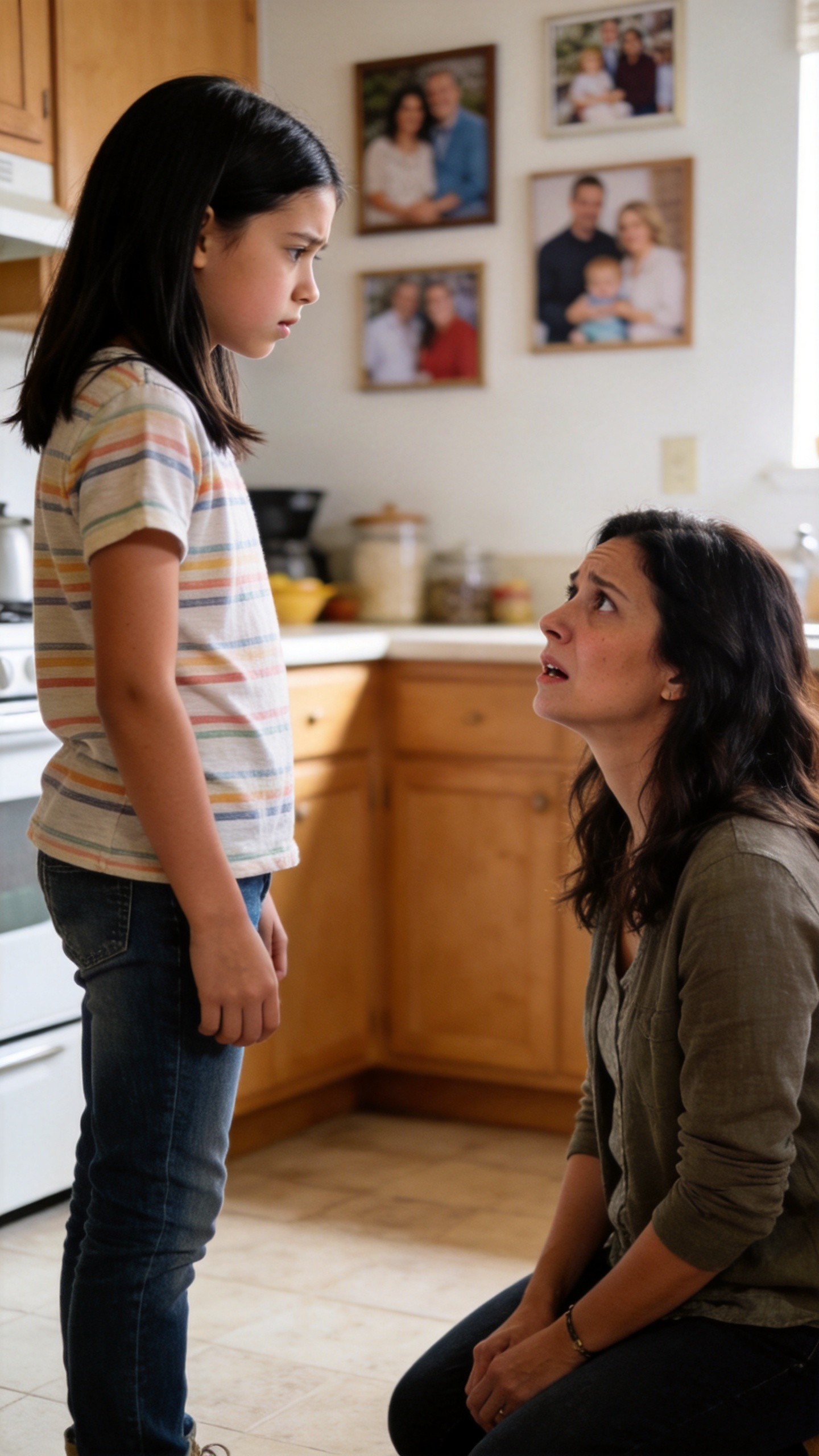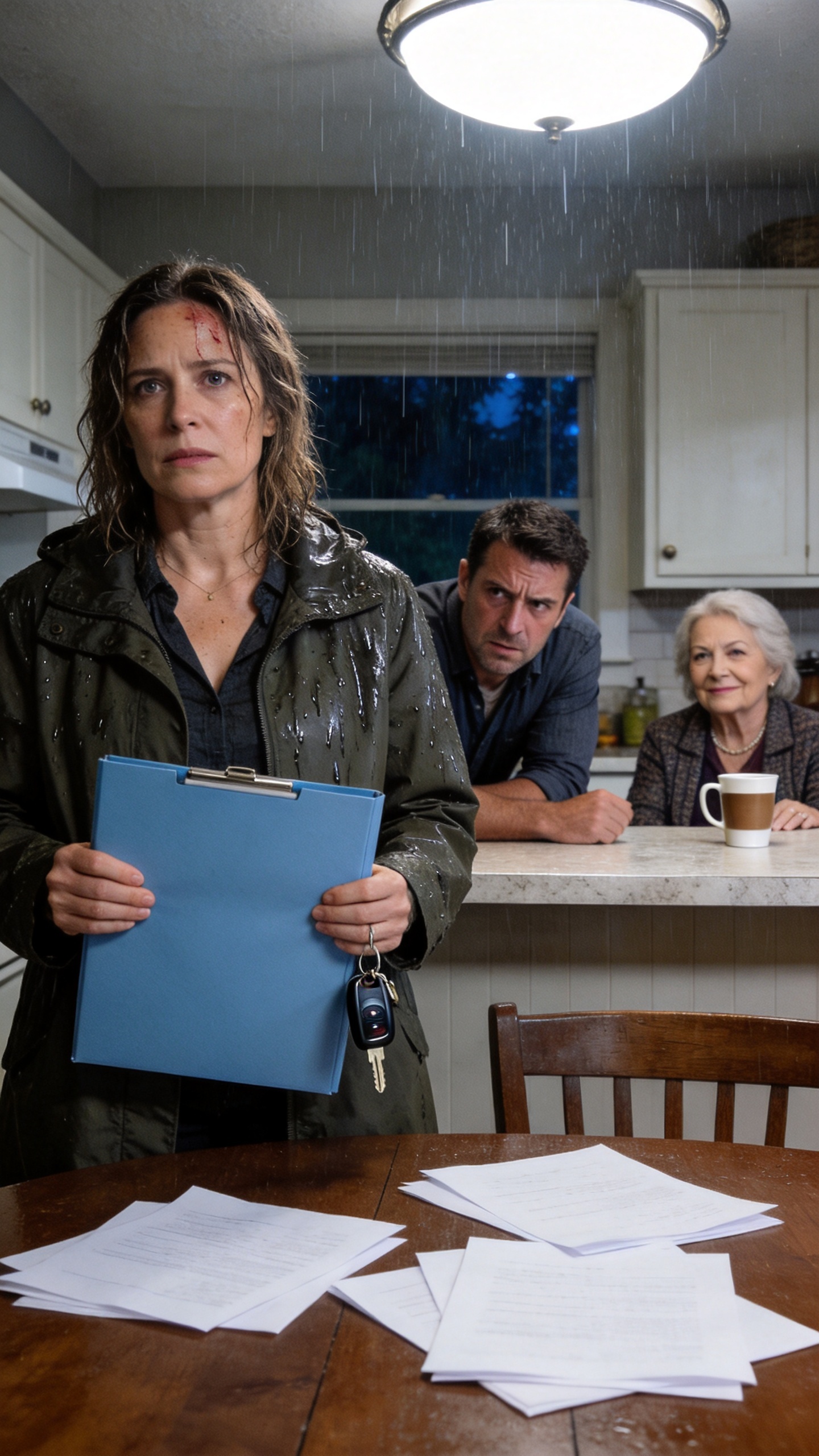
My Husband Shoved My Face Into Our Son's Birthday Cake And Said, "This Is What Your Worth Looks Like." He Didn't Know I Was A Trillionaire's Daughter Until The Ballroom Doors Opened Behind Him
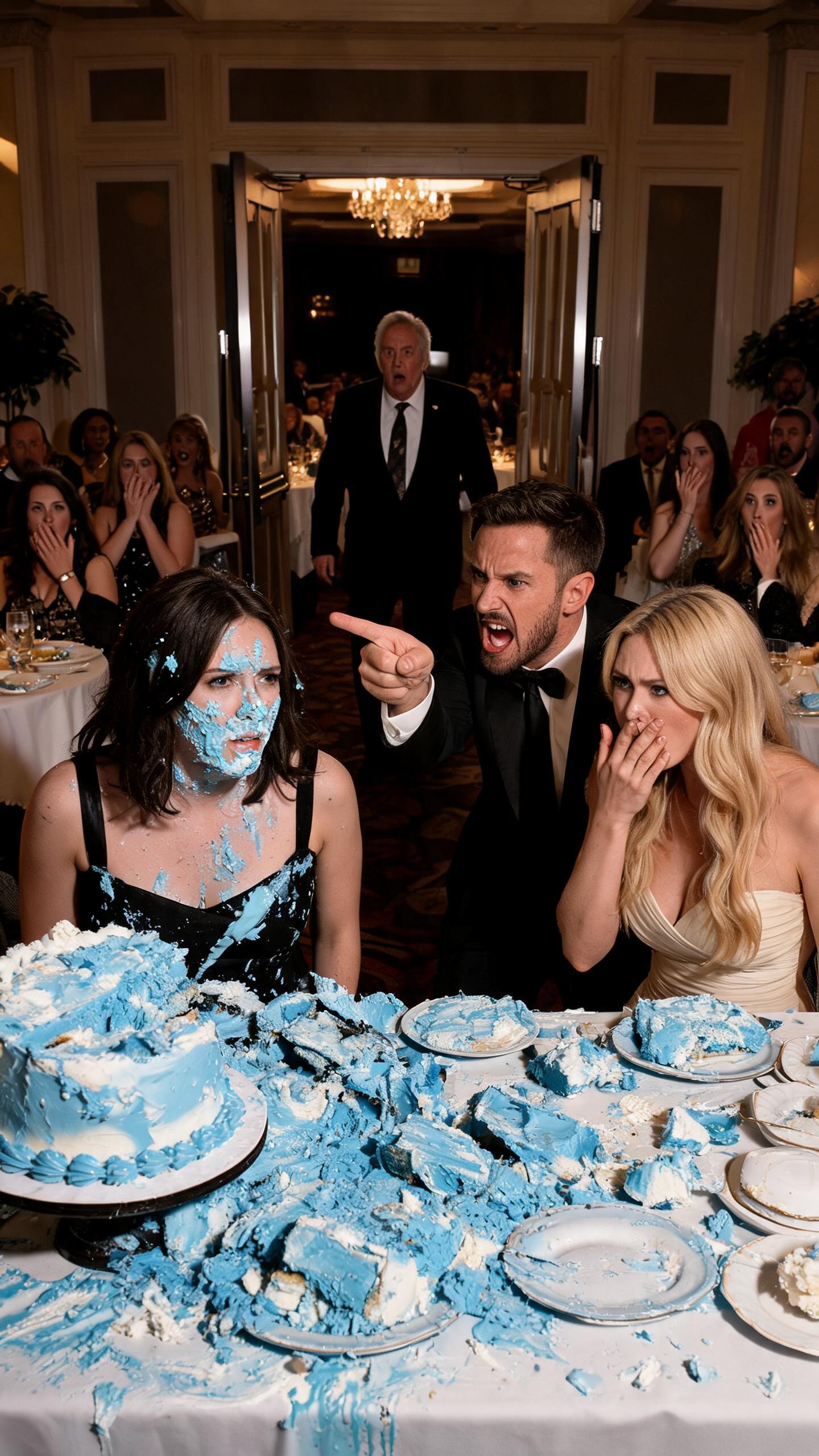
My husband pushed my face into our son's birthday cake with one hand on the back of my head.
The blue frosting hit first.
Then the sponge.
Then the sound of my little boy screaming, "Mommy!"
For one second, nobody in the ballroom moved.
Not the parents holding plastic cups near the balloon arch.
Not the cousins who had been laughing at my homemade decorations five minutes earlier.
Not my mother-in-law, who stood beside the gift table with her arms folded as if she had been waiting all afternoon for someone to put me in my place.
My cheek pressed into the cake I had spent three nights making after my son fell asleep.
Three layers.
Blue frosting.
Tiny sugar dinosaurs around the edges because Noah had asked for them in that serious little voice five-year-olds use when they believe birthdays are sacred.
Behind me, my husband's girlfriend laughed.
Savannah did not even try to hide it.
She lifted her phone higher and said, "Oh, this is perfect."
My husband, Grant Harlow, leaned close enough that I could smell whiskey beneath his expensive cologne.
"Now everyone can see what your worth looks like," he said.
The room heard him.
My son heard him.
That was the part that changed me.
Not the frosting in my hair.
Not the laughter.
Not Savannah filming while my mother-in-law murmured, "Finally."
It was Noah trying to wipe cake from my face with both small hands while grown adults stared at the floor.
"Don't cry, baby," I whispered.
My voice sounded strange.
Calm.
Too calm.
Grant laughed again.
"Look at her. She still thinks silence makes her dignified."
I lifted my son into my arms, frosting dripping down my chin onto the front of my white dress.
Then the ballroom doors opened.
Every head turned.
Four security men in black suits stepped inside first.
Behind them walked my father.
Victor Bellamy did not raise his voice.
He never had to.
The man who controlled shipping routes, hospitals, clean-energy funds, defense contracts, and entire city skylines paused beneath the chandelier and looked at the cake on my face.
Then he looked at Grant.
"Take your hand off my daughter," he said.
Grant's smile disappeared.
They Thought I Had Married Up
For six years, the Harlow family believed I was lucky to have them.
Grant told people I was "simple."
His mother, Lucinda, called me "sweet but limited."
Savannah called me "the little baker wife" before she became bold enough to call me nothing at all.
They thought I came from nowhere because I let them think it.
My father had warned me before I married Grant.
"If you hide your name, people will show you their character faster," he said.
I thought that was cynical.
I was twenty-six, in love, and tired of rooms where men calculated my inheritance before they learned my favorite song.
So I became Mira Cole instead of Mira Bellamy.
I took my mother's maiden name, moved into Grant's ordinary brick house outside Atlanta, and told myself a smaller life could be safer if the love inside it was real.
For a while, I believed it was.
Grant used to kiss flour from my cheek when I baked late at night.
He used to say he loved that I didn't care about status.
Then his business failed.
Then he learned that my savings were not endless.
Then Lucinda began asking questions about my family and my father's "old manufacturing job" and whether I had "any useful contacts at all."
The kindness thinned.
The jokes sharpened.
When Noah was born, I thought fatherhood would soften Grant.
It did the opposite.
He resented the attention our son needed.
He resented the money I would not hand over for another reckless investment.
He resented that I could stretch a budget, repair a torn curtain, plan a party with paper decorations, and still look at peace in a house where everyone else measured worth by what could be displayed.
Savannah arrived first as his "marketing consultant."
Then as his dinner companion.
Then as the woman sitting beside him at my son's birthday party in a red dress that cost more than the whole dessert table.
I knew.
Of course I knew.
But knowing an affair is one pain.
Watching your child learn public cruelty from his own father is another.
That afternoon, Lucinda had insisted we move Noah's party from our backyard to the private ballroom at the club.
"At least let the child have one respectable memory," she said.
I agreed because Noah's eyes lit up when he saw the chandeliers.
I agreed because I wanted one day to be about him.
I agreed because I had already called my father that morning and told him the truth.
Not all of it.
Just enough.
"Dad," I said, standing in the pantry beside cooling cake layers, "I think I need to come home."
There had been one pause.
Then his voice went quiet.
"I'm already on my way."
The Doors Opened Before Their Story Could Close Around Me
Grant did not understand what he was seeing.
That was almost the saddest part.
He looked at my father the way small men look at power before they know whether to flatter it or fear it.
"Sir, this is a private family event," he said.
My father walked forward without answering.
The security men spread out along the walls.
Club staff appeared behind them, suddenly pale.
Lucinda stepped forward first.
"Victor Bellamy," she whispered.
She knew the name.
Of course she did.
She had spent twenty years clipping society pages and pretending she belonged in them.
Grant turned toward her.
"You know him?"
Lucinda did not answer.
My father stopped beside me.
He took a linen napkin from the cake table and gently wiped frosting from my eye.
That small tenderness nearly broke me.
Not because I needed saving.
Because I had spent years pretending I did not miss being protected.
Noah clung to my neck.
"Grandpa?" he whispered, uncertain because he had only met my father twice, both times under the name Mr. Bell.
Victor's face changed.
"Hello, little lion."
Grant stared at me.
"Mira?"
My father looked at him then.
"You put your hand on my daughter in front of my grandson."
"Your daughter?" Savannah said.
Her phone lowered slowly.
That was when the room began to understand.
Not all at once.
First Lucinda.
Then the club manager.
Then Grant's oldest investor, who had been invited to watch Grant perform successful-family theater and was now watching his face collapse.
Grant tried to laugh.
"This is ridiculous. Mira never said anything about being related to you."
"No," I said. "I wanted to see who you were when you thought I had nothing."
The words landed harder than I expected.
Savannah backed away from the table.
Lucinda's mouth opened, but my father lifted one hand.
"Do not speak to her."
Lucinda closed it.
I had never seen that happen before.
My father turned to the club manager.