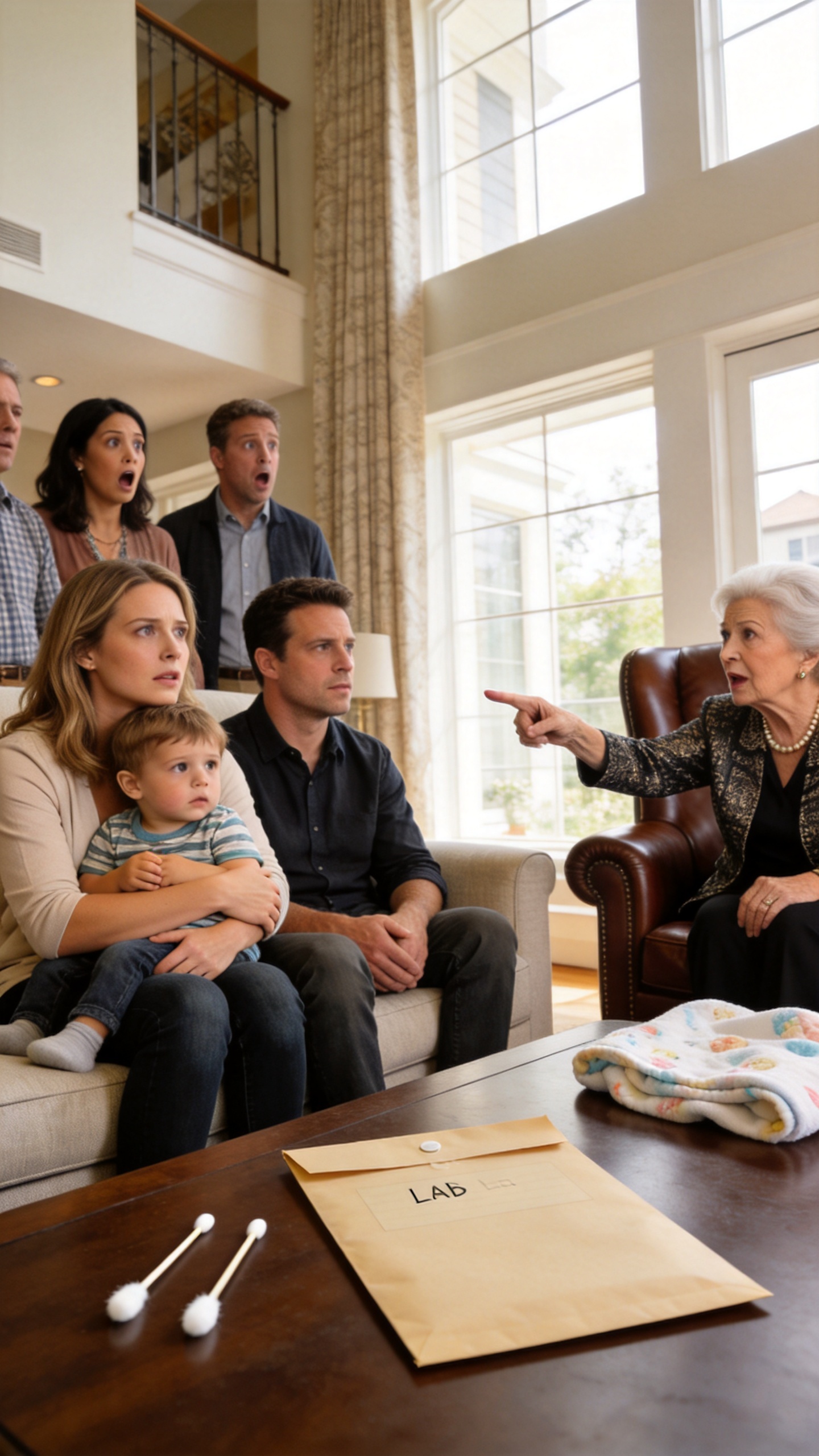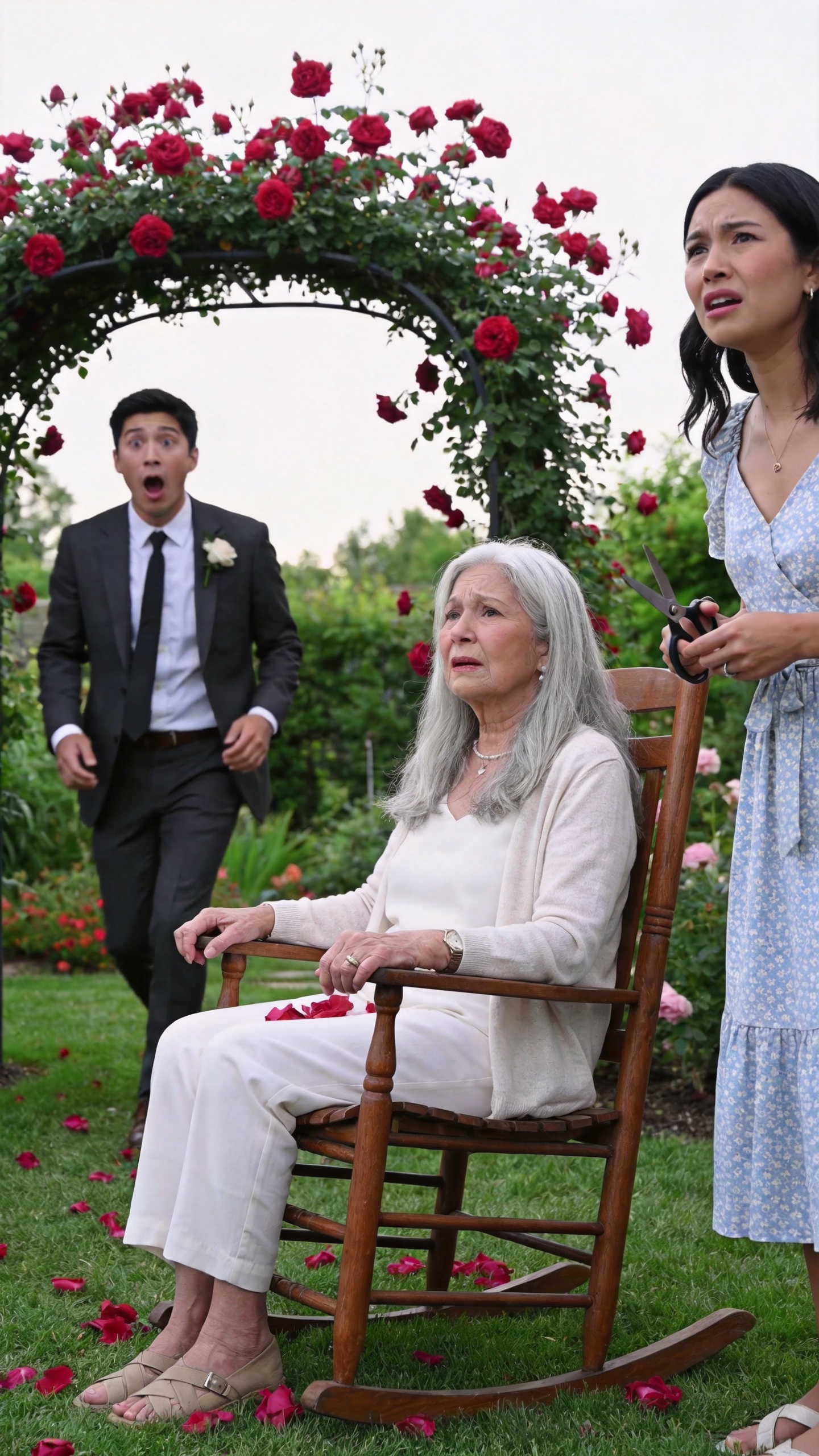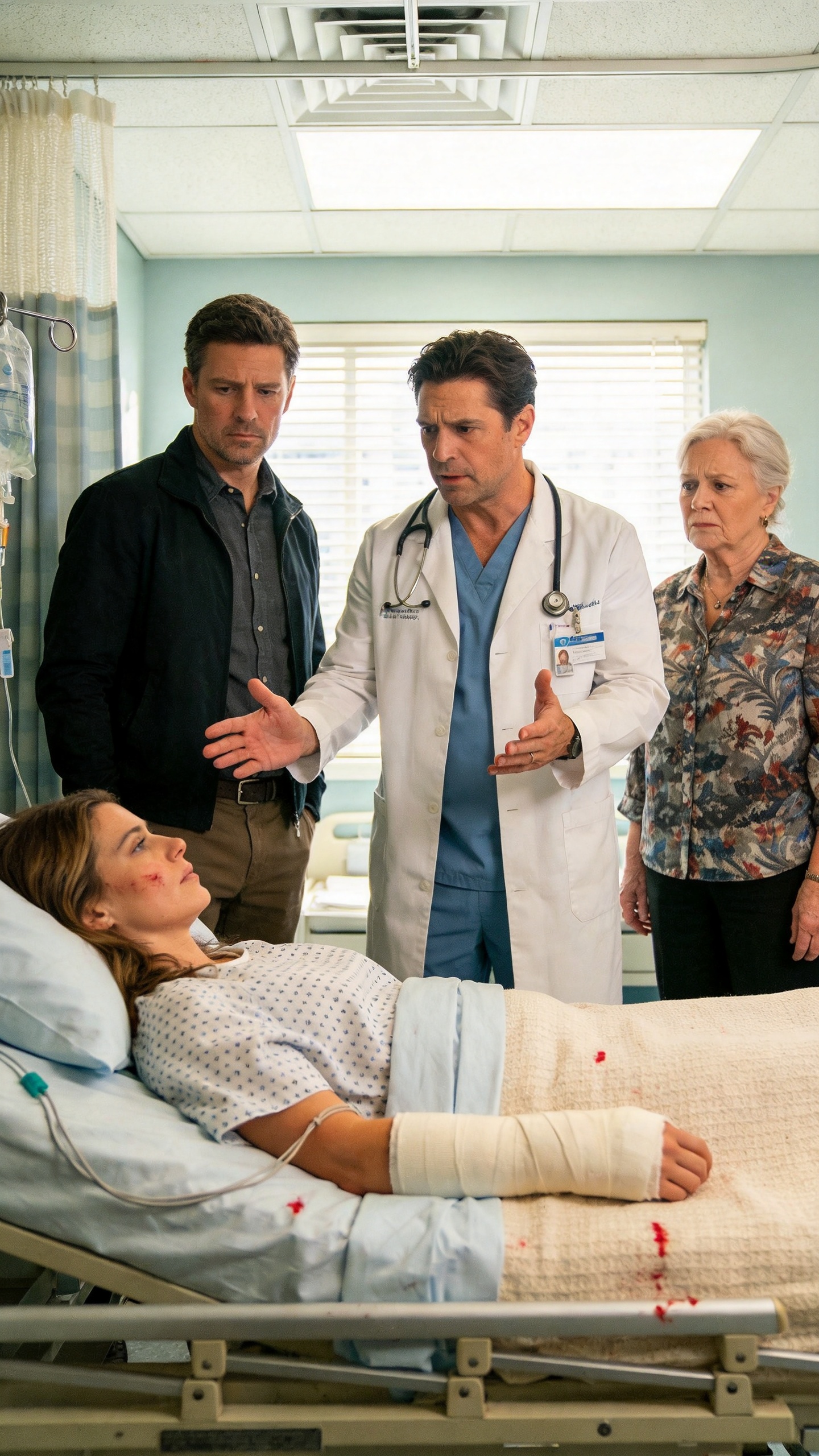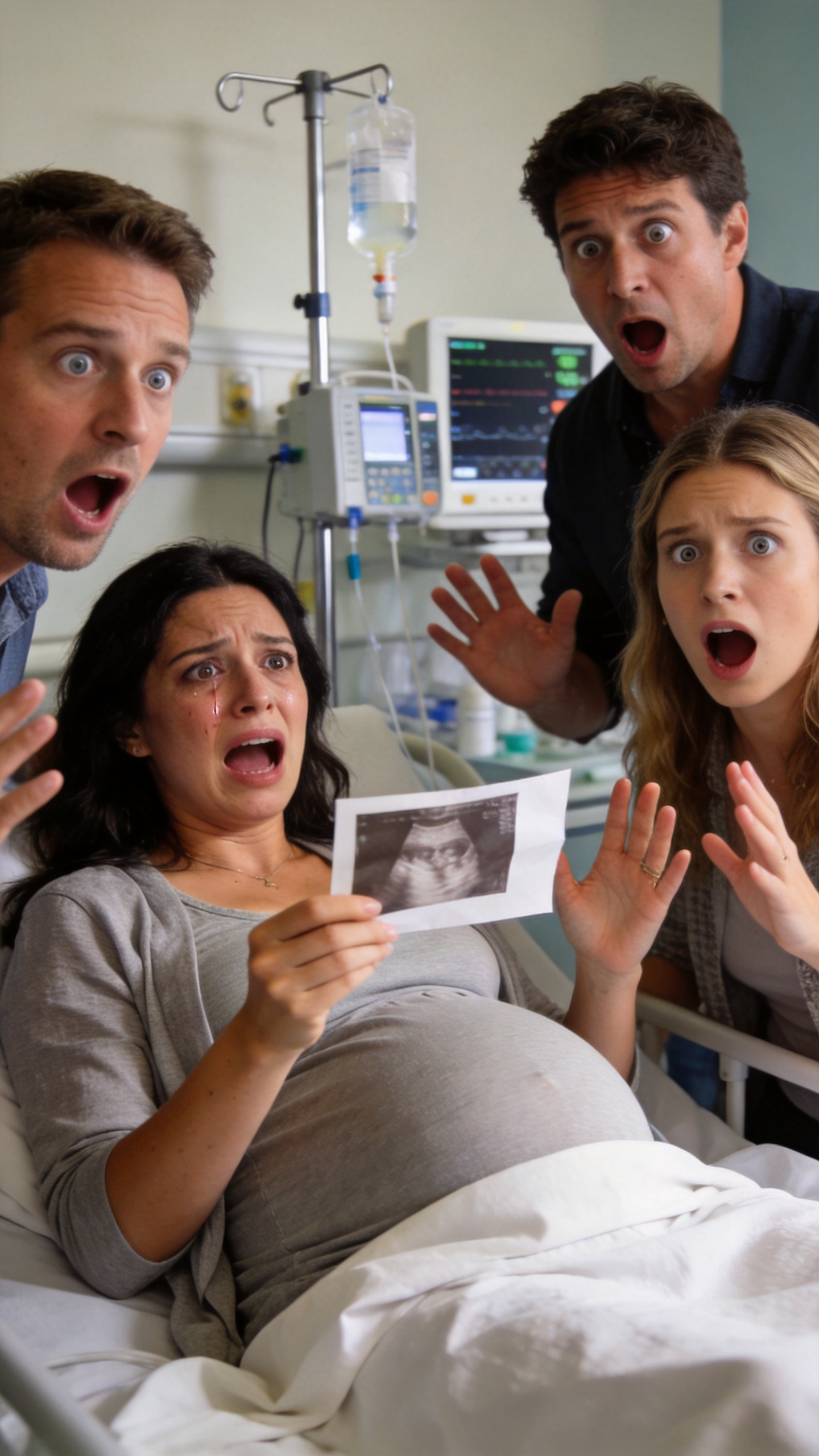
He Left Me Because He Said I Was "Broken" And Could Never Give Him A Legacy. Then He Invited Me To His Wedding With The Note, "I Saved You A Front-Row Seat," And I Walked In Holding The Hands Of His Triplets
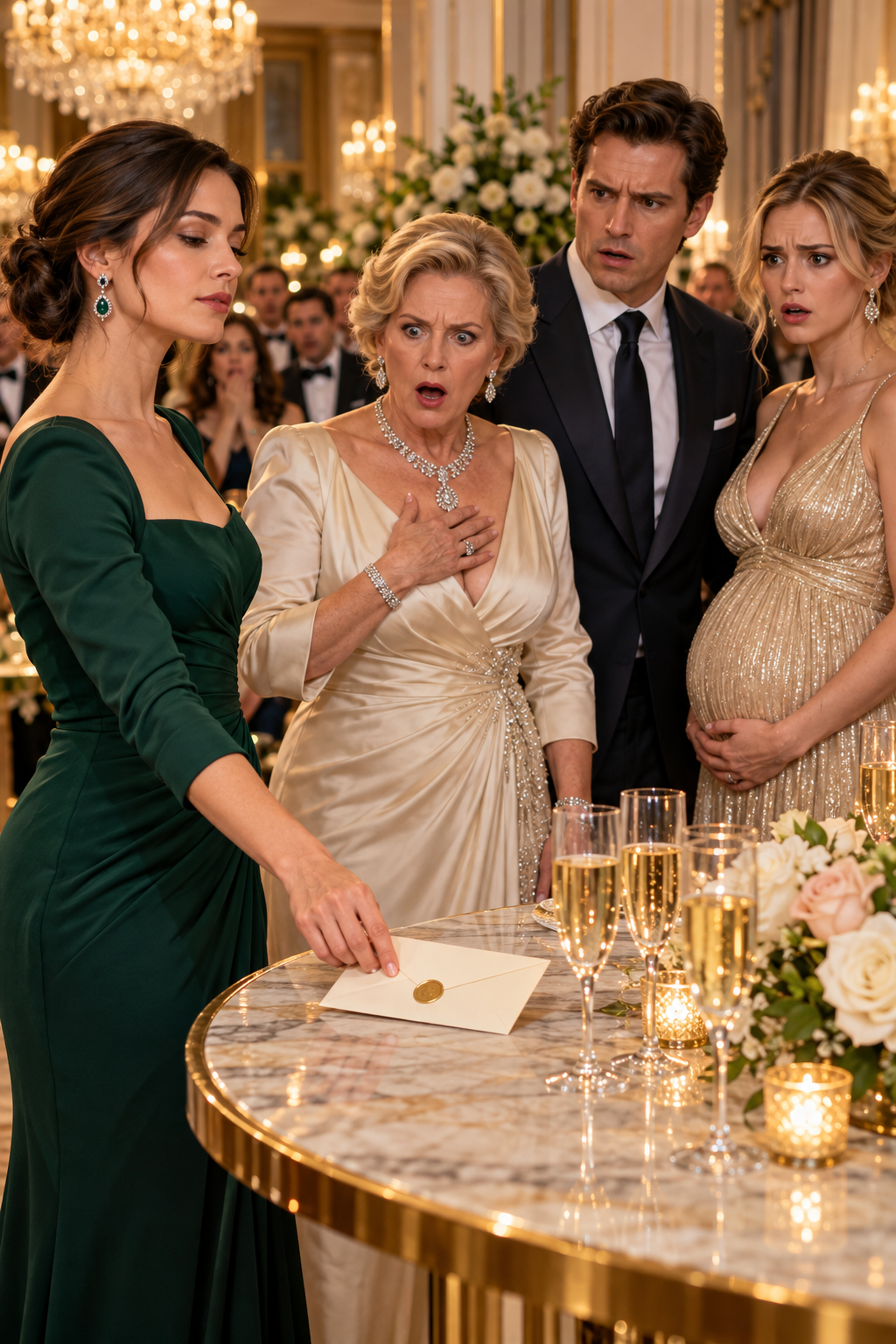
"Don't be late," my ex-husband wrote. "I saved you a front-row seat."
The note was tucked inside a wedding invitation thick enough to feel like a slap.
Cream paper.
Gold edges.
His name embossed beside hers.
Ryan Whitmore and Madison Vale request the honor of your presence.
As if honor had anything to do with it.
Below the invitation, in Ryan's sharp familiar handwriting, was the line he wanted me to bleed over.
Come celebrate. I want you to see what you lost.
I stood in my kitchen for a long time while three little voices argued in the hallway about whether dinosaurs could wear bow ties.
Three voices.
Three children.
His children.
The ones he said I could never give him.
The ones he forfeited when he called me broken and walked out of our marriage like he was returning a defective appliance.
I could still hear him from that last night.
"Be realistic, Anna," he had said, standing beside the granite counter in the house I had helped pay for. "My mother is right. I need a legacy. I need a wife who works."
"Works?"
"You know what I mean."
I did.
He meant fertile.
Useful.
Quietly grateful.
A woman who could produce children on his timeline and smile while his family inspected her like livestock.
When I cried, he looked annoyed.
"I'm not wasting my life waiting for a miracle."
Two months later, the divorce was final.
Three months after that, a new doctor looked at a scan and said, "Anna, there are three heartbeats."
Now those heartbeats were three-year-olds with sticky hands, loud opinions, and Ryan's gray eyes.
I looked at the invitation again.
Front-row seat.
Fine.
I would sit where he could see exactly what he lost.
He Wanted A Legacy More Than A Wife
Ryan Whitmore loved the idea of family more than he ever loved the people inside one.
He came from money built on construction, land, and old Dallas pride. His mother, Diane, spoke about bloodlines with the seriousness other people reserved for religion.
She measured women by last names, posture, and reproductive promise.
I failed her on the third one.
At first, Ryan defended me.
"Mom's just traditional," he said after Diane asked at Thanksgiving whether my "side" had any history of barren women.
Traditional.
Another word people use when cruelty has inherited furniture.
After the second year of trying, the doctors became part of our marriage.
Calendars.
Blood tests.
Silent drives home.
Ryan stopped holding my hand in waiting rooms.
Diane started sending articles about surrogacy agencies and younger eggs.
Then one specialist, a family friend of Diane's, told us my chances were "functionally negligible."
He said it without looking at me.
Ryan believed him because the answer made leaving easier.
I believed him because grief makes bad information sound official.
After the divorce, I switched insurance and went to a clinic outside Diane's orbit.
Dr. Lena Morris ran tests the first doctor never ordered.
"You ovulate," she said, frowning at the file. "Who told you otherwise?"
I did not answer.
I was too busy staring at the lab report.
Then came the pregnancy test.
Then the ultrasound.
Three flickering heartbeats.
I sat in my car afterward with both hands on the steering wheel, laughing and sobbing so hard a nurse knocked on my window to ask if I was safe.
I did not call Ryan.
People judge that part until they understand what Ryan would have done.
He would not have returned because he loved me.
He would have returned because the word legacy had started breathing.
He would have brought lawyers.
His mother.
His entitlement.
He would have turned my pregnancy into a Whitmore project and my body into family property.
So I disappeared into ordinary life.
My sister took me in.
I worked remotely as an accountant.
I learned to sleep sitting up with one baby on my chest and two in bassinets beside the couch.
I learned which cry belonged to Jonah, which belonged to Miles, which belonged to Elise.
I learned that love could be impossible and still not feel like a burden.
Three years passed.
Ryan appeared sometimes in business magazines.
Madison appeared beside him in white dresses, tennis skirts, and engagement photos filtered to perfection.
I did not envy her.
I pitied the version of myself she was about to become.
Then the invitation arrived.
Not to share joy.
To stage my humiliation.
He wanted me in the front row so every guest could see the barren ex-wife watching him choose a younger bride.
He wanted applause to do what divorce had not.
Finish me.
The Front Row Was Not Empty When He Turned Around
The wedding was held at the Grand Ellery Hotel, a downtown monument to glass, marble, and people pretending flowers meant sincerity.
I drove my minivan between black cars and valet attendants who looked momentarily confused before remembering professionalism.
I wore a navy dress.
Simple.
Sharp.
Armor with a zipper.
Then I opened the sliding door.
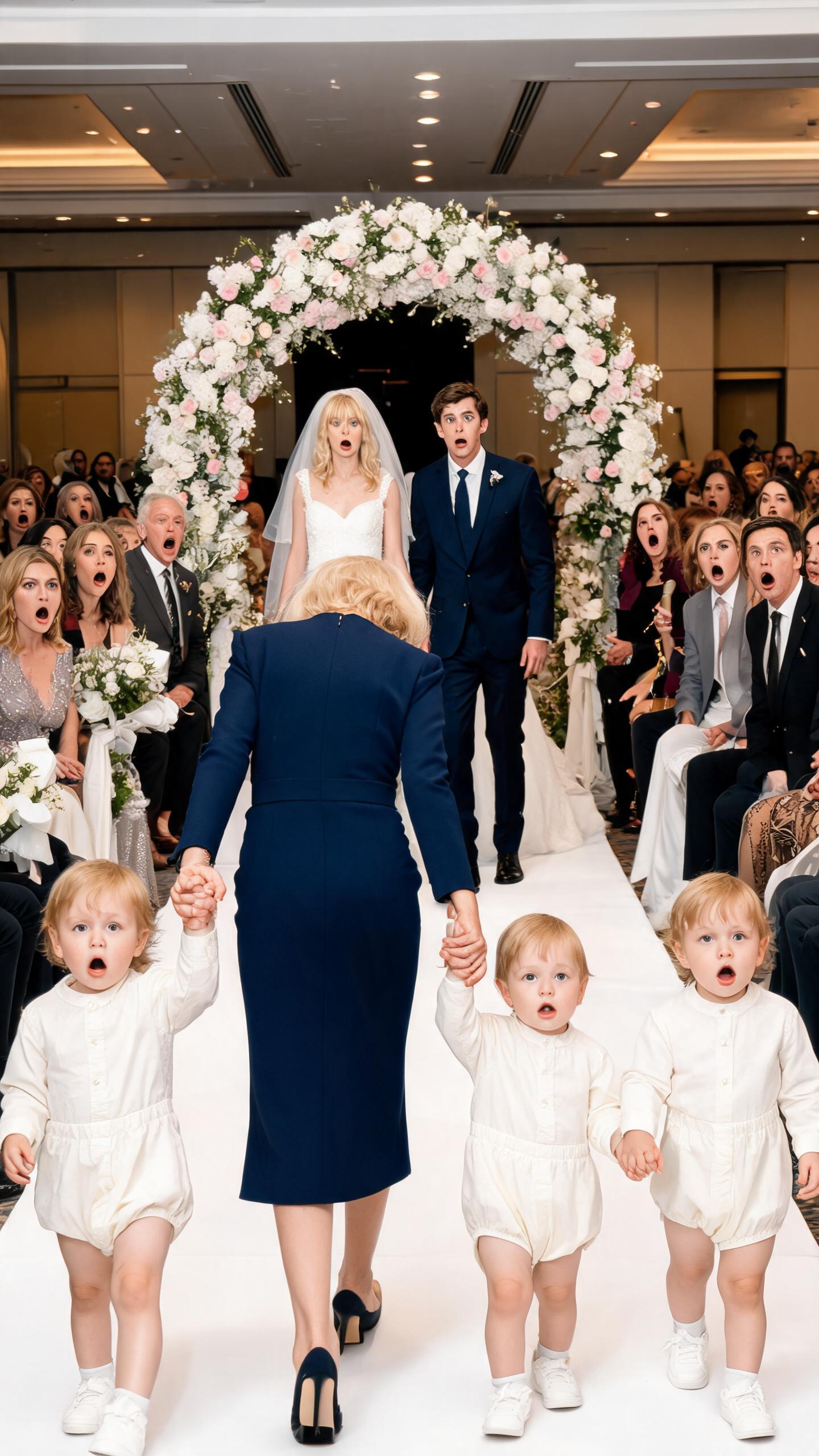
Jonah climbed out first, serious in his tiny suit.
Miles followed with one shoelace already loose.
Elise stepped down last, smoothing the skirt of her ivory dress like she owned the sidewalk.
The valet stared.
"Triplets?" he asked before catching himself.
"Mine," I said.
Inside, the hotel smelled like lilies and money.
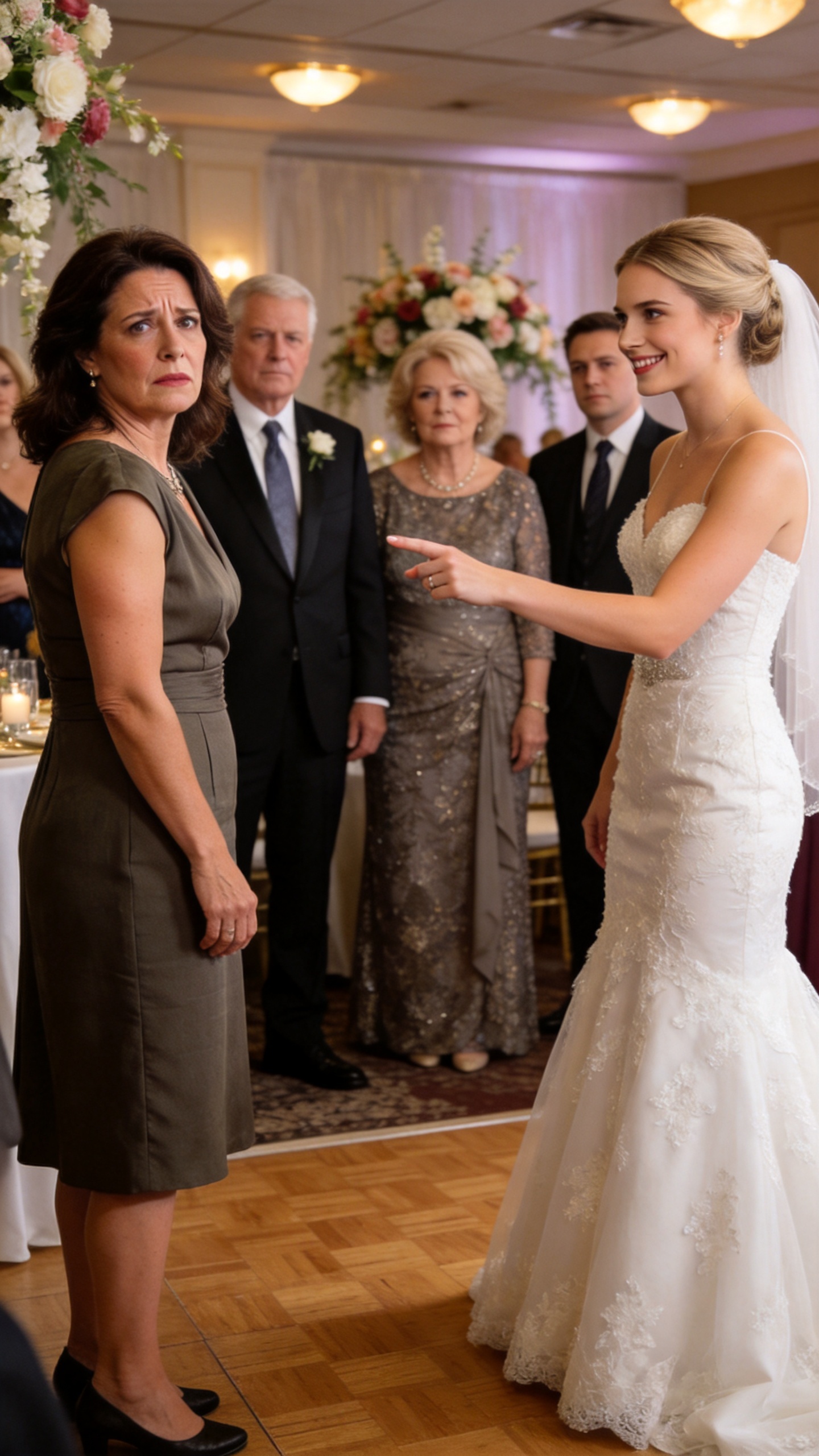
Diane Whitmore saw me first.
Her smile froze.
Not because of me.
Because Jonah turned his head at that exact moment and revealed Ryan's profile in miniature.
The same gray eyes.
The same stubborn chin.
The same small crease between his eyebrows when he was trying to understand a room too big for him.
"Anna," Diane whispered.
Elise waved.
Because she was kind before the world taught her strategy.
"Hi."
Diane grabbed the back of a chair.
"Whose children are these?"
I looked at the front row.
Three seats had been left open beside my name card.
Ryan's joke.
My answer.
"You saved us seats," I said.
We sat.
The whispers began behind us like wind moving through dry leaves.
Madison stood at the far end of the aisle in a lace gown, smiling toward the cameras.
Ryan waited under an arch of white roses.
He had not seen us yet.
The music changed.
Everyone rose.
Madison began walking.
Halfway down the aisle, Jonah dropped his toy car.
It rolled across the polished floor, tapped against Ryan's shoe, and stopped.
Ryan looked down.
Then he looked at the child reaching for it.
His face emptied.
Not confused.
Recognizing.
The kind of recognition the body makes before the mind invents denial.
Miles tugged my hand.
"Mommy, is that the man from the picture?"
The microphone near the arch caught him.
Every guest heard.
Madison stopped walking.
Diane made a sound that was almost a prayer and almost a curse.
Ryan stared at me.
"Anna."
I stood slowly.
"You said you saved me a front-row seat."
My voice carried because the room had gone hungry for the next sentence.