The Sleep Position Doctors Worry About More As You Age—Especially If You Snore
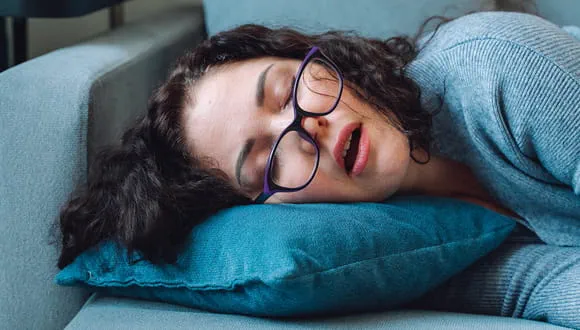
Why Back Sleeping Can Make Snoring Worse
Most people choose a sleep position out of comfort, not health. But as people age, sleep position can begin to affect far more than neck stiffness. It can influence snoring, sleep apnea risk, acid reflux, shoulder pain, circulation, and how rested a person feels in the morning.
One position tends to create the most concern in people who already snore: sleeping flat on the back.
When a person sleeps on the back, gravity encourages the tongue and soft tissues of the throat to fall backward. That narrows the airway and makes vibration more likely, which often increases snoring.
Why Women Often Miss The Signs
Sleep apnea becomes more common with age and is frequently underdiagnosed, especially in women, who may present with fatigue, headaches, or insomnia rather than classic loud snoring alone.
Signs may include waking unrefreshed, frequent nighttime waking, dry mouth in the morning, memory fog, irritability, morning headaches, and high blood pressure.
When Side Sleeping Helps
Sleeping on the side often helps keep the airway more open. For people with position-related snoring or mild apnea, it can make a noticeable difference.
It may also reduce reflux for some people and lessen pressure on the lower back. However, side sleeping is not perfect and can aggravate shoulder or hip discomfort if support is poor.