My Brother Tried To Leave His Kids At My House Until Grandma's Old Key Stopped Working
The Old Key Stopped At My New Lock
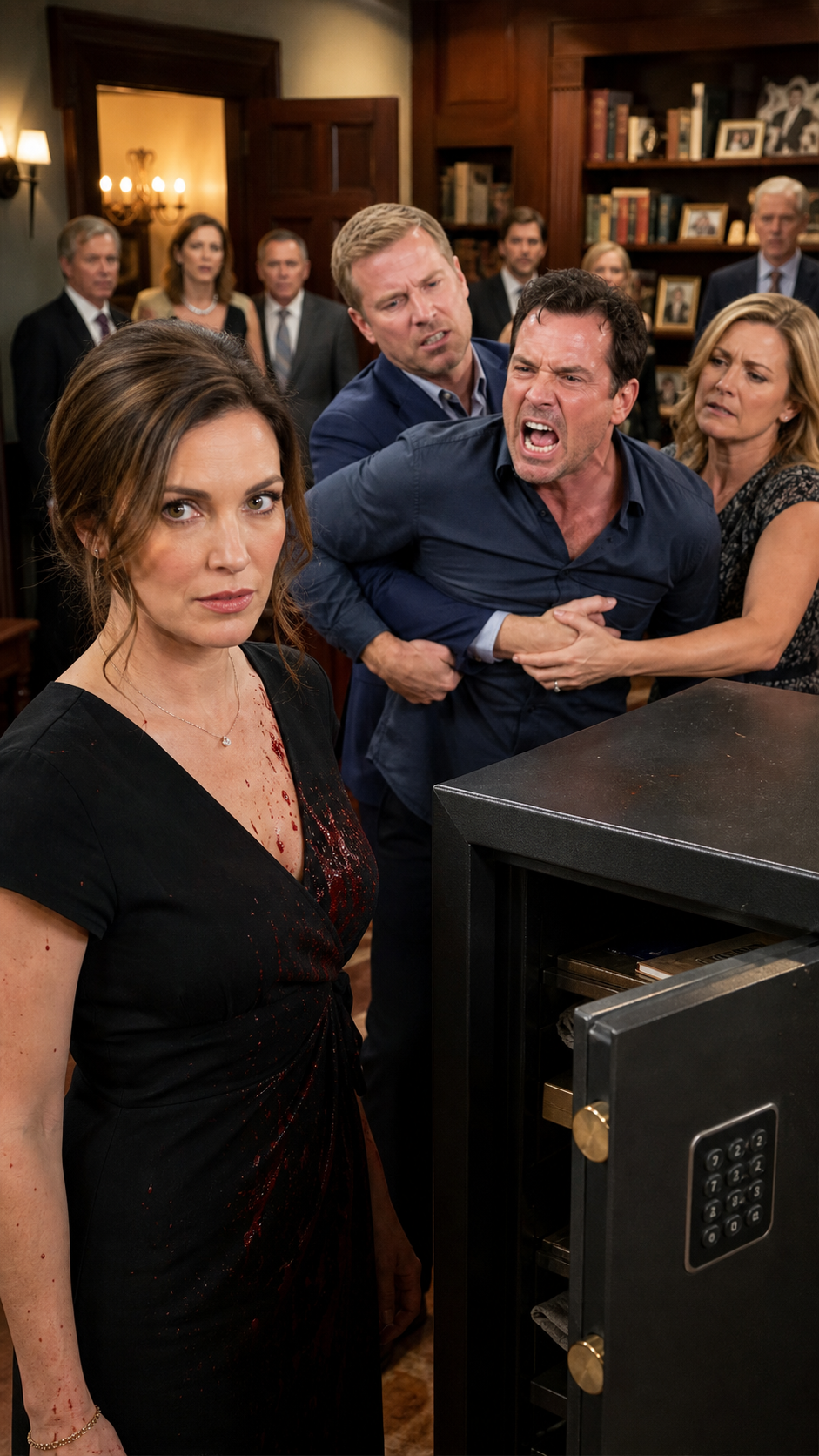
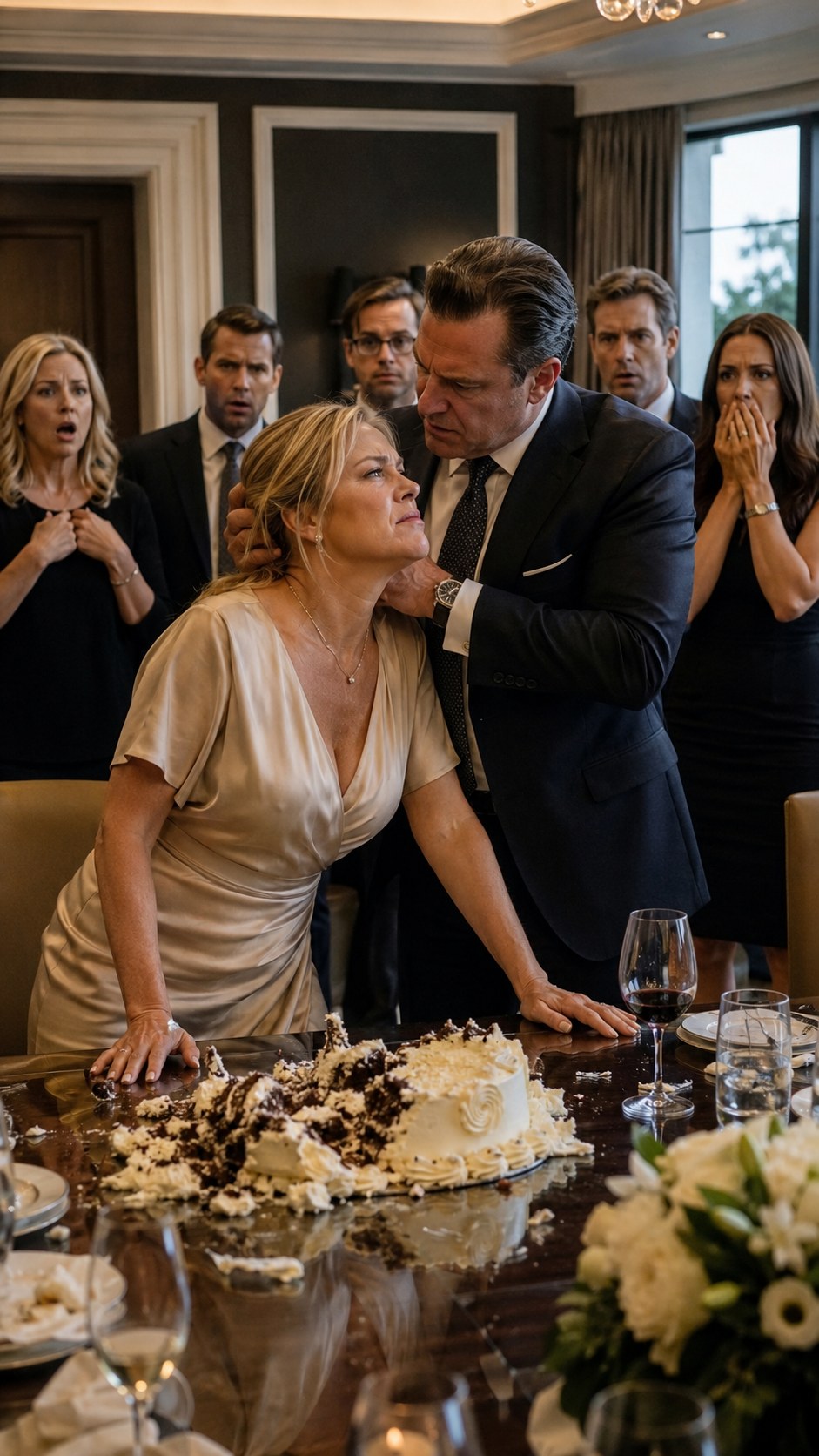
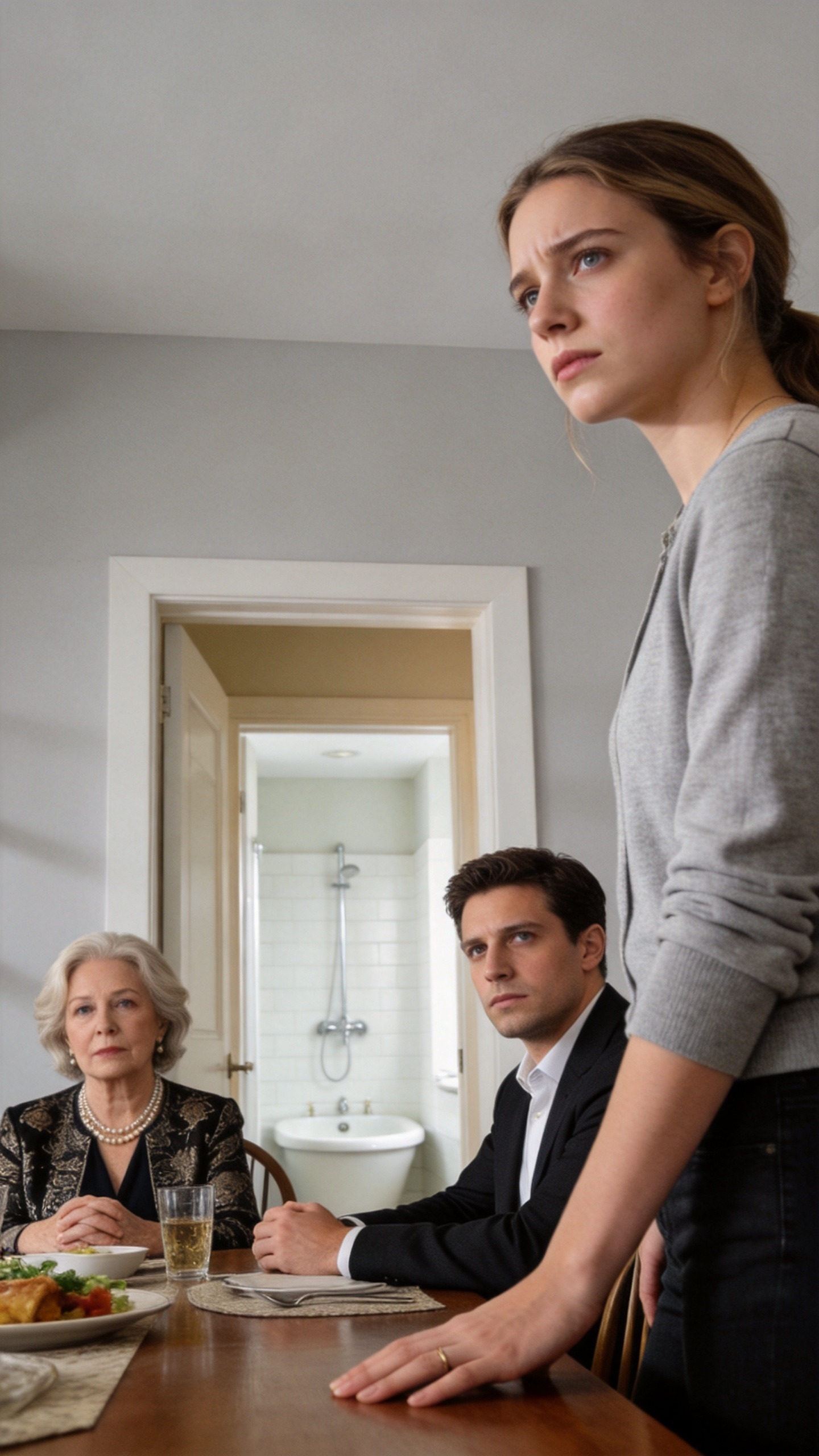
My brother stood at the end of my grandfather's birthday table, smiled like he already owned the room, and said, "You don't deserve to carry our last name."
My mother gave one tiny nod. My father stared down at his plate. Around the private dining room, forks stopped moving and glasses froze halfway to people's mouths.
Everyone waited for me to break.
I pressed my thumbnail into my palm and refused to cry. Damon had been waiting for that. He always loved turning cruelty into a performance.
Then my grandfather's chair scraped against the floor.
Theodore Callaway, eighty-two years old, slowly stood. One hand rested on the table for balance, but the room changed the moment he rose.
He looked at my brother and said calmly, "Then she'll carry mine, and everything that comes with it."
"No," he whispered. "Grandpa, you can't do this to me."
That was when I understood the dinner had never really been about my name. It had been about a decision my family thought had already been made.
My name is Jasmine Reed. I was twenty-nine when my family finally said out loud what they had been showing me for years.
He was the golden son: handsome, charming, successful in luxury real estate. My mother lit up whenever he entered a room. My father excused everything he did.
I was the practical daughter. The one they called when bills made no sense, when appointments needed scheduling, when something broke. I was useful. Damon was important.
The Callaway name came from my mother's side. My grandfather had built Callaway Works from one failing repair shop near the river. He answered emergency calls, fixed pumps during storms, repaired drainage systems, and later turned part of the old building into a training workshop for young people who needed a second chance.
He always told me, "A name is not a trophy, Jasmine. It is a promise."
I became a civil engineer for the city, working on stormwater systems, drainage plans, and flood prevention. Damon called me "the pipe girl." At family dinners, everyone laughed when he mocked my work.
When I helped protect nearly two hundred homes from flooding, Grandpa asked questions. He listened. He understood that quiet work could matter more than polished speeches.
That was why I kept showing up.
Then Damon started treating the Callaway name like something he could sell.
One Sunday, he announced that Grandpa had built the name, but he could finally make it profitable. My mother laughed. My father smiled.
Three weeks later, Mom announced that Grandpa's eighty-second birthday dinner would be "special." Damon sent the family a photo of himself outside a glass office tower with the message: Big things coming for the Callaway name.
I knew something was wrong.
Two days before the dinner, Dad called and asked me not to "make things uncomfortable." That told me everything.
Then Damon emailed the family a glossy proposal titled *A Future Worthy of the Callaway Legacy. *
By page seven, my hands were cold.
The old workshop would be demolished. The apprenticeship floor would disappear. In its place: luxury riverfront condos, a residents-only coffee bar, and a small scholarship display using the Callaway name.
The worst part was hidden near the end.
Damon would receive a personal consulting fee if the deal closed.
He wasn't protecting Grandpa's legacy.
He was selling it.
I called Luis Alvarez, one of Grandpa's former apprentices. He now supervised emergency pump maintenance for hospitals and still volunteered at the workshop.
When I asked about Mercer Lane Development, he went quiet.
"People are talking," he said. "Someone toured the block last week."
Then his voice dropped.
"Jasmine, that place saved my life. Please don't let them turn it into lobby decoration."
After that call, I stopped thinking like the daughter no one listened to. I started thinking like an engineer.
I pulled public records, flood zone reports, grant conditions, trust documents, easements, city plans, and community agreements. Damon's proposal wasn't just cruel. It was risky, careless, and legally messy.
By Friday, I had a twelve-page analysis showing exactly what his plan would cost: money, trust, legal exposure, and people's futures.
I sent it directly to Grandpa with one sentence:
I am not trying to interfere, but I think you should see what this plan would really do.
Four hours later, Grandpa replied.
Thank you. I needed facts, not noise.
Meanwhile, Damon acted like he had already won. He ordered a new suit, hired a photographer, and told relatives he was preparing to "step up" for the family.
The dinner was held at Mercer and Rail, a restaurant built inside part of the original Callaway repair shop. When I arrived, I saw place cards, printed menus, and a family attorney seated near Grandpa's chair with a gray envelope.
My Brother Thought His Children Were My Problem
This was not a birthday dinner.
It was a boardroom with candles.
Damon spent the evening talking about vision, growth, and legacy. He told people the workshop property was "underperforming land." He told a developer the family was emotionally attached but ready.
That word made my stomach tighten.
Then he came beside me and whispered, "Try not to bring up pipes, permits, or poor people tonight. Grandpa deserves ambition."
I turned to answer, but saw Grandpa standing in the doorway.
He had heard enough.
During dinner, one of Grandpa's old friends asked me about a stormwater project I had helped manage. I explained how it protected nearly two hundred homes.
"That's cute," he said. "But tonight is about real money, not city maintenance."
I asked, "What happens to the apprentices if the workshop closes?"
"They adapt. Successful people always do."
My mother quickly said, "Jasmine, tonight is not the time for your little causes. This is about your grandfather's legacy."
Those "causes" were people.
Damon lifted his glass and said, "Not everyone is built to carry a family forward. Some people maintain things. Other people lead."
Mom nodded. Dad looked down. Grandpa watched Damon closely.
After dessert, the attorney placed the gray envelope beside Grandpa's coffee. Damon straightened his jacket, ready for applause.
Grandpa folded his hands.