He Faked A $36 Million Inheritance To Expose His Wife’s Betrayal
She could ignore guilt. She could survive embarrassment. She could tolerate uncomfortable living conditions if she believed a better life waited at the end. But Megan could never ignore money.
Money had always captured her attention. So James created an opportunity she would be unable to resist.
He arranged for a carefully worded probate notice to appear in regional publications and online databases often examined by companies searching for missing heirs.
The notice referred to a thirty-six-million-dollar inheritance and possible beneficiaries connected to a particular family surname. It did not promise that Megan would receive anything.
It did not need to. It only had to look like the kind of possibility she would chase. The notice was completely legal. There was just no inheritance. Before long, someone made an inquiry.
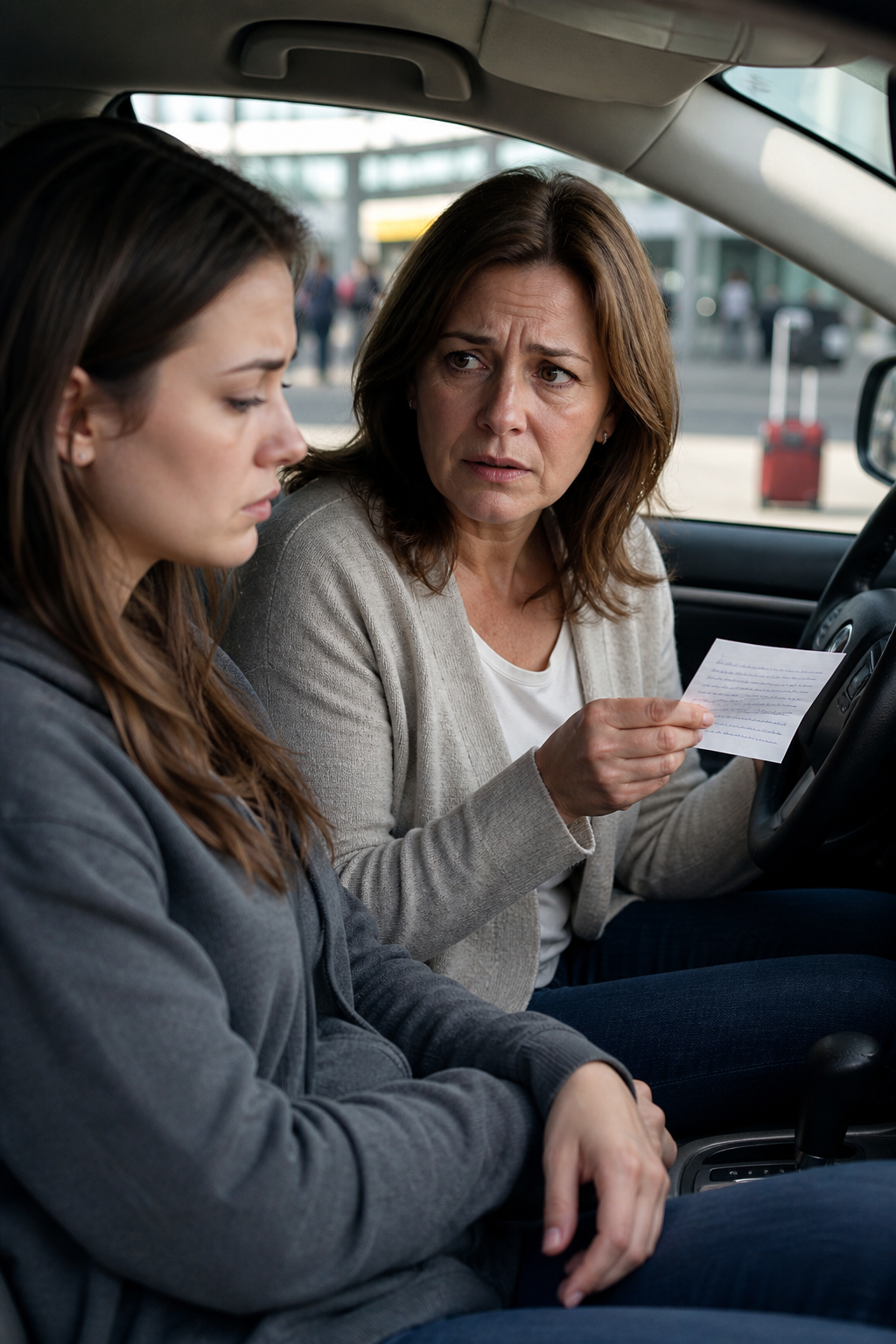
That inquiry became a phone call to an office whose staff had been told what to say. The phone call became travel arrangements. Investigators soon confirmed that Megan and Kelly were returning.
Their destination was James’s house. Of course it was. The property was the largest asset remaining, and Megan believed a fortune might be waiting behind its front door.
On the morning they arrived, James cleaned the house himself. He told himself he simply wanted everything in order, but he knew there was another reason. The home had once smelled of medication and fear.
Now it smelled of lemon cleaner and fresh coffee. Sunlight crossed the floorboards where James had once sat because he lacked the strength to walk to the kitchen. Then gravel shifted beneath tires in the driveway.
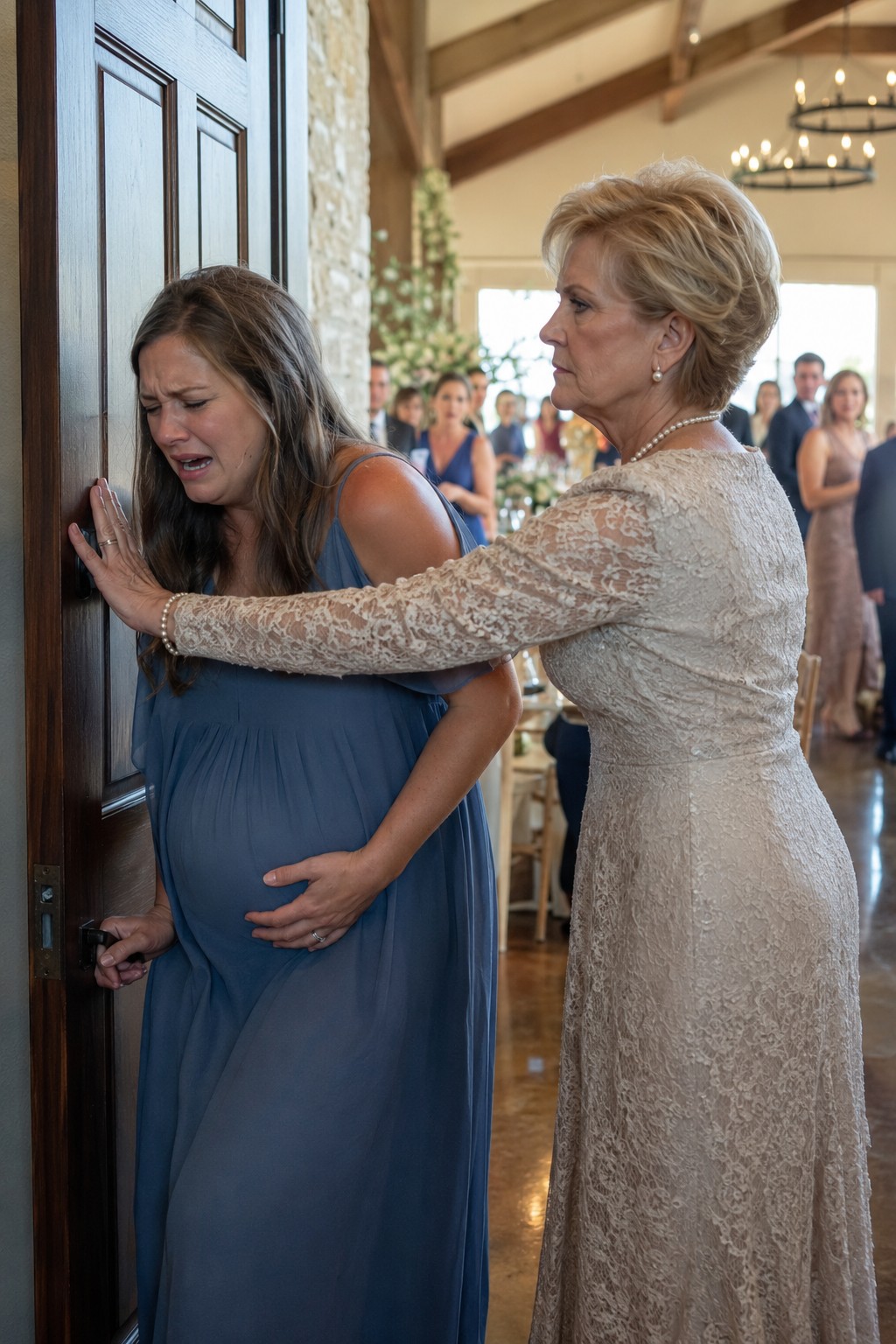
A car door closed. Then another. James watched through the narrow glass panel beside the front door. Megan stepped from the car and adjusted her coat. Before approaching the house, she arranged her expression into one of grief.
James watched the transformation. It was almost like seeing someone put on jewelry before entering a room. Kelly emerged from the other side of the car. He wore a stiff dark shirt and looked thinner than James remembered.
The sight still affected him. He hated that it did. But love did not always disappear simply because it had been betrayed.
Across the street, Mrs. Pritchard paused while watering her garden. Mr. Alvarez lowered his newspaper near the mailbox. Megan stopped to speak with them. James heard fragments through the door.
“Untimely.” “Hospital.” “So sudden.” She allowed the neighbors to believe James had died. Mrs. Pritchard expressed sympathy. Megan answered in the trembling voice she often used when she wanted to appear strong despite suffering.
James knew that voice. He had heard it at funerals, school meetings, and once while Megan returned a dress she had already worn to a wedding. She approached the steps. Her hand hovered over the bell.
It trembled. But James had spent months around real grief. This was not grief. It was anticipation. Megan believed thirty-six million dollars waited inside. James opened the door. For several seconds, no one spoke.
Megan’s carefully prepared expression vanished. Kelly’s mouth opened, but no words came out. Across the street, water continued running from Mrs. Pritchard’s hose and tapped against the curb.
“James?” Megan finally whispered. He stood in the doorway looking considerably healthier than the deceased husband she had just described to the neighbors. A thick folder rested in one hand.
“Surprise,” he said. “It is not the thirty-six million dollars you expected, but it may still change your life.” Megan’s eyes moved toward the folder. She recovered quickly. Outrage had always been her favorite disguise.
“What is this?” she demanded. “What kind of cruel trick are you playing? We thought you were dead. We have been grieving. Do you understand what you put us through?” “The was bait,” James said. “And you followed it home.”
He stepped aside. Megan hesitated. James could almost see fear and greed arguing across her face. Greed won. She entered.
Kelly followed her, looking toward the staircase, the furniture, and the polished floor—anywhere except at his father. James opened the folder. The first page was not a will. It was a police report.
The atmosphere in the hallway changed immediately. James began with the joint savings account. He showed the withdrawals and the matching dates on his treatment schedule.
Then he produced the second mortgage, the notary information, and the signature that was too smooth to have been written by a man struggling to hold a pen. Next came the retirement withdrawal.
Finally, James showed them the false terminal diagnosis and the forged power of attorney. Kelly slowly turned toward Megan. “Mom, you told me the money came from Grandma.” “Be quiet, Kelly,” she snapped.
That was the first crack in their story. Megan was not upset by what she had done. She was upset because Kelly had begun questioning her in front of a witness.
“For three months,” James continued calmly, “the fraud division and a forensic accountant documented every transfer, form, and signature. The only thing they lacked was your current location.”
He looked directly at Megan. “So I gave you a fortune to chase.” Kelly’s expression changed from confusion to understanding and finally to fear. “The inheritance notice,” he whispered. “You needed us to come back.”
“I needed you inside the jurisdiction,” James said. At that moment, tires rolled across the gravel outside. Red and blue light swept through the front windows. Megan’s face changed completely.
She ran toward the back hallway, but stopped after seeing two officers waiting beyond the patio doors. She turned toward James. “You cannot do this,” she cried. “I am your wife.” For one second, James felt the old instinct return.
Calm her. Protect her. Fix the situation. He had spent eighteen years responding to every crisis that way. This time, he allowed the instinct to pass.
“You stopped being my wife,” he said, “the morning you told me to arrange my own ride to treatment.” The front door opened. The lead investigator entered and asked for James Miller.
“That is me,” James said. “And these are the two people named in the fraud warrants.”
— THE LIFE THAT CAME BACK
Kelly was the first to collapse emotionally. He lowered himself onto the hallway floor and covered his face. He said he was sorry.
He claimed he had been frightened and confused. He said Megan had assured him that everything was legal and that the money came from his grandmother. He reminded James that he was only nineteen.
“Please, Dad,” he begged. “Do not let them take me.” James looked at his son and remembered the baseball glove in the closet.
He saw the eleven-year-old boy sitting at the kitchen table while his father treated the leather with oil. The memory hurt more than he had expected. His illness had affected his body.
This betrayal touched a place for which no treatment existed. James crouched in front of Kelly, grateful that his body was once again strong enough to do so.
“You were not frightened by my illness,” he said quietly. “You were inconvenienced by it. It took me a long time to understand the difference.” The officers read Megan and Kelly their rights.
The official language sounded almost ordinary. Yet every sentence changed the room. Megan continued arguing.
She claimed the money belonged to both of them because they were married. She said James owed her after eighteen years. She insisted his illness had made him suspicious, selfish, and cruel.
Each statement attempted to rebuild the old reality—the one in which Megan’s version became accepted simply because she repeated it confidently. But now the documents answered for James.
Bank records. Signed forms. Mortgage documents. Security footage from a bank branch showing Megan making a transaction while James sat four miles away receiving treatment. The evidence did not care how convincing she sounded.
Kelly looked back once as officers escorted him outside. James could not tell whether his expression showed regret or self-pity. Perhaps it contained both.
Some betrayals become so complete that even the guilty person can no longer separate remorse for the victim from sorrow over the consequences. The police vehicles left the driveway beneath the late-afternoon sunlight.
Mrs. Pritchard finally turned off her garden hose. Mr. Alvarez folded his newspaper without pretending to read it. Slowly, the neighborhood resumed its ordinary rhythm. James closed the front door and locked it.
The small click of the deadbolt gave him more satisfaction than he expected. The house settled around him. It was no longer a sickroom. It was no longer a place waiting for a death that never arrived.
It was empty. But emptiness no longer meant abandonment. Months earlier, silence had reminded him of Megan packing blouses and Kelly staring at the carpet. Now silence meant space.
Clean space. Earned space. It belonged to a man who had survived not only a serious illness, but also the people who had planned their future around his absence. James walked into the kitchen and made a cup of tea.
He remained standing the entire time. The case moved through the courts during the following year. It progressed slowly, accompanied by hearings, reports, and stacks of paperwork. James attended every court date.
He wore the same suit, sat in the same place, and never raised his voice. The documents accomplished what emotion could not. The forged signature. The false diagnosis. The second mortgage.
The retirement withdrawal. Together, they created a clear path from beginning to end. Megan tried to explain it away.
She cried, described herself as an exhausted caregiver, and suggested that James had misunderstood her intentions. She remained convincing. For most of their marriage, being convincing had been enough.
This time, it did not matter. She had spent eighteen years being believed. She had rarely been required to prove she was right. Kelly’s involvement was more complicated. He had signed documents as a witness.
He had been nineteen and dependent on his mother, but he was also old enough to understand that something was wrong. Whether fear, loyalty, or greed guided him, the signature remained on the page.
James could not decide whether the outcome represented perfect justice. Perhaps justice was rarely perfect. He eventually told himself that the law would handle what fatherhood could no longer excuse.
Once he accepted that sentence, he began sleeping through the night again. There had never been thirty-six million dollars. Not one dollar existed. The supposed inheritance was only bait.
The trap had been built from the evidence Megan and Kelly left behind because they believed no one would ever collect it. James later framed two documents and placed them in his study.
The first was the certificate he received at the hospital after ringing the treatment bell. It was inexpensive paper with a printed border, but he treasured it. The second was the final police report.
One proved that his body had survived. The other proved that his life belonged to him again.
People occasionally asked how he found the strength to open the door that morning and face the two people who had abandoned and deceived him. James always thought about the same thing.
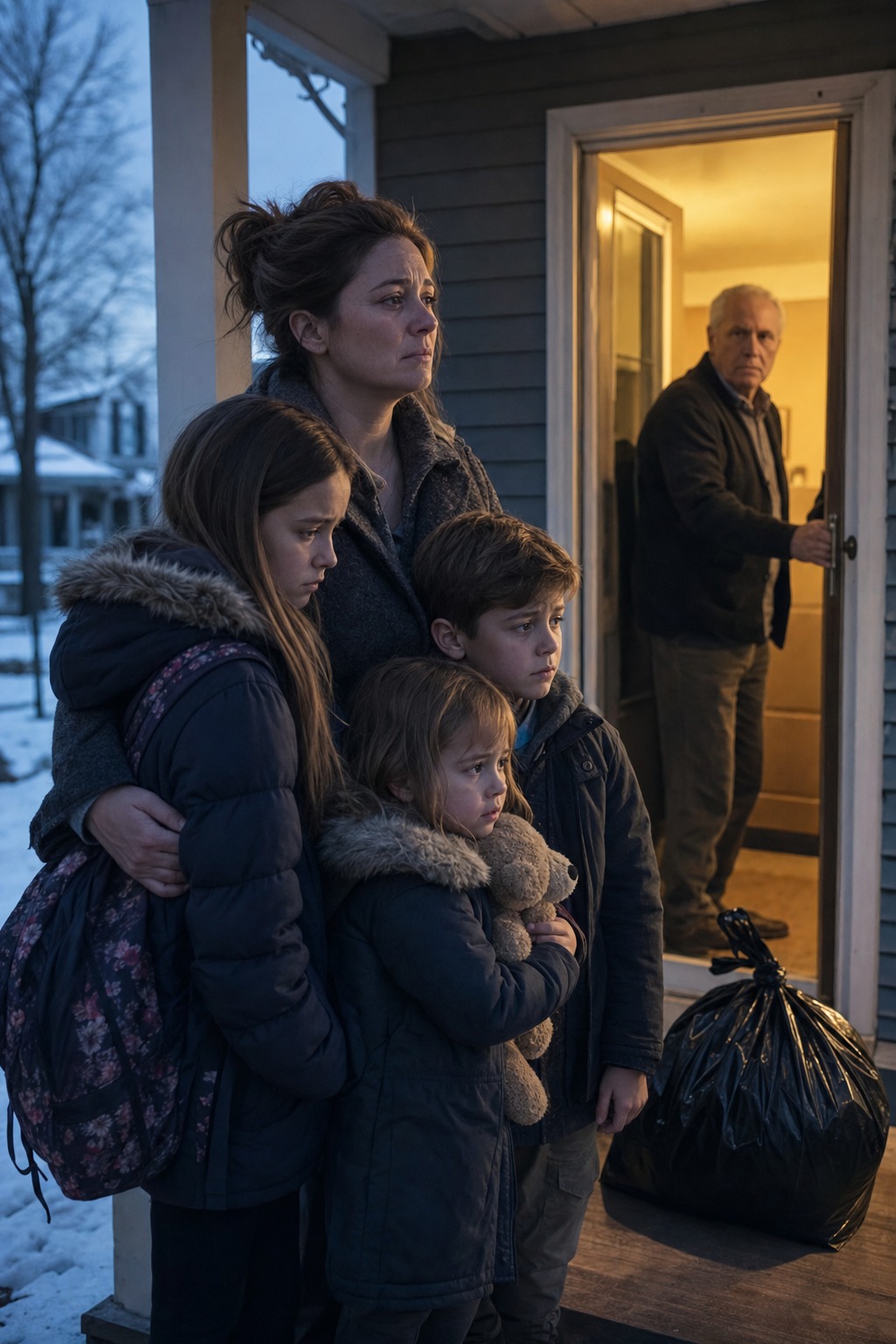
People imagine betrayal arriving with shouting and slammed doors. Usually, it does not. Sometimes it enters quietly. It is folded between silk blouses. It is placed inside a suitcase on an ordinary Tuesday morning.
It speaks in the familiar voice of someone you have loved for eighteen years. And sometimes the strongest thing you can do is stop chasing that voice, gather the truth one page at a time, and wait for it to return to your door.
THE END