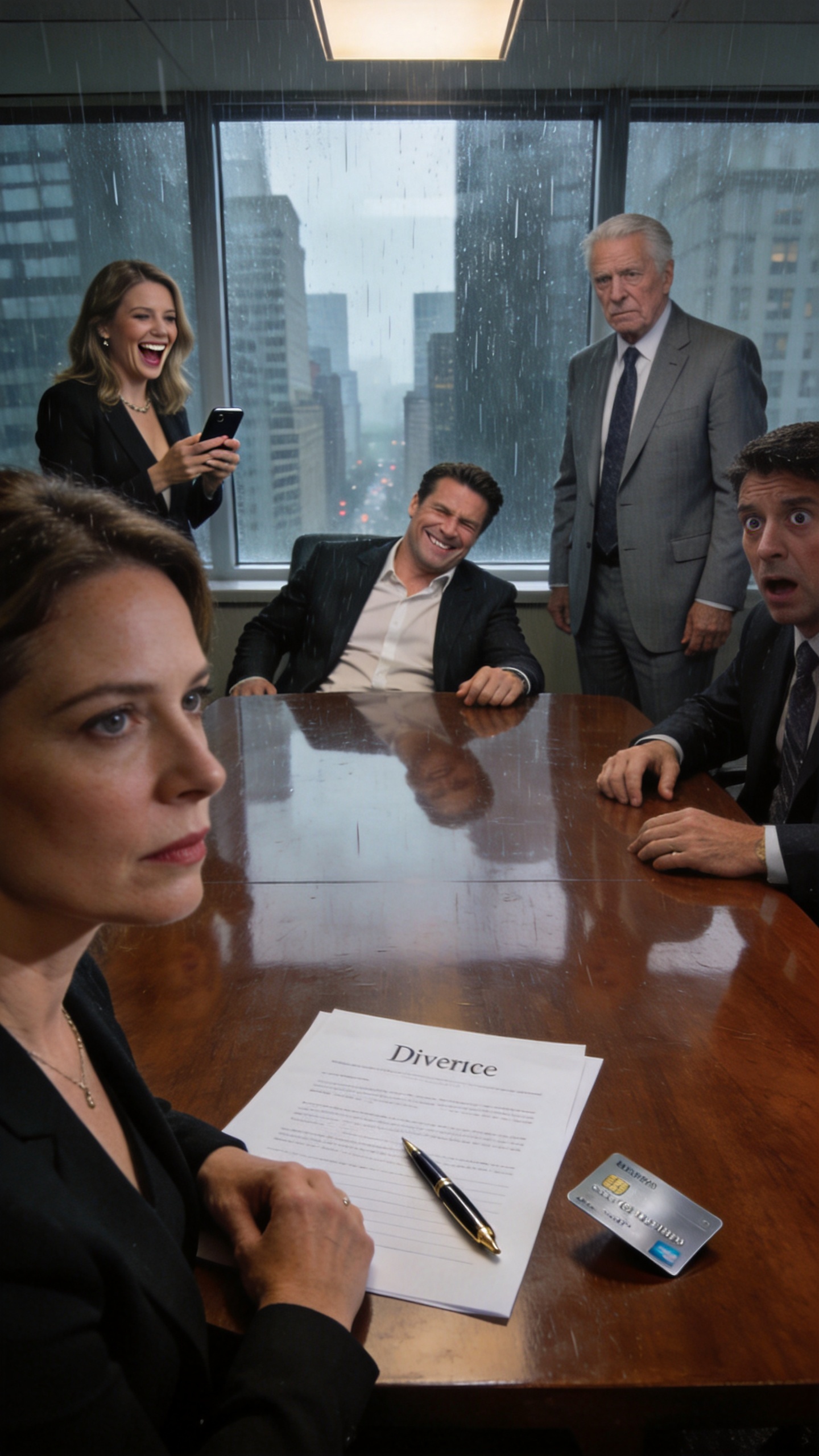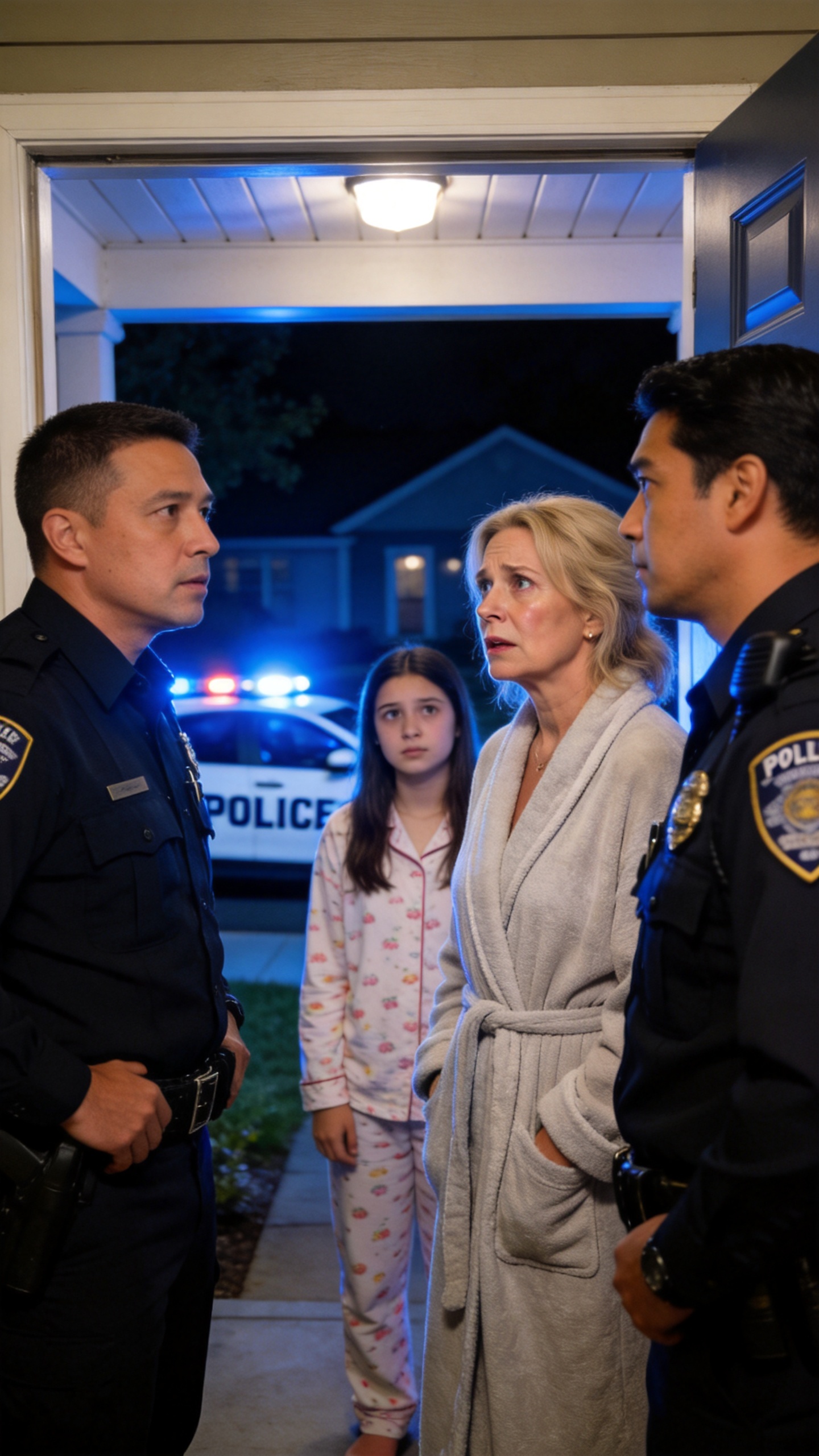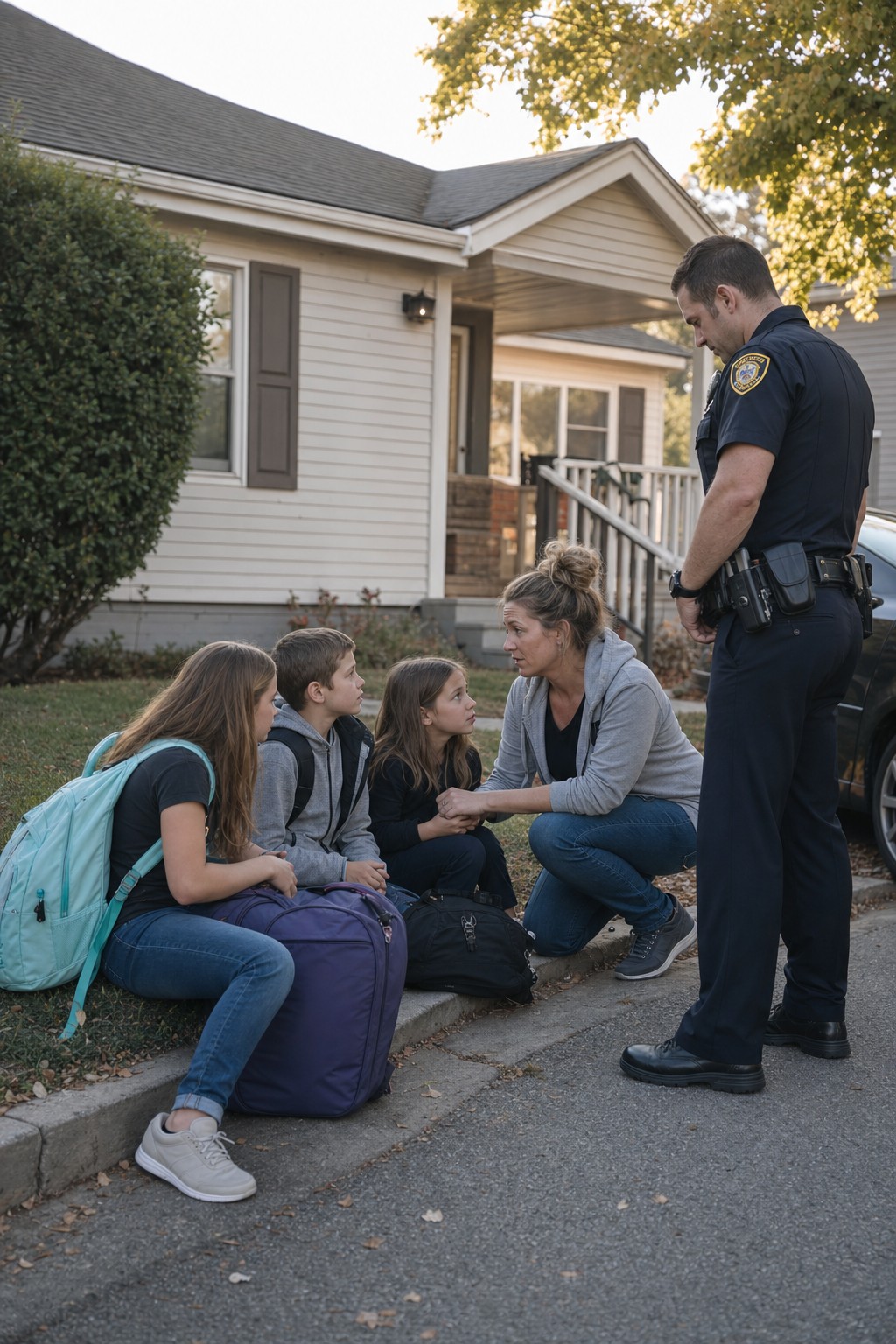
"You Were Never A Real Mother," My Ex-Husband Said At His Son's Birthday Party, But Before The Candles Were Lit, The Attorney Asked For My Signature And The Whole Backyard Learned Why He Still Needed Me
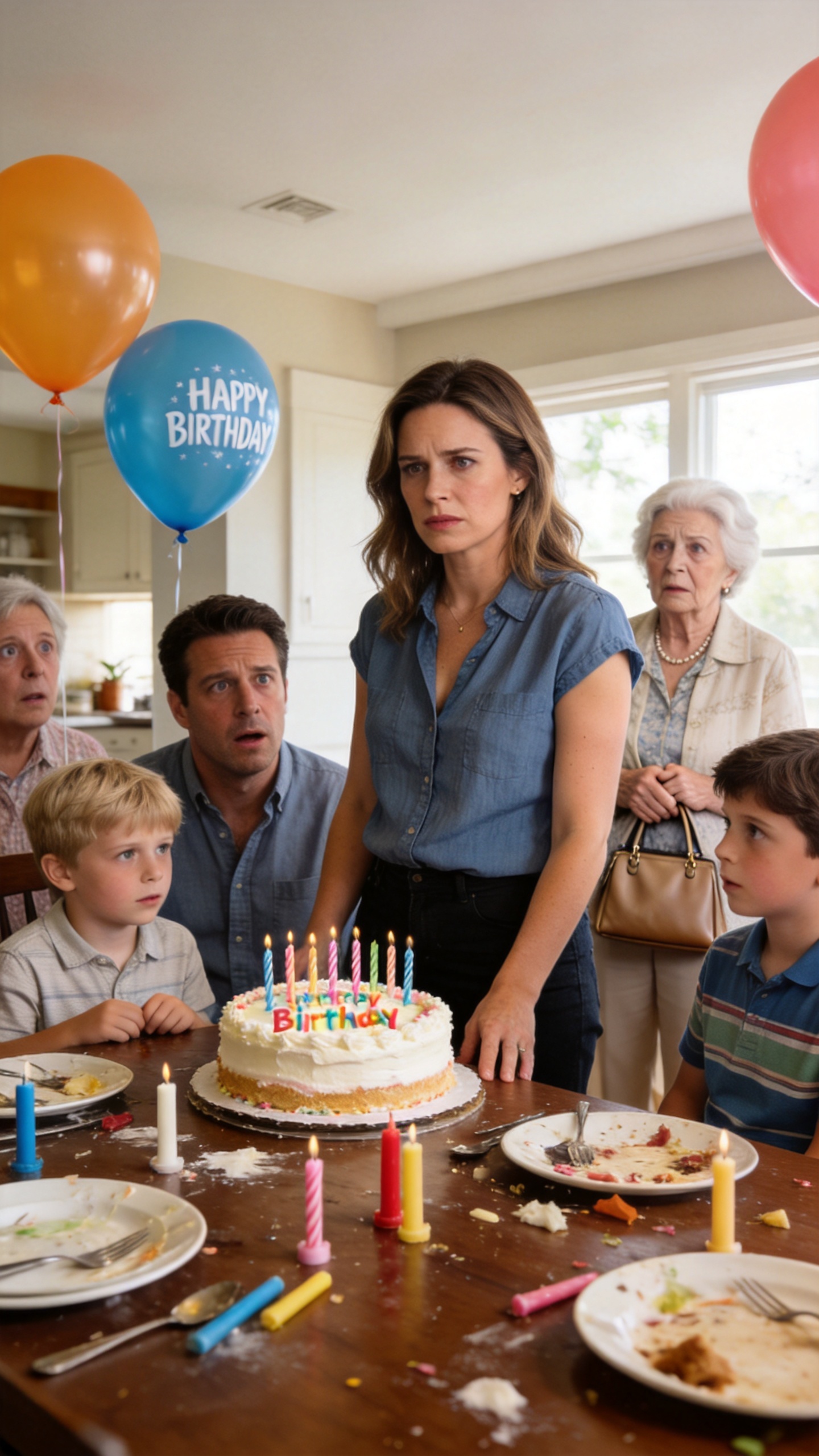
The first balloon popped before the insult did.
It snapped somewhere behind the dessert table, sharp enough to make three children scream and then laugh. Everyone turned for half a second. Then the party settled back into its bright little performance: paper plates, blue frosting, relatives pretending this was a normal Saturday.
I stood near the patio steps with a gift bag in my hand and my car keys still wrapped around two fingers.
My ex-husband, Martin, had told me to come because his son was turning seven.
"It would be mature," he wrote. "Owen still asks about you sometimes."
That was how Martin always opened a door he meant to slam. He used words like mature, peace, family, closure. Clean words. Words that sounded reasonable enough to make you feel petty for noticing the knife underneath.
I had raised Owen for the first eighteen months of his life.
Not legally. Not officially. Not in any way Martin's mother would ever admit at brunch.
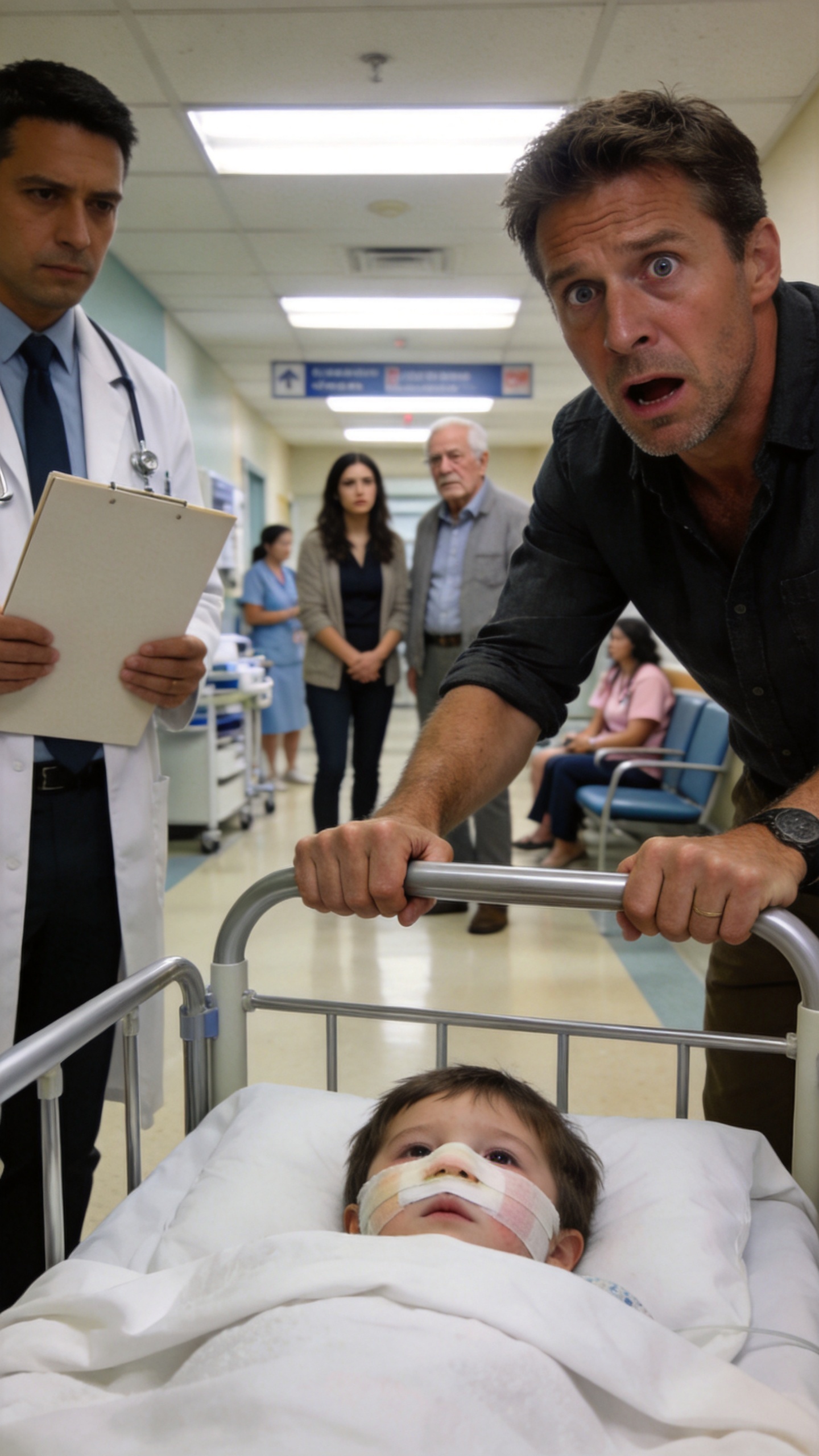
But when Martin and his new wife Brooke were overwhelmed, I was the woman who picked up formula, learned nap windows, sat in urgent care with a wheezing baby, and rocked him through nights when nobody else wanted to lose sleep.
Then Brooke decided she was ready to be seen as a perfect mother, and Martin decided I was inconvenient.
So I became the sad ex-wife again.
The one who "couldn't give him children."
The one people mentioned softly, with pity polished into judgment.
He Did Not Invite Me For A Child. He Invited Me For An Audience
The backyard had been arranged like a photograph.
Owen's name was printed on a banner strung across the fence. A bounce house sagged in the heat. Brooke's friends stood in linen dresses near the lemonade table, smiling at me with the careful curiosity people reserve for a woman they have already heard about.
Martin kissed Owen on the head and then looked straight at me.
"Glad you came, Elise."
He said my name like he was forgiving me.
I handed Owen the gift bag. He peeked inside, saw the dinosaur kit, and grinned so hard I almost forgot why my stomach had been tight since I parked.
"You remembered the green one," he whispered.
"Of course I did."
Brooke heard that. Her smile thinned.
Martin's mother, Patricia, stepped beside me with a paper cup in her hand. "That was kind of you," she said. "Some women would have found today difficult."
I looked at the cupcakes instead of her face.
"Why would I find a child's birthday difficult?"
She gave me the softest little laugh. "Oh, honey."
That was the beginning.
Not loud. Not yet. Families like Martin's do not start with a slap. They start with sighs, pity, and sentences that pretend to be concern until everyone nearby understands the target.
By the time the children finished the relay race, three adults had asked whether I was dating. Two had told me adoption was "still an option." One woman I had met once touched my wrist and said God had a plan for empty arms.
Empty arms.
While Owen ran across the grass wearing the backpack I had bought him the year before.
Then Martin Said The Line He Had Practiced
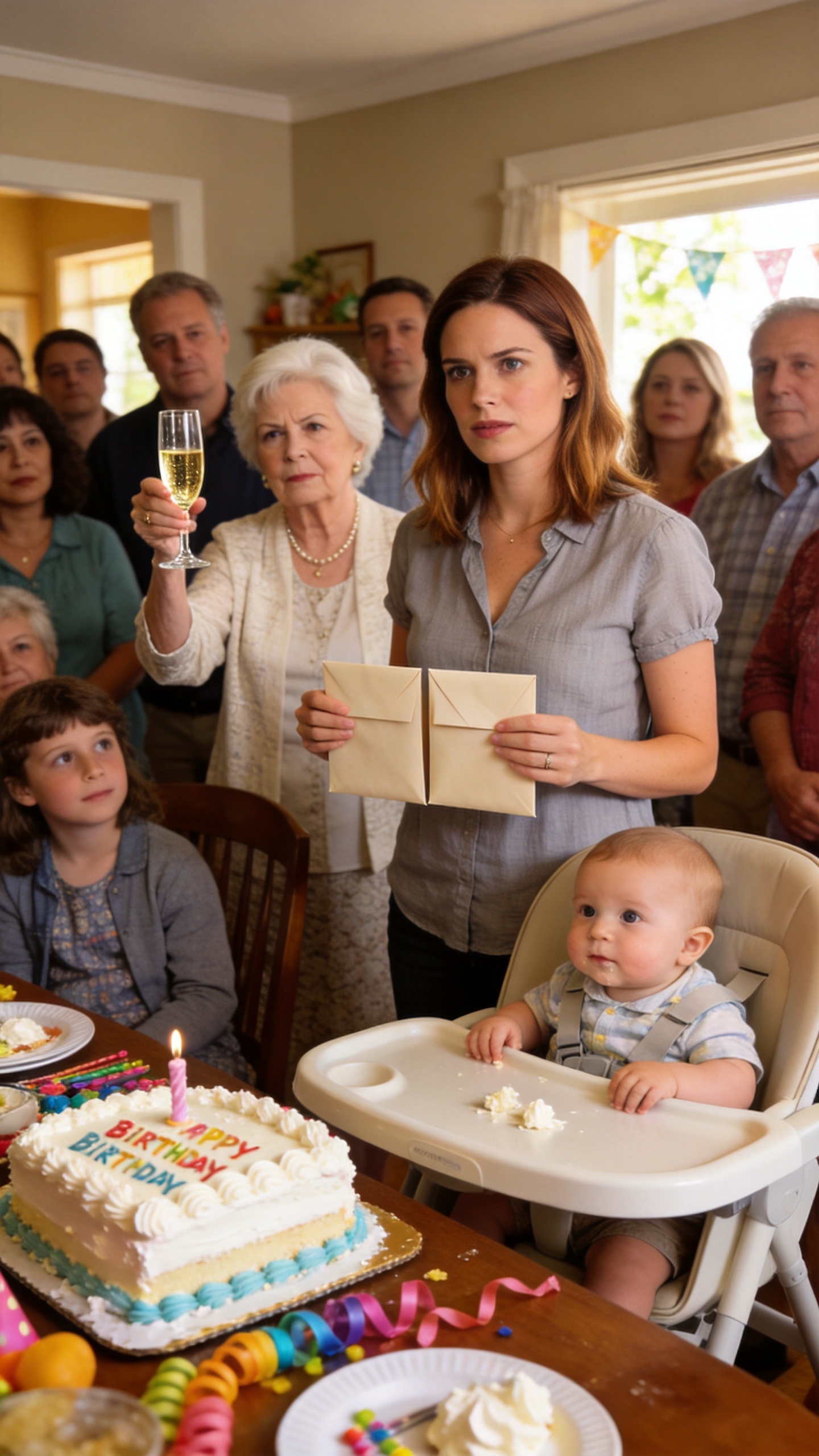
The cake came out at four.
Seven candles. Blue frosting. Plastic dinosaurs marching across chocolate mountains.
Martin lifted Owen onto a chair so everyone could see him. Brooke stood beside them, one hand resting on Martin's back, her smile bright enough to bruise.
Someone called for a speech.
Martin loved speeches. He loved any moment that gave him permission to sound wounded in public.
"I just want to say," he began, "how grateful I am for the family I have now."
Now.
The word landed and looked around for applause.
"There were years," he continued, "when I wondered whether I would ever get to be a father."
The yard quieted in that hungry way groups do when they feel cruelty coming and decide not to stop it.
Owen looked up at him, confused.
Martin looked at me.
"Some chapters teach you what you were missing. Brooke gave me what Elise never could."
The cake knife trembled in Brooke's hand, but she did not tell him to stop.
Patricia stared at her shoes.
My gift bag lay open under Owen's chair.
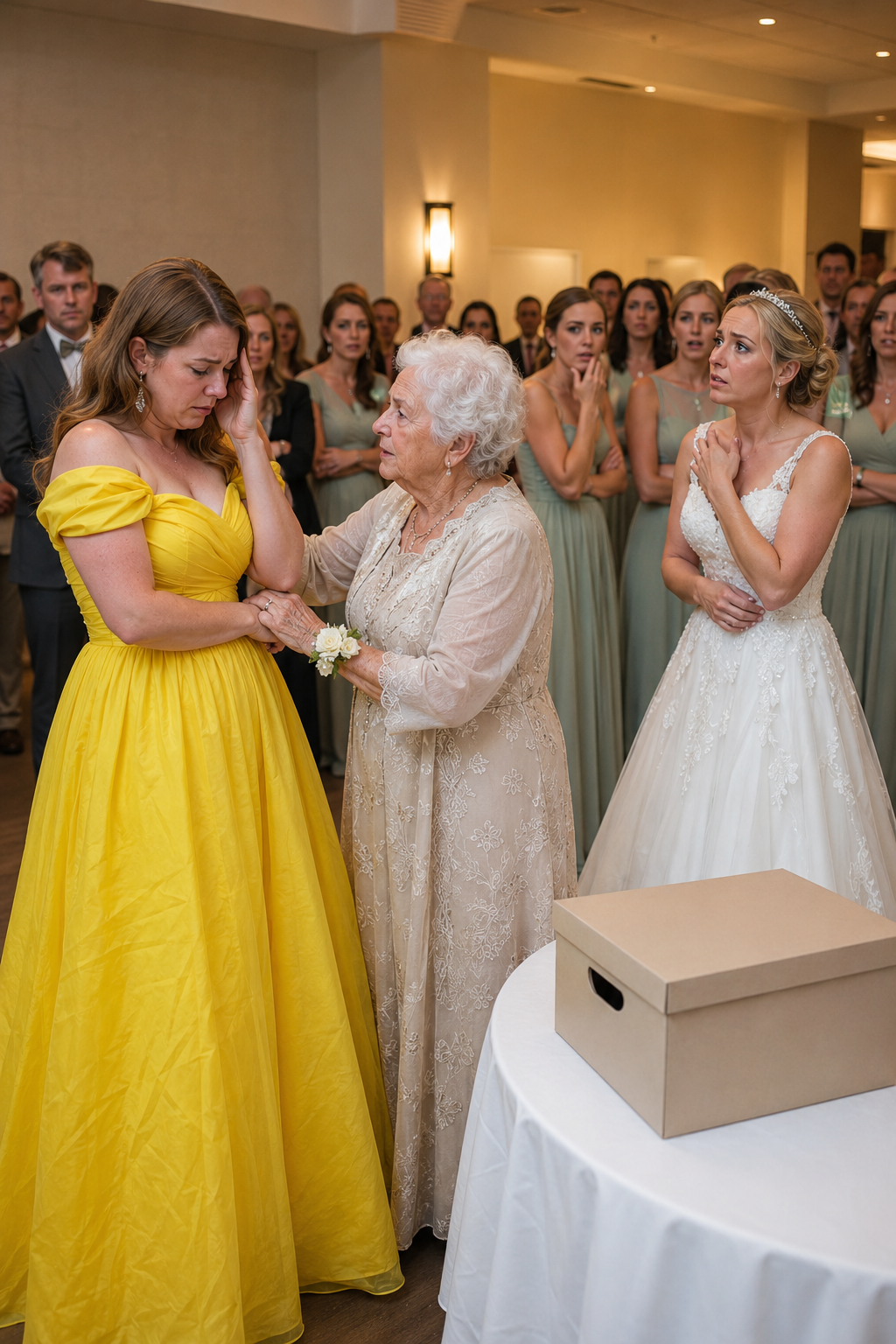
Then Martin laughed, small and ugly. "No offense. It is just the truth. Elise was never a real mother."
There are sentences that do not hit your ears first.
They hit the room.
They hit the children listening.
They hit every person who suddenly discovers their moral spine is optional.
I did not move. Not because I was calm. Because for one clean second, every version of me that had begged, explained, forgiven, and shrunk stood up inside my body and went silent.
Owen climbed down from the chair.
"Dad," he said, "that's mean."
Martin flushed. "Buddy, grown-ups are talking."
That was when a woman's voice spoke from the patio door.
"Then perhaps the grown-ups should finish the trust review before the candles melt."
The Attorney Did Not Raise Her Voice. She Did Not Have To
Vivian Cho walked into the yard wearing a navy suit and the expression of someone who had ruined better men before lunch.
She was not my attorney.
She had been Martin's grandmother's.