They Divided My Father’s House Car And Savings Then Gave Me The One Thing They Thought Was Worthless
If you found something, we handle it as a family.
” Now he wanted to be a family.
But he and Diane had spent forty days taking their father's things.
Diane had gone through Mom's jewelry, and Mark had moved Dad's tools to his garage right after the funeral.
That afternoon, Eleanor went to see Mr.
Henderson, a retired lawyer who'd been friends with her father for over twenty years.
They'd bonded over coffee, auto - shop stories, and football arguments, not fancy lunches and golf.
Henderson sat on his porch, adjusted his reading glasses, and slowly looked over the documents.
When he finished, he looked at Eleanor over his glasses.
“Your father knew what he was doing,” he said.
“This is strong enough to stop any sale and scare your family.
You need to check the master deeds at the county recorder's office.
But if your mother's worried about that wardrobe, they know what's in those documents, even if they haven't seen them.
When Eleanor got back to her apartment that evening, Mark was standing outside, arms folded.
He had the same entitled look he'd had as a kid when he always claimed the front seat in the car first.
── 922 in + 728 out = 1650 tokens ──
Eleanor Hayes stood at the door, looking at Mark.
“I live here.
You don’t have to lurk outside like a bill collector.
” Mark shot back, “I’d be on edge too if I’d given away land that wasn’t mine.
” His eyes flickered, showing he knew what he was talking about.
“Funny how it went from ‘old junk’ to ‘what did you find’ so fast.
” Mark tried to negotiate.
“If there are documents, let’s handle this privately.
No lawyers, no digging up the past.
What Their Cruelty Cost Them
” Eleanor retorted, “They aren’t favors when the money only goes one way, Mark.
” They stood there, sizing each other up like they did as teens.
The old dynamic, where Mark bullied Eleanor into giving in, was history.
Eleanor put her key in the lock but didn’t invite him in.
Before shutting the door, she peeked at the parking lot.
Diane was climbing out of Mark’s SUV, clutching her handbag to her chest.
Her face was pale in the evening light.
It was clear she wasn’t there for a friendly visit.
Eleanor realized taking the red wardrobe hadn’t ended the inheritance fight.
She let Diane in.
After all, Diane was still her mother.
Eleanor wanted her to talk to her directly, not hide behind phone calls or Mark’s threats.
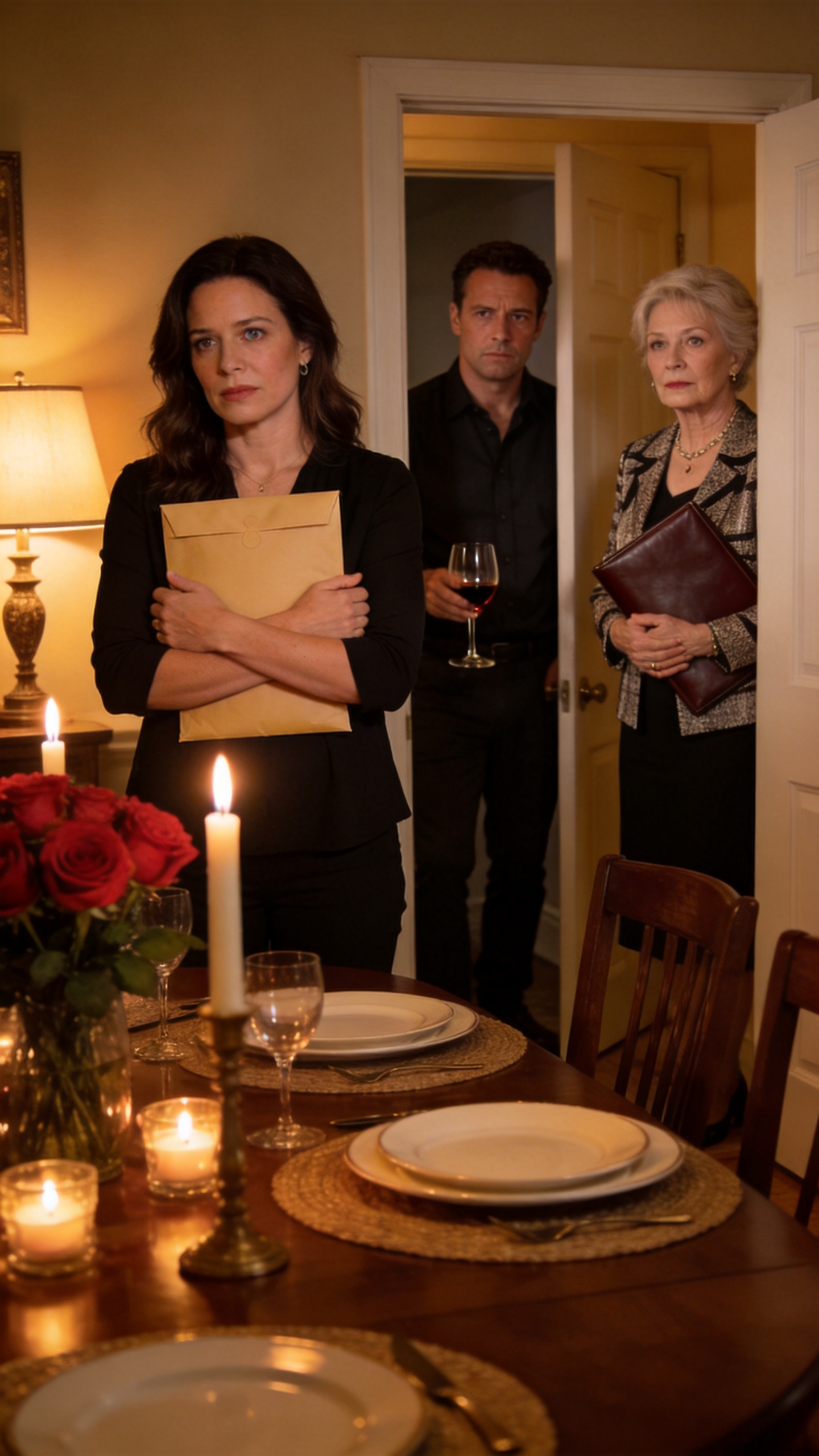
Diane sat on the second - hand sofa, gripping her handbag tightly.
For minutes, neither of them spoke.
Finally, Diane said, “I know what was in the wardrobe.
” Eleanor let the silence hang before answering, “Then you know why I’m not giving it back.
” Part of Eleanor wanted to soften.
She had the old urge to comfort her, like when she was a kid and found Diane crying over bills at the kitchen table.
But another part of her stayed firm, the part that spent two years going to the hospital after work while Mark always had an excuse not to go.
Diane said, “Your father kept secrets from me.
I never knew how much money he got from that settlement.
I thought it all went to fix the house.
” Eleanor knew Diane probably didn’t create the family’s inequality, but she’d defended it for years, using the same old excuse.
Eleanor explained, “He documented everything because someone had to.
Not to punish you, but to protect the one who couldn’t protect himself.
” Diane was quiet, twisting her handbag strap.
Eleanor stated firmly, “Not the house, not Mark’s or anyone else’s share.
I only want what Dad left me, in writing, with a legal signature.
And stop pretending this is about grief.
We know it’s about money.
” Diane left that night without agreeing, but she also didn’t ask for the wardrobe back.
The next few weeks dragged on.
Legal stuff always meant endless forms, office trips, and phone calls.
At the county recorder’s office, Eleanor confirmed what Mr.
The rear lot was bought separately from the house in 1998.
The deed was only in her father’s name.
It was a cash deal with money from an insurance settlement after an accident at the auto shop that injured his hand and kept him out of work for eleven months.
Diane’s name was never on the deed.
── 922 in + 693 out = 1615 tokens ──
Eleanor Hayes couldn't prove if it was an oversight or a deliberate move.
But after getting to know her father better, she suspected it was on purpose.
Mark showed up at Eleanor's apartment twice unannounced.
On one visit, he brought a lawyer he knew.
The lawyer examined the papers and reluctantly said they seemed valid.
Mark then took Eleanor to a bar near her place.
Over beer, he tried to bring up childhood memories.
He talked about summer vacations, school trips, and neighborhood games, as if nostalgia could make her give up land he only cared about when it might be valuable.
Watching her father's meticulous record - keeping had taught Eleanor that silence could be more powerful than arguing.
Diane was mostly quiet after the first call.
Eleanor's uncle later said Diane had been pressuring their mother to get the wardrobe back.
Eleanor thought Diane was worried about what else was in the ledger.
She never showed the notebook to anyone.
The Calls That Came Too Late
It wasn't kindness; she just understood what her father did: some information is more powerful when unsaid.
It can be leverage without humiliation.
Three months after taking the wardrobe from her parents' house, the attorney handling her father's estate recognized the separate deed.
The rear lot was transferred to Eleanor's name without further issues.
Her mother decided not to fight after talking to Mr.
Henderson and learning the documents were hard to overturn.
Continuing the dispute would cost more in legal fees than the property was worth to anyone but Eleanor.
They made offers with big numbers that made Eleanor's hands shake.
Instead, after work, she walked along the fence and cleared the brush herself, just like her father used to.
She needed time to understand what the property meant before deciding what to do.
Eventually, Eleanor sold about two - thirds of the land to a development company at a fair price.
The money let her pay off her student loans and put a big deposit on a small house of her own, her first real property.
In one corner of the land was an old oak tree that had survived years of abandoned machinery and scrap metal around its roots.
That spring, Eleanor cleared the area, hired an arborist to check the tree's health, and put a simple bench facing the sunrise.
It was just a bench under an old tree on land the family once thought was useless.
Eleanor's relationship with Mark and Diane became distant but not completely broken.
They exchanged polite messages on holidays and were in family photos at weddings.
There was no warmth, but no open hostility either.
They handled the relationship carefully, like a cracked object that could shatter.
Eleanor and her mother started talking more often than she expected.
Every few weeks, they met for coffee and had slow, guarded conversations.
They never talked about the inheritance again.
Somehow, without saying it, they agreed the subject was over.
The wardrobe now stood in the hallway of Eleanor's new home near the front door.
She had fixed it well.
The broken leg was repaired, the doors hung smoothly, and a furniture expert touched up the faded paint.
She stored her tools inside it.
── 889 in + 633 out = 1522 tokens ──
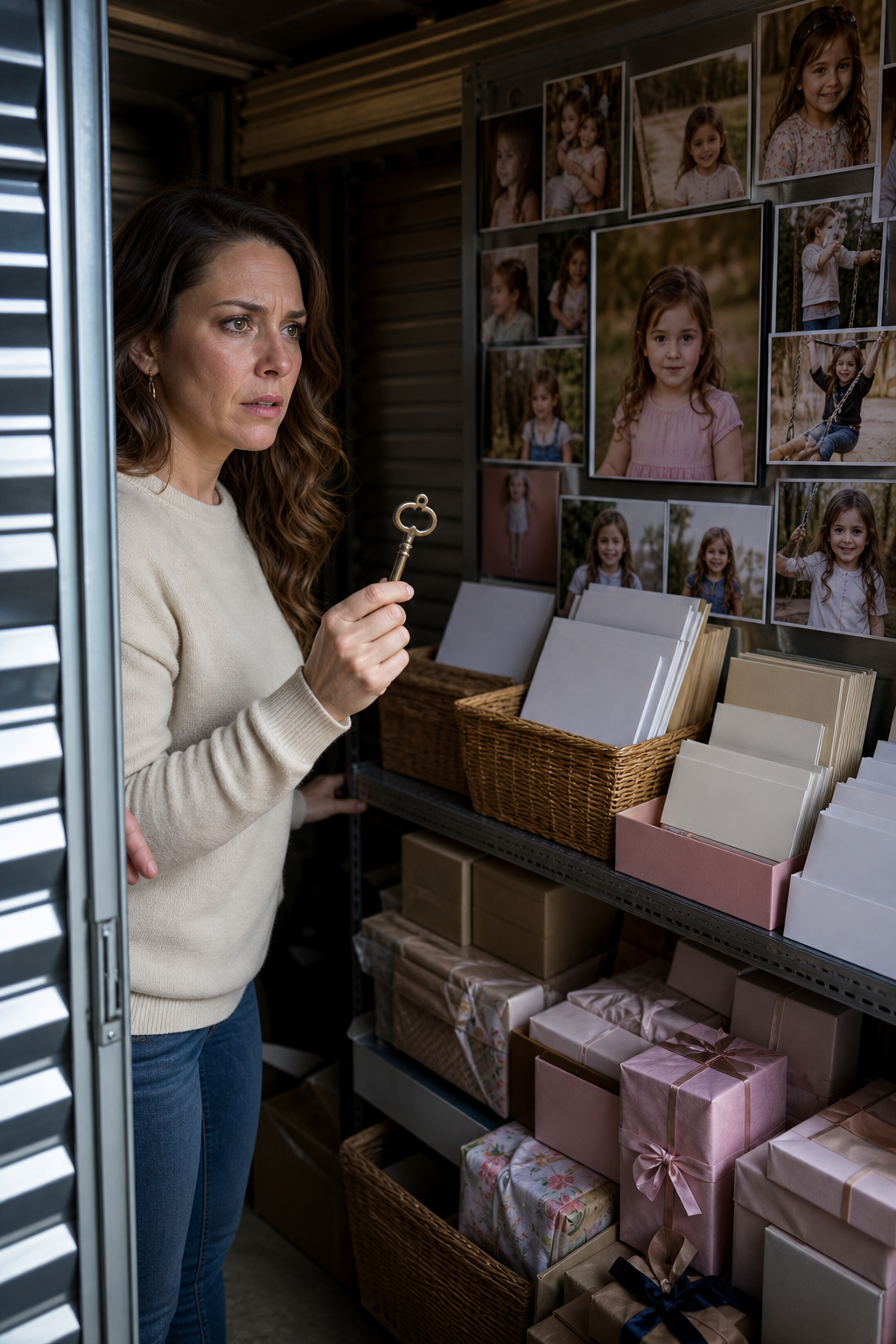
Eleanor Hayes kept the black ledger, two envelopes, and the brass key wrapped in electrical tape in a small metal box.
She never found out what the key unlocked.
Eventually, she decided some mysteries were meant to stay unsolved.
Late at night, she'd open the bottom drawer.
There was a hidden compartment her father, Mark, built with his own hands.
He must have made it years before he knew what to put inside.
She often wondered what it took for him to plan so carefully.
He trusted that the child who pulled out the drawer would deserve to find the truth.
She thought about the powdered doughnut in a paper towel.
Her father was a man who apologized with things instead of words.
Speaking didn't come easy to him.
She also thought about his final sentence for her: Some silences are peace.
Others are permission.
For most of her life, Eleanor stayed quiet to avoid fights.
She thought stepping back made her a better person.
But silence didn't always bring peace.
Sometimes it just let others take more.
Mark was underestimated his whole life.
He was a quiet man, easy to ignore.
People assumed he had nothing important to say.
In the end, he showed that the most meaningful things aren't always in a will.
Sometimes they're hidden in old furniture, protected for years, waiting for someone to look closely and find them.
── 526 in + 283 out = 809 tokens ──
The worthless thing they tossed at me still smelled like dust, cedar, and my father's workshop.
They laughed because it was heavy and ugly. I stayed quiet because I had already noticed the false bottom.
That sound told me my father had hidden something where only patience would look.