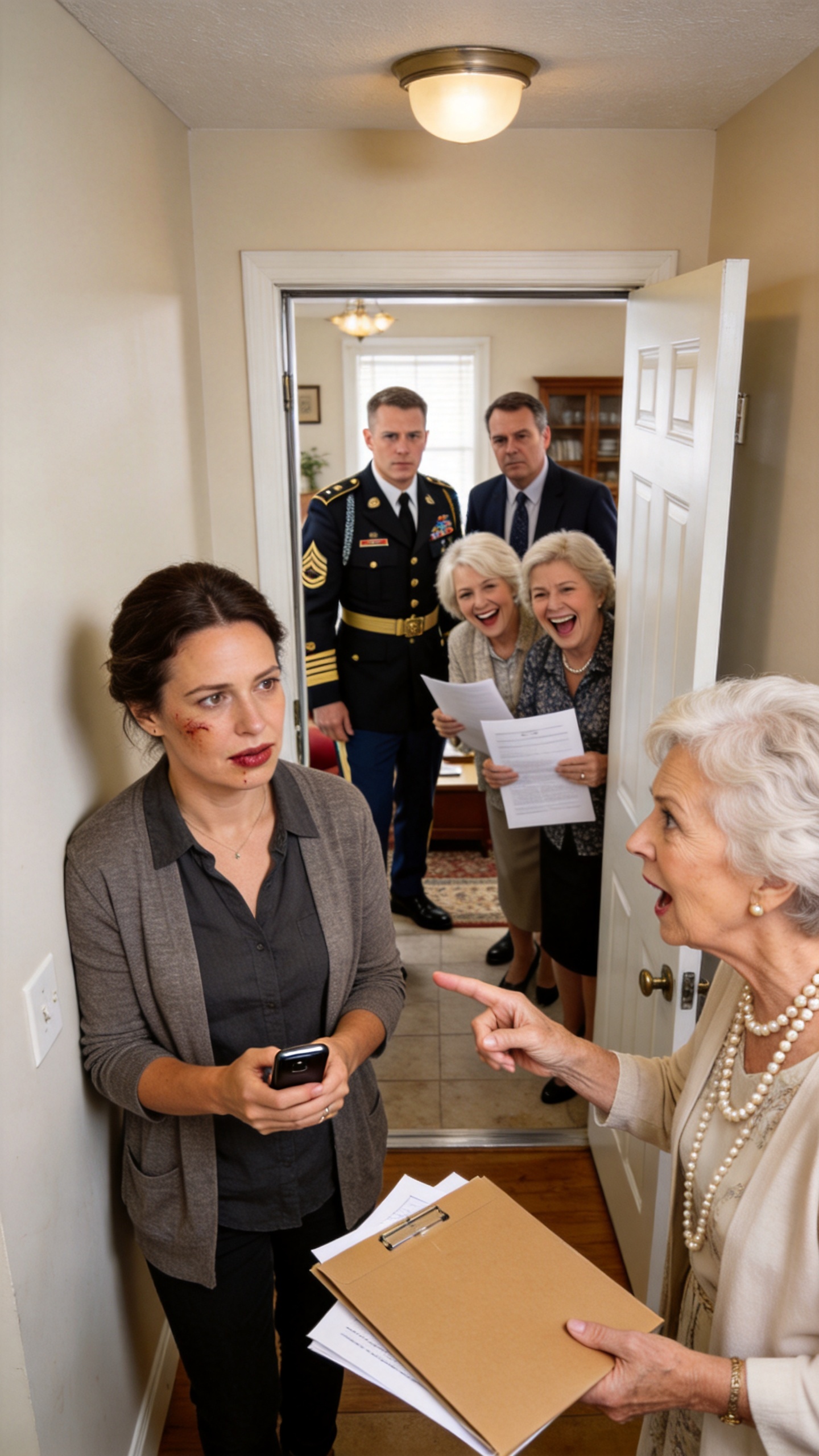
I Asked My Family To Pick Me Up After My Husband's Funeral Abroad - Their Cruel Replies Hit The Headlines That Night. PART 1 PART 2 PART 3
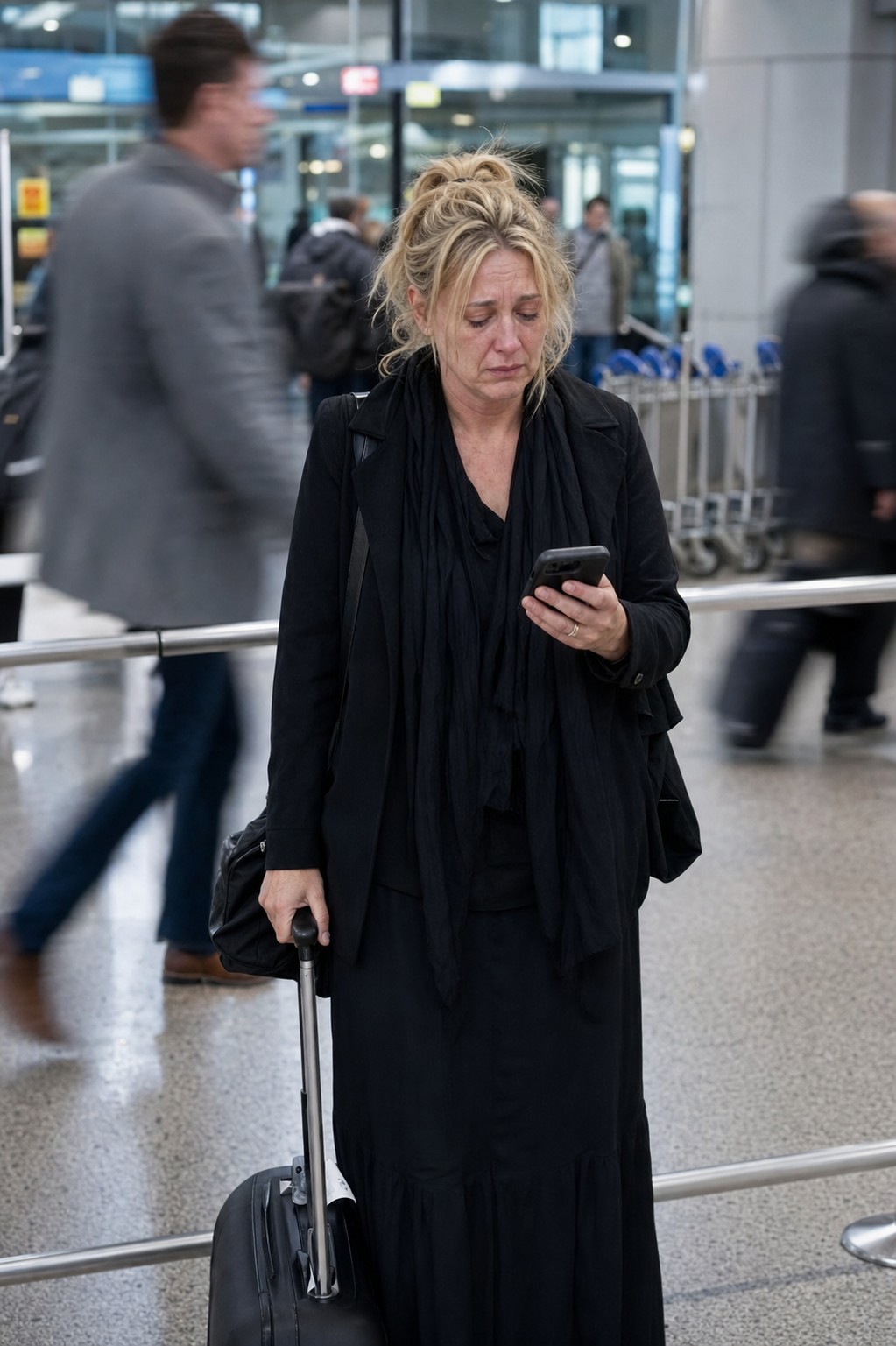
A Heartbreaking Homecoming
My name is Lily.
I was 35 when I got back to Portland after burying my husband in a country thousands of miles away.
Mark had died suddenly while working in Japan.
He was only 38.
I spent days handling hospitals, paperwork, and funeral arrangements alone.
My parents said international flights were too costly, and my brother, Ryan, said he couldn't leave work.
After over 30 tiring hours of travel, I turned on my phone as the plane landed.
I texted, "My flight gets in at five. Can someone pick me up?"
My mother replied, "Why didn't you plan this earlier? You know Tuesdays are crazy."
I stared at the messages in shock.
They talked like Mark's death was a scheduling blunder.
At the baggage claim, one of my suitcases popped open, spilling Mark's clothes on the floor.
I dropped to my knees, trying to gather everything while holding back tears.
An airport worker named Grace rushed over to help.
"Are you okay?" she asked softly.
"My husband died. I just buried him," I whispered.
She didn't say empty words.
She helped me repack the suitcase, walked me to the rideshare area, and gave my hand a squeeze before leaving.
In five minutes, a stranger showed more kindness than my family had in weeks.
My driver, Tom, carried the luggage to my porch when we got home.
As soon as I stepped inside, I knew something was off.
I'd asked my mother to turn on the heat before I got back, but she'd forgotten.
The mail hadn't been picked up, and the fridge was full of spoiled food.
Too tired to deal with anything, I curled up in an armchair in my coat.
The next morning, I woke up to a strange gurgling noise.
Water was pouring through the kitchen ceiling and spreading across the floor.
The cold weather had made a pipe burst because the heat had been off.
I shut off the main water valve and called an emergency plumber, but the earliest appointment was days away.
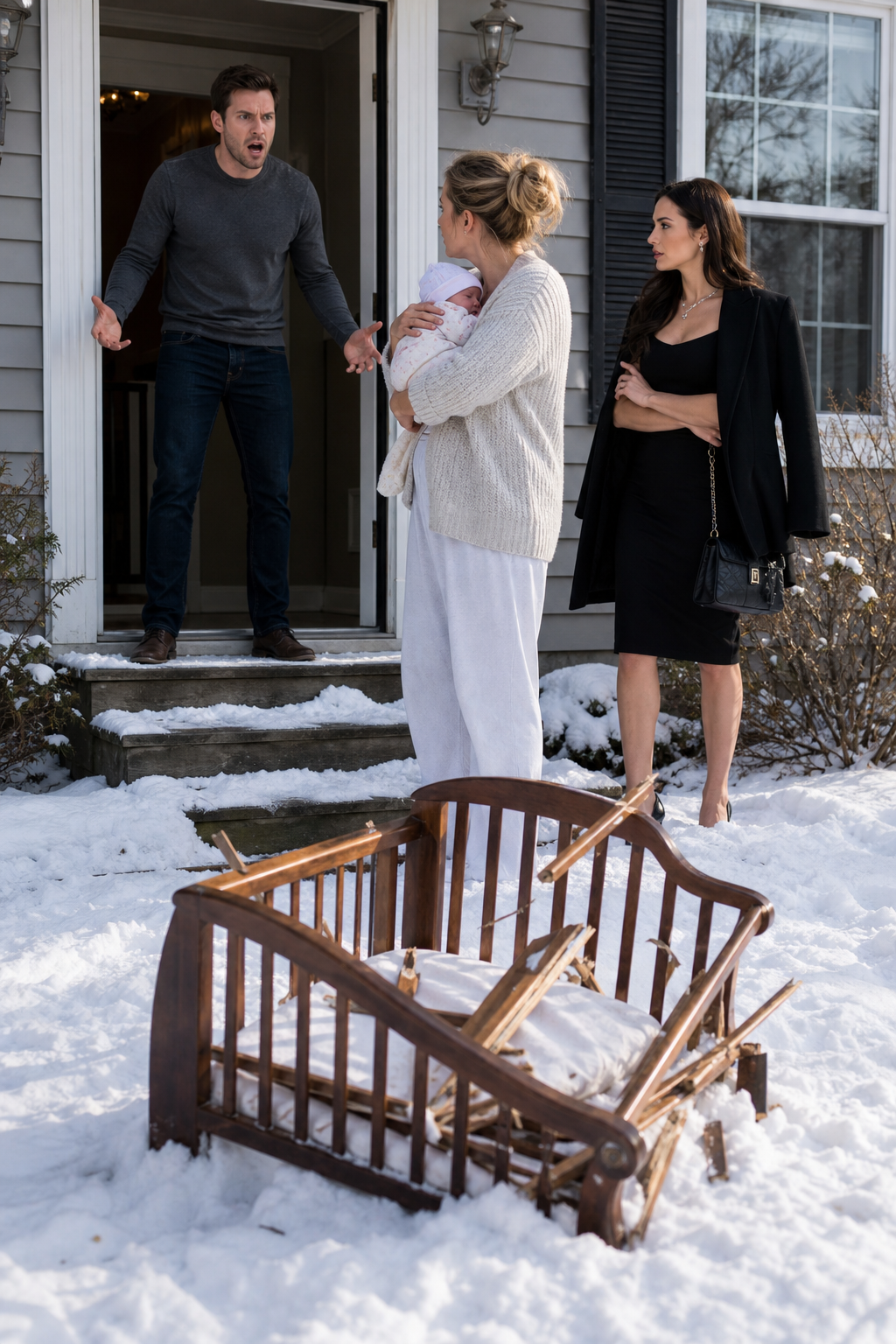
I called my brother and said, "The house is flooded. There's no heat, and I can't stay here. Can I use your guest room?"
"Not tonight. Sarah has her art supplies everywhere, and we're having clients over," he said.
My mother gave me the same answer.
"The bridge club is meeting here tomorrow. Why don't you book a hotel?"
I stood in the flooded kitchen, cold, hungry, and still mourning the man I'd just buried.
Desperate to get the heat back on, I went down to the basement to check the electrical panel.
The floor was wet and slippery.
As I reached for the box, I slipped and got a strong electric shock that sent me flying backward.
A Public Heartbreak and Family's Selfish Agenda
When I came to, I was confused and shivering.
I crawled upstairs and fell onto the sofa.
Then I heard the carbon monoxide alarm.
The furnace was broken, and toxic gas was filling the house.
My phone was right there, but I could hardly move.
My vision started to go dark.
Suddenly, the front door banged open.
My neighbor, Diane, had seen water under my door and heard the alarm.
She called for help and saved my life.
I woke up in the hospital with a concussion, hypothermia, carbon monoxide poisoning, and an electrical injury.
A nurse named Sarah stood by my bed.
"You're safe," she said.
"Your neighbor found you in time."
Then she told me that a local reporter was in the ER covering the winter storm.
After talking to the paramedics and my neighbor, he learned I'd just come back from my husband's funeral abroad and that my family had kept refusing to help me.
Sarah turned on the TV.
"WIDOW RETURNS TO DISASTER AFTER FAMILY REFUSES HELP" The report showed my damaged house and the texts my relatives had sent.
"Why didn't you plan better?"
My private pain was now public.
"Your family is outside," Sarah said.
"Do you want to see them?"
Before I could answer, Troy rushed into the room.
"We just saw the news," he said.
"They're making it sound like we left you alone."
My mother came in next.
She was more worried about her image than my health.
"People are attacking us online," she complained.
"Your father's boss called, and relatives are asking questions."
Troy started planning a public statement.
"We'll say there was a misunderstanding," he suggested.
"Maybe we were planning a surprise for you."
They weren't there to comfort me.
They were there to change the story.
A hospital social worker, Ms. Patel, came in with my doctor.
My mother quickly said I'd stay with them after I got out.
"Families support each other," she said, acting like a loving parent all of a sudden.
Nurse Sarah stepped closer to my bed.
"Amelia has options," she said firmly.
Ms. Patel explained that the community had been really helpful.
A hotel offered me a temporary room, a restoration company volunteered to fix my house, and a meal service offered to help.
My mother's face changed.
"You're not staying with strangers," she warned.
"You're coming home so we can fix this mess."
Troy was worried about his business clients.
My mother was worried about her friends.
Then I looked at Sarah, a stranger who'd been with me when I was scared and sick.