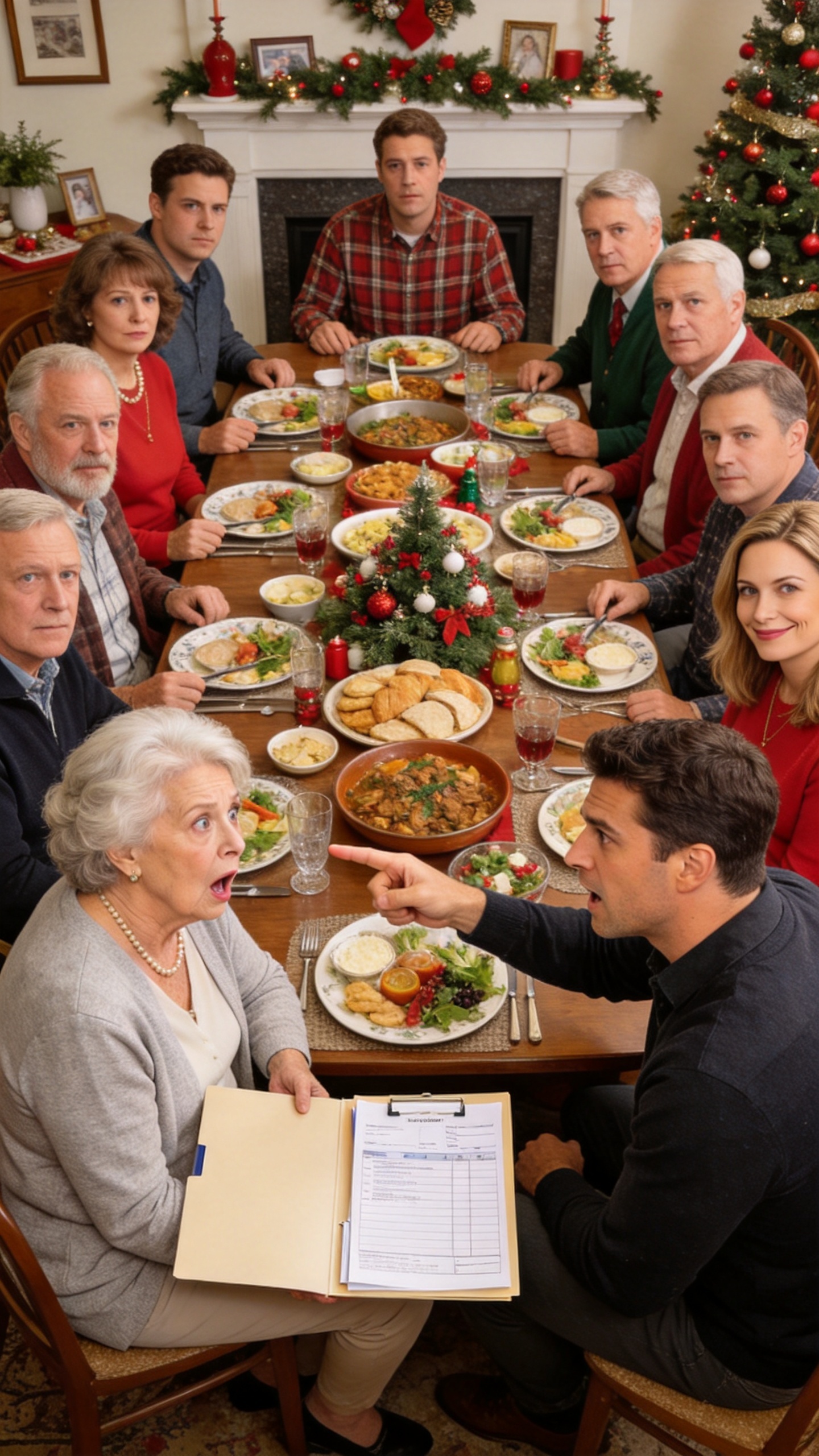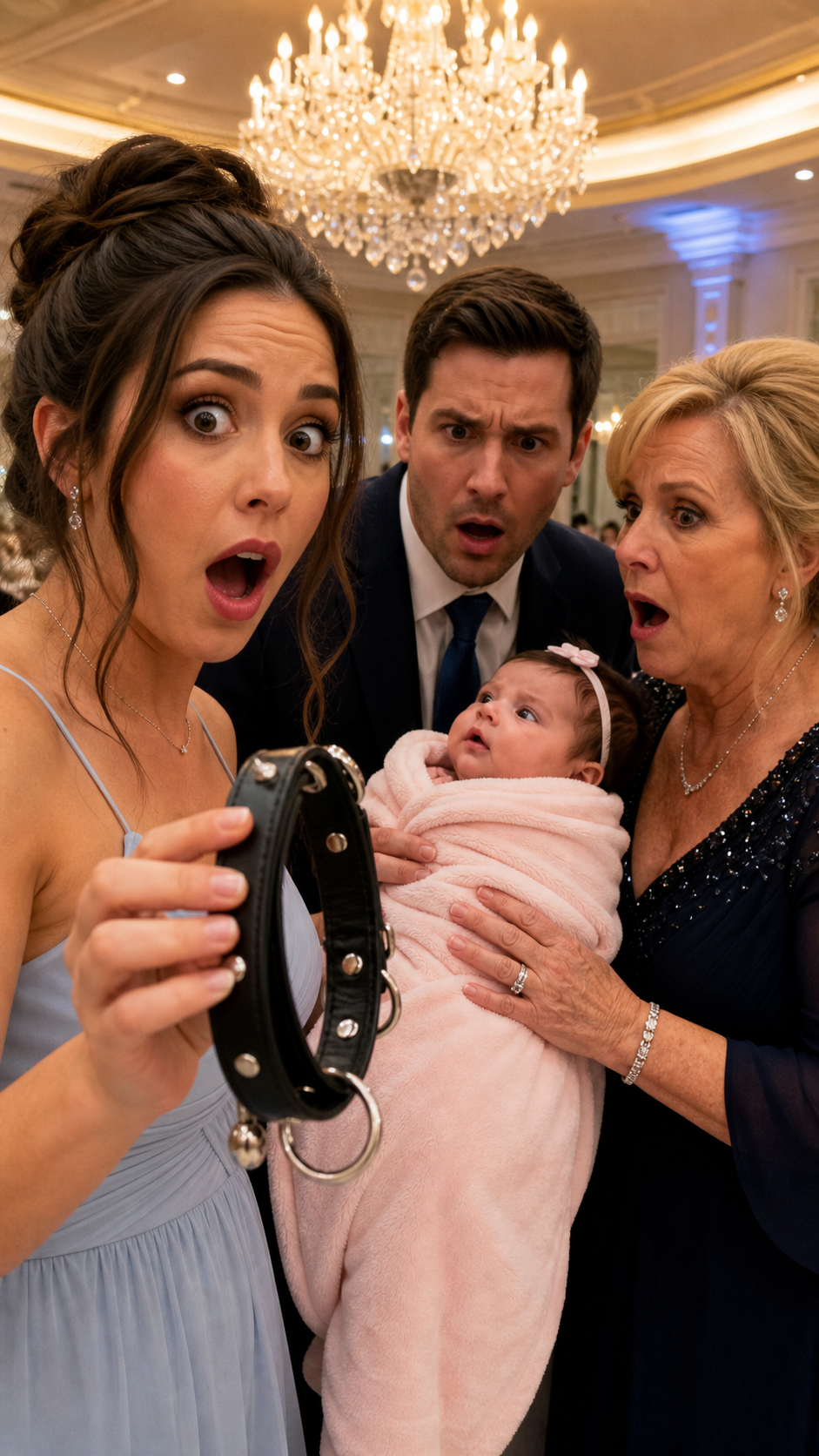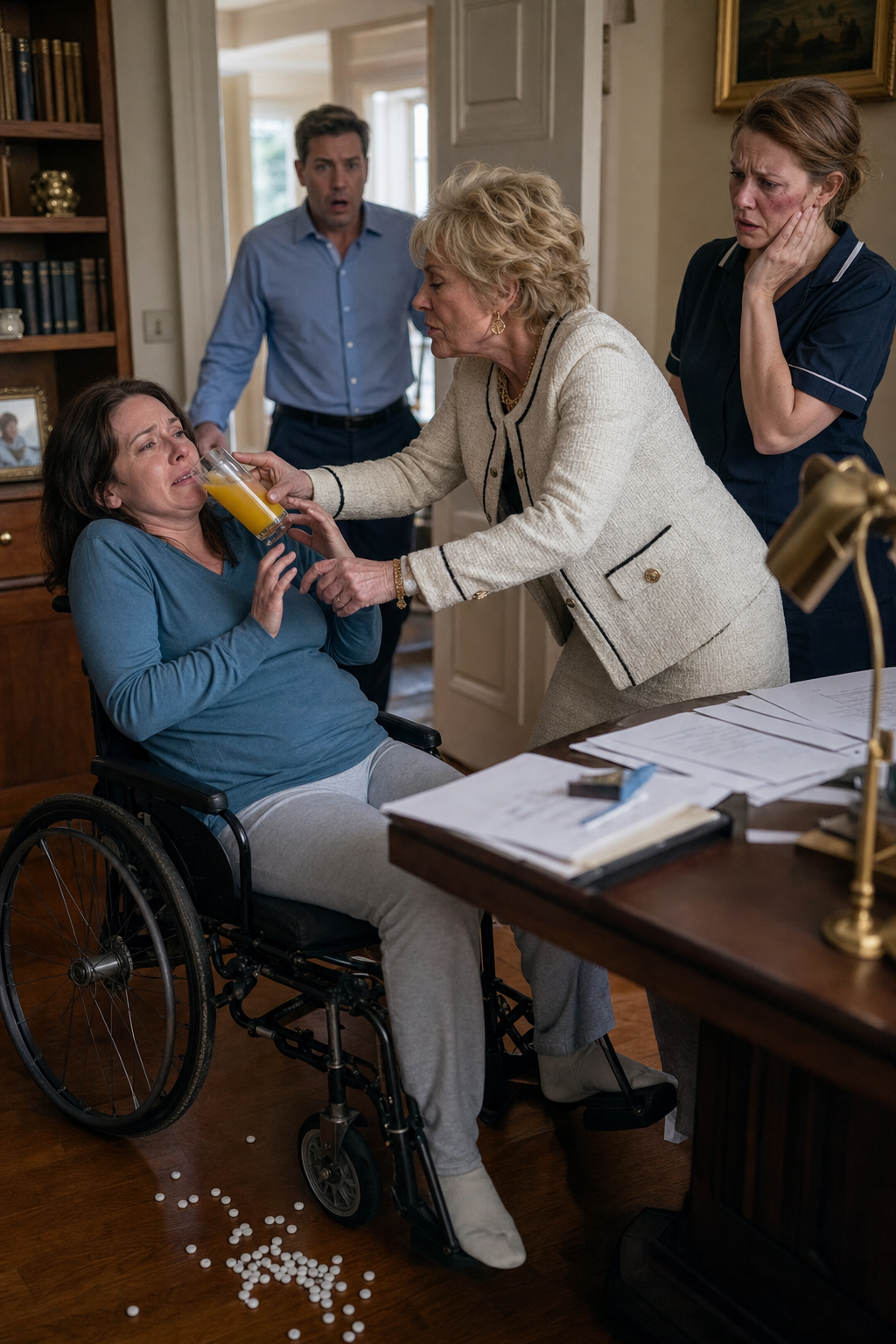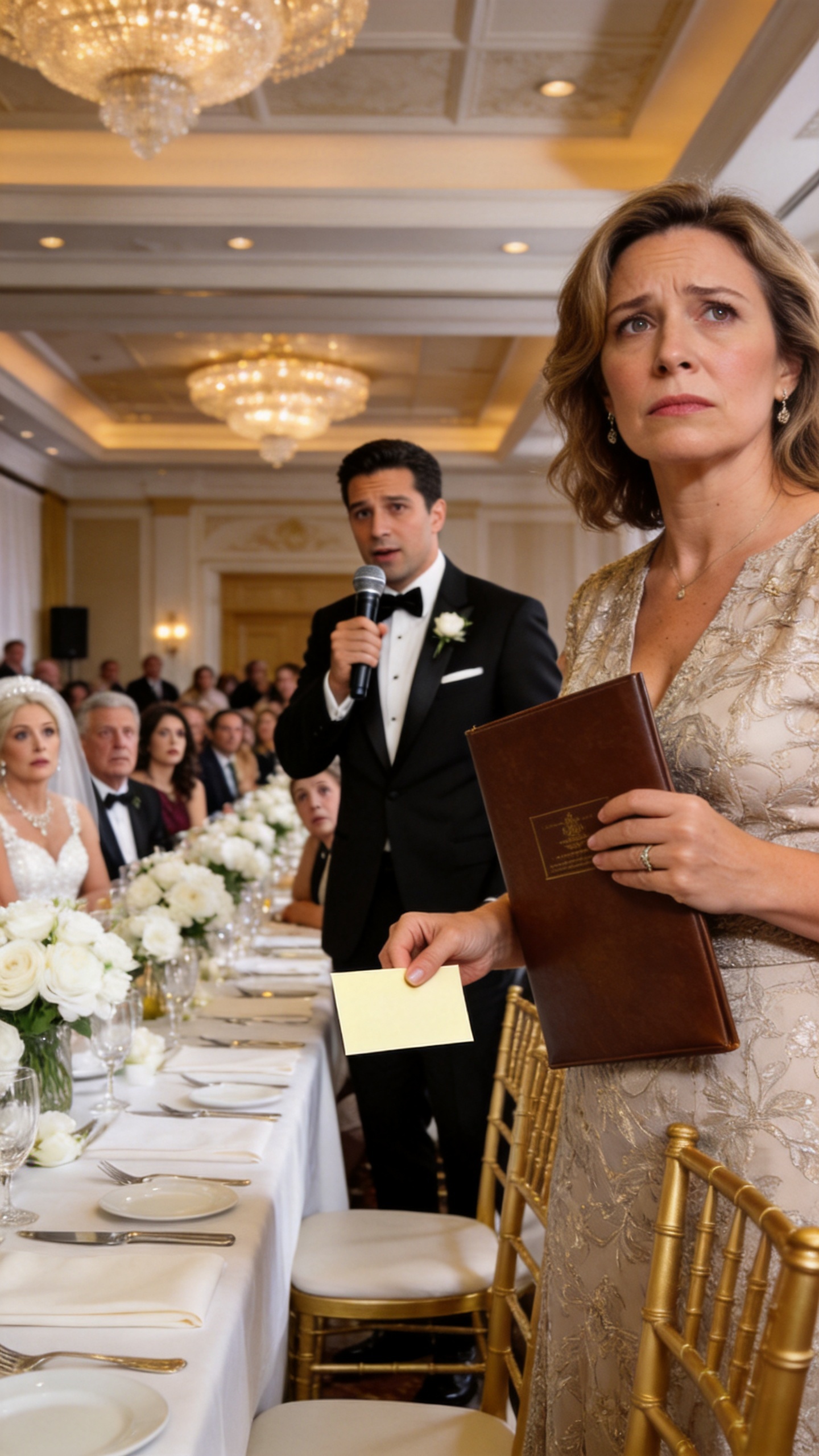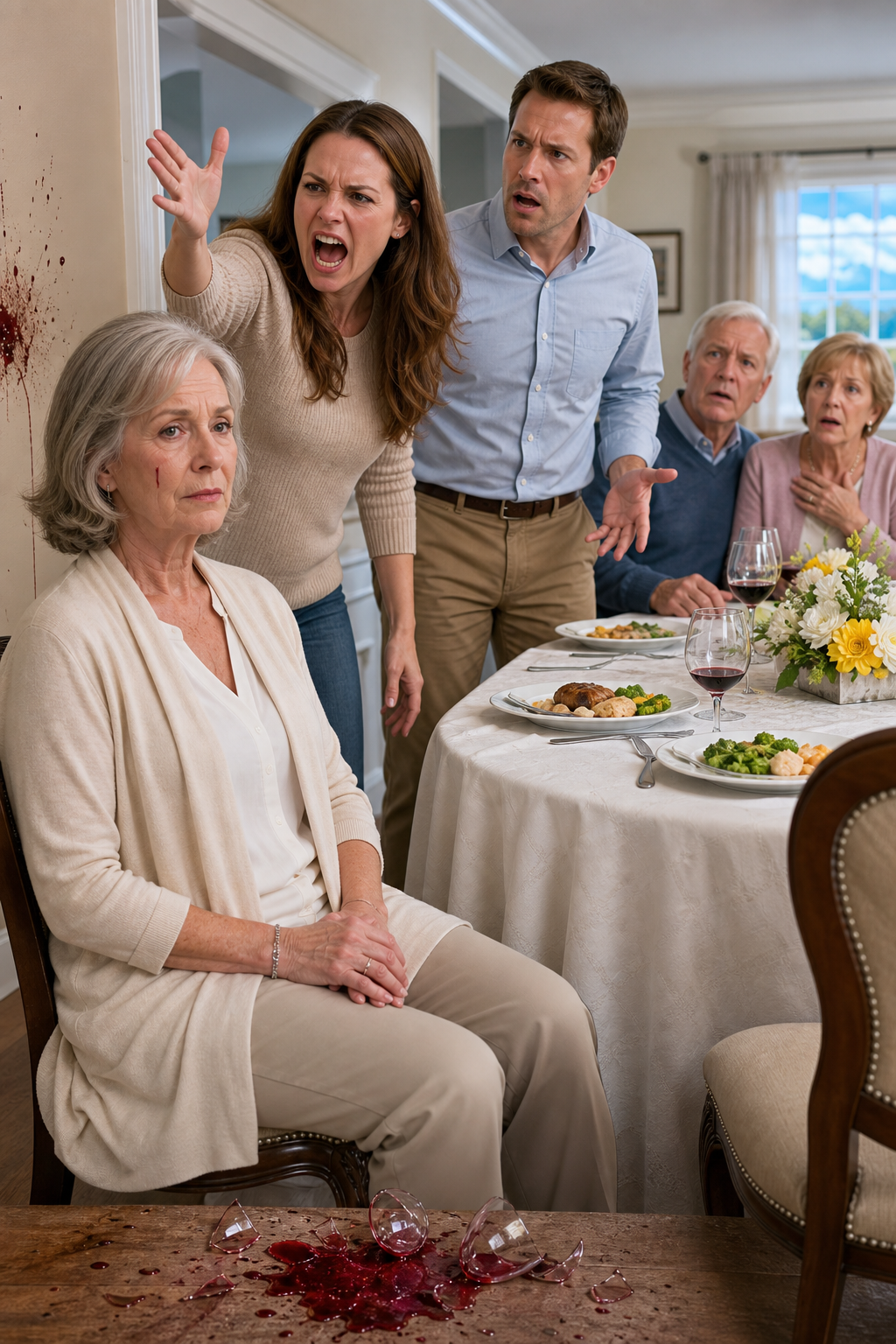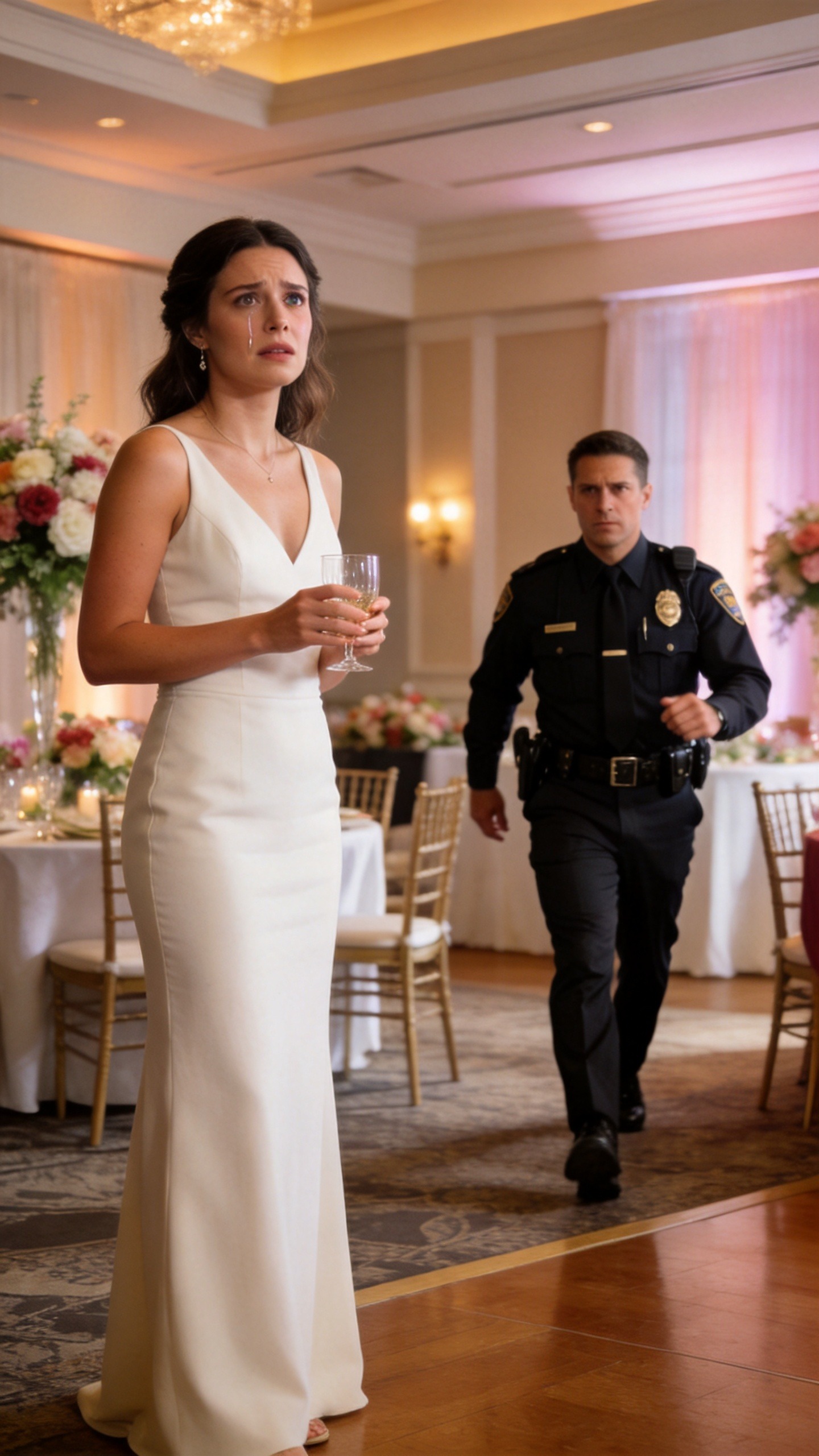
My family treated my four-year-old daughter like trash, dragging her away from the Easter dinner table. My mom yanked her by the hair and threw her onto the hardwood floor while my sister shouted, Get
He wrote that he was sorry for giving me responsibility disguised as trust.
Beneath the letter was a small brass key stamped with three letters.
ORY.
Lily wandered into the doorway with her blanket around her shoulders.
"Mommy, why are you holding treasure?"
For the first time since Easter dinner, I almost smiled.
"Because Grandpa left us a puzzle."
The Warehouse Key
The next morning, I drove past Willowmere without turning into the gate.
A moving van blocked the side entrance.
Two men were carrying a tarp-covered mirror I recognized from the east hallway.
Carol had always called selling heirlooms vulgar.
Apparently desperation made vulgarity negotiable.
I parked under a dogwood tree and photographed the van, the plate, and my mother's silhouette in the doorway.
Then I noticed the name painted on the truck.
Oryx Preservation.
The key in my pocket seemed to grow heavier.
The men were not simple movers.
They were taking pieces of the house somewhere secret.
I followed at a careful distance, heart pounding with the old guilt Carol had trained into me.
She would call it sneaky.
My father would have called it observant.
The van stopped at a brick warehouse outside town.
A silver-haired woman in a navy coat came out with a clipboard and walked to my car as if she had expected me for years.
"Mara Hale?" she asked.
I considered denying it.
Then I remembered I was tired of disappearing.
"Yes."
"I am Helen Ory," she said.
"I knew your father. He left instructions for you, though I hoped the circumstances would be kinder."
Inside, the warehouse smelled of wax, old wood, and cold concrete.
Photographs of restored mantels and stained-glass windows covered the office walls.
Helen explained that my father had contracted Oryx to store certain estate pieces if Carol tried to sell them without trustee approval.
"Your mother sent the mirror today," Helen said.
"We accepted it pending verification. Without your signature, it cannot be released."
"So she does not know I am trustee."
Helen's mouth tightened.
"I suspect she knows enough to be afraid."
Daniel and Mr. Thompson arrived together twenty minutes later.
Neither asked why I had followed a suspicious moving van alone.
Both had the faces of men saving their comments for later.
Helen brought out a folder from a locked cabinet.
Inside were inventories, photographs, and one final note addressed to the trustee upon first contact.
Then she led us to a climate-controlled bay.
Rows of furniture slept beneath white sheets.
At the very end stood my father's library desk, the one Carol claimed had been ruined in a leak eight years earlier.
The brass keyhole beneath the center drawer matched the key in my palm.
My hands shook when I slid it in.
Readiness is a story people tell afterward.
The lock clicked.
Inside were a leather ledger, letters tied with blue ribbon, and a photograph of Carol much younger beside my father and Helen outside the same warehouse.
On the back, in my father's handwriting, were five words:
She must never sell Willowmere.
Mr. Thompson opened the ledger first.
Columns of dates ran beside initials, payments, repairs, and one name I had not heard since childhood.
Elise Ward.
My father's housekeeper.
Helen's voice dropped.
"Willowmere was never your mother's house."
What the House Was Really Protecting
The next two hours rearranged my childhood.
Elise Ward had inherited the original land from her own aunt, then quietly transferred it into a trust before marrying my grandfather.
Carol had married into the house.
She had performed ownership so loudly that everyone forgot to ask who had actually protected it.
My father had known the truth.
He had watched Carol treat history like jewelry and debt like someone else's problem.
So he put the preservation power where he believed it would be safest.
With the daughter everyone underestimated.
That evening, Grace came to my front door carrying a bakery box.
Daniel opened the door but did not step aside.
I stood behind him, suddenly aware that our small kitchen felt warmer than Willowmere ever had.
Grace removed her sunglasses.
Her eyes were red, though I could not tell whether from crying or anger.
"Mother is beside herself," she said.
"Then she should sit somewhere quieter," Daniel answered.
Grace flinched.
"Mara, I came to fix this before lawyers poison everyone."
"The doctor came first," I said.
"The lawyers were late."
For a moment, shame crossed her face.
"I did not know Mom would grab Lily like that."
"Lily is four," I said.
"She should not need adults to predict violence before they protect her."
Grace looked toward the stairs.
Lily was asleep with her moon night-light on and the stuffed bunny tucked under her arm.
"If this goes public, my husband's campaign suffers," Grace whispered.
There it was.
Concern arranged around reputation.
I opened the door wider, but only so she could leave.
"This is not about a campaign. It is about a child who should have been safe at dinner."
Thirty days later, Carol failed to cover the tax penalties without my payments.
When she tried to sell protected furniture, Oryx blocked the transfer.
When she tried to claim I had stolen family records, Mr. Thompson filed the recorded deed, the preservation covenant, the clinic report, the bunny audio, and the dining-room footage.
The same cameras Carol had installed to catch servants preserved her own voice.
She had built the evidence against herself.
Willowmere did not become a trophy for me.
It became a trust-managed property with strict rules, professional maintenance, and no more blank checks from my private company.
Carol moved into a smaller house near Grace.
Grace stopped calling me dramatic after her husband heard the recording.
She did not become gentle overnight, but she learned that my silence had never been weakness.
It had been restraint.
On the first warm evening of summer, Daniel and I took Lily to Willowmere's garden after the locks were changed.
She held the stuffed bunny by one ear and asked if bad dinners could turn into good picnics.
I spread a blanket under the old magnolia tree.
"They can," I told her.
"But only when everyone at the picnic knows how to be kind."
She nodded seriously and offered the bunny a strawberry.
The house stood behind us, no longer a weapon in my mother's hands.
It was brick, wood, history, debt, protection, and proof.
The Easter gift in my purse had not been money.
It had been the permission I finally gave myself to stop saving people who hurt my child.
The Foreclosure They Had Earned
Carol tried one final performance before the foreclosure deadline.
She invited the church committee, two neighbors, and Grace's campaign manager to Willowmere for what she called a family reconciliation tea.
I knew because Mr. Thompson forwarded the invitation with one line.
She is staging sympathy.
Daniel asked if I wanted to ignore it.
For one hour, I almost did.
Then Lily came downstairs wearing her bunny backpack and asked whether Grandma was still allowed to say she was bad.
That settled it.
I did not go to the tea alone.
Daniel came with me.
Mr. Thompson came with the deed file.
Helen Ory came with the preservation inventory.
And Lily stayed home with a sitter, because I would not use my child as evidence in a room full of adults who had already failed her once.
Carol opened the front door in pearls.
For half a second, she looked relieved.
Then she saw the files.
"Mara," she said, smiling hard enough to hurt herself.
"I hoped we could speak as a family."
"Families do not need witnesses to apologize," I answered.
Her guests heard that.
Grace went pale near the tea table.
Carol tried to talk about confusion, stress, and how children sometimes exaggerate after being startled.
Mr. Thompson placed the clinic report beside the teacups.
Daniel placed a transcript of the bunny recording next to it.
Helen placed the preservation covenant on top.
The room grew quieter with each page.
Carol's voice sharpened.
"You would humiliate your own mother in her home?"
"No," I said.
"You humiliated my daughter in a dining room and called it discipline. I am documenting what happened."
Grace's campaign manager closed his notebook.
One neighbor looked at Carol as if seeing the house for the first time.
Carol reached for the covenant, but Helen covered it with one steady hand.
"This property is under trustee control," Helen said.
"You may live here only under the terms already recorded. You may not sell protected items. You may not borrow against the estate. And you may not represent yourself as sole owner."
Carol turned to me.
"Then what do you want?"
It was the wrong question.
I had spent years wanting love, acknowledgment, a chair at the table, a mother who saw me without needing money first.
That day, I wanted something simpler.
"I want Lily to grow up knowing that kind people protect children before they protect houses."
The foreclosure did not take Willowmere.
The preservation trust took it out of Carol's hands before the bank could.
She was allowed to remove personal belongings under supervision.
She was not allowed to strip the walls, sell the mirrors, or use the estate as collateral for another emergency.
Grace cried in the driveway after the committee left.
"I thought if I kept Mother calm, everything would hold together."
"You kept her comfortable," I said.
"That is not the same thing."
Months later, Grace sent Lily a letter.
Daniel read it first.
It did not ask for forgiveness.
It said, "I should have helped you."
That was the first sentence from my sister that did not arrive with a bill attached.
I saved it in a folder for Lily to decide about someday.
Not now.
Now, my daughter deserved pancakes, night-lights, soft sweaters, and adults who did not confuse silence with permission.
Willowmere remained standing.
But it no longer stood above us.
The first holiday after that was not Easter.
It was an ordinary Saturday with rain on the windows and Lily building a crooked blanket fort in the living room.
Daniel burned the first batch of waffles.
I laughed before I meant to.
Lily looked at me as if checking whether laughter was safe again.
So I laughed louder.
That was when I understood what Carol had never understood about houses.
A home was not the place with the largest staircase or the oldest silver.
It was the place where a child could spill syrup, ask questions, and never wonder whether love would be taken away as punishment.
I had protected Willowmere for years.
But protecting Lily taught me what was actually worth saving.