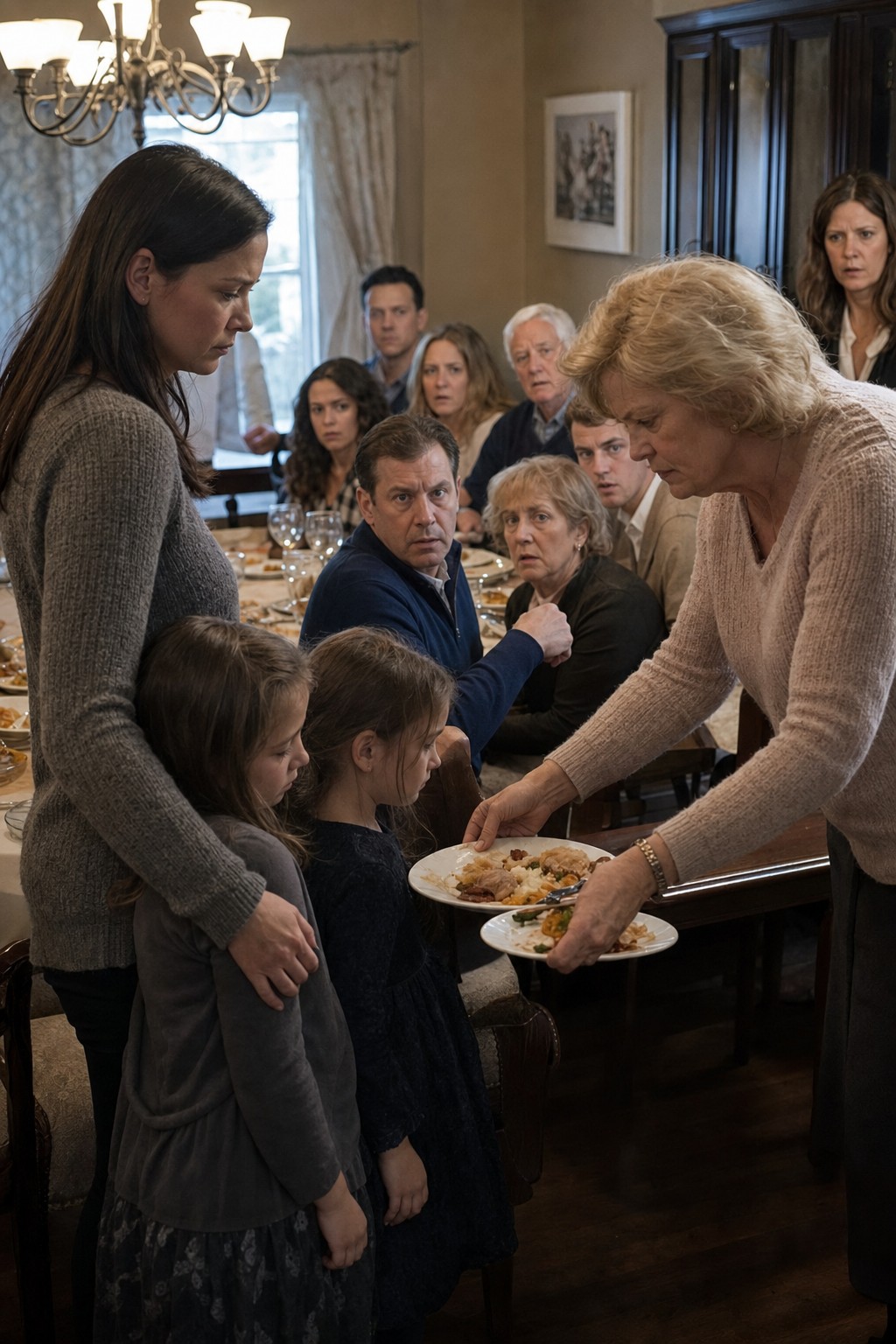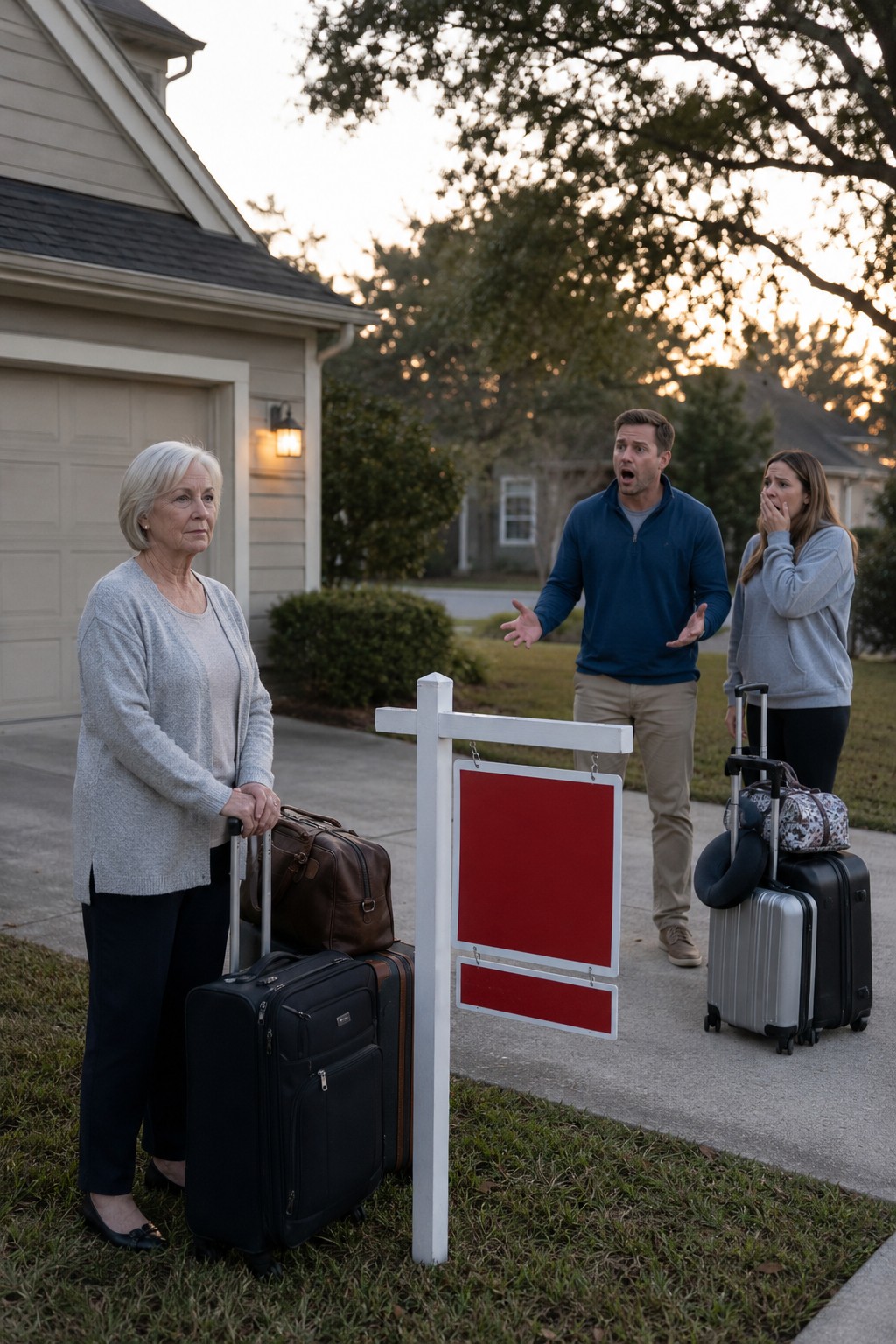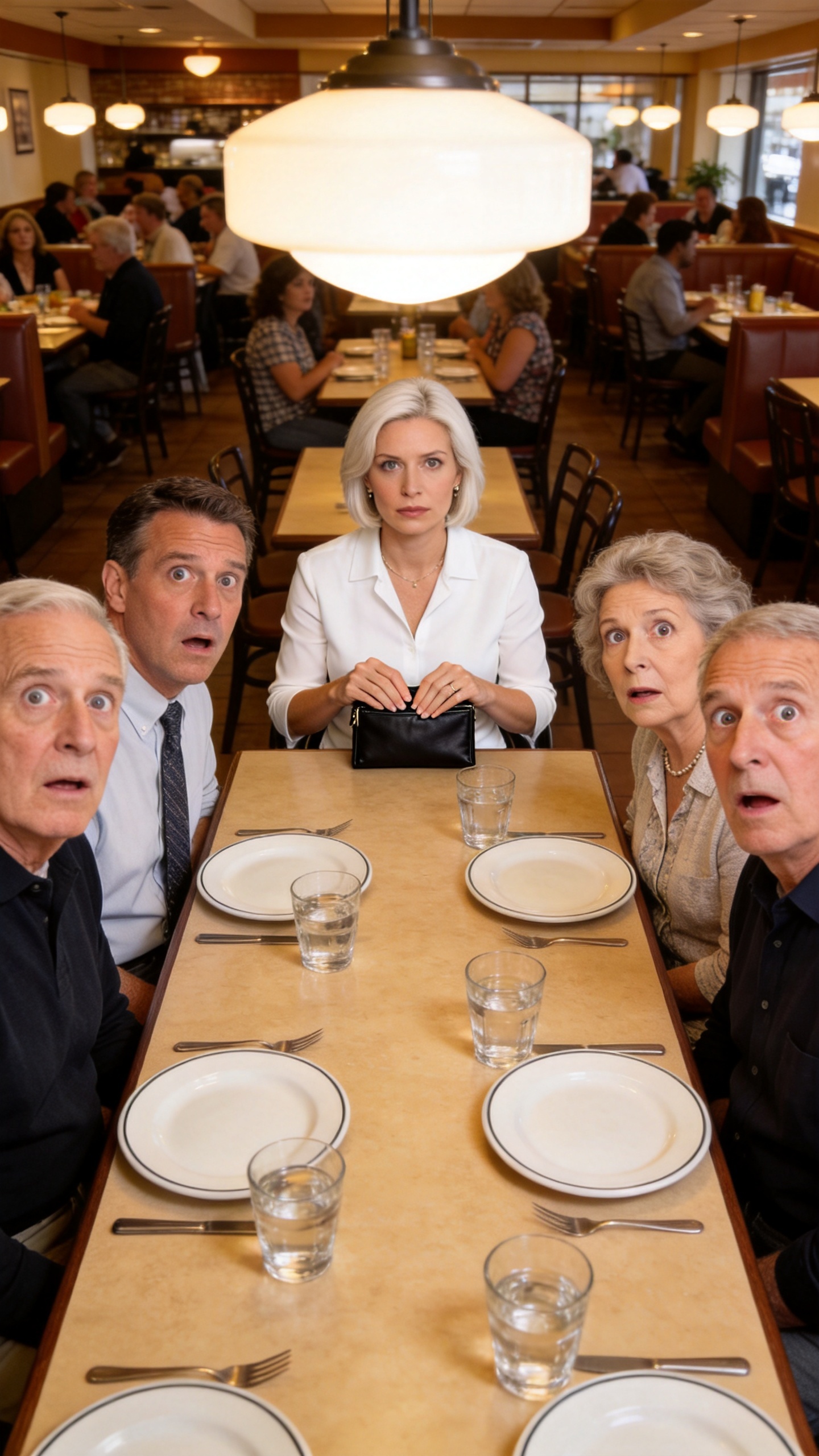
My Billionaire Ex Found Me Sleeping On A Bench With Our Twins, But The Real Shock Came At Breakfast When His Mother Tried To Take The Babies From My Arms
Lena counted the twins' breaths until someone said her name.
The park bench was cold.
The blankets were damp.
One baby slept against her chest.
The other made small hungry sounds into the dark.
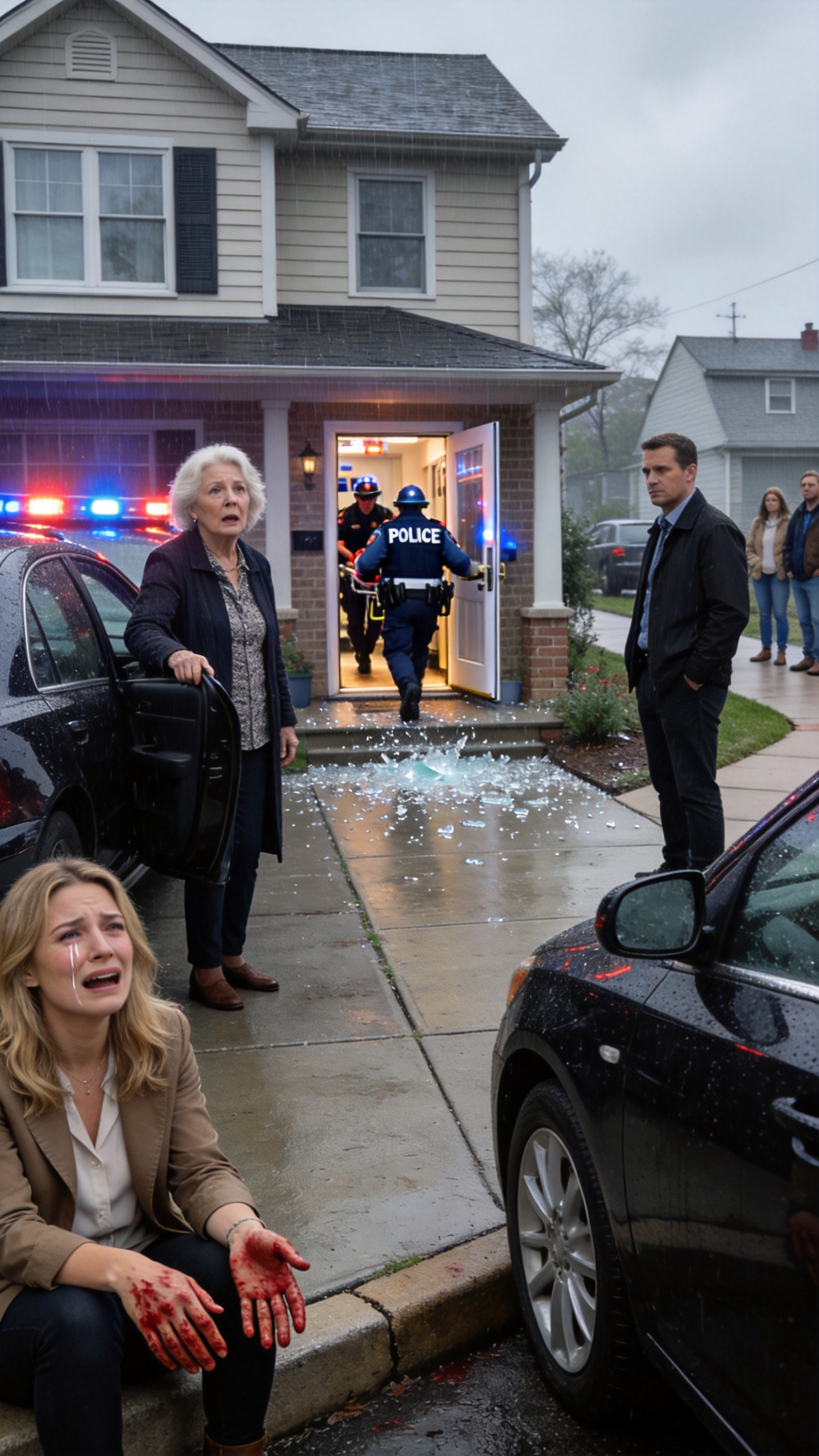
Then headlights swept across the grass.
Adrian stepped out of the car like a man seeing a ghost he had signed papers against.
"Lena?"
She almost did not answer.
Pride was useless with two newborns and one empty formula can.
By breakfast, his mother would try to turn rescue into possession.
But on that bench, Lena only knew one thing.
Her babies were warm because she had stayed awake.
She Counted Their Breaths Until Someone Said Her Name
Adrian moved toward her too fast.
Lena pulled the blankets closer.
That stopped him.
Good.
He needed to understand the distance before he tried to shorten it.
"Why didn't you call me?"
The question almost made her laugh.
Support checks delayed.
Lawyer letters unanswered.
Messages routed through assistants who sounded sorry and did nothing.
Lena had called.
The system had simply learned how not to hear her.
One twin whimpered.
Adrian's face changed.
For a second, he looked less rich than frightened.
"Get in the car," he said.
"No," Lena answered. "Call Rosa first."
His Mother Saw The Babies As A Problem To Control
Rosa was the night nurse who had once told Lena the truth gently.
Document everything.
Keep receipts.
Never let a wealthy family turn panic into paperwork without a witness.
By morning, Vivienne proved her right.
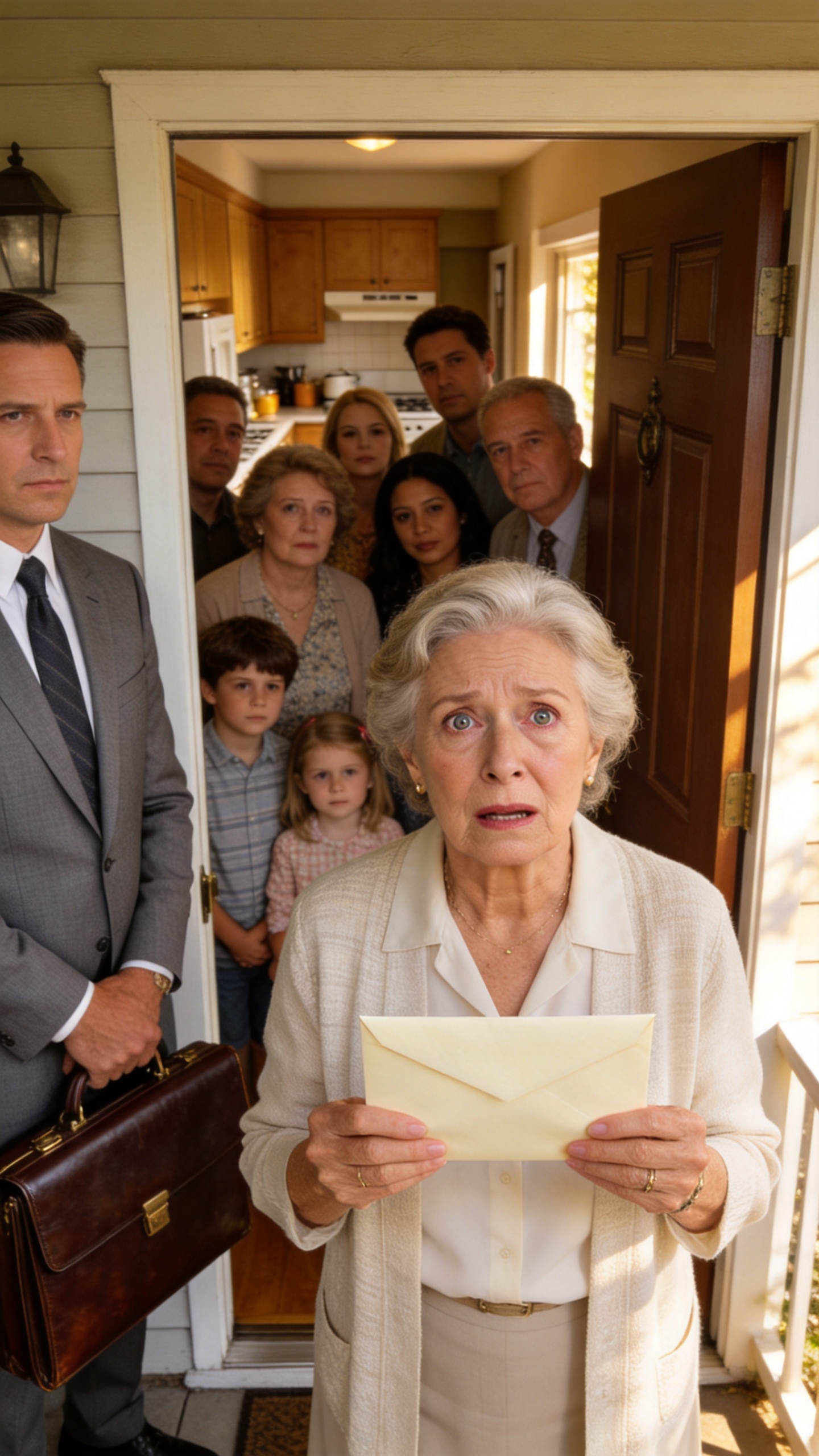
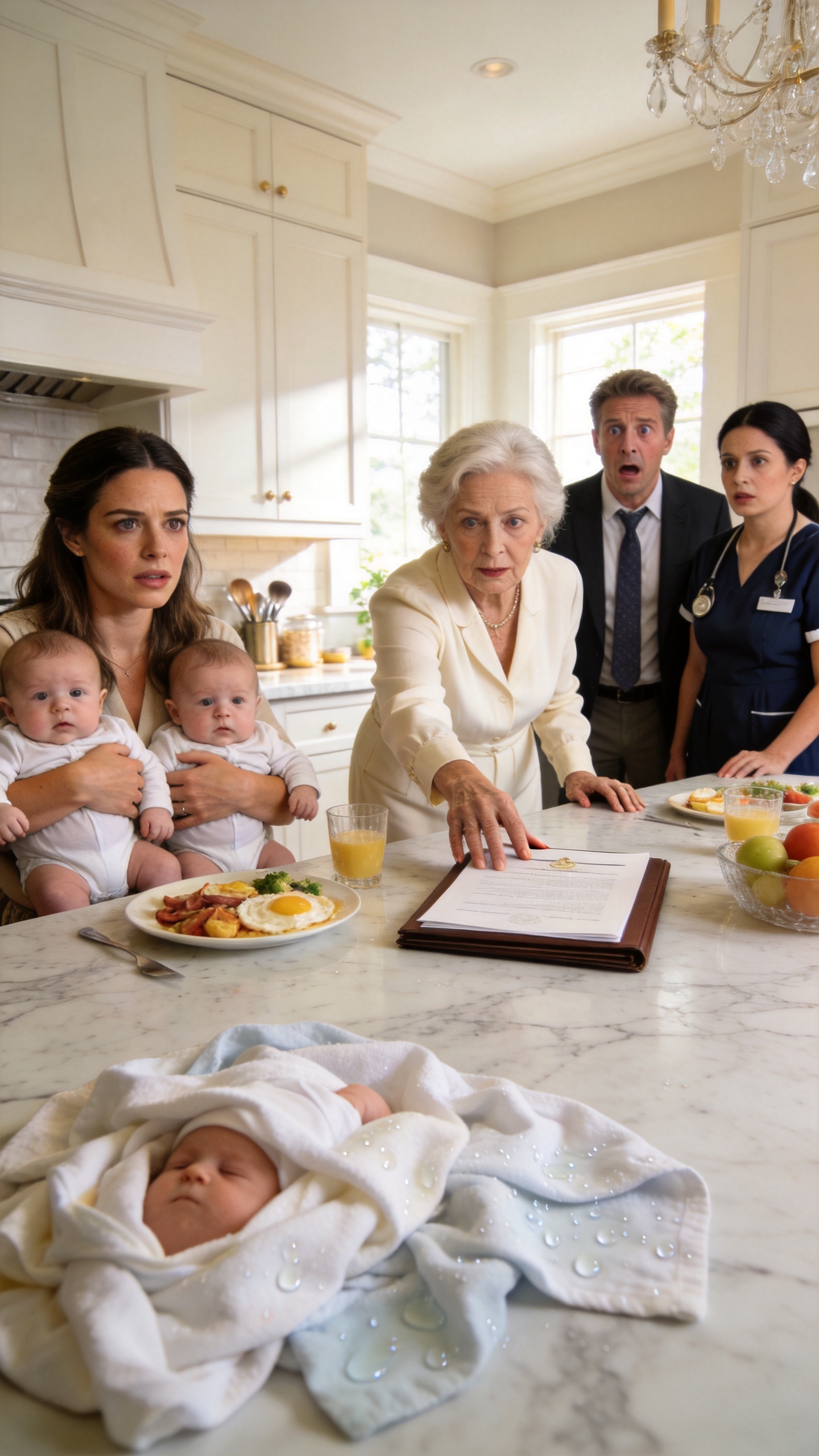
She entered the marble kitchen in cream silk and looked at the twins like a problem that could be managed.
"This situation does not prove those children belong in your care."
Lena was holding a bottle.
One baby had milk on his chin.
Vivienne placed custody papers beside the orange juice.
Not after a conversation.
Not after a doctor.
Before breakfast was even cleared.
Adrian stared at the papers.
Rosa stared at Adrian.
Breakfast Came With Custody Papers
The kitchen became quiet in layers.
First the housekeeper stopped at the pantry door.
Then Adrian's hand left the coffee cup.
Then Vivienne realized Rosa was taking notes.
"This is a family matter," Vivienne said.
Rosa did not look up.
"Then the family should want an accurate record."
That sentence did more than comfort Lena.
It changed the room.
Vivienne could bully a tired mother.
She could charm a son who hated conflict.
She could not charm a timestamp.
Adrian finally picked up the custody papers.
Then he tore the top page in half.
Not enough.
But a beginning.
He Had To Choose Between Rescue And Possession
Adrian had to choose between repairing the harm his family caused and letting his mother own the clean version of the story.
There were messages afterward. Some were apologies with no ownership inside them. Some were orders wearing the costume of concern.
Some came from people who had watched the whole thing and now wanted credit for privately disagreeing.
Lena answered fewer than expected.
She had learned something that day: the people who demand immediate forgiveness often waited a very long time before offering basic protection.
Lena accepted warmth, doctors, and safe cribs. She did not accept anyone rewriting the park bench into proof she was unfit to love her own children.
The next morning, she asked for every promise in writing. Adrian looked wounded by that. Lena did not soften it.
A woman who has slept outside learns that spoken comfort can disappear with the weather.
Vivienne tried to give the first clean explanation before anyone else could ask an honest question.
That was how the old pattern survived: not by proving itself, but by speaking first.
In the park bench and marble kitchen, the clean version made Lena sound sensitive, confused, jealous, dramatic, or ungrateful, while everyone else got to sound reasonable.
The insult was never only the sentence. It was the speed with which people reached for a version that protected the person who had caused it.
Lena could trace the pattern backward without effort.
There had been smaller scenes, quieter humiliations, little tests of how much he would absorb before asking to be treated as real.
the motel receipts mattered because it proved the past had not been imaginary. It gave shape to the things people had called mood, tension, or misunderstanding.
When a pattern finally has a record, the people who benefited from forgetting it suddenly become very interested in forgiveness.
Rosa did not arrive like a rescuer in a movie. The witness mattered because the room could no longer keep the story sealed inside the family performance.
Before that, Vivienne and Adrian could act as if their version was the only version available. After Rosa became part of the moment, the air changed.
People were not kinder yet, but they were less certain, and that was the first crack in the old control.
The damp baby blankets looked ordinary until everyone understood what it carried. That was the power of a concrete object. It does not argue. It does not beg.
It sits in the room making vague excuses harder to sell.
Once the custody papers was connected to the object in front of them, the old language started failing.
There was no elegant way to make the harm sound harmless anymore.
The reversal did not make Lena feel triumphant in the simple way people imagine. Mostly, he felt tired.
Being proven right after years of being minimized is not the same as being healed.
It is a relief, yes, but it also forces a person to look at how long the obvious had been denied.
In the park bench and marble kitchen, the silence after the truth landed felt less like justice than like a bill finally being placed on the correct table.
The messages afterward revealed who had learned nothing. Some people wanted Lena to calm down now that the truth was public.
Some wanted her to protect Vivienne from embarrassment. Some wanted a private conversation because private rooms had always been easier places to pressure him.
She read those messages slowly and noticed how many began with concern but ended with instructions.
Lena's boundary did not look dramatic. It looked like delayed replies, written confirmations, fewer favors, and no more conversations designed to make her doubt her own memory.
People who had mistaken access for love found that change cold. She let them think so.
Warmth had been demanded from her for years by people who offered performance in return.