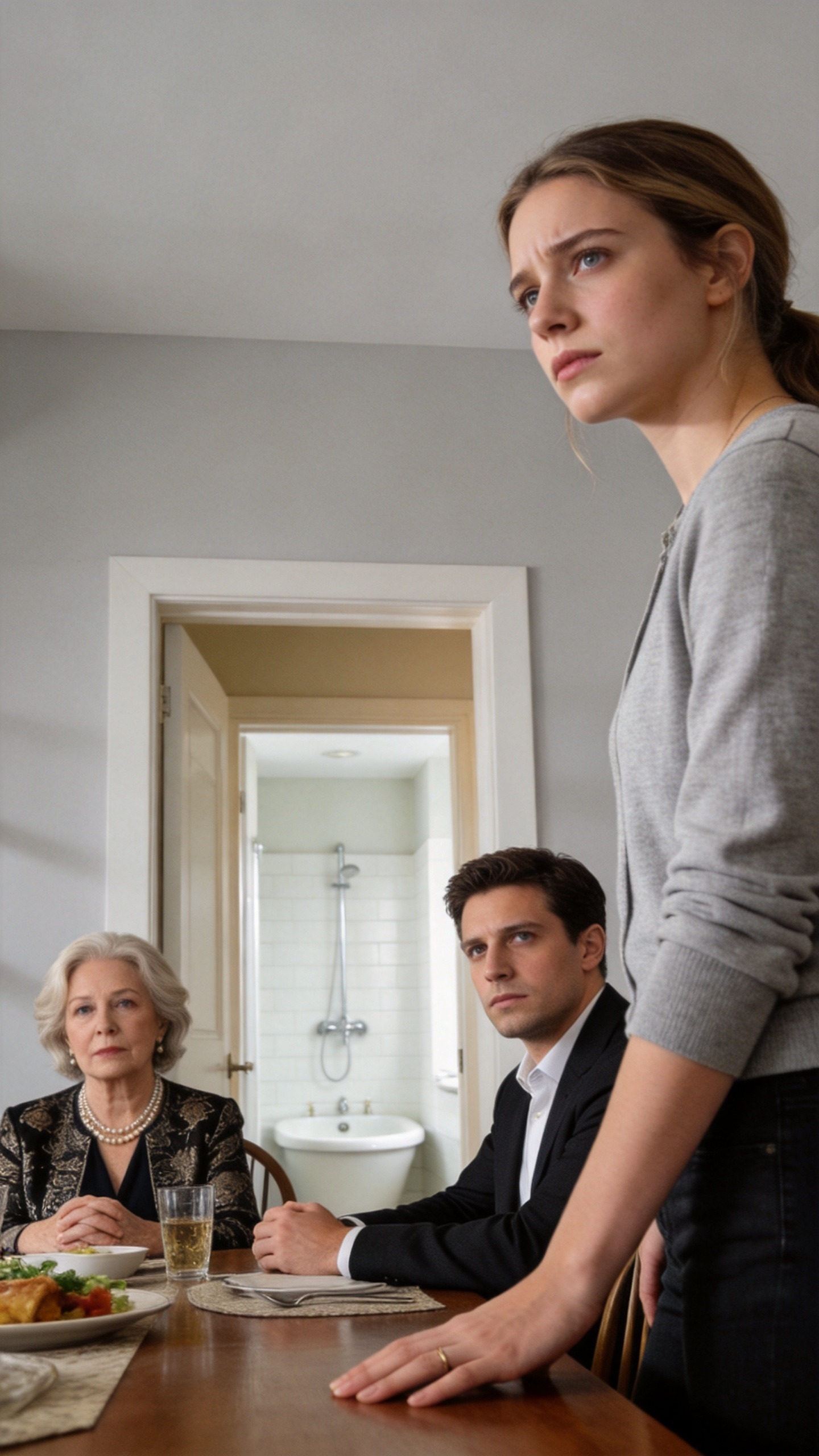
I Adopted a 16-Year-Old Girl to Honor My Late Husband's Final Wish. Days Later, She Whispered, "Now You Need to Know Who He Really Was"
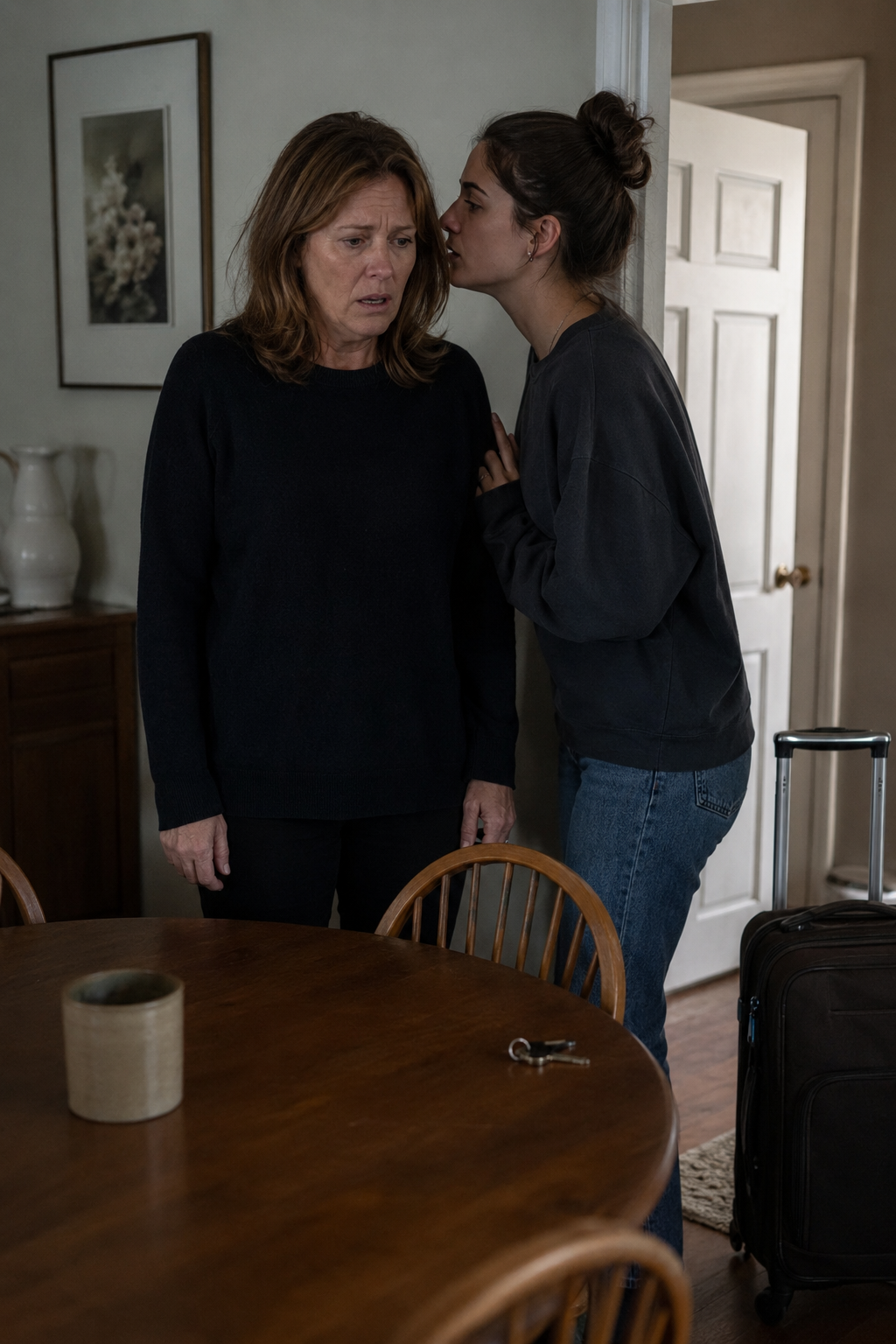
The morning the specialist told us Nathan had only a few weeks left, our house went strangely quiet.
For fifteen years, I had believed I knew the man lying in that hospital bed. We had built a marriage, raised two children, paid bills, argued over small things, and forgiven each other for ordinary failures.
Then the diagnosis came, and Nathan changed.
He stopped looking me in the eye for long stretches. He stared at the ceiling as if some older fear was waiting there. Whenever I asked what was haunting him, he gave the same exhausted answer.
"I'm just tired."
Three weeks into hospice, he reached under his pillow and handed me a worn photograph.
A teenage girl looked back at me from the picture. She had careful eyes, a stiff mouth, and the guarded expression of someone who had learned not to expect much from adults.
"Her name is Elena," Nathan said. "She is sixteen. I need you to adopt her before I die."
I thought grief had finally broken something in him.
"Who is she?"
Nathan's fingers tightened around the blanket. "Someone who has no one else."
"Is she your daughter?"
He closed his eyes. A tear slid into the gray stubble along his cheek.
"Please," he whispered. "Do not make me explain it now. Bring her home first."
The Girl in the Rain
I wanted to refuse.
I wanted to demand every document, every answer, every ugly truth he had kept from me. But Nathan was dying in front of me, and his request sat between us like a final test of whether love meant mercy even when trust had cracked.
So I agreed.
Elena arrived two days later during a heavy rainstorm with one backpack and soaked sleeves. She thanked me too formally when I opened the door, as if she had practiced being grateful enough not to be sent away.
My children accepted her faster than I did.
My daughter brought her dry socks. My son showed her where we kept mugs. By dinner, they were asking about school and music, treating her like a sister while I watched from the kitchen doorway and wondered what Nathan had made me invite into our home.
That night, I passed Nathan's room and heard him laughing.
It was the first real laugh I had heard from him in months.
Elena sat beside his bed holding his hand. The tenderness between them was quiet and practiced. It did not look like a stranger visiting a sick man. It looked like a secret finding air.
My stomach tightened.
After that, I noticed everything.
Elena went to Nathan's room when she came home from school. Their voices dropped when I walked near the door. Once, from the hallway, I heard her whisper, "I cannot keep doing this."
Nathan answered, "Only a little longer. Please."
When I confronted him, his face folded with guilt.
"You will understand later," he said.
Later became the only truth he was willing to give me.
His Silence Became Mine
I found Elena crying in the laundry room a few days before Nathan went back to the hospital.
She had one of his shirts pressed against her face. Her shoulders shook silently, and for a moment she looked younger than sixteen.
"Tell me who you are to him," I said.
She wiped her cheeks and shook her head.
"I promised him."
"He is my husband."
"I know."
The softness in her voice made me angrier than defiance would have.
Three days later, Nathan was gone.
At the funeral, Elena stood beside my children in a black dress that did not fit her quite right. People asked who she was. I said, "She is family," because it was easier than admitting I did not know whether that was true.
That night, after everyone left and the casseroles cooled on the counter, I lay awake counting the questions Nathan had buried in me.
Near midnight, my bedroom door opened.
Elena stood there holding a small wooden box.
"He told me to wait until the day after," she said.
"Then wait until morning."
Her jaw trembled, but she did not leave.
"I have spent my whole life as a secret. I cannot wait anymore."
The Box He Left Behind
She sat on the edge of my bed and placed the box between us.
Inside were old letters, faded photographs, and bank papers folded so many times the creases had nearly split. The first picture showed Nathan's father standing beside a young woman I had never seen.
Elena touched the woman's face in the photo.
"My mother."
On the back, in old handwriting, Nathan's father had written one word.
Forgive me.
Then Elena told me what Nathan had not.
She was not his daughter.
She was his half sister.
Years before I met Nathan, his father had been involved with Elena's mother. Elena was born from that relationship and raised in secrecy. Her mother died two years before Nathan's diagnosis, leaving behind a letter that finally led Elena to him.
For one breath, relief moved through me.
Nathan had not betrayed our marriage with another woman. The girl sleeping under my roof was not proof that my husband had lived a second life with someone else.