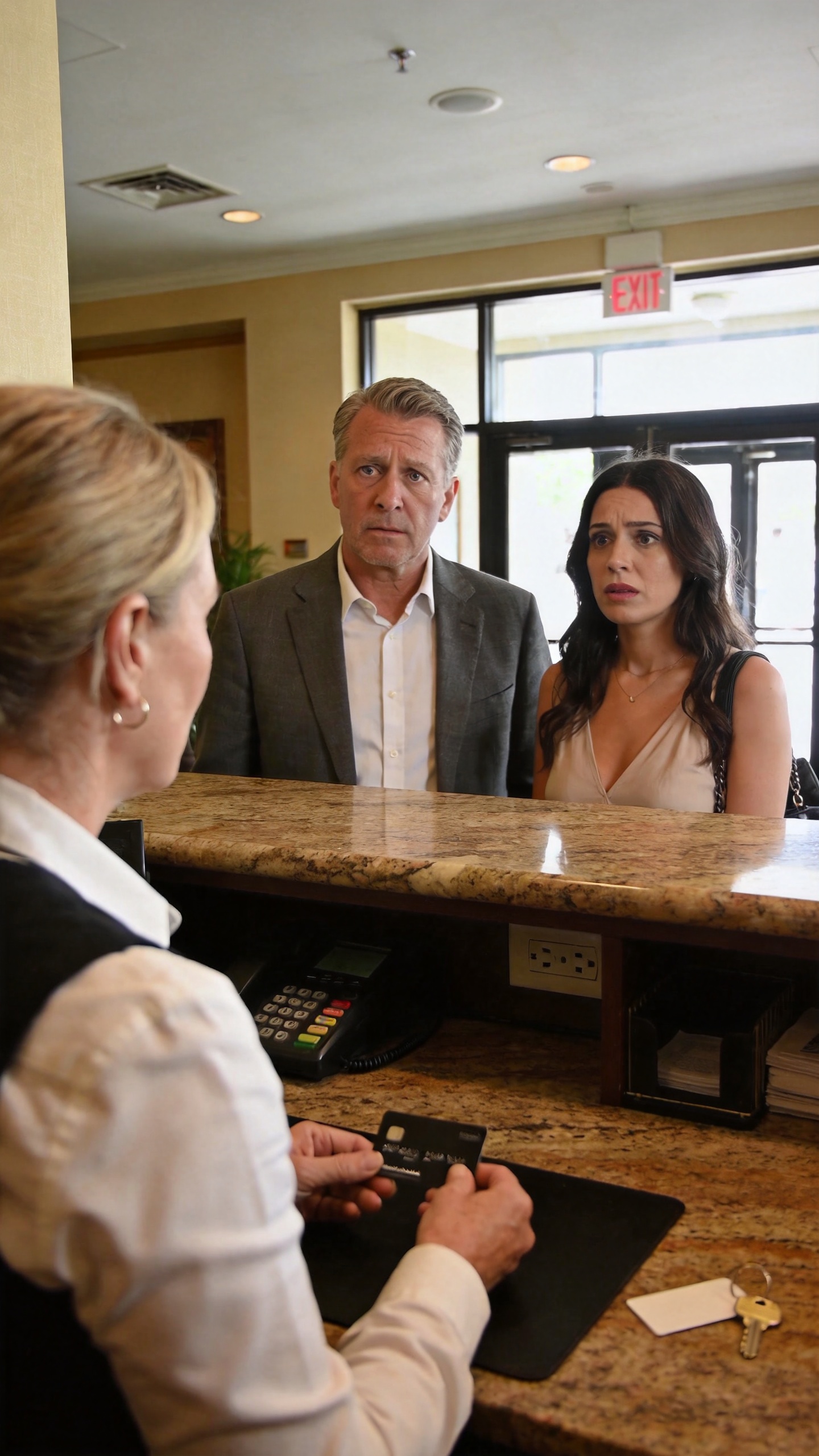
My Daughter Vanished While We Were Living In Egypt, And Twenty Years Later A Postcard Arrived From Cairo With Seven Words On The Back That Made Me Realize My Husband Had Been Standing Beside The Truth The Whole Time
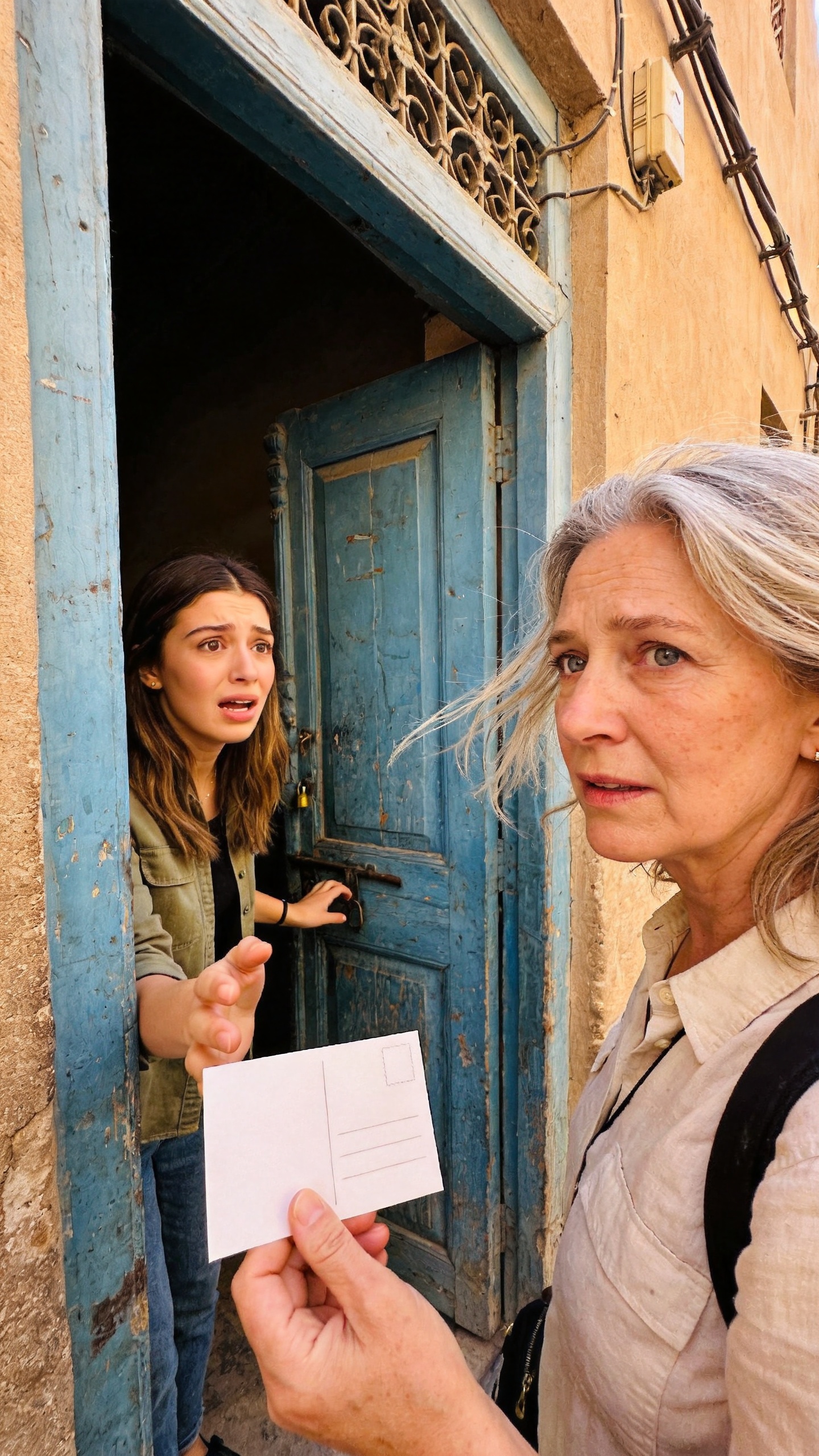
The Postcard Arrived After Twenty Years Of Empty Rooms
The postcard came on a Thursday, tucked between an electric bill and a grocery coupon.
No return address.
No envelope.
Just a picture of the Nile at sunset and a stamp that made my hands stop moving.
Egypt.
For a moment, I could not breathe.
Twenty years had passed since my daughter vanished from a market street in Cairo, but grief does not age in a straight line.
It waits.
It keeps its shoes by the door.
It learns the sound of every mail truck.
My daughter, Eliana, was six when she disappeared.
One minute she was holding the edge of my linen skirt, asking for a mango drink.
The next, the crowd moved between us.
Then she was gone.
My husband, Victor, found me screaming near the spice stalls.
He held my shoulders and told me not to panic.
That sentence stayed with me for two decades.
Not because it comforted me.
Because no father should have sounded that calm.
The police searched.
Neighbors searched.
Tourists searched.
Victor cried only when cameras arrived.
At night, he told me we had to accept that Egypt had swallowed our child.
I never accepted it.
I kept her yellow hair ribbon in my dresser.
I kept her last drawing folded inside my passport.
I kept asking questions until people began asking if grief had made me cruel.
Then, twenty years later, the postcard arrived.
On the back were seven words.
Ask him about the blue door, Mama.
The handwriting was not a child's.
It was careful.
Adult.
But the last word had a tremor in it, as if whoever wrote it had stopped breathing before finishing the curve.
Mama.
No one had called me that in twenty years.
People called me Mrs. Calder.
They called me brave.
They called me haunted when they thought I could not hear.
But not Mama.
That word had been locked in a market street with my daughter's missing shoe and the mango drink she never got to finish.
I pressed the postcard against my chest until the paper bent.
Then I did something I had not done in years.
I went to Eliana's room and opened the curtains.
Everyone Said A Mother Could Break From Looking Too Long
Victor was in the garden when I found him.
Older.
Gray at the temples.
Still handsome in the way that made strangers believe his version first.
He was trimming roses with the same careful hands that had packed our suitcases the night we left Cairo.
I placed the postcard on the patio table.
He looked at the picture.
Then at the stamp.
Then at me.
The clippers slipped from his hand.
"Where did you get this?"
Not what is it.
Not who sent it.
Where did you get this?
That was the first crack.
"What blue door, Victor?"
His mouth moved before sound came out.
"I don't know."
But he did.
I saw it in the way his eyes refused to meet mine.
For twenty years, I had lived inside a story he helped write.
The frantic mother.
The grieving father.
The foreign city.
The unsolved tragedy.
Now one postcard had made the walls shift.
I called the retired investigator who had kept my case file longer than the department wanted him to.
He remembered the blue door immediately.
"There was a side entrance behind the textile shop," he said. "Your husband told us your daughter never went that direction."
My knees weakened.
"Did anyone confirm that?"
Silence.
Then:
"No."
The retired investigator, Samir Haddad, had a voice that sounded older than the phone line.
"I argued with your husband that day," he admitted.
The admission made my hand tighten.
"About what?"
"He kept directing us away from the alley. He said you had already searched there. He said your daughter hated dark places and would never go near it."
Eliana had loved hiding under tables.
She had loved closets.
She had once crawled into a hotel laundry cart because she wanted to see where towels slept.
Victor knew that.
Everyone who loved her knew that.
Samir went quiet again.
"I should have pushed harder."
"So should I," I said.
But even as I said it, I knew the cruelty of that sentence.
Mothers are always told they should have done more, even when someone else built the trap.
The Door Was Real, And So Was The Girl Behind It
Three weeks later, I was back in Cairo.
The city smelled different and exactly the same.
Dust.
Coffee.
Sun-warmed stone.