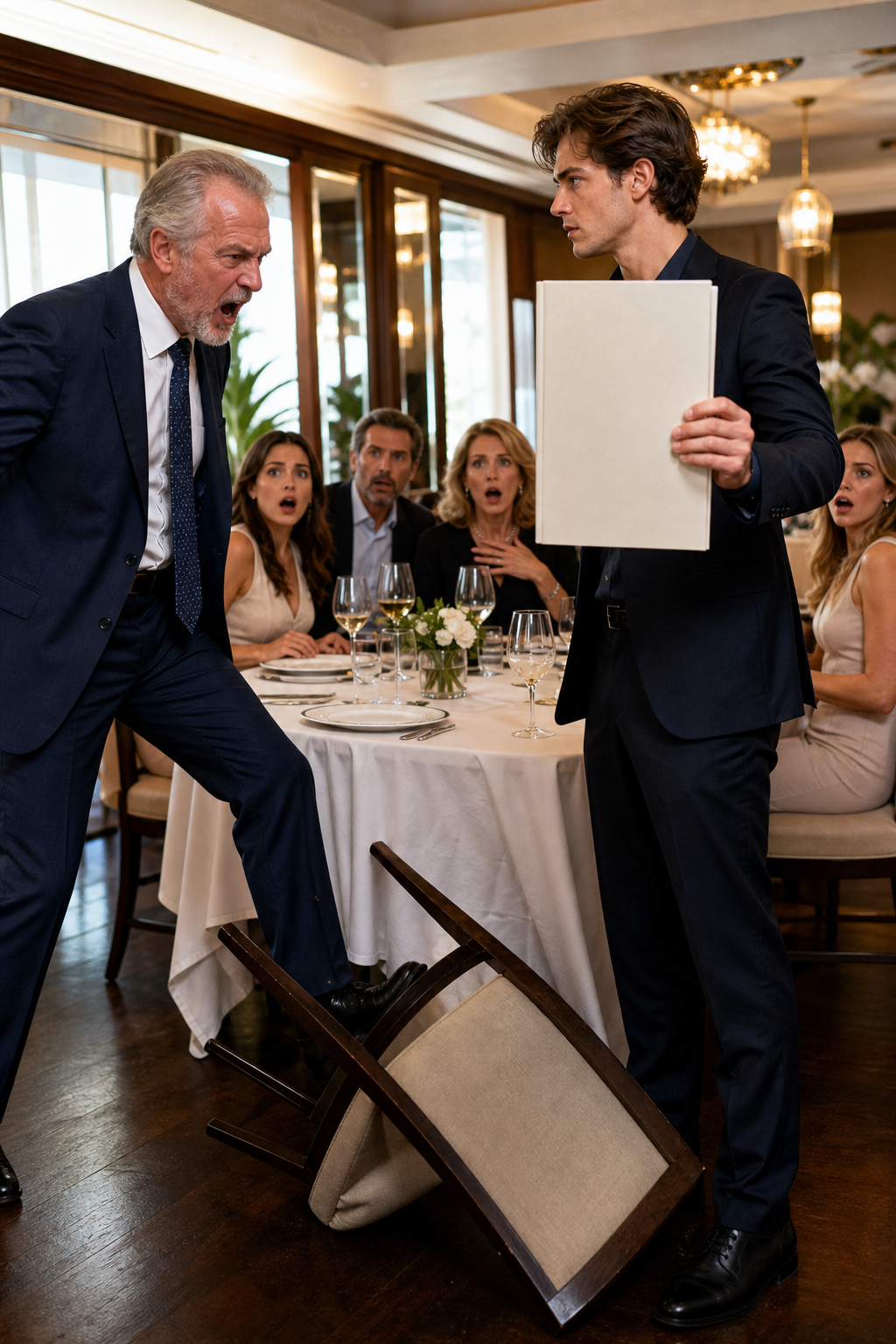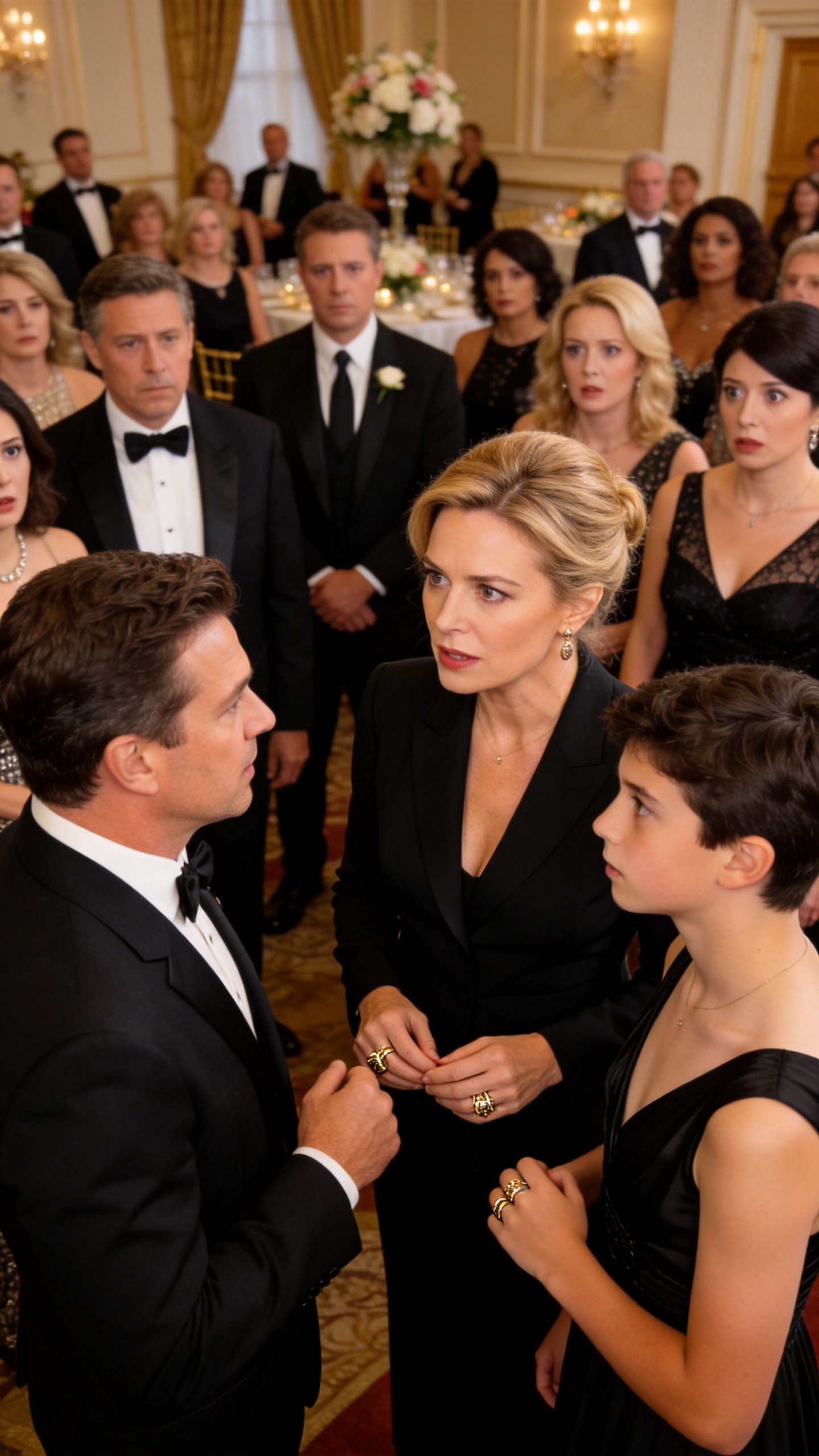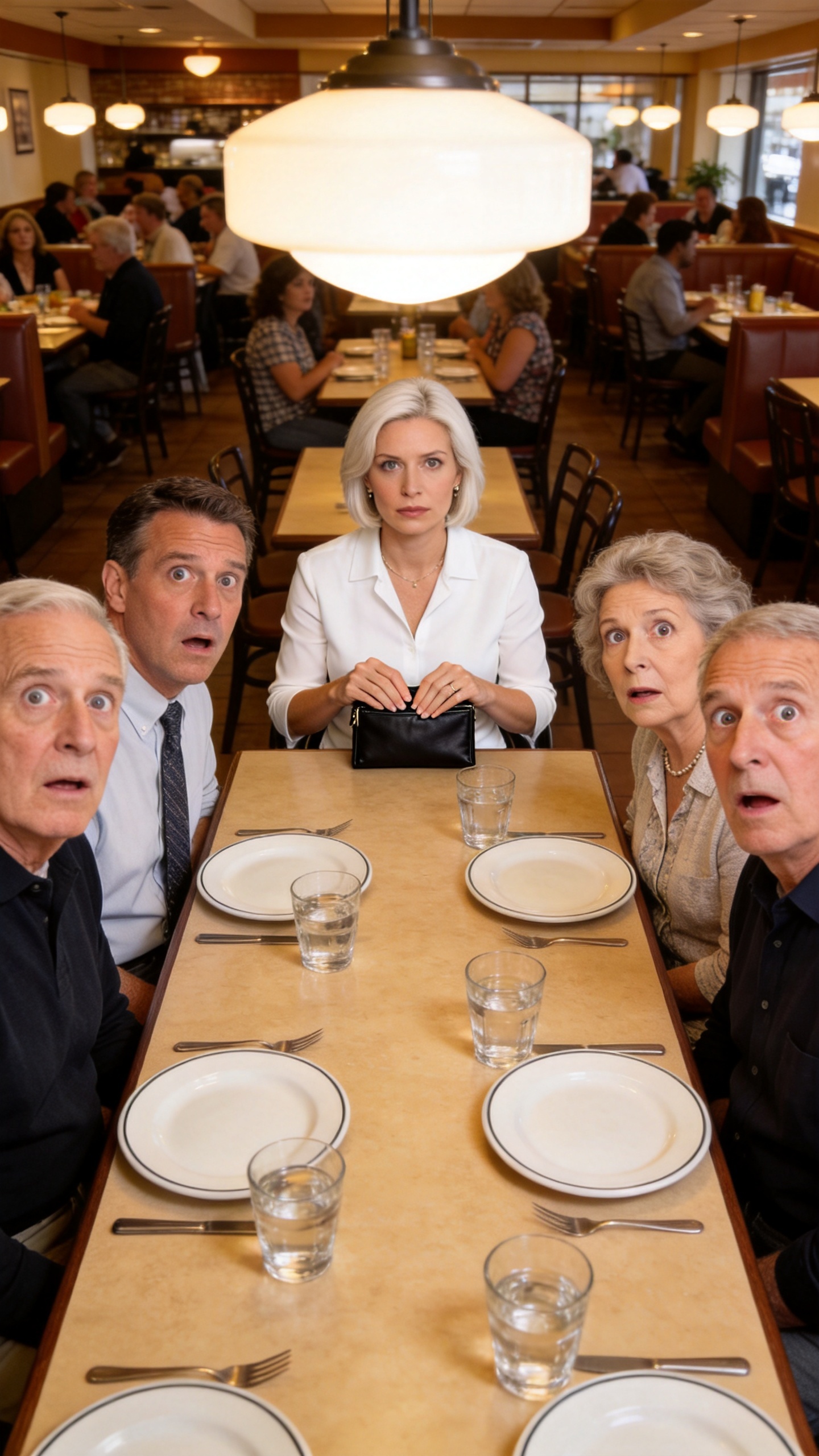
On My Daughter's First Birthday, My Mother-In-Law Raised Her Glass And Asked Who The Real Father Was Because My Baby Had Blue Eyes, So I Took Two Envelopes From My Bag And Let The Whole Family Hear The Truth She Hid
If I cried, she would use the tears.
So I spoke like the documents in my hand had already said everything worth saying.
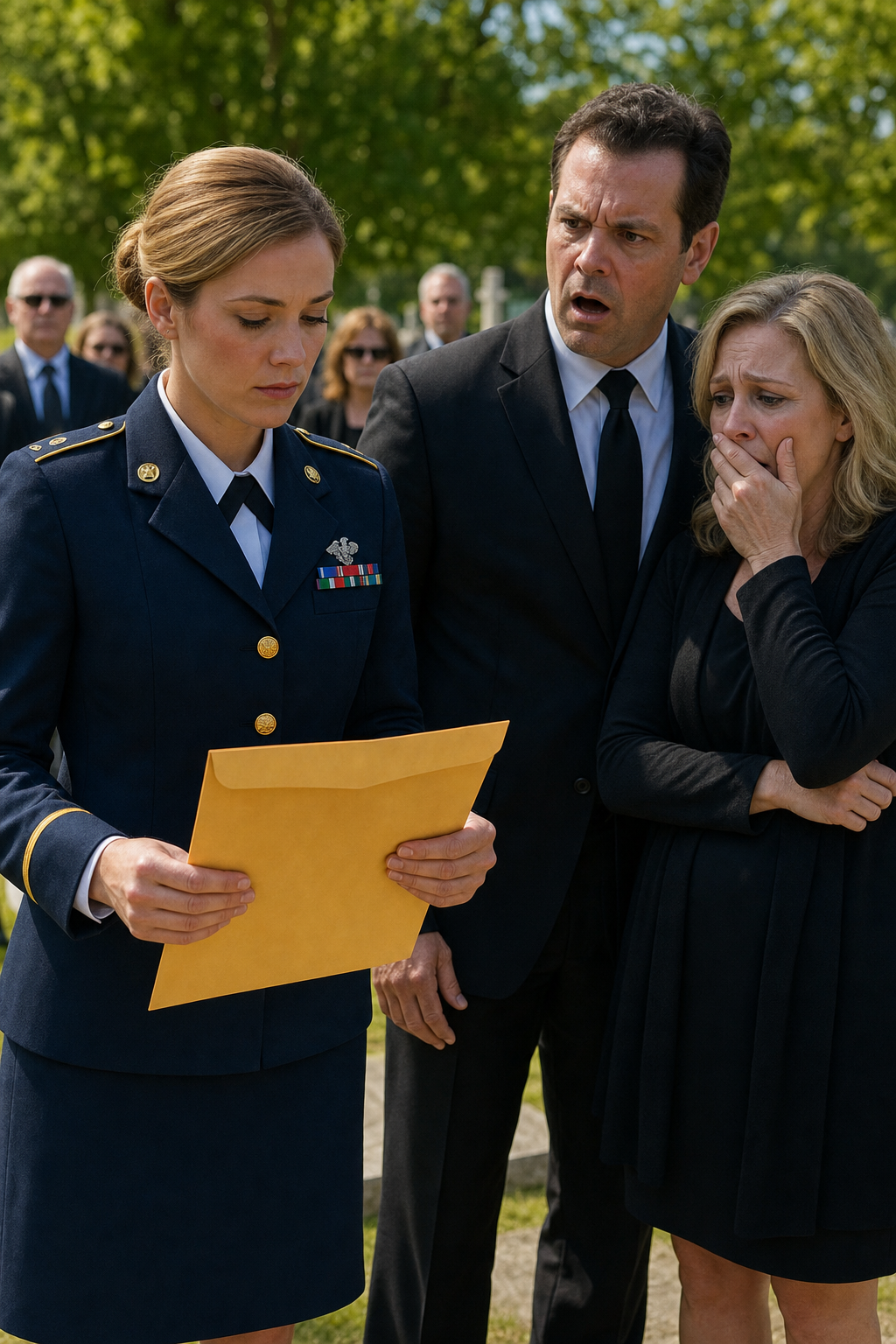
"Your mother ordered a private genealogy cleanup twelve years ago," I said. "She paid to remove a birth record, two adoption notes, and a photograph from the archive your aunt Marjorie had collected."
Marjorie pressed her fingers to her lips.
Julian looked at his aunt.
"You knew?"
Marjorie's eyes filled.
"I suspected. I didn't know she had destroyed the records."
Beatrice's chair scraped backward.
"This is disgusting."
"Yes," I said. "It is."
For one second, she thought I meant me.
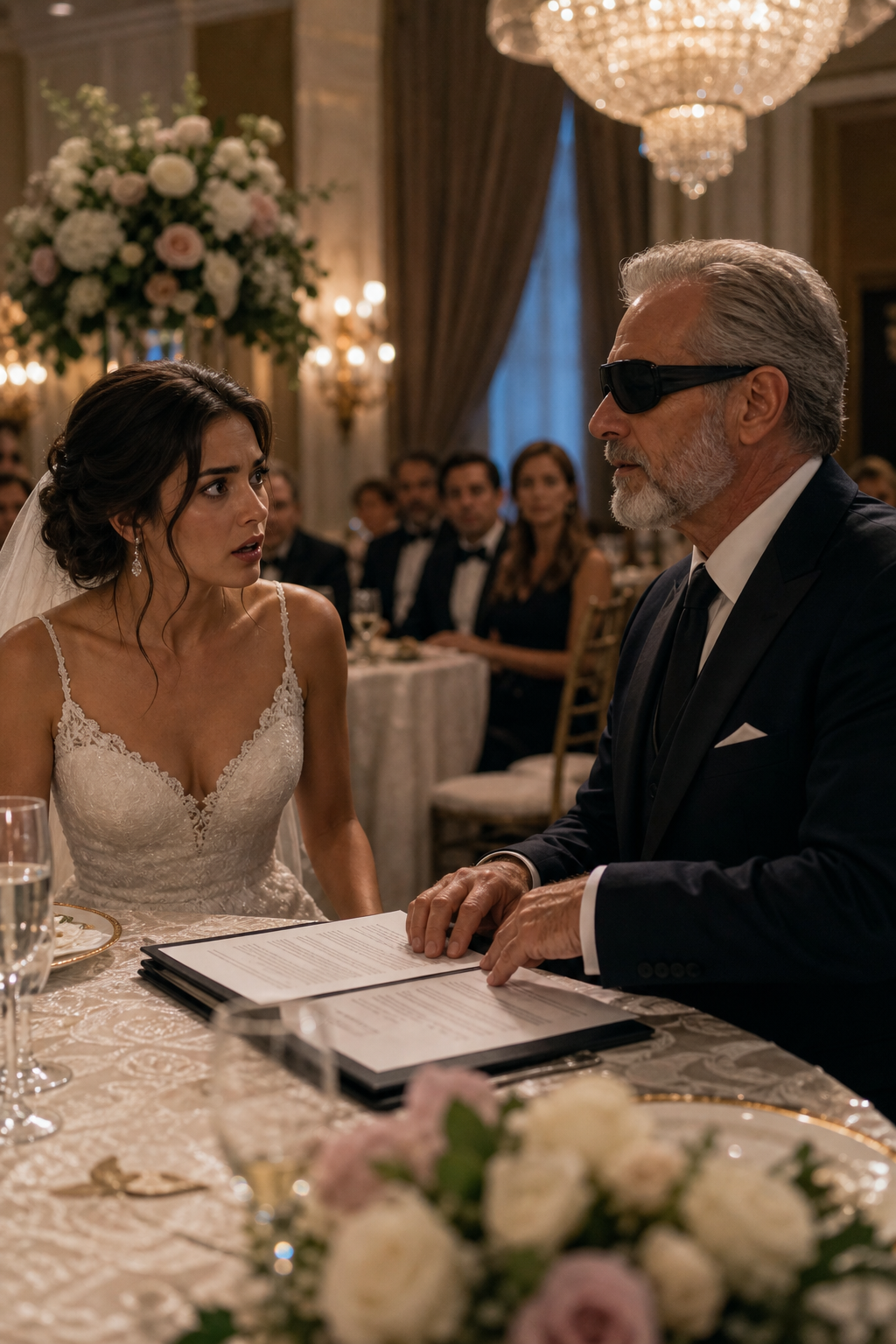
Then I slid the photograph across the table.
The first person to understand was Julian's aunt Marjorie.
She made a sound so small most people missed it.
But Beatrice heard.
Her head snapped toward her sister.
"Don't," Beatrice said.
One word.
Not to me.
To Marjorie.
That was when the room understood the second envelope was not about my marriage.
It was about the family history Beatrice had edited so carefully that everyone else had learned to repeat it as truth.
The Second Envelope Belonged To The Woman Who Started The Rumor
Julian's grandfather had blue eyes.
Not Beatrice's father.
The man she had told everyone was her father.
The other one.
The one she had hidden from the family record because his name would have ruined the story she built around herself.
Years earlier, Beatrice had paid a private archivist to remove adoption notes from a family genealogy project.
She had buried photographs.
She had rewritten dates.
She had told Julian that no one in the family carried that trait because admitting otherwise meant admitting she had lied about her own birth.
The letter in my hand proved it.
So did the photograph of a young Beatrice standing beside a blue-eyed man with Emilia's same rare shade.
The man in the photo had written on the back in faded ink.
My daughter Beatrice, summer 1978.
His eyes were not merely blue.
They were Emilia's blue.
Clear, pale, almost silver near the pupil.
The same color Beatrice had spent twelve months calling suspicious.
Julian picked up the photograph with both hands.
His face changed as he saw his mother's younger face beside a man she had erased.
"Who is he?" he asked.
Beatrice said nothing.
Marjorie answered.
"Your grandfather."
The word moved through the room differently than any accusation could have.
Grandfather.
Family.
Blood.
Everything Beatrice had used against my daughter had belonged to Beatrice first.
No one spoke.
Then Julian's aunt whispered, "Bea."
Not angry yet.
Worse.
Recognizing.
Beatrice reached for the paper.
I moved it away.
"You questioned my daughter's legitimacy in front of a room full of people because you were afraid her eyes would expose your secret."
Her face drained of color.
Julian turned toward his mother.
"You let me doubt my wife."
That was the sentence I had needed from him for a year.
It came late.
Too late to erase the nights I cried in the bathroom while he pretended not to hear.
Too late to erase every family dinner where Beatrice measured my daughter's face like a detective.
Too late to erase the way I had started dressing Emilia in hats for outdoor photos because I was tired of comments about her eyes.
But late is not the same as never.
I looked at Julian and saw a man finally facing the cost of being a good son to a cruel mother.
Beatrice tried one last defense.
"I was protecting this family."
"From what?" I asked.
She looked at Emilia, then away.
There it was.
Not protection.
Shame.
The old kind.
The inherited kind.
The kind people pass down like china and call it tradition.
"You were protecting your story," I said. "Not this family."
Julian's brother pushed his chair back.
"Mom, you accused a baby."
That sentence did what my documents could not.
It made the room look at Emilia again.
Not at her eyes.
At her.
A one-year-old child rubbing frosting between her fingers, smiling at a room that had almost turned her into evidence.
Beatrice's mouth opened.
Closed.
Opened again.
For once, no polished sentence came out.
Emilia clapped again, delighted by the attention.
I lifted her from the high chair and held her against my chest.
"This party is over," I said.
No one argued.
Julian followed me to the door, but I stopped him with one look.
He had a year of silence to answer for.
Love does not disappear in one afternoon.
But trust can.
Behind us, Beatrice sat at the table beside the cake she had tried to turn into a trial.
The candles had melted into the frosting.
The champagne had gone flat.
And every person in that room finally understood that the baby with blue eyes had not exposed my shame.
She had exposed Beatrice's.
That night, after everyone left, Julian found me in Emilia's nursery.
I was sitting in the rocking chair with our daughter asleep against my chest.
He stood in the doorway for a long time.
"I should have stopped her months ago," he said.
"Yes."
No softness.
No rescue.
Just truth.
He nodded like the word hurt him and deserved to.
"Can I fix it?"
I looked down at Emilia, at the blue eyes that had made grown adults forget she was a child before she was a rumor.
"You can start," I said. "But you don't get to ask me to pretend it never happened."
The next morning, Beatrice called eleven times.
I did not answer.
For once, the silence belonged to me.
Two weeks later, Julian moved out of our bedroom and into the guest room.
Not because I threw him there.
Because he finally understood that an apology was not a key back into trust.
He started therapy.
He called his mother only once, on speaker, with me in the room.
"Until you apologize to my wife and to my daughter without excuses," he told her, "you will not see Emilia."
Beatrice hung up.
But the next day, a box arrived.
Inside were copies of every family document she had kept hidden.
No note.
No apology.
Just proof that, for the first time, she knew she could no longer control the story by controlling the room.
I put the blue envelope in Emilia's baby book.
Not because I wanted her to grow up carrying that ugliness.
Because one day, if anyone ever tried to make her feel like her own face required explanation, I wanted her to know her mother had already answered.