6 Meaningful Ways To Keep A Loved One’s Memory Alive Without Turning Your Home Into A Shrine

After a death, many people feel torn between two fears. One fear is forgetting. The other is becoming emotionally trapped in a house full of reminders.
This tension is more common than people admit. Family members often want to honor the person who died, but they also want the home to remain livable, peaceful, and emotionally breathable.
The good news is that remembrance does not require preserving everything exactly as it was. In fact, memory often becomes healthier when it is carried with intention rather than clutter.
Keep A Few Objects That Truly Hold Meaning
Not every belonging needs to stay. But a few carefully chosen items can provide connection without overwhelming the space.
A handwritten recipe, a watch, a Bible with notes in the margins, a favorite mug, or one framed photograph may hold more emotional truth than boxes of untouched possessions. The value lies in significance, not quantity.
Choosing intentionally also reduces a common grief problem: mistaking volume for loyalty.
Turn Memory Into Story, Not Storage
One of the healthiest ways to preserve a person is through narrative. Record their sayings. Write down family stories. Tell children what made them funny, generous, stubborn, faithful, or brave.
Objects eventually fade, but stories travel. They also preserve more of the person’s character than a closet full of clothing ever could.
Families who share stories regularly often feel less pressure to keep every physical item because memory remains active in conversation.
Create One Dedicated Place Instead Of Spreading Reminders Everywhere
Sometimes grief feels heavier because reminders are scattered through every room. A coat remains on the hook, slippers stay by the bed, medications remain in drawers, and nothing changes because no one knows where to begin.
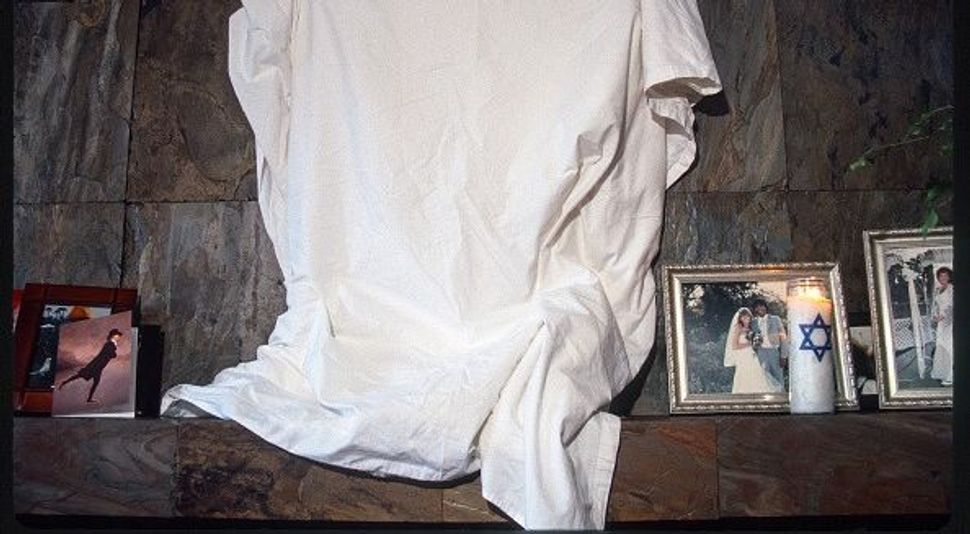
Creating one intentional place for remembrance can help. A small shelf, memory box, framed corner, or drawer of keepsakes allows love to stay visible without taking over the whole house.
This also creates emotional boundaries. The memory is welcomed, not forced into every moment.