Why Some People Cover Mirrors After A Death—And What That Old Mourning Tradition Was Trying To Protect
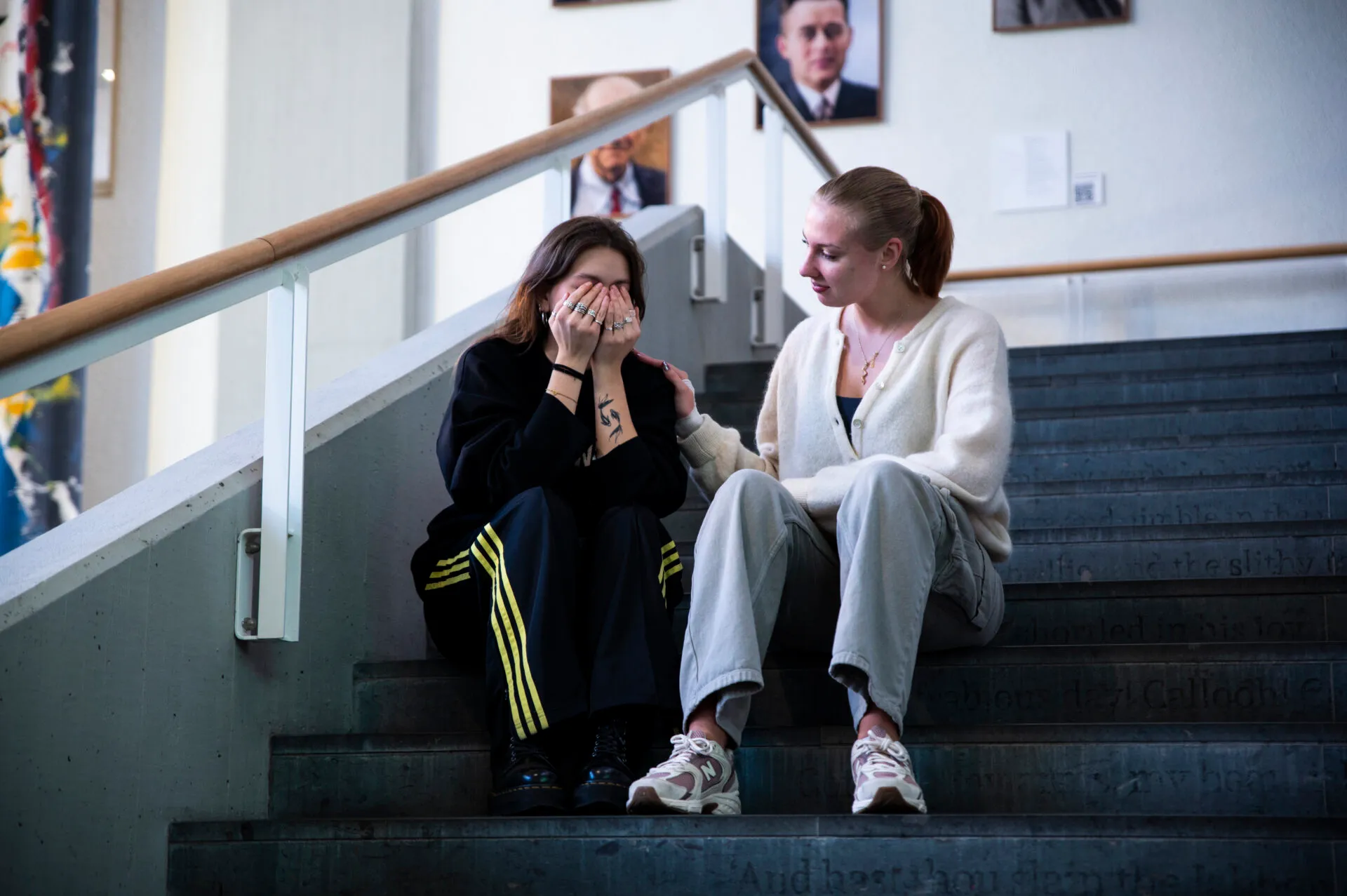
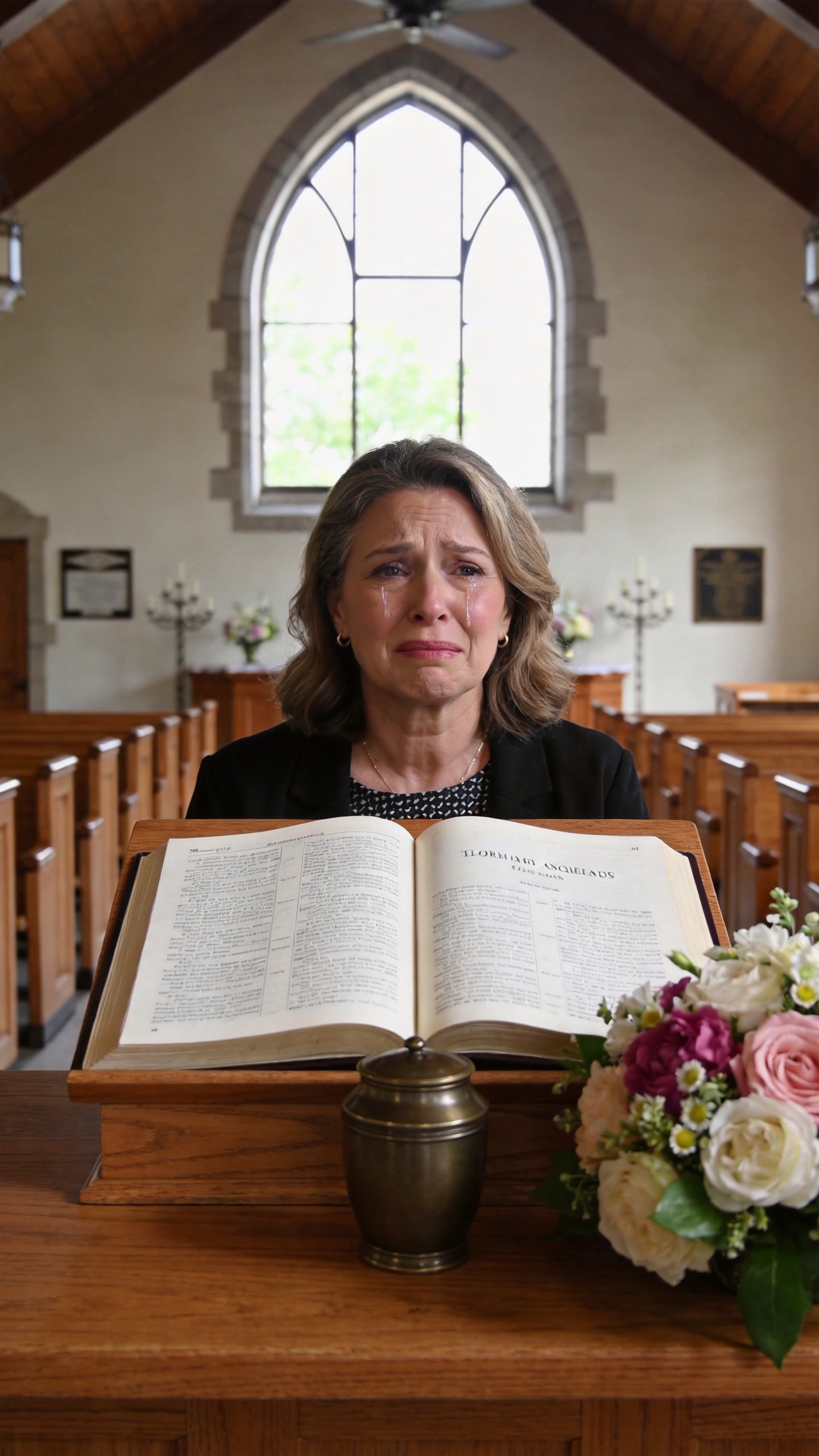
In many homes, grief changes more than emotion. It changes the room itself. Curtains are drawn. Voices become softer. A chair is left untouched. And in some traditions, mirrors are covered.
To modern eyes, this can seem like superstition. Why cover a mirror after someone has died? What could a piece of glass possibly have to do with mourning, prayer, or spiritual peace?
Yet across cultures and generations, people have treated mirrors as more than decoration. They have seen them as symbolic objects—ones connected to identity, energy, memory, and the strange emotional vulnerability that follows death.
Why Mirrors Feel So Intimate During Mourning
A mirror reflects more than appearance. It catches posture, fatigue, fear, and the private expressions people make when they think no one is looking. During grief, this can become overwhelming.
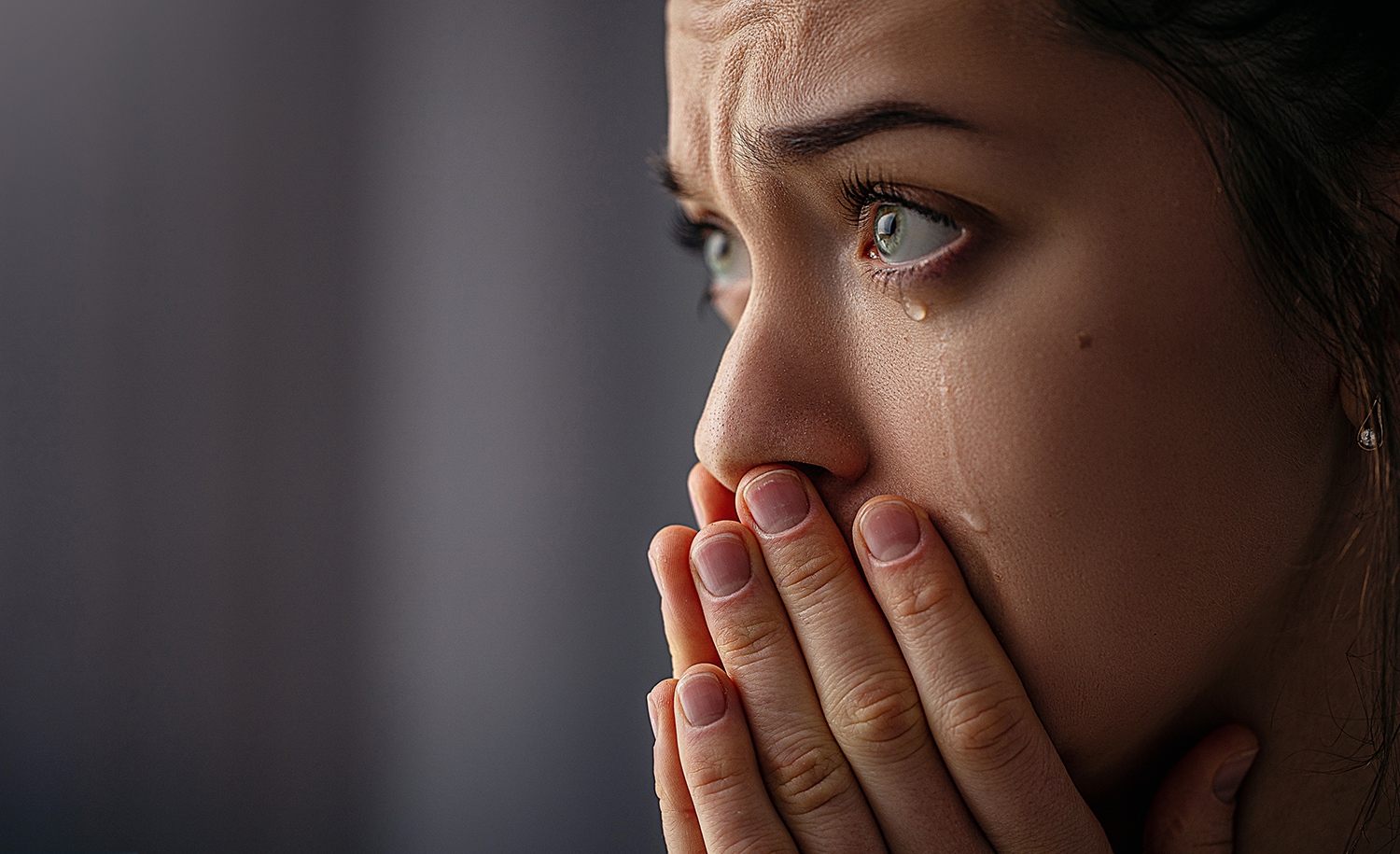
A mourner walking past a mirror may see not just a face, but shock. Exhaustion. A body suddenly older from sorrow. In this way, covering a mirror can act as a mercy. It reduces one more emotional trigger in a home already heavy with loss.
Some grief counselors note that mourners often struggle with overstimulation in the early days after a death. Even small sensory burdens can feel sharp. A covered mirror may help create a calmer, less confrontational space.
The Spiritual Meaning Behind The Tradition
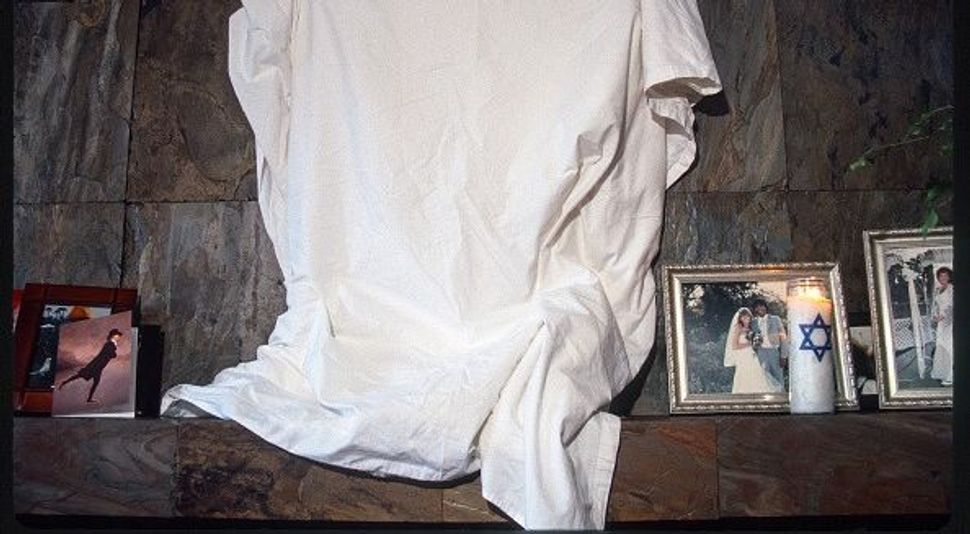
In Jewish mourning custom, mirrors are often covered during shiva. One reason is spiritual focus. Mourning is meant to turn attention away from appearance and toward prayer, memory, and the dignity of the soul.
In other traditions, people believed mirrors could trap energy, invite restless presence, or interfere with the dead person’s peaceful transition. Even when modern families no longer believe this literally, the symbolism remains powerful.
The idea is simple: after death, the household enters a sacred threshold. Covering the mirror marks that ordinary life has paused.
What The Tradition Was Psychologically Protecting
Many old customs survive because they protected people emotionally, even before psychology had language for it.
Covering a mirror may reduce self-consciousness when mourners are crying, praying, sleeping poorly, or receiving visitors. It may also prevent the eerie feeling of catching movement in reflections during an already fragile time.