I Donated My Kidney to My Husband After 22 Years of Marriage. Three Days Later, I Overheard Him on the Phone With His Mistress, Saying: 'I Finally Got What I Needed From Her.' | A Story of Betrayal and Sacrifice
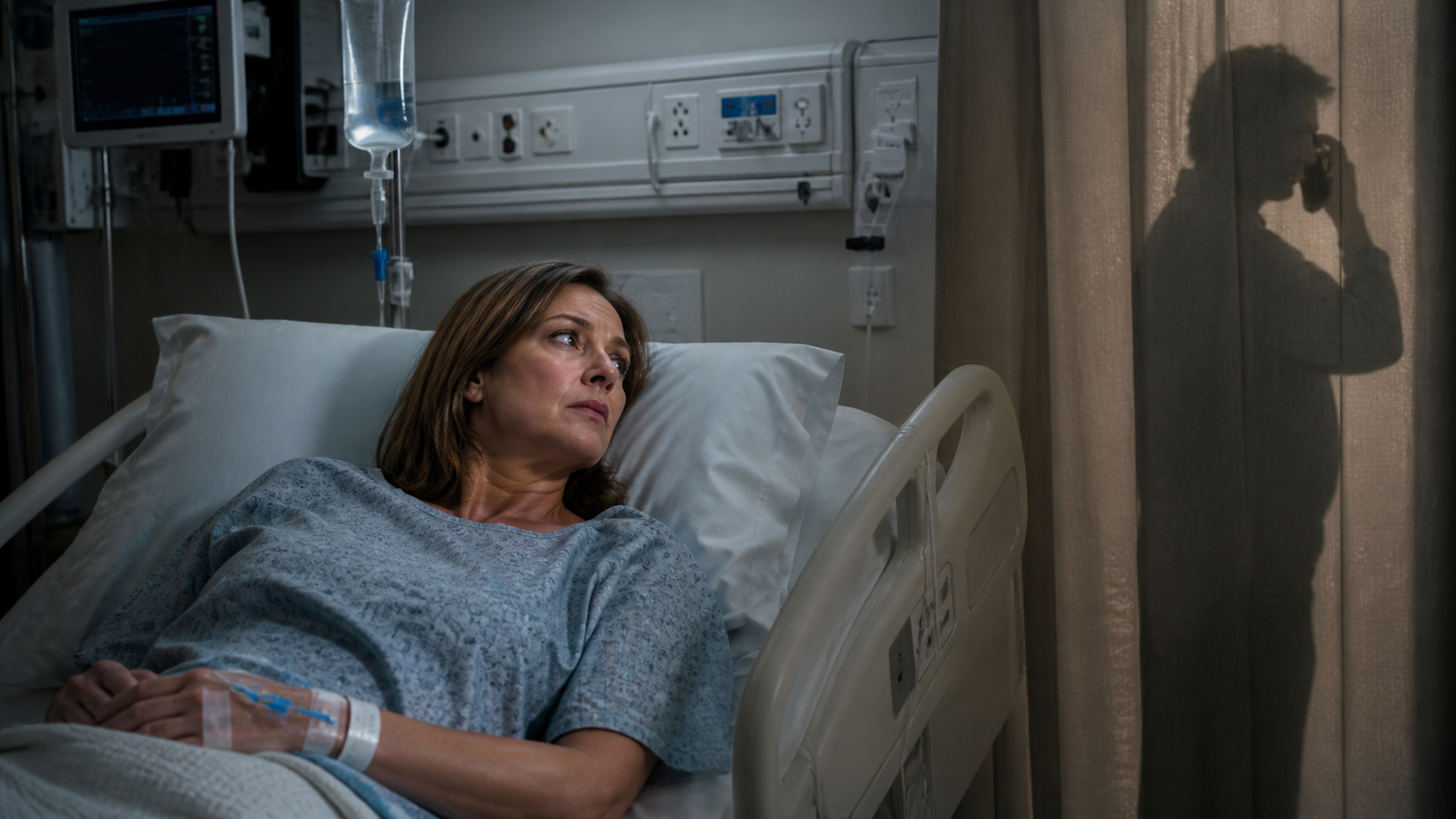
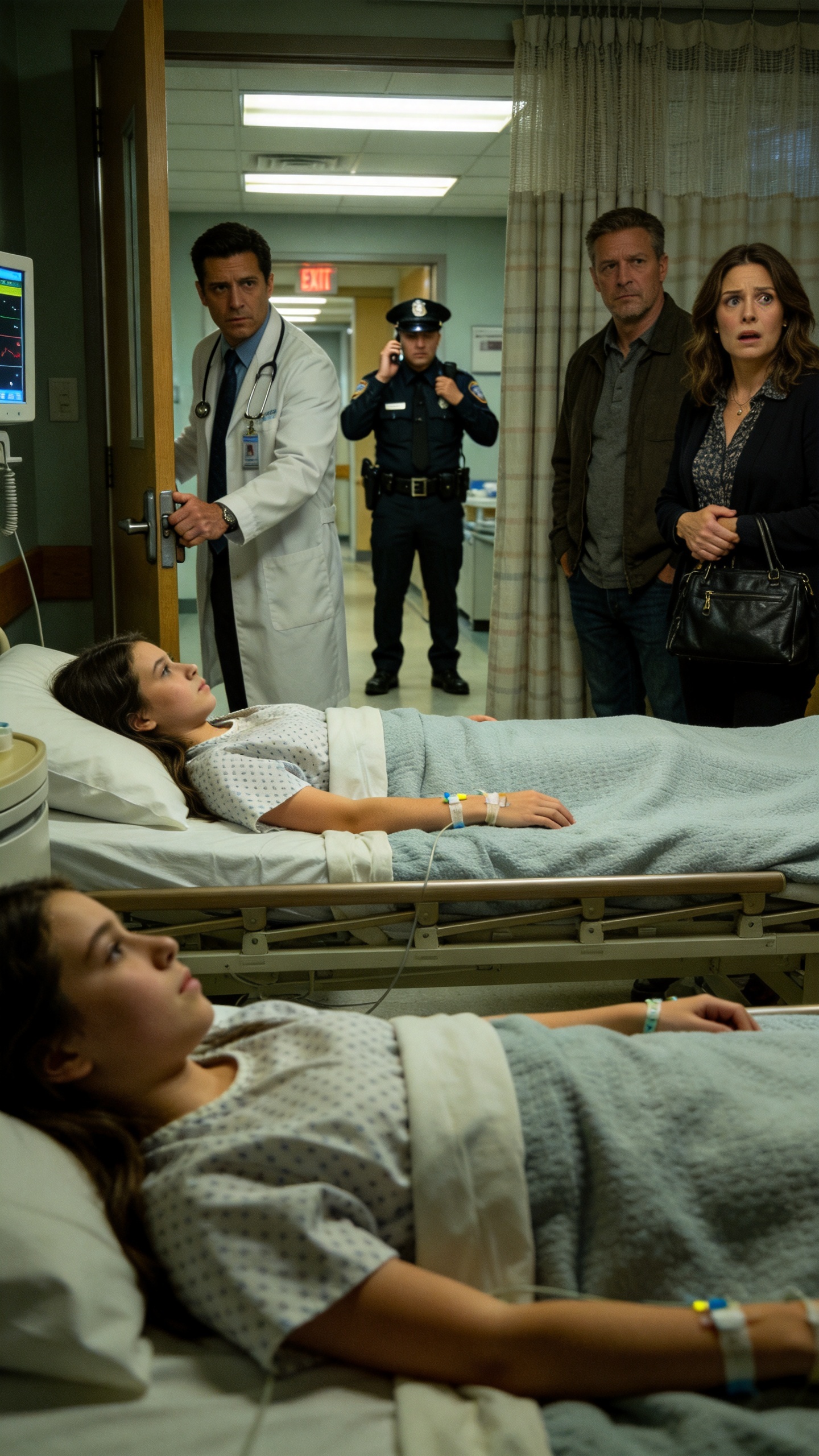
Sarah Miller heard every word from behind the green curtain of the private hospital room in Boston. She felt something inside her break far more violently than the freshly stitched wound on her left side.
Three days earlier, she had entered the operating room to donate a kidney to her husband, Victor, a sixty-year-old real estate developer who had spent nearly a year going in and out of dialysis. Sarah was fifty-eight, a retired elementary school teacher. From the moment doctors confirmed they were a match, she had never hesitated.
Victor, apparently, had hesitated about something else entirely.
"Rita, listen to me," Victor said over the phone, assuming Sarah was asleep beneath the pain medication. "The house in Brookline is under Sarah's name, but I'll take care of that. My notary will prepare a gift deed, and it is done. Three floors. Landscaped garden. Two-car garage. It is the absolute minimum you deserve after putting up with me for these past two years."
Sarah looked down at her left hand. Her wedding ring, loosened by recent weight loss, slid off easily. She placed it quietly on the bedside tray.
Beyond the curtain, Victor chuckled. "Guilty? Of what? She gave me the kidney because she lives for that — to take care of me. She does not know how to do anything else."
At 10:00 AM, when the floor nurse came in to check her blood pressure, Sarah calmly asked for her street clothes, a pen, and a blank sheet of paper. Then she requested to see her surgeon.
"I want to sign my voluntary discharge papers."
The doctor spent twenty minutes trying to reason with her. Only three days had passed since the nephrectomy. They still needed to monitor her creatinine levels. Blood pressure. Surgical incision. Watch for infection.
Sarah listened to every word without interrupting. Then she asked quietly, "Is Victor's new kidney working?"
"From the very first hour."
"Then I have already done what I came here to do."
Before leaving the floor, she walked slowly to Victor's bedside. He was sleeping, his smartphone resting on his chest. Sarah picked up her wedding ring and placed it gently on top of his wristwatch.
That afternoon, she returned alone to the quiet three-story home in Brookline. Into one suitcase, she packed old photographs of her parents, her identification documents, a small box of handwritten keepsakes, and a sealed manila envelope from a private oncology clinic that she had been hiding since December.
She did not touch Victor's clothes. She did not touch the furniture.
At 8:30 PM, Sarah locked the front door for the last time and crossed the street to the regional bus stop. Sitting on the bench, she looked back at the glowing windows of the house where she had spent twenty-two years of her life.
Neighbors rushed into the street, shouting and calling for help. When the first fire sirens began wailing in the distance, she stepped onto the approaching bus, resting one hand carefully over her surgical incision.
The next morning, she returned briefly. She stood on the sidewalk just long enough to take clear photographs of the charred remains. Her neighbor Teresa approached in horror.
"Sarah… did you lose everything?"
Sarah looked toward the ruins of the home. "No, Teresa. I lost everything three days ago in a hospital room."
Victor was discharged nineteen days later carrying a bag full of immunosuppressive medication, a strict schedule of mandatory lab tests, and the absolute certainty that Sarah would eventually return.
"She always comes back," he told Rita, the thirty-two-year-old woman he had secretly been seeing for two years.
Rita was waiting for him in a private car. "First, take me home," Victor instructed the driver.
Two blocks before they reached the Brookline property, the smell of damp, burned timber filled the air. Victor told the driver to pull over. All that remained of his former home were blackened brick chimneys, a collapsed staircase, and the scorched shell of the garage. The front lawn was covered in wet ash and charred debris.
Rita stared with her mouth open. "You told me it was a three-story luxury home!"
"What about the insurance?" Rita demanded.
"The property insurance policy is under Sarah's name."
Rita slowly looked him up and down — his poorly buttoned coat, trembling hands, and the bag filled with post-transplant prescriptions. "How much do those medications cost every day?"
"Between co-pays, lab work, and specialized care… thousands a month. And I have to take them for the rest of my life."
Rita took a step toward the car. "Victor, I am not a full-time nurse."
"I never asked you to be."
"No, but you promised me a lifestyle. A home. Travel. You told me Sarah was going to sign the deed over."
"She will sign!"
Rita pointed toward the smoldering remains. She hailed another cab and left without looking back.
Over the next several weeks, Victor searched desperately for Sarah. He checked her sister's apartment. Called former teaching colleagues. Visited the community center where she used to volunteer. No one gave him an answer.
When he contacted the insurance company, he received another devastating shock. The home had been insured for .1 million, and the full claim payment had already been transferred directly to the sole policyholder.
"Sir, you are not listed as a beneficiary on the policy."
"Where is that money now?!"
"That information can only be disclosed to the primary account holder."
Driven by panic, Victor went to see Lucinda, Sarah's older sister. Lucinda met him in the hallway of her apartment building and refused to invite him inside.
"Where is she, Lucinda?"
"Do you honestly not know?"
"I have been searching for her for weeks!"
"Sarah canceled her phone contract. She donated most of her personal belongings."
"Donated them to whom?"
"To a transitional shelter for young women aging out of foster care in South Boston. All four million dollars. The shelter director cried when Sarah signed the endowment paperwork."
Victor leaned against the hallway wall. "Where is my wife, Lucinda?"
"She did not walk away to punish you, Victor. She walked away because she is dying."
At the palliative hospice facility, Dr. Herrera handed Victor a thick medical file. Diagnosis: Advanced terminal cholangiocarcinoma — cancer of the bile ducts. Date of first conclusive diagnostic scan: December 9.
Victor turned deathly pale. "That is impossible. Her donor surgery was only three weeks ago!"
"Sarah knew approximately eleven weeks before the transplant that she had a terminal malignancy. She concealed her new symptoms. She also refused pre-operative cancer treatment because beginning it would have disqualified her from donating."
Victor dropped his bag of medication onto the floor. "Why would she do that?"
The doctor looked down the corridor toward Room 214. "You will have to ask her that yourself."
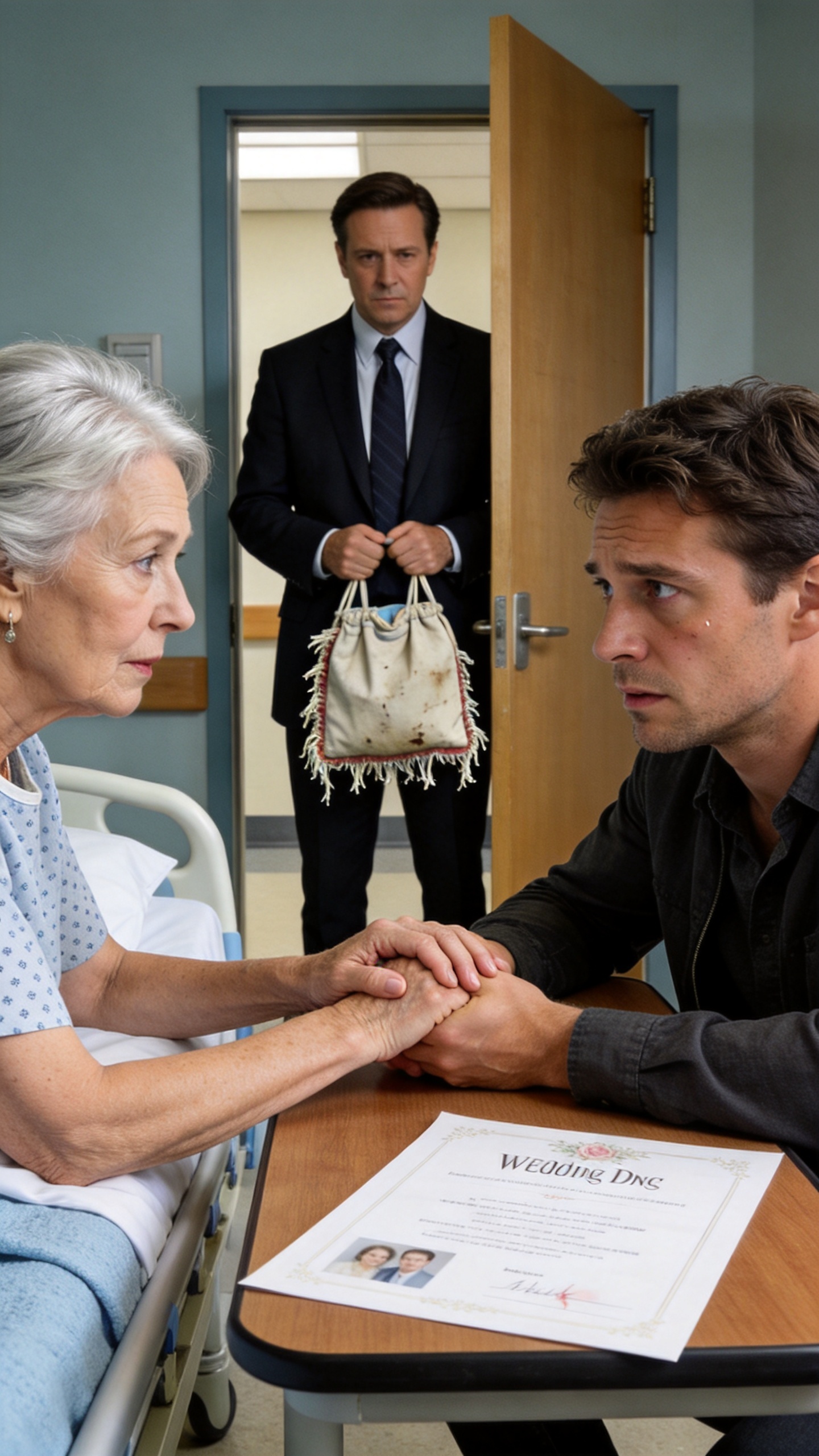
Victor found Sarah in a small room with fresh flowers in a glass vase. A wall clock ticking softly. An oxygen concentrator humming with a slow, steady rhythm.
The woman in the bed looked far smaller than the wife he remembered. Her skin had taken on a faint yellow tint. Her cheeks were hollow. Her dark hair had been gathered into a neat, short braid.
When Sarah saw him, she did not look surprised. "Your coat is buttoned wrong," she said softly.
"How long did you know?"
"And you never told me? Not one word?"
Sarah closed her eyes for a moment, waiting for a wave of pain to pass. "Did you take your 8:00 AM anti-rejection medication?"
"That is not important right now!"
"You were dying of kidney failure, Victor. I made a choice."
"You could have died on that operating table!"
"I left detailed legal instructions with Lucinda. I did not want you to know before surgery because I knew you would cancel the procedure."
"It was my right to know! You had no right to make that decision for me!"
Sarah nodded faintly. "On that point, you are right."
"You refused cancer treatment just so you could give me a kidney?"
"The oncologist made it clear that chemotherapy might offer a few uncertain months. It was not a cure. If I had started treatment, the transplant would have been canceled immediately."
Victor collapsed into the vinyl chair. For eleven months, Sarah had driven him to dialysis three times a week. She had learned how to prepare strict renal-diet meals. Monitored his blood pressure every day. Helped him dress on mornings when he was too weak to button his own shirts.
"Why did not you let me make the choice?" he sobbed.
"Because you would have said no."
"Of course I would have said no!"
"So you took away my chance to try to save you!"
Sarah gave him a faint, sad smile. "There was no saving me, Victor."
Victor covered his eyes. "I am alive because part of your body is inside me while you are lying here dying."