My Father Toasted My Brother As "The First Real Soldier In Our Family," But When The General Took The Podium And Called Me Colonel, My Parents Learned What Their Favorite Son's Ceremony Had Been Standing Beside All Along
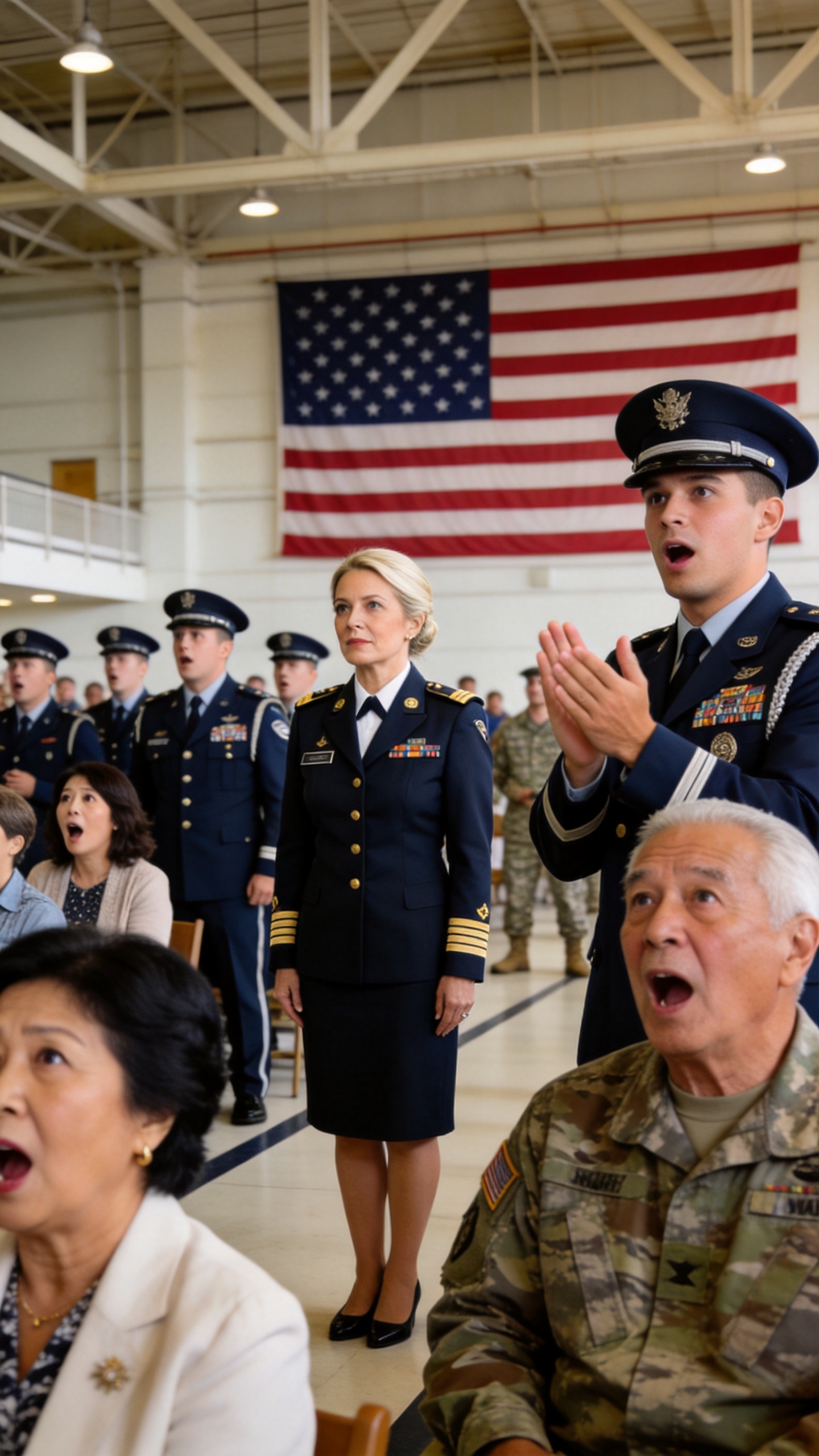
My father raised his glass before my brother had even sat down.
"To Mason," he said, his voice carrying across the officers' club patio. "The first real soldier in our family."
People smiled.
My mother put one hand over her heart.
My brother looked embarrassed in the polished, satisfied way men look when praise arrives exactly on schedule.
I stood three feet away holding a plastic cup of lemonade because my mother had handed champagne to every uniformed man within reach and somehow missed me.
The first real soldier.
I looked down at my civilian dress, navy blue, knee-length, chosen because the invitation said family reception, not because I had forgotten what I had earned.
My father did not know the difference.
Or maybe he did, and preferred the version where I stayed decorative.
My Service Had Always Been Easier For Them To Misplace
Mason wore his new insignia like sunlight.
I did not blame him for that.
He had worked hard. He had survived training that broke better bodies than his. He deserved pride.
What he did not deserve was the whole family history being rearranged to make room for him alone.
My parents had been doing that since we were children.
Mason got ceremonies.
I got errands.
Mason got framed certificates.
I got "don't make your brother feel overshadowed."
When I enlisted, my father called it a phase.
When I deployed, my mother told relatives I was doing administrative work overseas because combat sounded "too harsh for a daughter."
When I came home with medals she did not understand, she put them in a drawer so the mantel would not look crowded.
Mason's boot camp photo went above the fireplace in a week.
For years, I let myself believe they were confused rather than cruel.
Confusion is easier to forgive.
But there are only so many times a person can explain her life before silence becomes the only honest answer.
The Gate Guard Knew Before My Family Did
The first crack came before the toast.
At the base entrance, the young lieutenant checking passes looked at my ID, straightened, and said, "Welcome, Colonel Reyes."
My mother's head snapped toward me.
My father frowned like the lieutenant had mispronounced something.
"That's old paperwork," he said.
The lieutenant did not smile.
"No, sir."
I almost felt sorry for him. Correcting fathers in rental SUVs was not in his job description.
He handed my ID back with both hands.
"You're listed on the command program, Colonel."
The SUV went still in that uncomfortable way family cars do when everyone pretends not to hear the same sentence.
My mother looked at my dress again, as if rank might appear on fabric if she stared hard enough. My father made a small dismissive sound and tapped the steering wheel.
"These systems are always behind," he said.
Behind what, I did not know. Reality, maybe.
Mason heard it too. He looked at me through the rearview mirror, and for one brief second I saw the brother I used to know before my parents taught him every room needed a single center.
He did not ask.
Not yet.
At the reception, my parents recovered quickly. Families skilled at denial do not stay shaken for long; they simply decorate the crack and stand in front of it.
My mother introduced me as "Mason's sister."
My father told a retired commander I worked "in logistics somewhere."
Somewhere.
That word carried twenty years of my life and dropped them in a hallway.
Then The General Read The Program They Had Not Bothered To Open
The ceremony moved to the small stage after lunch.
Flags snapped in the warm wind. Families gathered under white tents. Mason stood with his unit, shoulders back, face solemn.
I was proud of him.
That is the part my parents never understood.
Pride is not a pie.
There was room for both of us.
General Whitaker stepped to the podium with a folder in his hand.
"Before we recognize today's graduates," he said, "I want to acknowledge a senior officer whose work made this training cycle possible."
My father kept looking at Mason.
I could see the proud lift in his chin from the corner of my eye. It was the expression he had saved for Mason's smallest military moments: the first uniform photo, the first out-of-state assignment, the promotion dinner where my mother cried into a napkin and forgot to ask why I arrived late from a delayed deployment flight.
The general went on.
"She has led through difficult rooms, difficult years, and the kind of decisions most people only understand after someone else makes them safely."
My mother whispered, "How nice."
She still did not know.
That was the part that hurt with almost comic precision. The whole room was walking toward my name, one sentence at a time, and my parents stood beside me with no idea the door belonged to me.
The general continued. "Many of you know Colonel Isabel Reyes from command review, field readiness, and the operational changes that brought this class home intact."