After My Husband Spent The Night With His Mistress, I Boarded Our Private Jet While She Begged Outside, But The Proof In My Purse Was About To Destroy The Life He Thought I Was Too Pregnant To Leave
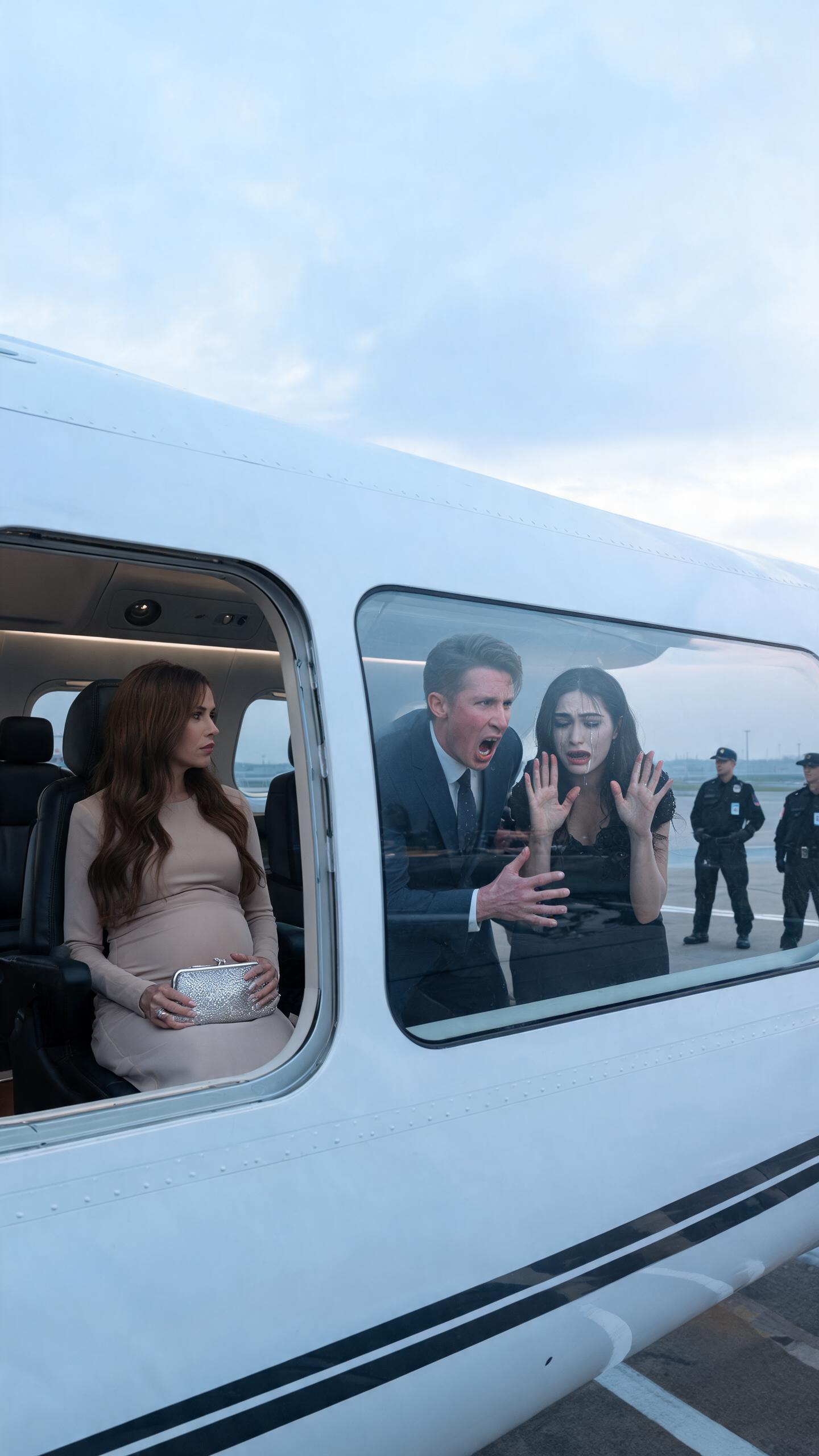
My husband's mistress was crying on the tarmac with both hands pressed against the window of my private jet.
I could see the red smear of her lipstick on the glass.
I could also see my husband behind her, barefoot in a hotel robe under a winter coat, shouting my name like I had misplaced something that belonged to him.
"Nora!" he yelled over the engine noise. "Open the door. We need to talk."
I sat in the cream leather seat with one hand resting over my pregnant stomach and the other closed around the silver clutch in my lap.
Inside that clutch was the proof.
Not a suspicion.
Not a rumor.
Proof.
The flight attendant looked at me carefully.
"Mrs. Vance, do you want us to hold?"
Outside, Celeste Hart pounded the glass again.
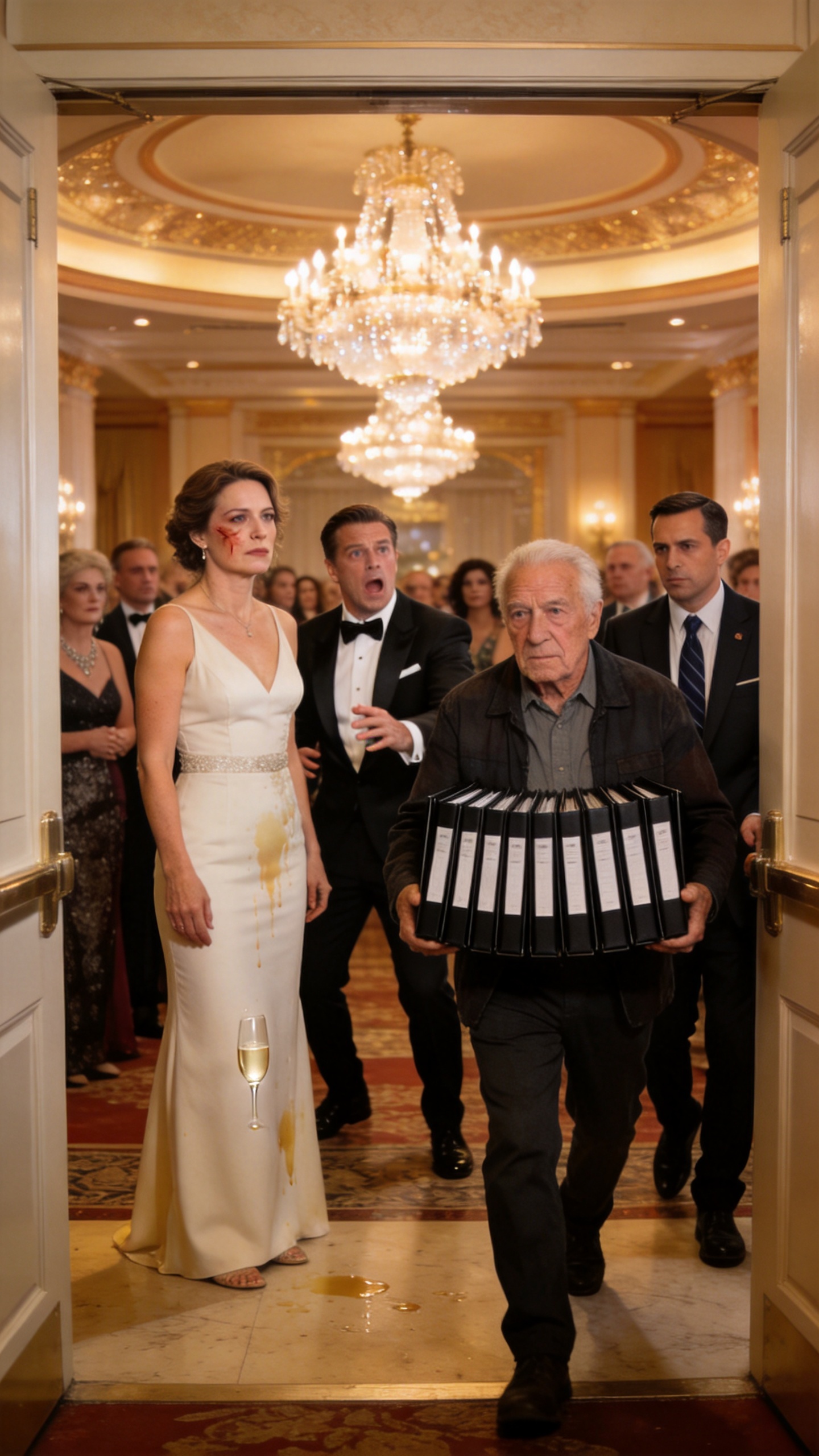
She was twenty-eight, beautiful, shivering, and still wearing the ivory silk dress she had worn when she walked into my charity gala on my husband's arm the night before.
My husband, Miles Vance, pressed one palm against the aircraft stairs as if wealth itself might obey him if he touched enough polished metal.
I looked at the smear on the window.
Then at the man who had spent eight years teaching me to smile while he rearranged the truth around me.
"No," I said. "Close the door."
The Whole Ballroom Saw Her Take My Place
The night before, I knew something was wrong before Miles even turned his head.
It was the way silence broke across the ballroom in pieces.
First, the women near the champagne tower stopped laughing.
Then the board members beside the marble bar lowered their glasses.
Then the photographers beyond the orchid arch lifted their cameras again, even though the official arrivals had ended twenty minutes earlier.
I stood near the center column of the Grand Ashbury Hotel, one hand under the curve of my seven-month pregnant stomach, the other holding the silver clutch so tightly that the clasp cut into my palm.
The fundraiser glittered around me as if nothing shameful could happen under enough crystal.
Gold light slid over polished floors. Waiters moved between donors with champagne and tiny plates of food nobody wanted. My name was printed on the program as chair of the Vance Children's Trust gala, though Miles had spent the last month telling me to stay home, rest, and let his team handle the evening.
I came anyway.
That was my first disobedience.
Miles entered with Celeste Hart on his arm.
Not beside him.
On his arm.
There is a difference every married woman in that ballroom understood instantly.
Celeste wore a white silk dress that skimmed her body like a dare. Her hair fell in soft gold waves. Diamonds trembled at her ears. Her hand rested on the sleeve of Miles's tuxedo with the comfortable ownership of someone who had already been told the old wife was becoming inconvenient.
Miles saw me after three steps.
His expression did something small and ugly.
Surprise first.
Then irritation.
Not guilt.
That hurt more than I expected.
He did not remove her hand.
Celeste did.
Slowly.
For show.
Then she smiled at me with the kind of pity women use when they believe they have been chosen by power instead of used by it.
"Nora," Miles said, crossing the distance too quickly. "You should be upstairs."
The board chair's wife stood close enough to hear.
So did three donors.
So did a photographer who suddenly found his camera fascinating.
"This is my gala," I said.
Miles bent near my ear.
"Do not make a scene."
The sentence landed softly.
The threat did not.
For eight years, Miles had kept me inside that instruction.
Do not make a scene when he missed dinner.
Do not make a scene when his assistant answered from hotel rooms after midnight.
Do not make a scene when his mother called me fragile in front of investors.
Do not make a scene when I found earrings in the back seat of the car and he asked whether pregnancy had made me paranoid.
The first time he lied, I argued.
The second time, I cried.
By the tenth time, I started keeping records.
Emails.
Receipts.
Hotel invoices.
Calendar screenshots.
Doctor's notes from the stress contractions he dismissed as "dramatic timing."
And finally, the one thing I had not expected to find.
A draft agreement transferring control of the Vance Children's Trust to a new advisory director.
Celeste Hart.
Not the mistress.
The replacement.
Miles had not only brought her to my gala.
He had brought her to introduce her as the woman who would take my public work, my family name, and eventually, if he had his way, the life I was carrying.
Celeste stepped closer.
"Nora, you look exhausted," she said, loudly enough for kindness to become humiliation. "Pregnancy is hard. No one would blame you for going upstairs."
Someone near the champagne tower looked away.
Someone else did not.
Miles put a hand on my elbow.
"Come with me."
I looked at his hand.
"Remove it."
His smile tightened.
"Now."
The room sharpened.
He let go, but only because people were watching.
Celeste touched his sleeve again, and I saw the satisfaction flicker across her face.
That was when my baby kicked.
Hard.
Not painfully.
Clearly.
As if reminding me there was someone inside me who did not deserve to inherit my silence.
I opened my clutch.
Miles's eyes dropped to it.
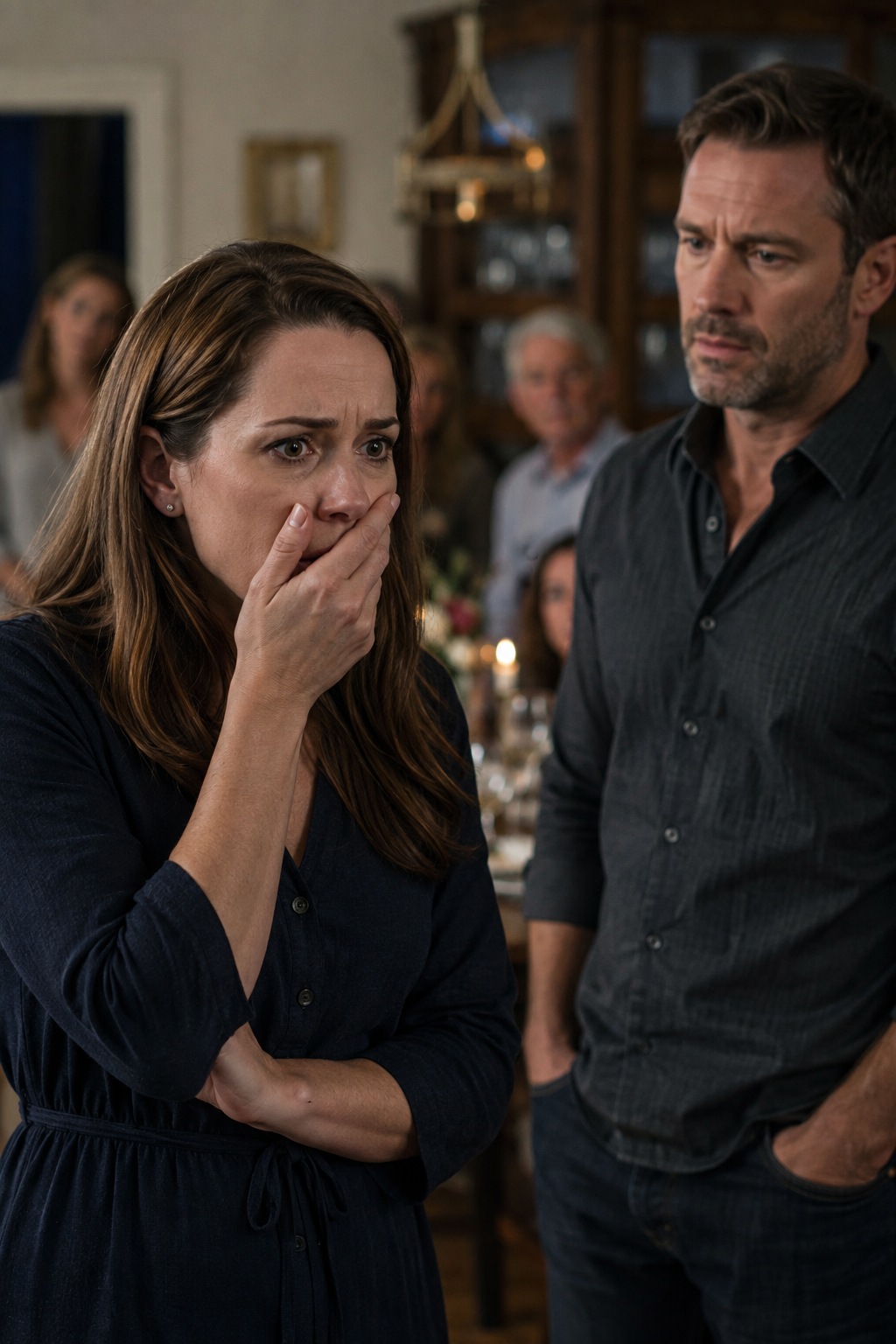
For the first time that night, he looked afraid.
Not enough.
But afraid.
By Morning, His Lies Had A Flight Plan
I did not expose him in the ballroom.
That would have given Miles what he understood best: a performance he could redirect.
He would have taken my wrist, lowered his voice, called me emotional, called for a doctor, told everyone the pregnancy had been difficult. Celeste would have widened her eyes and stepped back, wounded by my "attack." His mother would have arrived like a winter storm and turned the donors against me before dessert.
So I smiled.
Not kindly.
Enough.
"You're right," I told Celeste. "I should rest."
Miles exhaled.
That tiny relief almost made me laugh.
He believed obedience had returned because he had seen the shape of it.
He did not know I had stopped living inside it.
I left the ballroom alone.
In the elevator, I did not cry. I opened my phone and sent one message to my attorney.
Now.
Then one to the pilot.
Wheels up at dawn. No guests except me.
Then one to my doctor.
I may need medical clearance copied to counsel.
My hands shook after the third message, so I held them against my stomach until the shaking passed.
Upstairs, the presidential suite still smelled faintly of Miles's cologne.
His cuff links were on the dresser.
Celeste's lipstick was on the rim of a champagne flute beside the bed.
That was the detail that did it.
Not the photographs.
Not the documents.
The lipstick.
The ordinary arrogance of leaving it there in the room I had helped pay for, above the gala I had built, while I stood downstairs carrying his child and his name like a badge someone else had decided was temporary.
I packed slowly.
Maternity clothes.
Medical records.
The silver clutch.
The hard drive from the safe.
My grandmother's bracelet, which Miles's mother had once called "too sentimental for serious events."
At 2:17 a.m., Miles came in.
He was not alone.
Celeste stood behind him in my suite wearing his shirt under her coat.
She had the nerve to look embarrassed only when she saw my suitcase.
"Nora," Miles said. "This is getting theatrical."
I folded a black dress into the case.
"You brought her here."
"Because you refused to have a civil conversation downstairs."
That sentence told me everything.
He had already turned the night into my refusal.
"She should leave," I said.
Celeste lifted her chin. "I think I should stay. Miles asked me to."
I looked at her then.
Really looked.
She was young, yes, but not naive. Her eyes kept flicking to my stomach, then to the suitcase, then to the clutch on the desk. She had gambled on becoming the woman who replaced me publicly before I found the paperwork privately.
She had miscalculated the order.
"Do you know what is in the trust agreement?" I asked her.
Miles's face hardened.
"Enough."
"Do you?"
Celeste hesitated.
There it was.
Not all of it.
She knew the shape, not the trap.
"Miles said the trust needs modern leadership," she said.
"The trust owns three restricted endowment accounts in my family's name. Its charter requires my approval for any director change, and any attempt to transfer control during my pregnancy triggers an automatic review by the family court trustee."
Miles went still.
Celeste's eyes moved to him.
He had not told her that part.
"You signed a prenup," he said.
"I did."
"Then stop acting like you have leverage."
I zipped the suitcase.
"The prenup protects your company from me. It does not protect you from fraud, coercive control, medical neglect, charity mismanagement, or adultery clauses you insisted on adding because you thought they would only ever apply to me."
Celeste took one step back.
Miles laughed.
It was an ugly sound.
"You are seven months pregnant," he said. "You are not going anywhere."
That was the sentence that followed me into dawn.
Not because it stopped me.
Because it proved he still thought my body was a locked room he controlled.
At 5:40 a.m., I walked through the private terminal with a doctor-approved travel letter in my purse, a security escort arranged by my attorney, and every original document Miles thought was still in the hotel safe.
At 5:47, Miles called me.
At 5:48, Celeste did.
At 5:51, his mother.
I answered none of them.
At 6:03, a black car screamed up to the terminal gate.
Miles climbed out first, still not dressed properly. Celeste followed him, crying before she reached the stairs.
"Nora!" she shouted. "Please. You don't understand what he told me."
I looked through the aircraft window at her.
Maybe that was true.
Maybe Miles had lied to her too.
But she had smiled in my ballroom while wearing my humiliation like jewelry.
Understanding could wait.
The door closed.
The Proof Was Not For Revenge. It Was For Escape
The flight to Denver took three hours and nineteen minutes.
I remember because every minute felt like reclaiming territory inside my own body.
At first, I expected panic.
Instead, I felt the strange quiet that comes after a machine finally stops screaming.
My attorney, Elise Warren, met me at the private hangar with a coat over one arm and court filings in a leather folder. She had known me since before Miles, before the gala, before I learned how expensive a perfect marriage could become when the receipts were paid in dignity.
She looked at my face and did not ask whether I was sure.
Good lawyers know the difference between uncertainty and grief.
"He already called my office," she said.
"What did he say?"
"That you are unstable, heavily pregnant, and being manipulated by outside counsel."
"Efficient."
"Predictable."
She helped me into the car.
By noon, the first filings were submitted.
Emergency protection of marital and trust assets.
Temporary medical decision authority.
Notice of potential charity governance fraud.
Preservation demand for hotel records, phone records, security footage, trust communications, and all correspondence involving Celeste Hart.
By two, Miles's board had received the packet.
By four, the trust's independent trustee had frozen the director change.
By evening, his mother stopped calling.
That silence was the first sign she had read the exhibits.
Miles had not only betrayed me.
He had been moving money.
Small amounts at first. Consultant payments. Event production fees. Advisory retainers. Then larger transfers hidden inside gala expenses and donor-development costs. Celeste's name appeared as a vendor three times before she appeared as anything else.
That was what finally broke the spell for people who had ignored the affair.
Infidelity made donors uncomfortable.
Misusing a children's trust made them dangerous.
The part that hurt most was how quickly his family tried to make my body the problem.
By the next morning, Miles's mother, Beatrice Vance, had called two board members, one family court mediator, and my obstetrician's office. She did not ask whether I was safe. She asked whether pregnancy could cause "distortions of judgment."
The receptionist at the clinic told me because she was sixty-two, divorced, and had no patience left for men who called women's pain a symptom.
"Honey," she said, "I told her your medical information was protected, then I put her on hold until she hung up."
That was the first time I laughed.
It came out badly.
Half laugh.
Half sob.
Elise Warren, my attorney, sat across from me at the kitchen island in the temporary apartment and slid a cup of ginger tea closer to my hand.
"They are going to push incapacity," she said.
"Because I boarded a plane?"
"Because you boarded a plane with proof."
I looked down at my stomach.
My daughter shifted under my palm.
For months, Miles had turned every sign of pregnancy into evidence against me. If I was tired, I was fragile. If I was angry, I was hormonal. If I asked questions, I was anxious. If I wanted to attend a meeting, I was endangering the baby. He had built the cage one concerned sentence at a time until even kind people began lowering their voices around me.
Now that same cage was being dragged into legal filings.
The emergency trustee's office sent over the first draft of Miles's response that afternoon.
I read it standing up because sitting made the baby press against my ribs.
Nora Vance has exhibited escalating emotional volatility.
Nora Vance abandoned the marital residence without warning.
Nora Vance removed sensitive trust materials while heavily pregnant.
Nora Vance appears to be under the influence of counsel seeking to inflame a private marital misunderstanding.
Private.
Misunderstanding.
Those words were always where men hid the furniture after breaking the room.
I handed the draft back to Elise.
"Use the footage."
She paused.
"All of it?"
The hotel hallway footage showed Miles entering my suite with Celeste at 2:17 a.m. It showed her wearing his shirt. It showed me standing by the suitcase, not screaming, not throwing anything, not behaving like the unstable woman his lawyers were already describing. It showed Miles blocking the door with his body when I tried to step around him. It showed his hand closing around my wrist for three seconds before he noticed the hallway camera.
Three seconds.
Long enough.
"All of it," I said.
Elise nodded.
By the next filing, the narrative changed.
Not publicly.
Not yet.
But inside the rooms where decisions were made, people stopped asking whether I had overreacted and started asking why Miles had needed my silence so badly.
That was how power first shifted.
Not with a scream.
With timestamps.
With a hallway camera.
With a pregnant woman standing still while a man underestimated how much stillness could record.
The next morning, Miles flew to Denver.
He came to the temporary apartment Elise had arranged, but he did not get past the lobby.
Security called up.
"Mrs. Vance, your husband is here with a woman asking to speak to you."
Of course he brought Celeste.
Men like Miles use witnesses as furniture.
I told them to wait.
Then I went downstairs with Elise and a retired judge who served as the trust's emergency trustee.
Miles looked worse in daylight.
Celeste looked smaller.