After My Husband Spent The Night With His Mistress, I Boarded Our Private Jet While She Begged Outside, But The Proof In My Purse Was About To Destroy The Life He Thought I Was Too Pregnant To Leave
She was wearing sunglasses indoors. Her hands were wrapped around a paper cup she had not drunk from.
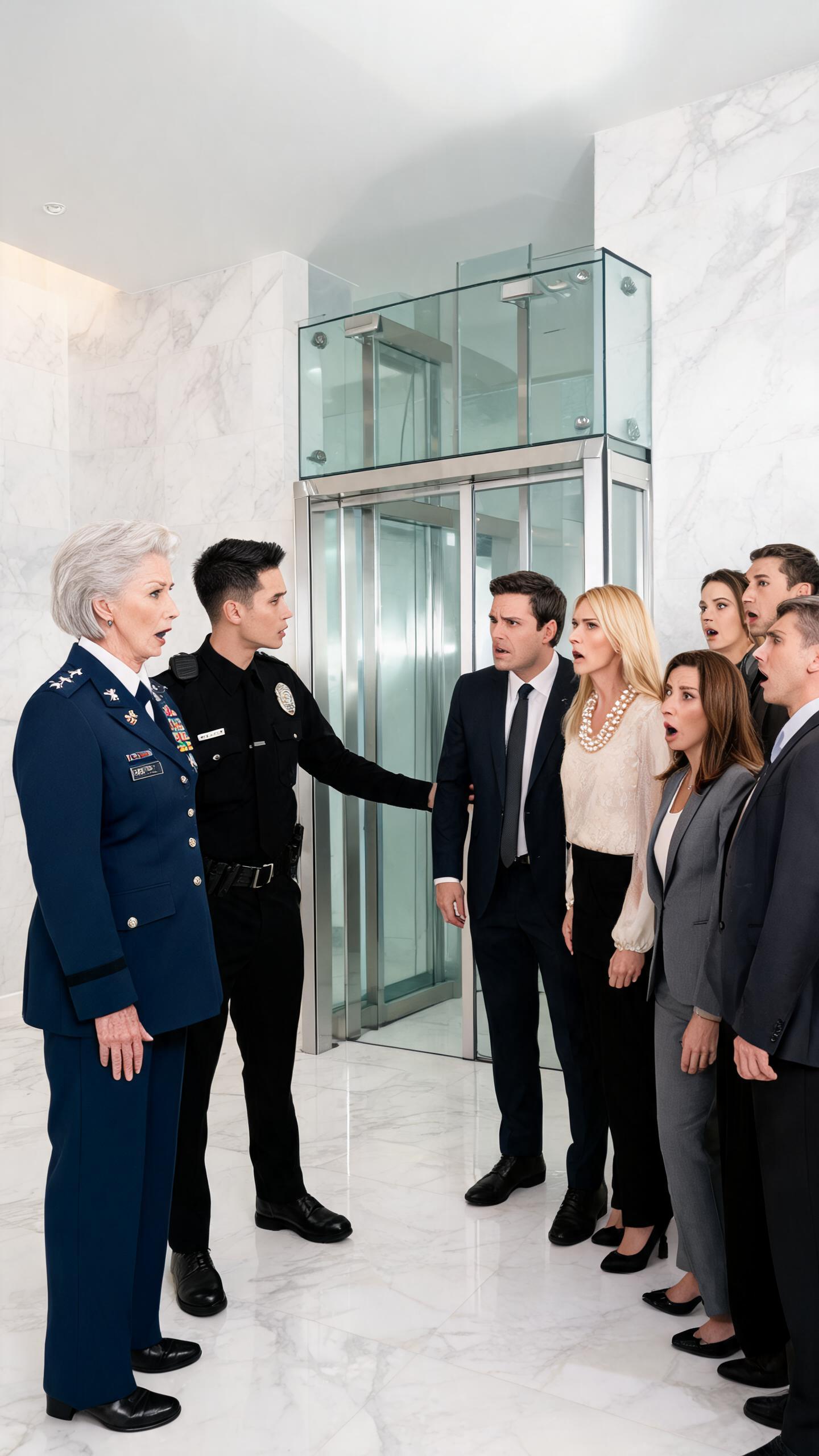
"Nora," Miles said, spreading his hands. "This has gone far enough."
I looked at the trustee.
He opened the folder.
That was when Miles understood this was not a marriage conversation.
It was a record.
"Mr. Vance," the trustee said, "as of this morning, you are suspended from operational authority over Vance Children's Trust pending investigation."
Miles's mouth opened.
No sound came out.
Celeste whispered, "Suspended?"
Elise handed her a separate envelope.
"You have been named in the preservation order."
Celeste's face crumpled.
"He said Nora was stepping away."
I believed her that time.
That did not make her innocent.
It only made her less powerful than she had imagined.
Miles turned on me.
"You are destroying our family."
I put one hand on my stomach.
"No," I said. "I am removing it from the wreckage."
For a second, the lobby was exactly like the ballroom.
People watching.
Miles performing.
Me expected to soften so everyone else could stay comfortable.
Then my baby kicked.
I did not soften.
Miles tried one last performance before the trustee could leave.
He turned to Celeste.
"Tell her," he said.
Celeste flinched.
"Tell me what?"
His face sharpened with the fury of a man whose props are not moving on cue.
"Tell her I never promised you anything."
The lobby went cold.
Celeste stared at him.
The sunglasses hid her eyes, but not the way her mouth changed.
In the ballroom, she had looked like a woman stepping into victory.
In that lobby, she looked like a woman finding the trapdoor under the carpet.
"You said she was stepping away," Celeste whispered.
"I said what was necessary."
Elise made one small mark on her legal pad.
I almost admired her restraint.
The trustee looked at Miles with the particular exhaustion of an older man who had seen greed dress itself as family concern too many times.
"Mr. Vance," he said, "you should stop speaking."
Miles did not stop.
"Nora cannot handle this. Look at her. She is shaking."
I was.
My hands were trembling around the folder.
Not because I was unstable.
Because I had gone months without enough sleep, carried a child through a marriage that had become a courtroom before it ever became a divorce, and was standing ten feet from the man who had brought his mistress to the charity event built on my name.
I lifted my shaking hands where everyone could see them.
"Yes," I said. "I am shaking."
Miles seized on it.
"Exactly."
"Because you hurt me," I said. "Not because I am confused."
No one in the lobby moved.
I turned to the trustee.
"Please include that in your notes."
He did.
That small sentence became important later.
Not because it was poetic.
Because it refused the oldest trick in the room.
Pain was not proof of incompetence.
Pain was proof that something had happened.
The Woman Outside The Jet Was Not The One Who Lost Everything
The investigation moved faster than the divorce.
Money does that.
Love can be denied, explained, reframed, dramatized, mourned into confusion.
Money leaves trails.
Within three weeks, two board members resigned. The hotel turned over security footage. The gala vendors cooperated after Elise pointed out which invoices looked fictional. Celeste gave a statement through her own lawyer, and while it did not save her reputation, it did give investigators what they needed about Miles's promises.
He had told her I was medically fragile.
He had told her I wanted to disappear from public life after the baby.
He had told her the trust was practically his because my family's name was "sentimental branding."
He had told everyone a version of me that made my removal sound like care.
That hurt more than the affair.
The betrayal was not only his body in someone else's bed.
It was the years of narrative construction. The little comments at dinner. The way he took my tiredness and made it incompetence. The way he took pregnancy and made it a cage. The way he prepared rooms to accept my absence before I had even left.
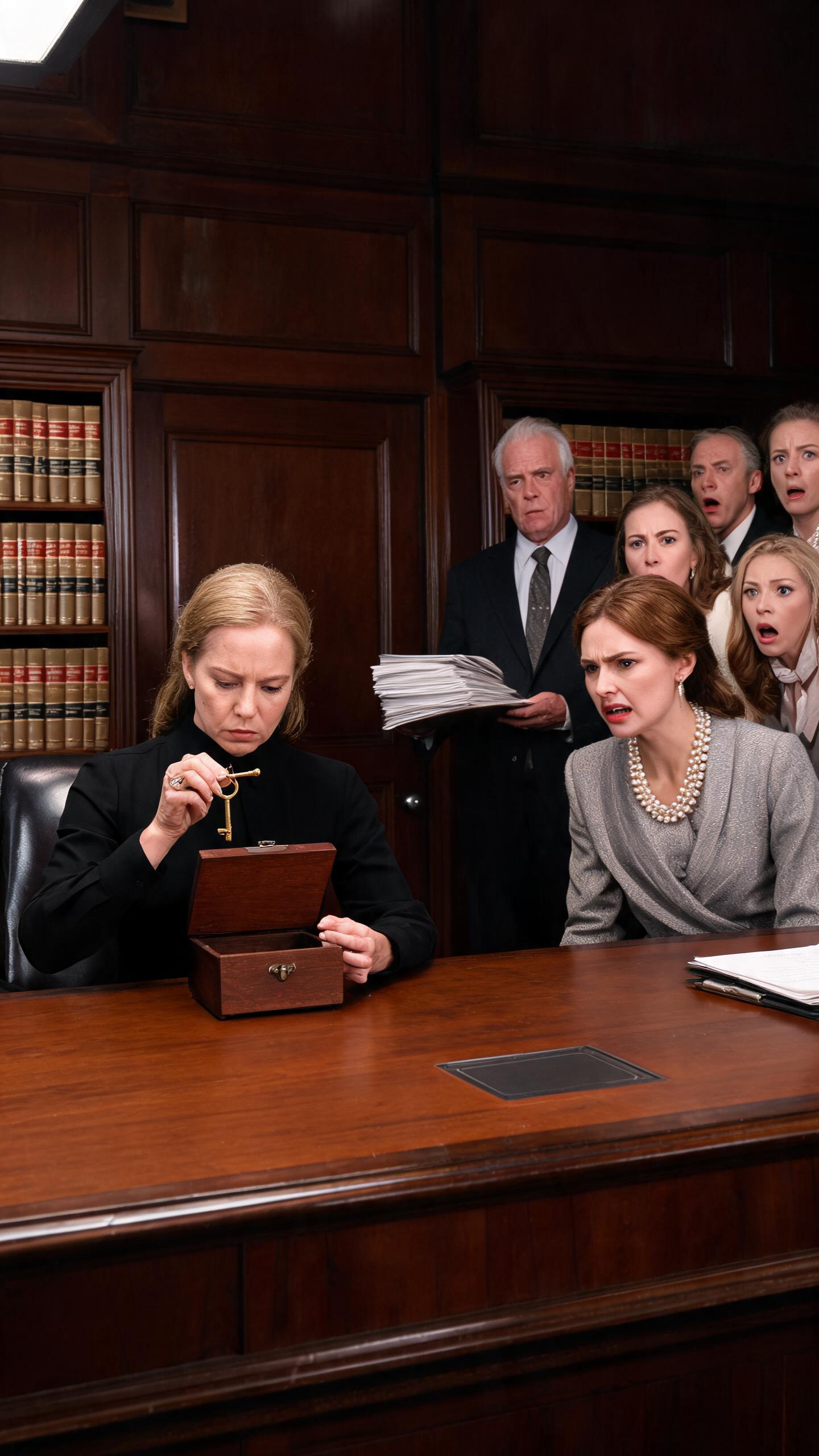
The first formal trust hearing happened in a courthouse conference room with no cameras and too much beige paint.
That bothered Miles.
He liked beautiful rooms.
Beautiful rooms made lies look intentional.
This room had a scratched table, a humming vent, two pitchers of water, and fluorescent light harsh enough to show every sleepless line in his face.
Beatrice arrived with a physician she described as "a family friend."
Elise objected before the man sat down.
"Unless he is Mrs. Vance's treating physician or a court-appointed evaluator, he is not testifying about her mental or medical capacity."
The hearing officer agreed.
Beatrice's lips pressed into a white line.
I watched her realize that concern without access was useless.
Miles's lawyer tried next.
He argued that the trust had always been "operationally guided" by Miles, that my public role was symbolic, that the emergency filings were disproportionate, that Celeste's proposed appointment had been exploratory, that no money had been permanently misdirected.
Exploratory.
Symbolic.
Not permanently.
Elise let him finish.
Then she played the hallway footage.
No one spoke while it ran.
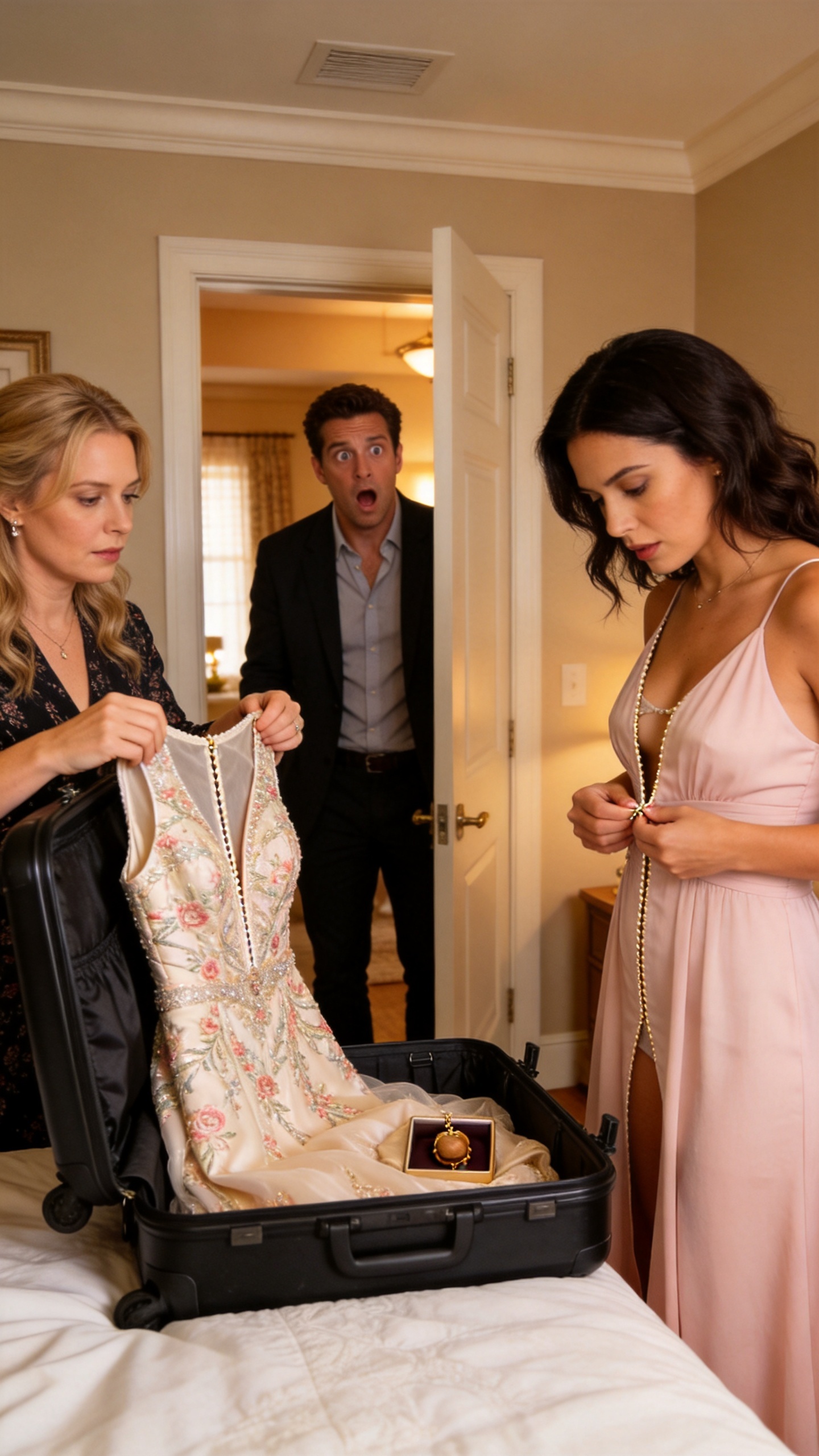
There I was on the screen, seven months pregnant, standing beside a half-packed suitcase while Celeste hovered behind Miles in his shirt.
There was Miles blocking the door.
There was his hand on my wrist.
There was my face when I looked down at it.
I had not remembered that expression.
Not anger.
Not even shock.
Recognition.
The hearing officer asked for the clip to be played again.
Miles looked away the second time.
His mother did not.
For the first time since I had known her, Beatrice Vance seemed to see her son without the soft-focus lens of inheritance and family myth.
I did not know whether that would change her.
I only knew it changed the room.
Then came the documents.
The director-change draft.
The vendor payments to Celeste.
The emails where Miles described me as "not currently fit for public-facing fiduciary work."
The medical calendar he had attached without my consent.
The hotel suite invoice.
The donor memo prepared for the morning after the gala, introducing Celeste as a "new executive partner in family philanthropy."
Family philanthropy.
I had to put one hand under the table because my daughter kicked so hard my ribs burned.
The hearing officer looked at Miles.
"Mr. Vance, did your wife approve any of these changes?"
He said nothing.
"Did she even know?"
Still nothing.
Silence, finally, from the man who had spent years filling rooms with his version before I could enter them.
The temporary order became permanent enough to matter.
Miles was removed from active trust governance pending full investigation. Beatrice's informal advisory access was suspended. Celeste's vendor contracts were frozen. The trust's accounts were moved under dual authorization, mine and the independent trustee's.
When the hearing ended, Beatrice approached me in the corridor.
Elise stepped closer, but I shook my head once.
Beatrice looked smaller in that courthouse light.
"I thought you were being difficult," she said.
It was not an apology.
It was barely even an admission.
"I know."
"Miles said you hated being seen in public while pregnant."
"Miles said many useful things."
Her face tightened.
For a moment, the old Beatrice returned, offended by tone, allergic to being made ordinary.
Then she looked at my stomach.
"Is the baby all right?"
I almost told her she had lost the right to ask.
Maybe she had.
But my daughter was not a weapon, even when everyone else had tried to make her one.
"She is," I said.
Beatrice's eyes filled with something I did not trust enough to name.
"Good."
Then she walked away.
That was the last time I saw her before Clara was born.
At the temporary hearing, Miles arrived with a new lawyer and the expression of a man who had been advised not to speak but still believed silence was beneath him.
The judge asked whether he disputed the hotel footage.
He did not.
Whether he disputed the trust emails.
He tried.
Whether he disputed the adultery clause in the prenup.
His lawyer answered for him.
No.
When the judge granted temporary control of the trust to me and the independent trustee, Miles stared straight ahead.
Not at me.
Not at the attorney.
At the table.
As if the wood had betrayed him.
Afterward, in the hallway, Celeste waited near the elevators with her lawyer.
She looked at my stomach first.
Then my face.
"I didn't know about the baby clause," she said.
"You knew about the wife."
Her eyes filled.
I did not comfort her.
Some women mistake another woman's restraint for permission. I had lived too long inside that mistake.
"I'm sorry," she said.
"Be sorry somewhere else."
I walked past her.
Not dramatically.
Carefully.
Pregnancy had made stairs difficult and grief exhausting.
But leaving was still leaving, even when it was slow.
By then, the public story had begun to leak.
Not the medical records.
Not the sealed filings.
Enough.
Donors who had watched Celeste enter the gala on Miles's arm started calling the trust office. One elderly couple from Connecticut asked whether their scholarship pledge was safe. A pediatric surgeon sent a three-line email to the board.
I gave to children, not to a man's girlfriend.
That line traveled through the organization faster than any press release.
Miles tried to resign quietly from two committees and remain chair of the trust's capital campaign.
The board declined.
He tried to blame Celeste.
Celeste's attorney released a statement saying she had relied on representations made by Mr. Vance regarding his wife's intended transition away from public duties.
Legal language can be cold, but that sentence had teeth.
Miles stopped appearing in public for a while after that.
I did not celebrate.
The final months of pregnancy were not cinematic.
They were swollen feet, court calls on speakerphone, trust meetings from bed, nights when I woke angry at three in the morning because my body remembered the hotel suite before my mind did. They were also ultrasound printouts on the refrigerator, my sister painting a nursery wall pale green, and Elise learning to bring two kinds of crackers because my nausea had opinions no legal strategy could overcome.
That was the strange part.
Life did not wait until the case was clean.
It kept asking for clean towels, doctor appointments, signatures, soup, sleep.
And somewhere inside all of that ordinary need, I began to believe I had not ruined my daughter's life by leaving before she was born.
I had given it a door.
Two months later, my daughter was born during a snowstorm.
Miles was not in the delivery room.
My attorney was not there either, thank God.
My sister flew in from Oregon. My doctor put my daughter on my chest, impossibly small and furious, and for the first time in months I cried without checking who might use it against me.
I named her Clara Jane.
Clara, for my grandmother.
Jane, because it was simple and strong and belonged to no one who had hurt me.
The divorce took almost a year.
The trust survived.
Miles lost his board position, most of the marital narrative he had built, and enough money to make his family suddenly interested in privacy. Celeste left the city. I heard she took a job in another state under her middle name. I did not follow the story.
The final settlement arrived in a stack of paper thick enough to make the dining table look like a law office.
By then Clara could roll from her back to her stomach and become furious when she could not roll herself back.
I signed while she slept in a bassinet beside me.
Miles signed two days later.
He requested one private conversation before the agreement was filed.
Elise advised against it.
I agreed anyway, but only in her office, with glass walls, during business hours, and with Elise seated ten feet away pretending to read.
Miles looked at Clara first.
She was in my arms, awake, studying him with the severe suspicion of a baby who had not approved the meeting.
"She's beautiful," he said.
"Yes."
He swallowed.
"I missed everything."
That was the closest he came to saying what he had done.
I did not help him reach the rest.
"You made choices."
"So did you."
There he was.
Still searching for symmetry.
Still trying to place his betrayal and my escape on opposite sides of the same scale.
I stood carefully, shifting Clara against my shoulder.
"I chose to leave a room where you were already replacing me," I said. "Do not confuse that with what you chose."
His face folded, not dramatically, but enough to show that the sentence had landed somewhere no lawyer could object to.
"Will she know me?" he asked.
That was the hard question.
Not because I owed him comfort.
Because Clara would one day have questions that did not fit neatly inside my anger.
"She will know the truth in age-appropriate pieces," I said. "And she will know that love is not the same as access."
Miles looked through the glass at Elise.
"You sound like your attorney."
"No," I said. "I sound like a woman who learned."
The agreement filed that afternoon.
The trust's investigation closed two months later with reforms, clawbacks, and one quiet referral that made Miles's new counsel very nervous. The board asked me to remain permanent chair.
I accepted under three conditions.
No family titles without function.
No vendor contracts without independent review.
No public event using a pregnant woman, a sick child, or a grieving parent as decoration.
The vote was unanimous.
For the first time in years, a room full of powerful people listened before I had to bleed proof onto the table.
People asked if boarding the jet had been the moment I won.
It was not.
Winning is too clean a word for leaving a marriage while carrying a child and a folder full of proof.
The jet was only the moment I stopped waiting for permission to be believed.
The real victory came much later, on an ordinary morning when Clara was nine months old and the trust opened its first expanded pediatric recovery house.
I stood in the doorway holding my daughter while families walked through rooms filled with clean beds, soft lamps, and no cameras. A little boy with a bald head touched the painted stars on the wall and asked if he could sleep under the blue one.
His mother cried.
So did I.
Not because of Miles.
Because something he had tried to steal was still alive.
That night, after Clara fell asleep, I found an old photo from the gala in a legal folder. It showed me beside the orchid column, one hand under my stomach, smiling with a face I barely recognized.
In the background, Miles was entering with Celeste on his arm.
For a long time, I studied the woman I had been.
Then I put the photo away.
Not destroyed.
Not framed.
Away.
Some proof is for court.
Some proof is for memory.
And some proof only matters until the door closes, the jet lifts, and the woman inside finally chooses herself and the child who was listening all along.