The Surprising Food Older Women Should Eat More Often for Stronger Bones—And It Isn’t Milk
Bone Health Also Depends On What You Pair With Them
No single food protects bones by itself. Prunes work best as part of a larger bone-supportive routine.
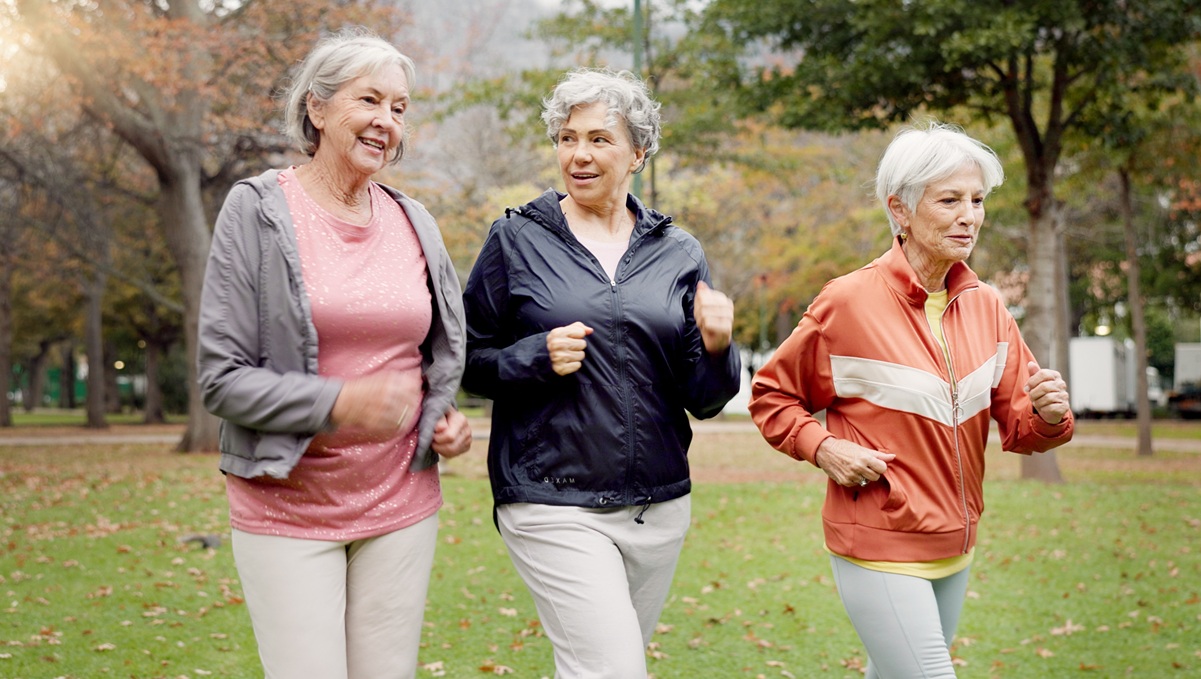
That routine should include adequate protein, resistance exercise or walking, vitamin D support, magnesium-rich foods, enough calcium overall, avoiding smoking, and limiting excessive soda and ultra-processed foods.
Many women focus only on supplements and forget that bones respond to everyday patterns.
Easy Ways To Add Prunes
One reason some women avoid prunes is image. They are often thought of as old-fashioned or only useful for digestion. But they can fit naturally into modern meals.
Try chopping them into oatmeal, blending them into a smoothie, pairing them with walnuts, or adding them to yogurt. They also work well in salads with goat cheese or in grain bowls with roasted vegetables.
The goal is not to force yourself to eat large amounts. Consistency matters more than excess.
Why This Matters More After 50
Bone loss is quiet. You do not feel it happening. There is no pain while density is declining. Many women discover the issue only after a scan or, worse, after a fracture.
Prevention is far easier than trying to rebuild after major loss. For women over 50, small daily nutrition habits may carry long-term consequences.
Prunes matter not because they are magical, but because they challenge a limited way of thinking about aging health. Sometimes the most useful health foods are not the trendiest ones.