My Stepdaughter Who Always Despised Me Came Back Holding Twin Babies And Begged Me To Take Her In, Until I Saw What She Was Doing In My Husband's Workshop
She Came Back With Two Babies And No Pride Left
: I used to think love meant staying, even when the person you loved kept pushing you away. But now, when I look back, I understand that the most painful part of my story was not the rejection. It was the moment I realized there had been a truth hidden from me for years.
When I married Thomas, I knew our marriage came with something I could not simply walk into. I had to earn a place in his daughter's life.
Emily was thirteen when I became her stepmother. She had lost her mother to cancer two years earlier, and grief had built a wall around her that I did not know how to climb. I told myself to be patient. I told myself that if I loved her long enough, gently enough, she would eventually let me in.
I packed her lunches and slipped little notes into the napkins. I stayed up late sewing costumes when she remembered school events at the last minute. I drove her to dance class, sat through recitals, bought the things she was too embarrassed to ask for, and cheered for her like she was my own child.
But Emily made sure I knew exactly where I stood.
One afternoon, while she stirred a bowl of cereal with a blank expression, she said, "I'm only nice to you because Dad tells me to be."
I forced a small smile.
"That's okay, Em," I said. "You don't have to pretend. You only have to be honest."
She looked straight at me.
"Fine. Then honestly, I think you're just the replacement."
That word stayed with me.
Meals I spent hours making somehow ended up spilled or ruined. A roast slipped from the table. A cake I baked for Thomas's birthday was knocked off the counter. My little notes came home unread or were thrown away at school.
Still, I kept trying.
Thomas saw everything. Sometimes he would squeeze my hand under the dinner table and whisper, "Thank you. She'll come around."
But she never did.
Then, years into our marriage, Thomas collapsed at work.
It was a heart attack. Sudden. Cruel. Final.
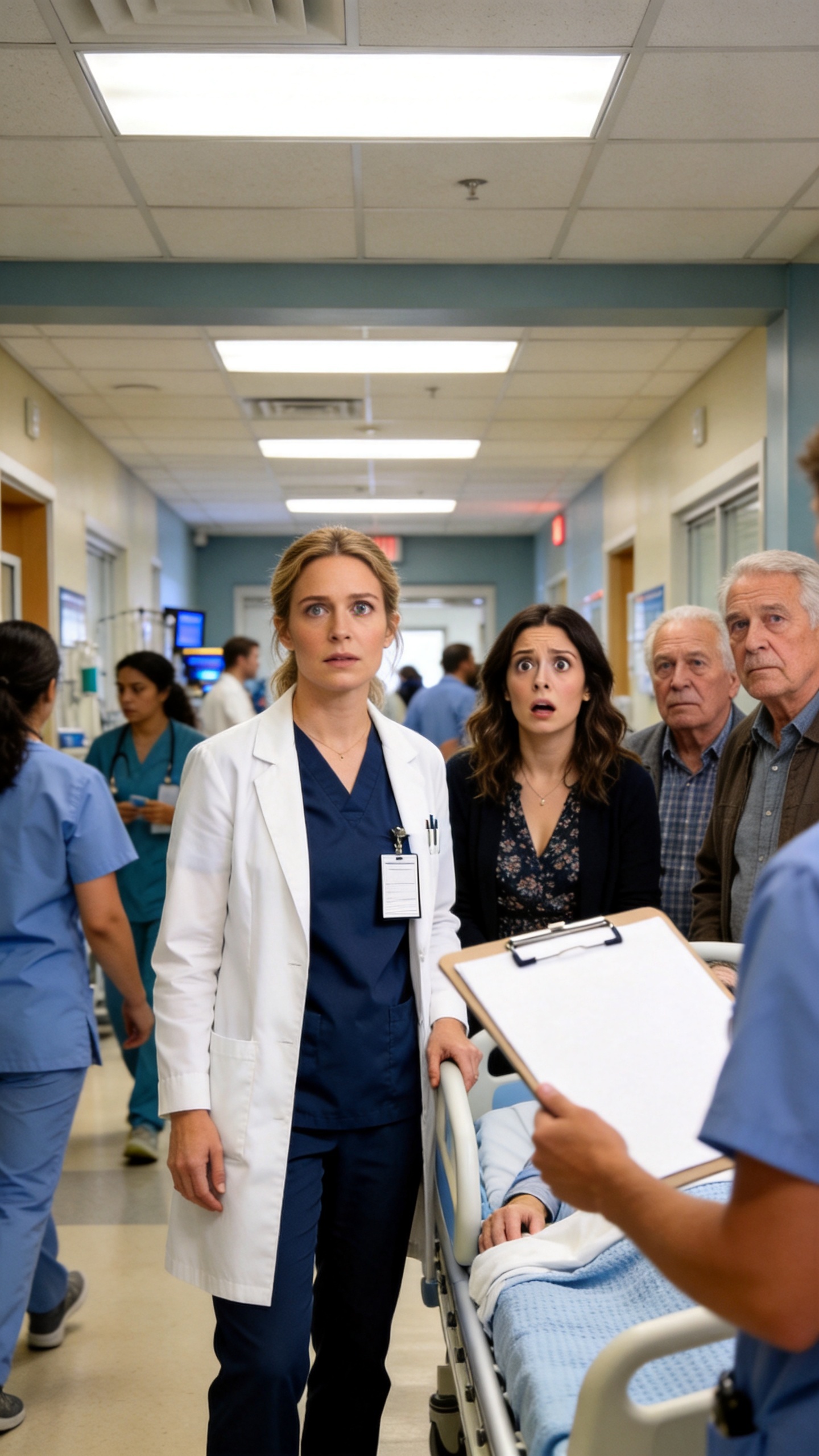
By the time I reached the hospital, the doctors were already wearing the kind of expressions that told me not to hope too much.
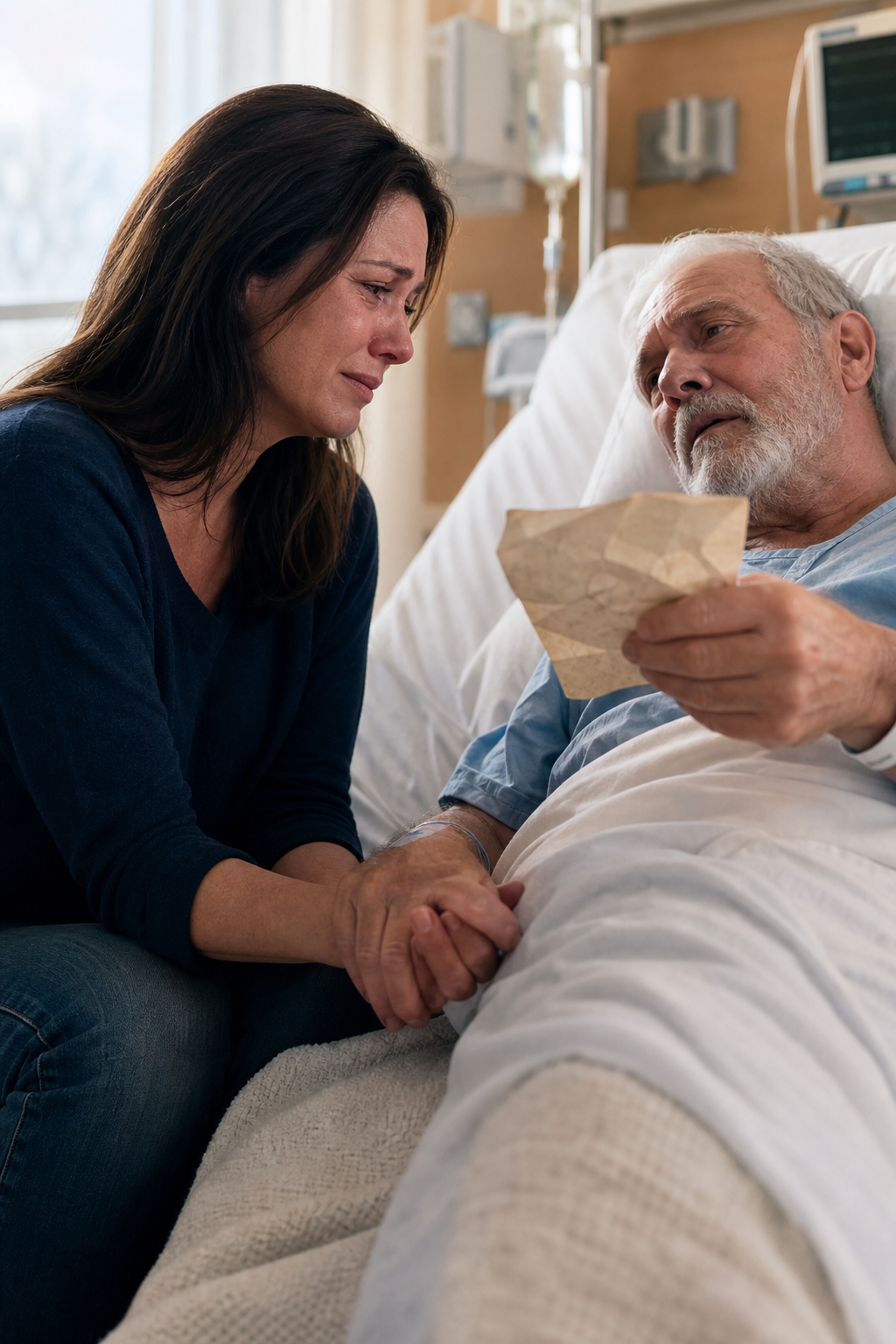
Thomas was awake just long enough to hold my hand.
I leaned close. "I'm here. I'm right here."
"Please," he said weakly. "Don't give up on Emily. She's angry because she lost her mother. She isn't really angry at you."
"I won't," I promised. "I won't give up on her."
His eyes drifted toward the window, as if he was searching for something beyond the room.
"There's something I still needed to take care of," he said. "For you. I was going to…"
I squeezed his hand. "Thomas? What were you going to do?"
He looked at me with a faint, apologetic smile.
"Emily knows," he breathed. "Ask Emily."
A few minutes later, the monitor went quiet.
I stayed there holding his hand long after the nurses had stopped coming in. His last words kept circling through my head.
But what did Emily know?
When I finally walked into the waiting room, Emily sat alone in the corner with her knees pulled to her chest. Her eyes were red, but her face was guarded.
I wanted to ask her. I wanted to tell her what her father had said.
But something in her expression stopped me.
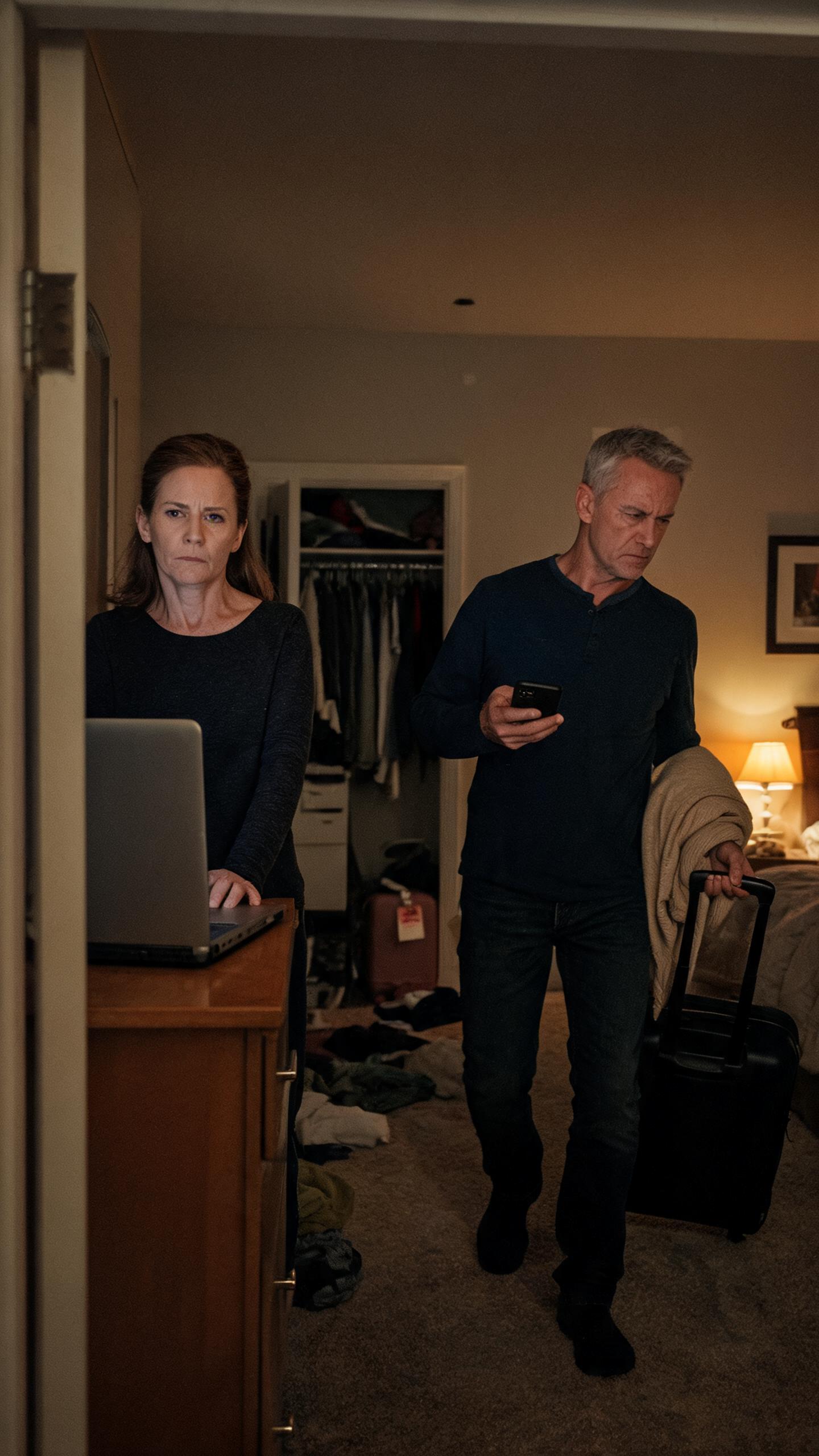
The next morning, after we buried Thomas, I woke to the sound of zippers.
I walked down the hallway in my robe, still numb from crying into Thomas's pillow all night. Emily's bedroom door was open.
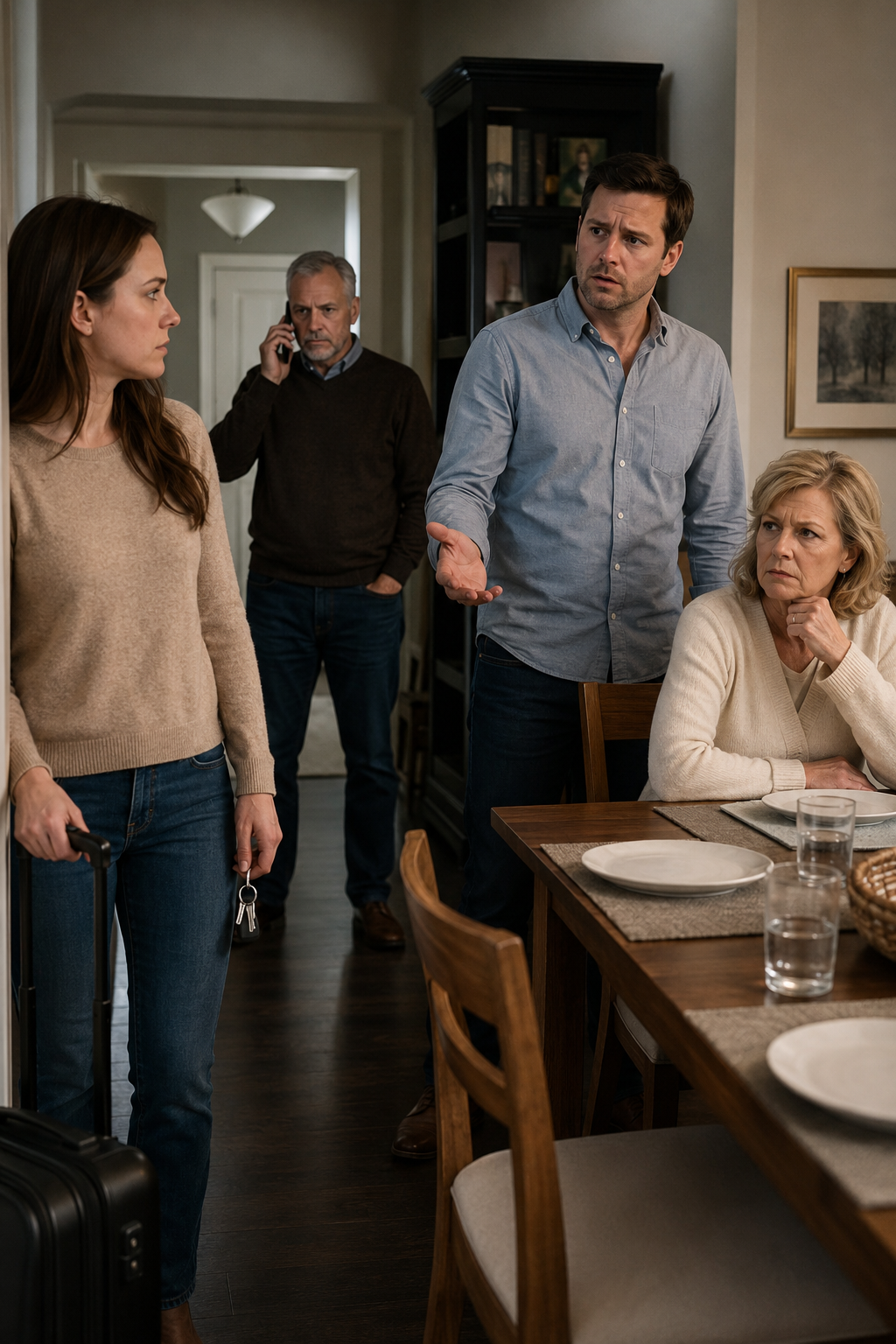
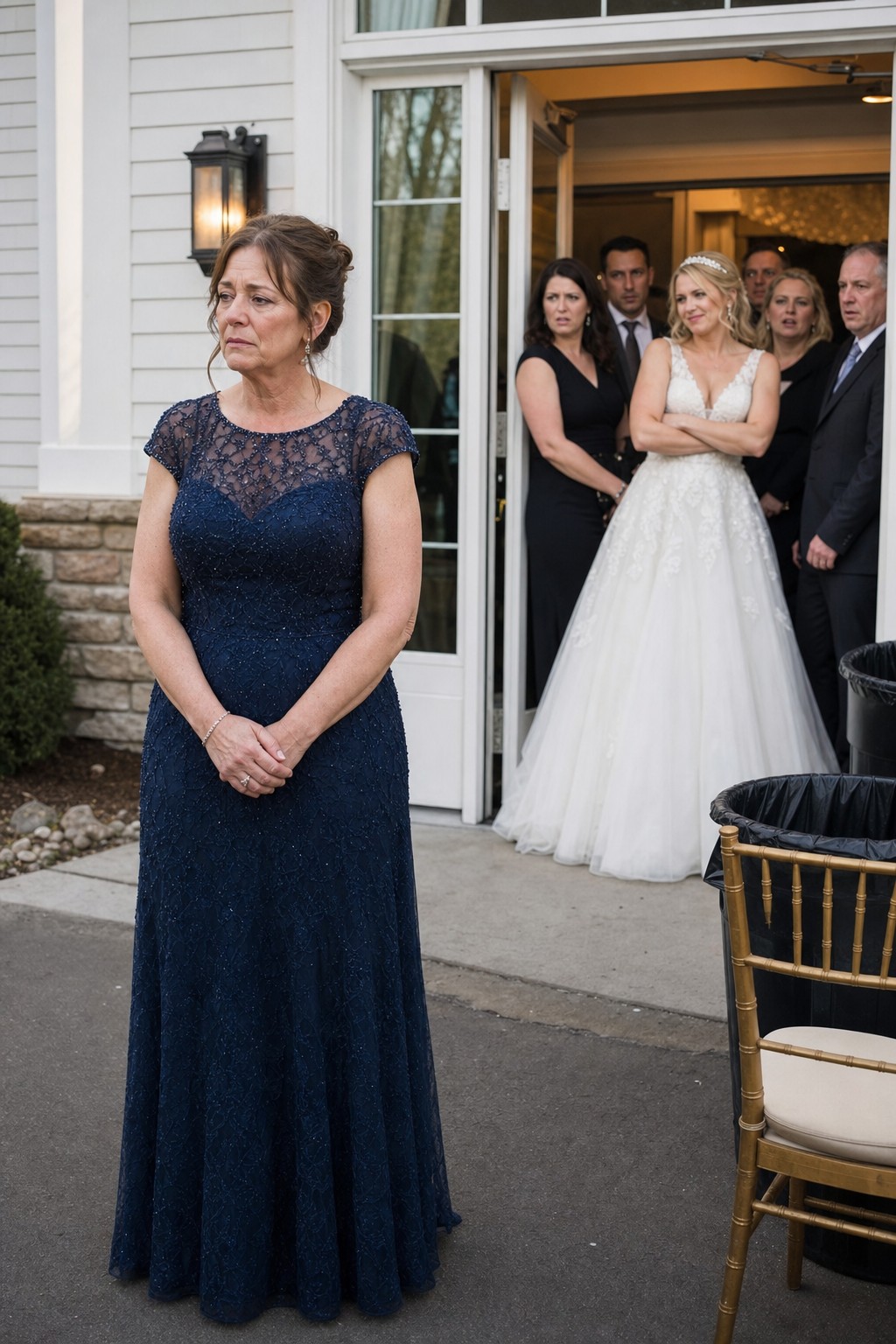
She had two suitcases on the bed and a duffel bag by her feet. She was eighteen, dressed in black, her jaw tight and her eyes empty.
"Emily, honey," I said carefully. "What are you doing?"
"What does it look like?"
"Sweetheart, we just lost him. Please, let's sit down and talk."
"There is no 'we,'" she said, zipping the bag shut. "There never was."
My hands shook against the doorframe. I wanted to tell her about Thomas's promise. I wanted to tell her that her father had begged me not to give up on her.
But before I could, she pushed past me and dragged her suitcase down the stairs.
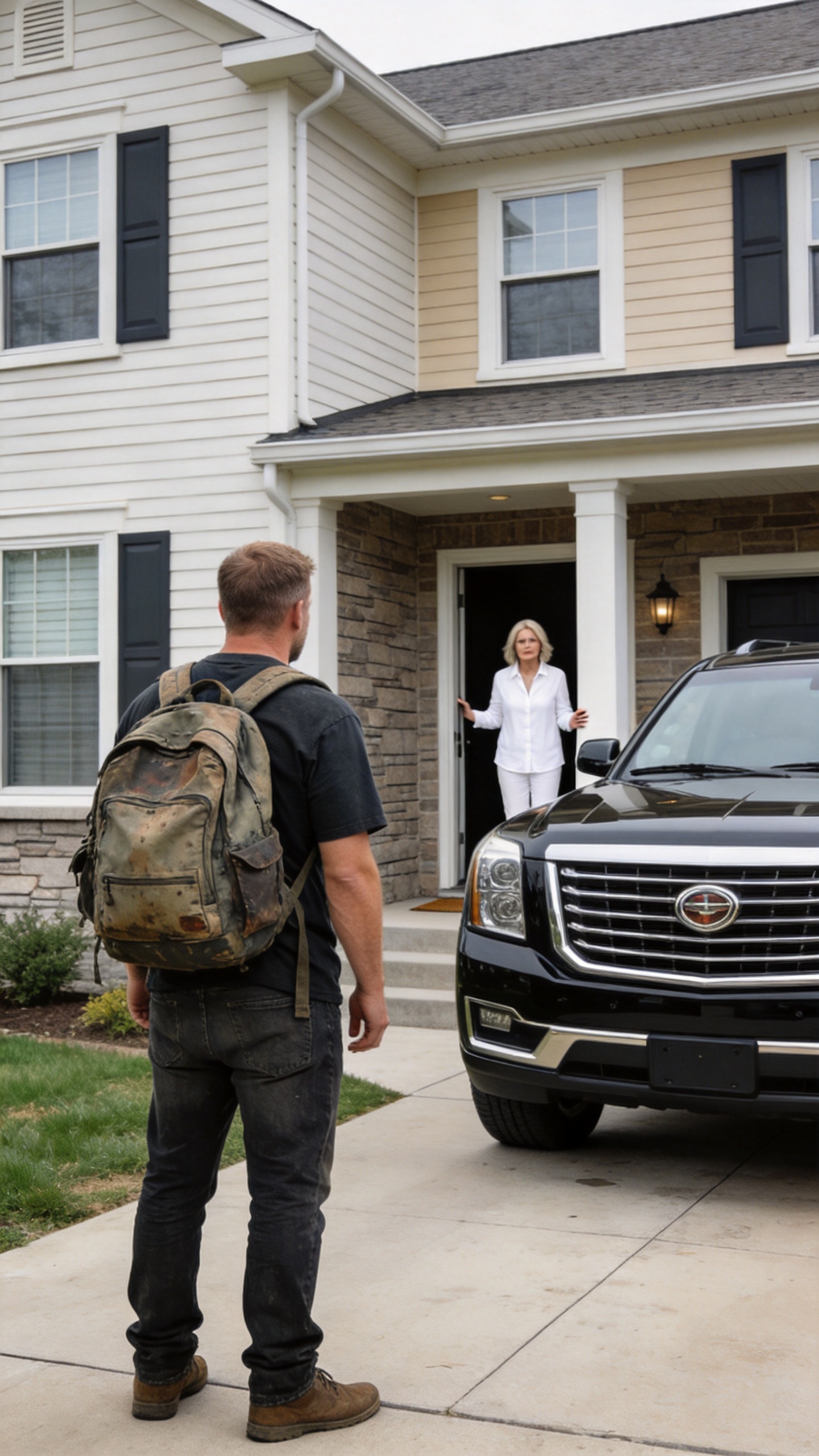
At the front door, she turned around one last time.
"As long as you live in this house," she said coldly, "I'll never come back."
Then she walked out into the gray morning and disappeared from my life.
Five years of silence.
I called on birthdays and holidays. I left voicemails she never answered. I told her the porch light was always on. I told her I loved her. Sometimes I did not even know if she listened.
The house grew quieter with every passing year.
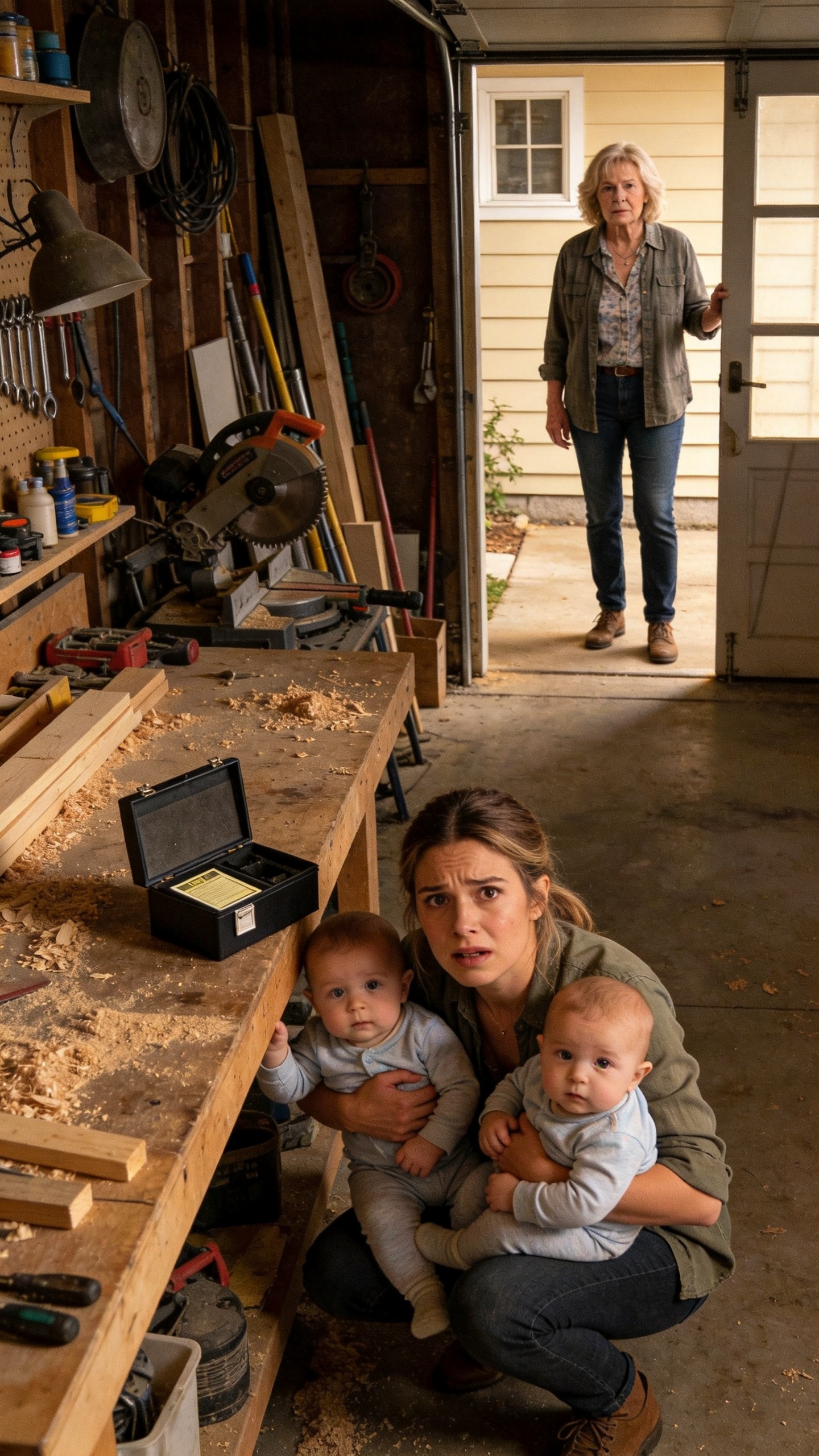
I kept Thomas's workshop locked because I could not bear to open it. I kept Emily's room untouched because I could not bear to empty it.
Then, one night just after midnight, the doorbell rang.
The Workshop Held What She Could Not Say
I almost ignored it. Nothing good ever comes from a doorbell at that hour.
But I opened the door.
And there stood Emily.
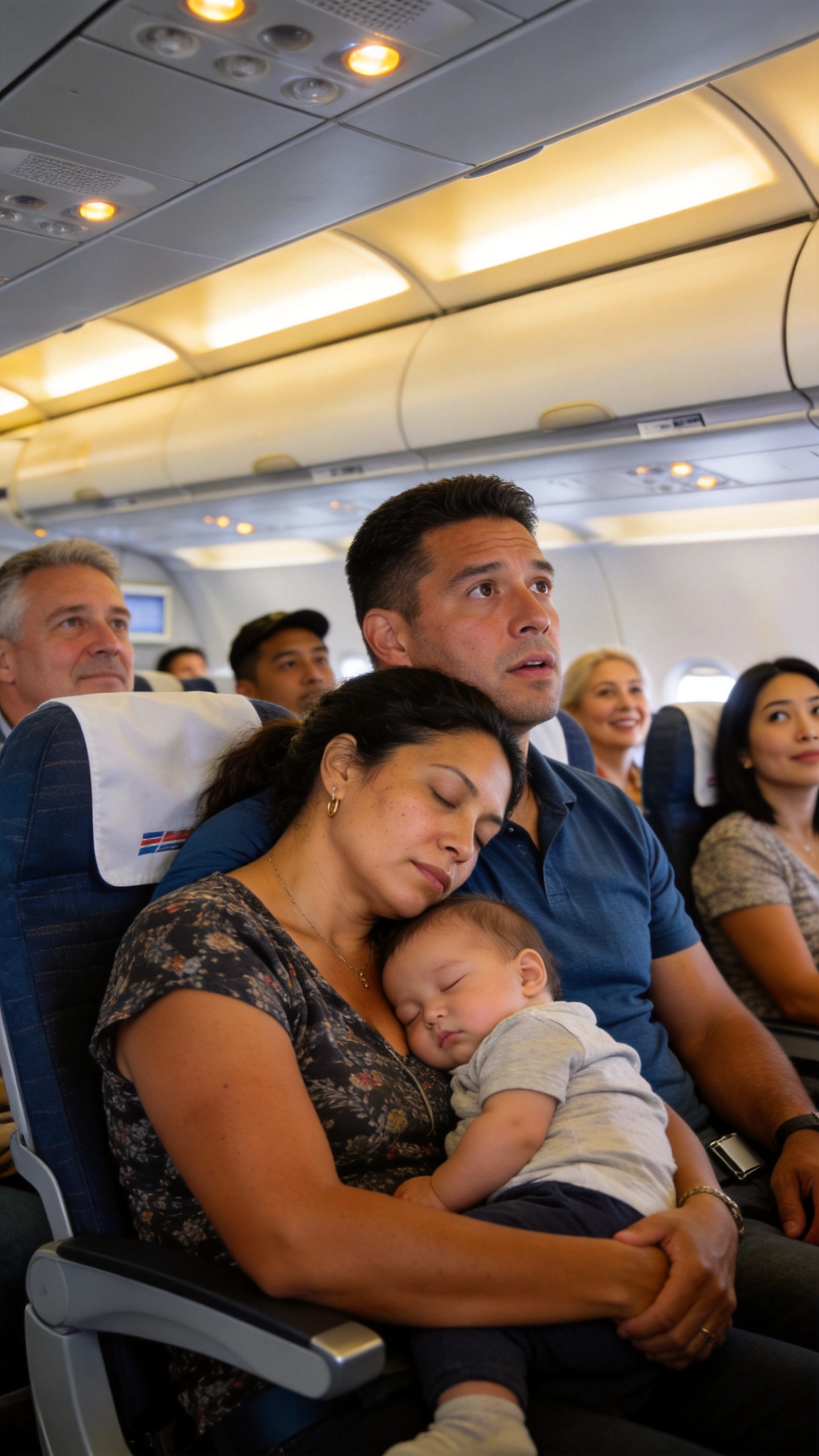
She was wearing a thin jacket, shivering on the porch. In both arms, wrapped in mismatched blankets, were two tiny newborn babies. A rideshare car pulled away behind her, and a diaper bag sagged at her feet.
She looked exhausted. Terrified. Broken.
"My boyfriend threw us out," she whispered. "Please. I don't have anywhere else to go."
I did not hesitate.
"Come inside," I said. "It's freezing."
I took one baby before I even asked her name. Then I took the other. They were three weeks old, Emily told me. Twin girls.
Within days, the quiet house turned into chaos.
Bottles covered the counters. Laundry piled up. Babies cried at all hours. Diapers, blankets, tiny socks, and burp cloths seemed to multiply overnight.
Emily was polite. Careful. Distant.
She thanked me for every meal, every diaper, every load of laundry I folded in the middle of the night. But she rarely looked me in the eye for more than a second.
I told myself not to push.
Maybe this was the second chance I had stopped believing would ever come.
Then, last Thursday, Emily appeared in the kitchen looking pale and unsteady. She held onto the doorframe.
"Sarah," she said, "I think I'm getting a fever. Would you mind taking the girls for a walk? I just need to sleep."
"Of course, sweetheart," I said. "Go rest."
I bundled Nora and Rose into the stroller, kissed Emily's warm forehead, and stepped out into the bright summer morning.
I had no idea she had been waiting for me to leave.