I Thought A DNA Test Would Finally Silence My Mother-In-Law's Accusations. Instead, It Proved The Child I Had Raised Was Not My Husband's, And Somehow He Was Not Mine Either
April in Chicago has a peculiar way of disguising its cruelty.
The city wraps itself in mist and soft gray skies, blurring sharp edges and hard realities as though it understands that some truths are easier to survive when viewed through a veil.
But the cold that settled inside the penthouse overlooking the Gold Coast that morning carried none of that mercy.
It didn't come from the weather.
It came from something intentional.
Something personal.
Something far more devastating than rain.
My mother-in-law, Margaret Whitaker, sat perfectly composed in a high-backed chair beside the floor-to-ceiling windows.
A porcelain cup of Earl Grey rested effortlessly between her fingers, balanced with the ease of someone whose world had never once demanded she lose control.
Nothing seemed capable of disrupting her rhythm.
Certainly not the small child sleeping peacefully in the bassinet beside me.
And certainly not me.
She didn't even bother looking directly at me when she spoke.
Somehow, that made the words hurt more.
They weren't delivered as an accusation.
They were delivered as a conclusion.
A fact.
Something already decided.
"That child does not belong to this family."
Her voice was calm.
Measured.
Almost clinical.
Then she lifted her teacup and took another deliberate sip.
Her gaze drifted briefly toward the baby.
He was only three months old.
Yet there was no warmth in her expression.
No curiosity.
No affection.
Only the detached evaluation of someone inspecting an item she intended to return.
Margaret had never hidden her discomfort with the darker tones in his hair.
Or the warm complexion of his skin.
Features that quietly contrasted with the carefully maintained image the Whitaker family presented to the world.
A family that seemed convinced legitimacy could be measured through appearances.
Blonde hair.
Blue eyes.
The unmistakable aesthetic of old money.
Though, in truth, it often felt less like heritage and more like branding.
I was the one who insisted on the DNA test.
Not Margaret.
Not Daniel.
Me.
Despite my husband's resistance.
Daniel Whitaker tried repeatedly to dismiss the issue with a gentleness that might have felt comforting under different circumstances.
Instead, it felt like avoidance.
"Nora, we don't need to prove anything to anyone," he told me one evening, placing his hand over mine in what he clearly intended as reassurance.
"I trust you, and that should be enough."
But I had learned something important about trust.
Trust is not always enough when doubt is allowed to spread unchecked.
Once suspicion finds a place to live, it settles into whispered conversations behind closed doors.
It lingers inside glances exchanged across crowded rooms.
It grows quietly in silence.
Especially in a world where reputation functions as currency and perception often carries more power than truth itself.
I didn't want comfort.
I wanted clarity.
I wanted evidence.
The Test Was Meant To End The Cruelty
Something tangible.
Documented.
Undeniable.
A result printed in black ink on white paper.
Something that would permanently silence Margaret's insinuations and dismantle the quiet arrogance behind them.
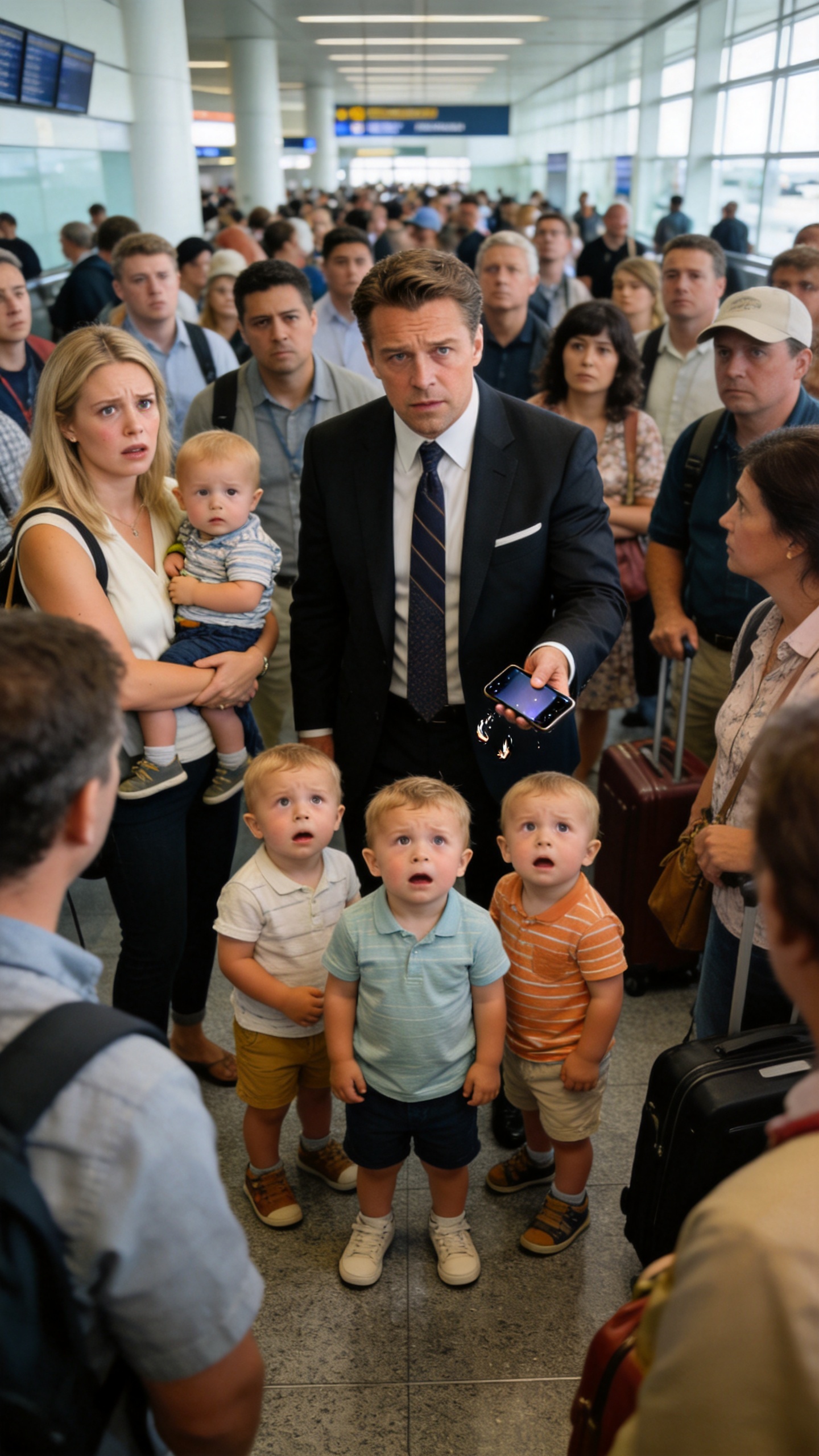
When the results finally arrived at a discreet private clinic in Manhattan, I carried the sealed envelope with a strange mixture of confidence and anticipation.
I already imagined Margaret's expression when confronted with proof she could not challenge.
I had rehearsed the composure I intended to maintain.
The calm satisfaction of reclaiming control over a narrative that never should have belonged to her in the first place.
What I never prepared for-
Because it existed completely outside the boundaries of reason, memory, and possibility-
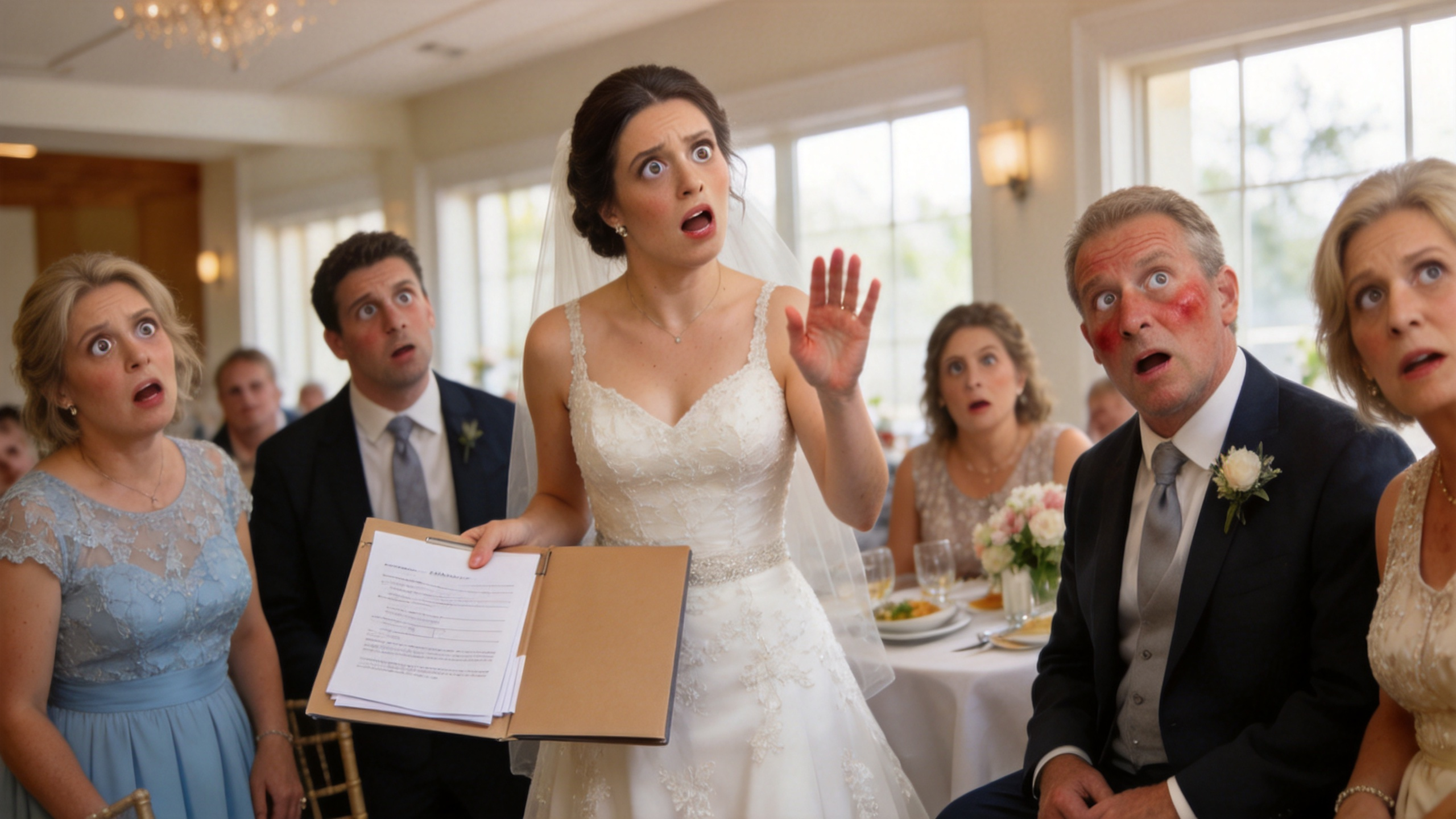
Was the single word printed on the report that shattered everything.
Negative.
The child was not Daniel's.
The revelation hit hard enough on its own.
But what came next was infinitely worse.
The report confirmed something I could not comprehend.
Something that contradicted biology.
Something that contradicted every memory I possessed.
Something that made no sense at all.
The child was not mine either.
The Celebration That Unraveled Everything
Daniel's reaction was nothing like I expected.
Looking back, that should have been the first sign that there were deeper layers to this situation than I had yet uncovered.
I had prepared myself for anger.
For denial.
For confusion.
Instead, he laughed.
It wasn't a normal laugh.
It carried a strange hollowness, as though the sound had been trapped inside him for months, waiting patiently for an opportunity to escape.
The moment lingered in my mind long after it ended.
In the days that followed, Daniel urged me-gently at first, then with increasing persistence-to keep the test results confidential.
He framed the request as a matter of necessity.
A way to protect the family's reputation.
A way to preserve the company's stability.
A way to shield the complicated web of relationships that depended on both remaining intact.
I wanted to believe him.
I wanted to believe there was a reasonable explanation waiting somewhere beyond the confusion.
Something logical.
Something that would eventually make sense.
Yet every night, when I held the baby I had named Carter, the contradiction inside me grew stronger.
The documents said one thing.
My heart said another.
Regardless of what any report claimed, my connection to him remained absolute.
Unquestionable.
Unshaken.
No technicality could erase the months I had carried him inside my body.
No laboratory result could erase the sleepless nights spent learning the rhythm of his breathing.
No paperwork could convince me that love was something measured through genetics alone.
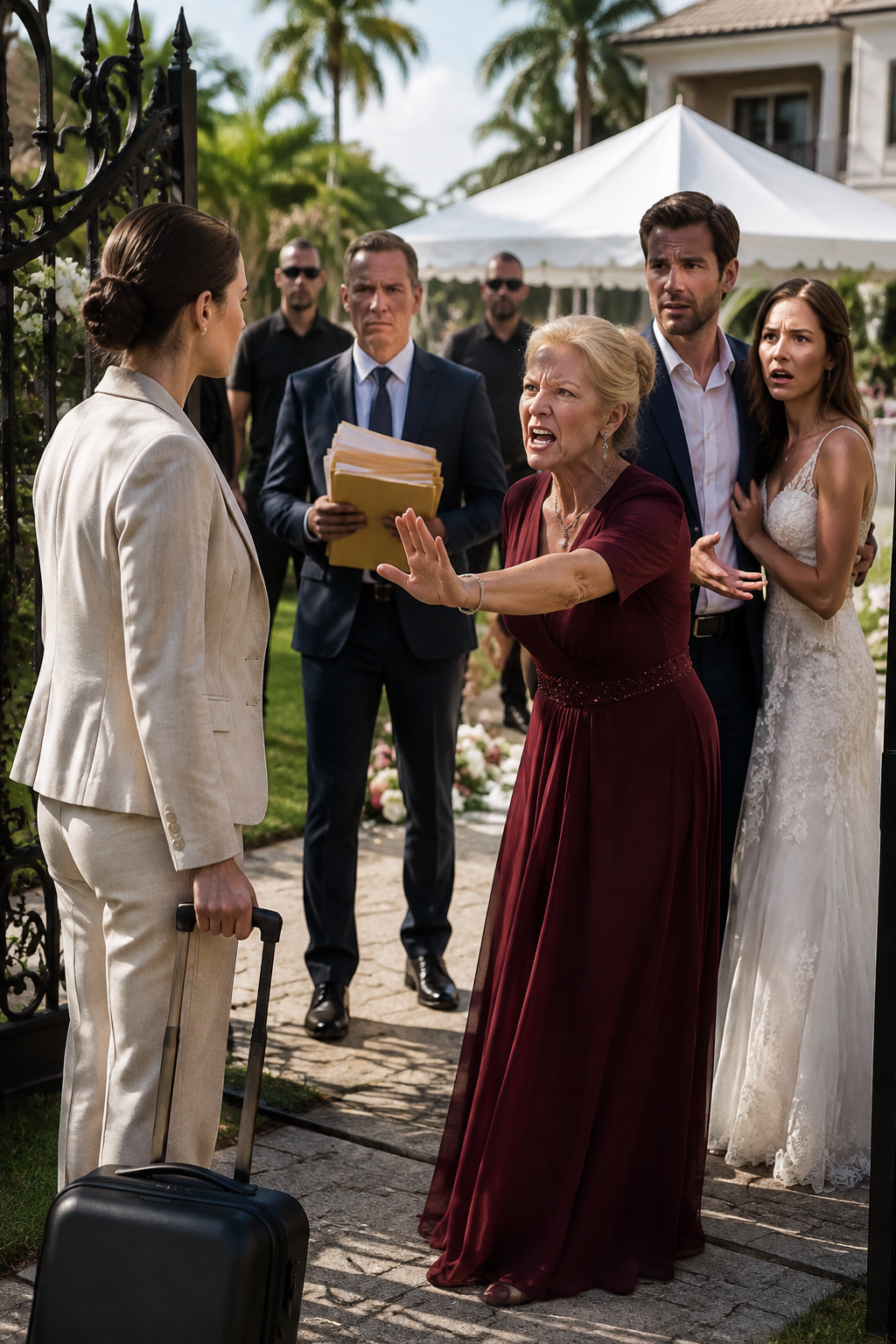
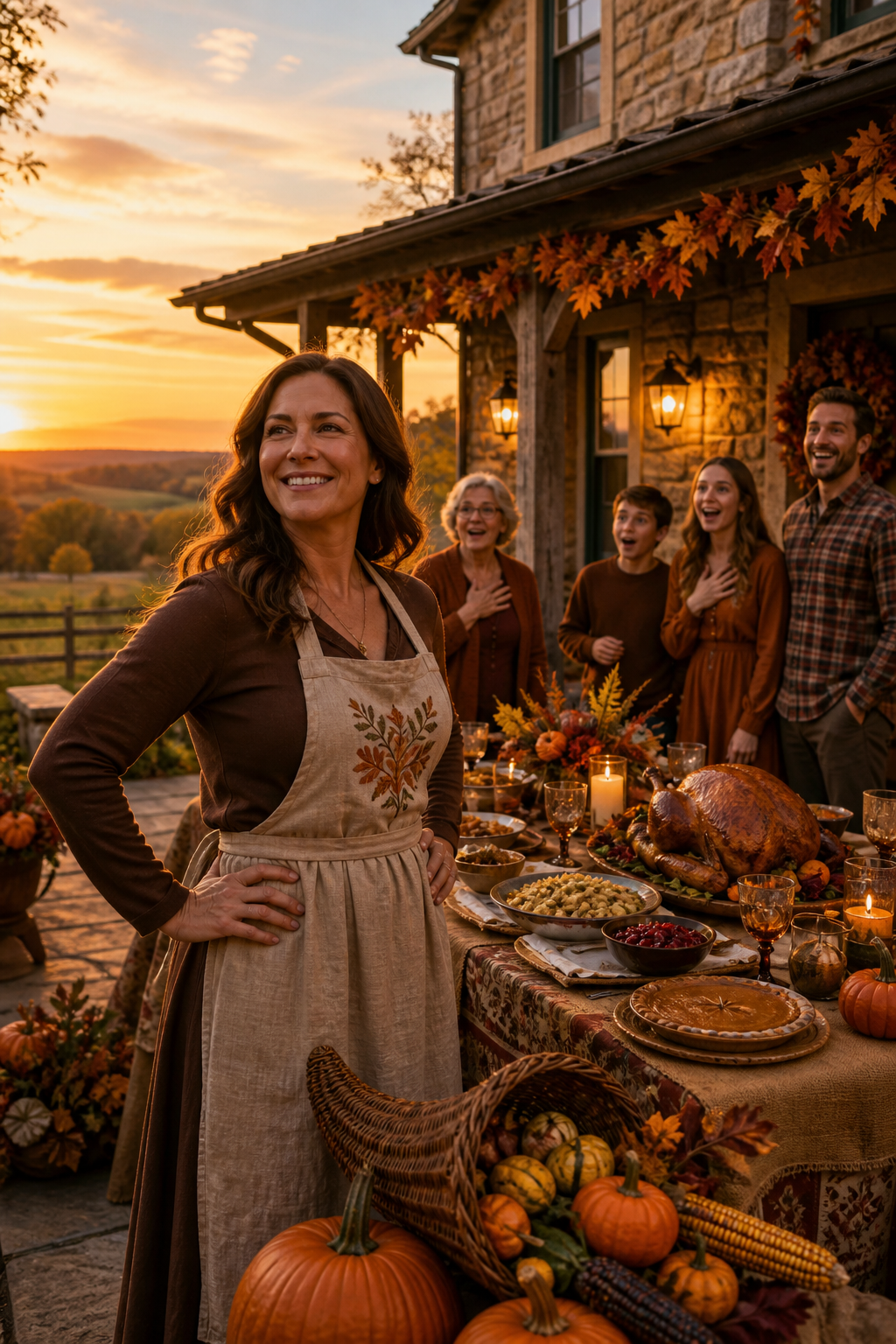
Six months later, beneath a sky so impossibly clear it seemed indifferent to human conflict, Margaret hosted an extravagant birthday celebration at the family's summer estate in Southampton.
Everything about the event was designed to project perfection.
The gardens were immaculate.
Hydrangeas had been arranged with almost obsessive precision.
Champagne flowed freely.
Guests drifted between marble terraces and manicured lawns as though they belonged inside a luxury magazine spread.
One Result Tore Two Families Open
From a distance, the scene radiated harmony.
Up close, it was something else entirely.
The illusion of unity had survived long after the reality disappeared.
Guests moved through the estate with practiced elegance.
Their conversations remained light.
Their smiles remained polished.
Their laughter remained carefully measured.
But beneath the surface, something else lingered.
An undercurrent.
A tension.
A sense that everyone present could feel an unresolved truth hovering just beyond the boundaries of polite conversation.
Margaret, naturally, could not resist the opportunity to continue the narrative she had spent months cultivating.
"Nora, my dear," she remarked, her voice carrying just enough volume to ensure nearby guests would hear without making the intention obvious, "this child remains a rather unfortunate inconsistency."
Several people glanced in our direction.
Margaret continued.
"One would expect certain… recognizable traits."
The pause was deliberate.
Cruel.
Calculated.
Before I could respond, Daniel stood.
The movement immediately changed the atmosphere.
Something about his posture was different.
For months he had avoided confrontation.
Avoided certainty.
Avoided choosing a side.
Now there was a decisiveness in him that had been absent before.
He held a small flash drive between his fingers.
His expression remained composed.