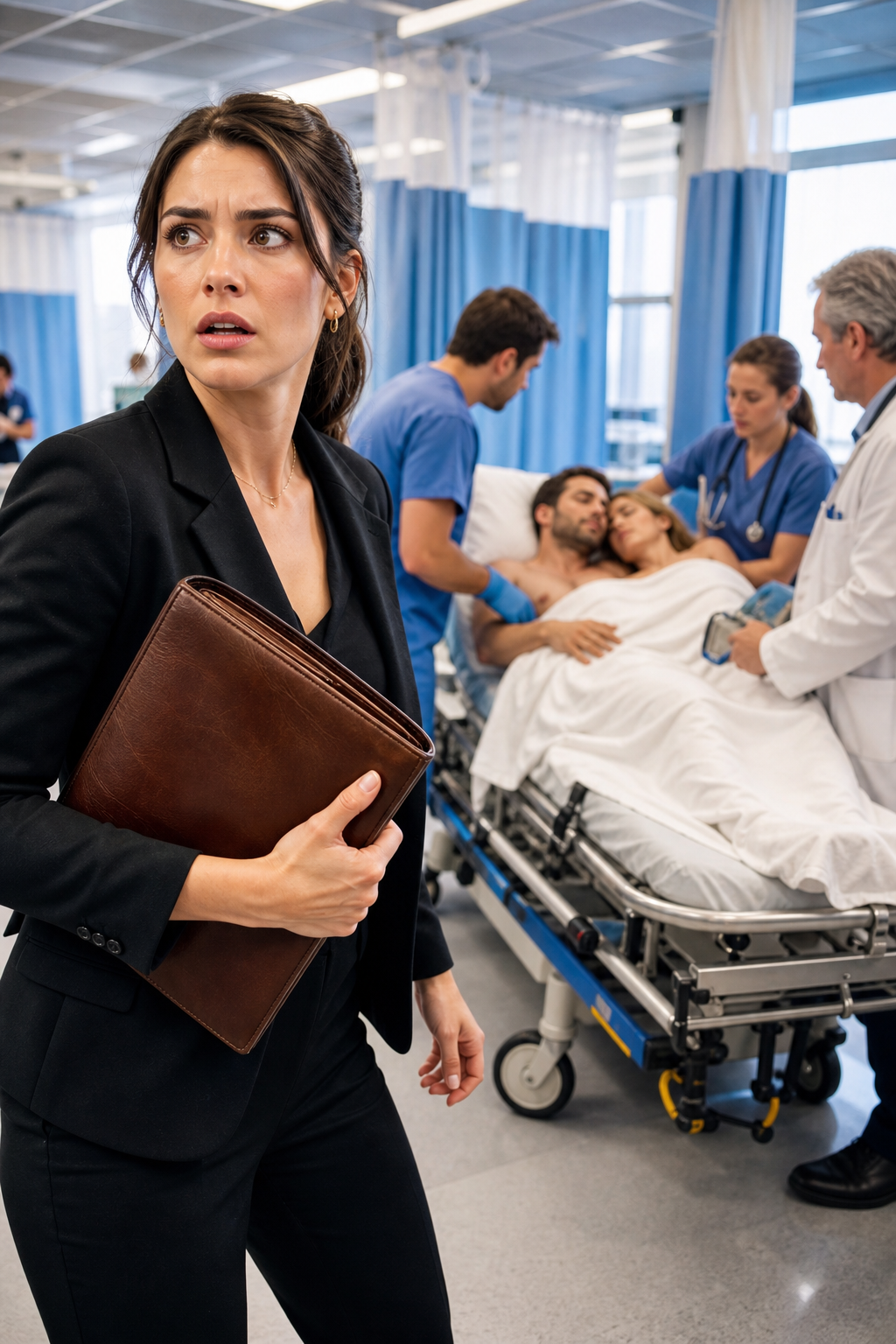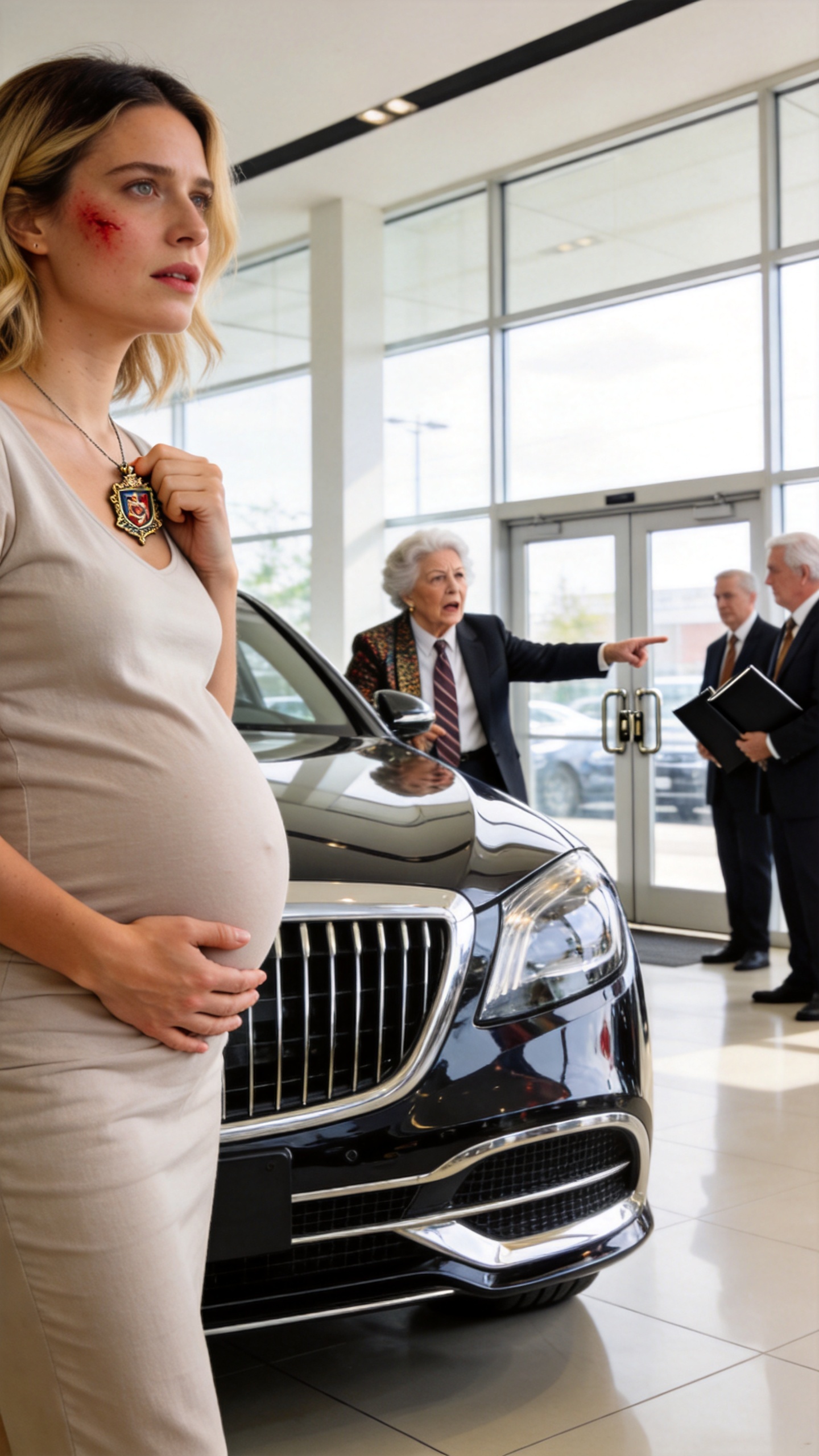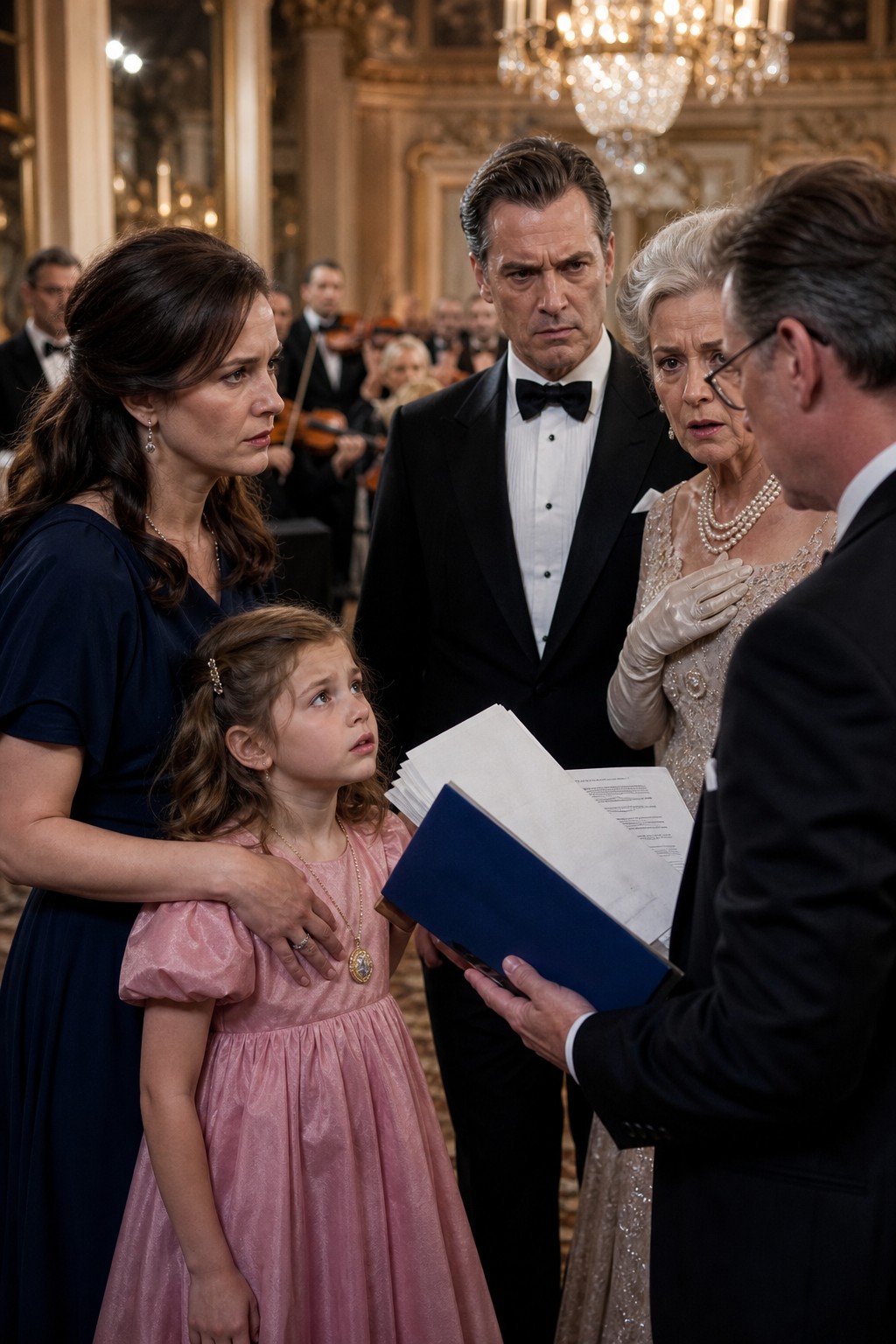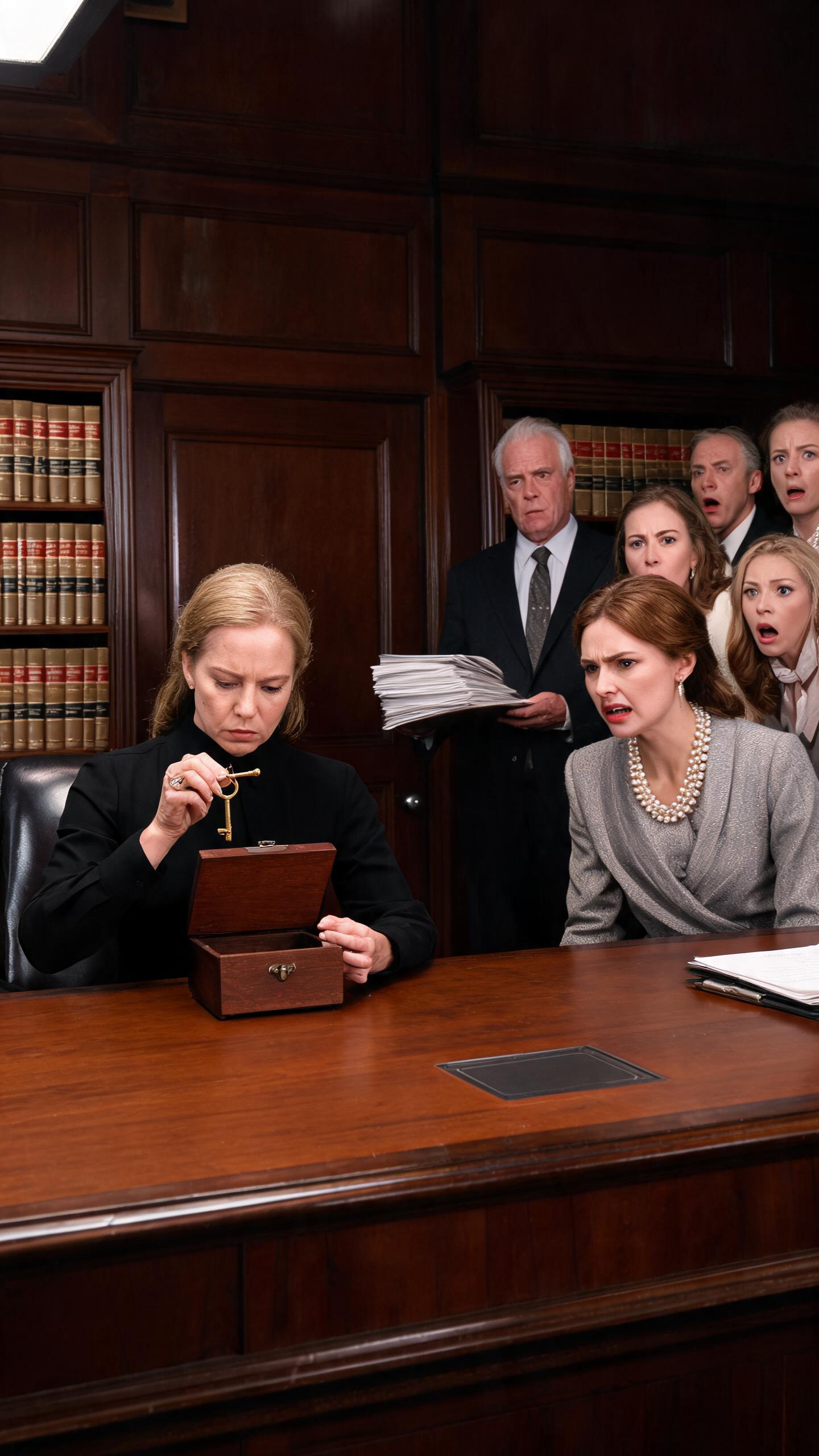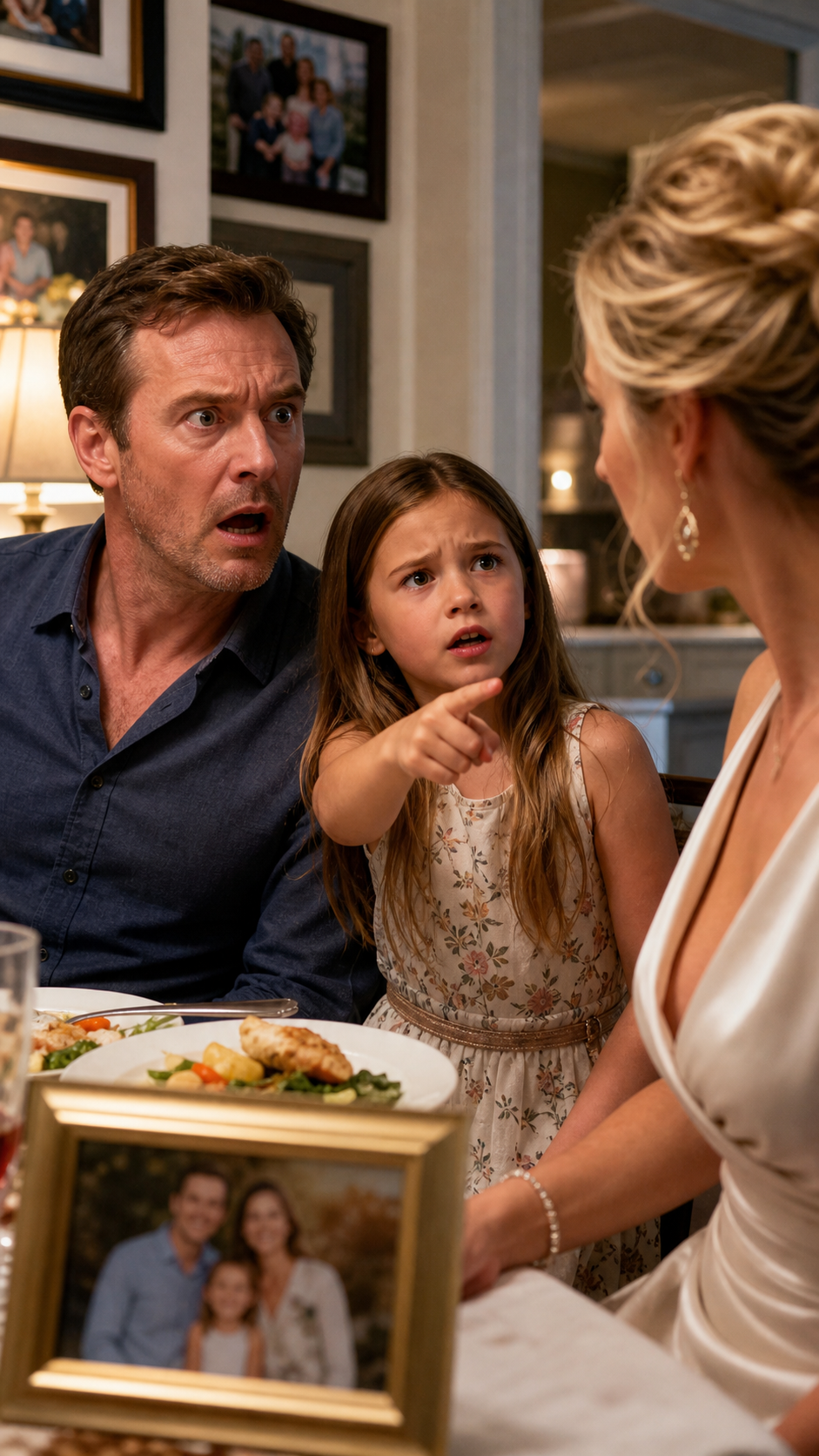
The night before my medical school interview, my sister poured bleach on my only blazer, and my parents told me to stop making a scene.
The Blazer Was Ruined Before Midnight
The night before my medical school interview, my sister poured bleach on my only blazer, and my parents told me to stop making a scene. I wore the ruined jacket anyway, walked into the interview, and watched the dean's face change the moment he saw my last name.
The night before my medical school interview, my sister poured bleach on my only blazer.
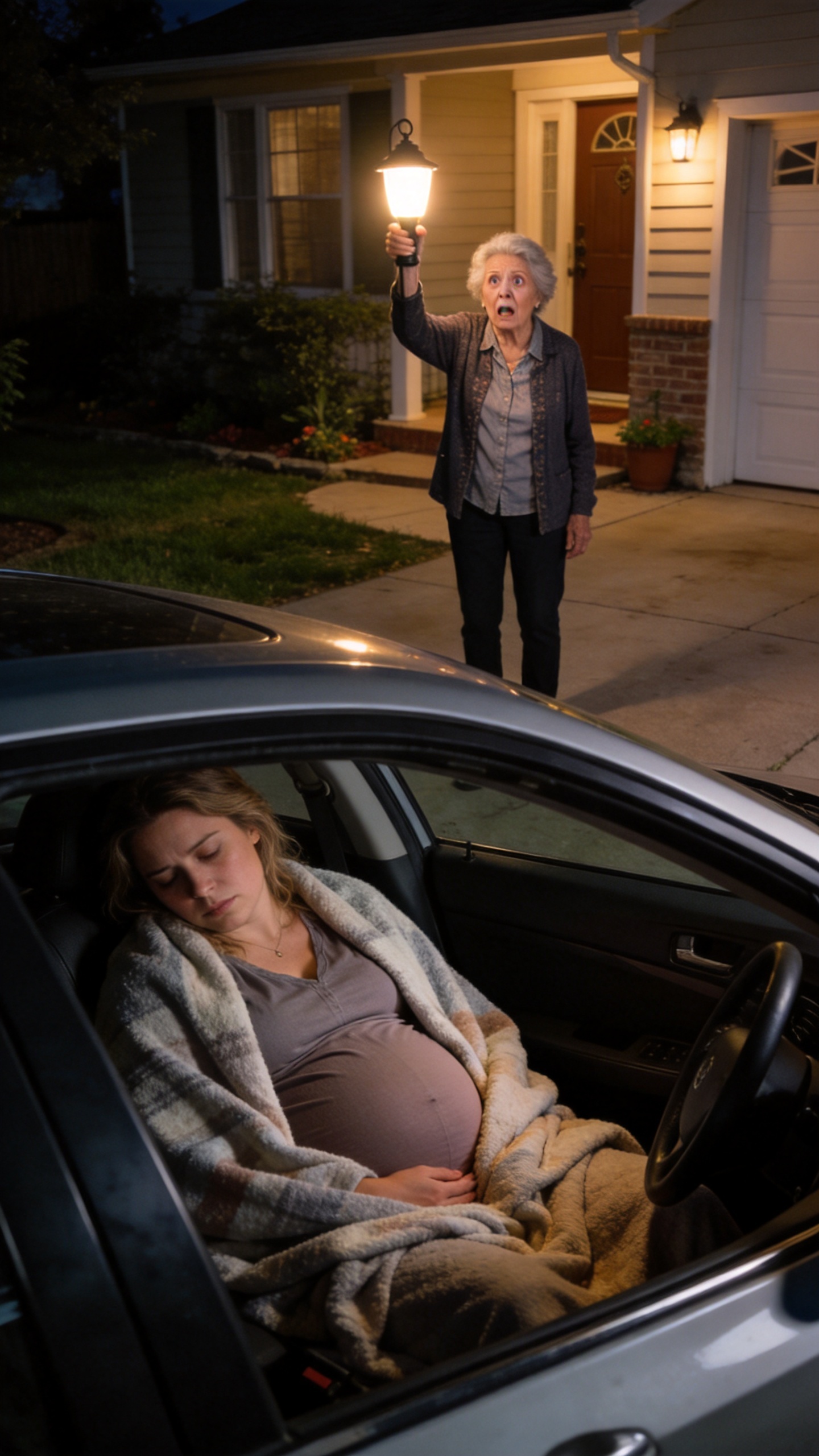
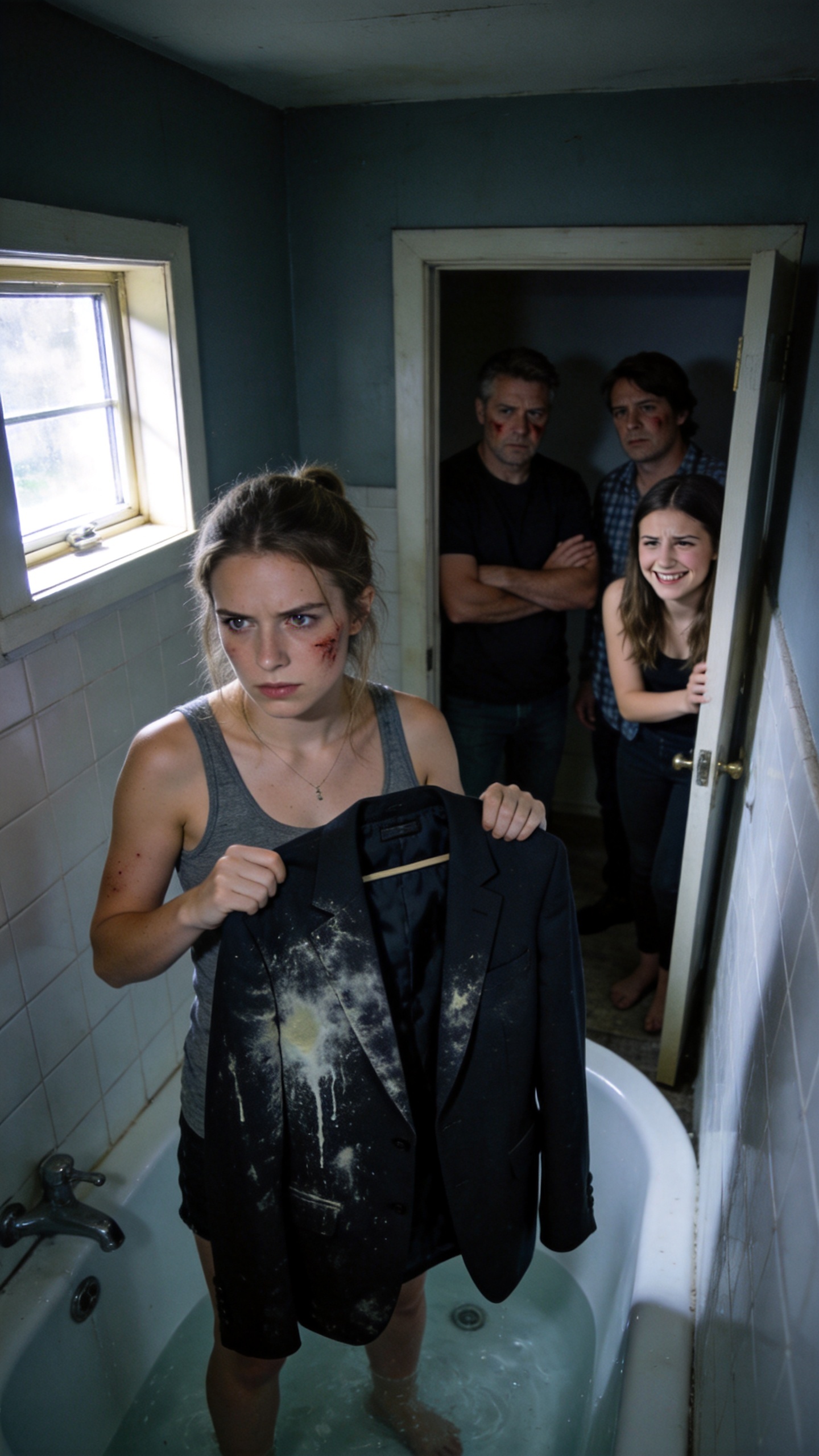
I found it hanging over the bathtub at 11:42 p.m., dripping into the drain like something wounded. The black wool had turned a copper-orange color across the left shoulder and down the front pocket. The smell reached me first-sharp, chemical, unmistakable.
Behind me, my sister, Vanessa, leaned against the bathroom doorframe in her silk robe, twisting a strand of blond hair around one finger.
"Oh," she said, without blinking. "Was that yours?"
I stared at her. "You knew it was mine."
She smiled. "You always act like everything is so dramatic."
My interview at Adler Medical School was at eight the next morning. Adler was my first choice. My only real chance. I had spent two years working nights as a patient care technician, taking extra shifts, retaking the MCAT, and writing my application essays during lunch breaks in the hospital basement.
Vanessa had spent those same two years telling relatives that I was "trying out healthcare" while she prepared for her wedding to a finance manager named Brent.
I took the blazer off the hanger with shaking hands. "Mom!"
My mother appeared first, tightening the belt of her robe. My father came behind her, irritated and half-asleep.
Vanessa lifted both palms. "I was cleaning the tub. I didn't see it."
"It was hanging on the door," I said. "There's no way you didn't see it."
My father rubbed his forehead. "Julia, lower your voice."
"My interview is tomorrow."
"You can still wear something else," my mother said.
"I don't have something else."
Vanessa scoffed. "Then maybe you should've planned better."
I turned to my parents, waiting for them to say something. Anything.
My mother only sighed. "Stop making a scene. Vanessa said it was an accident."
That sentence settled in my chest like a stone.
At 6:15 the next morning, I stood in front of the mirror wearing the ruined blazer. I had pinned the lapel closed to cover the worst stain, but the bleach scar still spread across my shoulder like a map of damage. My blouse was clean.
My hair was neat. My resume was inside a folder I had bought from a dollar store.
Vanessa watched from the kitchen as I left.
"Good luck," she said, smiling into her coffee.
At Adler, the waiting room was full of polished applicants in navy suits and expensive shoes. I felt every glance at my jacket.
When my name was called, I walked into the interview room with my back straight.
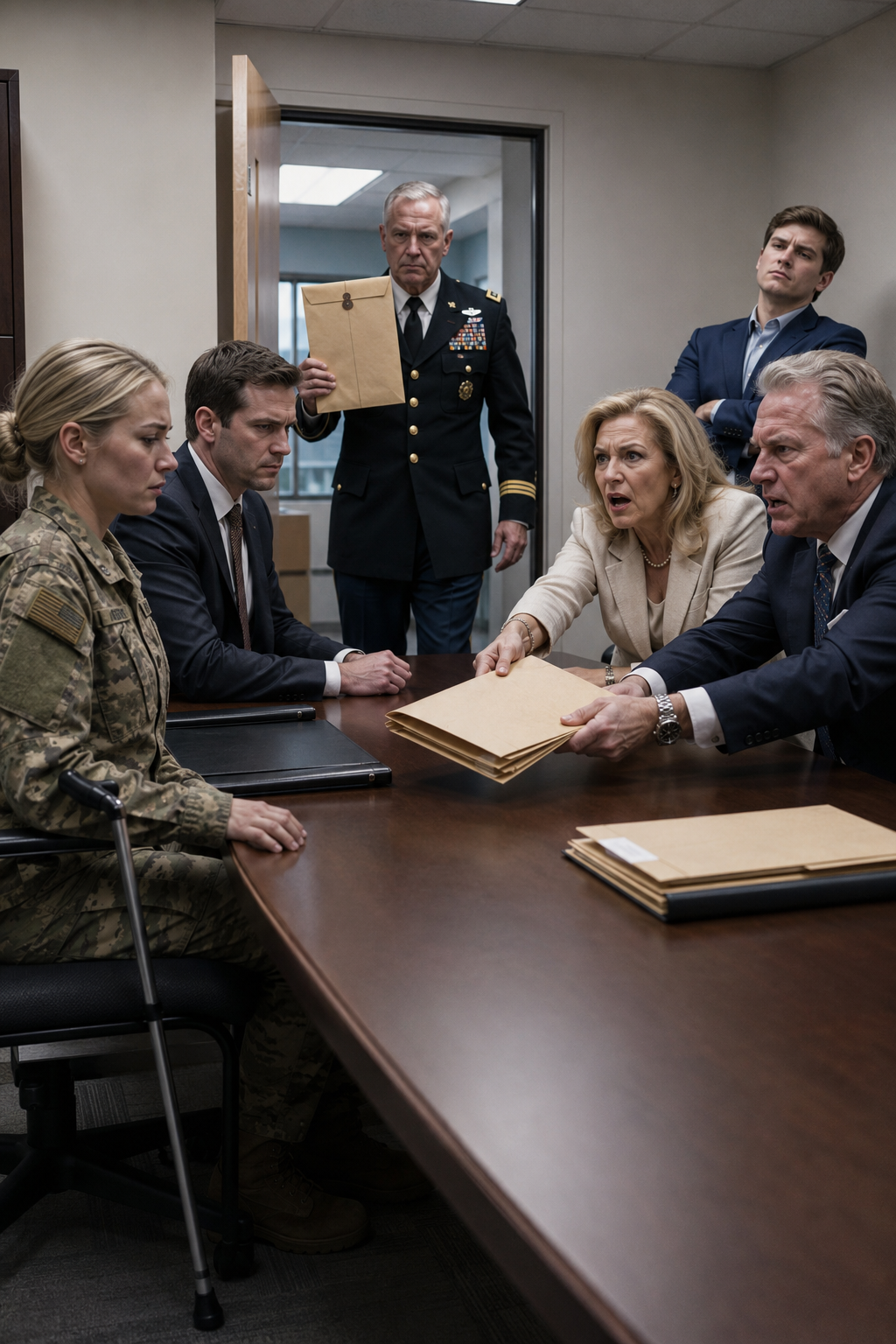
Dean Howard Whitaker sat at the head of the table. He was known for being unreadable. He looked at my file, then at my bleached blazer.
Then he looked back at the file.
His eyes stopped on my last name.
"Wait," he said slowly. "You're her?"
For one breath, I thought I had heard him wrong.
The room was silent except for the faint hum of the overhead lights. Two faculty members sat on either side of Dean Whitaker, both watching me now with a different kind of attention. Not pity. Not judgment. Recognition, maybe.
I tightened my fingers around the folder in my lap. "I'm sorry?"
Dean Whitaker leaned back, studying my face. "Julia Garrett?"
"Daughter of Martin Garrett?"
That name had followed me all my life, but never in a good way. My father was charming in public, generous at church, always ready with a firm handshake. At home, he was a man who could silence an entire room by setting down his fork too hard.
The dean's mouth tightened, but not with anger toward me. "And your mother is Elaine Garrett?"
He turned a page in my file. "I knew your grandmother."
That, I had not expected.
"My grandmother?" I asked.
"Dr. Rosalind Mercer," he said. "Your mother's mother."
The name landed in the room like a key turning in a lock.
I had seen my grandmother only in old photographs. A tall Black woman with silver-streaked hair, serious eyes, and a white coat buttoned to the throat. My mother rarely mentioned her except to say she was "difficult," "cold," and "obsessed with work." She had died when I was nine.
Dean Whitaker's voice changed. It became quieter, more personal.
"She was the first physician who treated me like I belonged in a hospital," he said. "I was a scholarship student with no connections. She sponsored my research application when no one else would even read it."
One of the faculty members, Dr. Patel, glanced at me. "Rosalind Mercer was your grandmother?"
I nodded slowly. "Yes."
Dean Whitaker looked again at my blazer. This time, his gaze was not on the stain itself, but on what it suggested.
"Julia," he said, "did something happen this morning?"
My practiced answer rose automatically. I almost said, No, everything is fine. I almost protected the family that had not protected me.
Then I remembered my mother's voice.
Stop making a scene.
I looked Dean Whitaker in the eye.
"My sister damaged my blazer last night," I said. "I don't believe it was an accident. My parents told me to wear it or stay home."
The room went still.
Dr. Patel's pen stopped moving.
Dean Whitaker closed my file with care. "And you came anyway."
Because I had no other choice. Because I had spent too many years shrinking. Because every patient whose hand I had held through fear deserved more from me than surrender.
I said, "Because becoming a doctor matters more to me than being humiliated."
Dean Whitaker did not smile. But something in his face softened.
He opened my file again. "Then let's begin."
The interview lasted forty-seven minutes.
I know because I checked the clock when I stepped out, expecting relief and instead feeling like my entire life had been pulled apart and arranged neatly across a conference table.
They asked me about my night shifts at St. Agnes Medical Center. They asked why my grades dropped during sophomore year. They asked about the free clinic where I translated discharge instructions for elderly patients who spoke only Spanish, even though I was not officially assigned there.
Not perfectly. Not like the applicants who had probably rehearsed with admissions consultants and physicians who were family friends. But honestly.
When Dr. Patel asked why medicine, I did not give the polished version from my essay.
I told them about Mr. Holloway, a retired bus driver who used to press the call button every twenty minutes because he was afraid to die alone. I told them I learned that care was not always dramatic. Sometimes it was bringing ice chips.
Sometimes it was remembering that a patient liked the blinds open at sunrise. Sometimes it was standing beside someone when their family could not get there in time.
Dean Whitaker listened without interrupting.
At the end, he folded his hands over my file.
I Wore The Damage Into The Interview
"Julia," he said, "your application shows endurance. Your interview confirms it."
I did not know what to say.
He continued, "But I want to be clear about something. No school worth attending wants students who have never struggled. We want students who know what struggle costs and still choose responsibility."
"Thank you," I said.
Before I left, Dean Whitaker handed me a card. "My assistant will arrange for you to speak with Financial Aid directly. Today, not later."
I stared at the card.
He added, "That is not special treatment. That is making sure a qualified applicant gets accurate information without being blocked by circumstances."
I nodded, afraid that if I spoke too quickly, my voice would break.
When I returned home, Vanessa was in the living room with Brent, scrolling through bridal venues on her laptop. My parents were at the kitchen table. The house smelled like coffee and cinnamon toast, painfully normal.
My mother looked up first. "Well?"
I set my folder on the counter. "It went well."
Vanessa's eyes flicked to the blazer. "Even with that?"
A small silence followed.
My father lowered his newspaper. "Did they ask about it?"
I looked at him. "Yes."
My mother stiffened. "And what did you tell them?"
Vanessa laughed once, sharp and nervous. "What truth?"
"That you poured bleach on it."
Her face changed instantly. "I told you, I was cleaning."
"No, you weren't," I said. "There was no cleaner in the bathroom except the bleach bottle from the laundry room. The tub was dry. The stopper was up. You poured it on the shoulder and pocket, exactly where it would show."
My father stood. "That's enough."
For most of my life, those two words had worked on me.
That day, they did not.
"No," I said. "It isn't."
My mother whispered, "Julia, don't start."
"I didn't start this," I said. "But I'm finished pretending it isn't happening."
Vanessa slammed her laptop shut. "You're insane. You always need attention."
I turned to her. "You got it backward. I learned how to disappear so you could have all of it."
Brent shifted uncomfortably on the couch. He had never seen this version of us. The Garrett family he knew was polished Christmas cards, matching sweaters, charity dinners, and Elaine's careful captions about "my beautiful girls."
Vanessa stood. "You're jealous because I have a life."
"I have a life," I said. "You just wanted me too embarrassed to walk into mine."
My father pointed toward the hallway. "Go to your room."
I almost laughed. I was twenty-six years old, paying rent to sleep in the smallest bedroom of a house where my achievements were treated like inconveniences.