I Married A Man 30 Years Older For His Fortune, And His Daughter Said I Would Get Nothing. After His Funeral, His Lawyer Handed Me A Box And Said, "He Made Sure You Got Exactly What You Deserved"
The apartment smelled like rain, old carpet, and instant noodles I had stretched across three meals.
I sat on the edge of my bed with my waitress tips spread in small piles across a towel.
Rent.
Electricity.
Bus fare.
Groceries.
Groceries was always the smallest pile.
At thirty-two, I had learned to count money without hope. Hope made the numbers worse.
My feet throbbed inside black shoes that had been polished so many times the leather had started cracking at the sides. The diner had cut my weekday hours again, and the catering agency only called when someone prettier, younger, or less tired canceled.
That Saturday, they sent me to a charity dinner at the Langford Museum.
White shirt.
Black pants.
Smile like your rent depends on it.
Because it did.
I had not eaten since morning, and the champagne tray felt heavier every time I crossed the ballroom. Men in tuxedos reached for glasses without looking at my face. Women in silk gowns angled their shoulders so I could pass without touching them.
Then Arthur Whitmore looked at me.
Really looked.
He was silver-haired, dignified, and older than my father would have been if he were still alive. His suit fit in that quiet expensive way clothes fit when money has nothing left to prove.
He took one glass from my tray.
"What is your name?" he asked.
"Nora."
"Nora," he repeated, as if my name deserved space. "Have you been allowed to sit down tonight?"
I almost laughed because the question was absurd.
Servers did not sit.
Women like me did not sit in rooms like that unless we were cleaning beneath the tables.
But Arthur Whitmore turned slightly, caught the catering captain's eye, and said, "She needs a chair near the service hall. Now, please."
No one had spoken gently about my exhaustion in years.
That was how it began.
Not with romance.
With a chair.
Three months later, he slid a ring across a restaurant table and told me he was not asking me to pretend.
"I know people will say you married me for money," he said.
I stared at the diamond.
"They won't be entirely wrong."
His mouth curved, not offended.
"Then let them be partly right until life proves the rest."
I said yes because I was tired of drowning.
I did not know I would end up loving the man who handed me a rope.
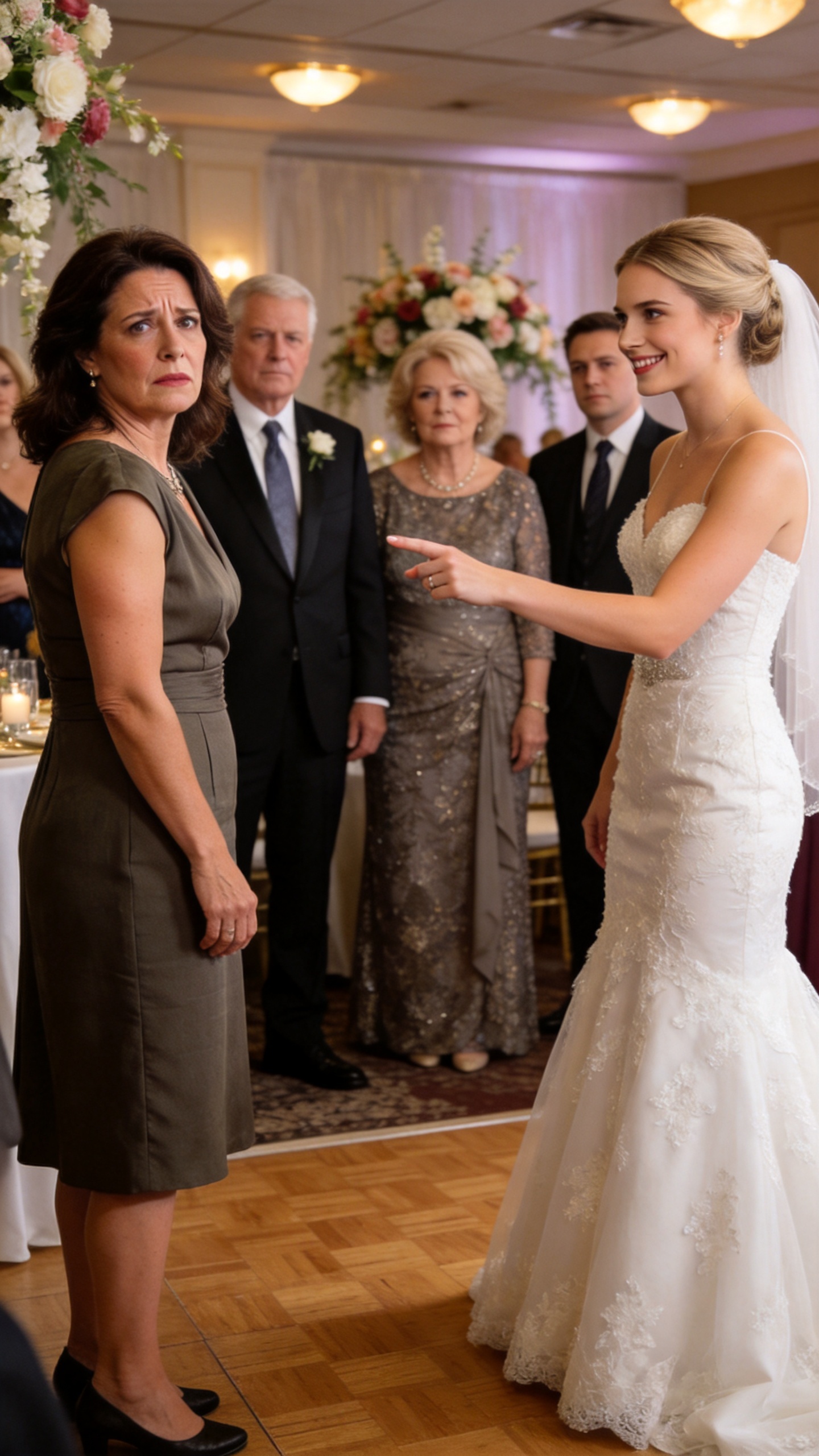
His daughter, Vivian, met me at the engagement party and looked at my thrift-store dress as if it had tracked mud into her bloodline.
"So you're the new project," she said.
After the wedding, she stopped me near the staircase of Arthur's house.
"You think you're getting this house?" she whispered. "You'll get nothing."
Arthur appeared behind her with his bow tie loosened.
He had heard every word.
His voice stayed calm.
"She'll get exactly what she deserves."
Vivian smiled like he had promised her victory.
I carried that sentence for two years like a bruise.
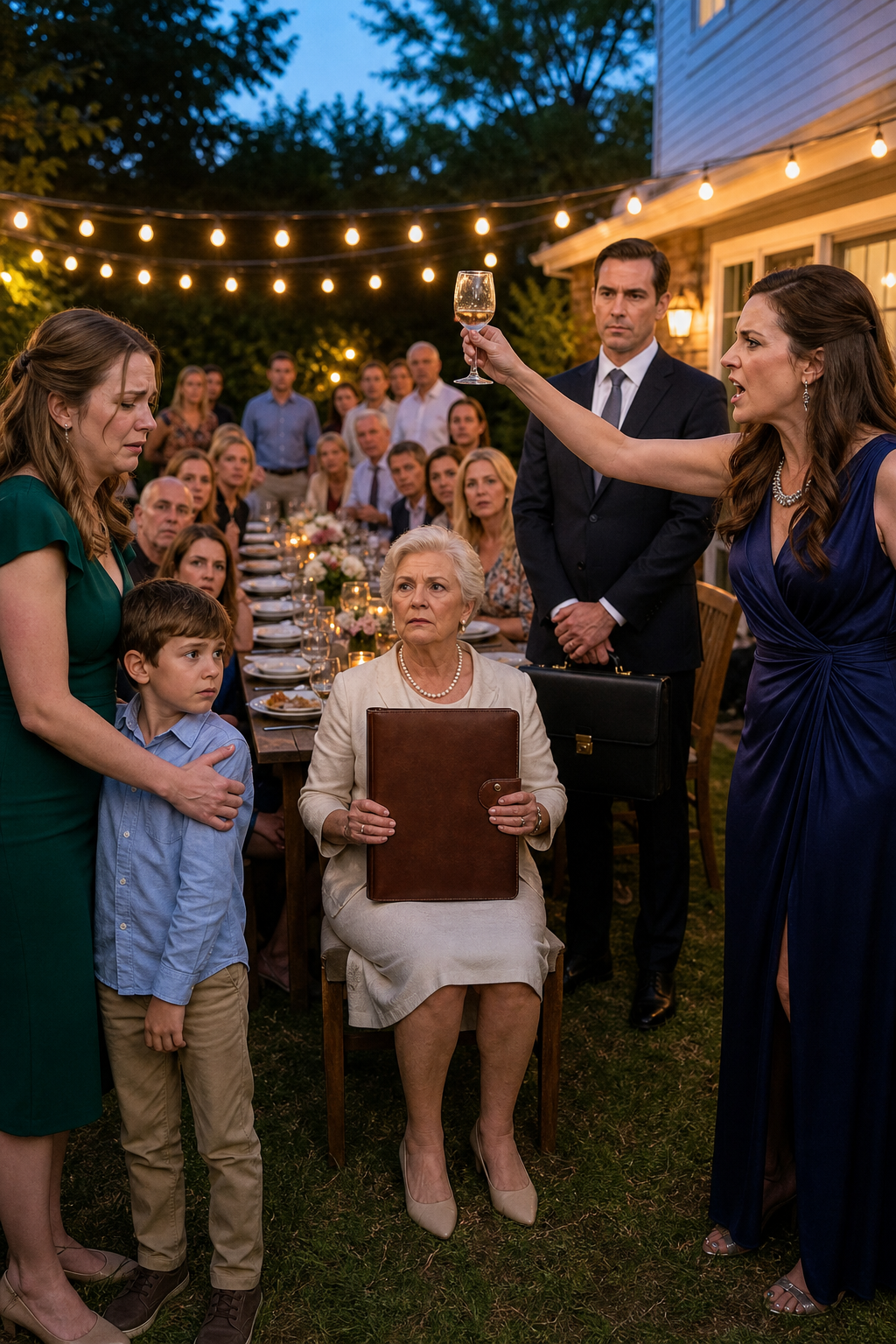
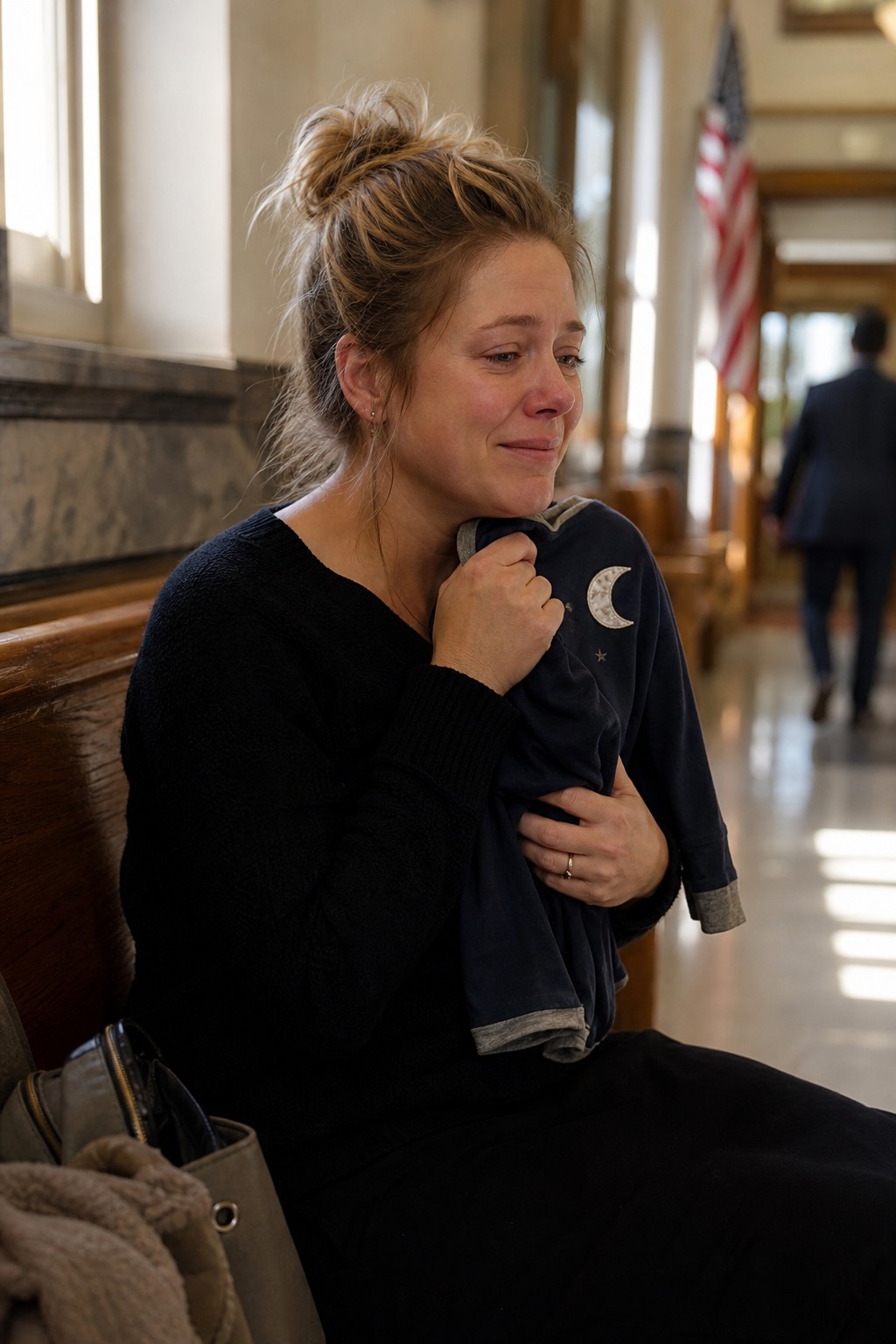
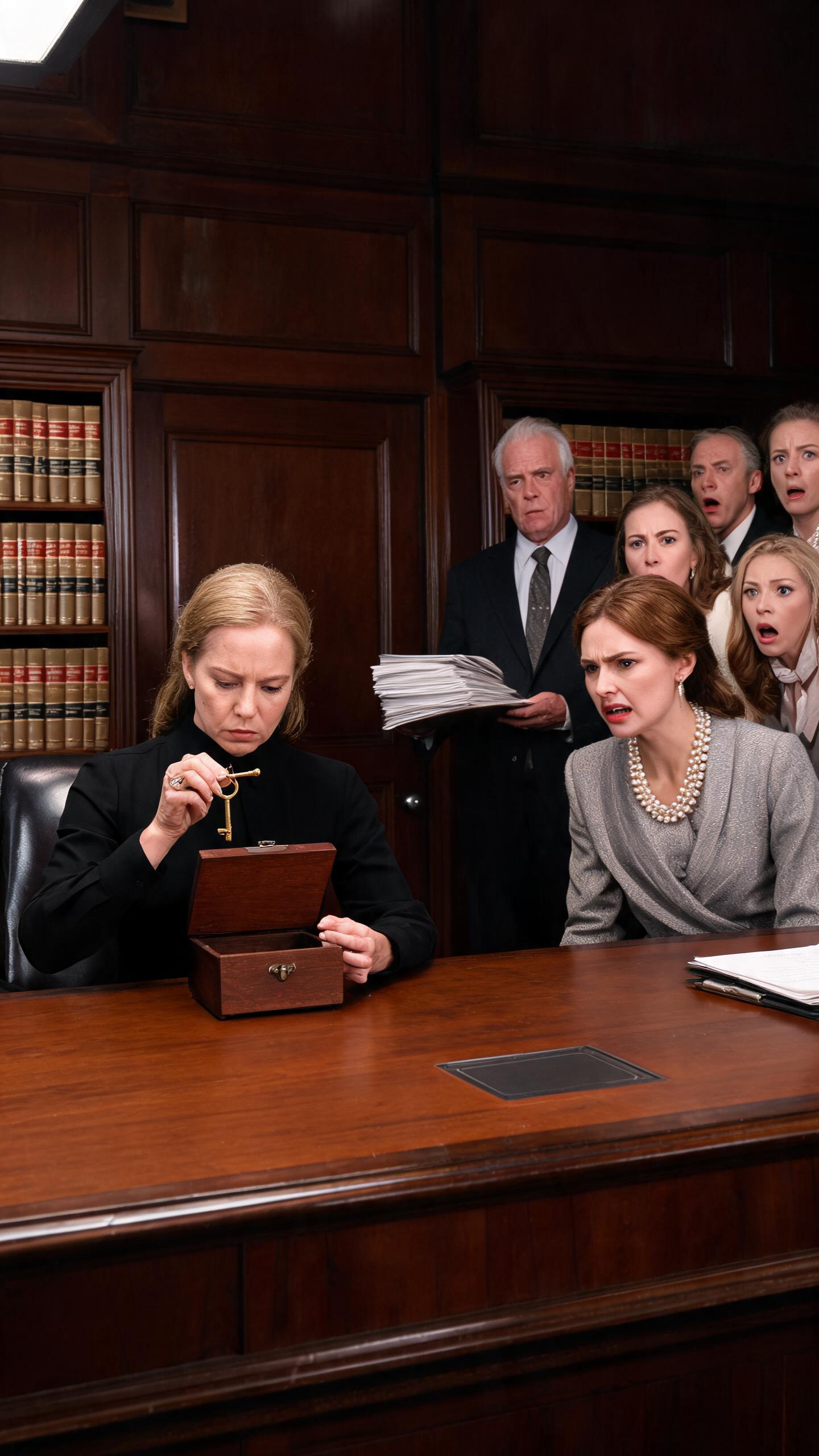
After his funeral, his lawyer handed me a wooden box, looked me in the eye, and said the same words.
"He made sure you got exactly what you deserved."
That was when my hands started shaking.
She Thought Poverty Made Me Easy To Erase
Arthur's house was too quiet at first.
The ceilings were high.
The floors shined.
The guest towels were softer than the blankets I had slept under as a child.
For the first month, I moved through the rooms like someone visiting a museum after closing time.
Vivian hated that most.
Not the marriage itself.
My uncertainty.
She wanted me greedy because greed would have made me simple.
Instead, I was awkward.
I asked which cups I could use.
I kept my old bus card.
I folded laundry because sitting in the library while someone else worked made my skin crawl.
"You don't have to act humble," Vivian told me one afternoon while Arthur was resting upstairs. "My father has always enjoyed saving broken things."
I looked at her.
"I'm not broken."
She smiled.
"Then stop living like a charity case."
She said things like that when no one else could hear.
At dinners, she called me dear.
At fundraisers, she kissed my cheek for cameras.
In hallways, she reminded me that Arthur's first wife had chaired boards, collected art, and knew which fork mattered before dessert.
I knew which bills could wait without turning into shutoff notices.
That was my education.
Arthur never asked me to become his first wife.
That was one of the reasons I loved him.
He learned my coffee order.
He found a cobbler for my ruined work shoes instead of throwing them away.
He asked about my old neighborhood and listened when I said I missed the noise.
When he tucked cash into my coat once, I returned it to his desk with a note.
Partnership, not rescue.
He read the note twice.
Then he apologized.
No man had ever apologized to me without turning the apology into a debt.
Love did not arrive dramatically.
It came in ordinary installments.
Peppermint tea when my stomach hurt.
The porch light left on because darkness still made me nervous.
A second toothbrush in his travel bag even before I believed I belonged anywhere permanently.
One Tuesday at a red light, he reached over and took my hand.
I looked at his lined face, his careful profile, the wedding band sitting loose on his aging finger.
The thought came so quietly I almost missed it.
I would choose him now.
Even without the house.
Even without the money.
That truth terrified me more than Vivian did.
Because if I loved him, then losing him would not return me to my old life.
It would break a new one.
Six Weeks Turned The House Into A Waiting Room
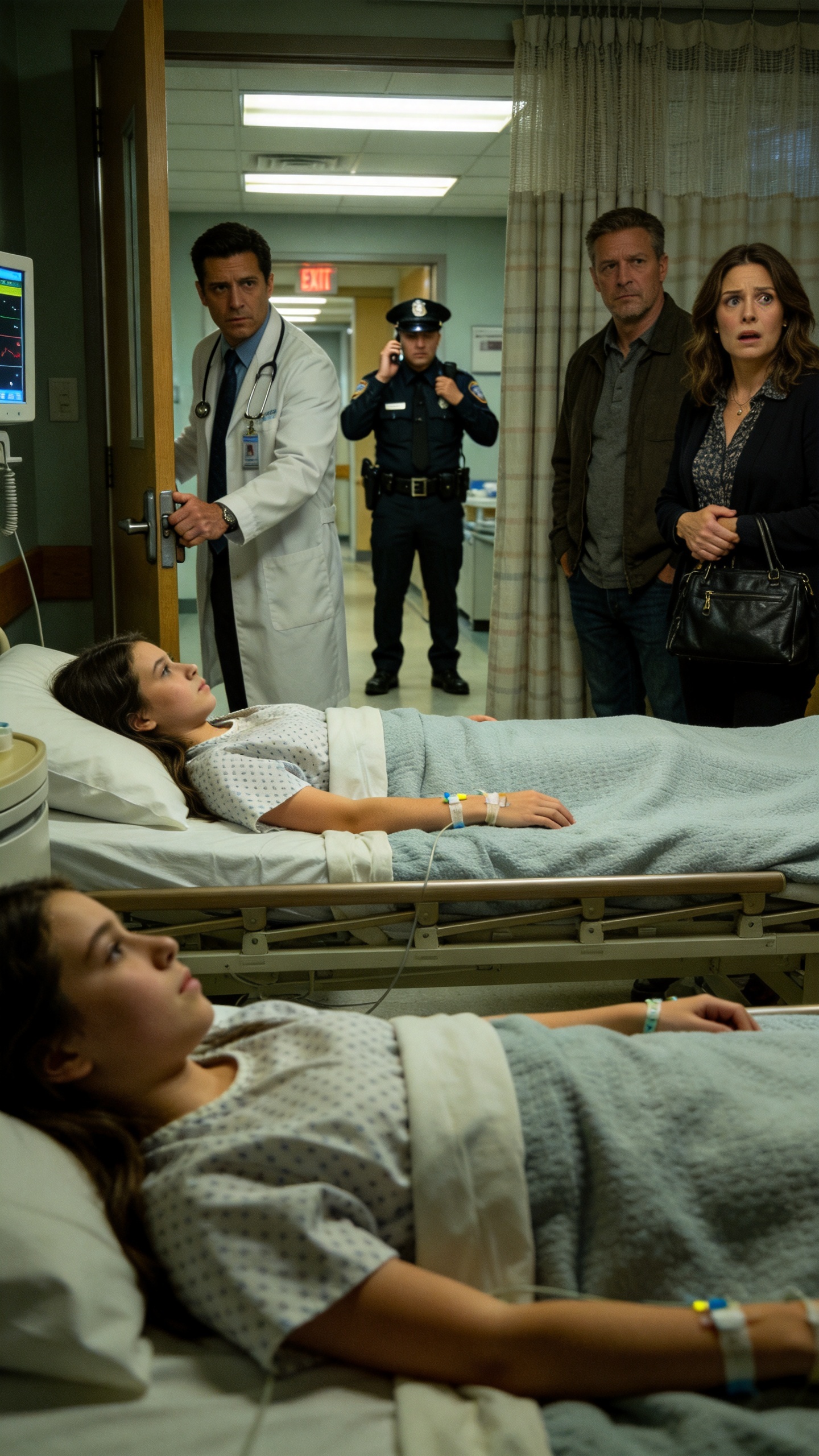
The diagnosis came in November.
Pancreatic cancer.
Advanced.
Six weeks, maybe eight.
The doctor said it with the careful sadness of a man who had given the same shape of news too many times.
Arthur reached for my hand before I reached for his.
Vivian arrived at the hospital in heels sharp enough to sound angry on the tile.
"I'll manage everything," she said.
She meant the doctors.
The visitors.
The house.
Me.
At first, I let her.
Grief makes cowards of practical people.
I was afraid if I fought her, Arthur would spend his final weeks listening to war.
So I slept in vinyl chairs.
I learned medication schedules.
I rubbed lotion into his hands when his skin became paper-thin.
Vivian controlled the guest list and corrected nurses who called me Mrs. Whitmore.
"Use Nora," she said once. "It confuses him less."
Arthur opened his eyes.
"It doesn't confuse me."
His voice was weak, but Vivian shut her mouth.
That night, after she left, he asked me to open the bottom drawer of the hospital nightstand.
Inside was a small brass key on a blue ribbon.
"Take it," he whispered.
"For what?"
"For later."
I hated that word.
Later meant after him.
I shook my head.
He pressed the key into my palm with surprising strength.
"Nora, listen to me. People will tell you what I meant. Let what I left tell you instead."
I cried then.
Not pretty.
Not quietly.
He lifted one trembling hand to my cheek.
"You came to me honest," he said. "Even when the truth made you look bad. Do not let them make you ashamed of surviving."
Arthur died sixteen days later just before dawn.
The room was blue with early light.
My hand was on his chest when the last breath left.
Vivian arrived an hour after the nurse called her. She looked at my hand on his blanket and said, "You can go now."
I did not have the strength to answer.
At the funeral, I sat in the front pew because I was his wife.
Vivian stood at the lectern and spoke of legacy, family duty, and those who truly knew him.