
The New Grocery Reality After 60: How Smart Shoppers Cut Food Costs Without Eating Worse
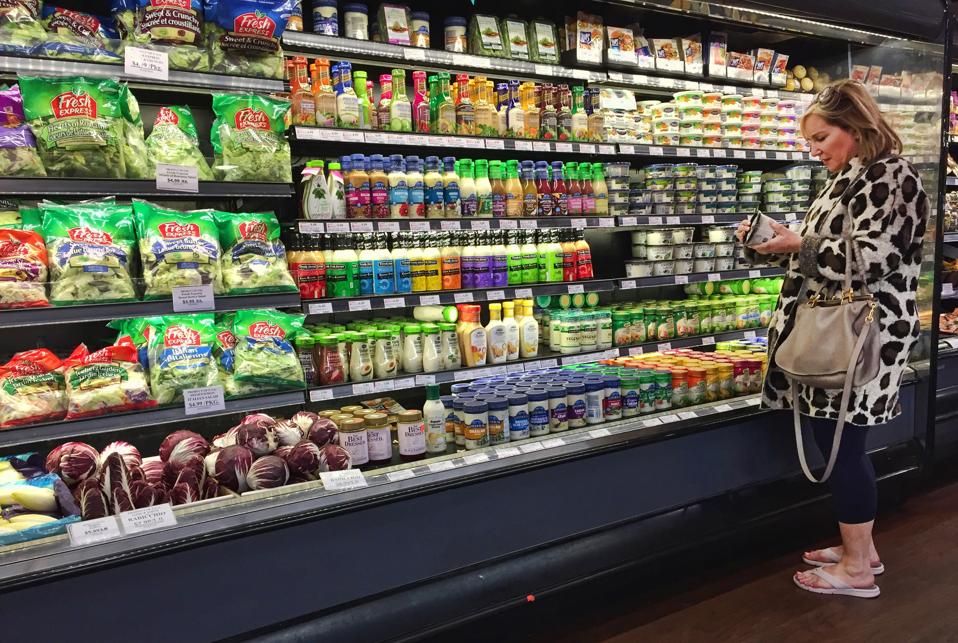
For many older adults, grocery shopping has changed from a routine errand into a small weekly shock. Prices are higher, package sizes are smaller, and many long-standing habits no longer stretch as far as they once did. A cart that used to feel sensible can suddenly feel expensive before it is even full.
This affects more than the budget. Food is one of the most emotional categories in retirement. Meals represent comfort, health, independence, and normalcy. Most retirees do not want to spend their later years counting every cracker. They want to eat well, stay healthy, and avoid feeling foolish at checkout.
The good news is that food savings do not always require extreme couponing or joyless eating. In many cases, the real solution is building a grocery system that matches how life actually works after 60.
Why Grocery Costs Feel Worse Than “Just Inflation”
People often assume the problem is simple inflation. That is part of it, but not all of it.
Grocery stress often comes from four things working together: rising prices, shrinkflation, buying too much perishability for a small household, and food waste caused by poor planning.
Retirees often live in one- or two-person households. They may cook less than they used to, eat smaller portions, avoid driving at night, or have changing health needs. That means shopping habits built during busy family years may no longer fit current reality.
The real challenge is not only the price of food. It is the mismatch between old shopping habits and present-day living.
Start With a Pantry Reality Check
Before trying to save money, take an honest look at what you already buy and what actually gets eaten.
Open the refrigerator, freezer, and pantry and ask: What do I use every single week? What keeps expiring? What do I buy with good intentions but rarely cook? What do I rebuy before finishing the last package?
Many households are not overspending because they buy luxury food. They are overspending because they buy food for an imaginary version of themselves—someone who cooks more, entertains more, eats more produce, or has more energy than real life allows.
A simple audit usually reveals three categories: always useful, sometimes useful, and wishful-thinking food. This is one of the easiest ways to reduce food spending without reducing food quality.
Build Meals Around Reliable Anchors
Retirement grocery shopping gets easier when you stop reinventing the menu every week. Choose a set of affordable anchors, such as eggs, oats, rice or potatoes, canned beans or lentils, frozen vegetables, yogurt, one flexible protein source, and fruit that keeps well.
These foods are not exciting on their own, but they reduce the need for random purchases. Once the kitchen has reliable building blocks, meals become easier and takeout temptation decreases. The goal is not repetition without pleasure. It is reducing the number of expensive last-minute decisions.
The 3 Fresh, 3 Frozen, 3 Pantry Method
A practical method for smaller households is the 3 fresh, 3 frozen, 3 pantry rule.
Each week buy 3 fresh items, 3 frozen items, and 3 pantry staples. This helps prevent the classic problem of buying more perishables than one or two people can realistically use.
For example, fresh apples, salad greens, and yogurt; frozen mixed vegetables, berries, and fish fillets; pantry soup, beans, and oats. This system keeps variety without inviting waste.