My Husband Said He Was Tired Of Supporting Me Until I Labeled Everything I Paid For
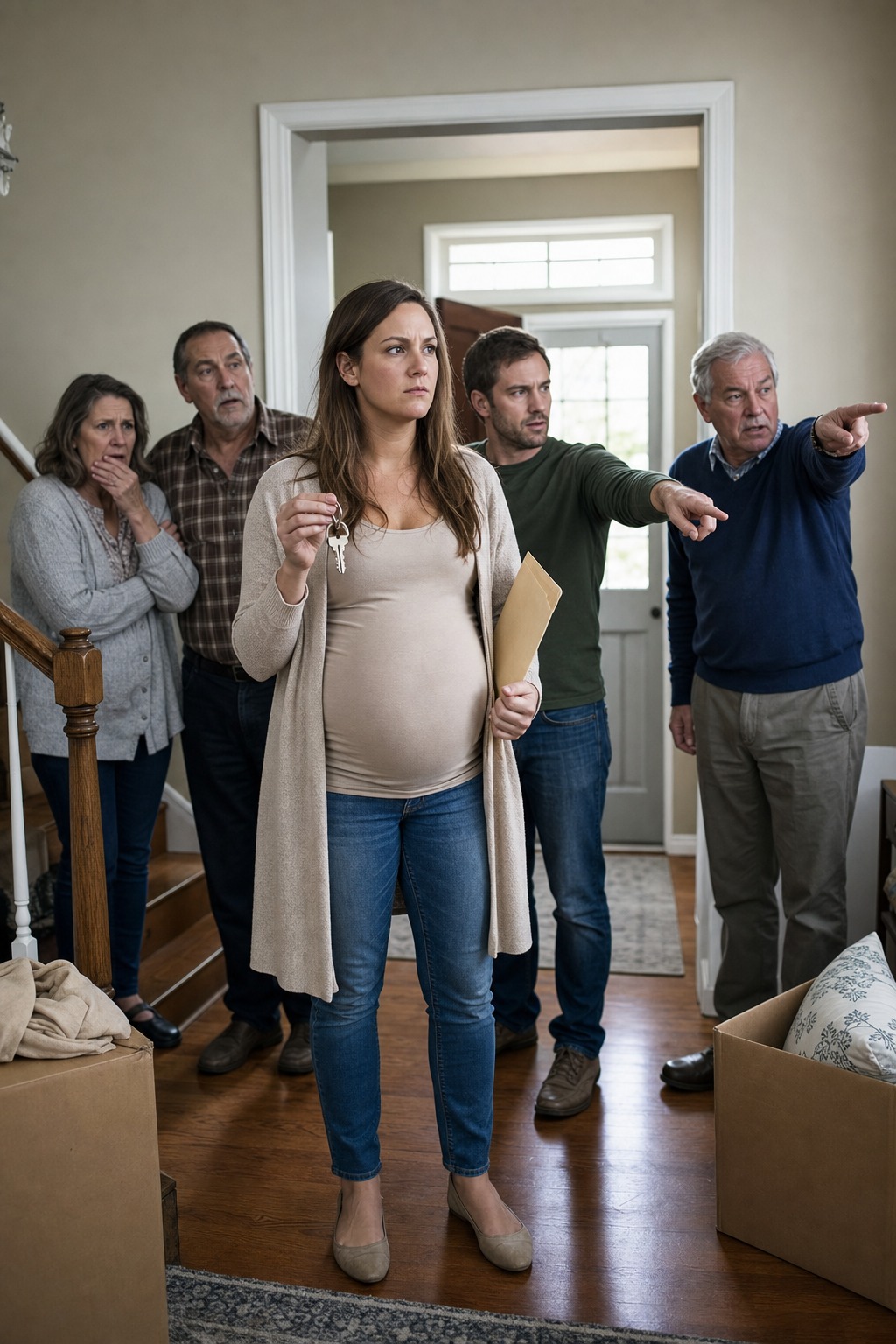
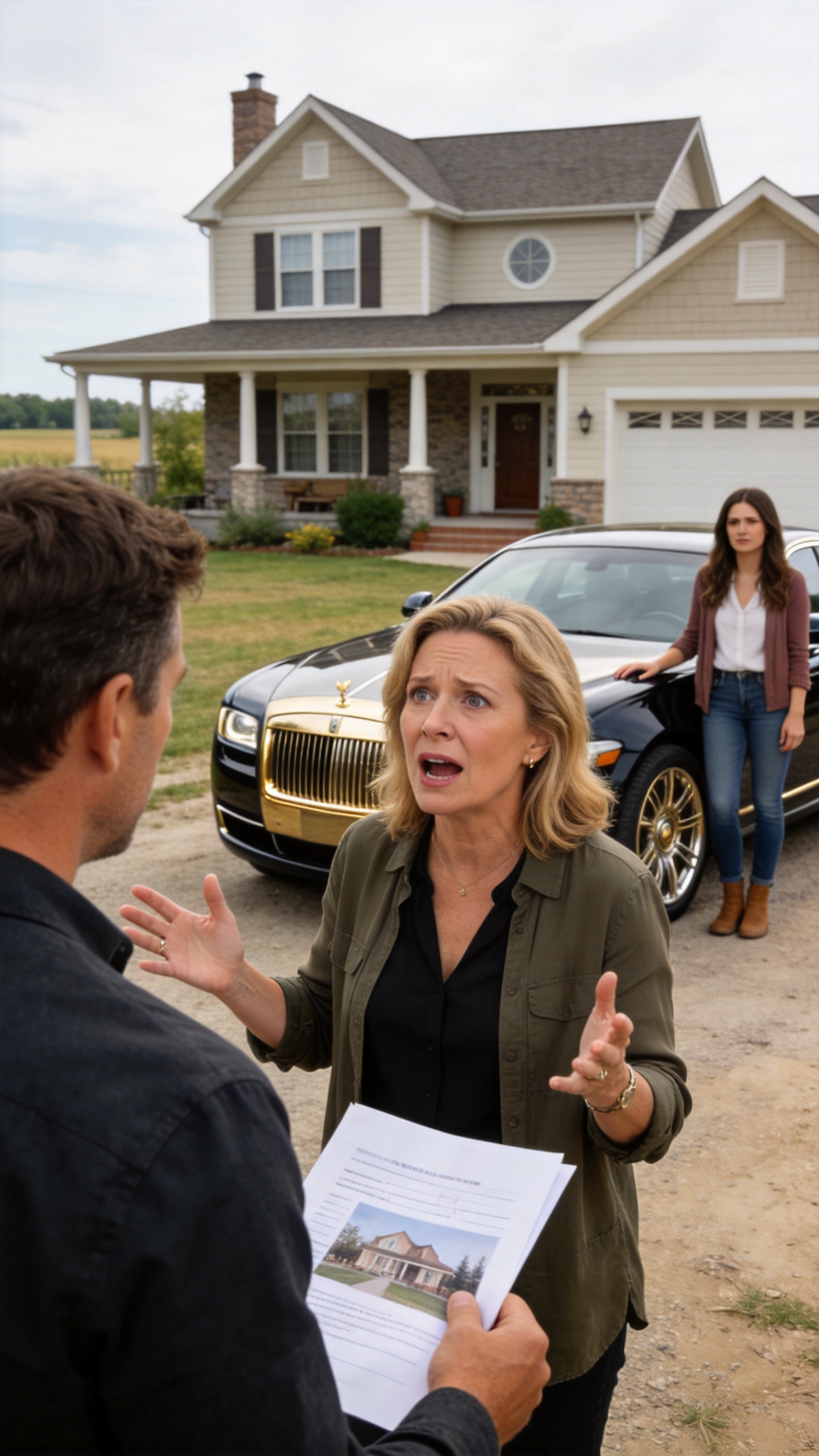
Then I walked to the entryway and picked up a gray duffel bag. David's clothes were inside.
His documents were in the front pocket. His console, shoes, and beer were boxed in the garage.
"You're insane," he said.
"I'm organized."
Victoria yelled that this wasn't over.
"You're right," I said.
"Tomorrow I'm changing the locks."
David stepped closer, but I showed him a message from Megan Lawson, a family lawyer and old college friend. The separation agreement was ready.
That stopped him. Before leaving, David turned back with the bag in his hand.
The Evidence Changed The Shape Of The Night
"Call me when your tantrum is over."
I looked at the man I had loved—the man who once brought me food after late shifts, who sat beside me during heartbreak, who used to feel like home. That man had existed.
He had simply become someone else.
"It isn't a tantrum," I said.
"It's the final inventory."
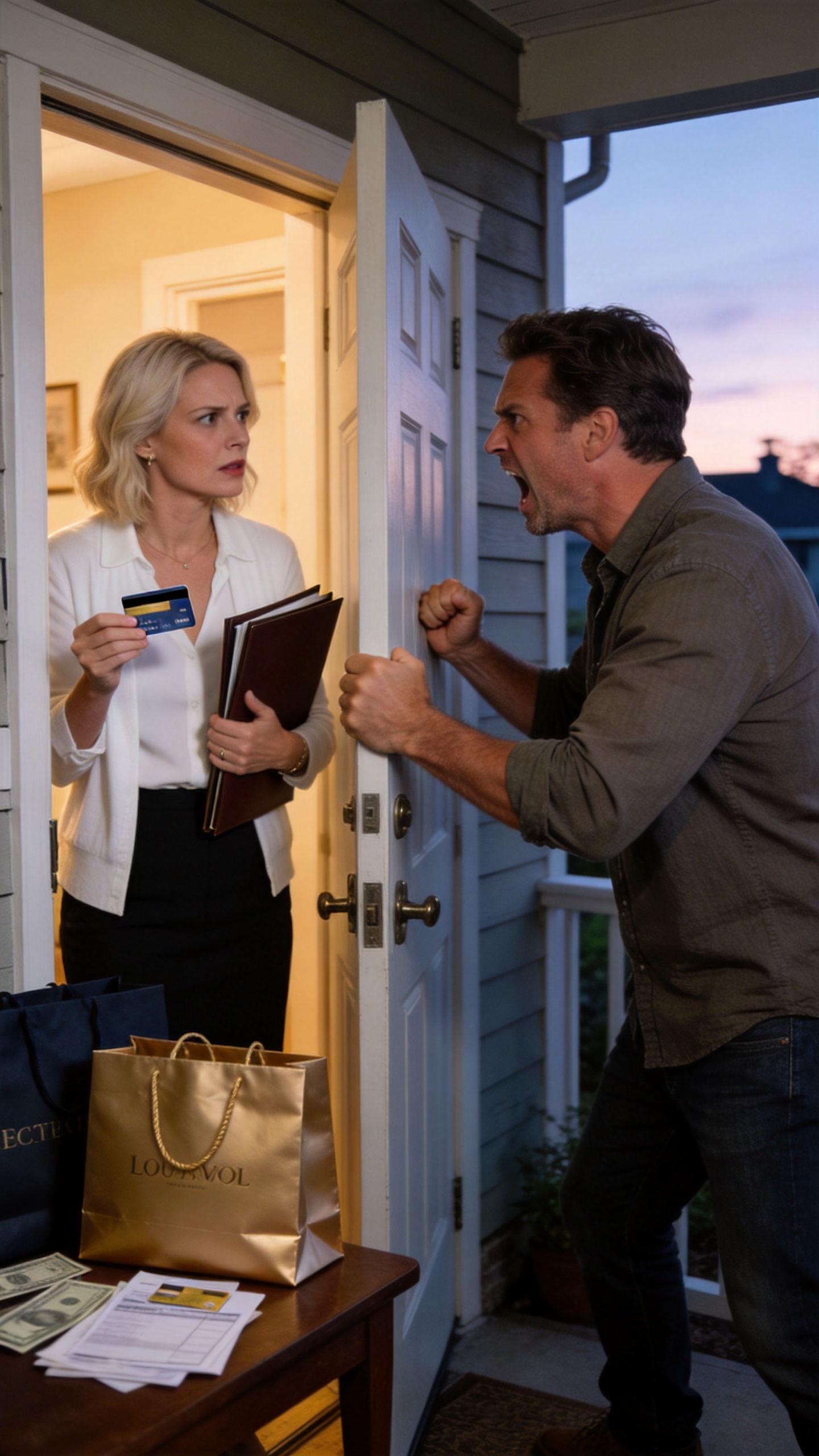
Then I closed the door. Not slammed.
Closed. Like closing an account.
That night, I made myself a grilled cheese with my bread, my cheese, and my skillet. It tasted like freedom.
Eleven days later, David called. He had discovered rent, utilities, parking fees, groceries, and coffee were not imaginary.
"I never realized how much you handled," he said quietly.
For once, I believed him. Around the same time, Sarah called.
While helping Ryan sort through Victoria's papers, she had found a secret account with more than sixty thousand dollars in it. For years, Victoria had borrowed money for medicine, gas, groceries, and school supplies while hiding savings.
That wasn't need. That was strategy.
Weeks passed. Ryan came over with a casserole from Sarah and a note from the children: We miss you, Aunt Chloe.
I cried at my kitchen table for the first time since David left. Victoria called later, not to apologize, but to ask for eight hundred dollars for car repairs.
I said no. She hung up on me.
It felt like progress. Then a credit card statement arrived at my address by mistake.
David had built up twenty-two thousand dollars in debt on trips, electronics, bars, and gifts while I paid for the real household costs. When he called, he sounded ashamed instead of defensive.
That scared him more than any argument had. David began therapy.
At first, I almost laughed when he told me. He had spent years acting as if therapy was something only other people needed.
But this time, he was serious.
"My therapist says I outsource responsibility," he admitted one afternoon at a coffee shop.
"If someone else handles a problem, I stop seeing it."
"That sounds accurate," I said.
He nodded.
"When I told people I supported you, I actually believed it. That's what scares me."
He sold his game console and expensive shoes. He stopped sending secret money to his mother.
He began paying me back.
One evening, we sat at my dining table and sorted through receipts. Restaurants.
Electronics. Weekend trips.
Random purchases. In one year, he had spent nearly forty-eight thousand dollars mostly on himself while I kept the household running.
He stared at the calculator.
"That could have been a down payment."
"Yes," I said.
Victoria's secret life unraveled too. Ryan discovered she had been paying nearly seven hundred dollars a month for storage units filled with new designer furniture.
Some pieces still had tags. She eventually sold them and took a part-time job at a medical office.
I was not happy because she was punished.
I was happy because she was finally responsible for herself. Thanksgiving came at Ryan and Sarah's house.
I brought one pumpkin pie, not enough food for an army. The kids ran into my arms.
Victoria arrived with a homemade casserole and handed it to me.
"This is for you," she said.
"Because you cooked for everyone for years. Thank you."
No One Could Laugh When The Truth Arrived
No excuses. No speeches.
Just gratitude. That was all I had wanted.
One rainy Sunday, I opened a small white box I had avoided for years. Inside were tiny socks, an ultrasound photo, a small stuffed elephant, and hospital bracelets.
I sat on the closet floor and cried for the children I had lost, and also for the woman I used to be—the woman who thought love meant carrying everything without complaint.
The grief did not disappear. But it no longer owned the room.
Around that time, my company offered me the biggest opportunity of my career: leading a multi-state expansion. When I told David, he smiled.
"I'm not surprised," he said.
"Every time someone gives you responsibility, you make things better."
That mattered. Later, I saw him in a grocery store parking lot changing a stranger's flat tire.
No audience. No praise.
Just quiet decency. Character, I realized, is what people do when no one is clapping.
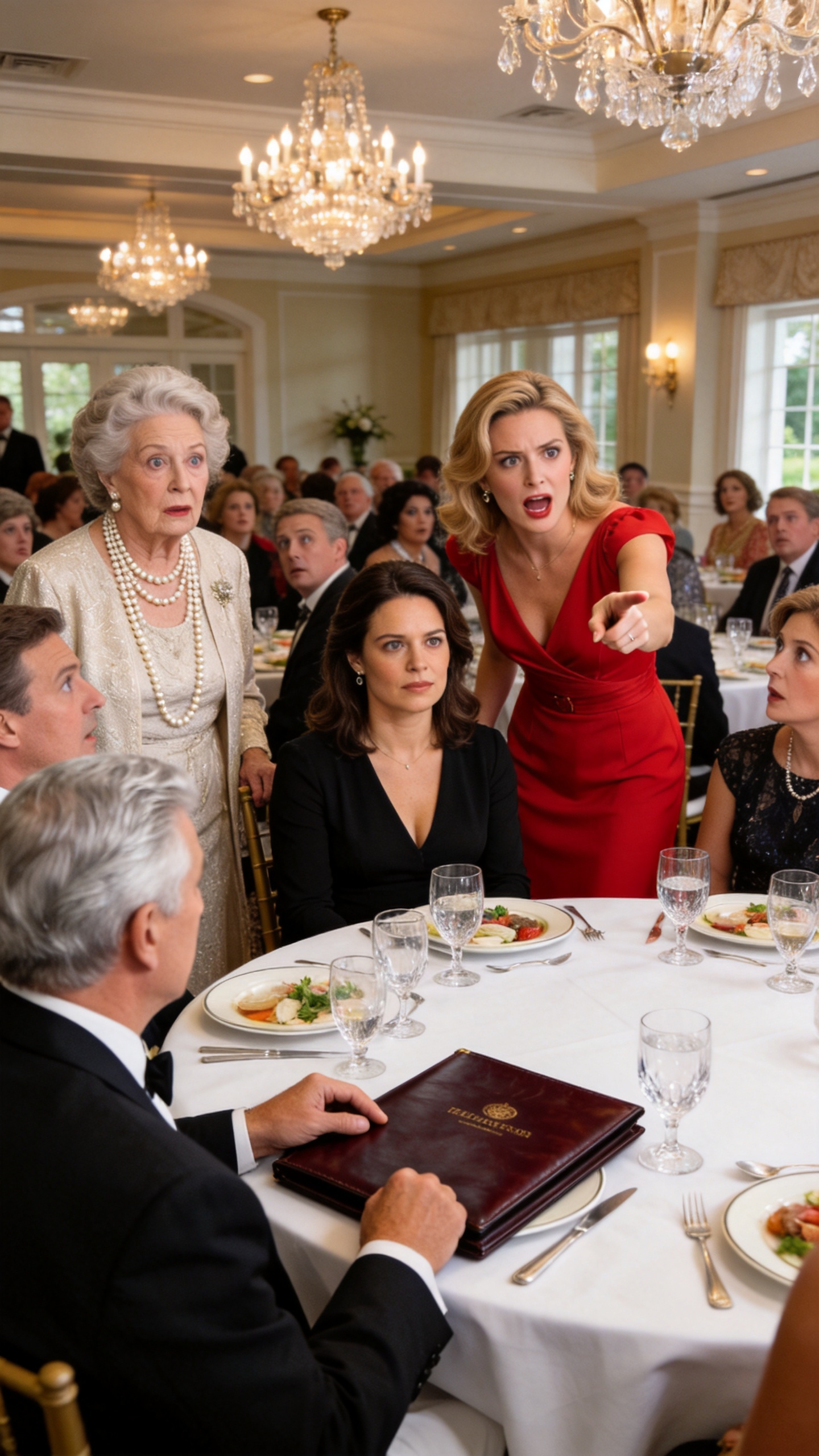
At Ryan's birthday dinner, one of the kids asked if Aunt Chloe and Uncle David were getting married again.
Everyone froze.
Later, beside my car, David asked softly, "What if she isn't completely wrong?"
I did not answer. But I did not walk away from the question.
Months later, Victoria tried to move in with David when her lease ended. He said no.
Calmly. He helped her find a smaller apartment and paid the security deposit, but he did not let her problem become his life again.
That was the lesson he had finally learned: helping someone does not mean surrendering yourself. One afternoon in Zilker Park, David gave me the explanation I had waited years to hear.
"I was jealous," he said.
"Your career, your confidence, your promotions. Every year, I felt smaller beside you."
"I never wanted that," I said.
"I know now."
Victoria invited me to lunch soon after and admitted she had been afraid of losing her son. If David depended on me more than her, she feared she would be alone.
"If he asks you to come back," she said, "don't let my mistakes decide for you."
The real answer came in a grocery store aisle while David complained about the price of olive oil.
I laughed so hard people stared. And suddenly, I realized I was happy.
Not nostalgic. Not hopeful.
Happy.
"I love you," he said carefully.
"I know," I replied.
His face fell.
Then I added, "And I love you too."
Two years later, the kitchen looks almost the same. Same counters.
Same table. Same refrigerator.
But nothing feels the same. David proposed again on a quiet Saturday morning in Zilker Park.
The ring was simpler this time, bought with his own money, saved for month by month. I said yes—not as a hope, but as a choice.
Now, on Sundays, chili simmers on the stove. David chops vegetables badly beside me.
Ryan plays with the kids on the patio. Sarah takes photos.
Victoria teaches the youngest a card game instead of criticizing. I carry cheese to the table and glance at the refrigerator.
No pink labels. No warnings.
No proof of ownership. For years, everything needed a label because nobody respected its value.
Now they do. David follows my gaze.
"The labels," he says.
"The labels," I answer.
He wraps an arm around me.
"I'm glad you put them there."
"So am I."
Outside, someone calls us to join the game. Inside, dinner is almost ready.
Life is not perfect. Families rarely are.
Forgiveness is not simple either.
But perfection was never the goal. Respect was.
Partnership was. Gratitude was.
And as I walk toward the patio with David's hand in mine, I finally understand the truth I should have known from the beginning. Love only works when no one mistakes it for an obligation.