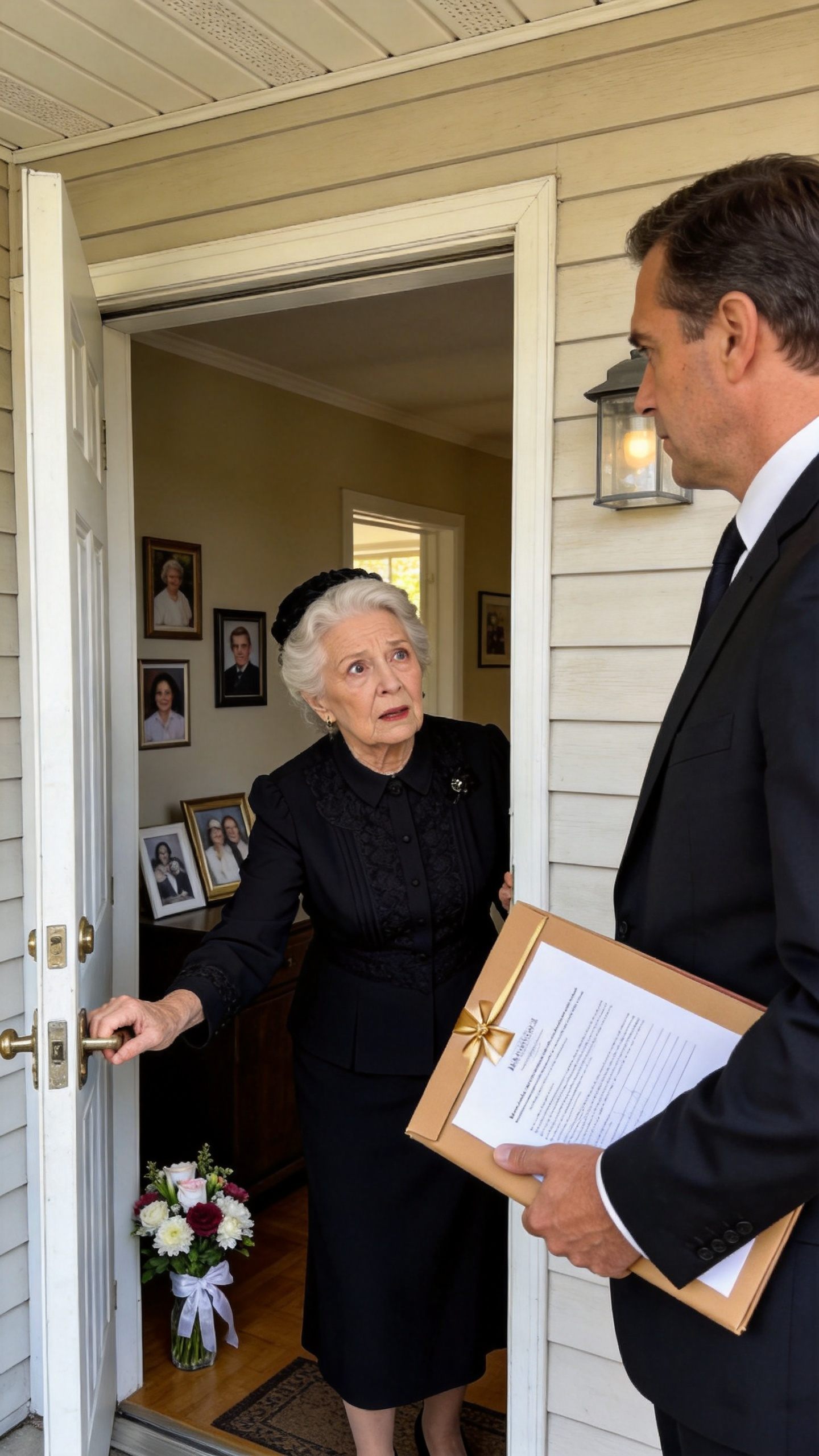
The CEO's Wife Hum!liated Me At The Company Gala In Front Of My Daughter And Three Smirking Executives - She Never Imagined I Was The Silent Majority Owner Deciding Her Husband's Future
"Does she?"
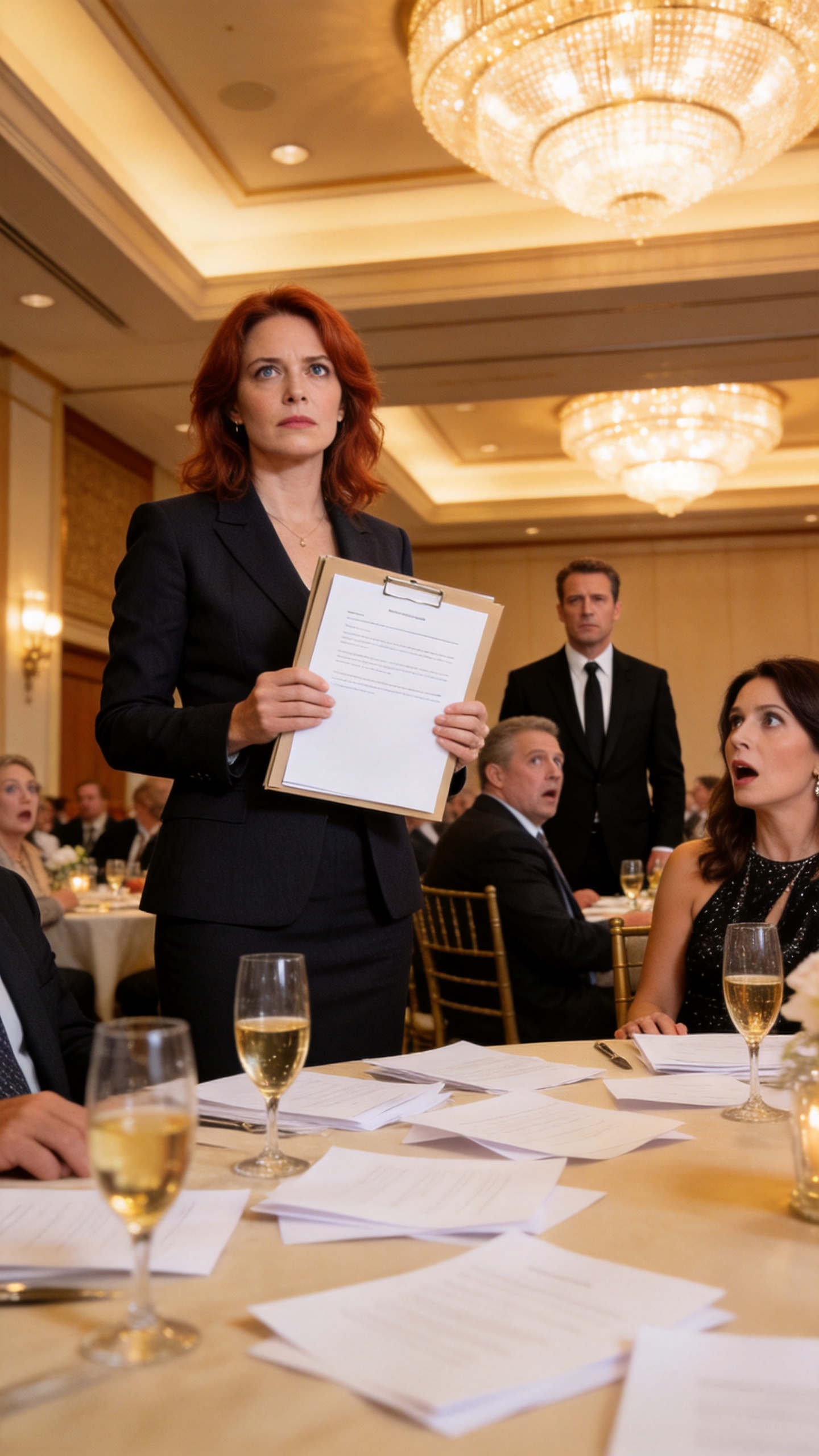
The Emergency Board Meeting The board meeting started at ten. The atmosphere inside the executive conference room felt unmistakably tense from the instant Celeste walked in.
Normally, she attended remotely and rarely spoke beyond important voting matters. Many directors still thought of her as the quiet founder who preferred software design over corporate politics.
That impression disappeared almost immediately. For nearly three hours, Celeste guided the board through employee retention figures, internal complaints, promotion data, and anonymous testimonies gathered over several years.
The statistics could not be ignored. Neither could the pattern.
At one point, a board member shifted uneasily before asking whether the gala incident alone truly justified such significant action. Celeste responded with calm certainty.
"The problem isn't a single rude remark," she explained.
"The problem is a workplace where people automatically decide who belongs and who doesn't."
No one challenged her after that. Owen tried several times to downplay the situation, but every explanation sounded weaker than the one before it.
Finally, after another uncomfortable silence, Celeste looked directly across the table at him.
"Leadership is about more than quarterly profits," she said.
"It's also about the culture people experience while creating those profits."
No one interrupted. For the first time in years, she felt completely present inside the company she had built.
By the meeting's conclusion, the board approved an independent workplace audit, external oversight for employee complaints, updated executive accountability standards, and a six-month leadership evaluation tied directly to employee retention and workplace culture metrics.
Owen Mercer remained chief executive officer. Only barely.
Six Months Later The following months transformed the company completely. Not overnight.
Not perfectly. But authentically.
Executives participated in leadership coaching sessions that many openly resented. Internal processes were redesigned.
Anonymous reporting systems were established. Several managers quietly resigned before investigations could reach them.
Others adjusted. Some genuinely became better leaders.
Owen found the transition the hardest. For years, charisma and strong performance metrics had shielded him from meaningful self-examination, and watching him face criticism sometimes looked like watching someone struggle to learn an entirely new language.
Even so, gradual improvement appeared. Employee retention increased.
Promotion reviews became noticeably more transparent. Women who had once avoided executive meetings began speaking openly once again.
One afternoon, almost five months after the gala, Ivy stepped into Celeste's office carrying a school assignment.
"We had to write about leadership," she explained awkwardly.
"So... I chose you."
Celeste laughed quietly.
"That feels like a d@ngerous choice."
Ivy shrugged.
"You're the only executive I actually know."
The title of the assignment almost brought tears to Celeste's eyes before she even started reading it.
How My Mom Discovered That Staying Quiet Isn't Always Being Kind Back At The Ballroom Exactly one year after the first gala, Celeste returned to the very same ballroom wearing the very same black dress. Ivy noticed right away.
"Seriously?"
she asked.
"You're wearing that dress again?"
No One Could Laugh When The Truth Arrived
Celeste smiled as she fastened her earrings.
"Last year I wore it because I hoped nobody would notice me," she answered.
"This year I'm wearing it because I know I belong here."
Ivy smiled broadly.
"Okay," she admitted.
"That's actually really cool."
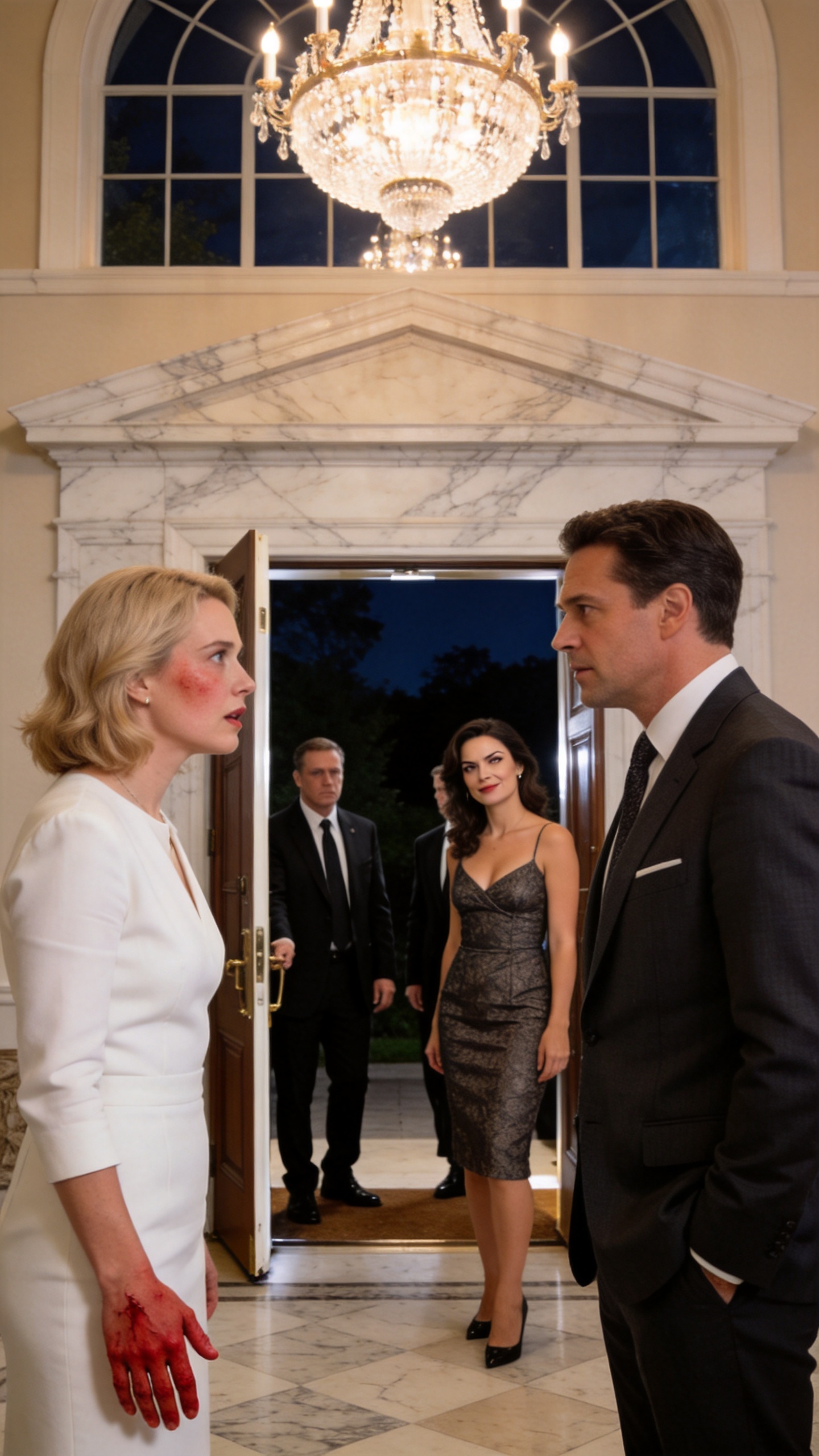
The ballroom looked almost exactly as it had the previous year: crystal chandeliers, polished marble floors, elaborate centerpieces, and executives pretending not to discuss stock forecasts over appetizers.
Yet the atmosphere felt different. Perhaps because Celeste felt different.
People greeted her warmly now instead of looking beyond her shoulder for someone they considered more important. Several department leaders personally introduced their spouses to her.
A young engineer even paused to quietly thank her for the workplace improvements before hurrying away, clearly nervous but smiling.
Later that evening, Owen approached carrying two glasses of sparkling water. Fresh lines had appeared around his eyes.
"The newest retention report improved another eleven percent," he said carefully.
"Especially among women in product development."
Celeste accepted the glass.
"That's encouraging progress."
He nodded.
"I never realized how much I had accepted as normal."
That honesty surprised her far more than any carefully rehearsed apology ever could. Across the ballroom, Vanessa Mercer stood beside the silent auction display wearing a silver gown.
Eventually, she walked over slowly.
The effortless superiority she had worn the previous year had disappeared. In its place stood someone visibly uneasy beneath flawless makeup.
She stopped directly in front of Celeste and Ivy.
"Ms. Waverly," she began softly, "I owe both of you an apology."
Ivy folded her arms immediately.
Vanessa continued regardless.
"I judged you by your appearance and treated you disrespectfully because I assumed you were beneath me," she admitted.
"It was ugly behavior, and I've felt ashamed of it for a long time."
Celeste studied her quietly. The apology sounded uncomfortable.
Which usually meant it was sincere.
No Longer Quiet Near the end of the evening, Owen stepped onto the stage to deliver his annual keynote address. This year, however, part of the speech sounded completely different.
"Every successful company," he told the audience, "depends
on people whose contributions often go unnoticed. The assistants, janitors, technicians, receptionists, support teams, developers, coordinators, servers, and maintenance staff who keep everything operating long after executives have gone home.
Respect cannot depend upon titles or appearance. Otherwise,
leadership becomes performance instead of responsibility."
Ivy leaned a little closer to her mother.
"Did you help him write that?"
Celeste slowly shook her head.
"No," she replied.
"I think he finally came to understand it himself."
Applause echoed throughout the ballroom while Ivy slipped her hand gently into her mother's.
For a long moment, Celeste stood there remembering her own mother polishing office floors late into the night while wealthy strangers barely acknowledged that she existed.
People change slowly. Sometimes pa!
nfully. Sometimes only after consequences finally force them to reflect.
But they can change. And so could she.
For years, Celeste Waverly had remained the quiet owner of a company she built from nothing because she believed staying invisible preserved peace.
Now she understood something far more meaningful. Silence protects comfort far more often than it protects people.