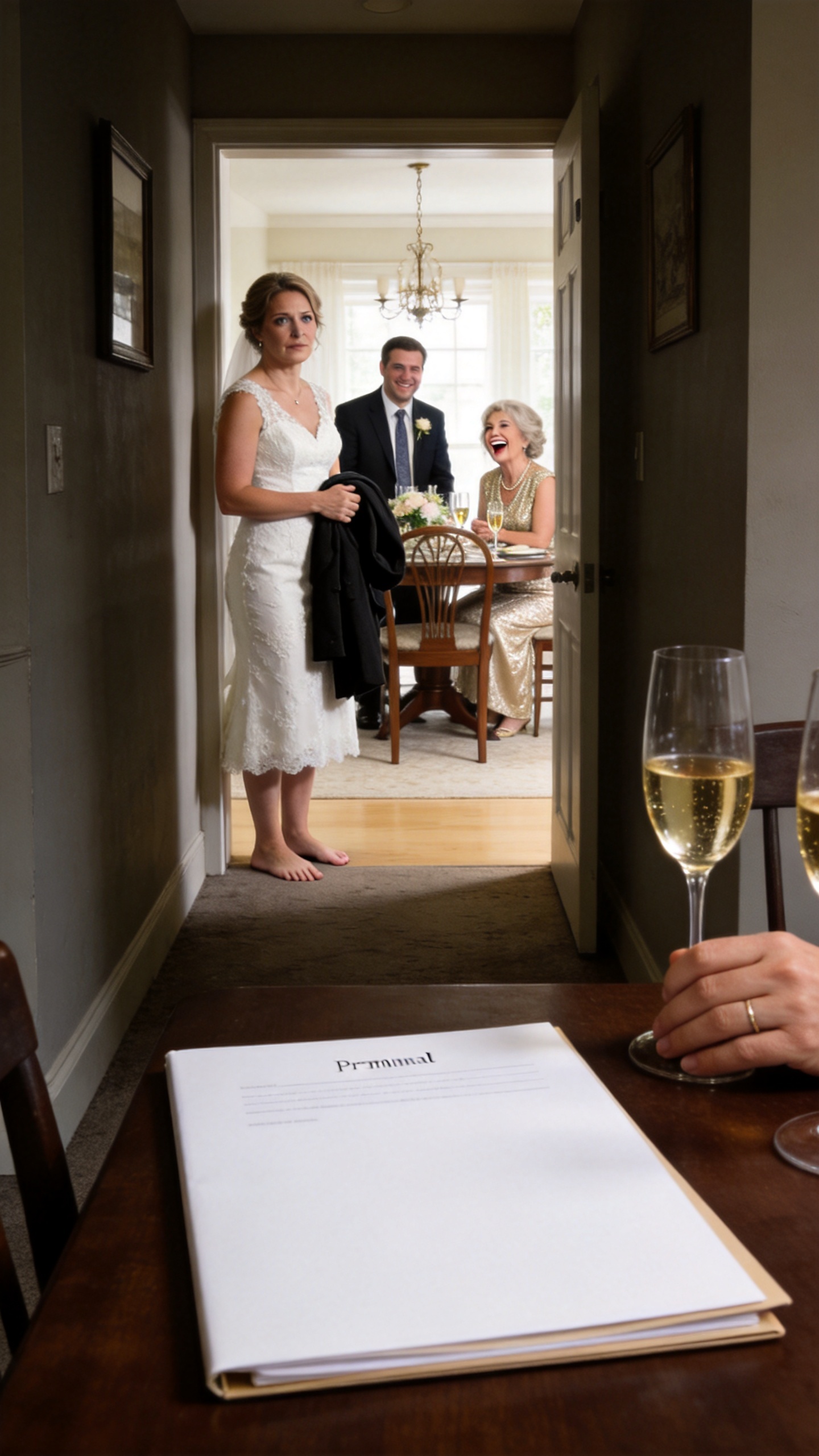
My Parents Gave Me Forty Dollars For Gas At My Sister's Wedding And Told Me Not To Look Ungrateful, But Before Dessert My Husband Took The Microphone And Asked The Ballroom Who They Thought Had Paid For The Flowers, The Band, And The House They Were All Toasting
My father laughed nervously. "Aaron, sit down. We have a schedule."
"We do," Aaron said. "Dessert is in eight minutes, and the venue manager needs the final signature on the balance sheet before then."
The room shifted.
Brianna looked irritated first. Not worried. Irritated, because she still thought embarrassment was something that happened to other people.
Aaron reached into my tote bag and removed the folder.
He did not wave it. He did not perform anger. He opened it like a man reading instructions.
"The orchid arch was paid by Melanie Reeves. The band deposit was paid by Melanie Reeves. The second venue installment was paid by Melanie and Aaron Reeves. The champagne upgrade was paid by Melanie after the bride's father requested a short extension."
My father's glass lowered one inch.
"Stop," my mother whispered.
The microphone caught it.
Aaron looked at her. "I would have, Elaine. Months ago. If any of you had stopped asking."
Nobody clapped now.
The silence had weight.
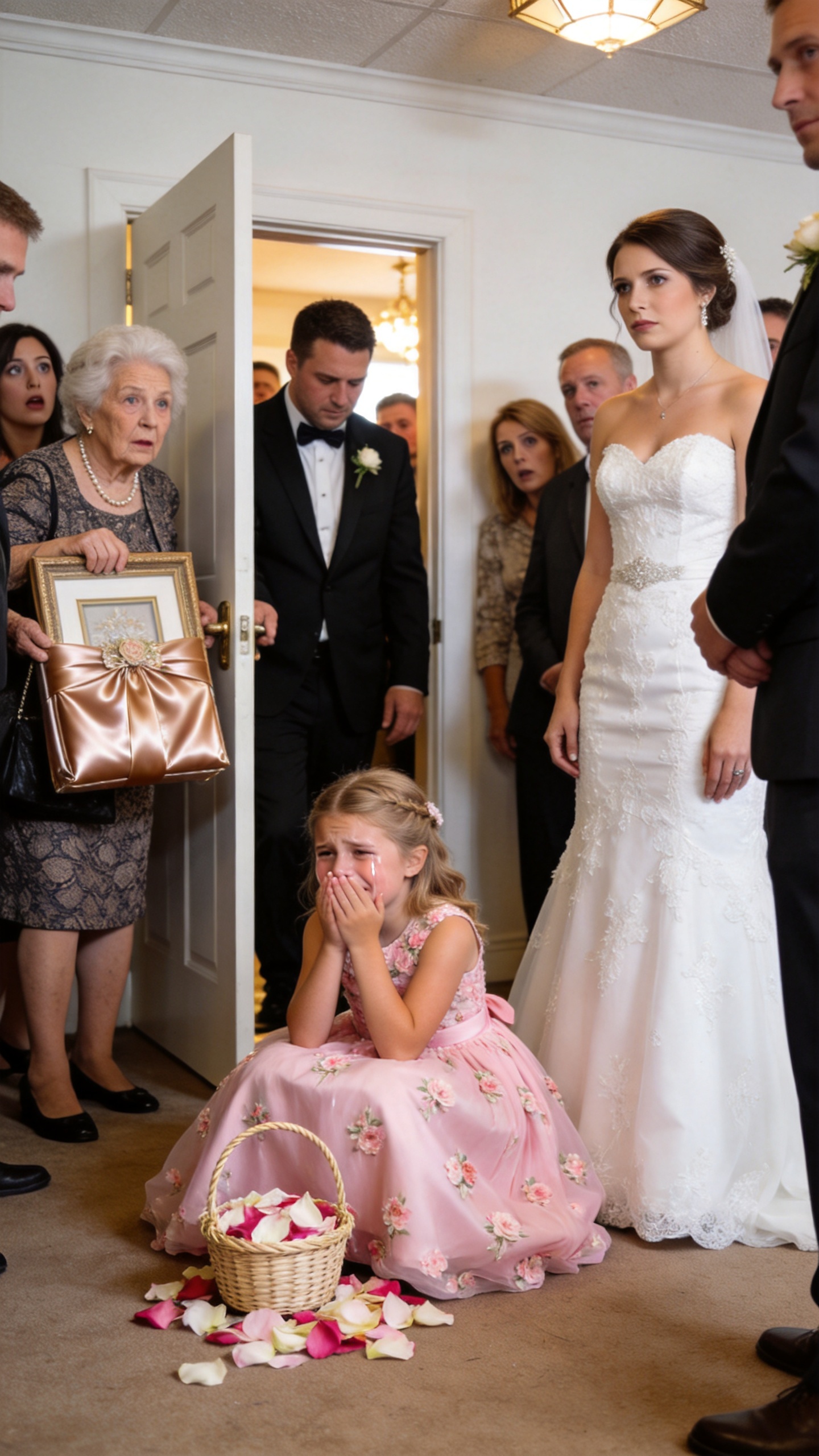
At the head table, Brianna's groom turned slowly toward her. "You told me your parents covered everything."
Brianna's mouth opened, but my mother spoke first.
"Melanie wanted to help."
There it was.
The clean family lie.
Wanted.
As if wanting meant answering calls at midnight. As if wanting meant watching your savings shrink while your sister selected a more expensive cake knife.
I stood then.
My knees shook, but my voice did not.
"I wanted a family that would stop confusing my silence with consent."
The Room Did Not Turn On Them All At Once
That is not how public shame works.
It moves slowly, face by face.
My aunt looked away first.
Then the groom's mother pushed back her chair and stared at my father like he had just handed her a bill.
The venue coordinator, poor woman, stepped forward with a clipboard and said, "I do still need the final authorization."
My father snapped, "This is not the time."
I took the pen.
"No," I said. "It is exactly the time. But I am not authorizing anything else."
Brianna stood so fast her chair hit the wall behind her.
"You're ruining my wedding."
That almost broke my heart.
Not because she was hurt.
Because even then, she thought the wedding was the thing being ruined.
"No," I said. "I am done financing the version of this family where I disappear after paying."
Aaron returned the microphone. He came back to my side, not in front of me, not behind me. Beside me.
That mattered.
My parents did not apologize that night. Brianna did not speak to me for six months. My father told relatives I had embarrassed him because Aaron was controlling.
But the invoices had names.
Names are stubborn things.
They travel better than excuses.
By morning, my phone was full of messages from cousins who had suddenly remembered bills they had been guilted into paying, favors they had been shamed into giving, and family peace that always seemed to cost the quietest person the most.
I returned the forty dollars to my mother by mail.
No note.
Just the bills.
Four tens, folded twice.
My mother called when the envelope arrived.
I let it go to voicemail.
Her message was not an apology. It was a performance for an empty room.
"You know how your father gets under stress," she said. "You know Brianna is sensitive. You know weddings make people emotional."
I saved the recording for one week, not because I needed proof, but because I needed to hear the pattern from outside my own fear. Every sentence started with someone else's discomfort. None of them reached the daughter who had been handed gas money after paying for the room.
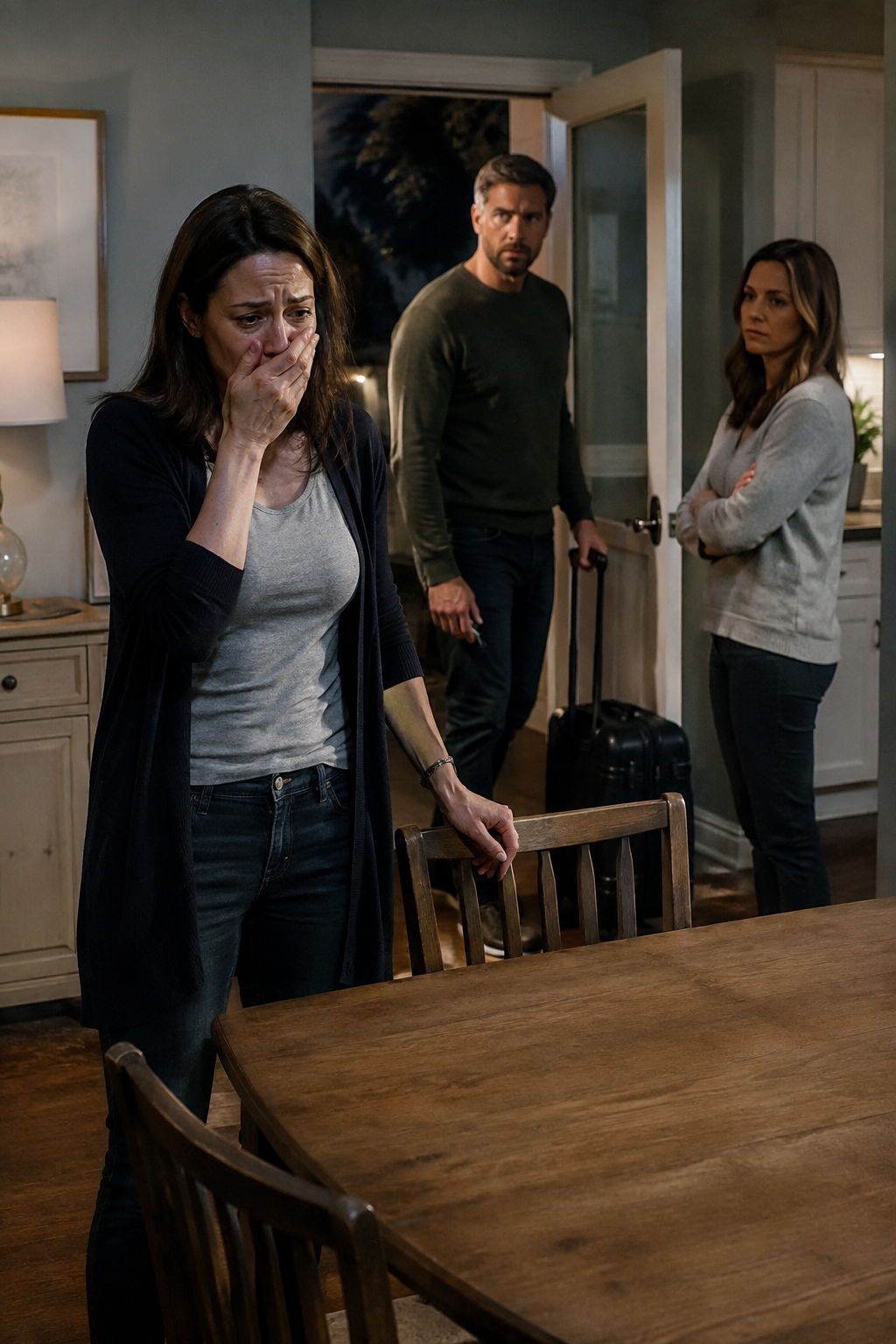
Aaron found me at the kitchen table that night, the phone facedown beside the salt shaker.
"You don't have to answer," he said.
It was such a small sentence.
It felt like a door opening.
For years, my family had treated response as obligation. If they called, I picked up. If they cried, I solved it. If they needed money, I found it. That night I learned a silence can be chosen instead of endured.
The next spring, Aaron and I used what was left of our emergency fund to start over smaller. Smaller house. Smaller holidays. Smaller guest list.
It felt enormous.
Sometimes a family teaches you that love means showing up with money in your hand.
Sometimes healing begins the day you close your hand and keep it.