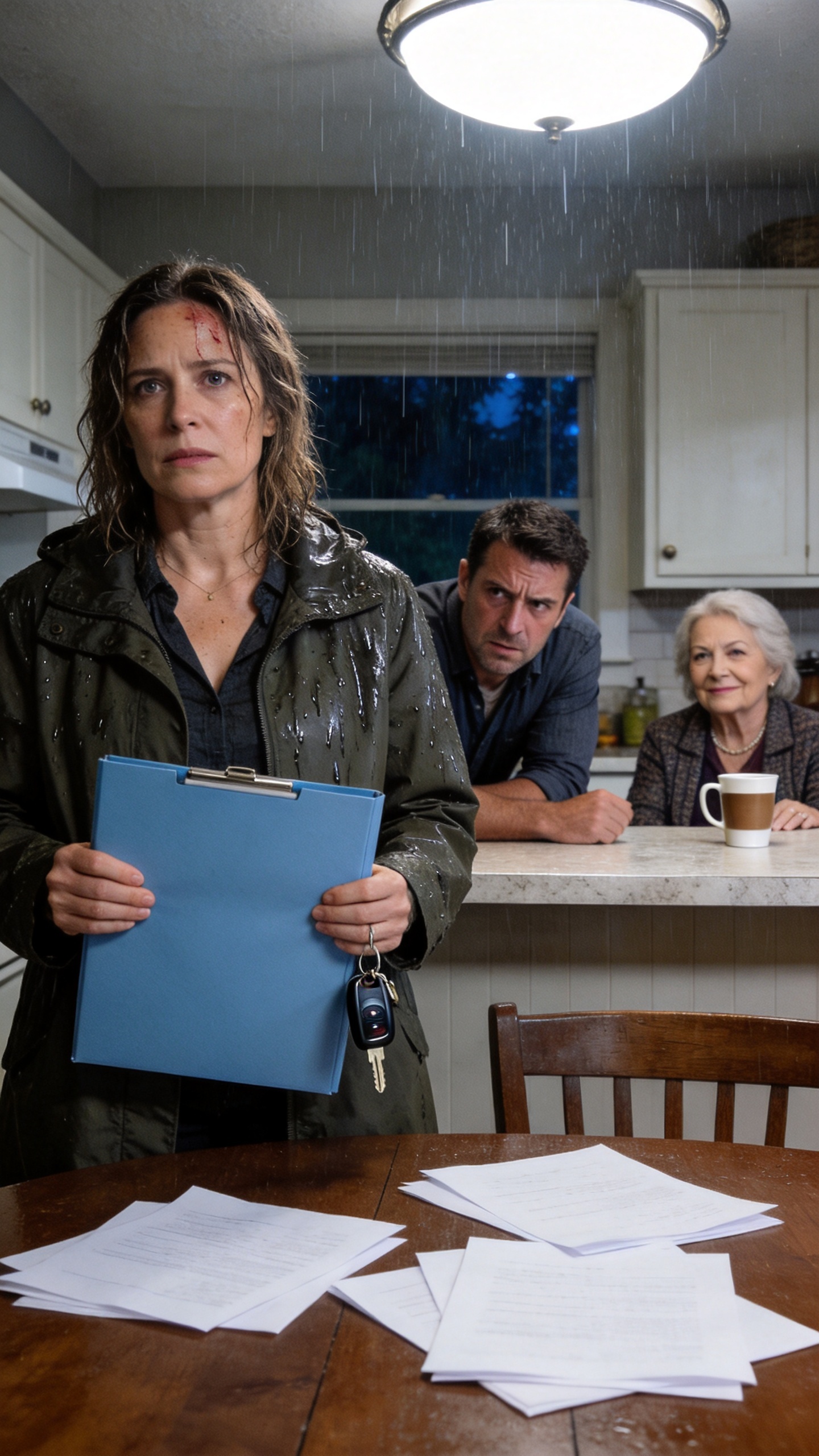
My grandmother was in critical condition after an emergency operation and my parents refused to visit, but at her funeral, the pastor read her final letter - and my father's face paled when he heard what was in it...
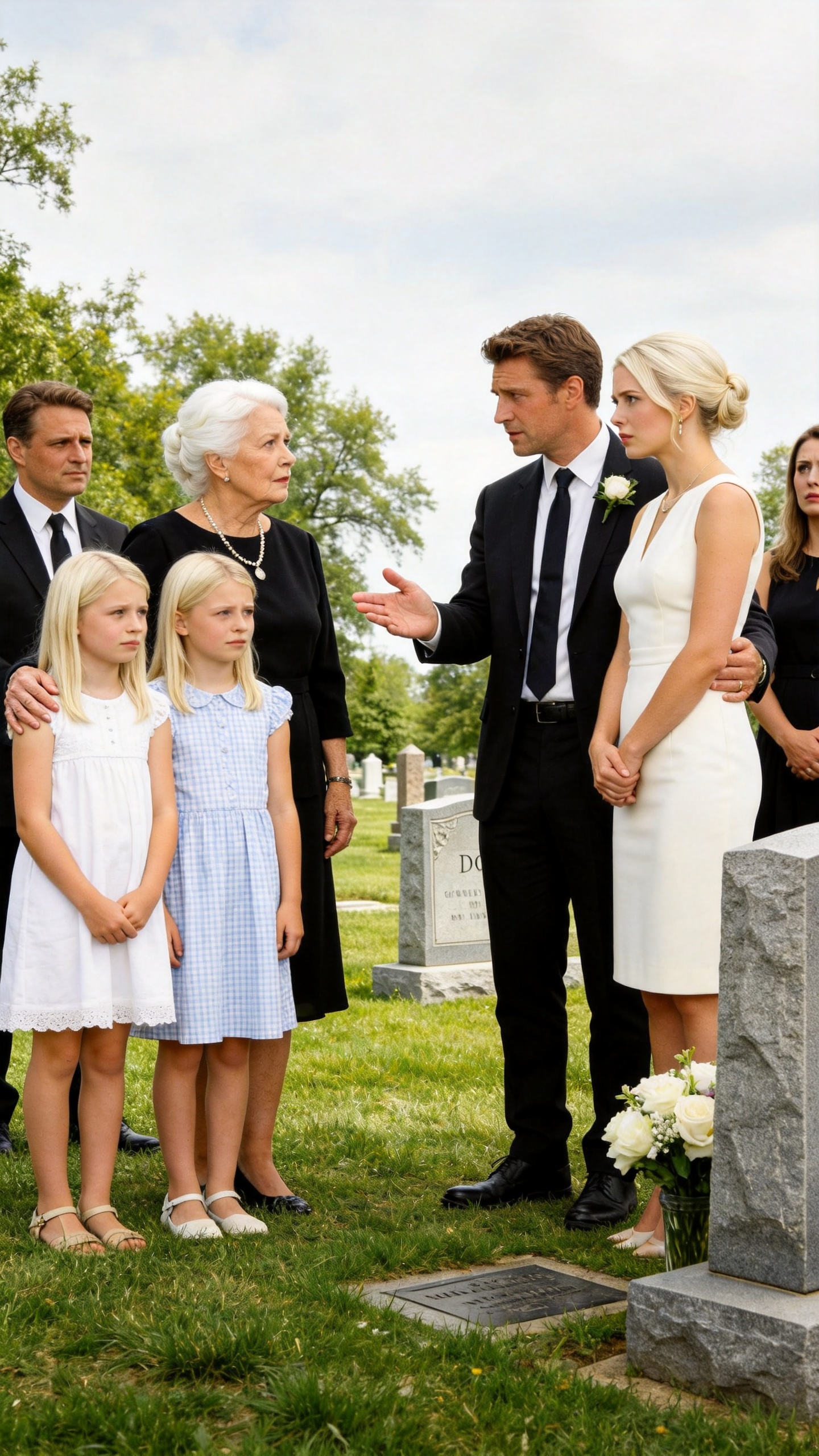
Whispers started to spread throughout the church.
Dad turned to me.
"You did this," he accused.
I stared back into his eyes.
"I was at the hospital," I said.
"You poisoned her against me," he growled.
"No," Mr.
Bell interjected.
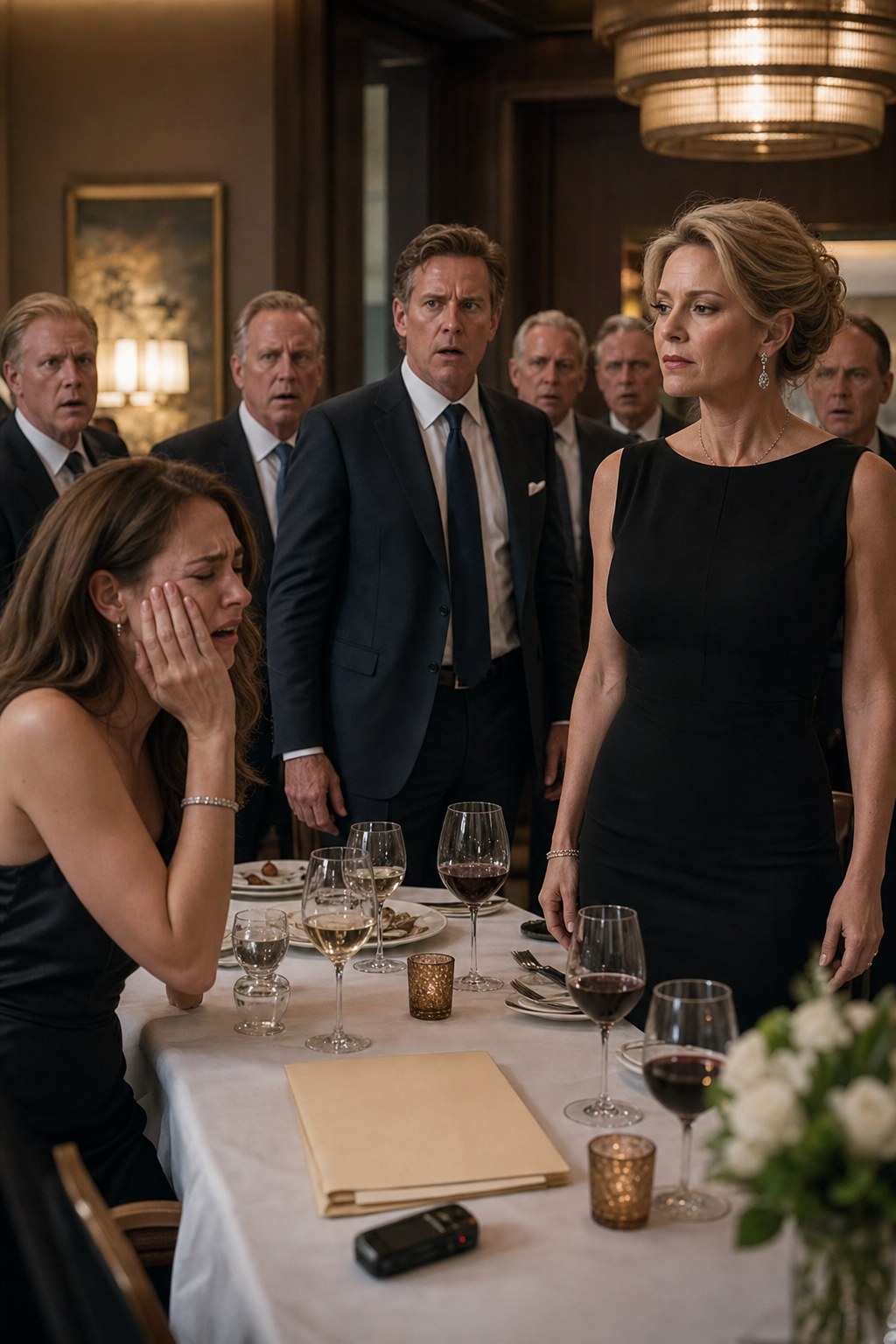
"Your bank records did." That was the moment when the room's sympathy shifted away from him.
The pastor continued reading Grandma's note.
"If Tom tries to act more grief - stricken than he really is, ask him where he was when I called him from the emergency room." I had no idea she'd called him too.
Mr.
Bell looked at me gently.
"She left a voicemail on his phone before the surgery," he said.
The solicitor played the recording.
Grandma's weak voice filled the church.
"Tom, I'm scared.
Please come.
Not for money.
Just come as my son, just once." Then the voicemail ended with Dad's recorded response, sent fifteen minutes later.
"Mom, don't start.
Call Clara.
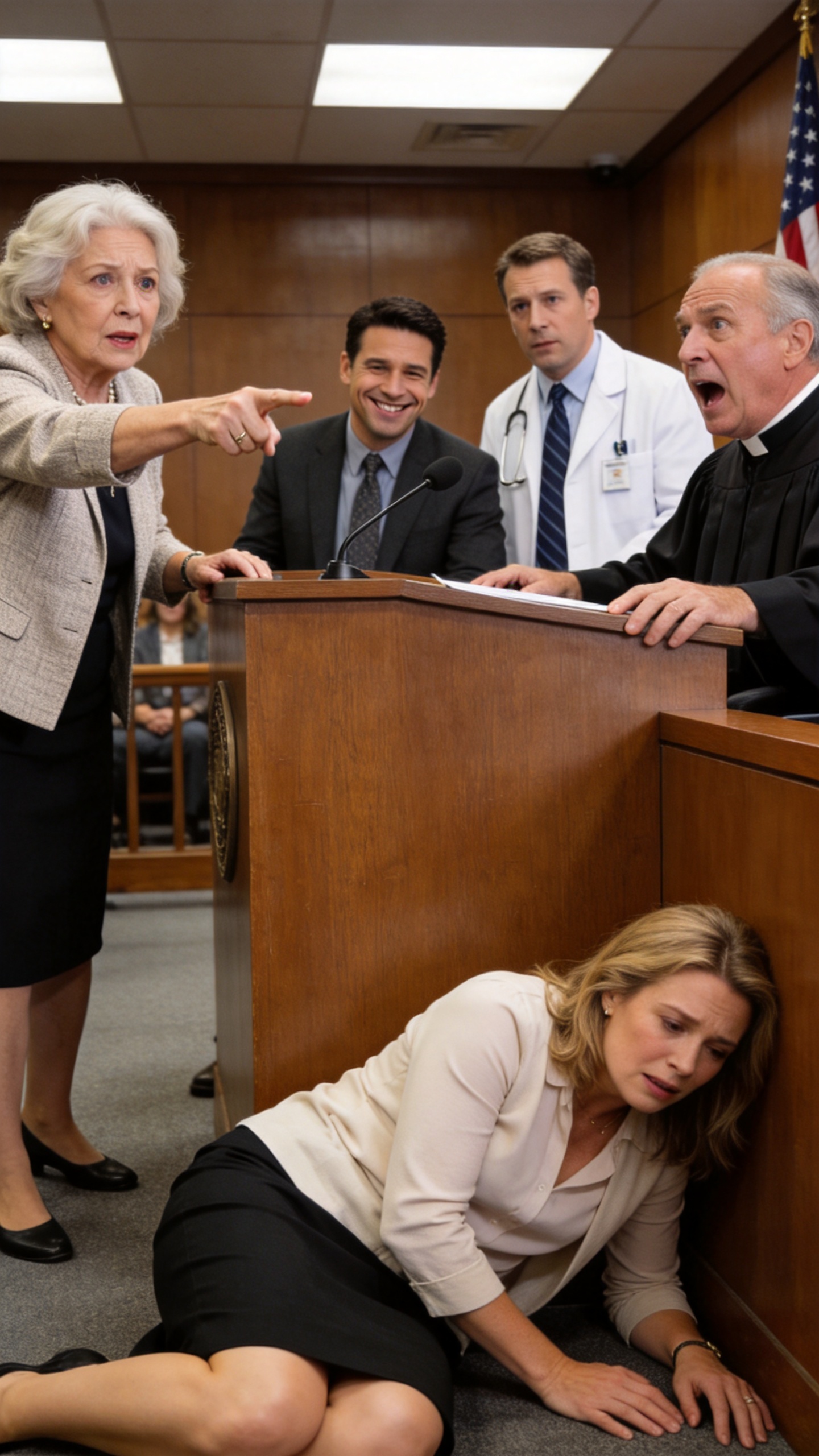
She can deal with this." Every single person in the church turned to look at me.
Then Mr.
Bell spoke again.
"There is one more instruction," he said.
"Alice appointed Clara executor of her estate." My father left before the service ended.
For once, no one followed him.
Mom sat still in the front pew, staring at the flowers next to Grandma's photo, as if they could explain the man she'd defended for thirty years.
After the burial, Mr.
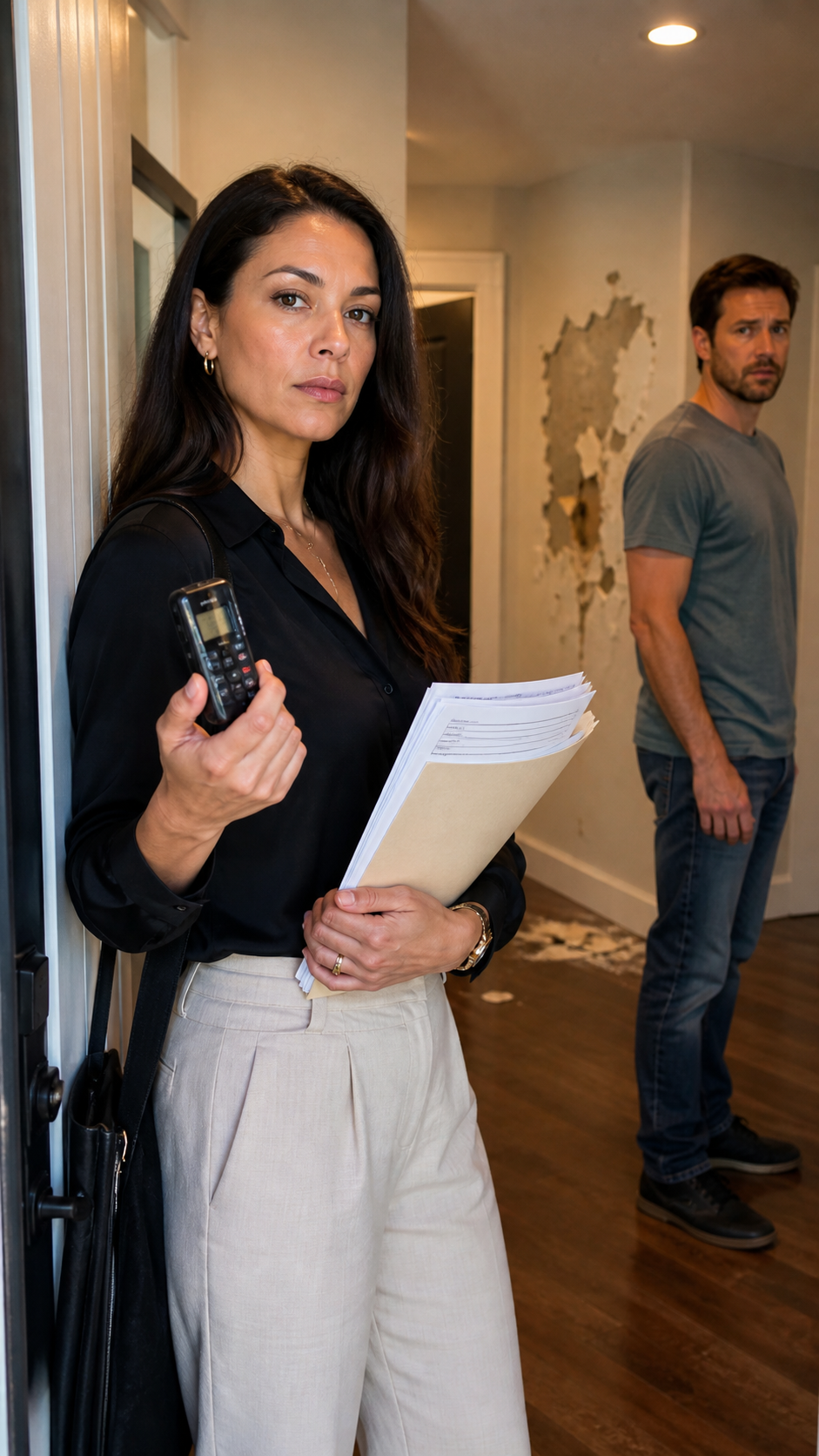
Bell gave me the file.
Grandma had left me her house, her savings, and all the evidence she'd gathered.
She left my mother a letter.
And she left my father one dollar and a hand - written sentence.
"You spent the rest while I was alive."
Unveiling the Truth and Moving On
The investigation kicked off the following week.
Dad started hurling insults my way.
First, he called me heartless.
Then, greedy.
And finally, unstable.
He spread the word to relatives that I'd manipulated a dying woman.
But the bank statements, the recorded voicemail, the forged initials, and the solicitor's notes held more sway than any of his words.
Some time later, Mom came to see me.
She stood on Grandma's porch, her eyes puffy and her hands empty.
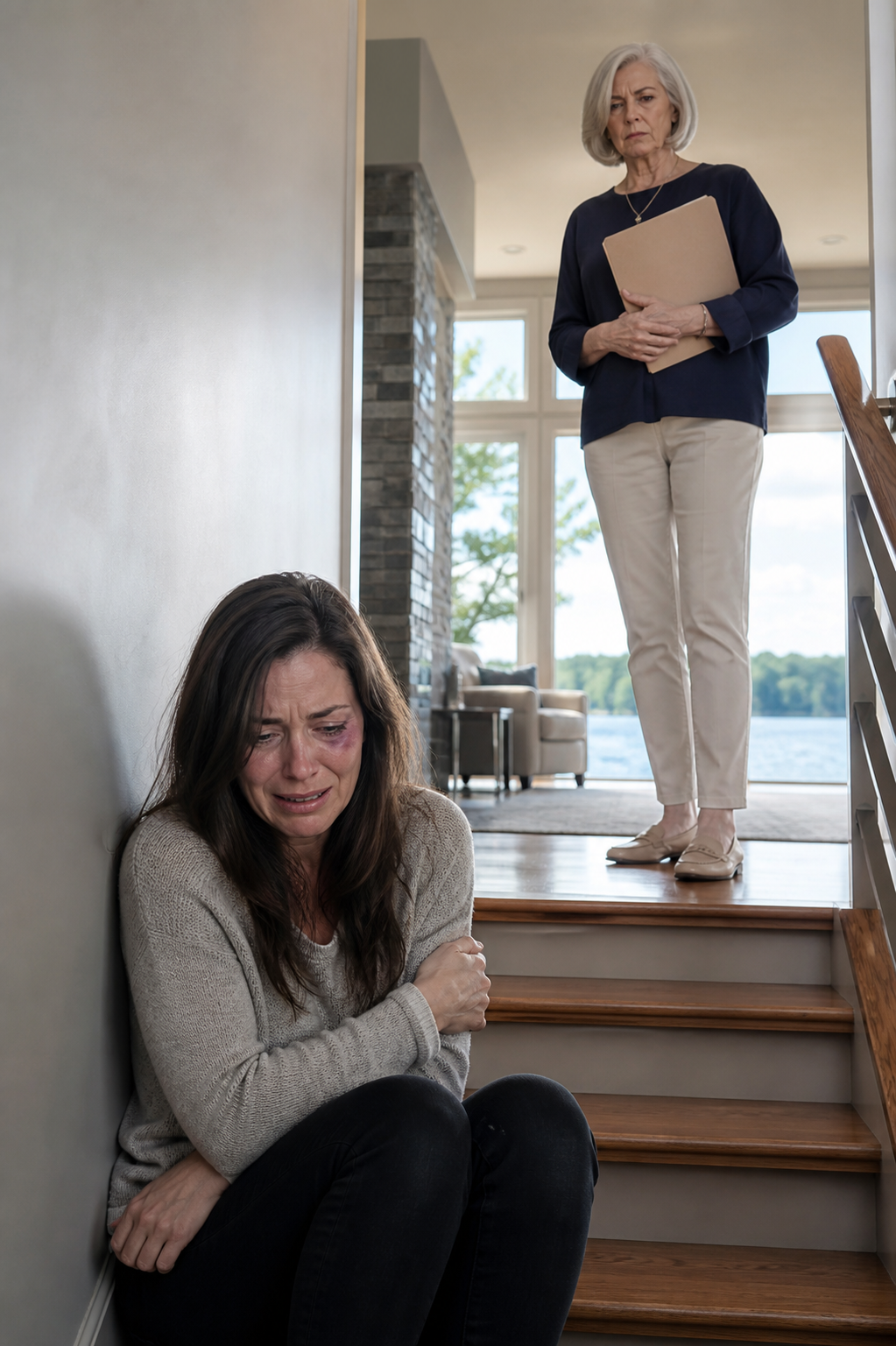
"I should have come to the hospital," she said.
"I let him decide everything." She sobbed even harder as I didn't offer her any comfort.
I didn't hate her, but grief had made me less willing to sugarcoat the truth, and the truth can be harsh.
I moved into Grandma's house and took care of her roses.
Every Sunday, I'd make tea in her blue pot and go through the recipe cards she'd marked for me.
One of the cards wasn't a recipe, though.
It read, "Clara, love is not proven at funerals.
It is proven in waiting rooms." I framed it and hung it in the kitchen.
My father wanted to show up at her funeral and inherit from the woman he'd deserted.
Instead, her final letter ensured that everyone knew what had really taken place.
He wasn't mourning her.
And Grandma Ruth, even from her coffin, made sure the door was shut tight on him.
I found solace in the little things Grandma left behind.
The smell of the roses, the warmth of the tea, and the wisdom on that card.
It was a reminder that true love is shown in the moments of care and support, not in the grand gestures at the end.
I knew Grandma was watching over me, making sure I didn't forget what really mattered.