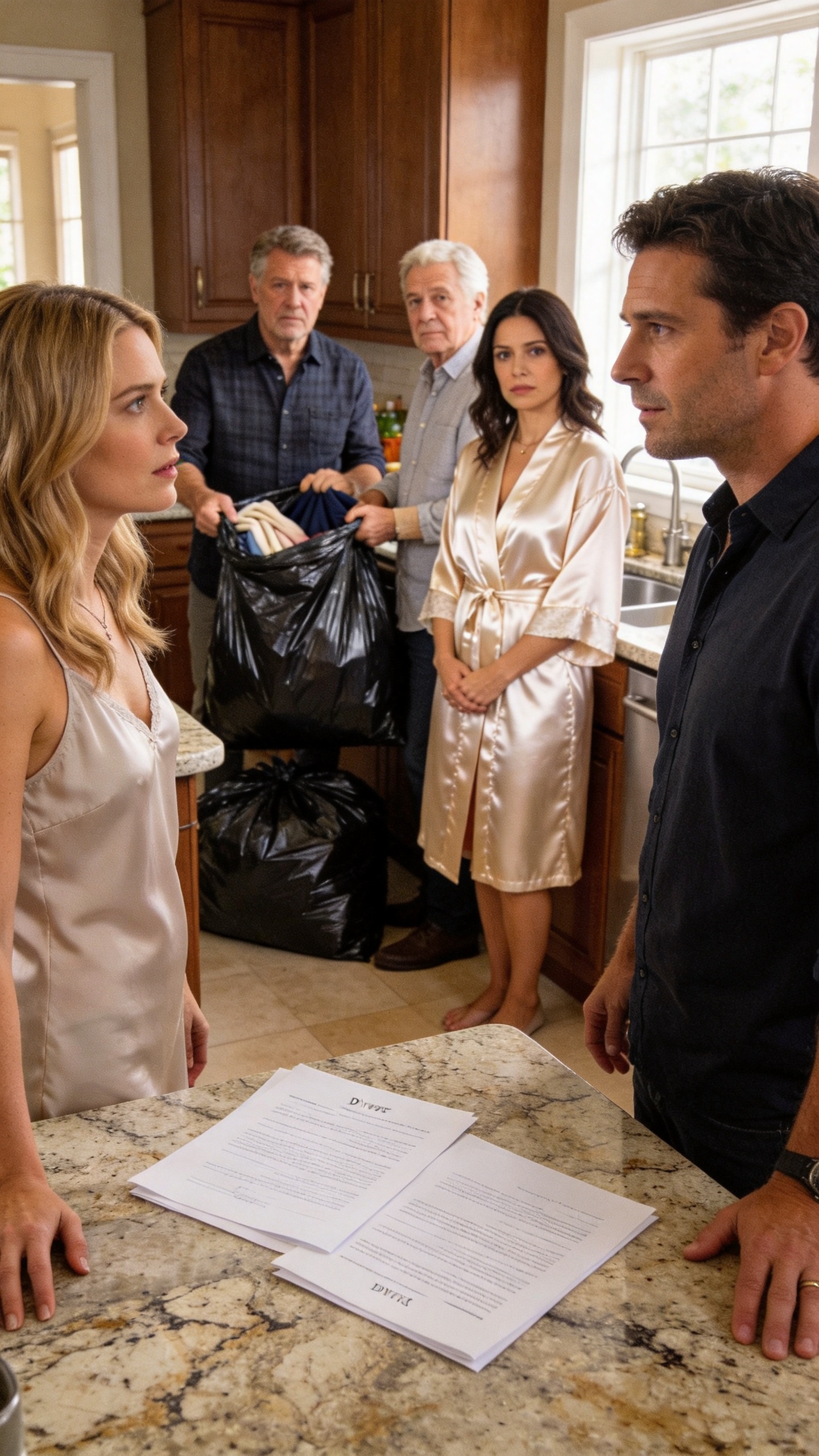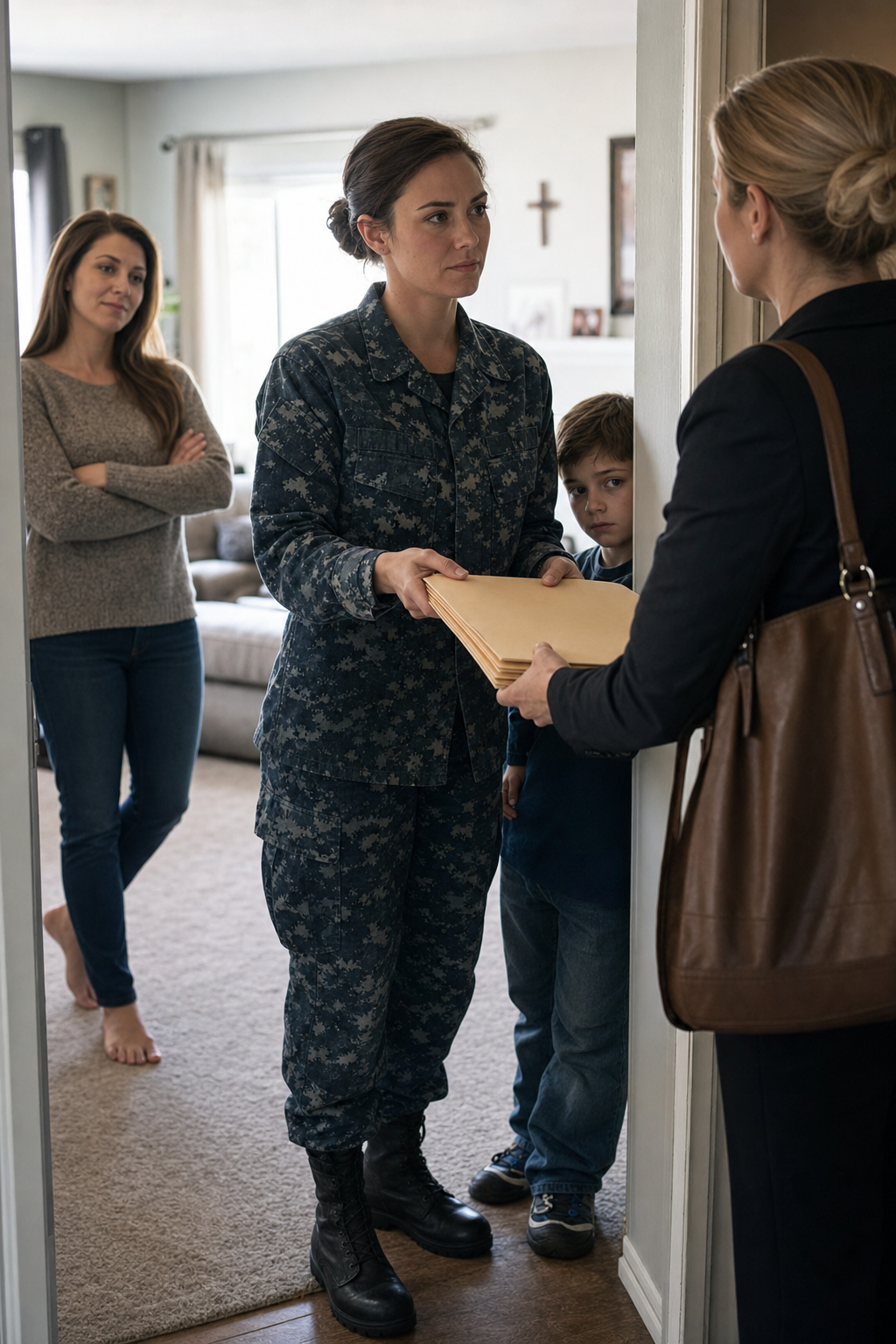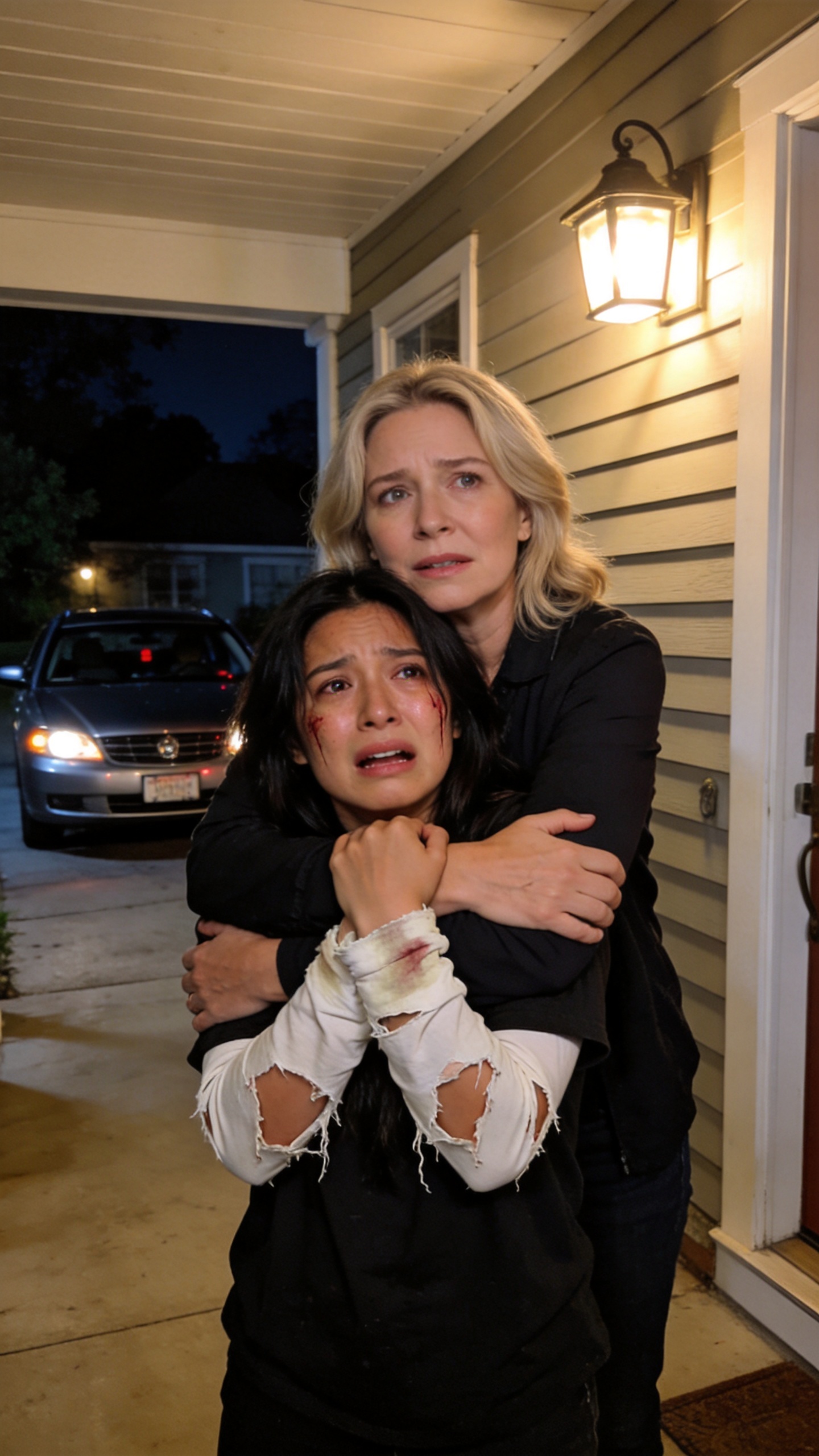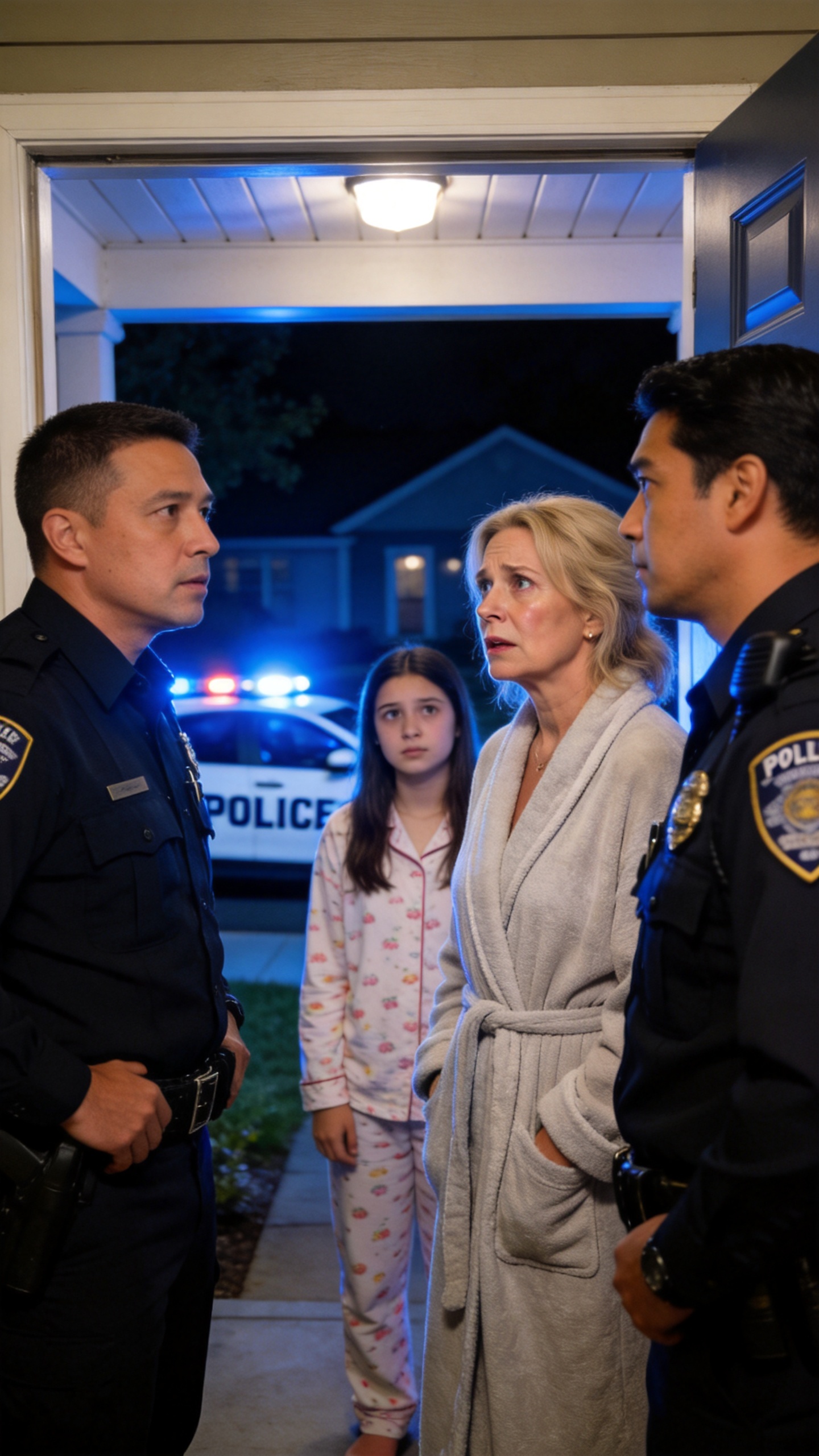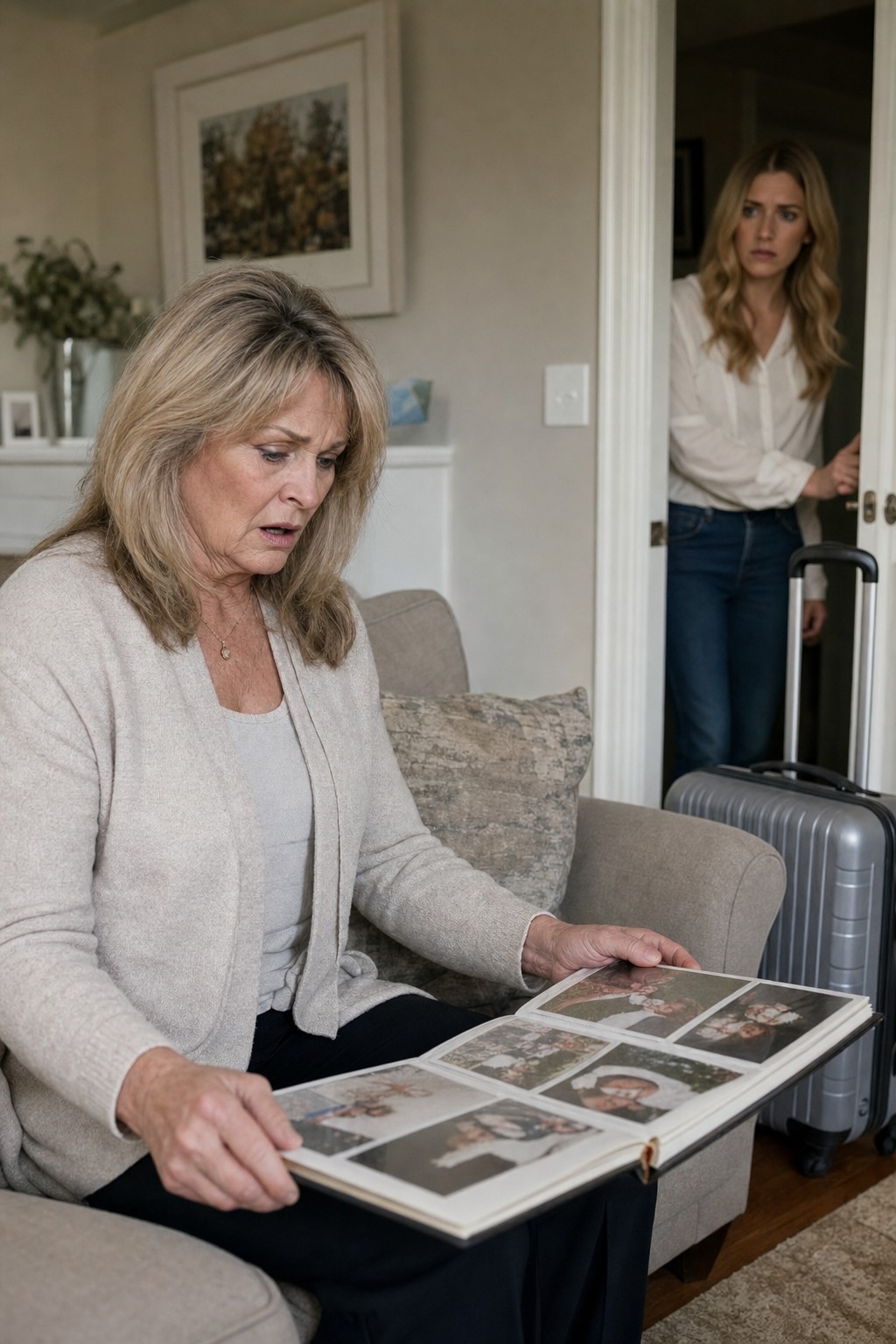
On the first morning after our wedding, my husband threw a greasy dishcloth at my face and said, Now
The video did not show the rag hitting me.
It showed what mattered after that.
They knew why I left.
They lied anyway.
At 8:40 p.m., I opened my laptop.
Mia sat beside me.
Donald sat across the table with one hand resting on the folder.
My parents were on speakerphone.
"You do not have to post anything," Mom said softly.
"I know."
"Once it is public, you cannot make it private again."
I looked at the messages on my phone.
I looked at the screenshot where a stranger had circled my parents' neighborhood.
"They already made it public."
I wrote one statement.
It was not dramatic.
It was not poetic.
It began with the truth.
"On the first morning after my wedding, my husband threw a greasy dishcloth at my face and told me my place was serving him and his parents."
Then I laid out the timeline.
Wedding.
Morning.
Dishcloth.
Order to clean.
Suitcase.
Wrist grab.
Gate incident.
Apartment harassment.
I attached the bank receipt showing the deposit was made in my name.
I attached a redacted copy of the gift letter.
I attached the police report numbers.
I attached a still from Mrs. Caldwell's doorbell camera.
I did not show the ugliest messages.
Donald told me to hold those for court.
At the end, I wrote, "I did not leave because I wanted money. I left because a marriage that begins with humiliation is not a home. It is a warning."
My finger hovered over the button.
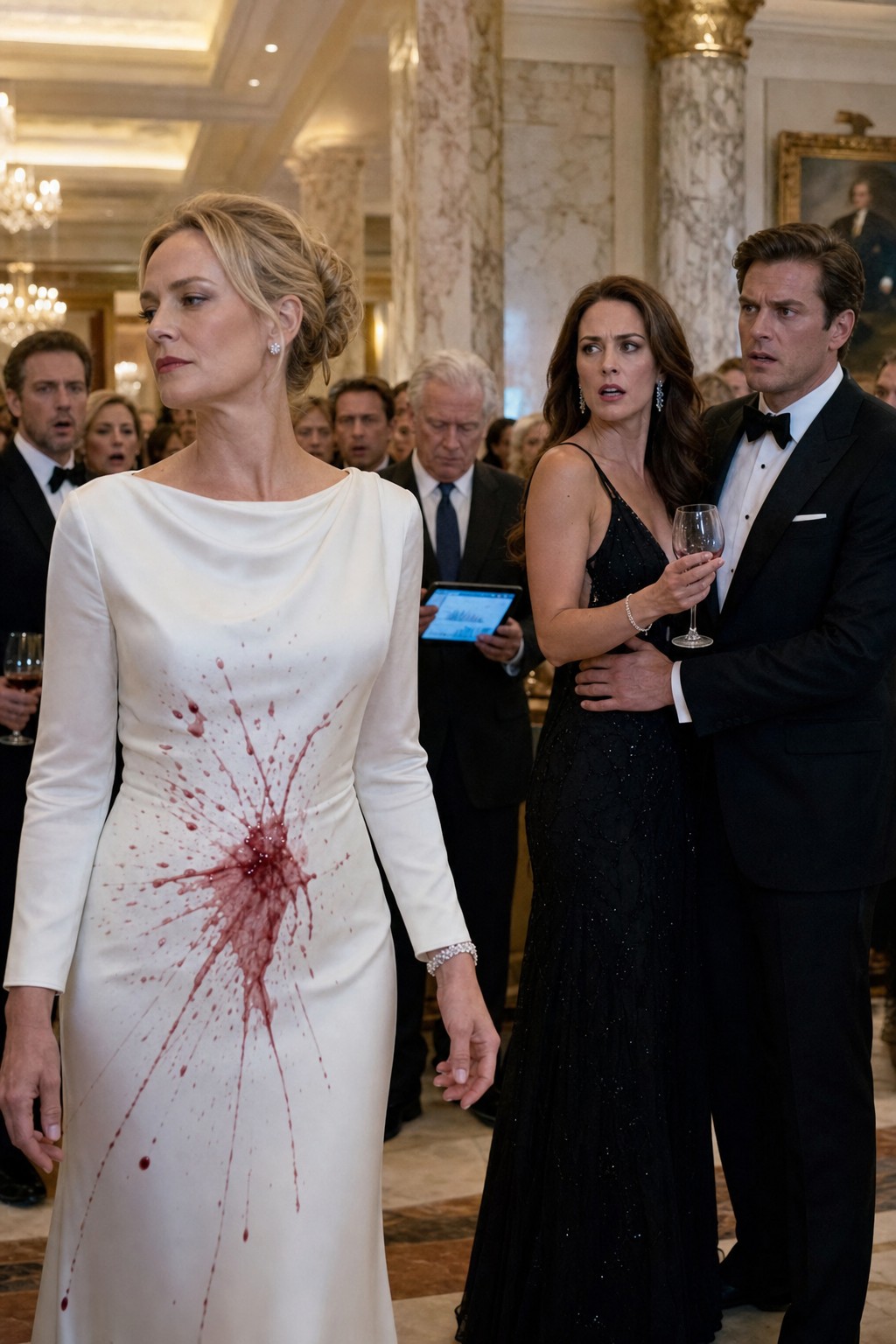
For one second, I thought about the ballroom.
The roses.
The first dance.
The way Eric had held my hand in front of everyone.
Then I thought about the cloth against my face.
I pressed publish.
The Family Story Breaks
At first, nothing changed.
Eric's post had hours of momentum.
People had already chosen their villain.
Then Mia's building manager commented that Paula had caused a disturbance and police had been called.
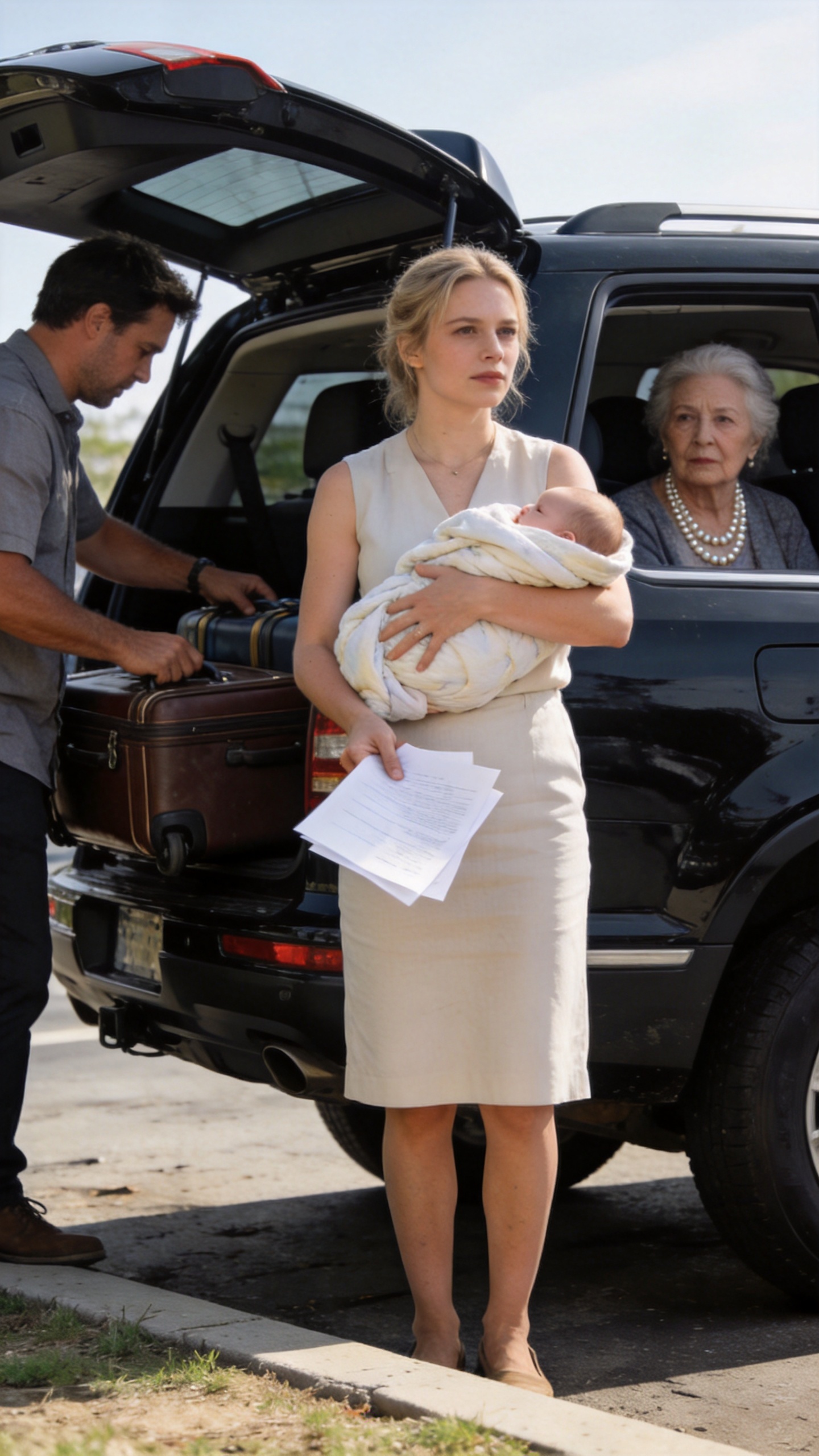
Then Mrs. Caldwell wrote that she had seen me leave the house with luggage while Eric shouted after me.
Then my mother's short gate video surfaced.
People began asking why Eric and Diane had needed to chase a bride to two different addresses if she had simply taken money and run.
A local reporter messaged Donald the next morning.
He wanted to verify the documents.
Donald agreed under strict conditions.
No address.
No bank numbers.
No family photos.
No cheap headline that made the rag sound funny.
The article went live the next afternoon.
It did not call me perfect.
It did not call Eric a monster.
It simply placed the evidence in order.
That was enough.
By dinner, Eric had deleted his original post.
Too late.
Screenshots were everywhere.
Diane called me from a blocked number.
"You need to stop this," she said.
Her voice was not loud anymore.
That almost made it worse.
"You mean I need to stop telling people what happened."
"Families have problems."
"You threw me into one and called it marriage."
"It was one cloth, Nora."
"No," I said. "It was a job description."
She went quiet.
Then she said the words that told me she still did not understand.
"Return what belongs to us and we can all move forward."
"The ring is on your dresser," I said. "Everything else you are asking for has a receipt."
Eric called next.
I let it go to voicemail.
He left nine messages in forty minutes.
In the first, he called me cruel.
In the third, he said his mother had gone too far.
In the sixth, he said we could start over if I apologized publicly.
In the ninth, he forgot to sound sad.
"You are going to ruin my career over a dishcloth?"
Donald saved every message.
Eric had used his company email to send a demand letter full of personal threats.
His employer opened an investigation.
Not because I asked them to.
Because Eric had dragged their name into his attempt to frighten me.
Control had made him sloppy.
Panic made him worse.
The Offer
Three days after the wedding, Eric's lawyer called Donald.
At first, their demand was ridiculous.
They wanted the entire four hundred thousand from Eric's parents returned.
They wanted half of the money my parents had contributed.
They wanted me to sign a statement saying the dishcloth incident had been a misunderstanding.
They wanted me to delete every public post and ask others to stop sharing theirs.
Donald read the list out loud at Mia's table.
I almost laughed.
It sounded like Eric had written it in anger and asked a lawyer to add punctuation.
"What do you want to offer?" Donald asked.
"Nothing."
He studied my face.
"You can choose that."
"But?"
"A clean settlement may let you leave faster."
I hated that he was right.
I did not want Eric's family money.
I wanted my life separated from theirs.
So I made one offer.
One hundred thousand dollars from the original gift, with no admission of fault, in exchange for a full release, no contact, and a written retraction that they had accused me of theft without legal basis.
Eric rejected it.
Diane called it an insult.
Paula posted that I was trying to buy silence.
Donald smiled when he saw the new post.
"They keep proving why the no-contact clause matters."
The next morning, we filed for annulment and protective orders.
The hearing was small and cold.
No flowers.
No music.
No family speeches.
Just fluorescent lights, wooden benches, and people who had to answer questions under oath.
Eric wore the same navy suit from our wedding.
Diane wore pearls.
She looked at me as if I had embarrassed her by surviving her plan too neatly.
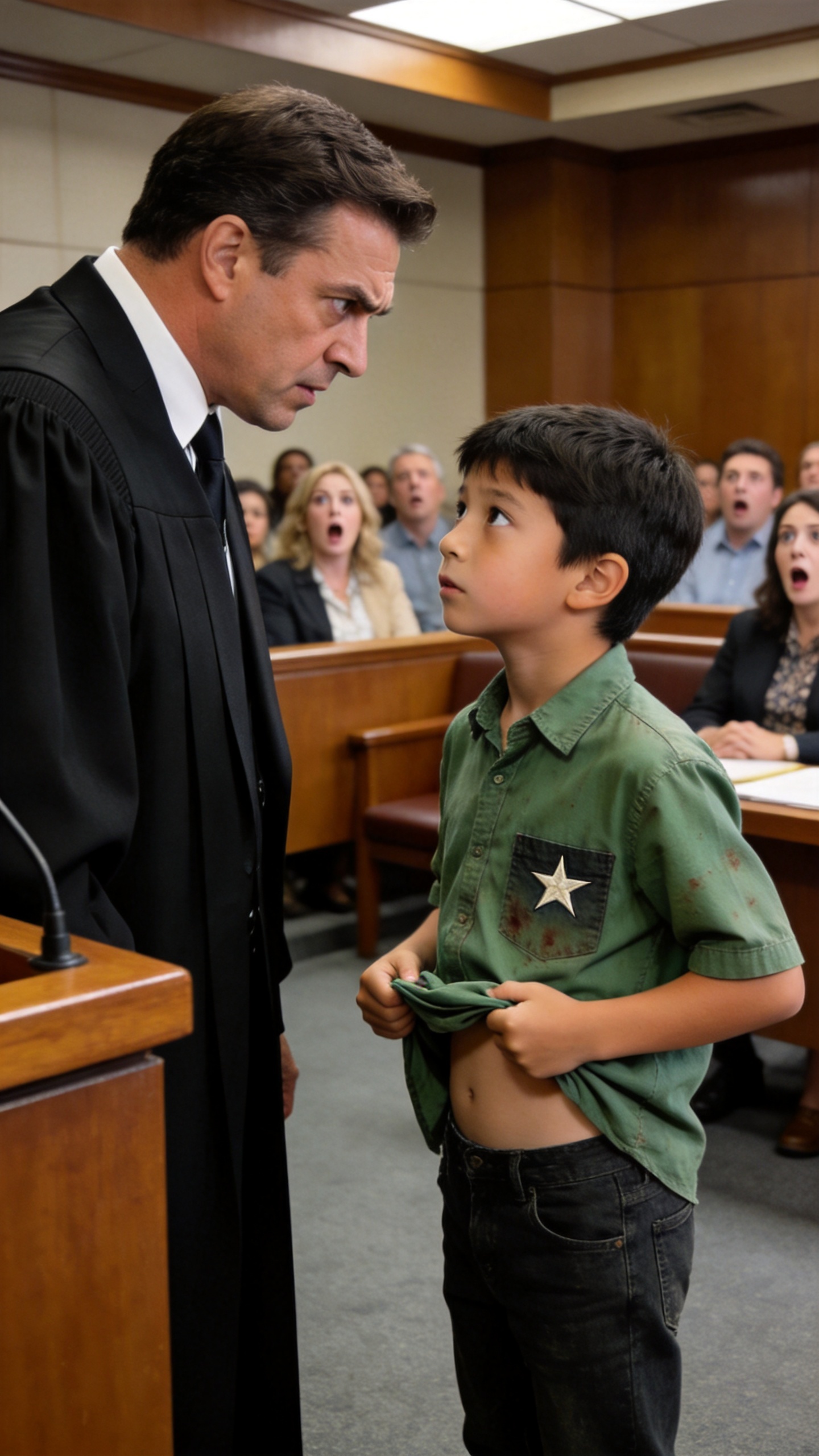
When the judge asked Eric whether he had thrown the dishcloth, his lawyer stood quickly.
"Your Honor, my client disputes the characterization."
Donald placed the phone recording into evidence.
Eric's voice filled the room.
"Now you know your place. My mother did not raise a son to wash plates."
Diane's face hardened.
Martin looked down at his shoes.
The judge listened without expression.
Then Donald submitted the bank documents, the gift letter, the doorbell clip, the gate video, the apartment police report, and Eric's voicemails.
Piece by piece, the story Eric had built online fell apart under quiet paperwork.
His lawyer asked for a recess.
When they came back, the demands had changed.
They no longer wanted my parents' money.
They no longer wanted a public apology.
They wanted the original one hundred thousand.
I said no.
Donald looked at me once, making sure I understood.
I did.
"That offer expired at noon," I said.
Eric turned toward me.
"You would destroy a marriage over pride?"
I looked at the man I had married four days earlier.
"You destroyed it before breakfast."
The Door Finally Closes
The final agreement took six weeks.
The annulment moved forward.
The protective order barred Eric, Diane, and Paula from contacting me directly or through other people.
The money remained where the documents said it belonged.
Eric's family received the ring back through counsel.
I never saw their kitchen again.
Two weeks after the order was entered, Eric tried one last time to bend the story.
He mailed a letter to my office.
It was not addressed to my lawyer.
It was addressed to "Mrs. Wallace," as if the court had not already told him that name no longer had a claim on me.
Inside, he wrote that he forgave me.
He wrote that marriage was hard.
He wrote that I had embarrassed him in public, but he was willing to be the bigger person if I returned home and restored peace.
At the bottom, in the same envelope, he included a typed statement for me to sign.
It said I had overreacted.
It said the dishcloth had been thrown as a joke.
It said his mother had never intended to control me.
It said the money dispute had been a misunderstanding caused by stress.
For a minute, I just stared at the paper.
Then I laughed.
Not because it was funny.
Because even after judges, lawyers, police reports, screenshots, and witnesses, Eric still believed a woman could be handed a script and ordered to perform it.
I scanned the envelope.
I sent it to Donald.
By five o'clock, Eric's lawyer had received a notice that any further contact would be treated as a violation of the protective order.
The next morning, the statement disappeared from every conversation his side tried to start.
That was how most of their power ended.
Not with a dramatic speech.
Not with one perfect revenge moment.
With records.
With dates.
With proof.
With a woman refusing to sign away what she knew had happened.
For a while, people kept talking.
Some said I was brave.
Some said I should have tried harder.
Some women quietly messaged me their own first mornings, first insults, first small humiliations they had been told to forgive because marriage required sacrifice.
I read every message.
I answered the ones I could.
But I learned not to let public approval become another cage.
Leaving was not a performance.
Healing was not a statement.
It was paperwork.
Therapy.
Changing passwords.
Sleeping at Mia's apartment until I stopped hearing Eric's voice in every hallway sound.
It was my father bringing groceries without asking questions.
It was my mother washing the grease from my blouse by hand, then folding it into a box because I was not ready to throw it away.
It was Mrs. Caldwell mailing Donald the original doorbell file with a note that said, "I wish I had stepped outside sooner."
I kept that note.
Not because I blamed her.
Because it reminded me that witnesses matter.
Three months later, I moved into a small apartment with morning light in the kitchen.
The first thing I bought was a set of white dish towels.
They were soft, clean, and folded neatly beside the sink.
For a week, I could not touch them without remembering Eric's hand lifting that dirty cloth.
Then one Saturday, Mia came over with coffee and cinnamon rolls.
She saw me staring at the towels.
"Want me to move them?"
I shook my head.
"No. I want them to be towels again."
So we cooked breakfast.
We used plates.
We made a mess.
And when we were done, I washed the dishes because it was my kitchen, my choice, and no one had thrown shame at me and called it duty.
That was the part Eric never understood.
The dishes were never the problem.
The problem was the belief that marriage gave him ownership over my hands, my money, my silence, and my dignity.
On the first morning, he thought a greasy cloth would teach me my place.
He was right about one thing.
It did teach me.
It taught me that my place was not in his mother's kitchen.
It was not under his voice.
It was not inside a family that measured love by obedience.
My place was anywhere I could stand upright and still belong to myself.
People still ask whether I regret walking out so quickly.
I always give the same answer.
"I regret putting the ring on before I believed the warning."
Then I tell them the truth Eric's family learned too late.
A wedding can make two people legally connected.
It cannot make cruelty sacred.
And no marriage that begins with a dirty rag in your face deserves one more morning of your life.