"Wait, You Bought The Glass House?" My Uncle Asked At My Sister's Engagement Party, And My Parents Suddenly Couldn't Explain Why They Had Been Calling Me Broke For Years
The practical decisions came before peace. Names, calls, doors, accounts, invitations, records, and expectations all had to be changed one at a time.
Natalie did not float away from the room into instant calm. She built calm like a fence, post by post.
Each small decision said the same thing: the old access would not return simply because the old people missed it.
A later apology arrived with careful wording. It sounded better than the first excuses, but Natalie had learned to listen for ownership instead of music.
The apology named discomfort more easily than harm. It named embarrassment more easily than responsibility. She did not argue with it.
She put it beside everything else she now understood and let it remain incomplete.
In the end, the biggest change was maintenance. Natalie stopped maintaining the version of the story that made Diane and Brooke look softer.
She stopped adding context to cruelty so other people could digest it. She stopped offering cheerful explanations for why she had survived what they preferred not to name.
That refusal became the real ending.
The Money Was Not The Real Reveal
The money drew attention because numbers always do, but Natalie knew the real reveal was emotional. Her parents had not missed her success by accident.
They had edited it out because Brooke's place at the center required Natalie to remain useful and slightly unfinished. That was why Diane looked more frightened than proud.
Pride would have required admitting she had ignored proof for years.
When a neighbor asked Natalie which architect handled the renovation, Brooke answered first and got the firm wrong. Natalie corrected her gently.
That small correction did more damage than a speech.
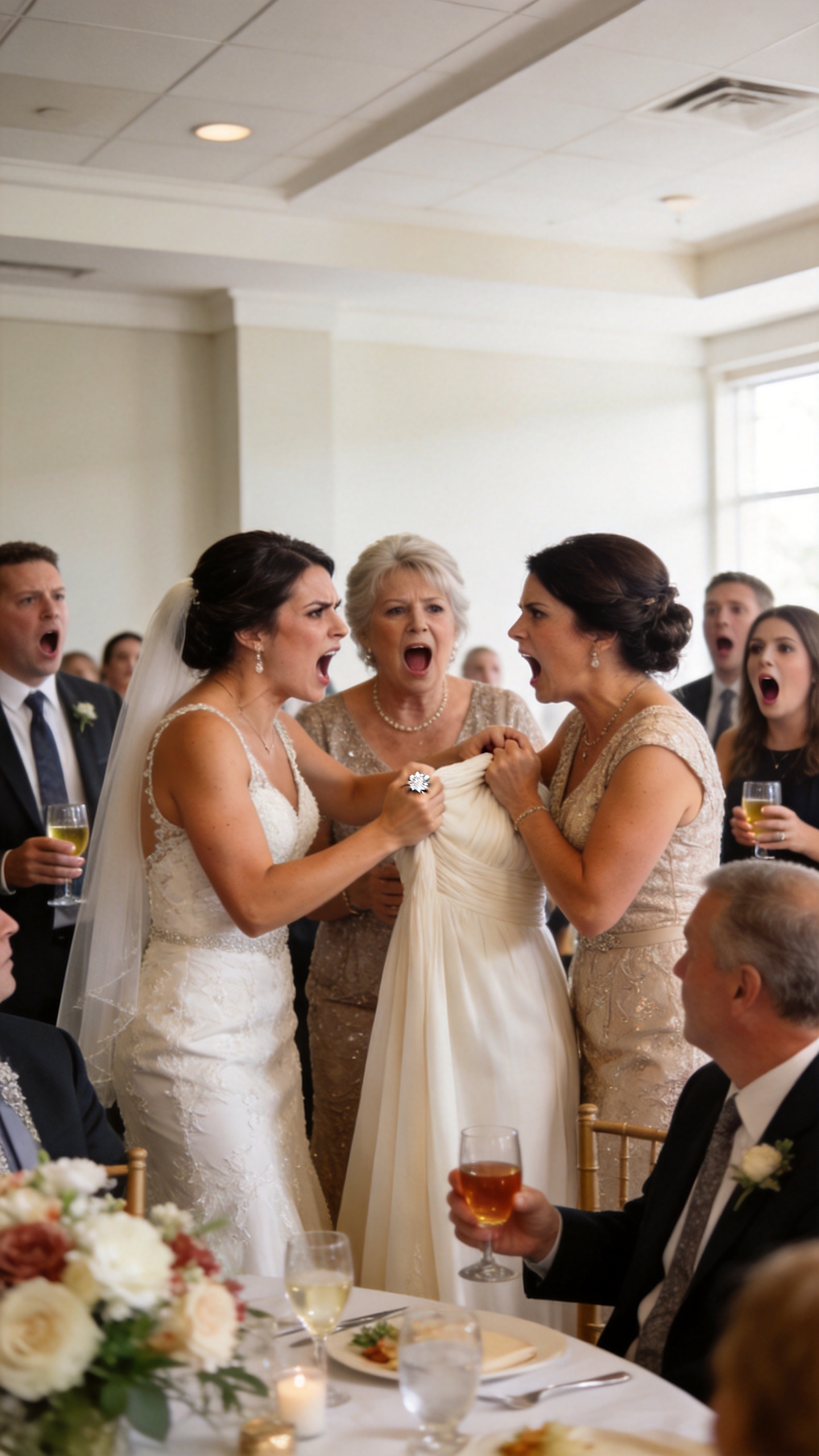
It showed the guests that Brooke did not know the house, did not know the closing, and did not know the sister she had spent years ranking beneath herself.
The Drive Home Felt Like A Different Kind Of Quiet
On the drive back to Larkspur, Natalie replayed the party without music.
She remembered the waiter, Michael's sister, Raymond's embarrassed cough, her father's question about how exactly she had bought the house. None of it felt like victory yet.
It felt like a door opening onto a room she had been avoiding.
At home, the glass stairwell caught the entry light. Natalie put the brass key in the bowl by the door and waited for the old guilt to arrive.
It came, but weaker than usual. For once, she did not mistake guilt for instruction.
Natalie also noticed what nobody asked. No one asked what it had cost her to keep the house private.
No one asked why she had needed one address where nobody ranked her.
They asked about price, location, view, and square footage, because those were easier than asking why a daughter had learned to hide peace from her own family.
Raymond called the next afternoon to apologize for saying it out loud. Natalie surprised herself by telling him not to.
The truth had not hurt her because he spoke it. It hurt because everyone else had built a room where the truth sounded like an attack.
For the first time, Natalie let that distinction stay simple. She did not write a family-wide message.
She did not send proof to relatives who had not asked with kindness. She did not give Diane a script for explaining the party.
If people wanted to understand, they could begin with what they had seen: Brooke reaching for control, Diane reaching for privacy, and Natalie standing there with a key that had never needed their approval.
Natalie's ending was smaller than the terrace wanted.
She did not post a speech.
She did not send screenshots to every cousin.
She drove home, dropped the brass key in the bowl by the door, and let the phone ring without picking it up.
The next week, her father texted about a temporary tax problem at the lake property.
Natalie read it twice.
Then she sent him his accountant's number.
No apology.
No lecture.
Just a boundary with a receipt.
Weeks later, Natalie changed one more thing.
When her father texted about a new "temporary problem" with the lake property taxes, she sent him the number of his accountant instead of a transfer.
The reply bubble appeared, vanished, and appeared again. Natalie set the phone down beside the brass key and let the silence answer for her.
The Apologies Arrived With Missing Pieces
By Monday, Natalie had three apologies.
None of them used the word sorry in the right place.
Brooke said she hated that the party got awkward.
Diane said Raymond should have known better than to talk about money.
Her father said people were asking questions.
Questions.
That was still the family emergency.
Natalie read the messages at her kitchen island, where morning light crossed the glass stairs and made the brass key shine in the bowl.
She waited for one person to ask whether she had been lonely inside the version they kept repeating.
No one did.
So she stopped answering the softer accusations.
She did not defend the house.
She did not explain the trust paperwork.
She did not prove the bonus, the mortgage, or the renovation budget.
The proof had already stood on the terrace.
It had worn a plain black key ring.
Diane called twice that evening.
Natalie let both calls pass.
On the third try, Diane left a message.
"You know Brooke is sensitive right now."
Natalie played that sentence once.
Then again.
Sensitive had always been a strange family word.
It meant Brooke could bruise people and still be treated as the injured one.
It meant Natalie had to swallow facts because facts might cut the wrong person.
That was the day she stopped making herself blunt enough for other people to hold.
Natalie Let The Room Keep Its Memory
Two days later, Brooke tried one last version.
She sent Natalie a photo from the engagement party.
Brooke in the center.
Diane beside her.
Natalie at the edge, half turned away, the key visible in her hand.
The message under it was short.
You looked mad all night.
Natalie stared at the photo.
For years, that would have worked.
She would have explained her face.
She would have apologized for making a good event heavy.
She would have given Brooke the comfort of being wronged by the woman she had mocked.
This time, Natalie enlarged the picture instead.
There was Michael's sister, watching Diane.
There was Raymond, no longer smiling.
There was their father, looking at the key instead of either daughter.
The photo did not prove Natalie looked mad.
It proved everyone had seen enough.
So Natalie replied with one line.
I looked like someone finally listening to herself.
Brooke did not answer.
That silence felt cleaner than the old peace.
Brooke Finally Lost The Easy Audience
The next family dinner was smaller.
Brooke arrived late and waited for someone to ask about the engagement photos.
No one did.
Raymond asked Natalie about the garden instead.
Simple question.
Wrong sister.
Brooke's fork touched her plate too hard.
Diane heard it.
So did Natalie.
For the first time, nobody rushed to cover the sound.
The Key Stayed Where Visitors Could See It
Natalie did not hide the key after that.
She left it in the bowl by the door.
When visitors noticed it, she did not explain first.
That was new.
Let people ask.
Let them sit with the answer.
A life did not become arrogant just because it stopped apologizing for being real.