My Daughter's Future In-Laws Mocked Her in French at Dinner, Never Knowing I Understood Every Word
The Language They Thought Was Private
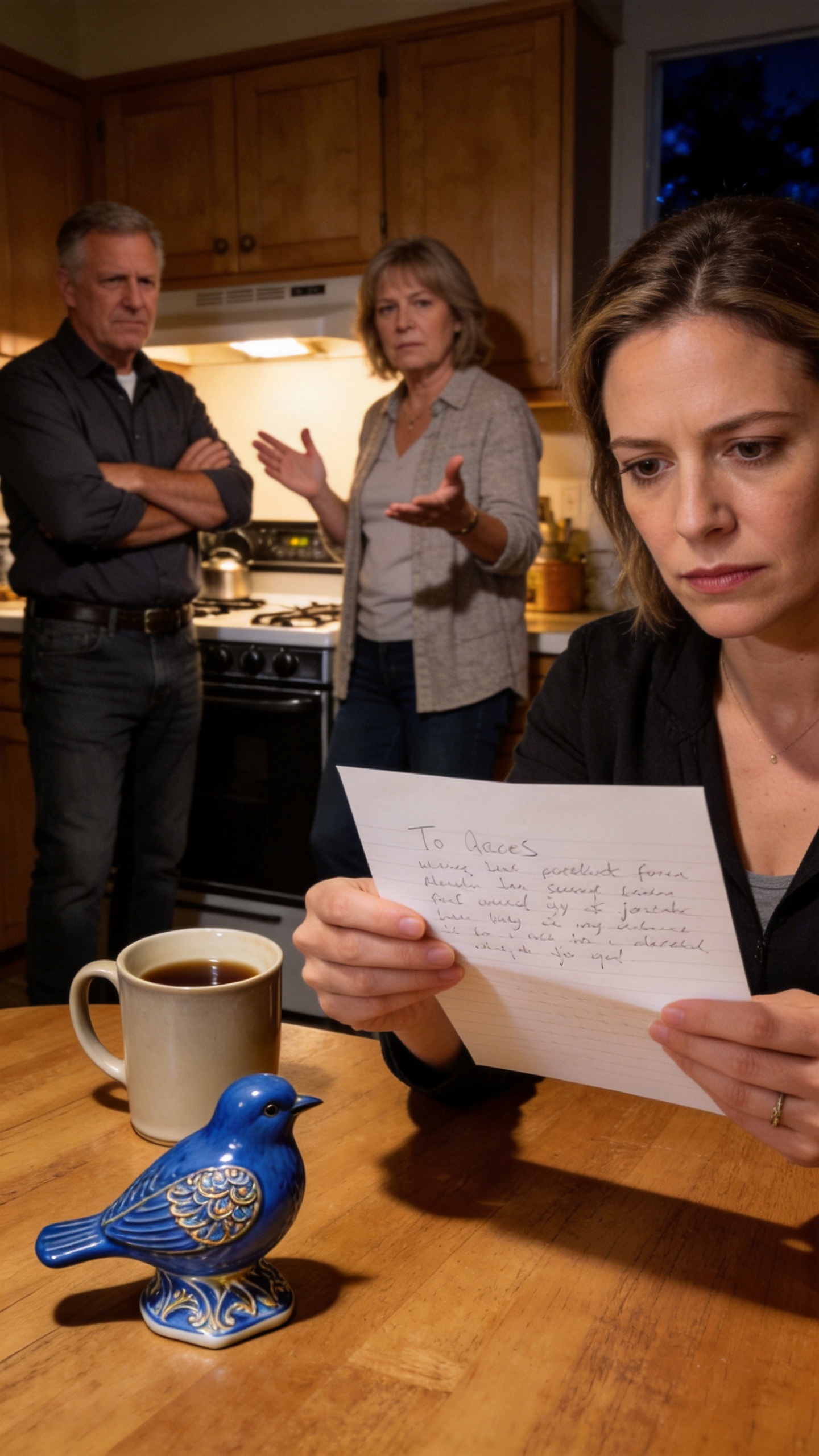
My daughter Claire had practiced the beef bourguignon for three weeks before Luca's parents arrived from Europe.
She wanted one dinner to feel warm, respectful, and promising.
I wanted the same thing, though my version of helping was quieter. I brought flowers, bread, and a bottle of wine, the old offerings of a woman who still felt she had to earn her place in a room.
Claire was thirty, calm, and steady in a way people sometimes mistook for softness. She had built a graphic design career in Boston without leaning on anyone's money or name.
Luca Beaumont, the man she planned to marry, was a structural engineer raised in Brussels. He adored her with a careful, almost reverent kindness.
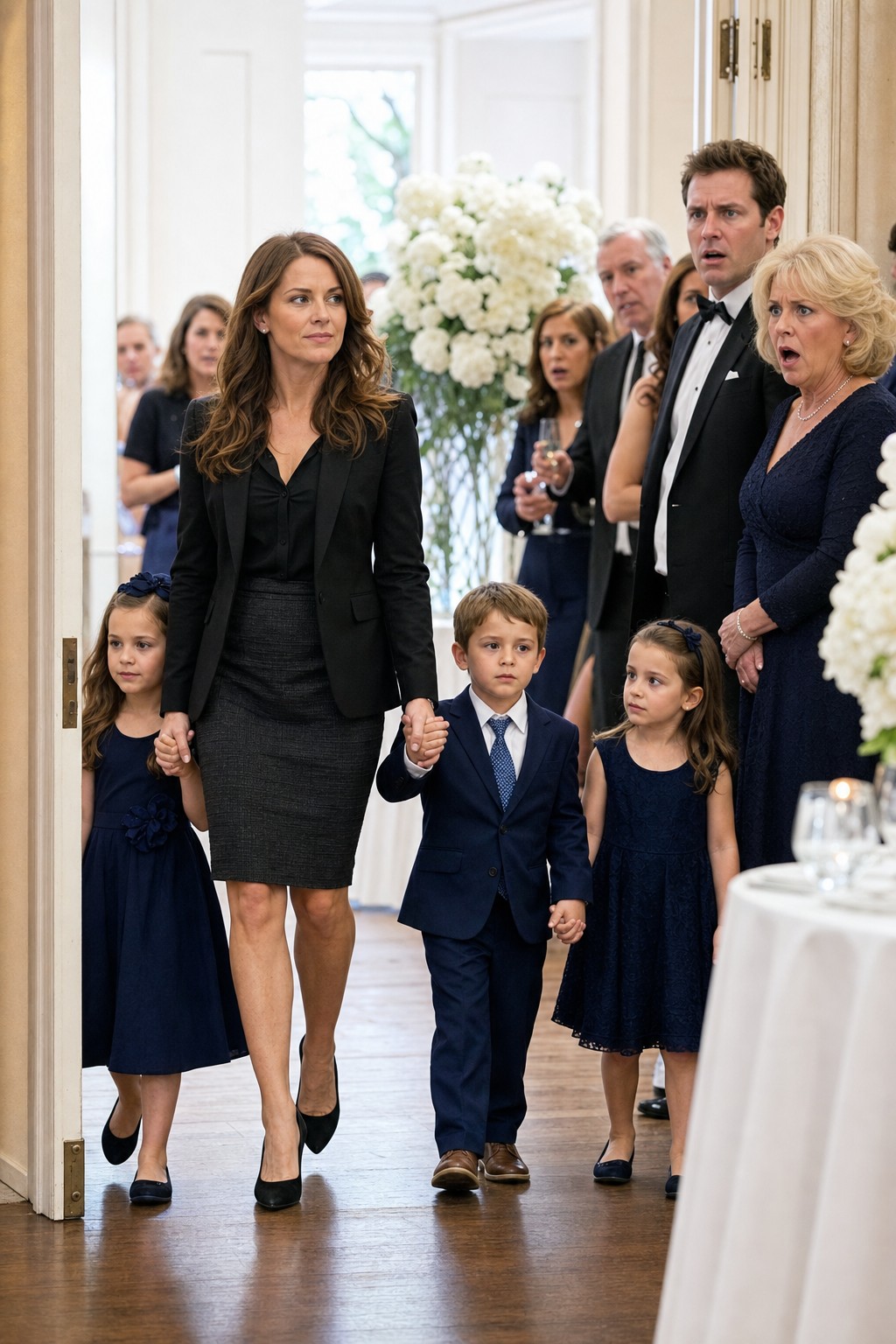
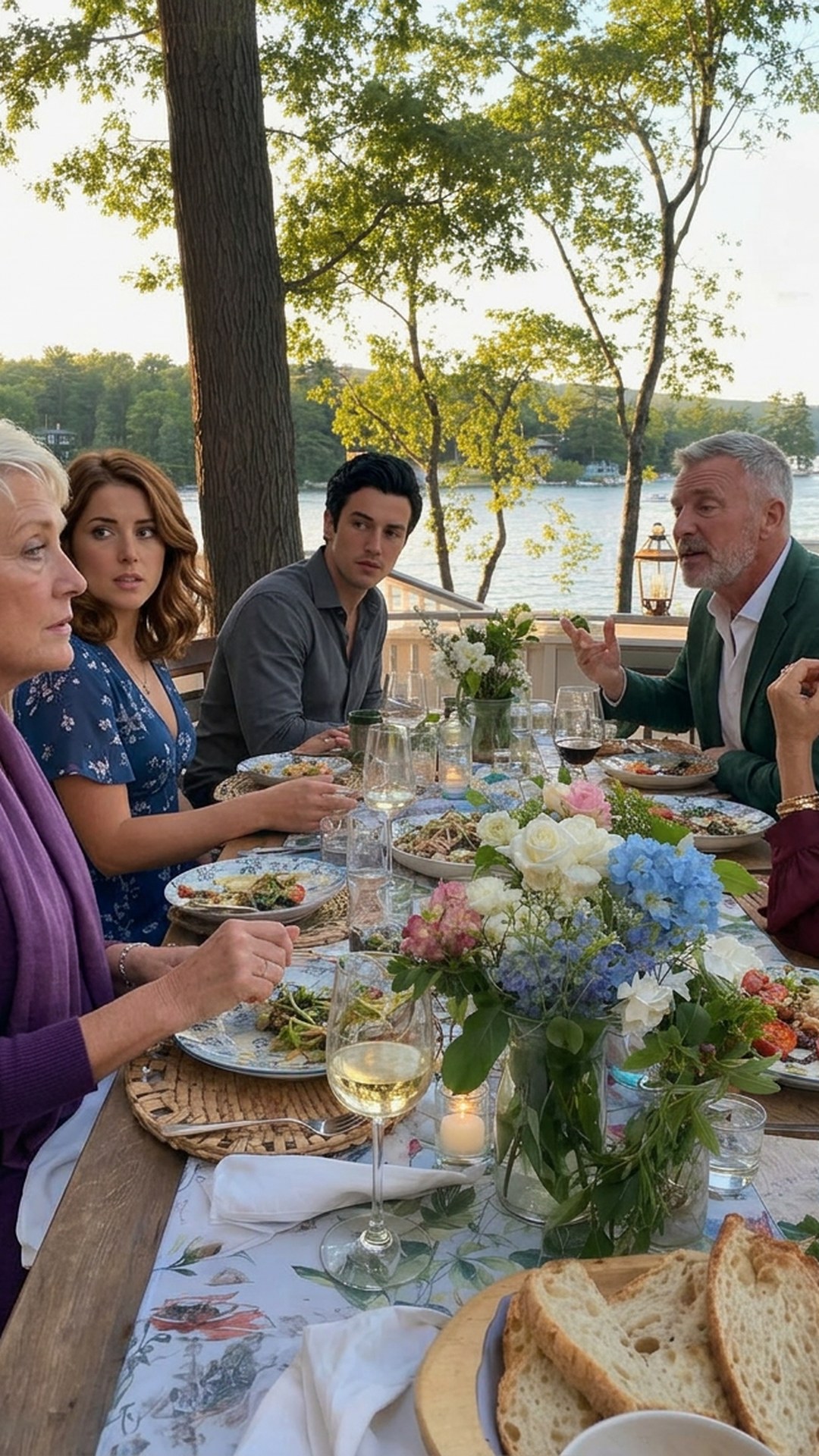
His parents, Philippe and Helene, arrived at the lake house near Lake George with elegant luggage, polite smiles, and the practiced confidence of people used to being admired.
Before dinner, we sat on the deck and talked about wedding dates, guest lists, and family traditions.
Claire kept smoothing the linen napkins even after they were straight. Every time Helene mentioned a chateau, a winter in Paris, or a cousin with an old title, my daughter smiled harder and reached for another plate.
Luca noticed. He touched her wrist under the table and whispered that she did not have to impress anyone.
But Claire wanted his parents to see the life they were entering, not the life they thought she lacked.
Helene praised the view in English, then leaned toward her husband and switched to French.
I kept my eyes on my glass.
What none of them knew was that I had lived in Lyon for eight years before I became anyone's wife, mother, or retired teacher.
At twenty-two, I had crossed an ocean with one suitcase and no plan. I learned French by waiting tables, arguing over rent, making mistakes, and refusing to disappear.
I rarely spoke about those years.
After thirty-one years in a marriage where silence had been safer than confidence, the young woman from Lyon felt like someone I had misplaced.
So when Philippe joked in French that Americans confused rustic houses with culture, I let it pass.
When Helene called Claire sweet but perhaps a little simple, Luca stiffened and told his mother not to speak that way about the woman he loved.
Helene waved him off. She said Claire was uncomplicated, not ambitious in the way their family understood ambition.
They still believed I heard only pleasant foreign sounds.
Dinner made it worse.
Claire carried in the beef bourguignon like it was a peace offering. Philippe praised it in English, then turned to Helene and said in French that he now understood where Claire's lack of polish came from.
Her mother seemed kind, he said, but obviously had not seen much of the world.
Helene answered that ordinary lives were not shameful. Not everyone had curiosity, courage, or cultural depth.
My hand tightened around my fork.
Claire did not understand the words, but she understood the shape of the pause after them. She glanced at Luca, then at me, searching our faces for the thing everyone was suddenly pretending had not happened.
Luca's jaw worked once. He started to speak, and Philippe cut across him in English with a bright question about the wine, as if manners could be restored by changing the subject.
Then Philippe said he worried Luca would spend his marriage carrying a wife with no proper foundation. He hoped their grandchildren would at least know where they came from.
By that, he meant Brussels.
He did not mean Claire's work, Claire's home, or Claire's mother.
Something inside me stopped shrinking.
I set my fork beside my plate.
Margaret From Lyon Came Back
Philippe was still speaking when I lifted my eyes and answered him in French.
Not loudly. Not dramatically.
Perfectly.
"Forgive me, Philippe," I said. "I have enjoyed your conversation so much that I did not want to interrupt."
The table went silent.
Helene's fork froze halfway to her mouth. Philippe's face lost color in slow stages. Luca covered his eyes with one hand, and Claire stared at me as if I had opened a hidden door.
I told them I had lived in Lyon for eight years, worked near Rue Merciere, and kept an apartment by Croix-Rousse.
I told them I had learned French from people who did not slow down for foreigners.
"I also learned it from being underestimated," I added. "That is an excellent teacher."
"So yes," I said. "I understood the rustic house. I understood the simple daughter. I understood the ordinary mother and the family with no culture."
No one moved.
I turned to Helene first.
"My daughter spent weeks learning a dish from your world because she wanted to honor you. You used your language as a curtain so you could insult her while eating the meal she made."
Helene opened her mouth.
I smiled gently.
"I am not finished."
Then I looked at Philippe.
"You speak as though culture is inherited through expensive watches and old addresses. In Lyon, we had another word for people who confuse money with manners."
I let the sentence rest there because he understood it perfectly.
I told them about Claire's life in Boston, the clients who trusted her, the courage it took to build a career without a family fortune behind her.
I told them she had paid her own rent since she was twenty-one, had stayed up through nights no one applauded, and had still made room in her life to learn their family recipe because love, to her, meant effort.
I told them their son was kind and visibly ashamed, which meant they had raised him better than they were behaving.