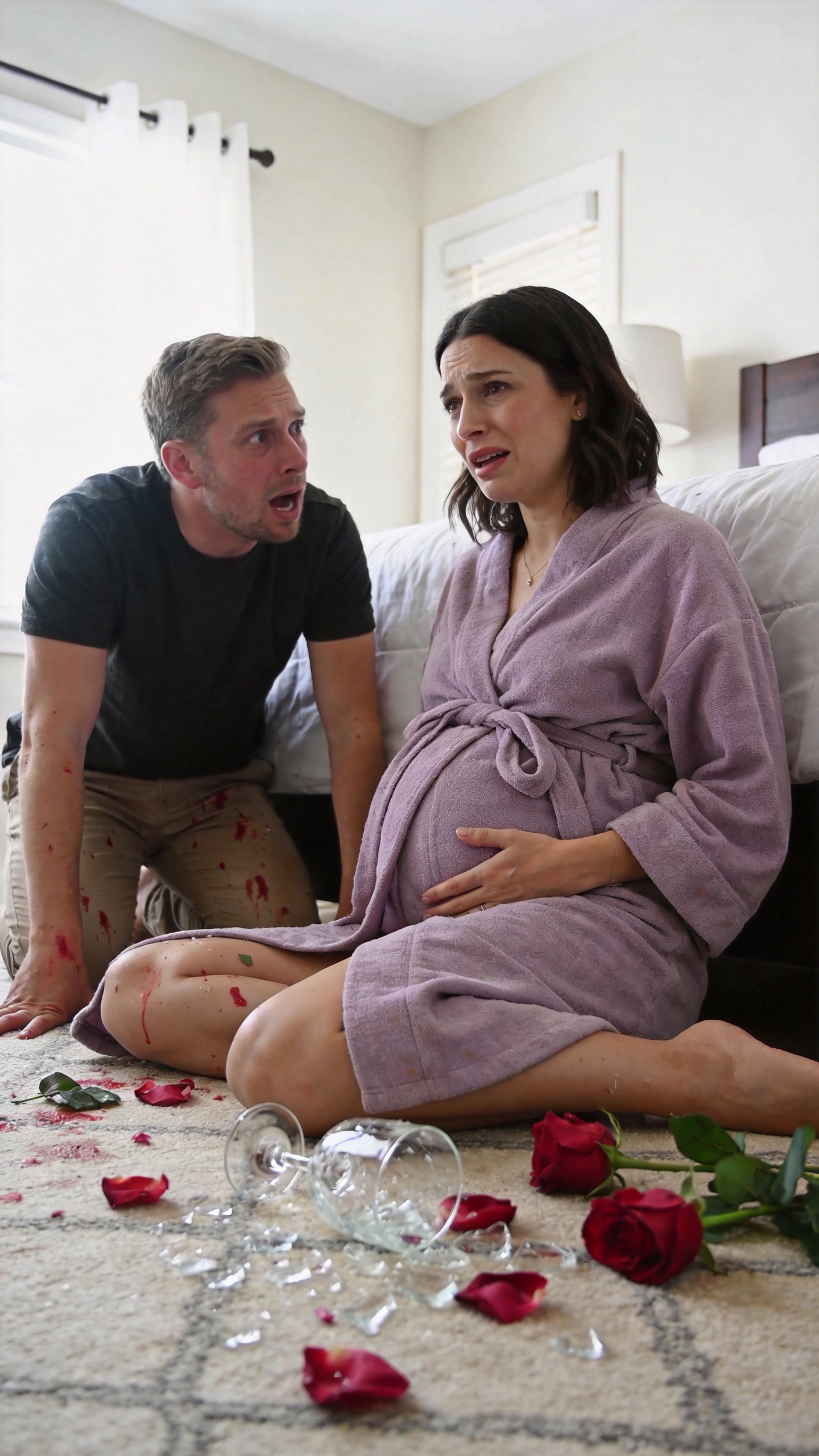
I Sold My Father's House to Save My Sick Husband, But At The Hospital He Was Healthy And His Mother Asked, "Did You Bring The Money?"
"There is," I said. "You forged the wrong doctor's signature."
Then another voice came from the doorway.
"Grand fraud is never a private family dispute."
Deputy Attorney General Keith Ramsey, my supervisor, stepped in with two financial-crimes detectives. I had given them the files, the dates, the recordings, and the forged medical documents before I ever walked into that hospital.
Jace tried to regain control by calling it a family misunderstanding. Nobody in the room believed him.
Sabrina whispered that she did not even know he was still married when everything began.
I opened her private message on my screen. It was the one where she called me his useful little widow and joked that grief made me easier to manage.
She lowered her head and went silent.
Jace turned on Pauline first. He shouted that the plan had been her idea. Pauline screamed back that he had promised I would never check the records.
The detectives exchanged the kind of look people give when suspects start doing their work for them.
Then I played the second recording.
Jace's voice echoed through the room, explaining that once the house sale cleared, $200,000 should move to Sabrina's firm, the rest should go to his mother, and I would sign anything if I believed he was dying.
Sabrina covered her mouth. Pauline began crying. Jace stared at me with pure hatred.
"You set us up from the beginning," he shouted.
"No," I said. "I gave you chances to stop. You kept choosing the lie."
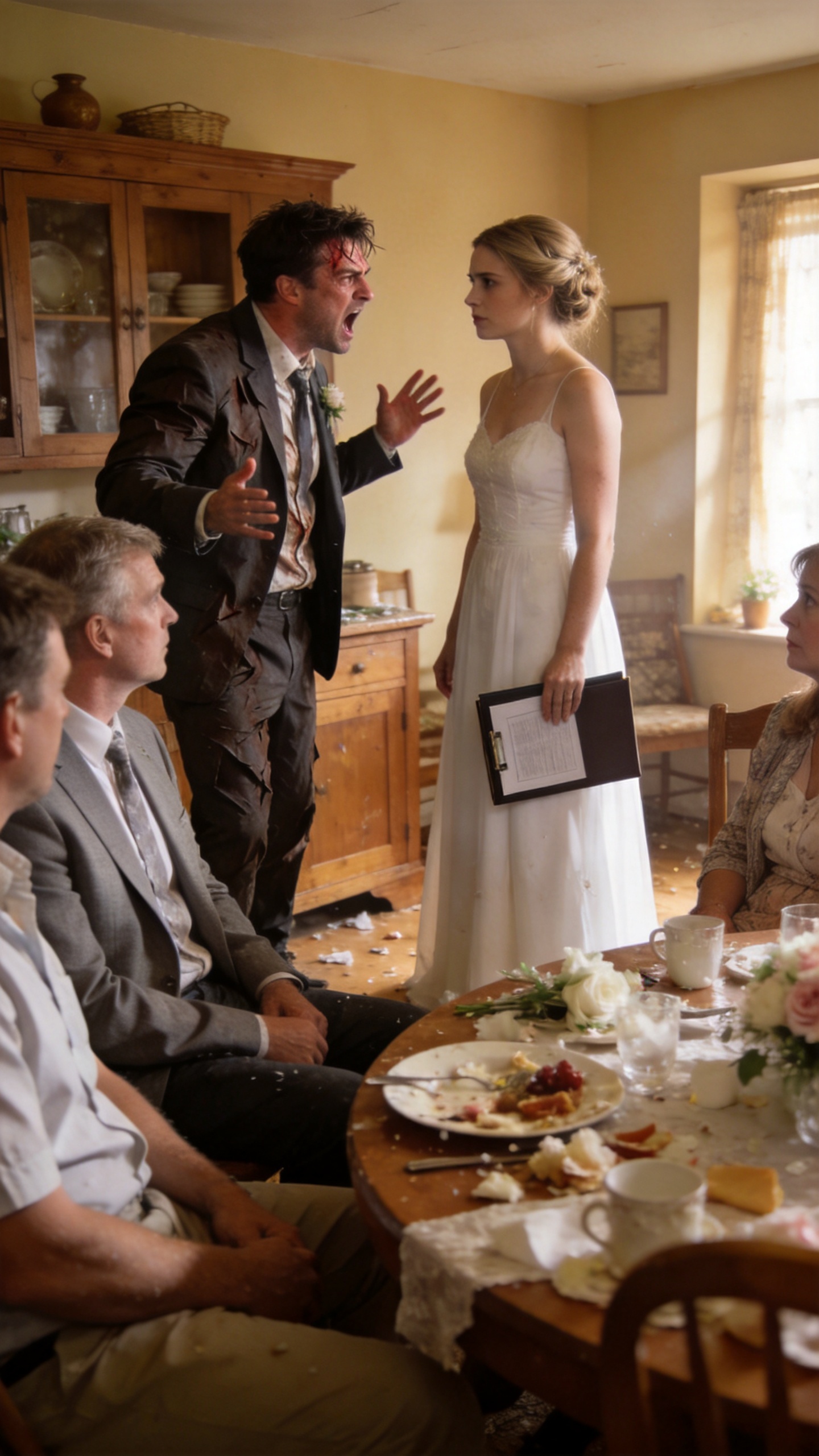
The detectives separated them while Jace shouted that I was vindictive and Pauline begged me to remember that we were family.
For the first time in weeks, none of them looked smug.
Justice Took Longer Than One Afternoon
No one was dragged away in handcuffs that day. Real justice rarely moves that neatly.
Investigators took statements, seized devices, froze accounts, and started tracing every invoice, voicemail, forged report, and planned transfer. Jace, Pauline, and Sabrina were left to spend six long weeks wondering which lie would destroy them first.
Their unity did not survive the waiting.
Jace blamed his mother. Pauline blamed Jace. Sabrina tried to claim she had been misled, even though her own shell company had been created to receive stolen money.
When the grand jury indictments came, Jace was charged with conspiracy, attempted wire fraud, forgery, and grand insurance fraud.
Pauline faced the same charges, plus identity theft for using a retired nurse's credentials to support the fake treatment plan.
Sabrina's business was exposed as a shell company, not a real consulting firm. It existed for one purpose: to collect the money they thought I would hand over.
At the divorce hearing, Jace arrived in an expensive designer suit he had bought with my personal credit card. He leaned close to me before the judge entered.
"You ruined my life over a handful of money," he hissed.
I looked at him and felt no need to whisper. "No, you ruined your life because you believed my love made me weak."
His lawyer offered a quick settlement. Jace would waive any claim to my assets if I stopped cooperating with prosecutors.
I refused before the sentence was finished.
The judge reviewed the recordings, the forged medical files, and the text messages showing how Jace planned to make me believe his death would be my fault if I hesitated to sell the property.
She looked directly at him and said he had exploited my grief for my father to steal my inheritance. His request for spousal support was denied.
Outside the courthouse, Pauline rushed toward me with tears on her face.
"Please help us, Savannah," she pleaded. "I am an old woman. Prison will kill me."
I stopped and looked at her.
"You smiled when you asked whether I brought the money to the hospital," I said.
Her lips trembled. "I was afraid."
"No," I answered. "You were excited to take my money."
Then I walked away.
Jace eventually accepted six years in federal prison, heavy restitution, and a permanent legal ban on managing financial accounts.
Pauline received four years for her role in the forgery. Sabrina was sentenced to eighteen months after cooperating, but she lost her business, her professional license, and every client who had ever trusted her.
Pinecrest Regional Medical Center filed a major lawsuit against all three of them for using its name and facilities in their scheme.
Their bank accounts disappeared into legal fees and restitution before they could touch a dollar of my father's house.
My Father's House Came Back To Life
Eight months later, I stood on my father's porch again with his old brass key in my hand.
The Fairview Heritage Trust had restored the historic roof and returned the title to me under our agreement. The porch boards were smooth beneath my shoes, and the front door opened with the same soft scrape I remembered from childhood.
Inside, the pantry marks were still there.
I ran my fingers over the pencil lines, over the years my father had written beside my name, and for the first time since the sale, the house did not feel like something I had lost.
It felt like something I had defended.
I picked up a pencil and added one final mark beneath the others: Savannah, completely free.
I did not keep the house as a silent shrine to the past. My father had built that place with love, and love was never meant to sit behind locked doors.
I turned the first floor into a community resource center for people facing financial abuse or coercion by spouses and relatives.
We offered legal referrals, emergency planning, and fraud screening for anyone who needed help recognizing a trap before it closed.
On opening day, Keith Ramsey handed me a framed copy of the transcript from that first recording.
"You kept your head clear when most people would have broken down," he said.
I looked at the sunlight crossing my father's original floorboards.
"I did break inside," I told him. "I just refused to stay broken."
That evening, I sat alone on the porch swing while the breeze moved through the tall trees. For the first time in years, the silence around me did not feel lonely.
It felt like pure justice.