A Store Employee Mocked A Deaf Mother, Refused To Correct Her Baby Formula Price, And Told Her To Bring Someone Who Understood Shopping. Then The Woman In Paint-Stained Overalls Stepped Forward

Charlotte Hansen walked into Crestview & Pine Market on a chilly Thursday morning wearing muddy overalls, an old cap, and borrowed work boots.
Nobody at the Lakeside branch recognized her as the owner of thirty-eight local markets. That was exactly why she had come.
For three months, customer complaints from this store had vanished from the system while sales, donations, and review scores looked suspiciously perfect.
The reports were not ordinary grumbling about long lines or bruised fruit. Customers said small charges appeared after checkout, vouchers were refused for people who looked poor, and disabled shoppers were treated like problems instead of neighbors.
Each complaint seemed to enter the company system and then dissolve before anyone outside the region could follow it. The store's numbers stayed polished, and every regional update from Geoffrey Jimenez praised Lakeside as a model branch.
Charlotte's grandmother Josephine had opened the first market in 1987, and every entrance still carried her brass promise: a customer's wallet could decide what they bought, but never how they were treated.
Charlotte wanted to know if that promise meant anything when corporate badges were out of sight.
So she left her tailored coat in the car, rubbed paint dust across the knees of the overalls, and walked in carrying only a phone, a small notebook, and the patience to be underestimated.
She also wanted the visit to answer one plain question: were the complaints disappearing because they were false, or because they were true?
The Customer Nobody Wanted To Help
Behind the bakery counter, shift supervisor Brenda Foley looked at Charlotte's clothes and pointed her toward the day-old bread rack before she even ordered.
Charlotte asked for a breakfast sandwich and coffee. Brenda made her use the kiosk, though an empty register sat open beside her.
The sandwich was six dollars and the coffee was two. The screen still charged eleven dollars and twenty-eight cents.
On the printed receipt, Charlotte found a line called Neighborhood Hospitality Contribution. Brenda said it was for community things and told her it could not be removed after payment.
Charlotte asked whether the contribution was voluntary. Brenda tapped the receipt with one red fingernail and said customers who cared about the neighborhood usually did not make a fuss over a few dollars.
That sentence told Charlotte almost as much as the charge itself. It was polished enough to sound practiced and sharp enough to embarrass anyone who challenged it in public.
Charlotte sat near the bakery, folded the receipt, and watched.
First, an older veteran tried to use a paper voucher from a local clinic. Cashier Gary Miller held it up like fake money and said the store had stopped accepting those vouchers.
The man pointed to the blue sticker in the window, but Gary snapped that the clinic had lied. The man put back eggs and soup, then paid for oatmeal with loose change.
No one behind the counter checked the binder under the register. No one called a manager. The sticker remained in the front window while Gary made the man feel foolish for believing it.
Minutes later, a well-dressed woman used the same kind of voucher. Brenda processed it with a smile and handed her a free donut.
Charlotte wrote down the time, register number, and employee names.
The difference was not policy. It was judgment. Brenda and Gary had decided who was safe to humiliate and who might complain to someone important.
Then Maria Santos stepped to the counter with her daughter beside her.
Maria was Deaf. She typed on her phone that the shelf tag for baby formula was four dollars lower than the register price.
Company policy required staff to use the translation tablet under the counter. Brenda never touched it.
Instead, she shouted slowly, as if being louder made her clearer.
"THE COMPUTER PRICE IS THE REAL PRICE," Brenda yelled.
Maria pointed back toward the shelf. Gary laughed and said she should bring someone who actually knew how to shop next time.
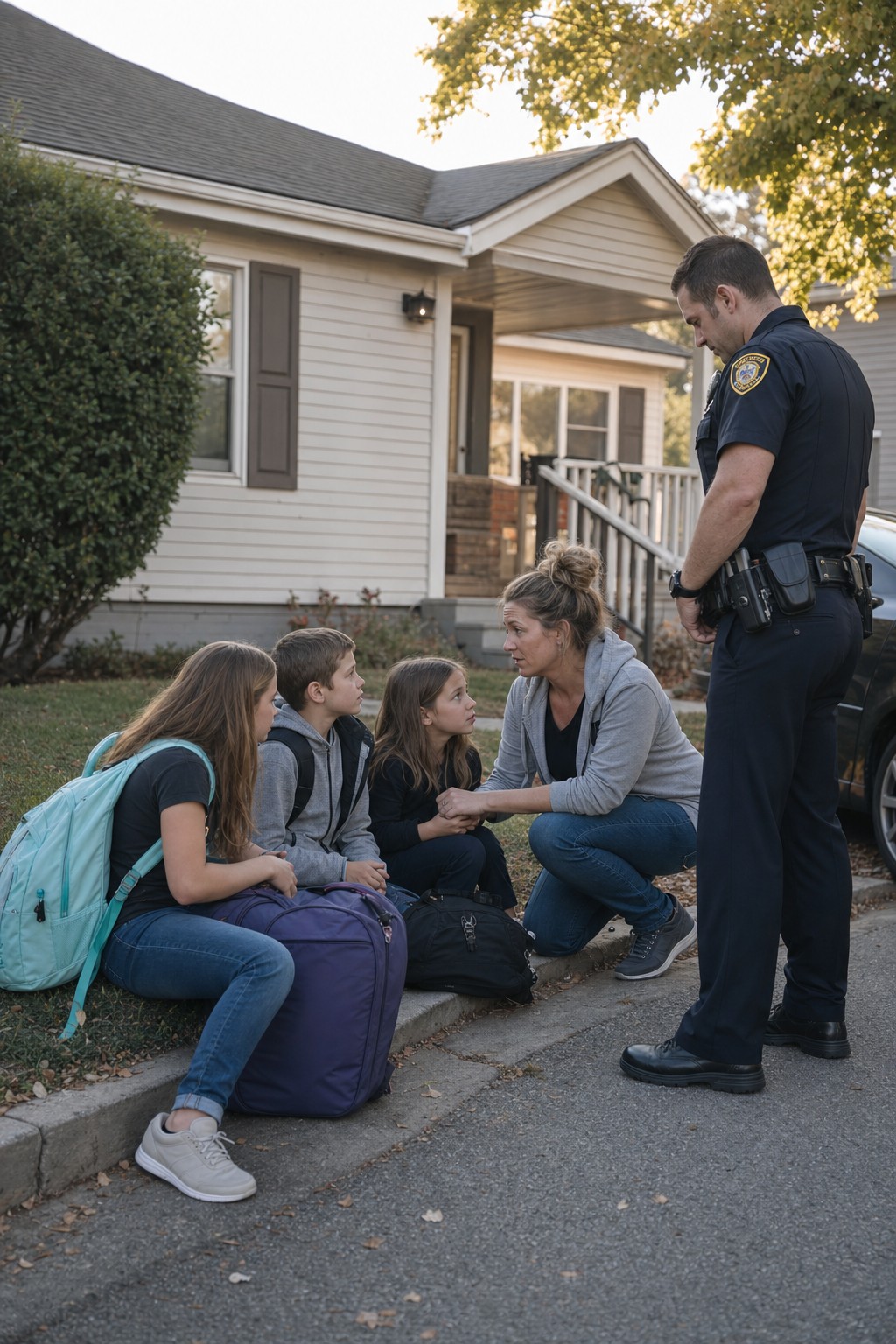
Maria's little girl heard him. She stared at her shoes and pulled her arms tight against her body.
Maria typed again, slower this time because her hands were shaking. She showed the words to Brenda: The tag says this price. Please check. I need this formula today.
Brenda barely glanced at the screen. She told Gary that some people came in wanting special treatment and then expected everyone else to stop working for them.
The line behind Maria grew quiet. A few customers looked away because watching cruelty makes people decide, in seconds, whether they will risk becoming its next target.
Bakery worker Teresa Lopez came over with the translation tablet and offered to check the tag. Brenda blocked her and threatened to write her up for taking another break.
"This isn't a break," Teresa said. "The customer needs help."
Brenda told Maria to pay what was on the screen or leave.
Teresa looked at the security camera and said store policy required them to honor a valid shelf tag.
Brenda leaned close and warned Teresa that one more word could cost her the job.
Teresa unclipped her apron, but she did not hand it over. "Maybe today is the day someone finally looks into those reports you keep deleting."
The words landed harder than a shout. Gary stopped smiling. Brenda's face tightened, and Charlotte saw the first crack in the neat performance she had been watching all morning.
The Drawer Under The Counter
Brenda tried to drag Teresa toward the back office, but Charlotte stepped between them.
"Before you write her up," Charlotte said, "I want my three-dollar contribution back."
Brenda sneered that refunds were impossible. Charlotte placed the receipt on the counter and asked which local group had received her money.
Brenda said the money supported outreach, then waved toward a poster about food donations near the exit. Charlotte asked for the name of the shelter, the date of the last delivery, and the receipt number that matched her charge.
The questions were calm, but they forced Brenda to choose between inventing details and admitting she did not know where the money went.
Brenda called security.
Marcus Berry arrived, read the receipt, and said Charlotte was only asking about an extra fee. Brenda told him to throw her out anyway, but Marcus did not move.
Marcus had worked at Lakeside long enough to know when a customer was being difficult and when a supervisor was trying to bury something. His hand stayed away from Charlotte's arm.
At the next register, a college student noticed a four-dollar hospitality charge after Gary scanned bread.
Gary canceled it, typed in a code, handed the student three dollars in cash, and dropped one dollar into a drawer marked COMMUNITY OUTREACH.
Charlotte watched Brenda slide her own receipt into that same drawer.
The small scam was obvious now. Staff were adding forced fees, refunding only part of the money when someone complained, and keeping the difference.
They aimed it at people who seemed unlikely to argue: voucher users, tired workers, parents with children, and customers with disabilities.
But the deleted complaints and inflated donation records pointed to something larger.
Teresa whispered that the extra charge code appeared on hundreds of bills each week. She had reported it to regional manager Geoffrey Jimenez seven times, and every report disappeared after he visited.
She had kept copies because disappearing reports had become a pattern. Each time Geoffrey toured the store, Brenda acted nervous before he arrived and strangely confident after he left.
Teresa said the staff were told to keep donation numbers high, customer complaints low, and voucher delays quiet. Anyone who asked too many questions found their hours cut the next week.
Before she could say more, Brenda ordered a young worker to mark two trays of fresh sandwiches as donated and throw them away.
The worker said the shelter driver was coming at ten. Brenda barked that she was tired of ungrateful people complaining about labels.
Charlotte understood the second fraud. Food was being logged as charity, then tossed, giving the store credit while the shelter got nothing.
The sandwiches were still wrapped and cold. The donation label had not even been printed yet, but Brenda was already ordering the log changed as if the food had left the building.
Charlotte thought about the shelter drivers who planned meals around those promised deliveries. A missing tray was not just a line in an accounting report. It meant people waiting for dinner would be told there was less food than expected.
She sent one message through the executive system: lock the registers, preserve all video, and send compliance, legal, accounting, accessibility, and the shelter team. Do not alert district management.
Brenda laughed that a phone call would not change how the store ran.
"A phone call won't change policy," Charlotte said. "But it can show who has been breaking it."
Every register suddenly turned red: TRANSACTIONS PAUSED BY CORPORATE COMPLIANCE.
Gary tried to slam the community drawer shut, but the electronic lock had already clicked.
For the first time that morning, the people who had been whispering in line looked directly at the counter. The power in the room had shifted, and Brenda knew it before Charlotte said another word.
The Owner Takes Off Her Cap
Twelve minutes later, Patricia Ruiz, the company's top compliance officer, entered with lawyers, accountants, the accessibility manager, and the shelter program lead.
Brenda rushed forward with a fake inspection smile. Patricia walked past her and stopped in front of Charlotte.