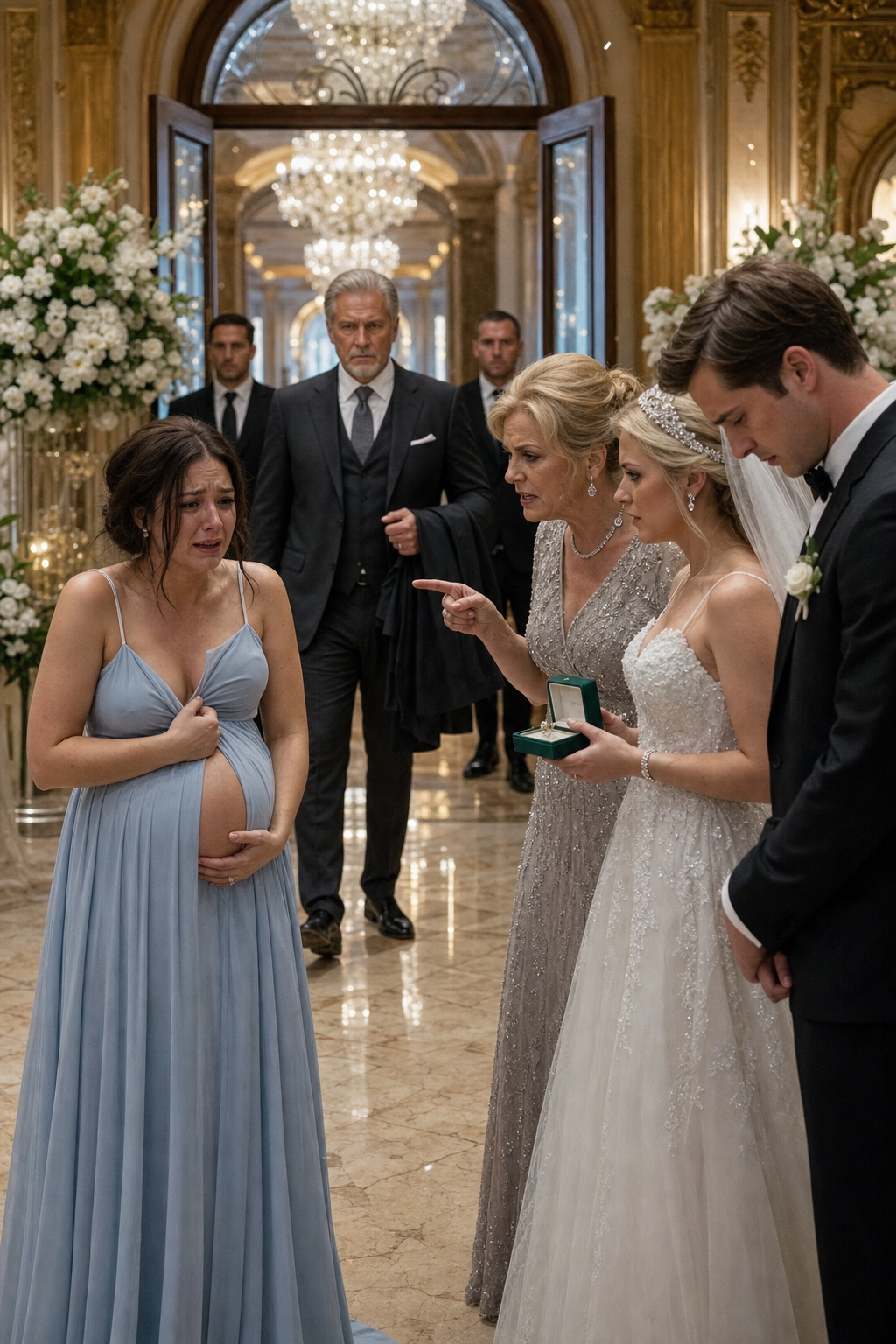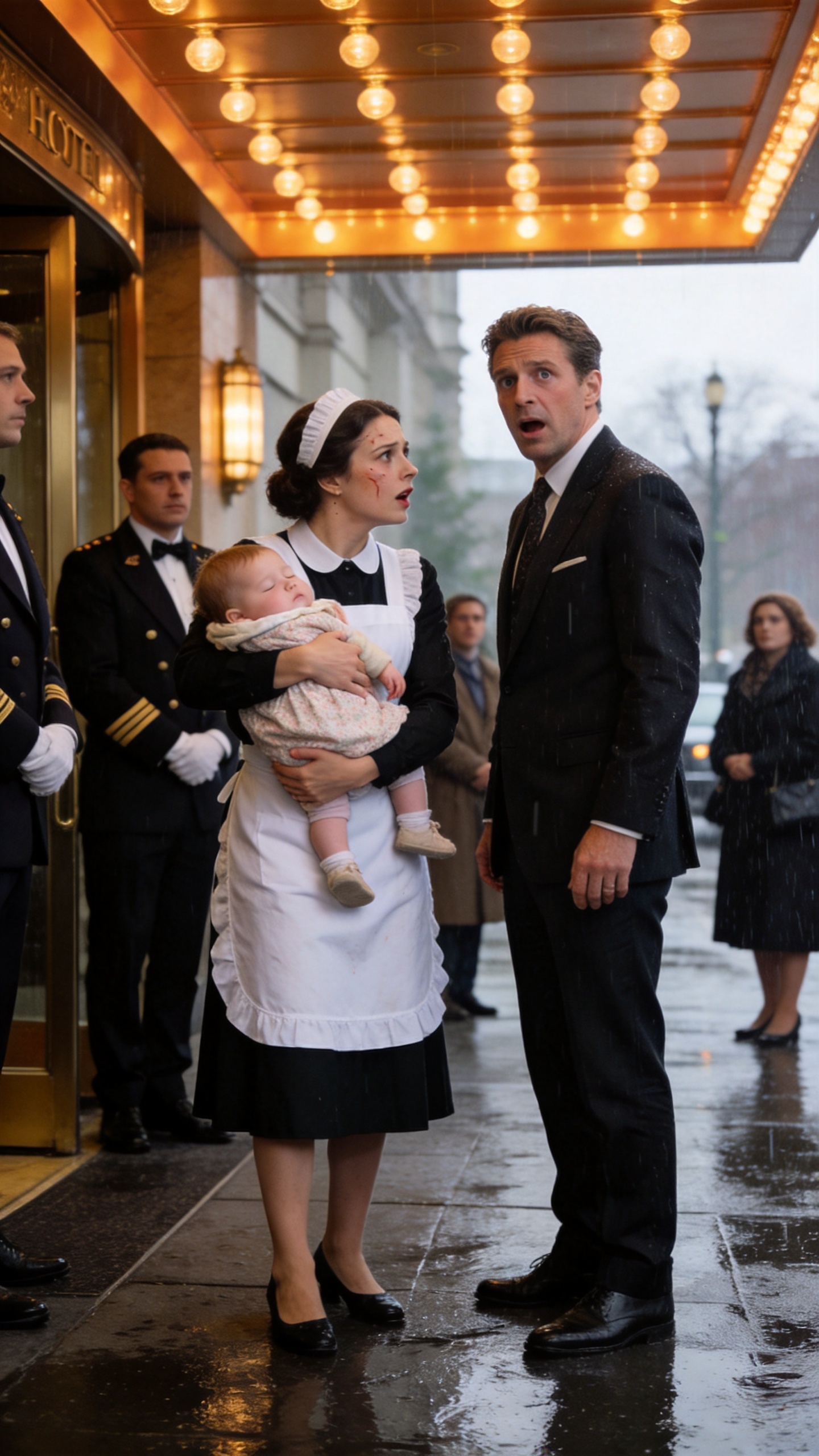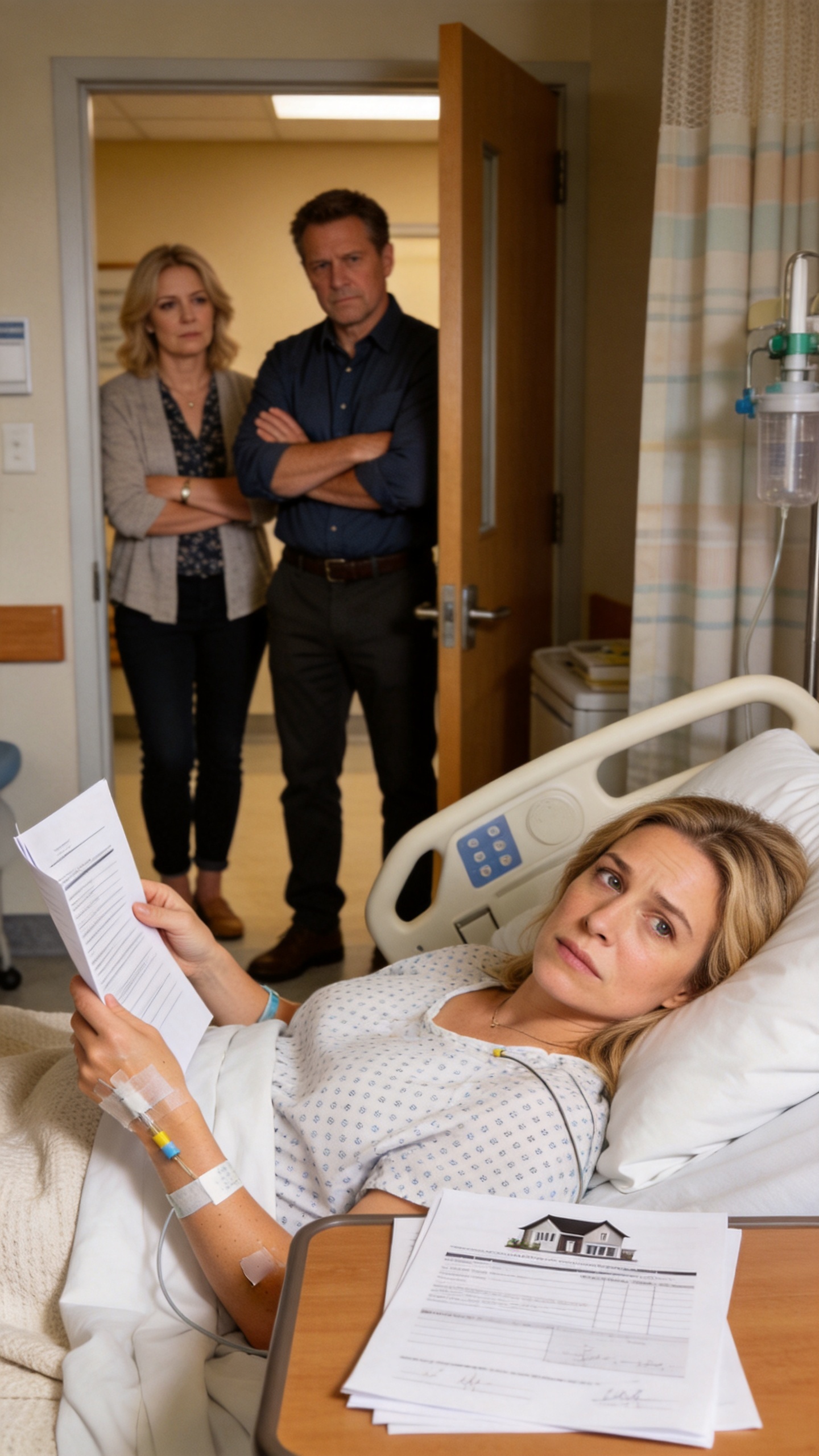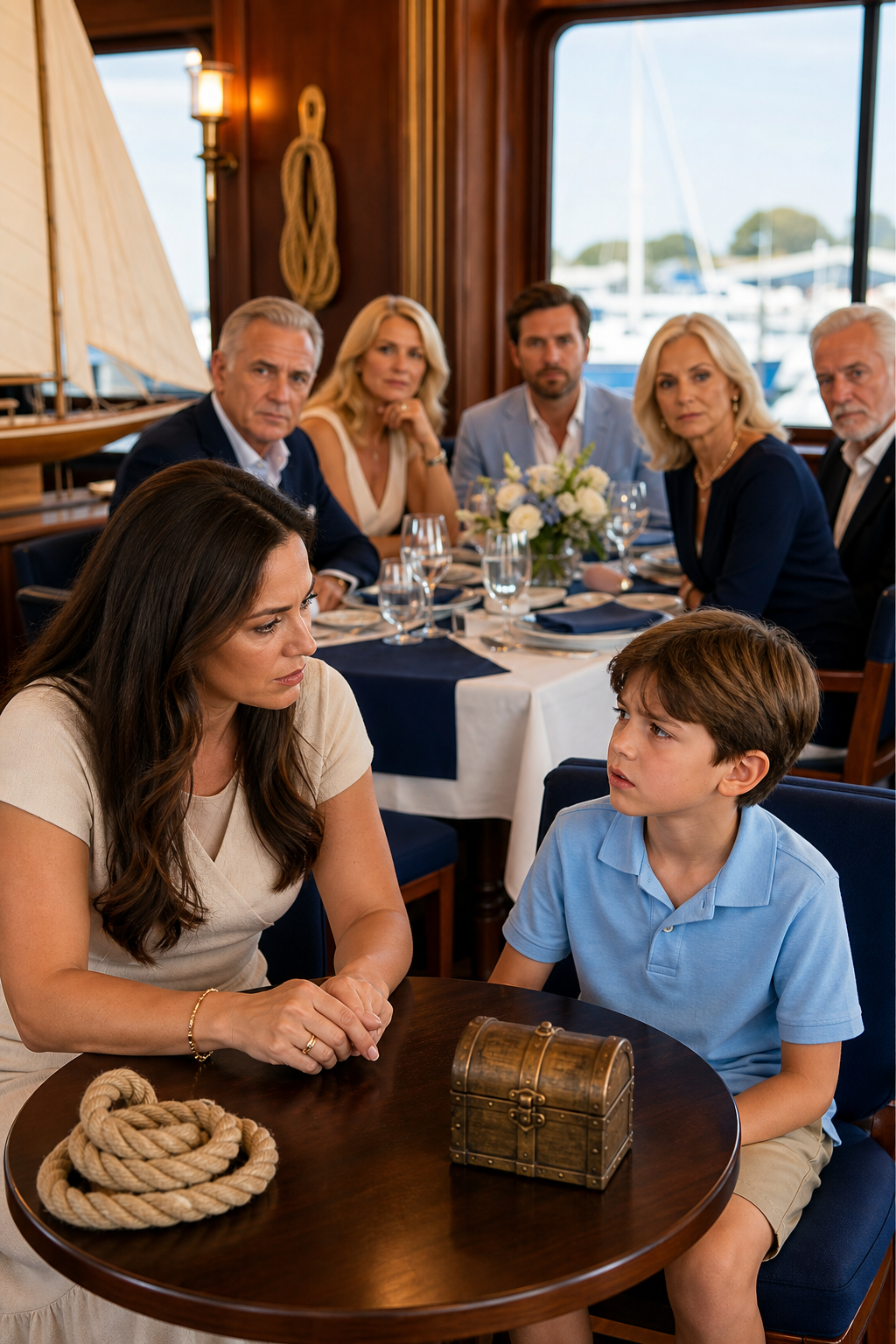
Ten Years After My Family Cut Me Off for Becoming a Military Doctor, I Returned for My Grandfather's Funeral, and a Defense Official Saluted Me Before My Father Could Finish Mocking Me
My Father Started Before the Flowers Wilted
My father looked at my dress uniform. Curled his lip. And asked whether I still made a career out of cleaning up other people's blood.
He said it in the reception room less than an hour. My grandfather's burial. With retired officers. Donors. And contractors close enough to enjoy the show.
The room smelled like rain, whiskey, and funeral lilies. His voice cut through all three.
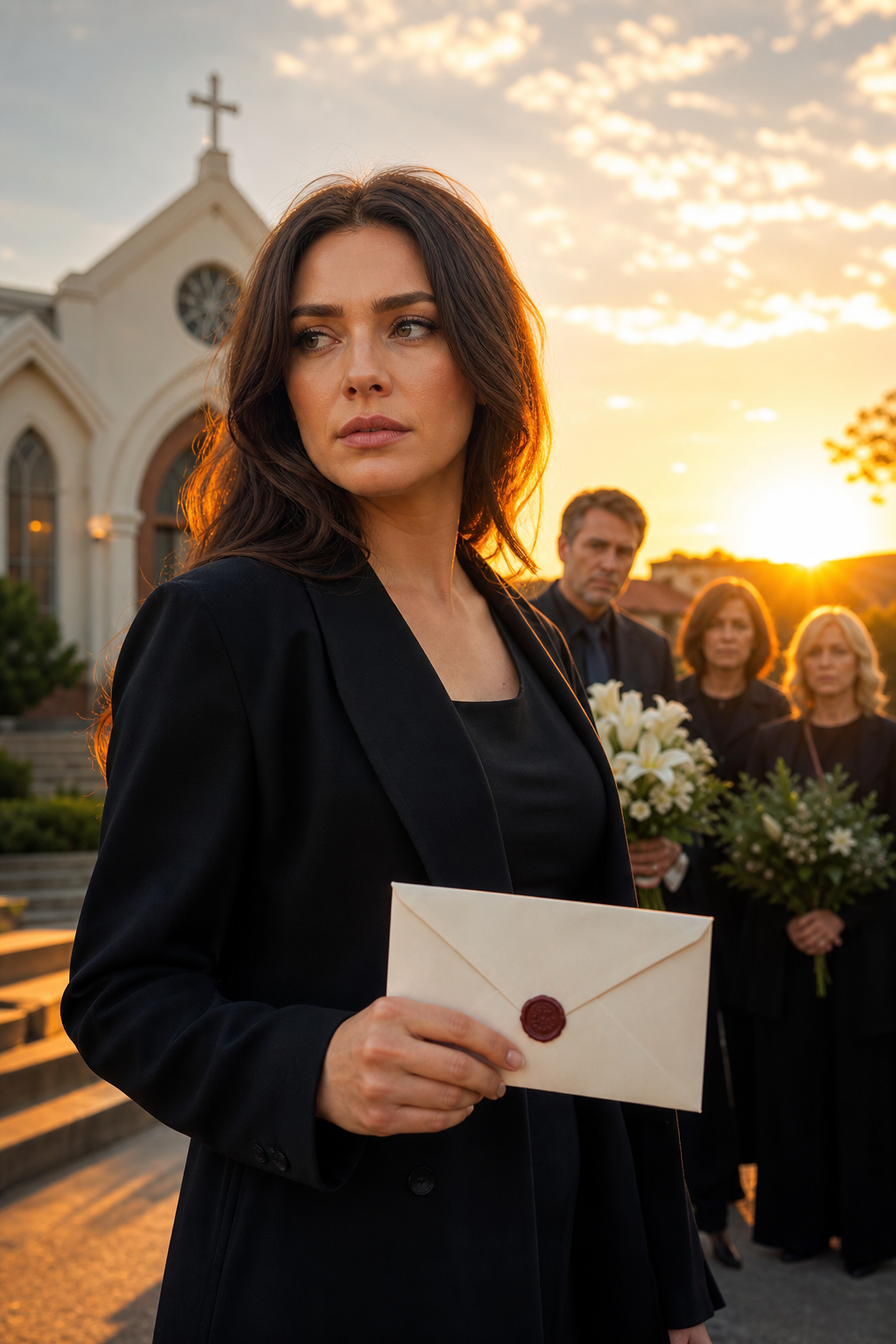
I had not come back to defend myself. I had come back. The only person in that family who ever looked at me like I was real had gone into the ground that morning.
My younger half brother laughed on cue. My stepmother kept moving plates from one tray to another so she could pretend not to hear any of it.
My father tapped one ribbon bar with two fingers. Asked the men around him if anyone needed bandages now that the family disappointment had arrived in uniform.
I kept my gloves tucked beneath one arm. Gave him the answer he hated most. Which was almost nothing at all.
Silence always bothered him more than tears. He preferred something he could call weakness.
I might have stayed quiet longer if the room had belonged only to him. It stopped belonging to him thirty seconds later.
The Salute That Changed the Room
Conversations thinned near the doorway first. A senator at the bar straightened before I even turned to see why.
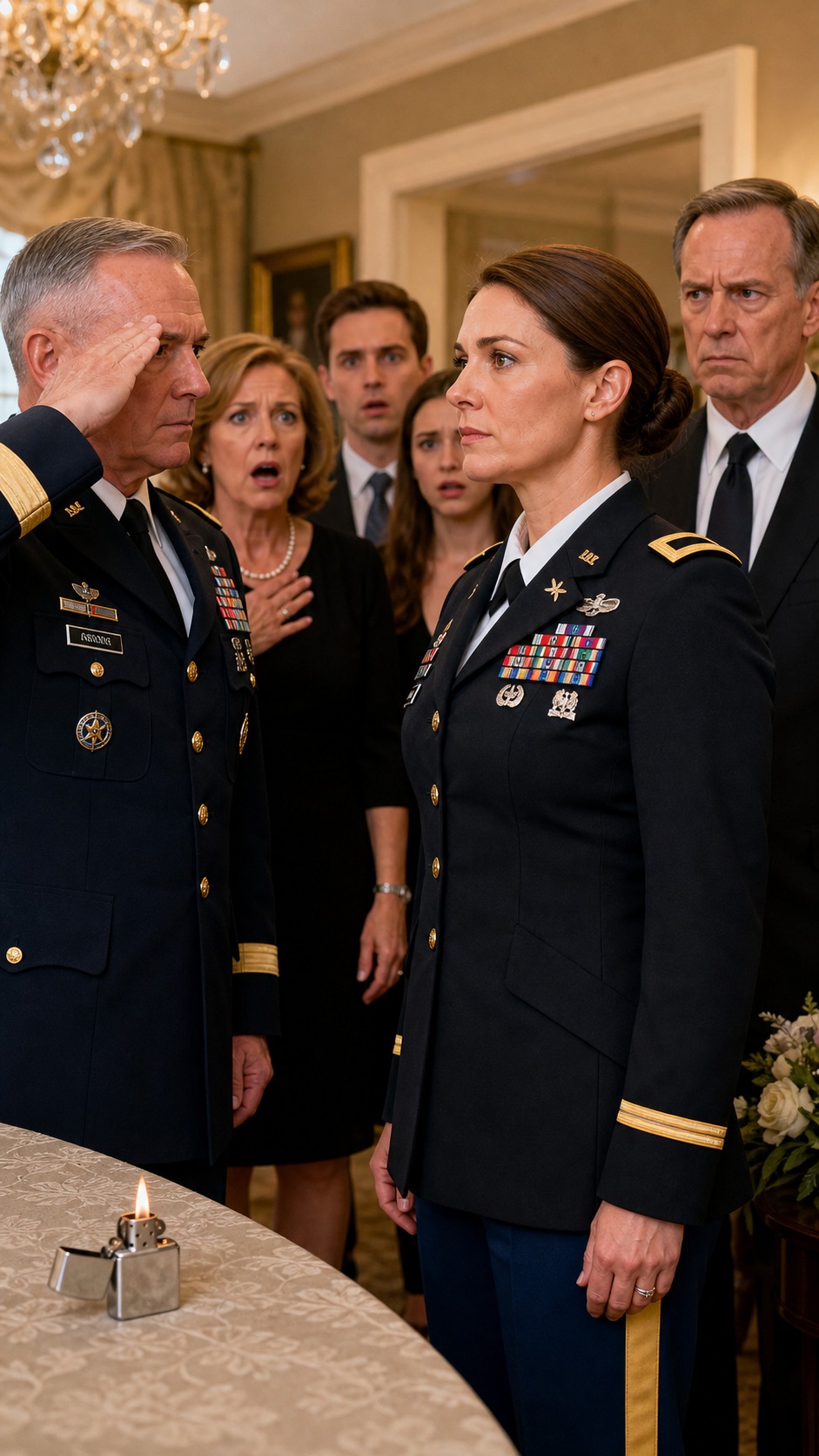
Three security agents entered in dark suits. And between them walked Daniel Kerr from the Defense Department. A man who did not waste movement on ceremony unless he meant every inch of it.
My father's smile slipped a fraction. He knew enough about power to recognize the real kind when it stepped into a room.
Kerr scanned the reception once. He did not pause on my father, the contractors, or the donors orbiting them.
He came straight toward me.
By the time he stopped, every sound in the room had gone paper thin. My brother's glass hung midway to his mouth.
Kerr snapped to attention and saluted. My body answered before my mind fully caught up.
He told me it was an honor to see me again. Colonel Elise Halston. And said men from a field hospital in Afghanistan still used my name. They talked about surviving the night.
I heard my father inhale like he had stepped into cold water. That was the first honest sound I had ever pulled from him in public.
What He Handed Me Outside
Two minutes later I escaped to the stone steps with rain still trapped in the cuffs of my coat. My pulse beating harder than it had in any operating tent.
Kerr followed with two paper cups of coffee. He handed me one and opened his other palm without saying anything first.
My grandfather's silver lighter rested there, dull with age and warm from his hand.
I knew the weight of it before I touched it. As a child I had listened for that lighter opening. Closing in the study whenever my grandfather was thinking harder than he wanted to admit.
A strip of paper was taped beneath the metal. My name sat on the fold in his handwriting.
Kerr said my grandfather had made him promise to put it in my hand directly. Never let my father intercept it.
That sentence sobered me faster than the rain. My grandfather trusted procedure. If he bypassed procedure, it meant he had run out of safe choices.
I peeled the tape just far enough to see one line. Do not let your father touch the blue folder.
Kerr watched my face. Said the funeral was not the end of what my grandfather had been trying to set in motion.
The Life They Tried to Shrink
On the other side of the glass. My family still looked polished enough to print on the front of a donor brochure.
That had always been their trick. Distance turned them into legacy. Closer light made the seams show.
When I was twelve, I told a dinner guest I wanted to become a surgeon. My father laughed and translated that dream into a policy career before I could finish the sentence.
He spent my childhood editing me in real time. Sanding away anything that did not serve the picture he sold to other powerful men.
When I accepted a military scholarship for medical school, he called it vulgar. He said capable women in our family did not disappear into combat zones unless they had failed somewhere cleaner.
A week later my trust access vanished. He called it a lesson in adult choices and expected me to crawl back before tuition was due.
I did not crawl. I took loans. Night shifts. Residency call. And the kind of field medicine that teaches you the human body can break faster than anyone at home would ever believe.
Out there, none of his opinions could clamp a bleeding artery. None of his connections could shout a lung back open.
The work made me harder. Steadier. And impossible for him to shrink with one sentence anymore. Even if he kept trying.
The Will Was Not the Real Shock
The family attorney gathered us in my grandfather's study. The last guests finished pretending grief. Moved on to networking.
Dark wood. Old maps. A retirement flag. And a locked file cabinet waited under lamplight that made every face look more secretive than usual.
One drawer had a strip of blue tape on the handle. I saw it immediately and kept my expression still.