After 11 Years Of Being Called Barren, My Husband Put My Suitcase Outside And Said, "I Need A Woman Who Can Give Me Children." Three Toddlers Walked Into His Wedding And Made The Whole Church Go Silent
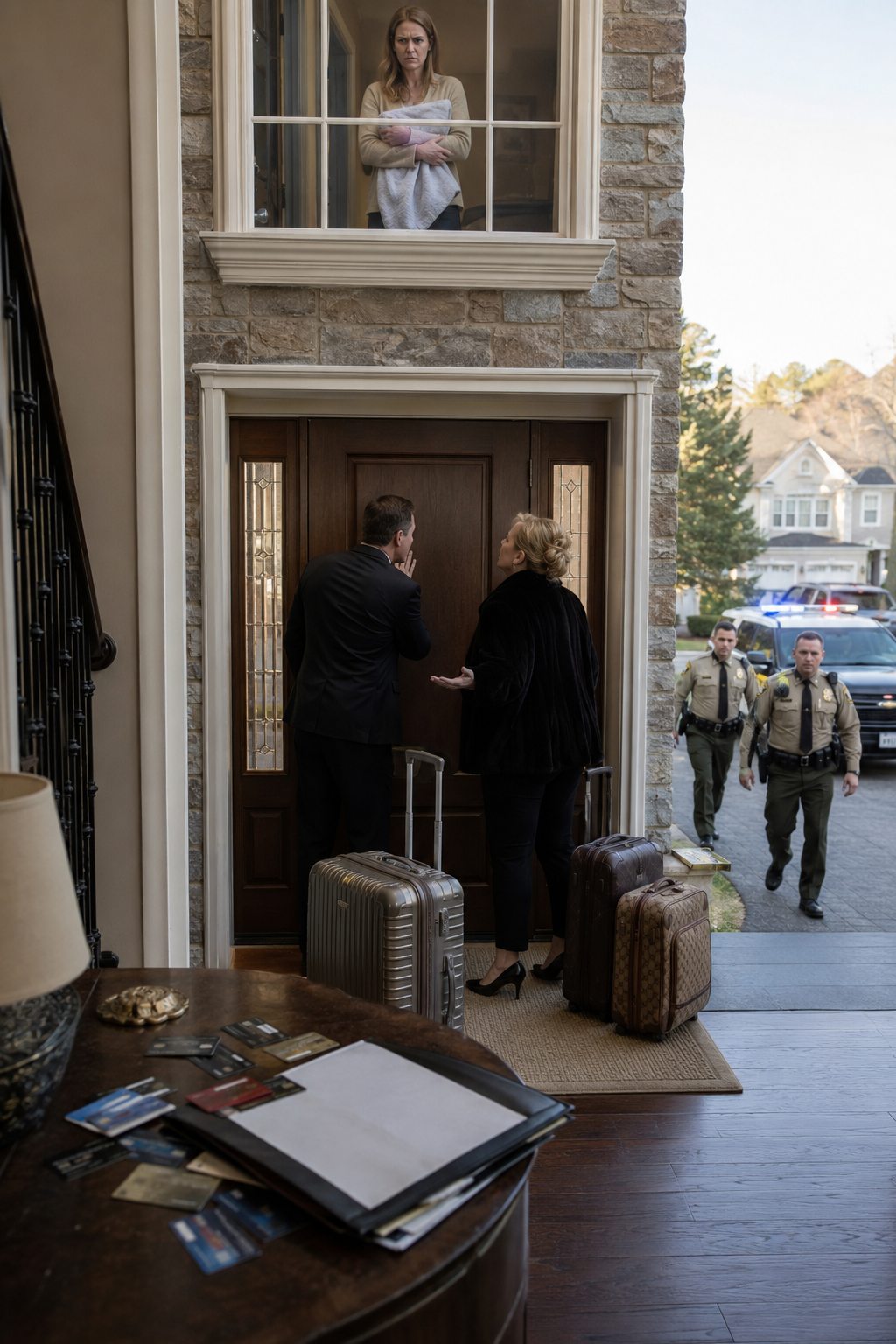
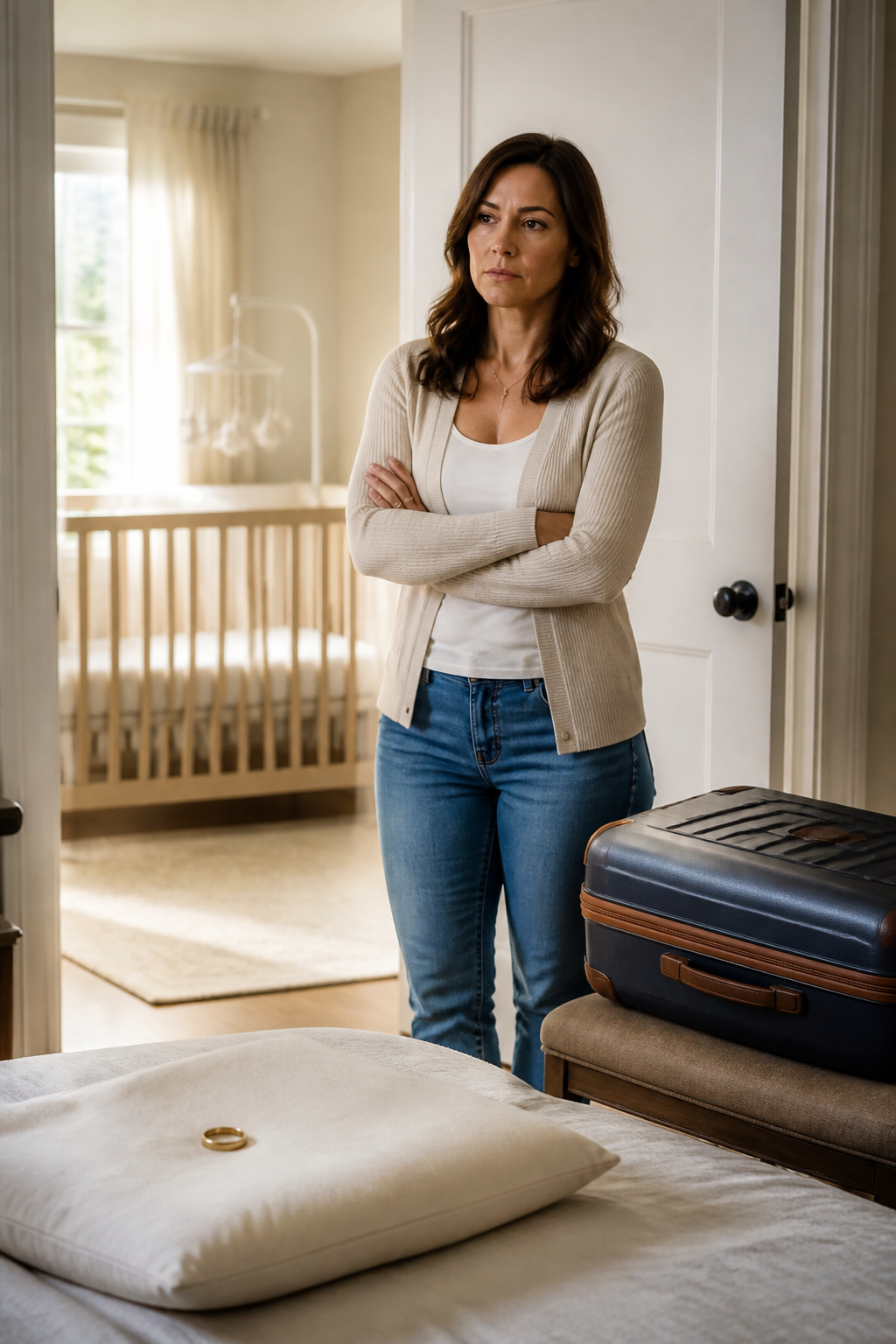
My suitcase was already on the porch.
That was the first thing I saw.
Not my husband.
Not his apology.
Not the dinner I had been too nervous to eat.
Just my old brown suitcase standing beside the front door of the house I had helped build into a home.
The handle was broken.
One wheel leaned sideways.
On top of it sat a white envelope.
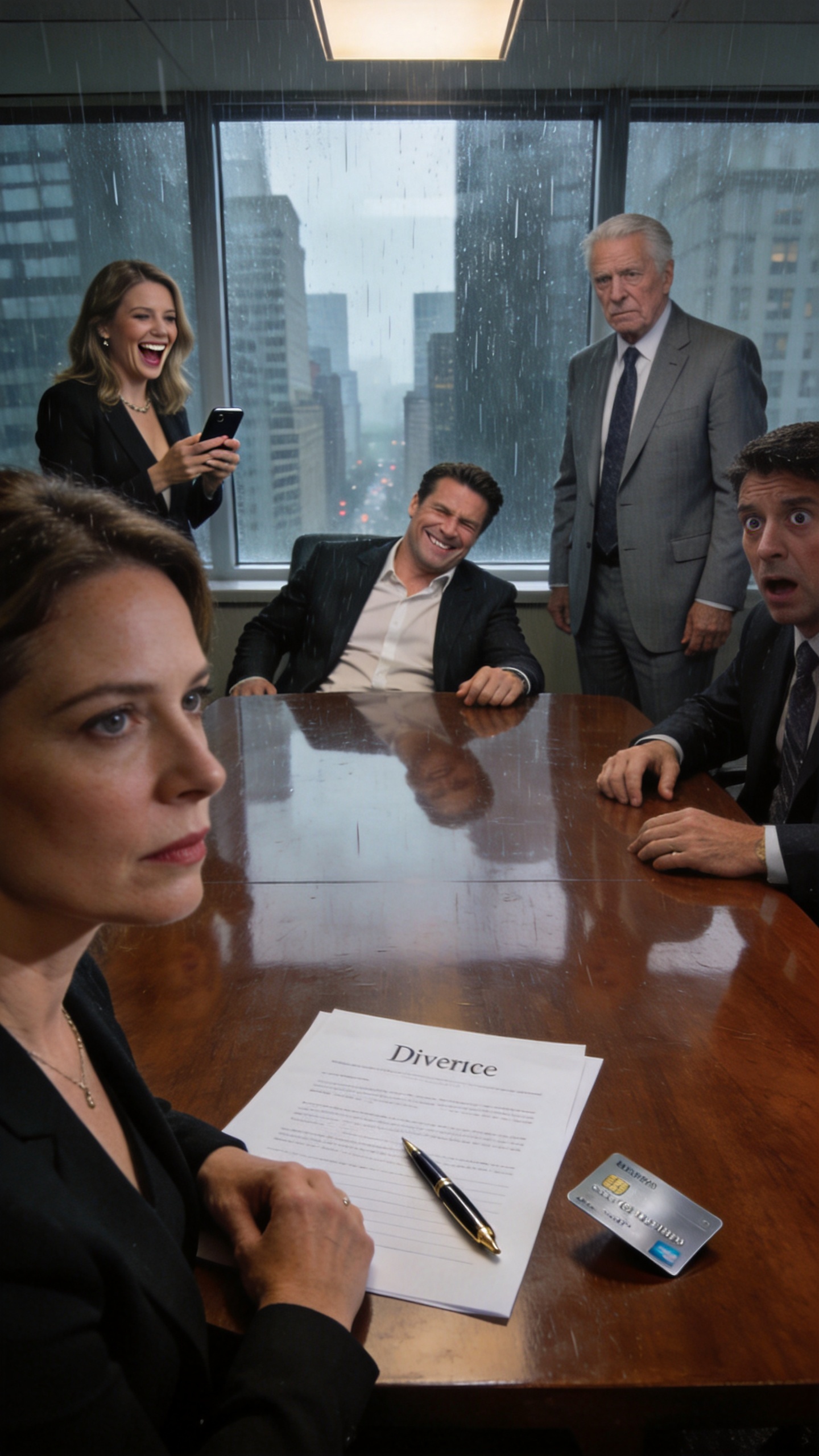
Divorce papers.
Behind the glass door, Mark's family was laughing.
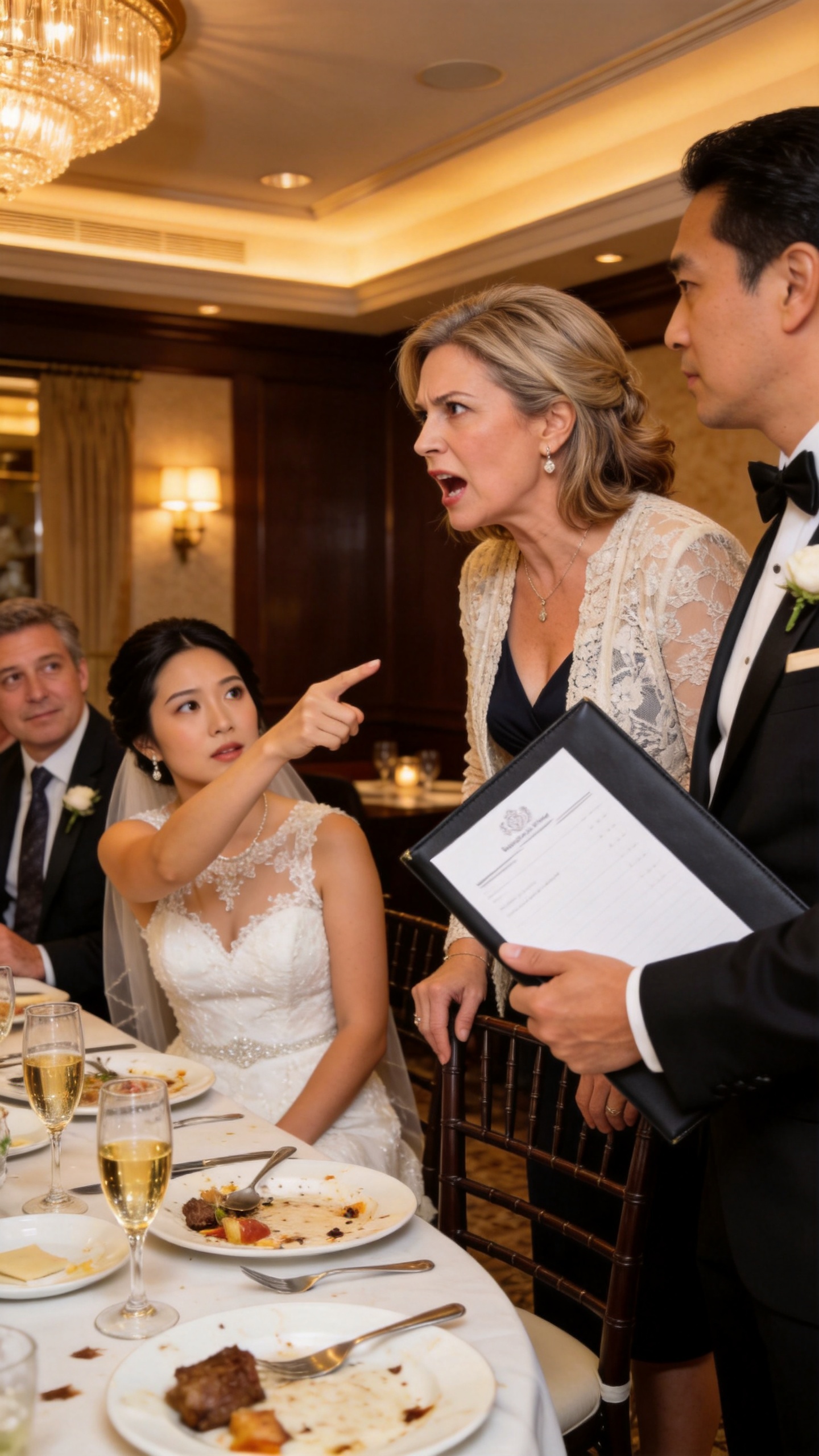
His mother, Celeste, stood in my living room with a champagne flute in one hand and a smile sharp enough to split skin.
Beside Mark sat a woman in a cream dress.
Young.
Pretty.
Resting one hand on his knee like she had earned the place I had occupied for eleven years.
Mark opened the door but did not step outside.
"Evelyn," he said, as if I were a bill he had finally decided not to pay. "Don't make this harder."
I looked at the envelope.
Then at the suitcase.
Then at the man who had once cried into my hair after our third failed treatment.
"Harder?" I whispered.
His jaw tightened.
"I need a woman who can give me children."
The room behind him went quiet for one bright second.
Then Celeste gave a soft little laugh.
"At least he finally said it."
I had just come from the clinic.
My hands still smelled faintly like sanitizer.
Inside my purse was a folded ultrasound report and a photograph so small I had touched it ten times on the drive home just to make sure it was real.
After eleven years of being blamed for every empty nursery, every silent holiday, every Mother's Day I spent in the bathroom breathing through tears, I had finally heard a doctor say the words I thought were gone forever.
You are pregnant.
I had come home to tell my husband.
Instead, I found my marriage packed on the porch.
They Had Buried Me Under One Word
For years, Celeste never called me cruel things in public.
That would have been too obvious.
She preferred softness.
"Maybe stress is closing your body."
"Maybe if you lost weight."
"Maybe God knows something we don't."
At family dinners, she handed babies to every woman except me.
At Christmas, she hung tiny stockings for cousins and grandchildren and joked that mine could hold gift cards.
Mark used to defend me.
At first.
Then the tests became expensive.
The appointments became humiliating.
The hope became something we both carried badly.
I took injections that made my stomach bruise.
I swallowed pills that made the room spin.
I sat under fluorescent lights while nurses spoke gently and doctors frowned at charts.
Every time a test came back negative, Mark looked less sad and more accused.
As if my body had betrayed him on purpose.
Three months before he threw me out, a new specialist finally reviewed the old files.
Dr. Andrew Lowell did not smile when he read them.
He asked why no one had ordered a deeper scan.
He asked why no one had treated the scarring.
He asked why I had spent a decade carrying blame for something that had been missed.
"This was never as simple as they told you," he said.
I cried in his office with both hands over my mouth.
Not because the truth fixed everything.
Because for the first time, someone had not looked at me like a defective wife.
Surgery followed.
Then recovery.
Then one quiet morning, two pink lines appeared on a test I almost threw away before I looked.
The clinic confirmed it that afternoon.
Pregnant.
Seven weeks.
Fragile but real.
I drove home with the ultrasound in my purse and a trembling speech in my head.
I was going to tell Mark we still had a chance.
He had chosen that same day to introduce me to the woman he planned to marry next.
A Stranger Saw What My Husband Refused To See
I did not tell him.
That surprises people when I tell the story now.
They ask why I did not lift the photograph and destroy him right there.
Because in that moment, the pregnancy felt like the last clean thing left in my life.
And I refused to hand it to people who had spent years making my pain entertainment.
So I picked up the suitcase.
I took the envelope.
I walked down the driveway while Celeste called after me, "Try to leave with dignity, Evelyn."
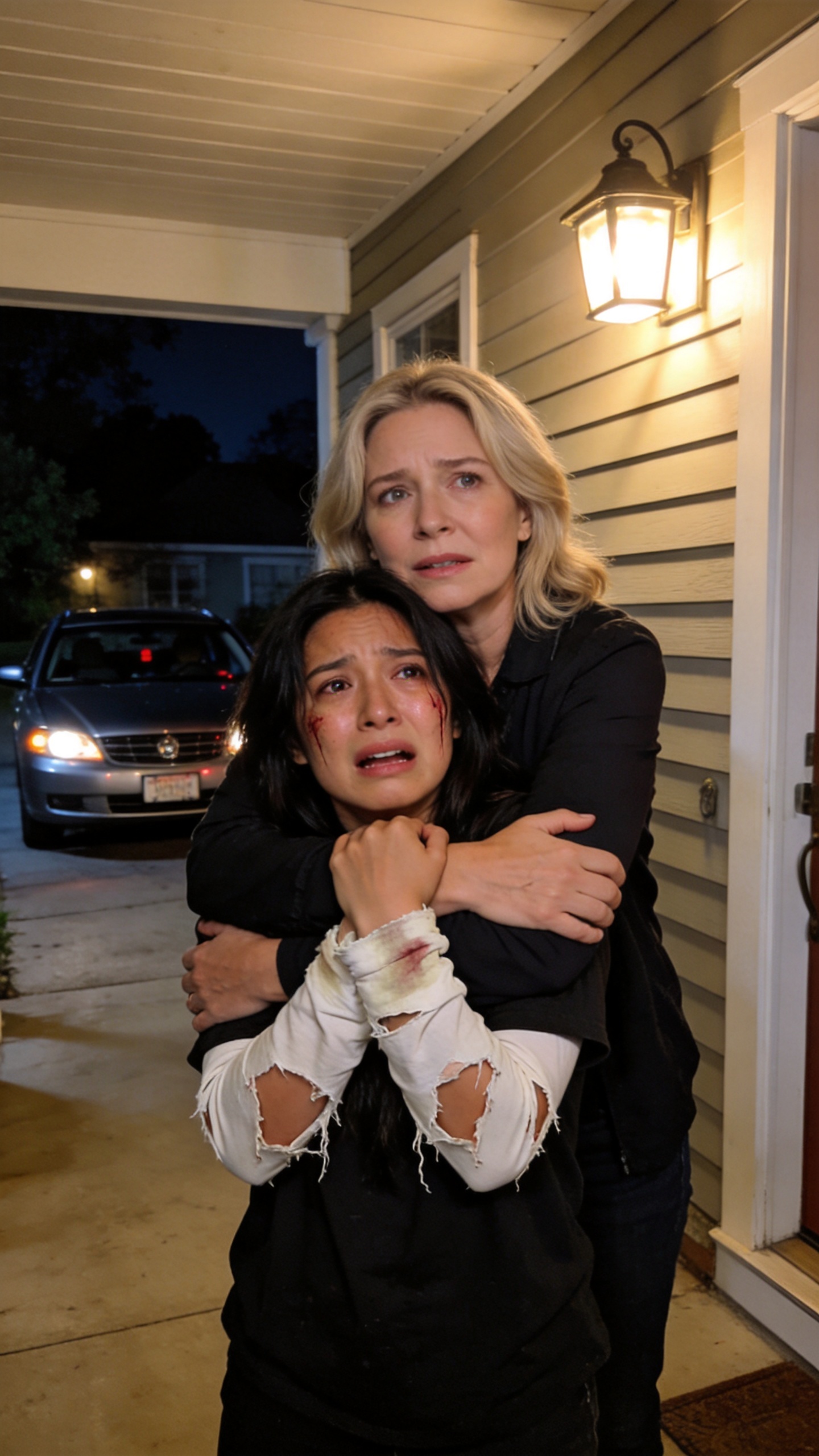
Halfway to the road, my knees gave out.
The suitcase tipped over.
The envelope slid across the pavement.
A black town car stopped beside the curb.
An older man stepped out, gray-haired and broad-shouldered, wearing the kind of suit that made him look important without needing to announce it.
"Ma'am," he said, bending to pick up the papers. "Are you hurt?"
I should have said no.
Instead, I started crying so hard I could not breathe.
His name was Thomas Waverly.
He owned a private medical foundation downtown.
He was also, by a coincidence too strange to invent, the father of Dr. Andrew Lowell.
Thomas did not ask for gossip.
He did not ask what I had done wrong.
He drove me to a quiet guest apartment used by visiting doctors and handed me a cup of tea with both hands.
"Tonight," he said, "you only need to be safe."
The next morning, Andrew came by after Thomas called him.
He looked stunned when he saw me.
Then he looked at the suitcase by the door and understood enough not to ask too quickly.
Over the next months, Andrew monitored the pregnancy.
Thomas helped me find an attorney.
Mark signed the divorce papers without asking once where I had gone.
His lawyer sent one email about dividing property.
Celeste sent one message.
It said, Let my son be happy.
I deleted it while sitting in a waiting room, one hand on my stomach.
At twelve weeks, Andrew turned the ultrasound screen toward me.
His face changed.
I stopped breathing.
"What is it?"
He smiled slowly.
"Evelyn, there are three heartbeats."
For a moment, I heard nothing.
Then the room filled with sound.
One heartbeat.