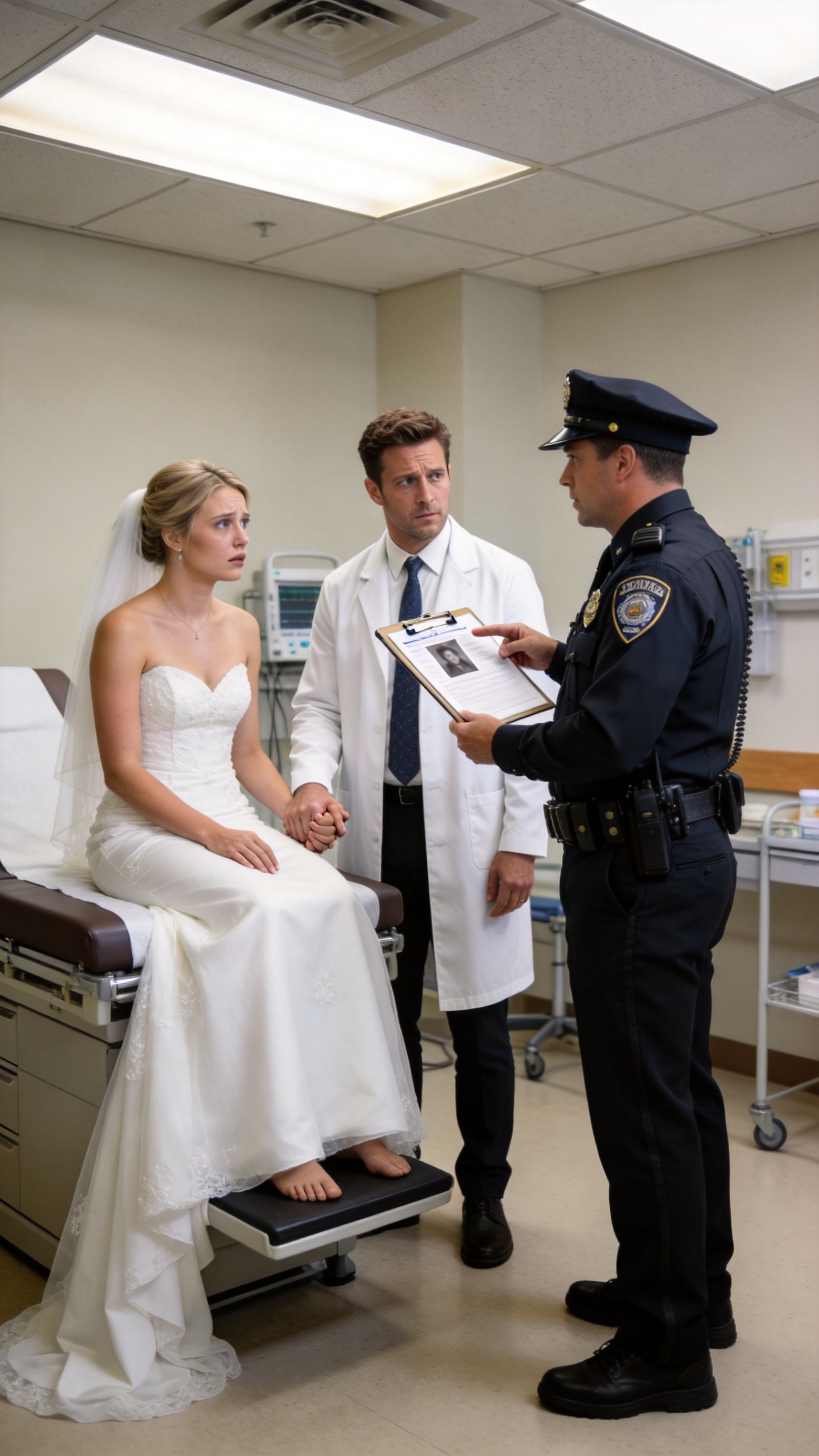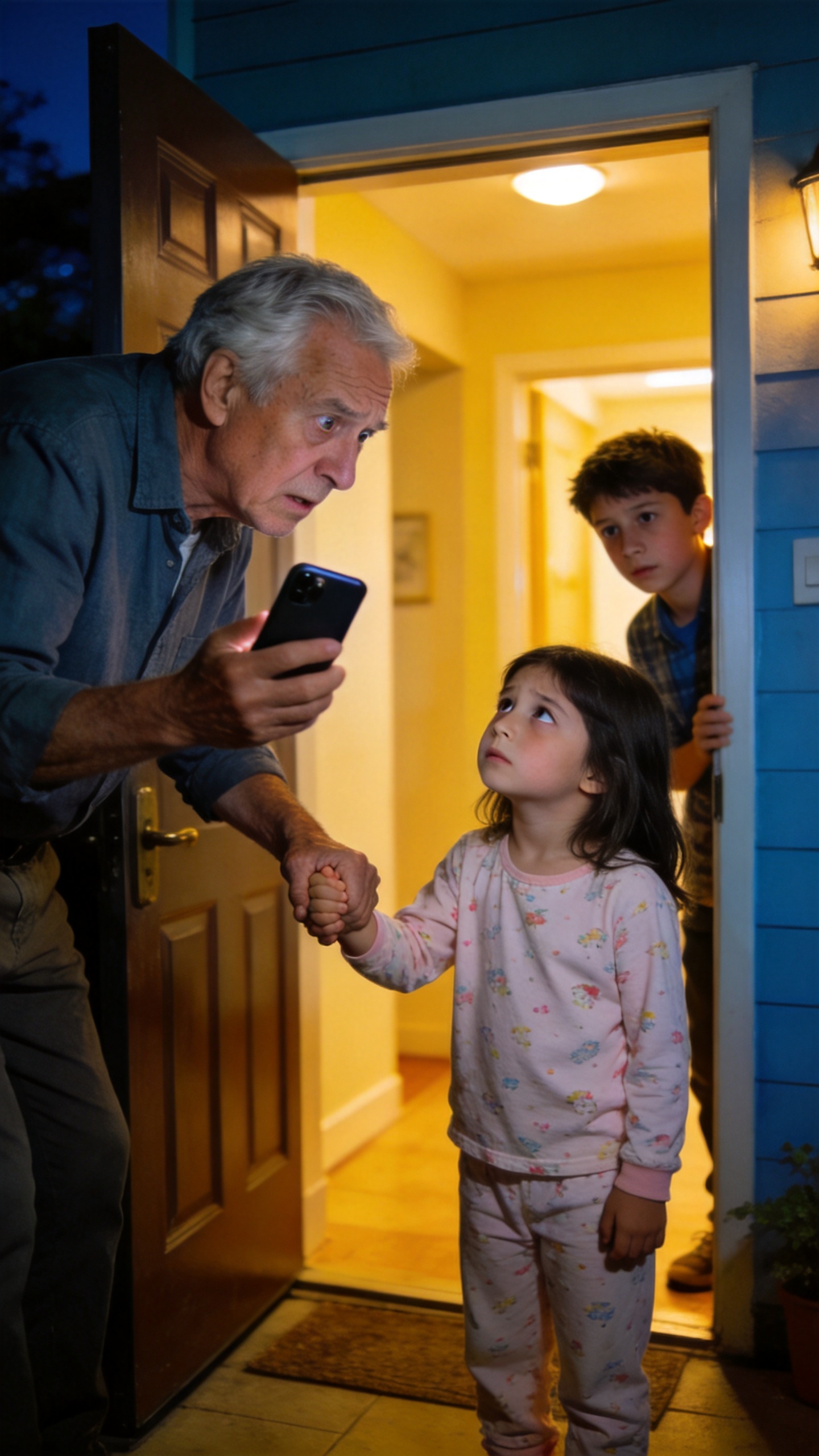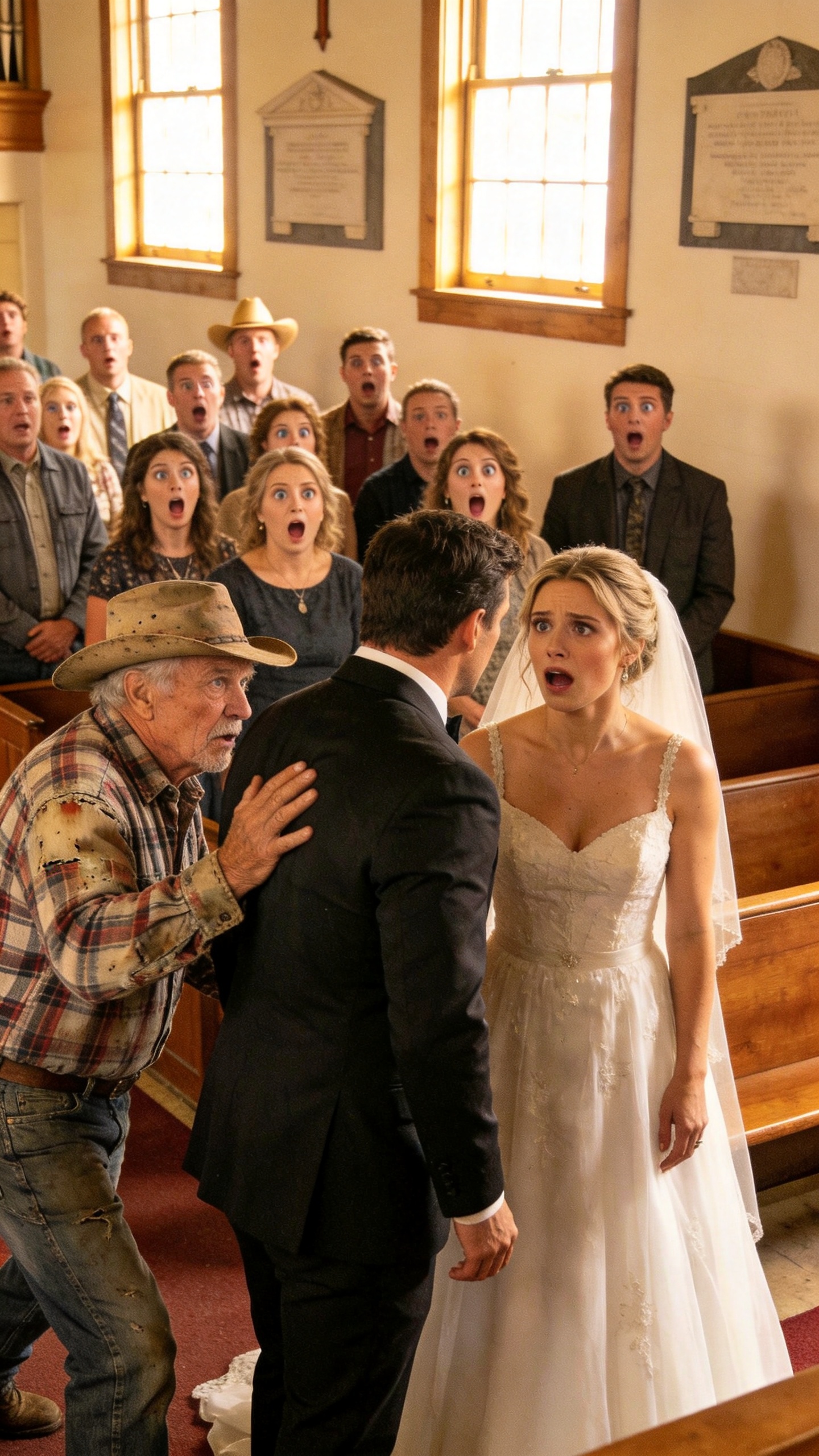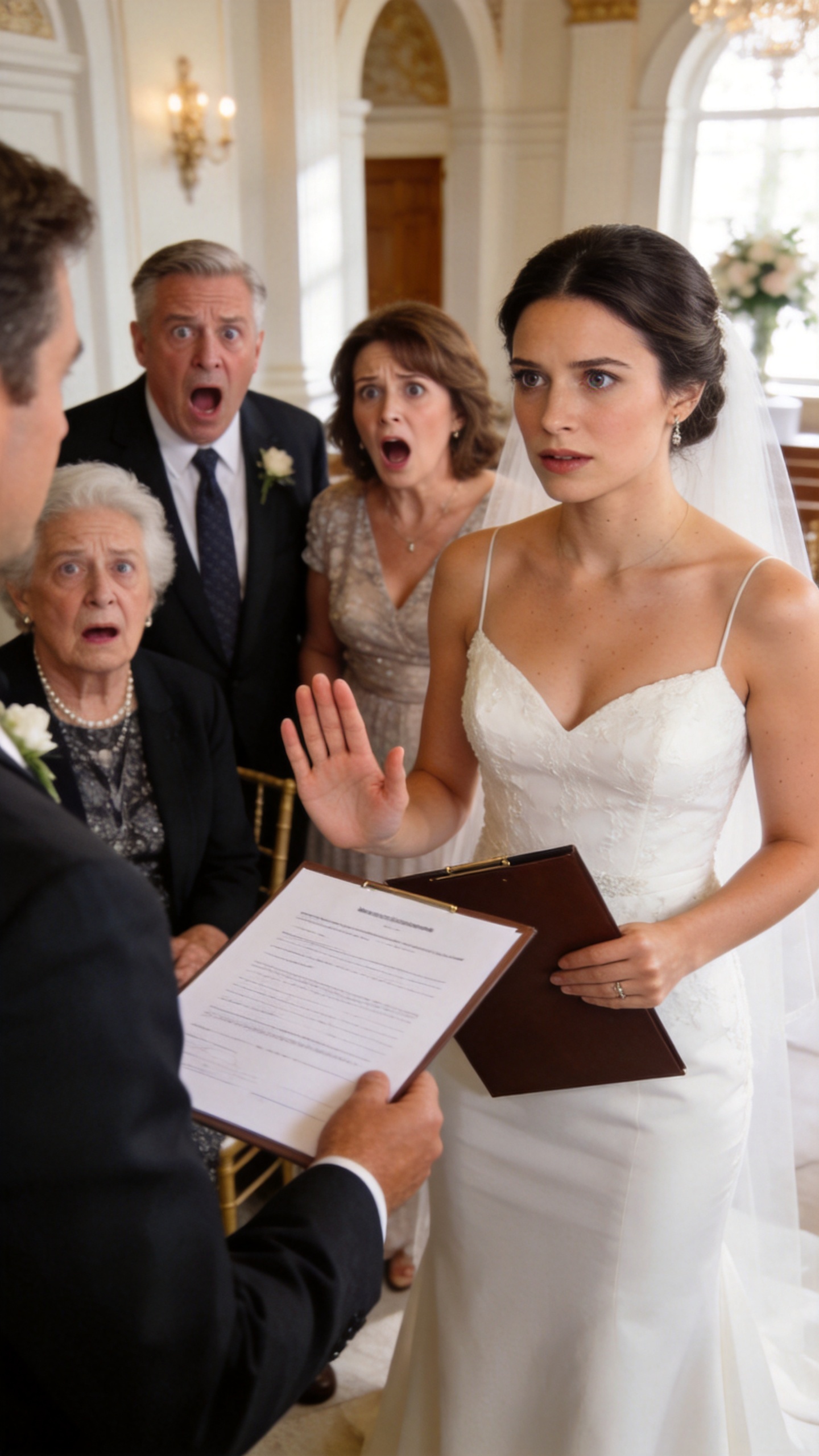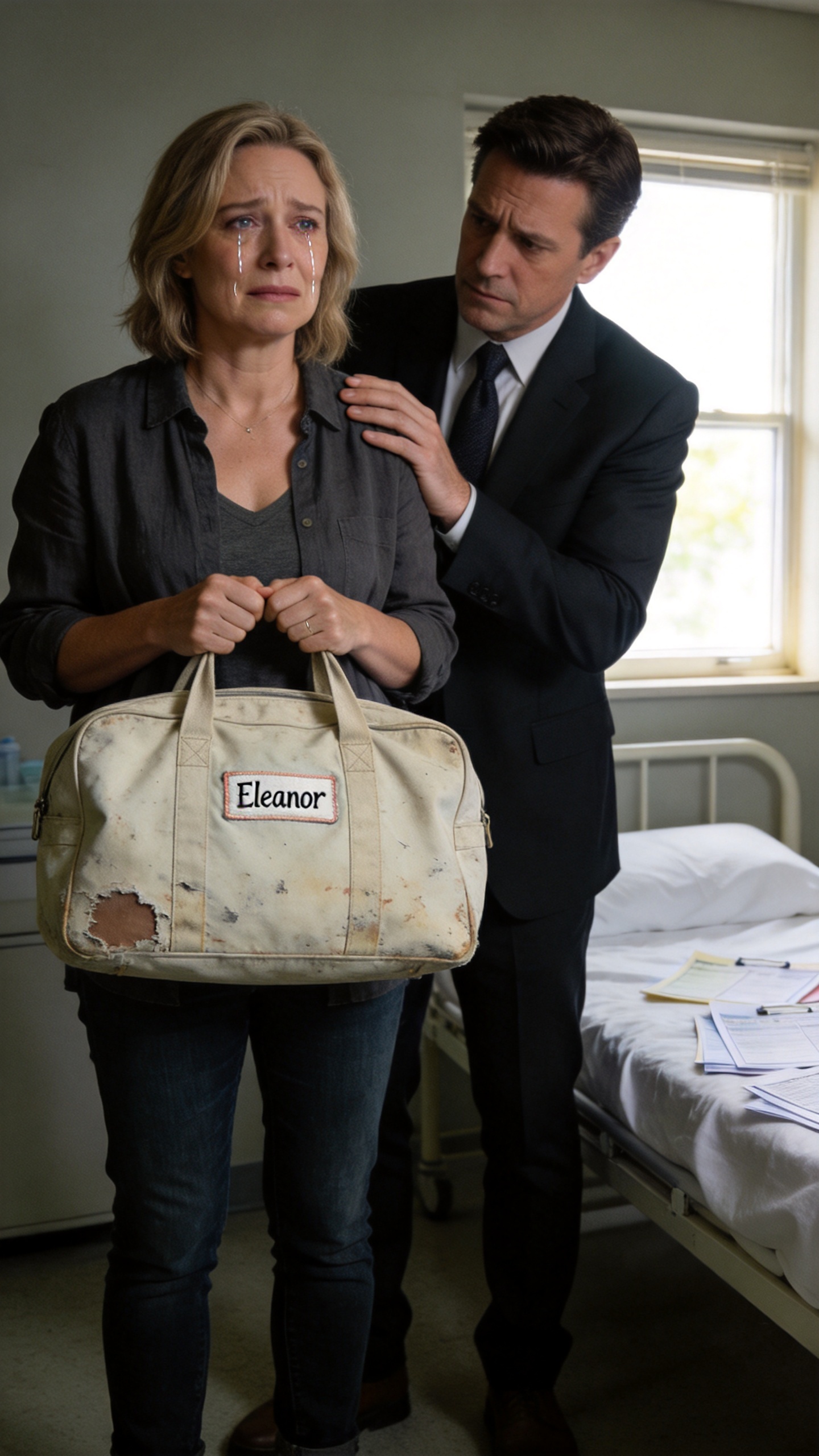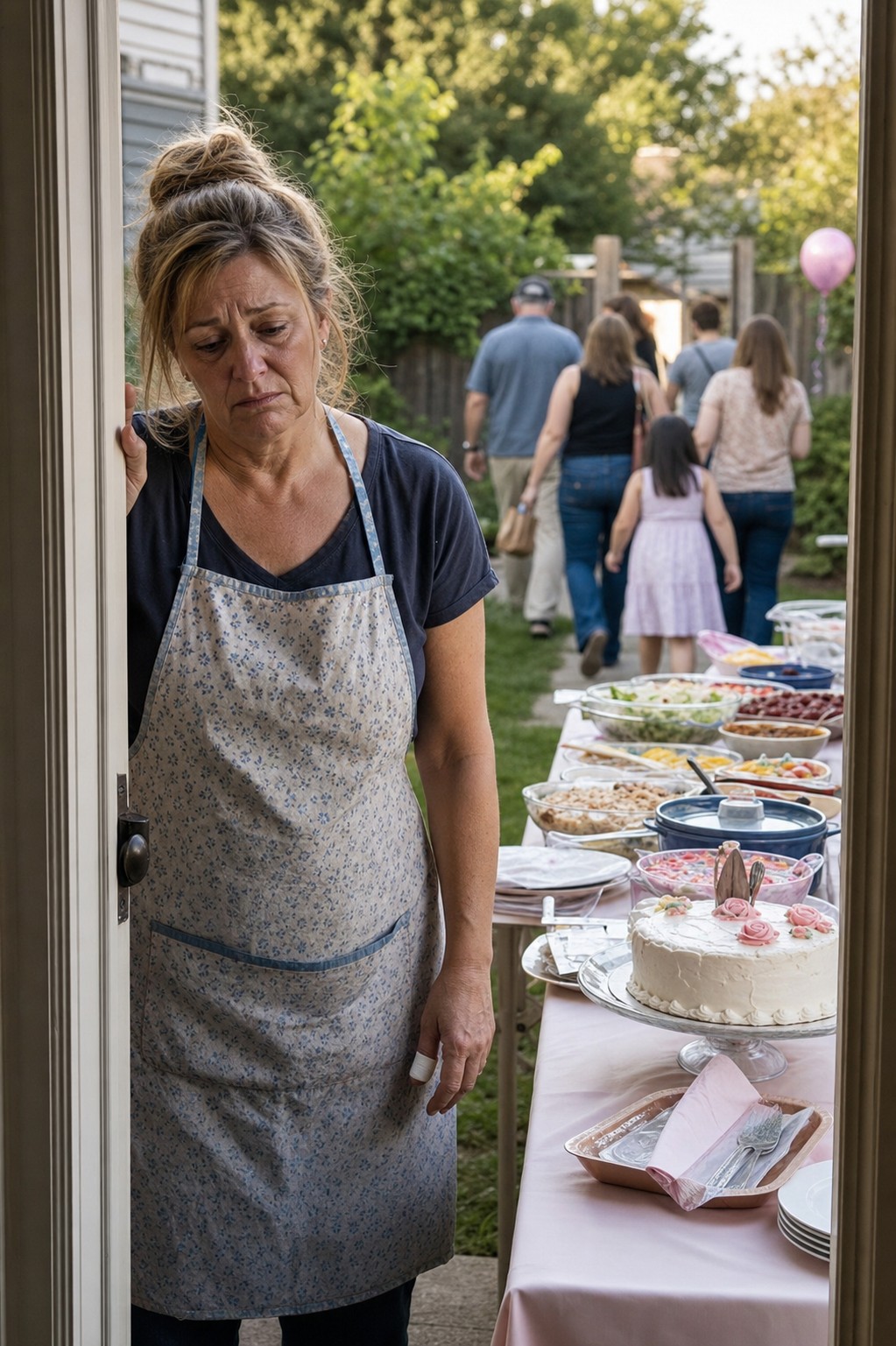
Sick, exhausted, and sitting on the floor, I signed the divorce papers while my husband promised I would leave with nothing.
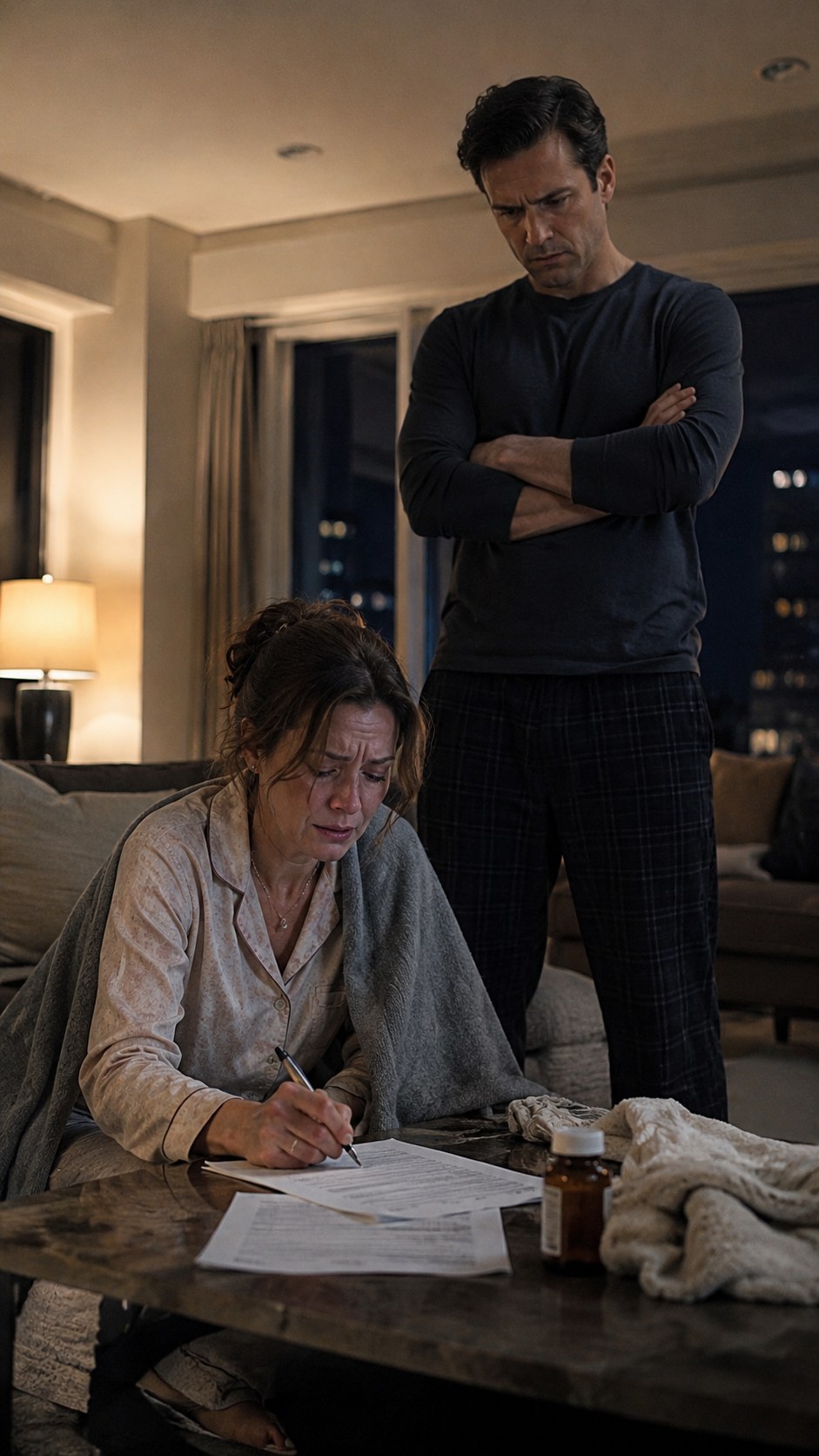
Sick, exhausted, and sitting on the floor, Nora signed the divorce papers while her husband promised she would walk out with nothing.m
She Signed Away Her Marriage. Then the House Remembered Everything.
The pen slipped from Nora Whitman’s fingers and struck the marble floor with a sound so small it should not have mattered.
Yet in the cavernous silence of Ashford House, it sounded like a gunshot.
Nora stared at it from where she sat against the carved oak wall, one knee bent beneath her, the divorce papers spread across the floor like white flags. Sweat dampened the hair at her temples. Fever pulsed behind her eyes.
Every breath scraped her throat raw and the bones in her hands ached as if winter had settled inside them.
Across the foyer, her husband looked down at her without moving.
Graham Whitman wore the charcoal suit Nora had bought him for their tenth anniversary, the one tailored in Milan because he had complained that nothing made him look powerful enough in board meetings.
He stood beneath the crystal chandelier with his hands in his pockets, his expression carefully stripped of sympathy.
Beside him, his mother smiled.
Vivian Whitman did not smile broadly. She was too disciplined for that. Her pleasure appeared only in the faint lift of one corner of her mouth, in the brightness of her pale eyes, and in the way her manicured fingers rested possessively on the banister.
The house had belonged to Nora’s family for three generations.
But Vivian stood in it as though Nora were the intruder.
“Pick it up,” Graham said.
Nora lifted her gaze.
For eleven years, she had loved that face.
She had loved it when it was young and uncertain when Graham had been an ambitious project manager with an empty bank account and impossible dreams.
She had loved it when he slept beside her in a rented apartment so narrow that they had to turn sideways to pass each other in the kitchen. She had loved it when he cried at their wedding and whispered that she had given him a future.
Now there was nothing uncertain in his expression.
Only impatience.
“You wanted this finished tonight,” he continued. “So finish it.”
Nora looked at the pen.
Then at the pages.
The settlement claimed that Graham would retain his construction company, his investments, the cars, the accounts he considered personal and all furnishings currently inside Ashford House.
Nora would receive a modest payment and thirty days to remove her belongings.
It did not explicitly say Graham would receive the house.
It simply assumed he already owned it.
That assumption had carried him through the entire evening like a king’s crown.
Nora leaned forward, fighting the wave of dizziness that rolled through her. When her fingers closed around the pen, she heard Vivian release a quiet breath of satisfaction.
“You should be grateful,” Vivian said. “Graham could have been much less generous after everything you’ve put him through.”
Nora’s hand paused above the signature line.
“Everything I’ve put him through-”
Vivian’s eyes flickered toward Graham.
He answered instead.
“The illness. The accusations. The secrecy. Disappearing for hours and refusing to say where you went.” His jaw tightened. “You’ve become impossible to live with.”
Nora nearly laughed.
The sound that escaped her was closer to a cough.
For three months she had been sick.
Not theatrically sick, as Vivian often implied. Not conveniently sick. Nora had experienced relentless exhaustion, fevers that came without warning, swollen joints, nausea and dizzy spells that sometimes left her gripping furniture to remain upright.
Doctors had ordered tests, then more tests. Stress, one had suggested. A severe inflammatory response, said another. Rest was essential.
Graham had responded by spending longer hours at the office.
Vivian had responded by moving permanently into the east wing.
And Nora had discovered that illness did not reveal who loved you.
It revealed who was waiting for you to become weak.
“You missed a signature,” Graham said, pointing toward the bottom of the page.
Nora signed.
Her name appeared crooked but legible.
Nora Rowan Whitman.
Graham stepped forward and gathered the papers quickly, as though afraid she might change her mind.
“That’s it,” he said. “Once these are filed, you’re done.”
Nora rested her head against the wall.
“Done-”
“With me. With the company. With this life.” His eyes traveled around the foyer—the sweeping staircase, the oil portraits, the antique console table Nora’s grandmother had brought from France. “You’ll leave with whatever is personally yours.”
Vivian’s smile deepened.
Graham lowered his voice.
“You wanted to make me the villain, Nora. But in the end, you did this to yourself.”
The fever throbbed behind her eyes.
For one fragile second, Nora remembered another Graham.
The man who had once sat on the kitchen floor with her at two in the morning, eating burnt toast and drawing plans for buildings he believed he might never get to construct.
The man who had held her face between his hands and said, One day, I’ll build something worthy of you.
He had built towers.
He had built hotels.
He had built an empire from money Nora had quietly placed beneath him, one careful investment at a time.
And somewhere along the way, he had convinced himself he had built Nora too.
Vivian descended the final step.
“I’ll have someone pack the guest room,” she said. “You can sleep there tonight. Tomorrow, you should begin looking for an apartment.”
Nora raised her head.
Vivian stopped.
Graham frowned.
Nora placed one palm against the wall and pushed herself upright. Her legs trembled violently. The room tilted, chandelier light breaking into white shards, but she stayed on her feet.
She smoothed the front of her plain black dress.
Then she looked directly at her husband.
“I’m not the one leaving.”
For the first time that evening, Graham looked uncertain.
Vivian gave a brittle laugh.
“Don’t embarrass yourself.”
The doorbell rang.
The sound echoed through Ashford House.
Once.
Twice.
Graham looked toward the entrance.
“Are you expecting someone-”
Nora did not answer.
The bell rang a third time.
Vivian moved first, crossing the foyer in swift, irritated steps. She opened the heavy front door—and froze.
A woman stood beneath the portico holding a leather document case.
Naomi Hale was fifty-two, silver-haired, and elegant in a navy suit. She had represented the Rowan family for almost twenty years. Her expression carried the unhurried calm of someone who had arrived with facts sharp enough to cut through any performance.
Behind her stood a process server and two uniformed officers.
Naomi stepped inside.
“Good evening, Nora.”
“Naomi.”
Graham’s face tightened. “What is this-”
Naomi closed the door behind her.
“This,” she said, opening her case, “is the end of a very expensive misunderstanding.”
She removed two sealed envelopes.
The process server stepped forward.
“Graham Whitman-”
Graham did not answer immediately.
The man checked the photograph attached to his clipboard.
“Graham James Whitman-”
“Yes.”
He handed Graham the first envelope.
Then he turned toward Vivian.
“Vivian Margaret Whitman-”
Her face drained of color.
“I don’t accept documents at night.”
“You just did.”
He placed the second envelope into her hand.
Graham tore his open.
His eyes moved across the first page.
Then stopped.
“What the hell is this-”
“An eviction notice,” Naomi said.
Vivian ripped open her envelope. “This is absurd.”
“Both notices require you to vacate Ashford House within three days. A court has granted temporary protective possession to the property’s legal owner pending the criminal investigation.”
Graham stared at Nora.
“Criminal investigation-”
Naomi removed another document from her case. It was thick, yellowed at the edges, protected inside a transparent archival sleeve.
“The original property deed,” she said. “Recorded seventeen years ago, six years before your marriage.”
Graham’s gaze dropped toward the name written in dark ink.
Nora Eleanor Rowan.
Sole owner.
“No,” he said.
Vivian took a step closer. “That cannot be the original.”
“It is certified.”
“Graham renovated this house.”
“With funds provided through Nora’s family trust,” Naomi replied.
Graham looked at Nora as if seeing a stranger.
“You told me this became marital property.”
“No,” Nora said. “You told yourself that.”
His nostrils flared.
Naomi produced a final folder.
“This contains the lender’s report, the forensic handwriting analysis, the electronic access logs, and evidence relating to an attempted loan of eight hundred eighty thousand dollars secured against Ashford House.”
The silence became absolute.
Graham blinked.
“What loan-”
Naomi placed the folder on the console table.
“The application bears Nora’s signature.”
Nora watched Vivian.
Vivian did not move.
“The signature is forged,” Naomi continued. “The application was submitted from an IP address registered to Whitman Development. Supporting documents were uploaded using credentials belonging to Graham’s executive office.”
Graham’s head turned sharply toward his mother.
Vivian remained very still.
“I knew nothing about that,” Graham said.
“Perhaps,” Naomi replied. “The investigators will determine exactly what you knew.”
Graham opened the folder. His hands moved quickly through bank forms, digital records, copies of identification, and the forensic expert’s conclusion.
Then he reached the proposed transfer instructions.
He read the beneficiary name.
The color vanished from his face.
Nora knew the exact moment he understood.
His lips parted.
He read it again.
The funds had been scheduled for transfer to a custodial account maintained by Brightwater Residential Care.
The account reference consisted of three words:
Sophie Rowan Whitman.
Graham slowly lifted his head.
His eyes found his mother.
“What did you do-”
Vivian’s fingers tightened around the eviction notice.
“What,” Graham whispered, “did you do-”
Nora watched the two of them across the foyer.
The husband who had promised she would walk out with nothing.
The mother who had smiled while Nora signed away their marriage.
Neither of them looked powerful now.
Because nine years earlier, Nora had been told that her newborn daughter had died before sunrise.
And three weeks ago, she had discovered that Sophie was alive.
Twelve weeks before the divorce papers were signed, Nora woke to the sound of someone breathing in the nursery.
She sat upright in bed, heart hammering.
The digital clock displayed 3:17 a.m.
Beside her, Graham’s side of the mattress was empty.
He had texted shortly before midnight.
Working late. Don’t wait up.
Nora listened.
The sound came again.
Not quite breathing.
A soft scrape.
Then silence.
She pushed the blankets aside. Her feet touched the cold floor, and immediately the room tilted. She closed her eyes until the dizziness passed.
For days, her body had felt borrowed. Her hands shook. Her muscles ached. A low fever came and went. Graham believed she was exaggerating because her blood tests had not provided a simple answer.
Vivian believed sickness was a moral weakness.
“A woman who has too much time to examine herself,” she had said over breakfast, “will eventually invent symptoms.”
Nora opened the bedroom door.
The corridor stretched ahead in darkness.
Ashford House had twenty-three rooms, but after midnight it felt larger, as though shadows added corridors of their own. Nora moved past the family portraits and the tall windows overlooking the garden.
At the end of the west hall stood a white door.
The nursery.
It had remained locked for nine years.
Nora had kept the key in the back of her jewelry drawer, beneath a velvet box containing a silver bracelet with a tiny engraved lily.
She had not entered the room since the first anniversary of her daughter’s death.
Graham had asked her to stop going in.
“You’re keeping the wound open,” he had said.
Eventually he removed the photographs from the rest of the house. The sonogram image disappeared from his study. The framed embroidery reading Welcome, Sophie vanished from the linen closet.
Only the nursery remained untouched.
Nora approached the door.
A thin line of light glowed beneath it.
Her breath caught.
“Graham-”
No answer.
She reached for the handle.
The door was locked.
Nora pressed her ear to the wood.
Something moved inside.
Then a woman’s voice whispered, “You shouldn’t be here.”
Nora staggered backward.
The light disappeared.
A second later the door opened.
Vivian stepped into the corridor wearing a pale silk robe. She held a cardboard box against her chest.
Nora stared at her.
“What are you doing-”
Vivian closed the door and turned the key.
“I heard something rattling.”
“So you brought a box-”
“I found some old papers.”
“In my daughter’s room-”
Vivian’s face sharpened.
“You need to stop calling it that. It’s an unused bedroom.”
Nora felt the familiar pain beneath her ribs, the one grief had carved into her years earlier.
“What papers-”
“Nothing important.”
Nora reached for the box.
Vivian pulled it away.
“You’re feverish.”
“Give it to me.”
“You’re not thinking clearly.”
Nora grabbed the edge of the cardboard.
For one second, they stood locked together beneath the dim wall light.
Then the bottom of the box split.
Papers scattered across the floor.
Insurance statements.
Old medical invoices.
Photocopies of identification cards.
And a cream-colored envelope with Nora’s name written across it.
Vivian moved quickly, kneeling despite her expensive robe. She swept the documents together.
Nora picked up the envelope first.
It had already been opened.
Inside was a postcard.
On the front, someone had drawn a house in blue crayon. It had too many windows and a crooked chimney. A tiny girl stood beneath a tree.
On the back were six words.
Does the yellow-star room still exist-
Nora’s vision blurred.
The nursery ceiling was painted with yellow stars.
She had painted them herself during the seventh month of her pregnancy, standing on a ladder while Graham laughed and warned their daughter would grow up believing the sky was square.
“Where did this come from-” Nora asked.
Vivian reached for it.
Nora pulled away.