At Thanksgiving, Grandma Asked Why Strangers Were Living in the Million-Dollar House She Bought Me. I Was Sleeping in My Car. Then Grandma Called Her Lawyer Inside, and He Showed Me the $1 Gift My Sister Claimed I Had Signed.

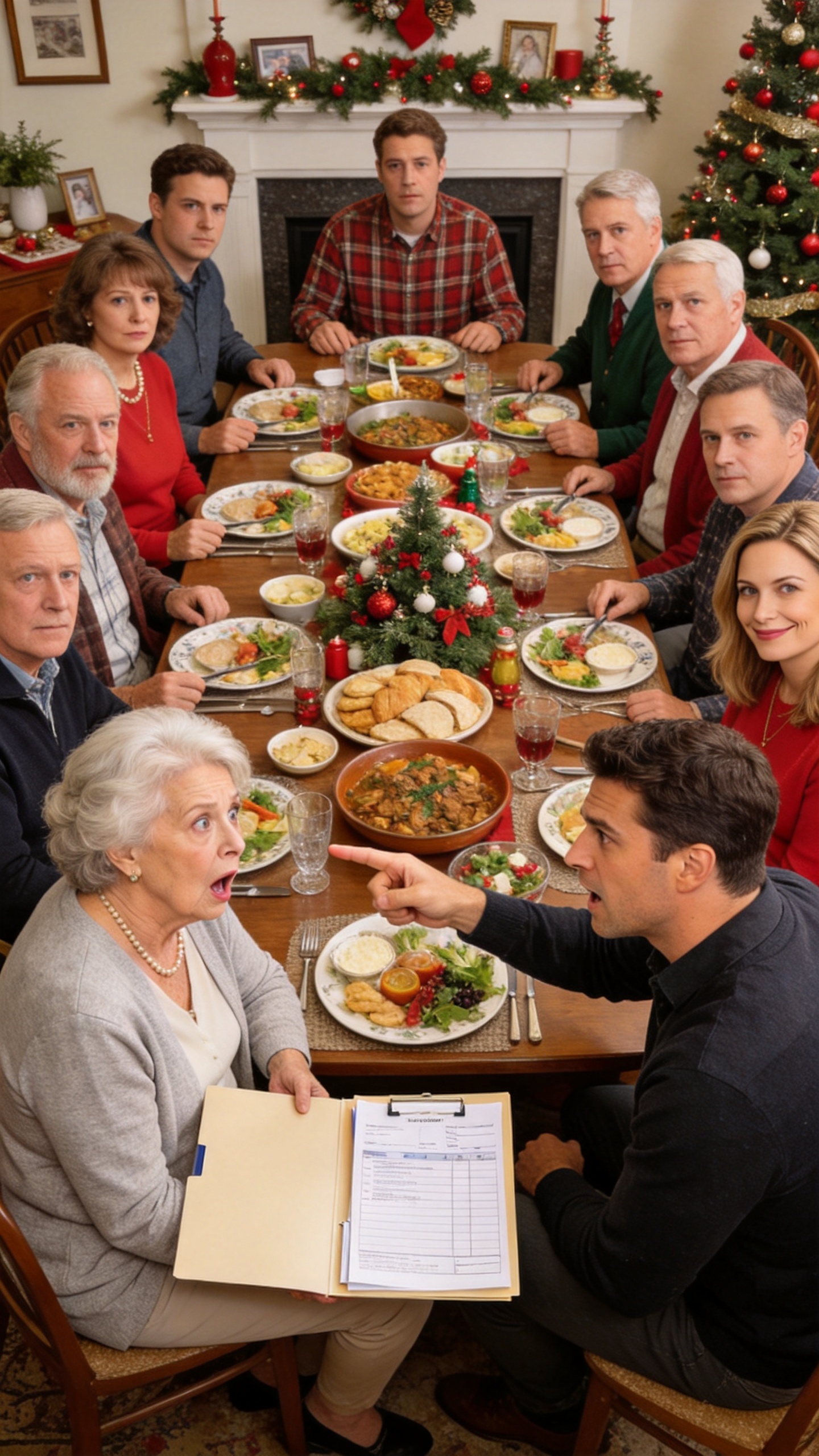
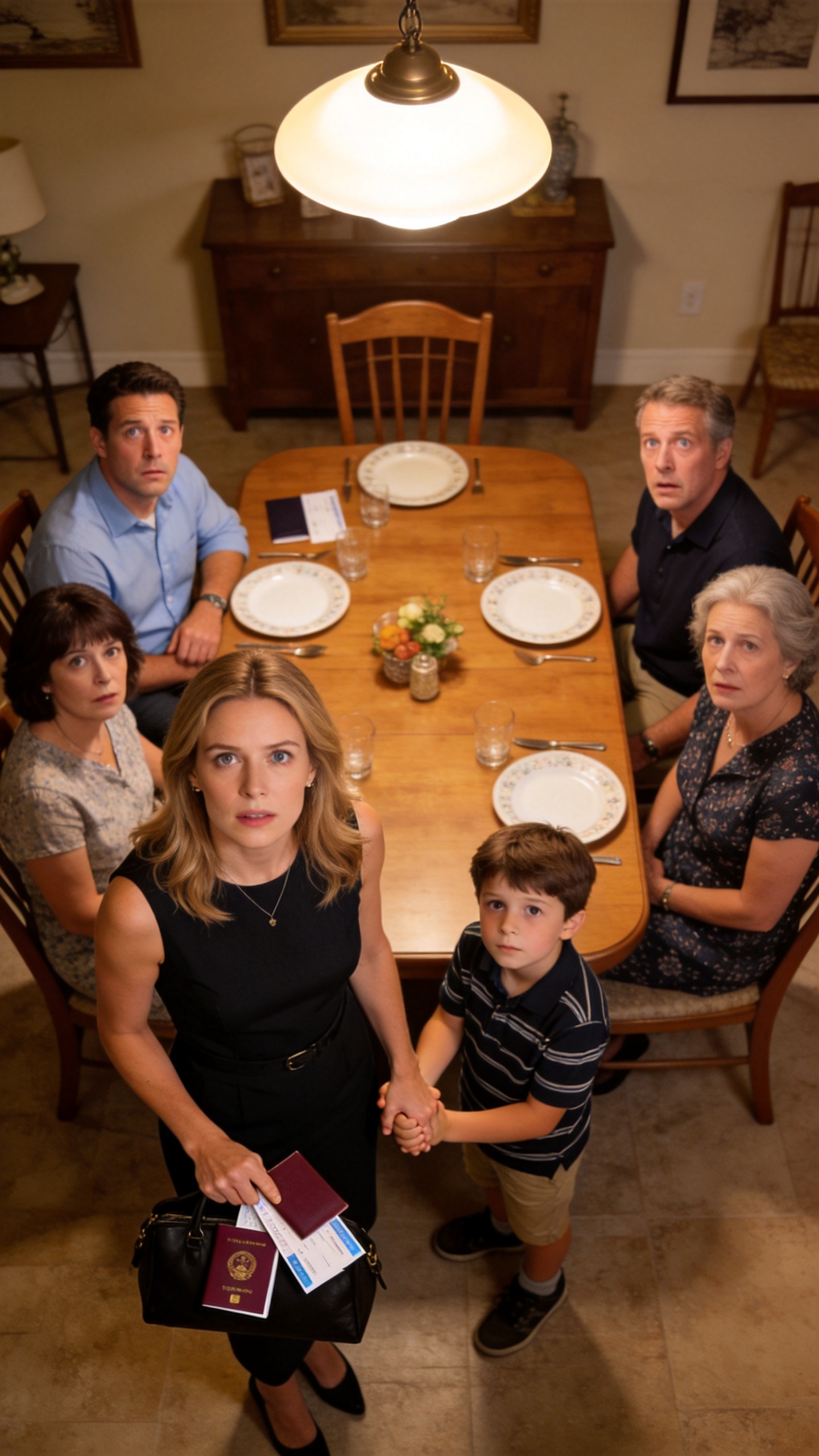
My mother had just asked me to pass the serving dish when Grandma put a photograph beside my plate. In it, my sister stood smiling in front of a lake house I had never entered.
"Aaron, why are your sister's in-laws living in the home I bought for you?"
Across the table, Dad's knife struck his plate. Paige stopped lifting her wineglass. I looked from the photograph to my grandmother, wondering which part of her question I had misunderstood.
"You bought me a home? Grandma, I don't even have somewhere to sleep tonight."
She glanced at my parents, then reached for her phone.
"Adrian. Please come in now. Bring the files."
Until that moment, the most valuable thing I owned was the old car where I sometimes spent the night. Before dessert, I would be looking at a document claiming I had given away a million-dollar property for one dollar.
And the house would turn out to be only the first thing my family needed to explain.
The Seat Near the Door
At thirty, I had become good at making homelessness difficult to notice. I kept a decent shirt folded separately from my other clothes and knew which friends would offer a couch without asking too many questions.
When those couches weren't available, I slept in my car. I moved early, before the parking lot filled, and calculated every trip by the gasoline it would use. Buying coffee could mean going without dinner later.
I hadn't expected my life to look like that. I had finished near the top of my class, collected good recommendations, and worked steadily while applying for positions that should have moved me forward.
Instead, promising interviews died without explanations. Loan payments seemed to vanish. My credit deteriorated until landlords rejected me before I could explain that I had a job and intended to pay.
My parents treated each setback as confirmation of something they had always known.
"You need discipline, Aaron," Dad would say. Mom preferred to tell me that adulthood required taking responsibility. Neither appeared curious about why responsibility kept producing worse results.
Paige, my younger sister, received a different kind of attention. She and her husband, Colin, had a comfortable home, vacation photographs, and the relaxed confidence of people who expected their bills to be paid.
I almost skipped Thanksgiving. Mom insisted that an empty chair would invite questions, and I lacked the energy for another argument. I drove to my parents' place in Hudson, Ohio, wearing the shirt I had saved.
Their dining room was warm, crowded, and immaculate. Candlelight caught the silverware. Music played beneath conversations about travel and investments. Nobody seemed to notice that I had checked my remaining gas before coming inside.
Dad, Dennis Mercer, entertained the relatives. Mom, Valerie, kept adjusting things that were already straight. Paige sat with Colin, laughing easily while I chose the chair nearest the hall.
That seat offered a quick exit. I thought I might need one if somebody asked where I was living.
Then my grandmother arrived with a question nobody at that table had prepared me to answer.
A House I Had Never Seen
Ruth Mercer was seventy-six and had spent several years abroad overseeing business interests. We hadn't seen each other in person for a long time, though I had once been close to her.
She acknowledged my parents' welcome, but her attention stayed on me. Before she produced the photograph, she asked whether I had arranged for an older couple to stay at my property in Georgia.
I thought she meant someone else. She clarified that she had purchased a lake house for me three years earlier and had gone there the previous day. Two unfamiliar people had answered the door.
Dad tried to move the conversation away from the guests.
"Mom, let's sort out the arrangements privately."
Grandma didn't look at him. She asked me whether I lived at Cedar Reach House. The name meant nothing to me. I told her about the couches and the nights in my car.
Mom gave a thin laugh and suggested that international travel had left Grandma confused. Grandma stopped her with a look so direct that the explanation ended halfway through.
Then came the photograph and the call to her attorney.
The house in the picture had wide windows, a wooden deck, and water visible beyond it. Paige and Colin stood with his parents, Walter and Irene Ellis. All four looked thoroughly at home.
I recognized it from Paige's social-media photographs three years earlier. She had presented it as the beginning of an exciting new life. I had assumed she and Colin had bought it together.
I had even been happy for her, although I remembered closing the pictures because looking at that much comfort made my own room feel smaller.
"Why are you standing outside my house?" I asked.
Paige looked at Dad before she answered. She said there were complications I didn't understand. Dad supplied the explanation: a valuable property required management, and I hadn't been financially stable enough.
I looked at the photograph again. They had known about the house while I was asking friends for somewhere to sleep.
"You decided I couldn't manage a home," I said, "and never thought I should know I had one?"
Dad started to speak. The doorbell interrupted him.
The Dollar on the Page
Adrian Holt entered carrying a briefcase. Grandma had asked him to wait nearby while she spoke to me; the visit to the house had already given her reason to obtain records.
He placed several folders on the table. Mom protested that legal business could wait until after the holiday. Grandma cleared space beside the serving dishes and told him to proceed.
The first record concerned the original purchase. Grandma had paid approximately one million dollars for Cedar Reach House. The ownership documents reflected that it was intended for me.
The current record, Adrian explained, named Paige Ellis.
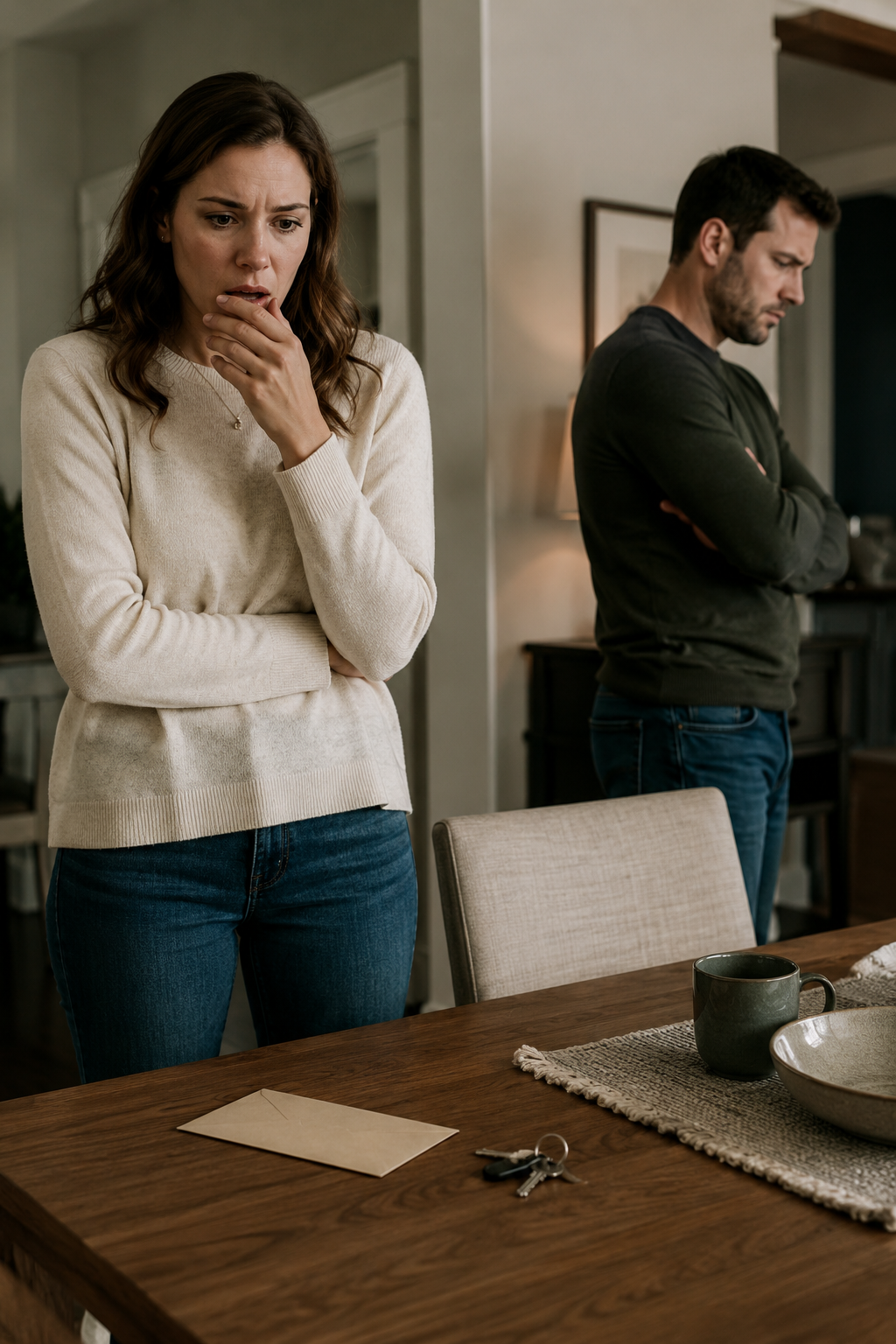
I waited for someone to correct him. Paige studied her hands.
Dad said the transfer had been voluntary. According to him, I had signed the paperwork giving the property to my sister. I asked how I could have transferred a house I didn't know existed.
Adrian laid down the agreement used to support that story. It described a gift and listed consideration of one dollar.
There was a signature at the bottom that looked enough like mine to make my skin prickle. Whoever had formed those letters had seen my writing. But the joins were wrong, and so was the final stroke.
"That isn't my signature."
Mom reminded me that I had been under strain and suggested I might not remember signing. It was an explanation I had heard in smaller arguments for years: perhaps my own memory couldn't be trusted.
This time the claim sat in front of me on paper.
"I would remember giving away a house," I said.
Adrian explained that an initial handwriting comparison supported my objection. There were also discrepancies between copies of the documents, including indications that the version Paige held had been produced much later than its printed date.
Paige said handwriting comparisons could be mistaken. Adrian agreed that a preliminary finding wasn't a final determination. That was why he had brought more than a signature opinion.
He asked where the signing had occurred. Paige couldn't remember. He asked who had witnessed it. She said too much time had passed. When he asked whether I had actually been present, she insisted I had.
Dad ordered him to stop questioning her.
Grandma leaned forward. "If she received his house, she can explain how."
The document comparison suggested Paige's copy had been printed roughly six months earlier, despite bearing a date from three years before. Adrian was careful: that estimate didn't settle every question about the transfer.
It did, however, create a problem for the story my parents were telling.
Grandma remembered what had happened six months earlier. She had told Dad she might return to the United States and review her investments in person.
Dad's gaze dropped. I understood why a document supposedly signed years ago might suddenly have become necessary. Someone had needed an explanation ready before she arrived.
Paige's eyes filled. She said they hadn't expected anybody to suffer.
I could still feel the cold inside my car from the night before. I asked her what she thought sleeping there had been, if it wasn't suffering.
The Letters Between Us
Grandma said she had written to me every month.
For a moment, I couldn't connect that statement to anything we had been discussing. Then she described the letters: questions about the house, offers to help, suggestions that she might visit.
Three years of letters. I hadn't received one.
I had spent those same years wondering whether her silence meant she was disappointed in me. My parents said she was traveling, occupied with work, or difficult to reach. Eventually, I stopped asking them to help us reconnect.
Grandma turned toward Dad. He had told her I was having emotional difficulties and wasn't ready to respond. She had believed she was giving me space instead of being kept away.
"Where did the letters go?" I asked.
Mom said they had kept them until I could handle them. She spoke as though withholding my grandmother's mail had been another household chore she had performed on my behalf.
Dad called it avoiding unnecessary stress. Grandma asked whose stress he had been avoiding.
Nobody answered.
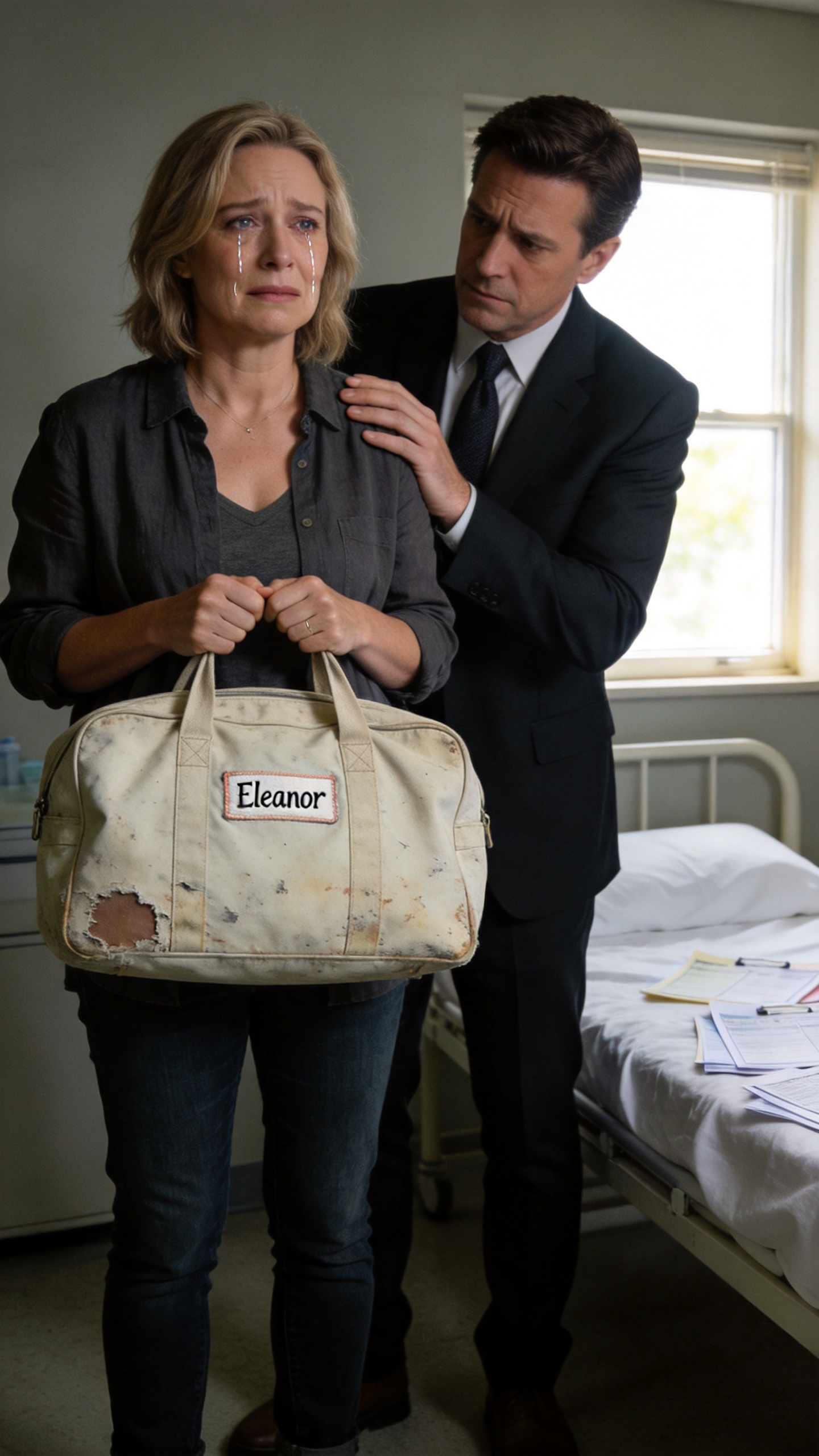
There was a particular cruelty in discovering that I hadn't been forgotten. Relief arrived with anger attached to it. Grandma had kept reaching toward me, and my parents had stood between us.
They had allowed her to imagine me secure in a house by the lake. They had allowed me to imagine that she no longer cared what happened to me.
Both versions had made the silence easier for them to maintain.
I wanted to ask about every letter, every month, every occasion when I had accepted their excuse. Adrian waited until I looked up, then asked about the financial problems I had mentioned.
I didn't want to recount them in that dining room. The relatives had heard enough stories about my supposed failures. Explaining the details felt like handing them fresh material.
Grandma reached across and rested her hand over mine. She wanted the whole account, she said, including the parts I was ashamed to describe.
So I began with the payments I knew I had made.
Money That Never Reached the Lender
Before my credit collapsed, I had been paying my student loans regularly. I checked balances, postponed purchases, and picked up work because I wanted those payments to establish a stable financial history.
Then notices arrived saying money was overdue. The lender denied receiving payments, although my bank statements recorded withdrawals exactly when I had scheduled them.
I called, complained, and tried to follow the trail between shifts and job applications. Each conversation seemed to require another document or another explanation of a problem I didn't understand.
Meanwhile, missed payments accumulated. Credit limits shrank. Rental applications failed. I became somebody who carried proof of income but couldn't persuade a landlord to trust it.
Adrian opened a folder containing transaction records.
Money had indeed left my account. But records indicated that funds intended for the lender had moved through intermediary accounts instead. One receiving account was controlled by my mother.
Her name on the page was harder to look at than the false signature.
Mom straightened and said she had been managing payments because I needed help. Adrian asked why the money hadn't continued to the lender. She changed the explanation to keeping the funds safe.
He asked the question again. She stopped answering.
There was more. Records suggested that online payment instructions had been accessed or changed through connections associated with my parents' residence. Investigators would need to establish exactly who had done what.
But there was already enough to challenge the idea that I had simply neglected my loans.
I remembered refusing meals out, calculating grocery prices, and taking extra shifts. While I was trying to prove I could be responsible, money meant to repair my future had been going somewhere else.
"You knew why I couldn't get an apartment," I said to Mom.
She told me not to exaggerate.
The phrase was so familiar that I nearly fell quiet from habit. I had heard it when I mentioned hunger, exhaustion, and rejection. Somehow the consequences were always too dramatic when I described them.
Now Adrian could point to transactions. Mom could dislike my account of the damage, but she couldn't make those transfers disappear by criticizing my tone.
I asked whether she had thought about my car when she accepted that money. She looked toward Dad instead of at me.
Adrian let the silence remain before moving to the next folder.
The Interviews That Disappeared
Employment had been the part I understood least. I could recognize what damaged credit did to an application for housing. I couldn't explain why employers became enthusiastic and then abruptly withdrew.
I had good academic results and references from people who knew my work. Several interviews had reached the final stage. A company in Columbus had discussed a possible start date and salary.
Then the conversation stopped. Elsewhere, someone hinted that troubling information had surfaced. I assumed there had been a mistake involving another applicant, because nothing in my experience explained it.
Adrian set copies of emails in front of me.
Anonymous messages had warned prospective employers that I was unstable, unreliable, and likely to cause trouble. The descriptions echoed language my parents used whenever I challenged their judgment.
I read one twice. It described a person I wouldn't have hired either.
Investigators had linked several messages to devices and network activity connected with my parents' home. A device registered to Dad appeared in the records Adrian had brought.
Dad objected immediately. Other people could use a household connection, he said.