I Came Home From Another Woman's Bed At 4:17 In The Morning And Found A SOLD Sign Planted In My Front Yard
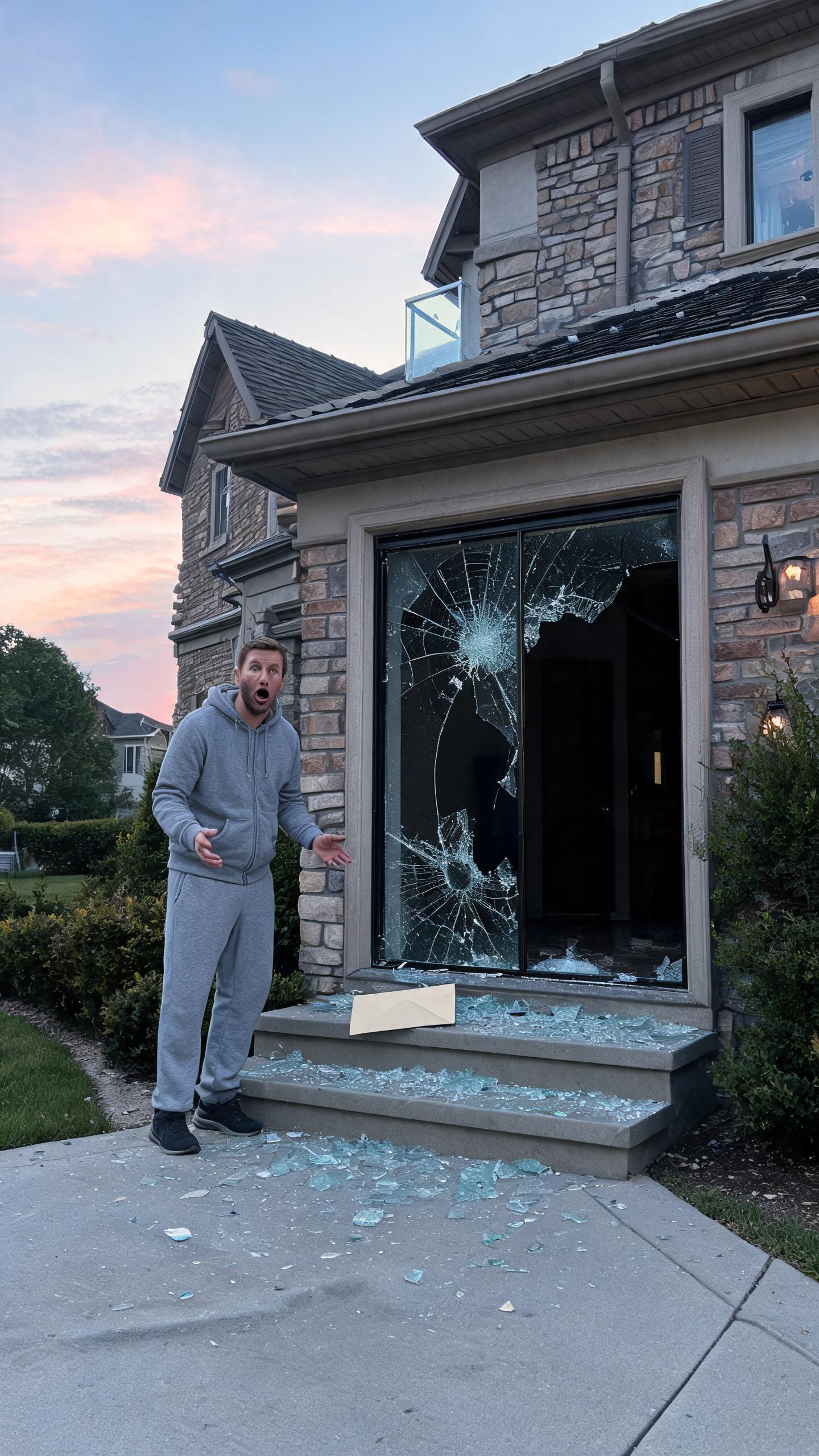
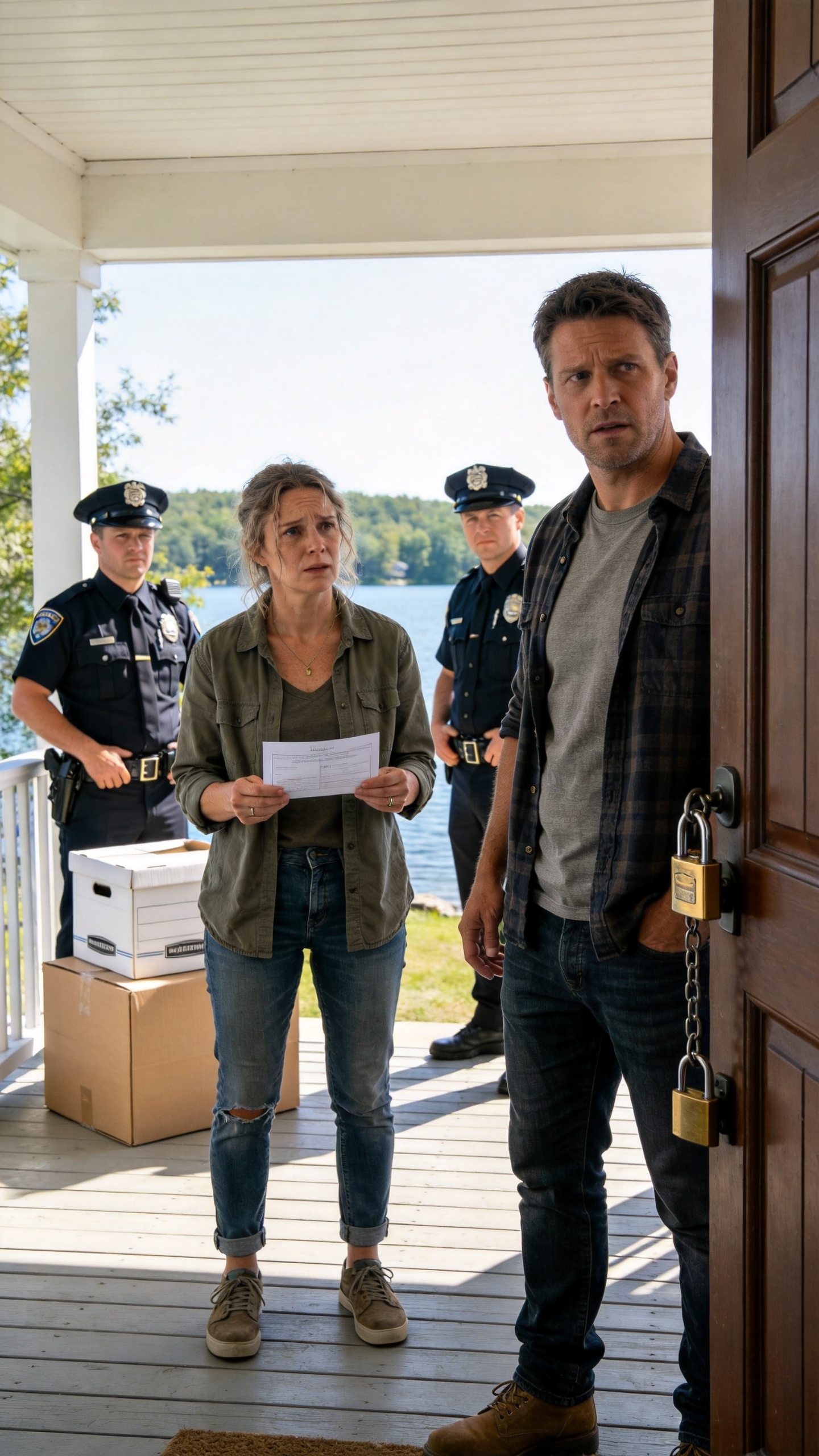
I came home from another woman's bed at 4:17 in the morning and found a SOLD sign planted in my front yard.
For a few seconds, I sat in the driveway with both hands on the steering wheel, waiting for my eyes to correct themselves.
The sign did not move.
White post.
Red letters.
One small plastic rider clipped beneath it.
Closed.
The house behind it was dark.
No porch light.
No nursery lamp glowing behind the upstairs curtains.
No little blue nightlight in the hall where my son usually left it burning because he hated shadows.
I had not been home all night.
Juliet knew that.
Of course she knew.
My wife had known more than I ever gave her credit for.
I got out of the car wearing yesterday's shirt, another woman's perfume in the collar, and a guilt I was still arrogant enough to call complicated.
The key would not turn in the lock.
I tried again.
Then the side door.
Then the garage code.
The keypad flashed red.
I called Juliet.
Voicemail.
I called again.
Voicemail.
The third time, I left a message.
"Juliet, open the door. Whatever you think this is, we can talk about it."
Even then, I made it sound like she was the unreasonable one.
Even then, with a SOLD sign in my yard and my son's window dark above me, I believed the world would unlock itself because I had arrived.
It did not.
So I did what men like me do when a closed door embarrasses them.
I broke a pane of glass with a landscaping stone and reached through.
The house alarm did not sound.
That should have frightened me.
Instead, it insulted me.
The House Was Empty Enough To Accuse Me
Inside, the house smelled like lemon cleaner and absence.
Not chaos.
Not revenge.
No torn photographs.
No broken dishes.
No lipstick message on a mirror.
Juliet had not left like a woman losing control.
She had left like an engineer taking apart a machine she had built alone.
The living room was bare except for dust squares on the floor where furniture had been.
The dining room chandelier hung over nothing.
The nursery was the worst.
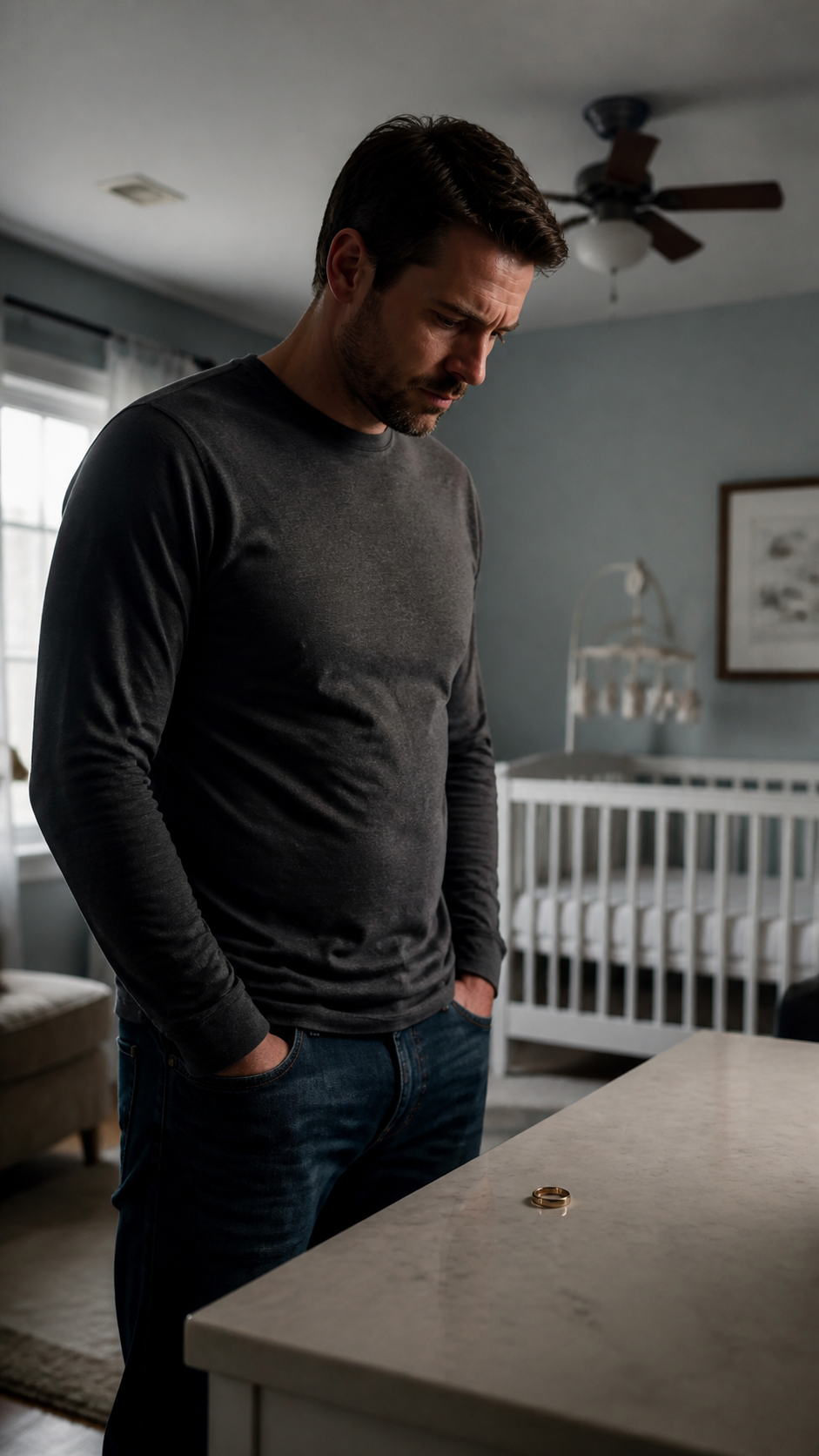
Our son Caleb's crib was gone.
His books were gone.
His stuffed dog was gone.
On the carpet, I found one pale rectangle where the rocking chair had sat for two years.
Juliet used to rock him there at three in the morning while I slept through every fever, every tooth, every nightmare.
I told myself my work mattered.
I told myself the money justified the absence.
Then I found the envelope.
It sat in the middle of the kitchen island, cream paper, my full name written in Juliet's neat handwriting.
Adrian Cross.
Inside were three pages and a copy of a signature that looked like mine.
Voluntary transfer of marital residence.
Acknowledgment of separate asset restructuring.
Consent to temporary custody arrangement.
I read the last line five times.
Temporary custody.
Caleb.
My son.
I called Juliet again.
Nothing.
Then I called my attorney, not the family lawyer who made jokes at our Christmas party, but a litigation attorney named Marcus Bell who handled situations people described as unfortunate.
He answered like a man who had been asleep for twenty minutes.
"Adrian?"
"My wife is gone."
"Gone where?"
"I don't know. The house is empty. There is a SOLD sign outside. She took Caleb. There are documents saying I agreed to a custody arrangement I never signed."
His breathing changed.
"Where are you?"
"At the house."
"Do not touch anything."
"I already broke in."
Silence.
"Of course you did."
"It is my house."
"Is there a SOLD sign in the yard?"
"Yes."
"Then it may not be your house anymore."
I looked at the broken glass glittering on the floor behind me.
For the first time all morning, fear arrived without asking permission.
"Find her," I said.
"No," Marcus answered. "First we find out how much of your life she legally dismantled before you noticed."
The Signature Was Mine, But The Lie Was Older
By sunrise, I was in my father's office on the thirty-second floor of Crosswell Holdings, still wearing the same wrinkled shirt.
My father did not ask where I had been.
People like my father do not need confessions when they own calendars, drivers, assistants, and silence.
He stood by the window with a cup of coffee untouched in his hand.
"Juliet's lawyer delivered a package at 4:45," he said.
"To you?"
"To the board."
My throat tightened.
"What package?"
"Financial records. Internal emails. Reimbursement trails. Property transfers. A forensic summary of three signatures."
"Three?"
He turned then.
I had seen my father look angry.
I had seen him look disappointed.
I had never seen him look afraid of paper.
"Your signature on the house transfer. Your signature on a custody acknowledgment. And your signature authorizing a shell company to move marital assets through a consulting firm connected to Simone Vale."
Simone.
The woman whose apartment I had left less than an hour before finding the sign.
The woman I had described to myself as harmless because I never brought her to my son's school, never used the word love, never planned a future out loud.
Juliet had not cared what I called it.
She had followed the money.
"I did not sign those," I said.
"Then someone copied you well."
"Juliet would not do this."
My father laughed once, without humor.
"Your wife has been doing the books behind your lifestyle for six years. You just called it help because that let you ignore the skill."
Marcus arrived ten minutes later with a tablet and no patience.
He showed me the first truth.
The house had been purchased before the marriage through Juliet's family trust, then placed under a marital-use agreement I had never bothered to read. I had paid for renovations with company funds and bragged to friends that I bought my wife a dream home. In legal terms, I had improved an asset I did not own.
He showed me the second truth.
Juliet had not forged my signature.
Mine had been lifted from a scanned golf club membership form and inserted into a set of asset documents by someone inside my office.
He showed me the third truth.
The custody acknowledgment had been sent from my own email account at 2:08 a.m., while I was across town in Simone's bed.
My phone had been on Simone's nightstand.
I remembered her laughing when I reached for it.
"Leave work alone for once," she had said.
I had thought that was romance.
It might have been access.
My father sat down slowly.
"What did you bring into this family?"
For once, I had no answer large enough to protect me.
She Did Not Run. She Built A Witness List
Juliet did not hide from the court.
She arrived two days later in a navy dress, her hair pinned back, Caleb asleep against her shoulder.
I stood when I saw them.
Caleb opened his eyes, saw me, and reached one uncertain hand toward my tie.
It almost ruined me.
Juliet did not move closer.
Her attorney, a woman with silver glasses and a voice like locked steel, placed the evidence on the table.
There were hotel receipts.
There were photos of me entering Simone's building.
There were bank transfers routed through a consulting company Simone had registered under her mother's maiden name.
There were emails from my account authorizing access to files I claimed no one else could touch.
There was a report from a digital forensics firm showing Juliet had discovered the breach three weeks earlier and had moved Caleb only after someone attempted to change his school pickup authorization.
That was the part that changed the temperature of the room.
Not the affair.
Not the house.
Our son.
Someone had tried to put Simone's name on a pickup list.
I turned toward Simone, who sat behind my father in a cream coat, pale and trembling.
"Did you do that?"
She looked at my father.
Not at me.
My stomach dropped.
My father closed his eyes.
Juliet saw it too.
The truth was not a lightning strike.
It was a line connecting faces in a room.
Simone had not only been my affair.
She had been my father's quiet instrument, hired first as a consultant, then placed near me when Juliet began questioning transfers from Crosswell subsidiaries into private accounts.
My father had planned to blame the missing funds on my marriage, bury the forged authorizations under divorce chaos, and keep Caleb close enough to pressure Juliet into signing a settlement.
I had made his plan easier by becoming exactly the kind of husband a judge would believe Juliet needed protection from.
I wanted to shout.
But my son's head was on his mother's shoulder.
So I sat down.
For the first time in years, I sat down when my pride wanted to stand.
The judge granted Juliet temporary sole occupancy of the residence, primary custody pending investigation, and a no-contact order against Simone.
My access to Caleb would be supervised until the court understood who had tried to use him as leverage.