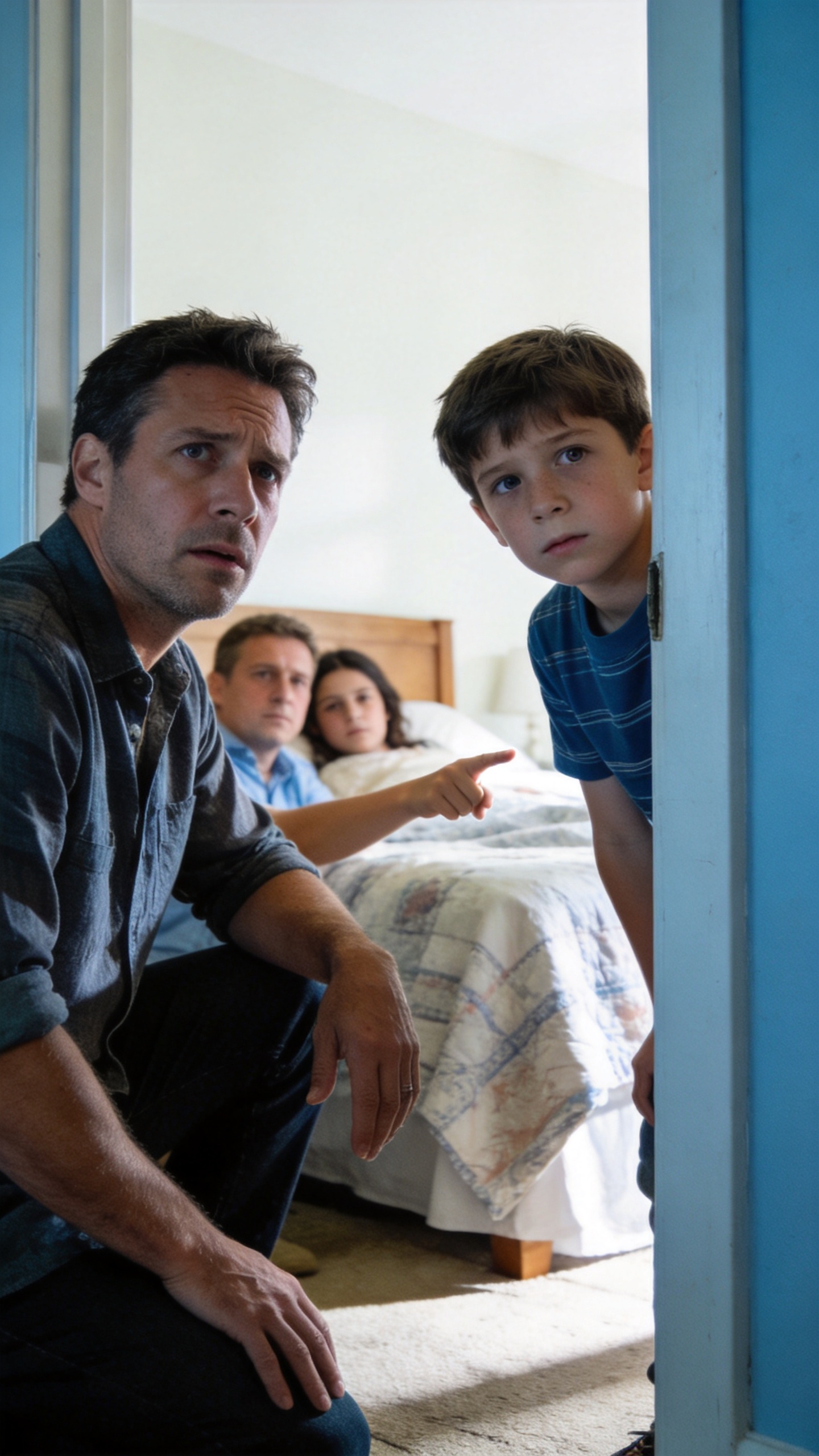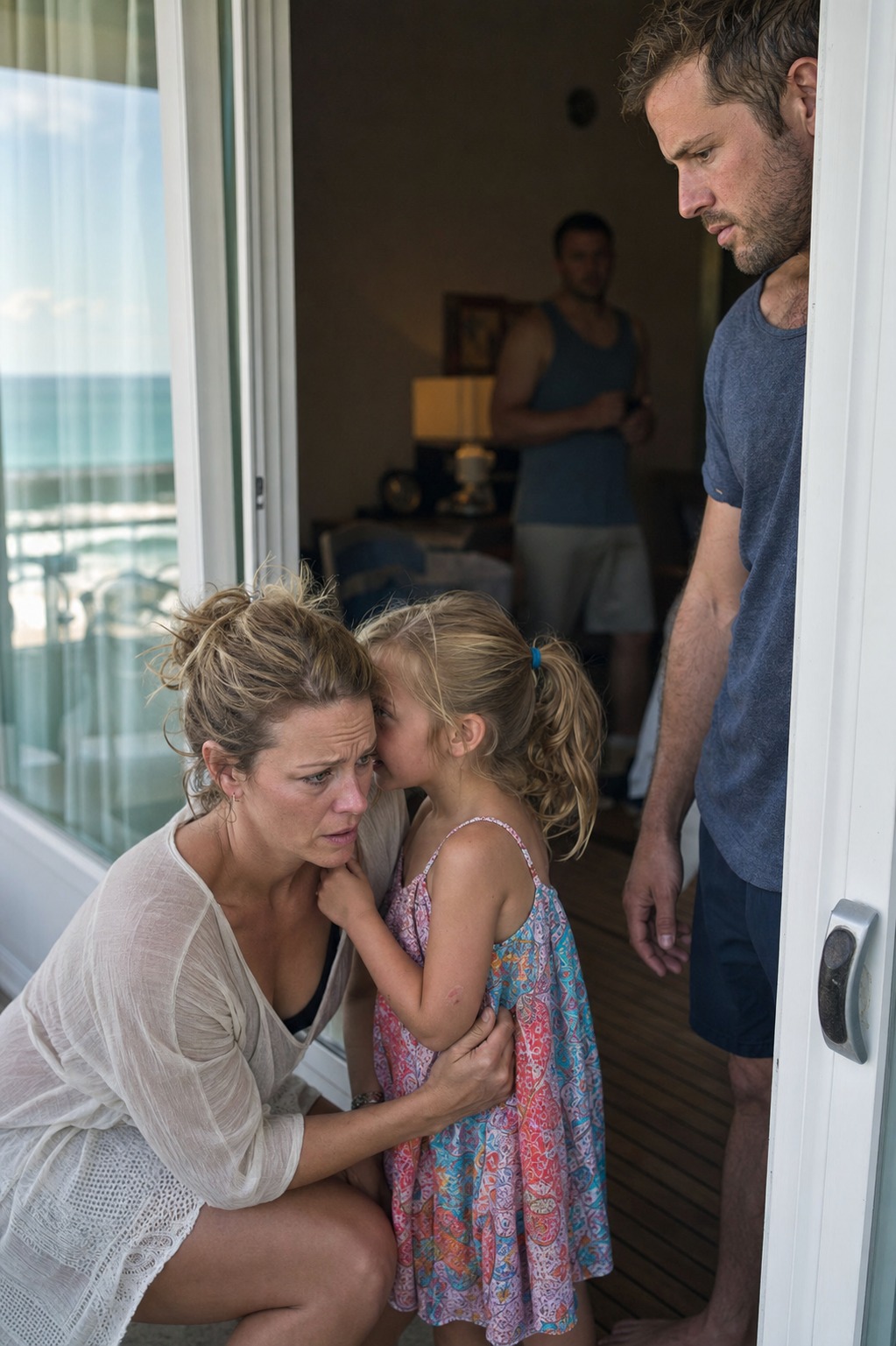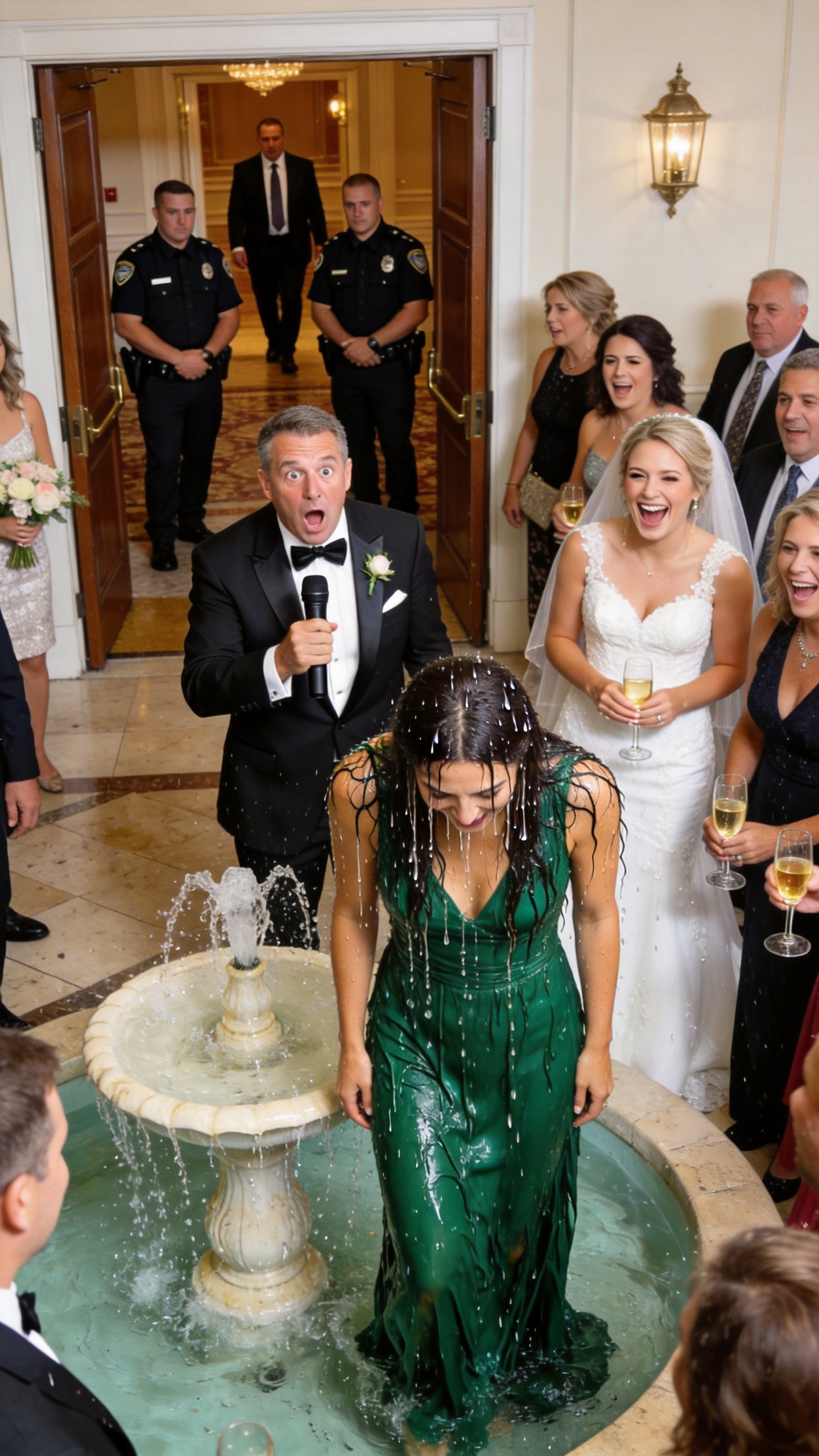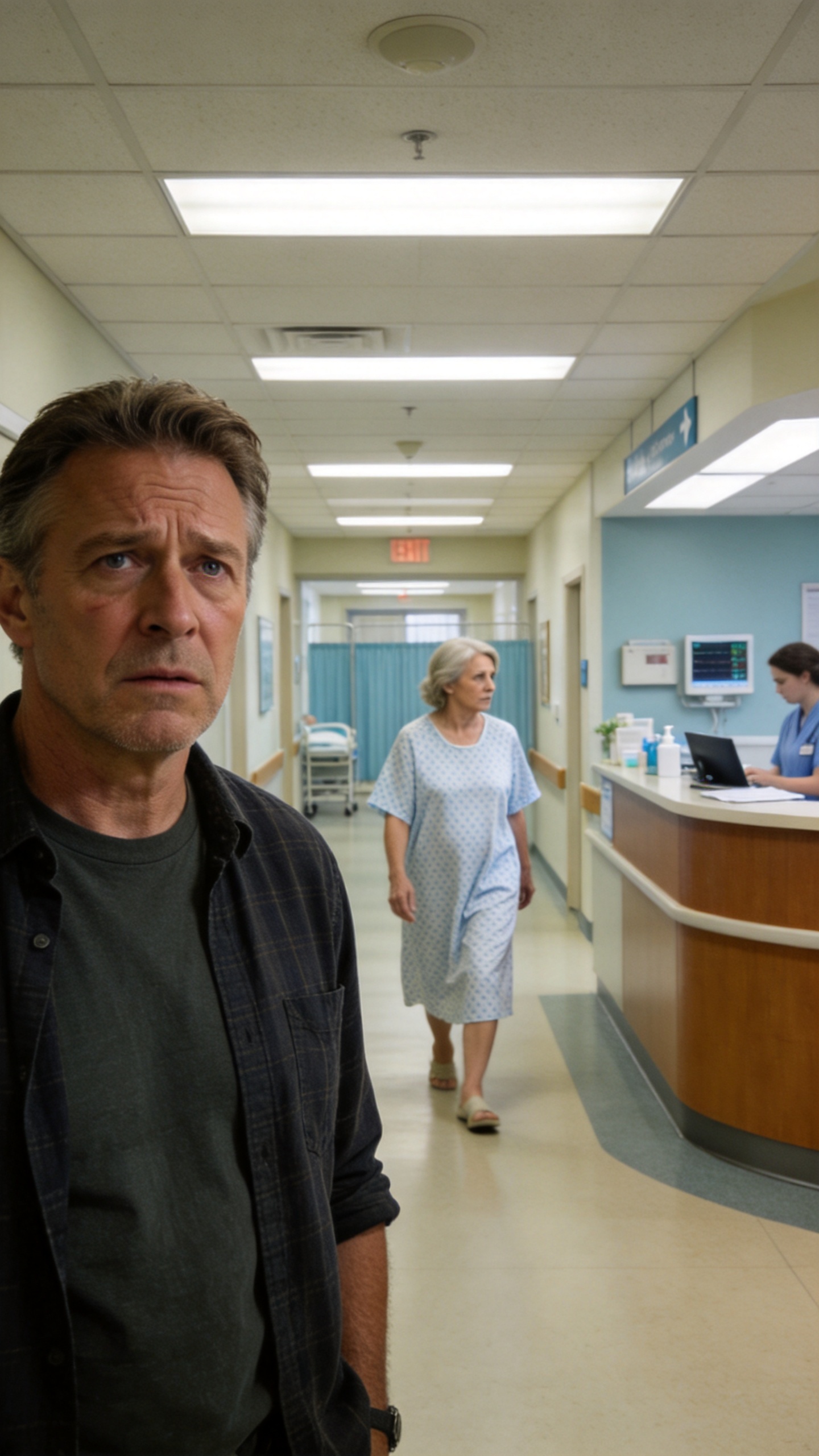
Nobody in My Family Visited Me in the ICU. Then Dad Demanded $12,000 for Mom's Surgery, and My $1 Reply Brought Police to My Door
My father gave me a price before he asked whether I could walk.
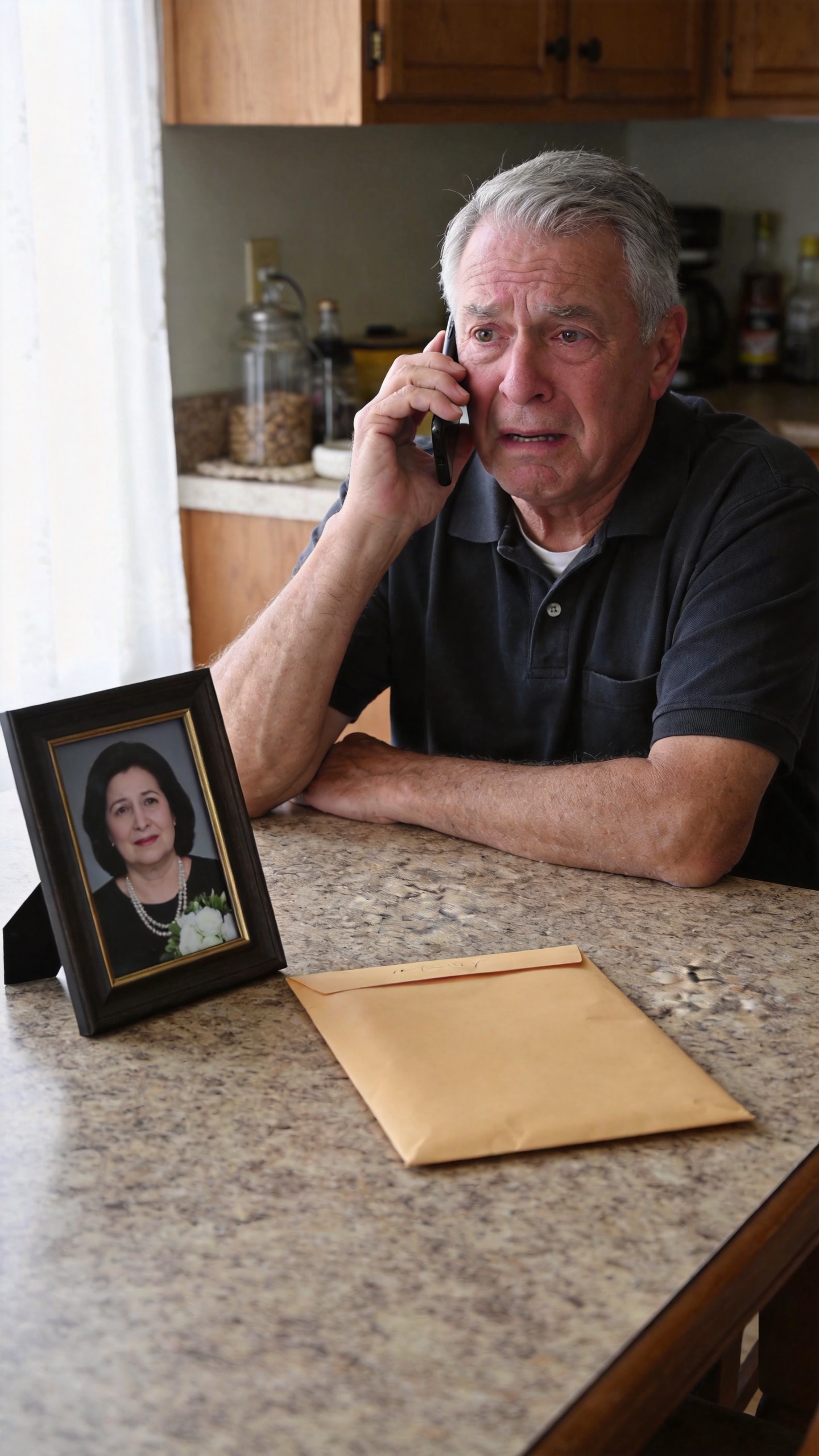
I had been home from the hospital for a month when his message appeared beside my discharge folder: Mom needed surgery. He wanted twelve thousand dollars.
During the weeks I spent in intensive care and recovery, he had never once walked through my hospital door. Neither had my mother or my younger sister.
I sent him one dollar.
"Good luck," I wrote.
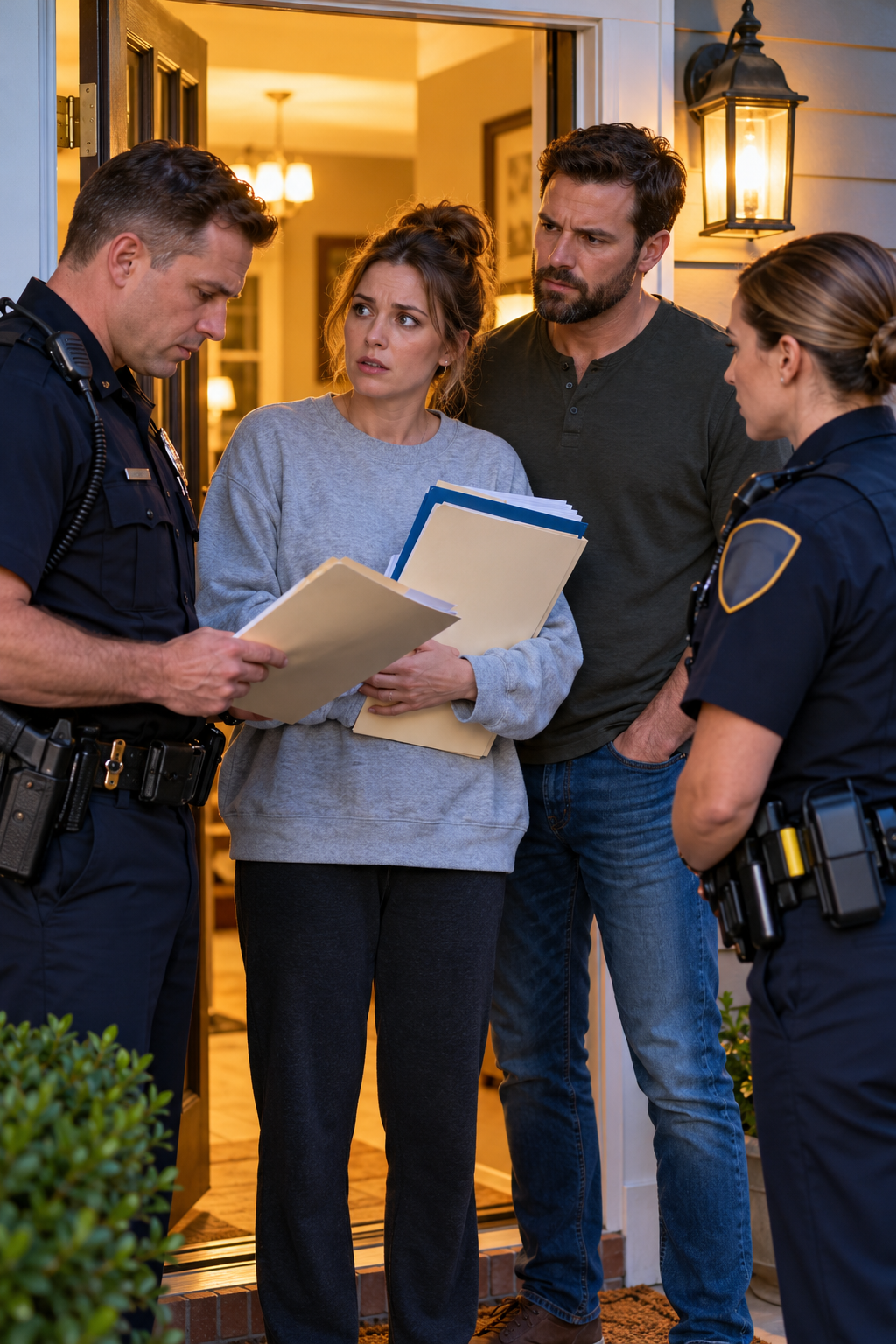
By 7:42 that evening, two police officers were standing on my porch with a complaint accusing me of taking the same twelve thousand dollars he had just demanded.
Before I could explain, I saw my father's name on the paper. Even then, some stubborn part of me expected a mistake. I had spent thirty-three years helping these people. Surely they knew who I was.
That was precisely the problem. They knew which bills I would pay, which insults I would swallow, and how frightened I was of letting the family down.
What they didn't know was how much an empty hospital room could change a person.
The Chairs Nobody Used
My name is Natalie Mercer. I manage payroll, which means I spend my working days finding the difference between what someone says happened and what the records show.
Until my collapse, I had been much less careful with my own family.
My last clear memory before the hospital was the office copier. I was holding payroll reports when my coworker Priya called from the corridor. Then the room tilted, and there was no floor beneath me.
When I opened my eyes again, my husband, Owen, was sitting beside the bed. His shirt was wrinkled, and one hand was wrapped around mine. He looked as if he had forgotten what sleep was.
I tried to ask what had happened. My throat hurt too much to get the question out.
Owen leaned forward. Once he understood that I recognized him, he lowered his forehead to our joined hands and cried.
Nine days had passed since I collapsed. I had been unconscious for most of them, on a ventilator while people I couldn't see worked to keep me alive.
A nurse named Ruth came in after Owen pressed the call button. She checked the equipment, adjusted my blanket, and explained each movement before she made it.
I watched the doorway behind her.
There were two visitor chairs near the window. Both were empty. Owen's jacket hung over his chair; a paperback from Priya rested beside a little bouquet near the sink.
Nothing suggested my parents or my sister, Tessa, had been there.
"Do they know?" I asked.
Owen looked toward Ruth. She put down her clipboard before answering, and that small kindness frightened me more than any hurried explanation could have.
The hospital had called every emergency contact in my chart. My mother had answered twice. My father had called back once. Staff had explained that my condition was serious.
They had said they would come when they could.
My parents lived forty minutes away. Tessa lived twenty-five minutes away. I knew because I had driven those routes for broken appliances, overdue bills, and emergencies that stopped being emergencies once I paid.
I waited for Owen to add an explanation. A car problem. An illness. Some missing piece that would make their absence bearable.
He only squeezed my hand.
On the eighth day, before I woke, he had obtained the hospital's family-contact record. It showed the answered calls and my father's callback, along with a note confirming the family had been told how serious things were.
Priya had kept the workplace incident report, timestamped 3:17 p.m., the ambulance dispatch entry, and the email she sent my emergency contacts before leaving the office.
Nobody had overlooked them. Nobody had forgotten to explain.
Through the remaining weeks of my hospitalization, Owen stayed until his back ached from that chair. Priya brought clean socks and books. Ruth learned how much ice I liked in my water.
My family did not appear.
I recovered in small, humiliating increments: sitting upright, reaching for a cup, making it to the bathroom without needing to rest. Each ordinary task became something I had to earn back.
The empty chairs stayed ordinary. That was what hurt. No dramatic announcement, no final quarrel. Just room for three people who kept choosing somewhere else.
There were moments when I convinced myself the calls had gone wrong. Perhaps Mom had answered without understanding. Perhaps Dad had meant to visit after work. Perhaps Tessa had sent a message that never reached me.
The record kept returning the same answer. They had been told the condition was serious. They had spoken to hospital staff. They had promised to come.
I had given them a lifetime of reasons to treat my needs as optional. When Dad needed money for a repair, I found it. When Mom could not manage an overdue bill, I sorted the papers. When Tessa made a mistake, I made it disappear.
Now I needed something none of my skills could arrange: their presence.
A Dollar Instead of Another Rescue
By the time Dad's message arrived, I could get around our kitchen, though the walk from the table to the sink still left my legs trembling.
Owen was across from me. Between us lay medical paperwork, household bills, and a cup of coffee I had forgotten to finish.
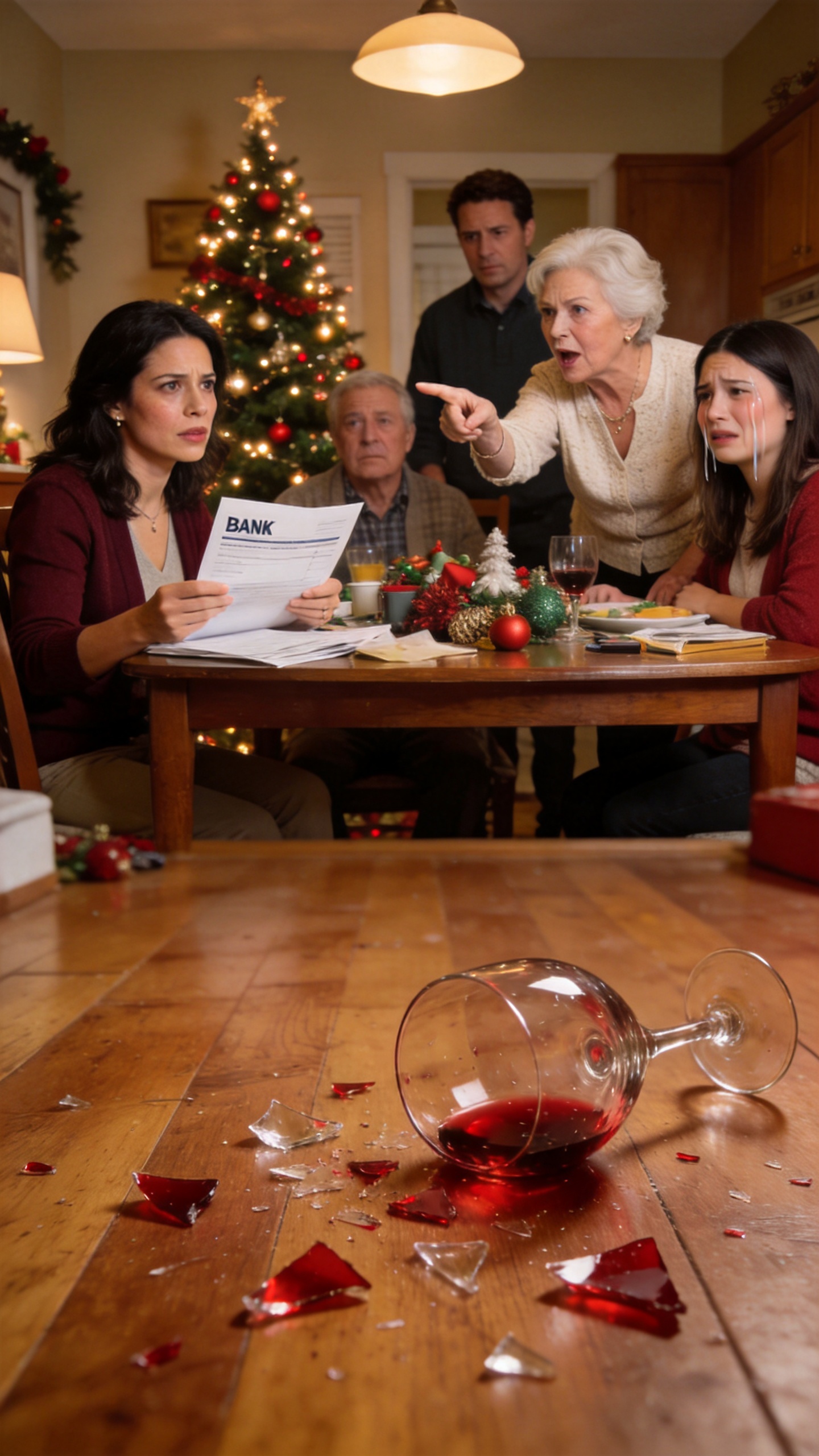
"We need $12,000 for your mother's surgery."
There was no question about my recovery. He hadn't asked whether I was back at work, whether we could afford my treatment, or whether I still needed help getting dressed.
His message treated the weeks in the hospital as a delay in service.
For years, I had paid phone bills, covered overdue taxes, rescued overdrawn accounts, and helped with rent and repairs. Sometimes Tessa's credit-card balance became my emergency, too.
Mom had a spare key to our house. Dad still had old banking information from a loan refinance I had helped him arrange. I had confused that access with closeness.
Owen touched my wrist when he saw my face.
I didn't deliver the speech I had rehearsed in the hospital. I opened the transfer app, entered one dollar, checked the amount, and sent it.
Then I typed those two words.
The reply bubbles appeared almost immediately. Dad called me selfish. He reminded me that Mom was sick. Finally, he wrote that I owed the family.
I put the phone down before answering.
I could feel how familiar the next step was supposed to be: defend myself, apologize for sounding angry, negotiate an amount, send more than we could spare.
Instead, I took screenshots. I saved the dollar confirmation and sent copies to Owen and Priya.
I wasn't trying to be clever. I was trying to stop moving. Every old instinct told me that silence was dangerous, that the longer I left Dad waiting, the more elaborate a rescue he would expect.
For once, I let the message sit unanswered.
It wasn't a trap I was setting. Keeping records was something I knew how to do when the rest of me felt unsteady.
Hours later, the knock came.
Owen checked the door and turned toward me. The colors from the patrol vehicle moved across our living-room wall.
"Natalie. Police."
I stood too fast, caught the back of my chair, and waited for the weakness to pass.
The older officer introduced himself as Detective Grant. He checked my identity, then explained that my father had reported money missing from my mother's account.
According to Dad, I had used my access to take twelve thousand dollars without permission. Now, he claimed, I was refusing to return it.
For a moment, the amount was the only thing I could hear.
Not some unrelated dispute. Not an old misunderstanding. The exact sum on my phone, transformed from his demand into my supposed theft.
Owen said I had been seriously ill and had not taken my mother's money. I asked the officers inside, then sat down before my knees gave out.
Which Direction the Money Went
My laptop was on the kitchen counter. Owen brought it over while I opened the folders where I kept family payment records.
I had never expected to defend myself with those files. They existed because forgetting a payment at work caused problems, and I carried the habit home.
Rent assistance. Utilities. Repairs. Transfers covering shortfalls that were always described as temporary. I showed Grant the money leaving my accounts for theirs.
There was no corresponding trail showing twelve thousand dollars coming from Mom to me.
Then I put Dad's message beside the complaint and opened the confirmation for my one-dollar transfer.
Grant read the conversation without interrupting. He went back to the beginning and checked the amount again.
"He's describing this as money you took," he said. "Here, he's asking you to send it."
He didn't announce that the case was finished. He asked questions, noted dates, and looked at the hospital folder on our table.
I explained how long I had been hospitalized. Owen showed him the family-notification records. Priya's email helped establish that my parents had known from the start.
While we were talking, Dad called.
I glanced at Owen and switched to speaker. Before I could say hello, Dad demanded to know what I had told the police.
He said I was upsetting my mother. He told me to fix it.
Grant identified himself.
There was an abrupt silence, broken by the sound of a television at Dad's end. He said something about a misunderstanding and ended the call.
I stared at the blank screen. The man who had been certain enough to accuse me suddenly had nothing to explain.
Before leaving, Grant asked us to preserve the records and keep track of any further contact about the allegation. He said the complaint still needed investigation.
Once the door closed, Owen held me while I cried.