I Was At The Altar, About To Say "I Do," When A Five-Year-Old Boy Ran Through The Church Doors And Put A Tarnished Bracelet In My Hand. The Engraving Belonged To The Woman My Family Swore Was Dead
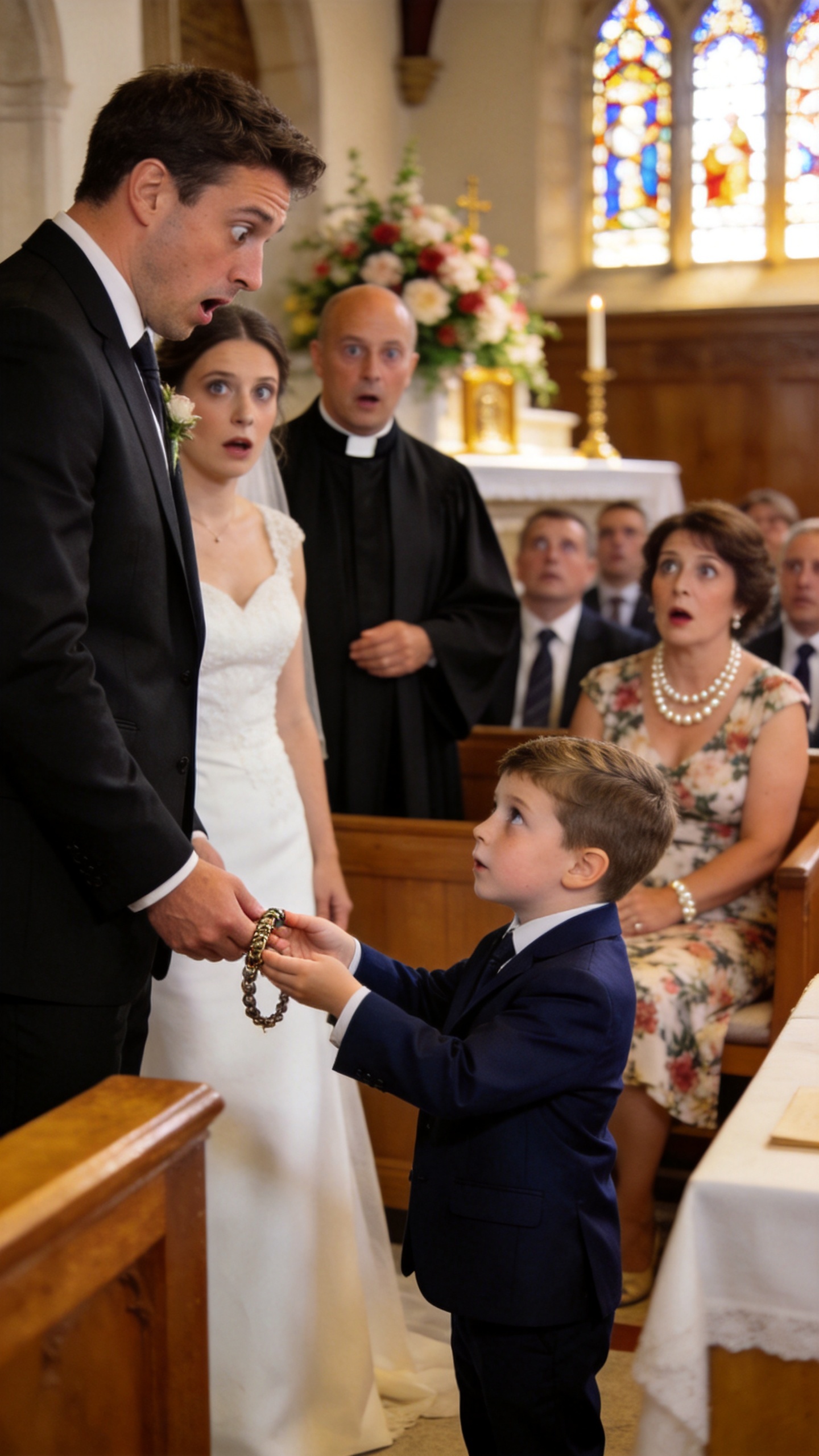
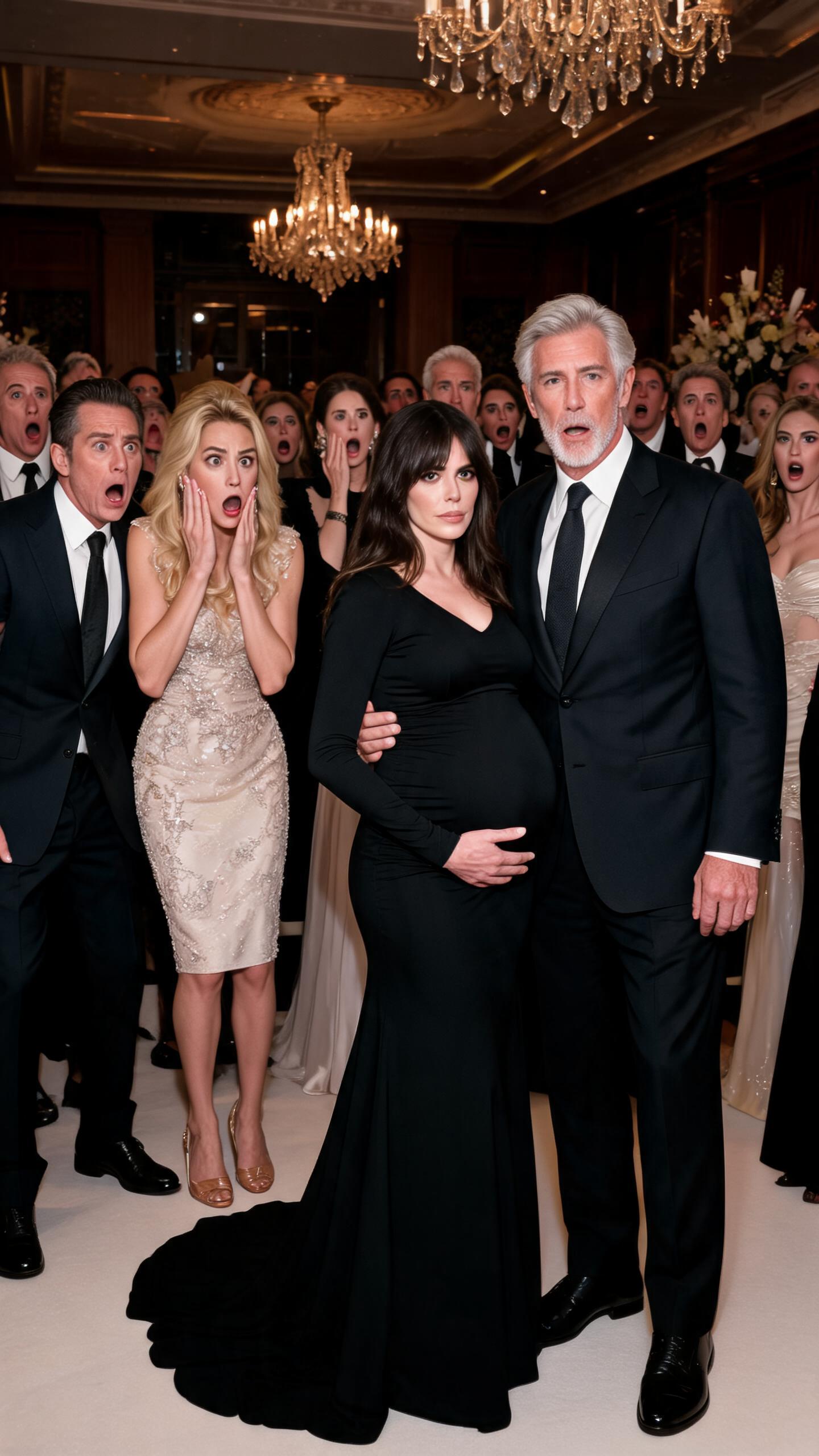
I was already standing at the altar when the side doors of St. Gabriel's flew open so hard the brass handles struck the stone wall.
The organist missed a note.
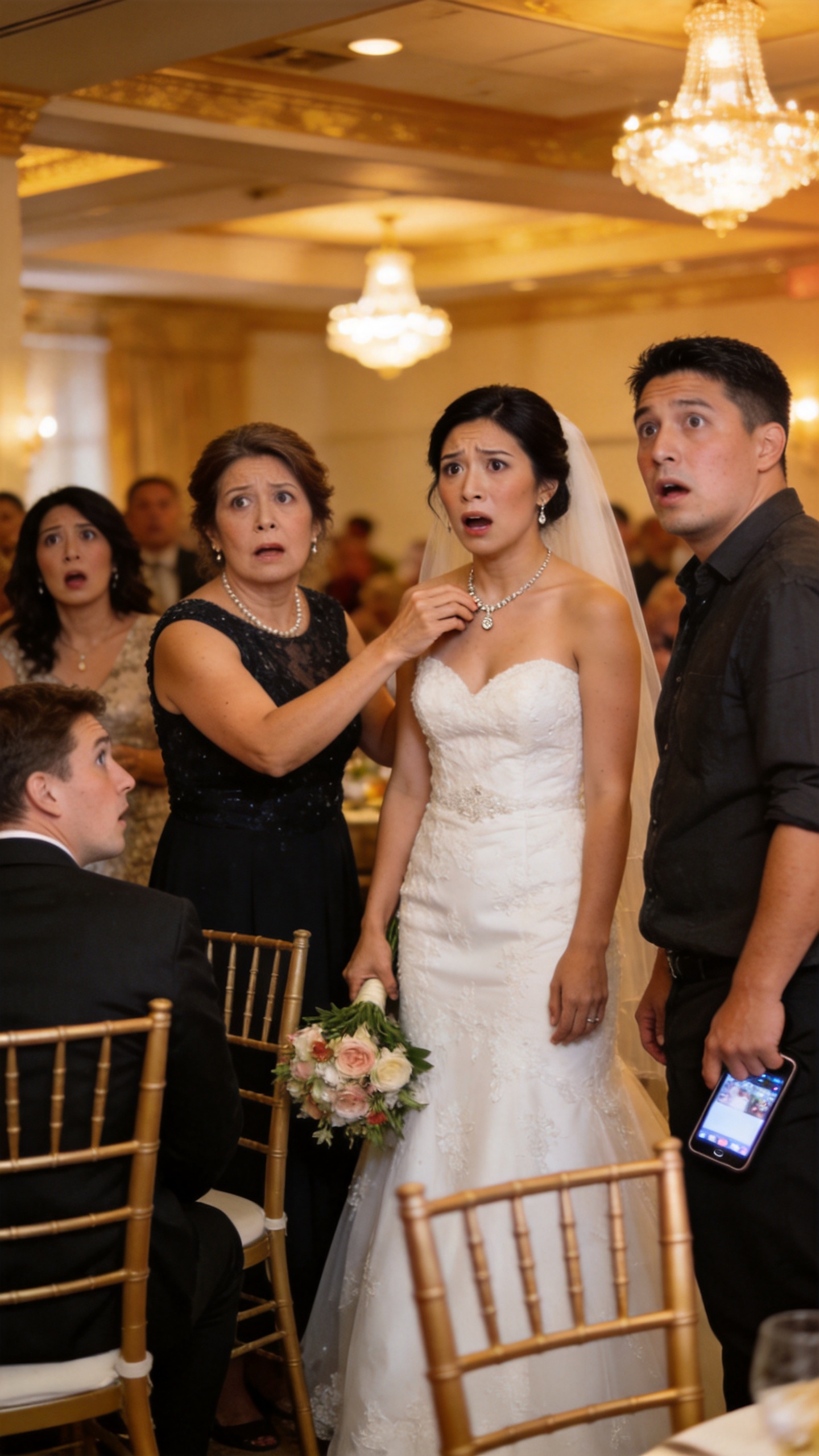
My bride stopped breathing behind her veil.
And my mother, seated in the first pew with her pearls at her throat and half the city watching, turned around with the kind of smile that warned people not to move.
But the little boy kept running.
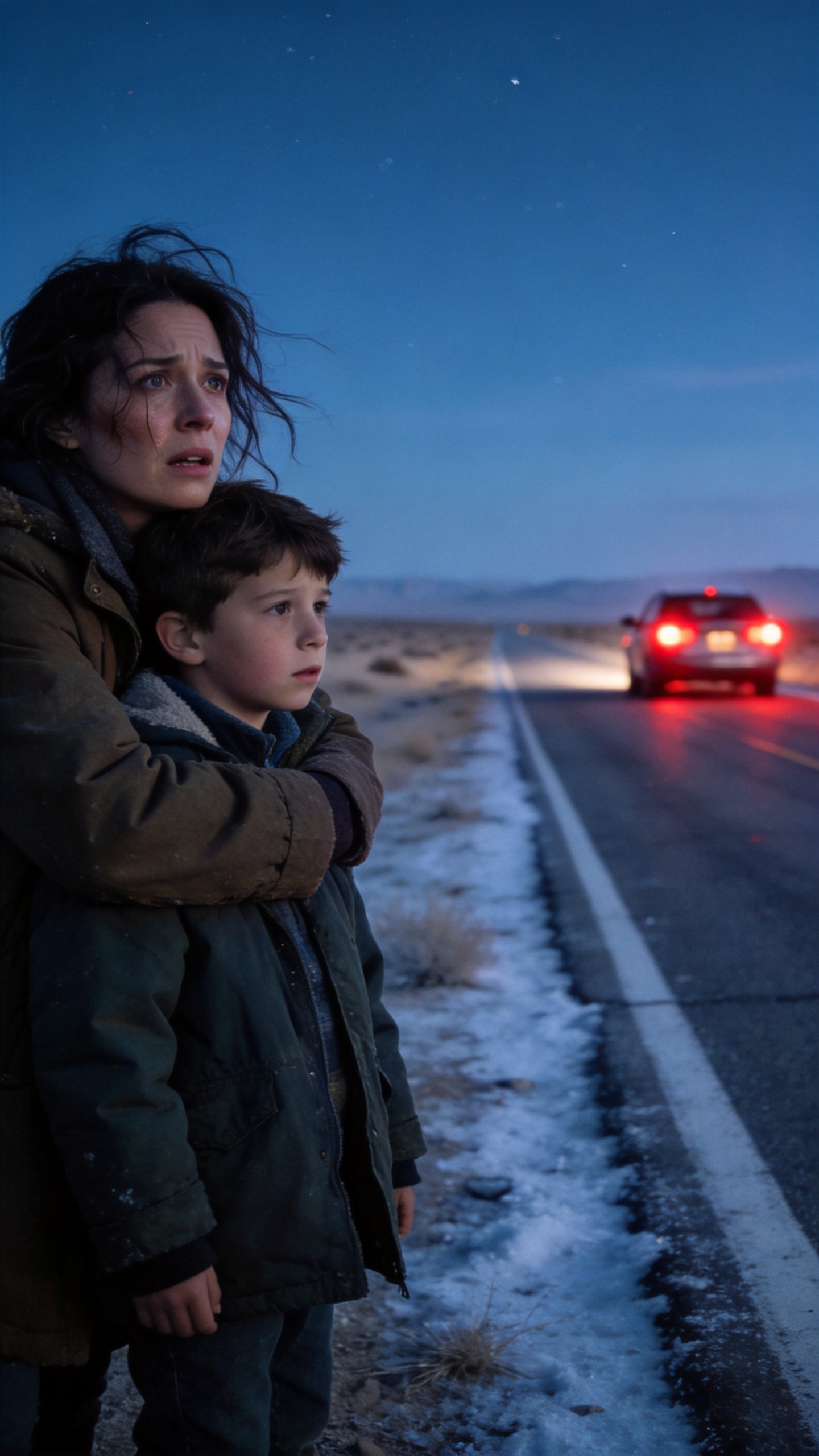
He could not have been more than five.
His suit jacket was too big. One sleeve hung over his hand. His shoes slapped against the marble aisle like he had dressed in a hurry and been told to run before someone changed their mind.
Two ushers stepped into his path.
He ducked under one arm.
A security guard reached for his collar.
"Let him through," I said.
My voice did not sound like mine.
It sounded like it came from the floor.
The boy slowed only when he reached the first white rose arrangement at the foot of the altar. His face was red from crying. In one fist, he held a small velvet pouch, faded blue, tied with a piece of kitchen string.
He looked up at me.
"Are you Mr. Rowan Vale?"
Behind me, Vivienne Cole made a soft sound.
My father stood.
"This is not appropriate," he said.
The boy flinched at the voice but did not step back.
"She said to give it to you before you said yes," he whispered.
The church went so quiet I heard wax dropping from one of the tall candles.
I took the pouch.
Inside was a bracelet I had buried in a closed coffin three years earlier.
Tarnished silver.
A broken clasp.
One tiny sun charm, scratched across the back with an engraving only two people in the world had ever known.
L + R.
North gate. Sunrise.
My knees nearly folded.
The bracelet had belonged to Liora Hale, the woman my family told me had died on a rain-slick road outside Portland. The woman whose funeral I had paid for. The woman whose name my mother had forbidden anyone to speak in our house again.
And now a child I had never met stood in front of my wedding guests and said, "She told me the sun always comes up at the north gate."
The Boy Who Should Not Have Known Her Words
Vivienne touched my elbow.
"Rowan," she said carefully. "You are pale."
That was a strange thing to notice at the altar.
Not the boy.
Not the bracelet.
Not the sentence that had just torn the floor out of my life.
My father came up the aisle first, moving like a man who had bought the room and expected the walls to obey him.
"Son," he said, smiling for the guests, "the child is confused. We will handle it after the ceremony."
The priest looked from my father to me.
My mother remained seated.
That was how I knew she was afraid.
Marceline Vale never stayed still when she had control. She crossed rooms. She touched shoulders. She corrected flowers. She placed herself in every photograph because she believed history should remember who arranged it.
Now she sat with both hands locked around her ivory clutch.
The boy pulled something else from his pocket.
A folded strip of paper.
It was damp at the edges, as if he had held it too tightly for too long.
"She said if they tried to take me away, give you this too."
My father stopped smiling.
Vivienne's hand slipped from my arm.
The paper had no letterhead. No signature. Only six numbers and a name.
Room 417.
Harbor Crest Recovery.
Liora.
I stared at the writing until the ink blurred.
Liora's handwriting had always tilted left when she was scared. She used to joke that fear made her words try to run backward.
This was hers.
Not a memory.
Not grief playing a cruel trick.
Hers.
"Who brought you here?" I asked the boy.
He looked over his shoulder.
No one in the doorway waved.
No relative leaned in.
No mother stepped forward.
"Mrs. Della," he said. "She drove fast. Then she told me not to let the tall lady in pearls see me."
My mother's face changed by one inch.
It was enough.
Della Morris had been Liora's housekeeper. She had disappeared two weeks after the funeral, after my mother said grief made employees unreliable and sent her final check by courier.
I closed my hand around the bracelet.
Then I looked at the church doors.
"Lock them."
A nervous laugh moved through the pews.
I turned to our head of security, who had worked for my father long enough to know the difference between a request and a command.
"No one leaves this church until I know why a dead woman's bracelet is in my hand."
My father said, "Rowan, do not embarrass this family."
I looked at him.
"I think that happened before the music started."
My Family Had Built A Marriage Around A Grave
Three years earlier, Liora had been driving to meet me at the north gate of my family's old summer estate.
That gate was where we had first kissed.
That gate was where she had told me she did not want Vale money, Vale apartments, Vale charity seats, or any of the soft cages my family offered women they wanted to control.
She wanted me without the furniture around me.
I had said yes.
Then she died before I could tell my family I was leaving the company.
At least, that was what they gave me.
A police report.
A sealed casket.
A doctor who would not look me in the eye.
My mother chose the funeral hymns.
My father handled the estate transition.
My older brother Calder told me grief was dangerous when it made men impulsive.
Then, six months later, they began putting Vivienne Cole in every room I entered.
Vivienne was elegant, educated, and so controlled that even her laughter seemed approved in advance.
Her family's shipping contracts would save Vale Meridian from an investigation my father swore was "politically motivated."
My marriage would steady the board.
My marriage would calm investors.
My marriage would restore the family's future.
That was the word they used most.
Future.
As if they had not buried mine in a cemetery on a hill.
At the altar, Vivienne lifted her veil.
Her eyes were wet.
But not surprised.
That was the second thing that broke me.
"You knew," I said.
She shook her head once.
Not enough to deny it.
Only enough to beg me not to say it in front of three hundred people.
The boy stepped closer to my leg. His small fingers twisted in the hem of his jacket.
"She said your family told people she forgot her name," he whispered.
My mother stood then.
"That is enough."
Every guest turned toward her.
She did not look like a mother at her son's wedding.
She looked like a woman watching a locked drawer open.
"This child is being used," she said. "Rowan, give the bracelet to Thomas and finish your vows."
Thomas, the security chief, did not move.
I think he had finally seen my face.
"Where is Della?" I asked.
The boy pointed toward the side chapel.
My father took one step.
"No," I said.
He stopped.
Not because he respected me.
Because the cameras were still rolling.
The wedding videographers had not cut. Two society reporters sat in the back pews. Half the guests held phones low in their laps, pretending not to record while recording everything.
My mother had invited the city to witness her victory.
Now the city was watching the lock turn.
The Woman In The Side Chapel Had Kept The Receipts
Della Morris came out with a canvas tote clutched to her chest.
She was smaller than I remembered, thinner, hair gone white at the temples.
But her eyes were the same.
Tired.
Angry.
Clear.
"I'm sorry I waited this long," she said.
My mother laughed once.
"This woman was dismissed for theft."
Della did not even look at her.
She opened the tote and pulled out a plastic hospital bracelet sealed in a sandwich bag.
Liora Hale.
Admitted: three days after the accident.
Harbor Crest Recovery.
Alias: Laura Hill.
Authorized contact: Marceline Vale.
The priest crossed himself.
A woman in the second pew began to cry.
My father said, "Those documents are fabricated."
Della pulled out another envelope.
Inside were photographs.
Not dramatic ones.
That made them worse.
Liora in a wheelchair near a window.
Liora with a bandage around her head.
Liora asleep beside a tray of untouched food.
Liora three months later, thinner, eyes open, staring at the camera like she knew someone would eventually need proof.
"She woke up not remembering everything," Della said. "But she remembered him. She remembered the north gate. She remembered the bracelet. Your mother told the clinic he was unstable and dangerous. She said if Liora contacted him, it would destroy the merger and the guardianship would be revoked."
"Guardianship?" I said.
Della's hand shook as she gave me the next page.
Temporary medical authority.
Signed by a judge my father golfed with.
Petitioner: Marceline Vale.
Reason: no known immediate family, severe cognitive impairment, risk of financial exploitation by romantic partner.
Romantic partner.
That was me.
They had not just hidden her.
They had made me the danger in the story.
Vivienne covered her mouth.
I looked at her again.
"How much did you know?"
Her father, Arthur Cole, stood from the front pew.
"My daughter knew what she was told."
"That was not my question."
Vivienne's face crumpled.
"I knew she was alive," she said.
The church inhaled.
"I did not know where. I did not know they had kept her locked away. My father said she was being cared for and that if the merger failed, your family would cut off the payments."
"Payments," I repeated.
My brother Calder finally spoke.
"Do you have any idea how many employees would have lost their jobs if you had run off with that woman?"
That woman.
Not Liora.
Not a patient.
Not a living human being they had stolen from her own life.
That woman.
The boy pressed against my side.
"She is my aunt," he said softly.
I looked down.
"What is your name?"
"Noah."
Della touched his shoulder.
"Liora's sister died last winter," she said. "Noah had nowhere to go. Liora remembered him before she remembered her own address. That is when the clinic panicked. They moved her twice. I followed the billing trail."
My mother said, "This is madness."
But her voice had lost the room.
Evidence changes sound.
Lies are loud until paper enters.
Then every breath becomes a verdict.
The Receipts Turned The Wedding Into A Hearing
Della did not stop with photographs.
She had learned, she told us, to bring copies because rich people trusted only the paper they controlled.
From the tote came a stack of clinic invoices.
Monthly charges.
Private nursing fees.
Security transport.
Medication reviews.
Every bill had been paid through a shell foundation attached to my mother's charity for traumatic brain injury research.
The irony was so vile I almost could not read it.
My mother had hosted luncheons under chandeliers and accepted applause for helping vulnerable patients while using the same foundation to hide the woman whose life she had stolen.
"You used Sunrise House," I said.
The name sat between us like another body.
Sunrise House had been my mother's favorite philanthropic project. She cut ribbons there. She posed with doctors. She gave interviews about dignity and patient advocacy. I had stood beside her at the last gala and wondered why she kept looking at the exit whenever a nurse approached.
Now I knew.
Della pulled out a visitor log.
The entries were not all signed with my mother's name.
Some were initials.
M.V.
C.V.
A.C.
Arthur Cole.
Vivienne's father.
"No," Vivienne whispered.
Della looked at her with pity that somehow hurt more than anger.
"Your father came twice," she said. "Once before the engagement was announced. Once the week after. Liora heard his voice through the door. She wrote it down because voices came back to her before faces did."
Arthur Cole's jaw tightened.
My father said, "This is privileged business material."
The priest stared at him.
"A woman's body is not business material," he said.
For the first time in my life, I saw my father fail to find a sentence.
Della passed me a photocopy of an internal memo on Vale Meridian letterhead.
The subject line was clean enough to look harmless.
Risk Containment Prior To Cole Transaction.
The body was not harmless.
It listed possible threats to the merger.
Press exposure.
Regulatory subpoena.
Unstable heir behavior.
Unexpected reappearance of L.H.
Unexpected reappearance.
They had written that phrase as if Liora were a misplaced file that might turn up in the wrong cabinet.
At the bottom, in Calder's blocky handwriting, someone had added:
If R.V. receives direct contact, ceremony must be accelerated.
I turned slowly toward my brother.
He lifted his chin.
"You were going to destroy a company because of a romance," he said.
"You were going to marry me off because of a crime."
"You always did confuse sentiment with duty."
The words landed with old weight.
For years, Calder had spoken to me that way in boardrooms and elevators and family dinners. He had made himself sound like discipline while he taught everyone to treat my grief as incompetence.
But the church was not a boardroom.
No one around us was nodding.
Guests were whispering. A bridesmaid had sat down hard on the step near the choir stall. One of Arthur Cole's executives was backing toward a column as if distance could save him from the memo in my hand.
Della reached into the tote one last time.
"This is why I came today," she said.
She held out a small recorder.
My mother's face drained.
The device looked old. Cheap. Scuffed around the edges.
"Liora kept asking for Rowan," Della said. "The doctors told her there was no Rowan. Your mother told her Rowan had moved on. Then one night I heard Mrs. Vale in the room. I was changing linens in the hall. I turned this on because I thought maybe one day someone would believe her."
No one breathed while Della pressed play.
Static came first.
Then my mother's voice.
Soft.
Patient.
Deadly.
"You are not well, Liora. If you love him, you will stay quiet. Rowan believes you are gone. That belief is the only thing keeping him stable."
A weaker voice answered.
Liora.
"He would come."
My mother sighed.
"He is marrying someone suitable. If you interfere, I will have you moved where no one kind can find you again."
The recording ended with fabric rustling and Liora saying my name once.
Just once.
It was not dramatic.
It was worse.
It was a woman trying not to disappear.
The church changed after that.
Not loudly.
People shifted away from my mother's pew as if cruelty were contagious. The society reporter in the back wiped her eyes with two fingers and kept recording. A judge's wife, who had spent twenty years accepting my mother's invitations, took off the pearl bracelet Marceline had given her at Christmas and placed it inside her purse.
Small withdrawals.
Quiet verdicts.
My mother noticed every one.
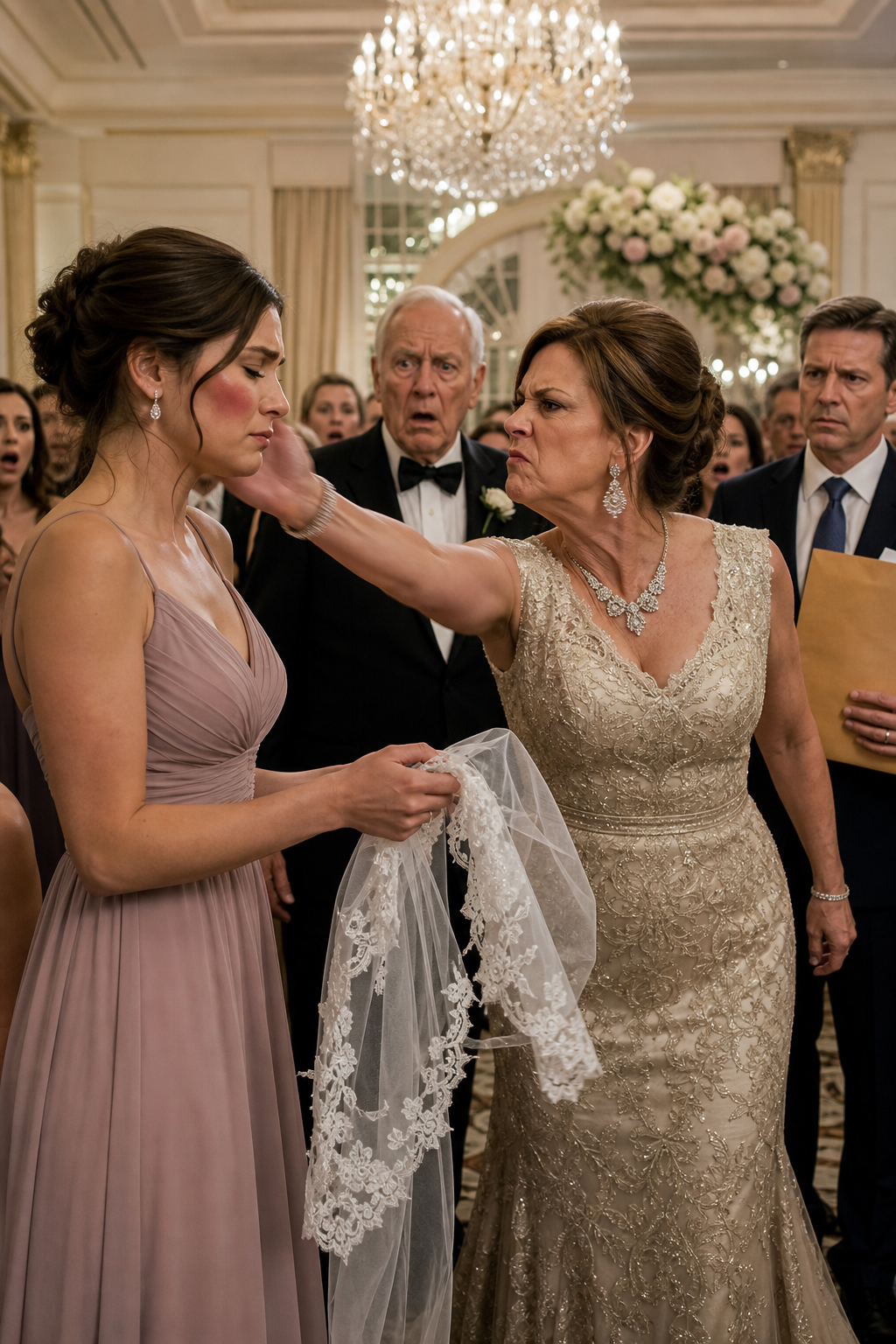
That was when she stopped pretending.
"You think this makes you noble?" she said to me. "You think love will run a corporation? You think hospitals, courts, investors, employees, creditors, all of them care about your little tragic romance?"
Noah hid behind Della's skirt.
My mother pointed at him.
"And now this child? You would throw away your name because a servant brought a child and some copied pages into a church?"
The word servant snapped through the air.
Della flinched.
So did several women in the pews who had worked for families like mine long enough to know what that word meant when spoken in silk.
I looked at Della.
"Thank you," I said.
Her eyes filled.
My mother laughed again.
"That is your weakness. You thank people who should be grateful to be allowed in the room."