My Father Blocked Me From My Own Graduation And Said, "You Don't Belong Inside," Until The Dean Called My Name As The Honored Speaker
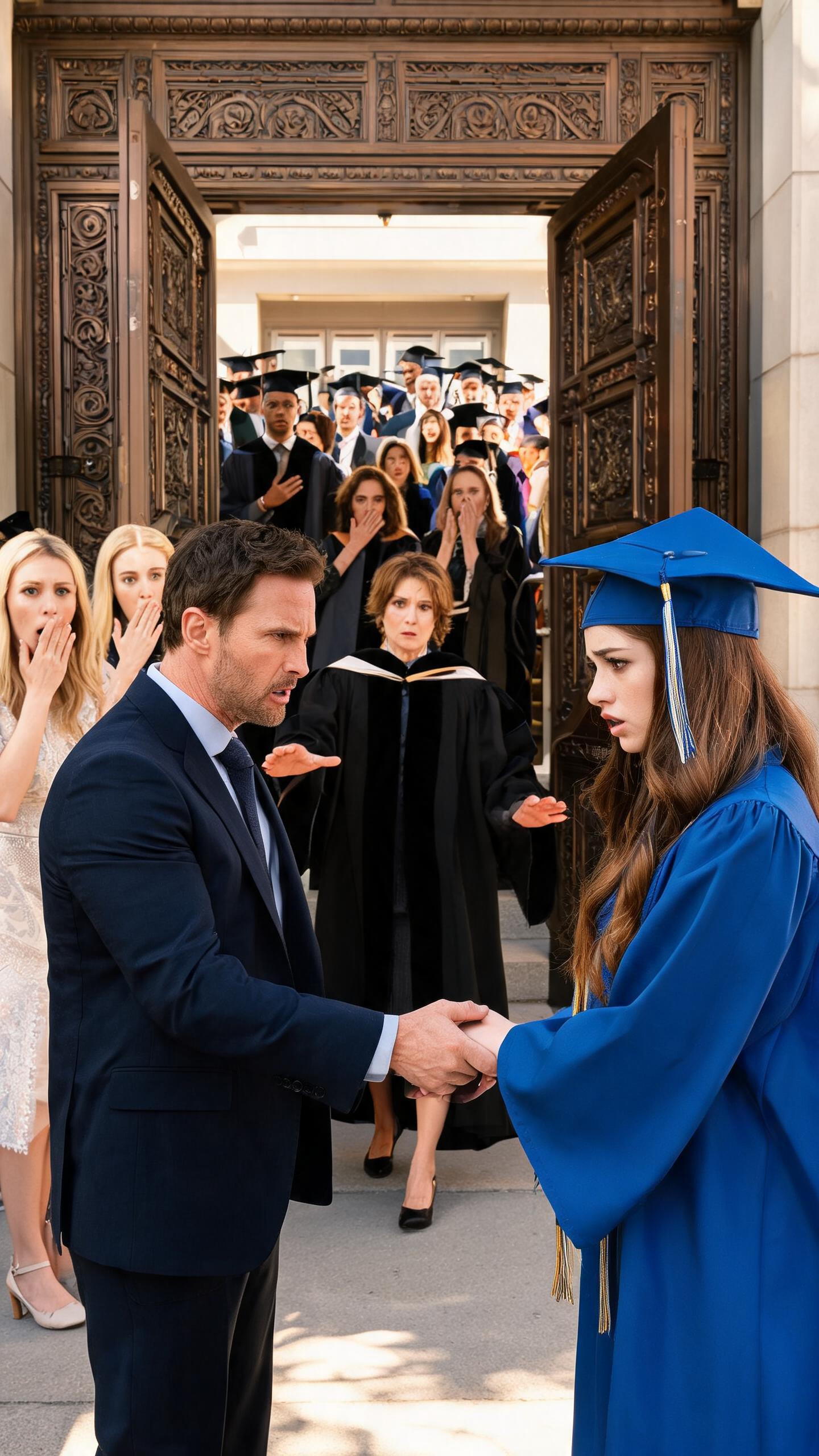
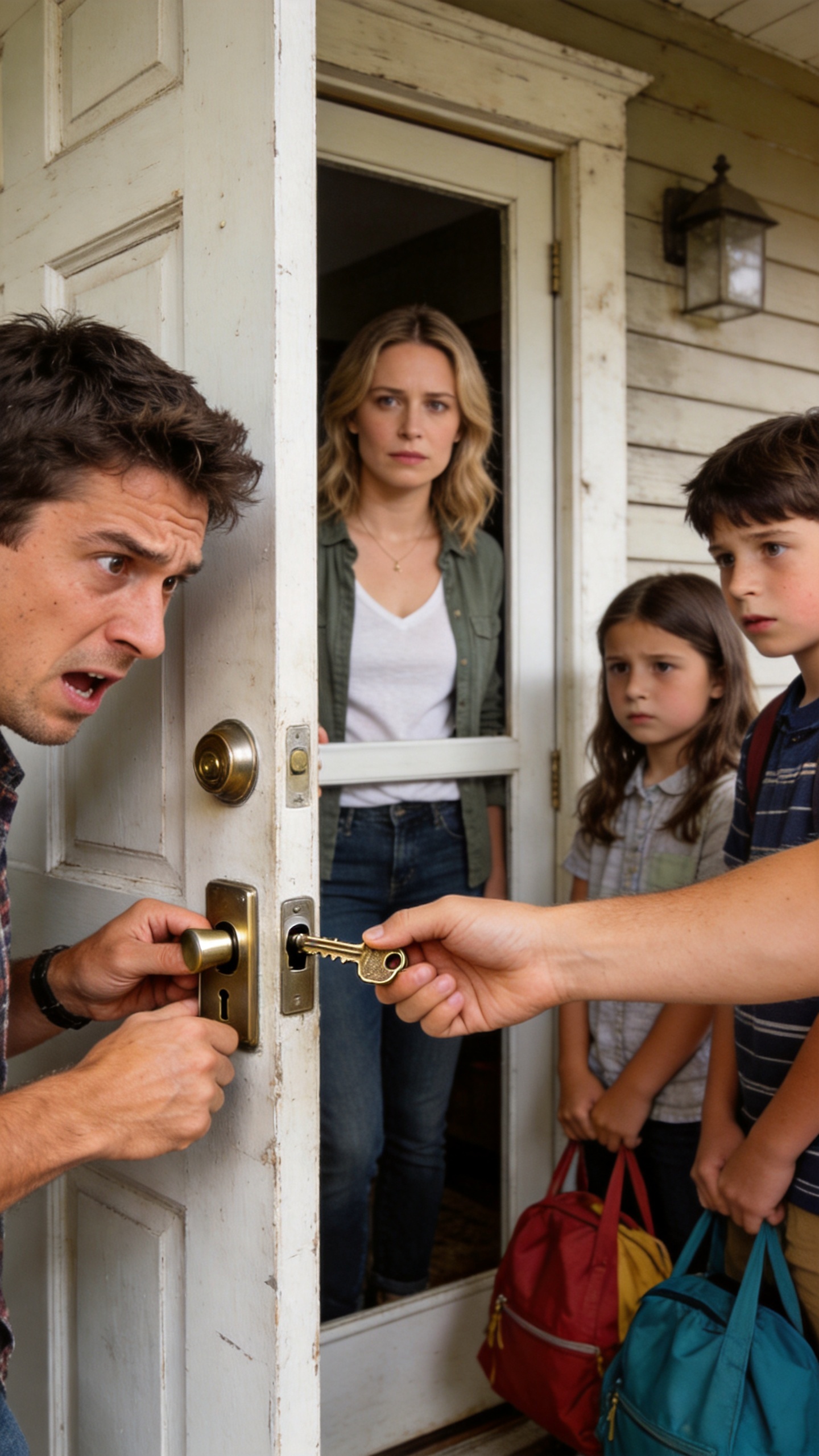
My father's hand closed around my wrist three steps before I reached the graduate entrance.
"You don't belong inside, Audrey," he said, low enough for dignity and loud enough for strangers to hear. "This is Lila's chance to meet the right people. Stop making everything about yourself."
Rain ran from the edge of his umbrella onto the sleeve of my black robe. Behind him, my stepmother adjusted the cream scarf around her throat and looked through me as if I were part of the weather. My stepsister stood under the bright lobby lights with my guest pass clipped to the front of her designer dress, smiling into her phone.
"Dad," I said, "that's my pass."
He tightened his grip.
"It was wasted on you," he snapped. "Lila can actually use it."
The security volunteer at the door glanced at my robe, then at my father, uncertain which authority to obey. Around us, families were filing into the auditorium with flowers, balloons, and proud little clusters of cameras. Every few seconds, someone laughed. Someone hugged. Someone called a graduate's name.
Nobody called mine.
Not yet.
My father leaned closer, his face red from the rain and from the effort of keeping his anger polite.
"Go around to the service door if you must," he said. "Or wait in the parking garage. But do not embarrass this family by pretending you are part of the ceremony."
Then he let go of me and turned away.
My stepmother gave me one last soft, poisonous smile.
"Let your sister have one good day," she said.
Lila lifted my pass between two manicured fingers, waved it once, and disappeared through the doors.
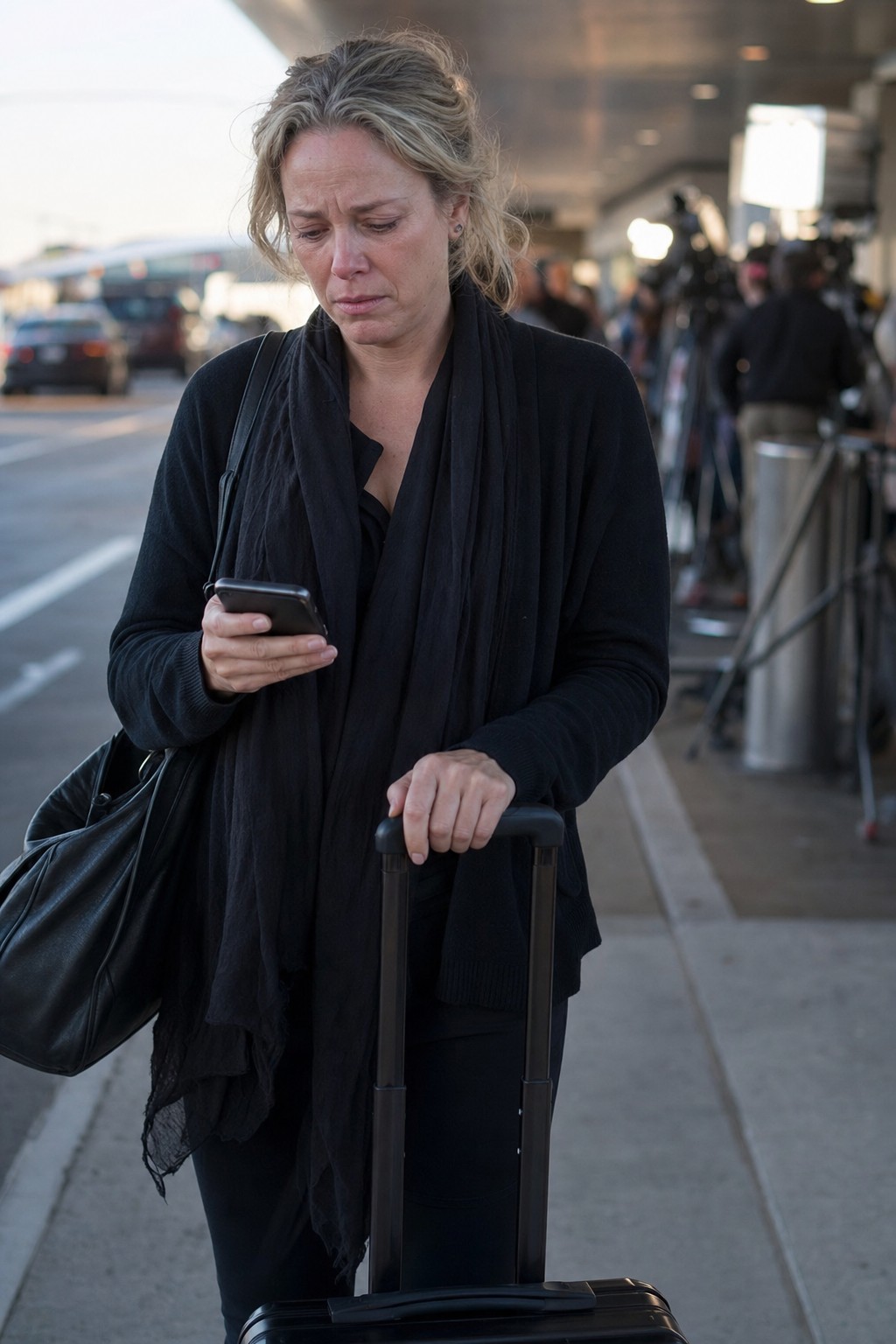
I stood outside in the rain with my hood folded over my arm, my name stitched inside the lining where no one could see it.
They Had Always Mistaken Quiet For Empty
Two nights before commencement, I came home from the hospital after twenty-six straight hours awake.
My hair smelled of antiseptic. My shoes were still dusted with the powder from the simulation lab. A faint red line circled my face where the mask had pressed into my skin, and my hands ached from charting, suturing, and typing revisions into a research appendix that refused to end.
All I wanted was the back bedroom in the house my mother had left behind.
I did not even get the hallway.
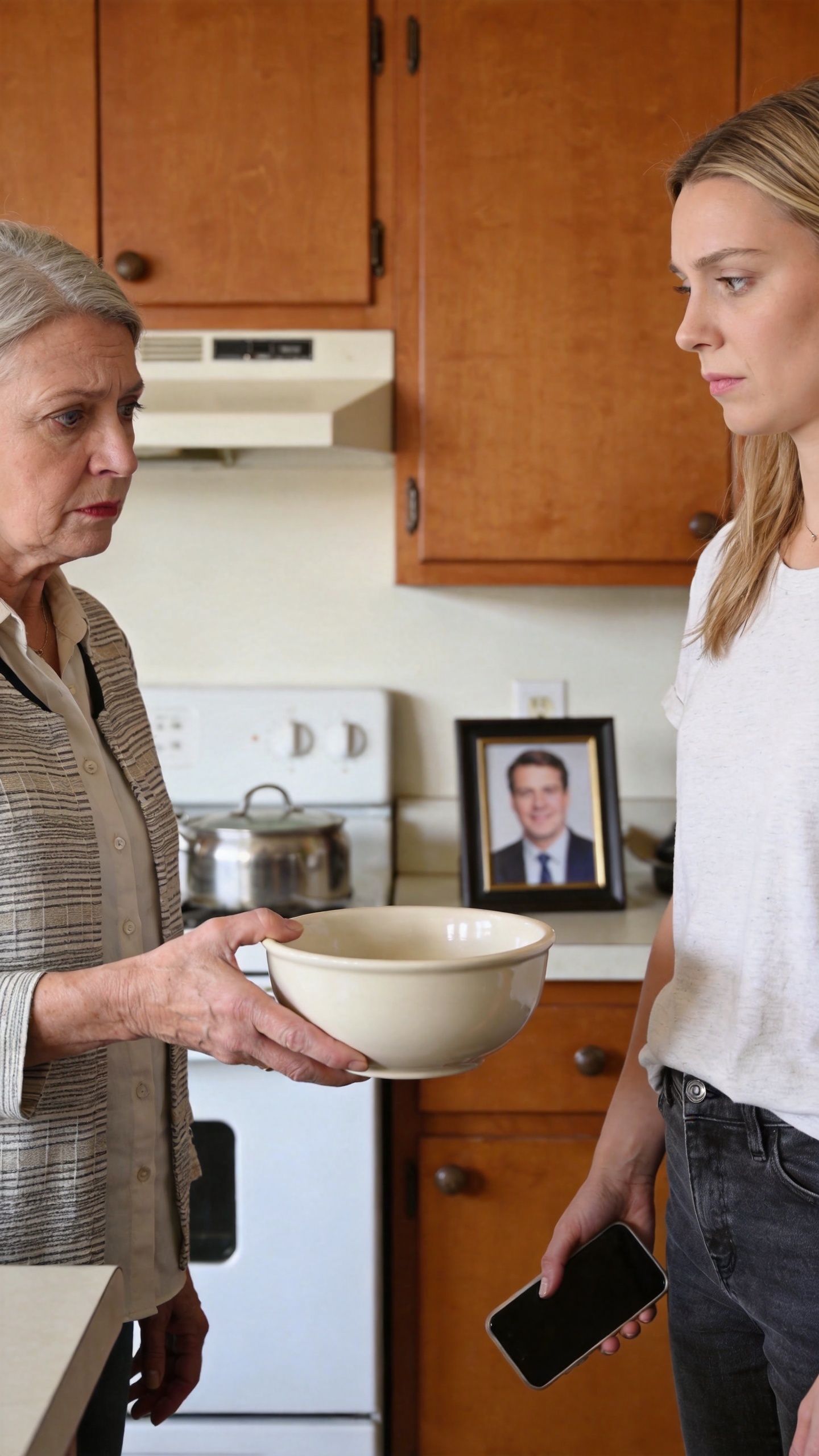
"Audrey," my stepmother called before I could close the mudroom door. "Do not track hospital smell through my kitchen."
Marianne sat at the island with a glass of white wine and a tablet balanced in front of her. She had been watching videos of Lila practicing poses for graduation weekend, though Lila was not graduating from anything. Not that weekend. Not that year.
Lila was twenty-four, beautiful, restless, and professionally supported by other people's labor. She called herself a medical lifestyle creator because she had once dropped out of a wellness certificate program and still owned the white coat from the photo shoot.
My father loved the phrase.
Medical lifestyle creator sounded expensive, connected, promising. It sounded like the sort of daughter he could introduce to donors without explaining unpaid bills, night shifts, scholarship hearings, or the fact that his other daughter had spent the last six years earning the degrees he had been dismissing as "school hobbies."
I set my canvas bag by the door.
"I just need to shower," I said. "Then I have to print something for Friday."
"Friday," Marianne repeated, as if the word had an odor.
My father looked up from the head of the table. Grant Collins had the clean, heavy look of a man who wore money like a second face. His hair was silver at the temples, his cuff links matched, and his voice had always been most gentle when he was about to take something.
"What about Friday?" he asked.
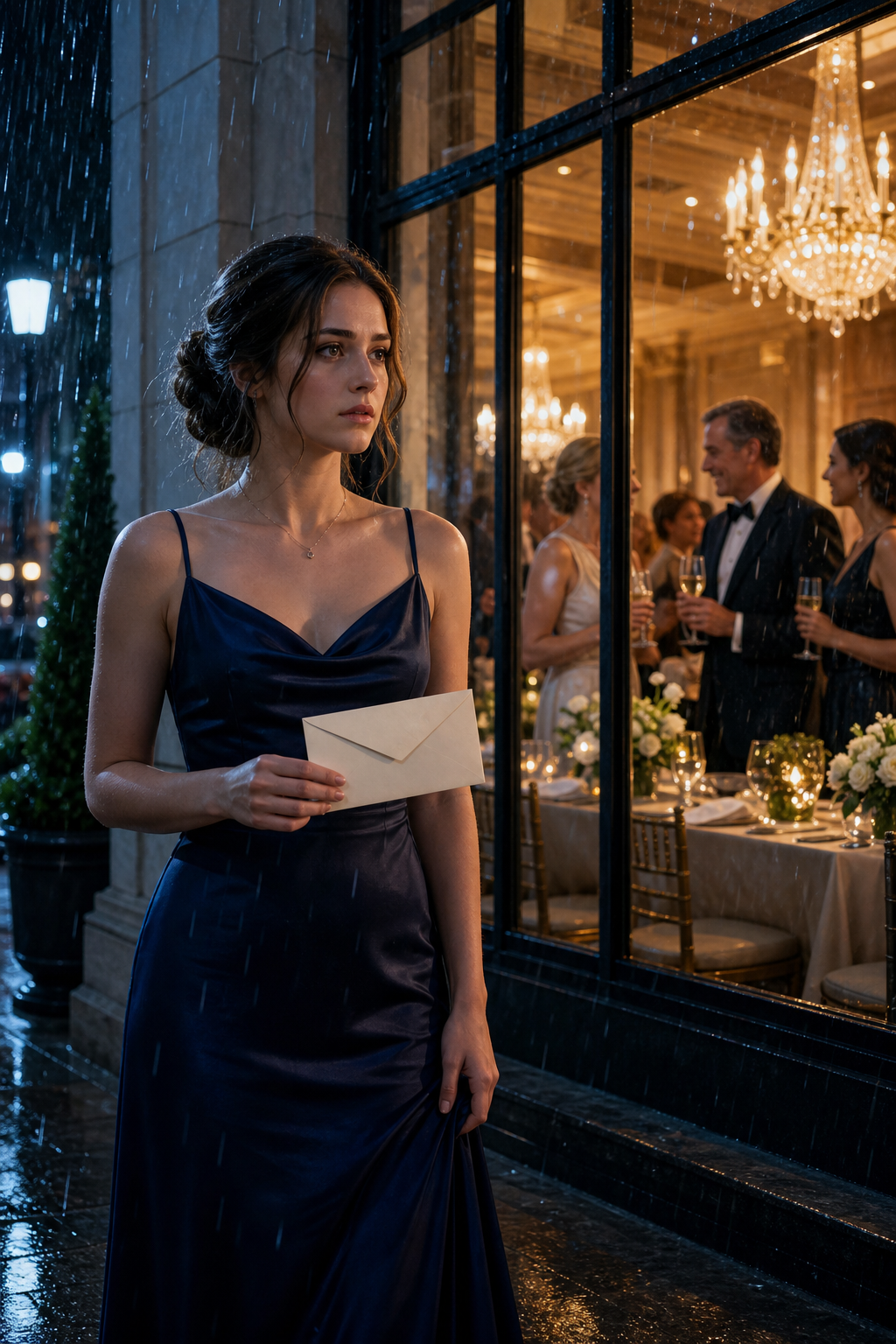
I pulled the envelope from my bag.
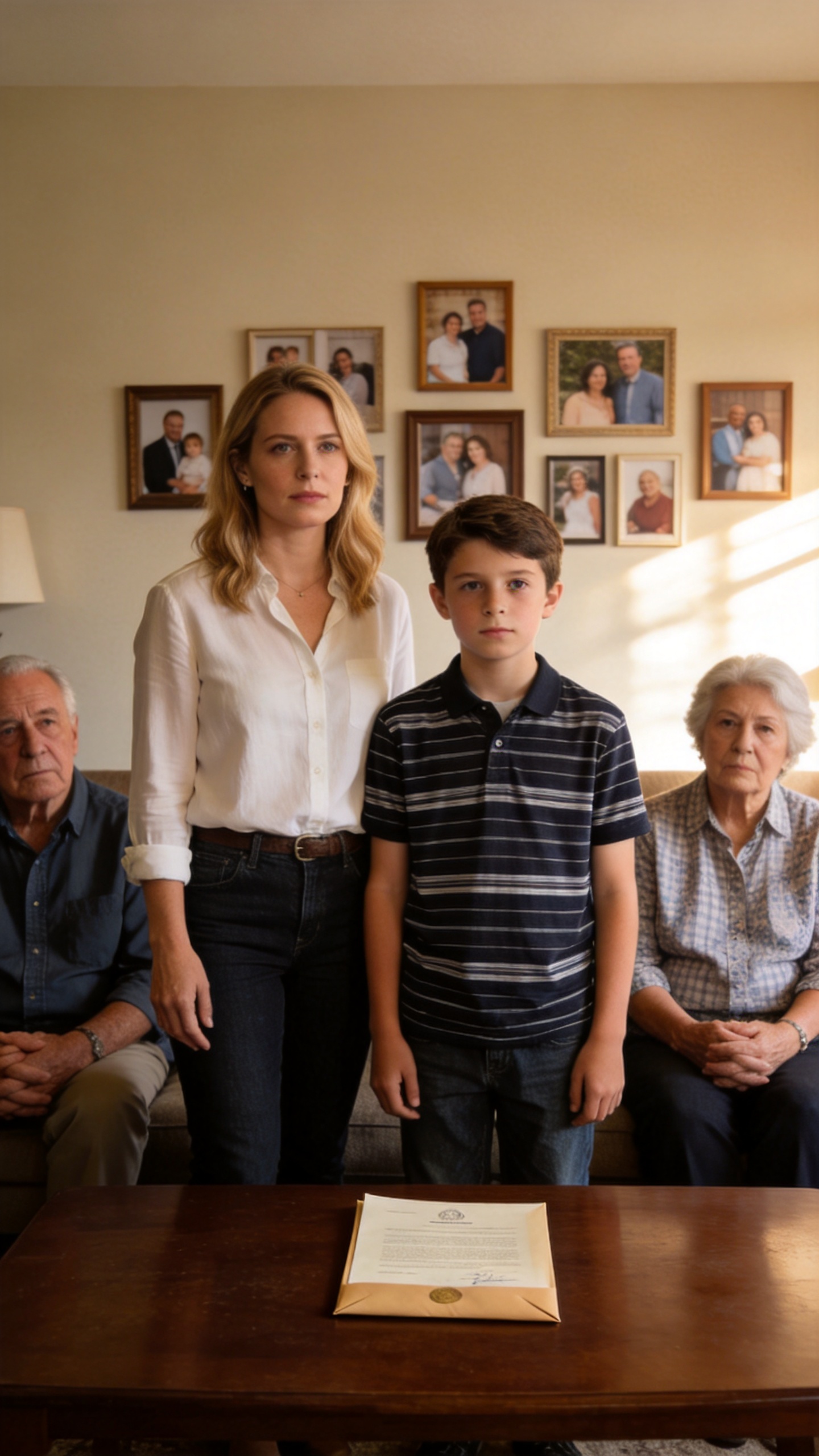
The university seal was pressed into the flap in gold. Inside was a single reserved-family credential, my faculty-side instruction card, and the final confirmation that I was expected in the green room by 8:30 a.m.
I had carried it around for three days.
Not because I needed him there.
Because some foolish part of me still wanted to give him one last honest chance to show up.
"Commencement," I said. "I told you last month. The graduate school ceremony is Friday morning. Each honoree gets one reserved guest credential, and I thought maybe you could..."
I did not finish.
My father took the envelope from my hand.
For one heartbeat, I thought he might open it. I thought he might see the words printed inside, the ones I had kept folded and secret because secrecy had become the only way to protect anything that mattered.
Instead, he turned and handed the envelope to Lila.
She had just come in from the dining room wearing a pearl headband and carrying two shopping bags.
"Perfect," he said. "Take this. The front rows will be full of trustees and doctors. You need better footage than that nonsense you filmed at the juice bar."
Lila gasped as if he had given her a diamond bracelet.
"Wait, really?"
"Really," he said. "Audrey will be sitting somewhere in the back. Or helping staff. Nobody will notice."
Marianne laughed softly into her wine.
"Besides," she said, "a ceremony like that needs someone presentable representing the family."
I looked at my father.
"That credential has my name on it."
"Do not be dramatic," he said. "Your name opens nothing. Lila's face might."
There it was.
The whole family system, pressed into one sentence.
My mother had died when I was sixteen, and within eighteen months my father had remarried, refinanced the house, and rearranged the family until I became an inconvenience with keys. Marianne moved into my mother's bedroom. Lila moved into the front bedroom with the bay window. I moved downstairs next to the laundry room, where the pipes knocked in winter and the dryer heat made sleep thin.
In public, my father called me "our quiet one."
At home, quiet meant available.
Quiet meant babysit Lila's failures. Quiet meant clean before guests arrived. Quiet meant answer the door for deliveries and disappear before the important people saw me. Quiet meant accept that my mother's house now had lavender diffusers, mirrored trays, and no visible photographs of the woman who had actually paid the mortgage.
I kept my grades quiet.
I kept my research quiet.
I kept the fellowship quiet after my father made one phone call to a hospital board member during my first year and tried to "place" me in a private clinic where his contacts could see me.
After that, I learned.
I separated everything. Scholarship office, faculty mentors, grant committees, lab records, university mail. I rented a campus locker for the documents that mattered. I used a post office box for anything with institutional letterhead.
Not because I was ashamed.
Because my father did not love achievement unless he could stand beside it and look taller.
That night, he slid my graduation credential across the counter toward Lila.
"Wear something tasteful," he told her. "The photographs may circulate."
I picked up my bag.
"I need it back."
His face hardened.
"You need gratitude. I let you stay here while you played student for half a decade."
"Mom left me this house too."
Marianne's glass touched the marble counter with a sharp click.
"Your mother left a mess," she said. "Your father cleaned it up. Do not rewrite family history because you are tired."
I almost answered.
Then Lila lifted the credential toward the ring light on the dining table and said, "VIP graduation pass. This is going to look incredible."
So I stopped.
I went downstairs.
The laundry room light flickered twice before catching. My bed was unmade, my desk crowded with printed charts, and the folded doctoral hood I had not yet steamed lay inside a garment bag under the chair.
Above me, their voices traveled through the vent.
"After Friday, we need to deal with the basement," Marianne said.
"Already handled," my father replied.
"She cannot keep living here forever."
"She will be out by the end of the month. I spoke to Paul. We can file a notice. Once she realizes the house is under my control, she will stop pretending she has options."
Lila laughed.
"Can I turn that room into the content studio? The concrete wall is actually kind of cool."
I sat very still.
My hands were shaking, but not from fear.
The university seal on my faculty instruction card gleamed under the desk lamp. Beside it sat the scanned copy of my mother's estate addendum, the one my father did not know I had found in an old tax folder, the one the university legal clinic had already reviewed for me.
Friday was no longer only graduation.
Friday was the day he would learn what, exactly, he had tried to throw away.
The Door Closed Before The Name Was Called
Commencement morning came cold and bright after a night of rain.
I left before sunrise with my robe in a plastic garment sleeve and my doctoral hood wrapped in tissue paper. I did not tell anyone in the house. I did not leave a note. I drove to campus with my speech on the passenger seat and a folder of legal copies zipped inside my bag.
The speech was not about my family.
That mattered to me.
I had written about rural pediatric care, late diagnoses, research access, and the children whose names had become permanent rooms inside my chest. I had written about the trial model our team built, the grant that would fund the next stage, and the reason science had to move faster than disease.
But underneath every polished sentence was the same private truth.
I knew what it meant to be unseen in a room that used your labor.
By 8:10, the front of Hartwell Hall was crowded with families. The building's bronze doors were open, spilling warm light onto the steps. White tents lined the walkway. Volunteers checked credentials under clear umbrellas. A photographer called for families to shift closer together.
Then I saw them.
My father stood near the VIP entrance in a navy overcoat, shaking hands with a hospital executive I recognized from the advisory board list. Marianne hovered beside him, smiling as if she had personally endowed the university. Lila stood half a step ahead of them, my reserved pass hanging from a ribbon at her chest.
She was filming.
"Big day," she chirped toward her phone. "So proud to be here representing the Collins family at one of the most prestigious medical graduations in the country."
Representing.
I walked toward the graduate entrance on the opposite side of the steps.
I had almost made it when my father saw me.
His expression changed so fast that for a second I felt sixteen again, caught carrying one of my mother's framed photographs back to my room after Marianne had boxed them for storage.
He crossed the steps and grabbed my wrist.
"What are you wearing?"
"My robe."
"Take it off."
Several people turned.
I kept my voice low. "I am supposed to be inside."
"You are supposed to stop humiliating us."
Lila lowered her phone but did not stop recording. Marianne moved close enough to be heard without looking involved.
"Audrey, sweetheart," she said, "this is not the place for one of your little resentment episodes."
My father pointed toward the parking structure.
"Wait there. When the ceremony is over, you can take pictures outside if you insist. But you are not walking into that building dressed like you earned something."
I felt the old reflex rise in me.
Apologize.
Shrink.
Make it easier for everyone else to keep lying.
Then the bronze doors opened behind him and a woman's voice cut through the rain-bright air.
"Dr. Collins?"
My father released me as if my skin had burned him.
Dean Evelyn Hart stood at the top of the steps in her black academic gown, silver hair pinned neatly at the back of her head. Two faculty marshals stood behind her. One carried the hood I had forgotten to remove from its tissue in the car. Another held a small stack of blue program cards.
Dean Hart looked at my wet sleeve. Then at my father's hand. Then at Lila's pass.
Her face did not move much, but the temperature around us seemed to change.
"We have been waiting for you," she said to me. "The board chair is already in the green room."
Lila blinked.
"Dr. Collins?" she repeated.
My father gave a short laugh.
"There must be a mix-up. Audrey is my daughter, yes, but she is not..."
Dean Hart stepped down one stair.
"She is Dr. Audrey Collins," she said. "M.D., Ph.D. candidate no longer as of this morning's final vote. National Clinical Research Fellow. Commencement honoree. And today's keynote speaker."
The volunteer at the door looked at my father.
Then at me.
Then she unclipped the pass from Lila's ribbon.
"This credential belongs to Dr. Collins's invited guest," she said.
Lila's mouth opened.
No sound came out.
Marianne's hand flew to her scarf.
My father stared at me with the peculiar anger of a man who had not been betrayed, only correctly informed.
"Why didn't you tell us?" he demanded.
I looked at the fingers still marked red from his grip.
"You never asked what I was graduating from."
For the first time that morning, nobody in my family knew where to put their face.
Dean Hart offered me her arm.
"Come inside," she said.
So I did.
The doors closed behind me before my father could decide whether to apologize or accuse.
Inside, the hallway smelled of polished wood, coffee, and rain drying from wool coats. A staff member brought a towel. My research advisor, Dr. Lionel Ames, came around the corner with the expression of a man who had been looking for both a person and a problem.
"Audrey," he said. "There you are."
He stopped when he saw my face.
I did not explain.
He did not ask.
He simply took the hood from the marshal, shook it open, and placed it over my shoulders himself. The velvet panels fell heavy against my chest. The satin lining flashed gold when I moved.
"Your mother would have liked this color," he said quietly.
That almost undid me.
Not my father outside.
Not Lila wearing my credential.
That one sentence.
I pressed my thumb against the edge of the program card until the paper bent.
On the first page, under Keynote Address, was my name.
Dr. Audrey Collins.
Under the awards section, it appeared again.
Recipient, Mercer National Pediatric Research Grant.
Four million dollars.
My father had spent years telling people I was wasting time in hospital corridors while my stepsister learned how to build a brand around ambition she did not have.
In less than an hour, three thousand people would know which daughter had actually been invited to stand at the podium.
The Applause Found The Seat They Tried To Steal
From backstage, I could see the fourth row.
My father had made it inside.
Of course he had.
Men like him rarely stayed outside once there was a room full of status to inventory. He had found a way through the general entrance, and now he sat with Marianne and Lila near the aisle, stiff with the embarrassment of worse seats than expected.
Lila held her phone low in her lap. She was not smiling anymore.
Marianne kept whispering to my father. He kept looking down at the program, then up at the stage, then back down again, as if the ink might rearrange itself into a version of reality he preferred.