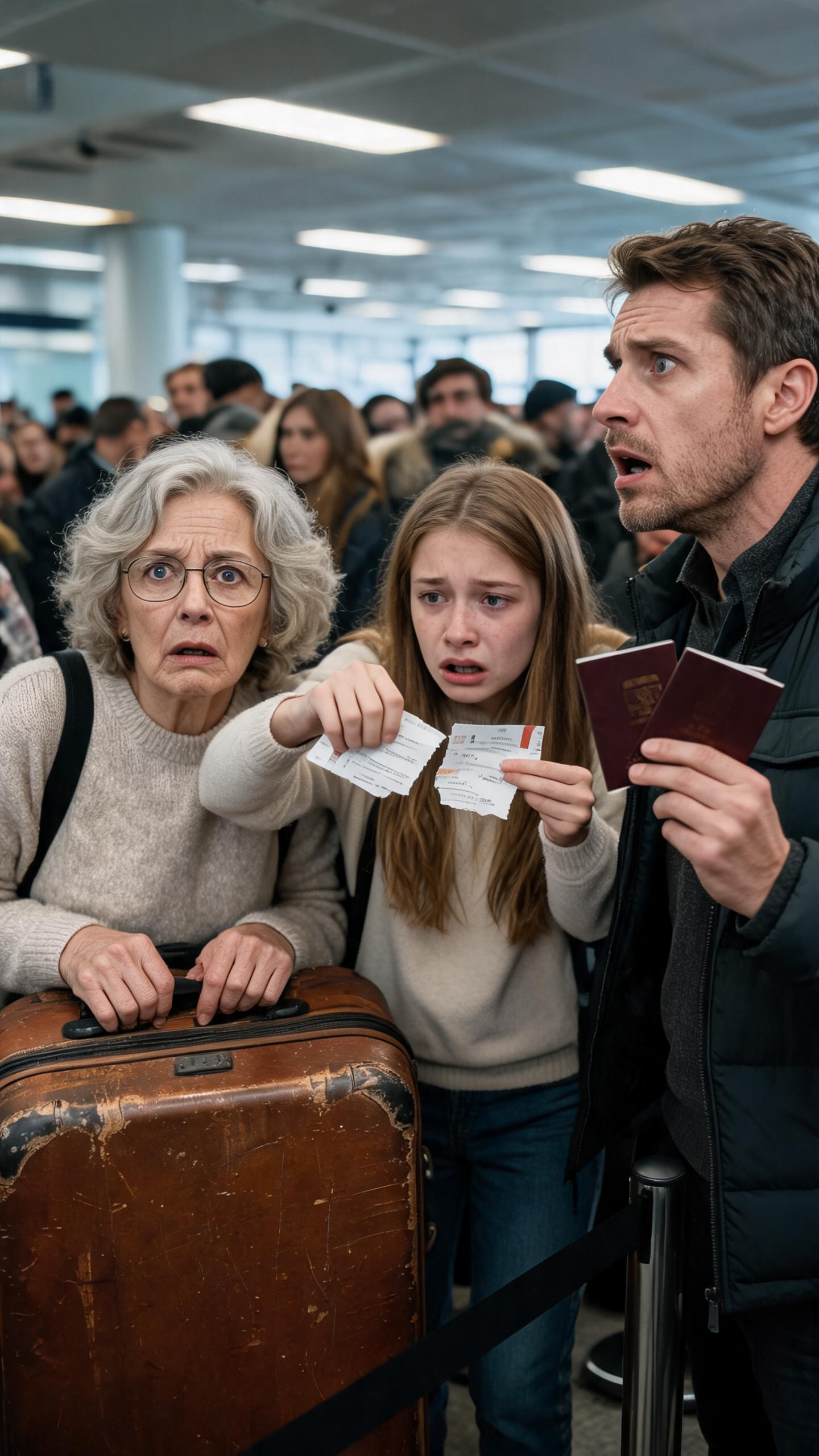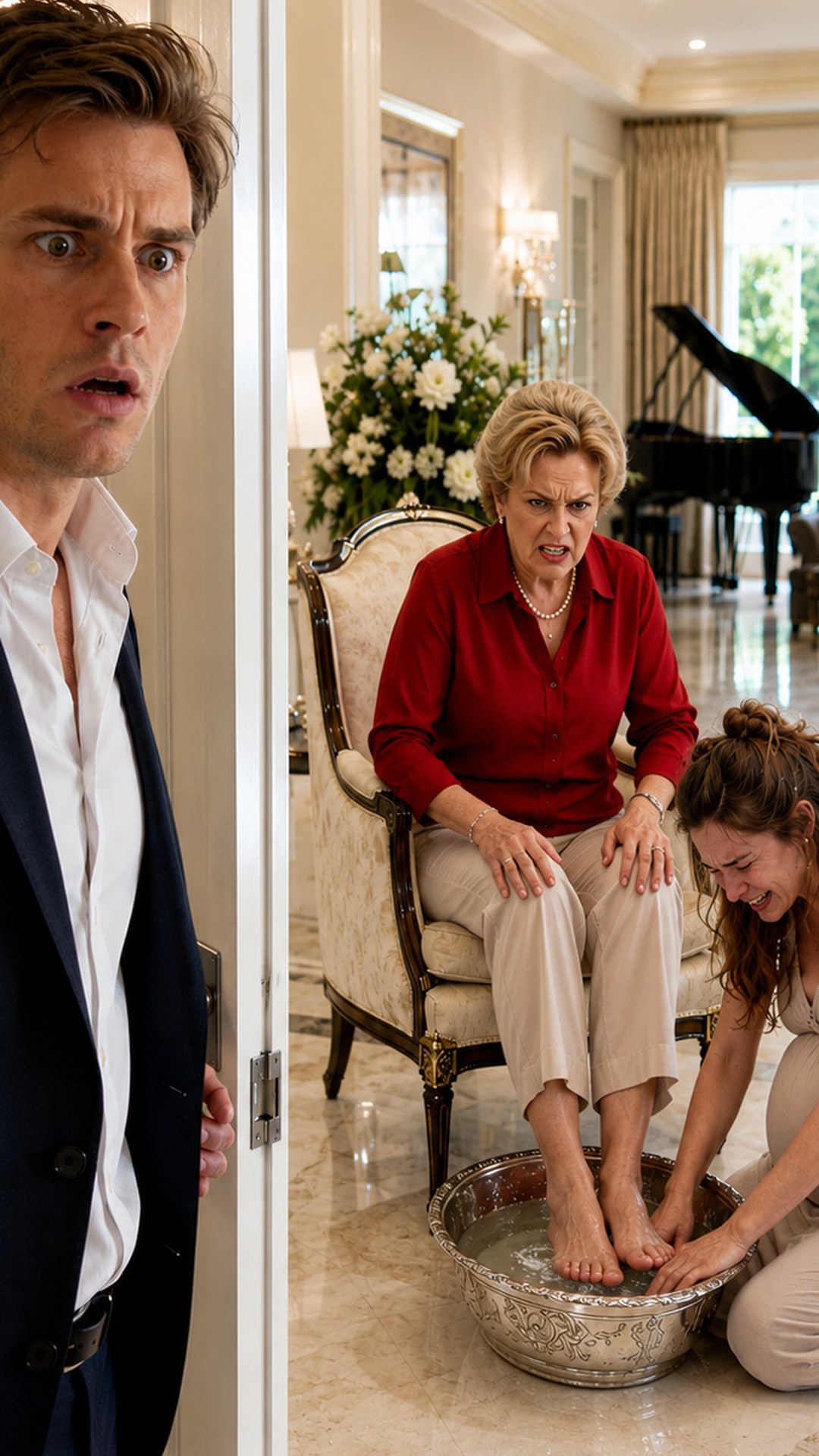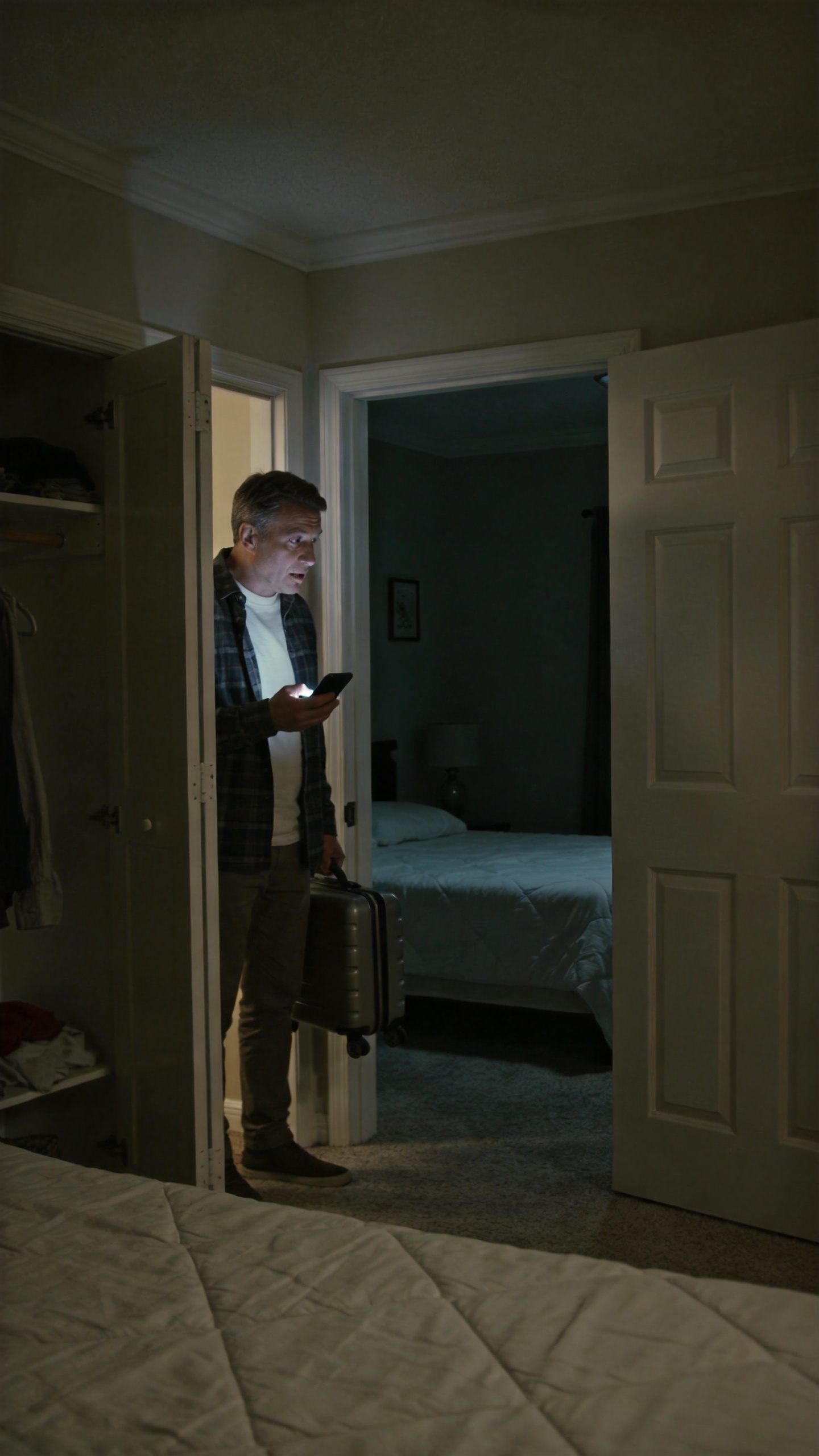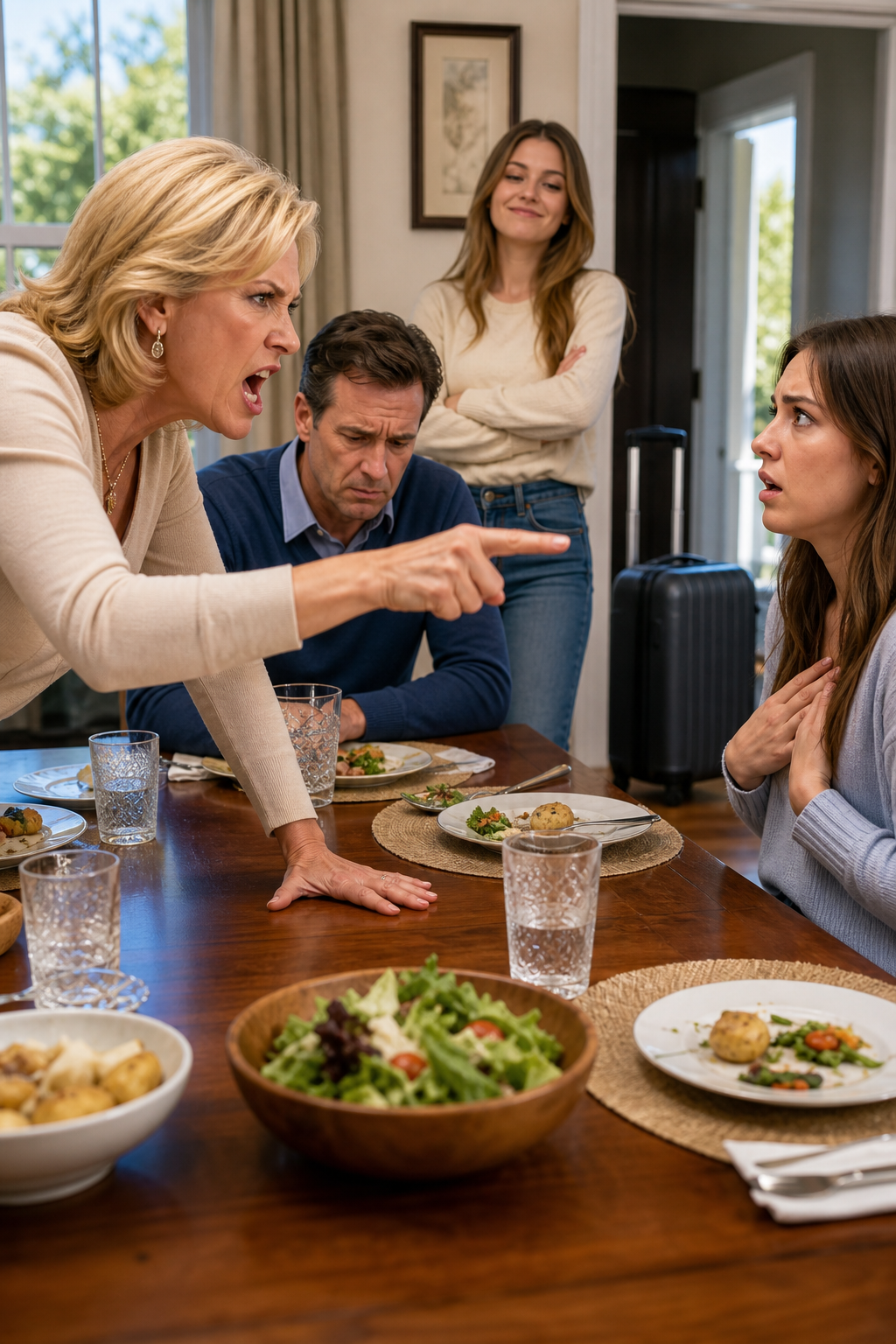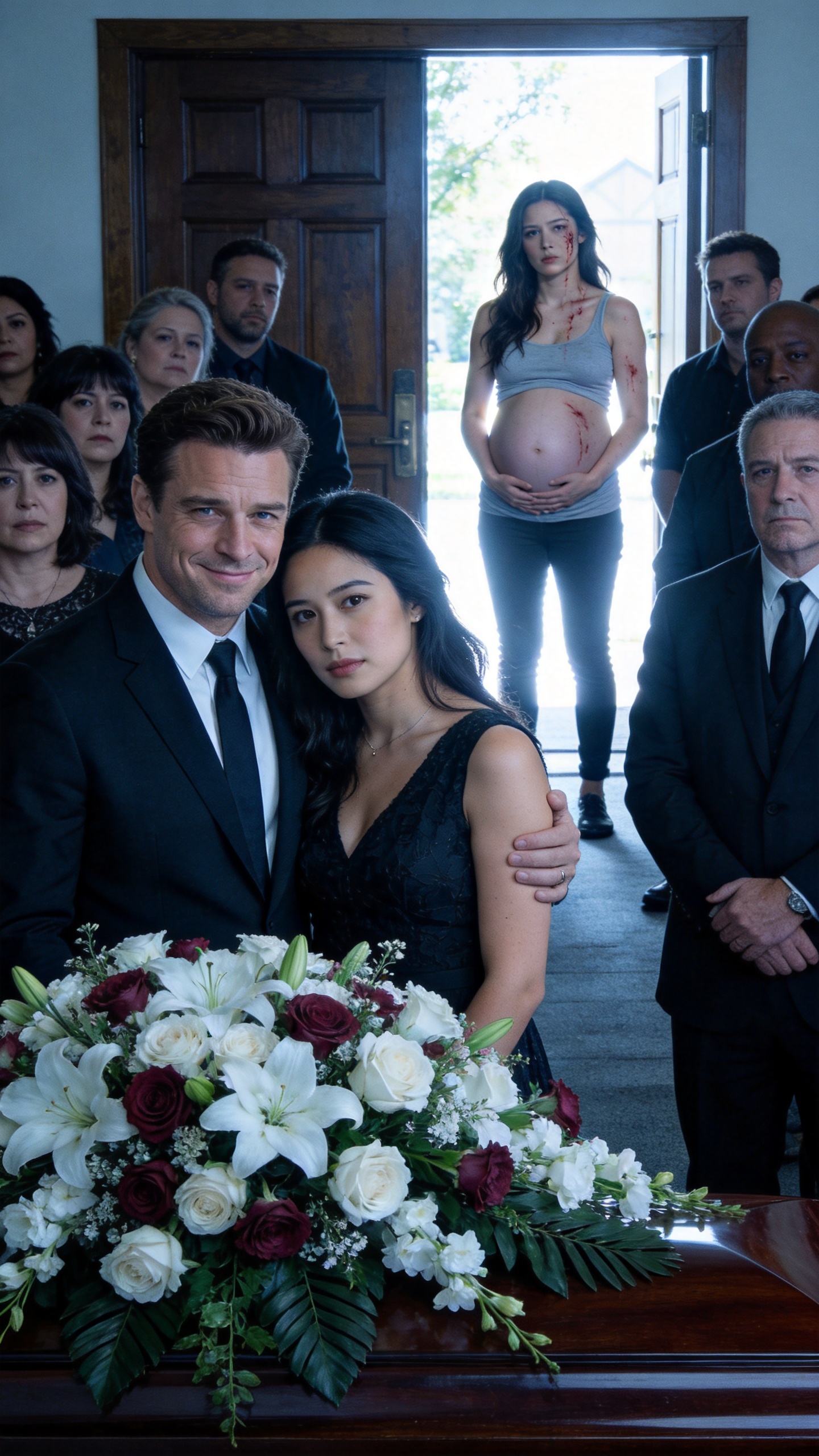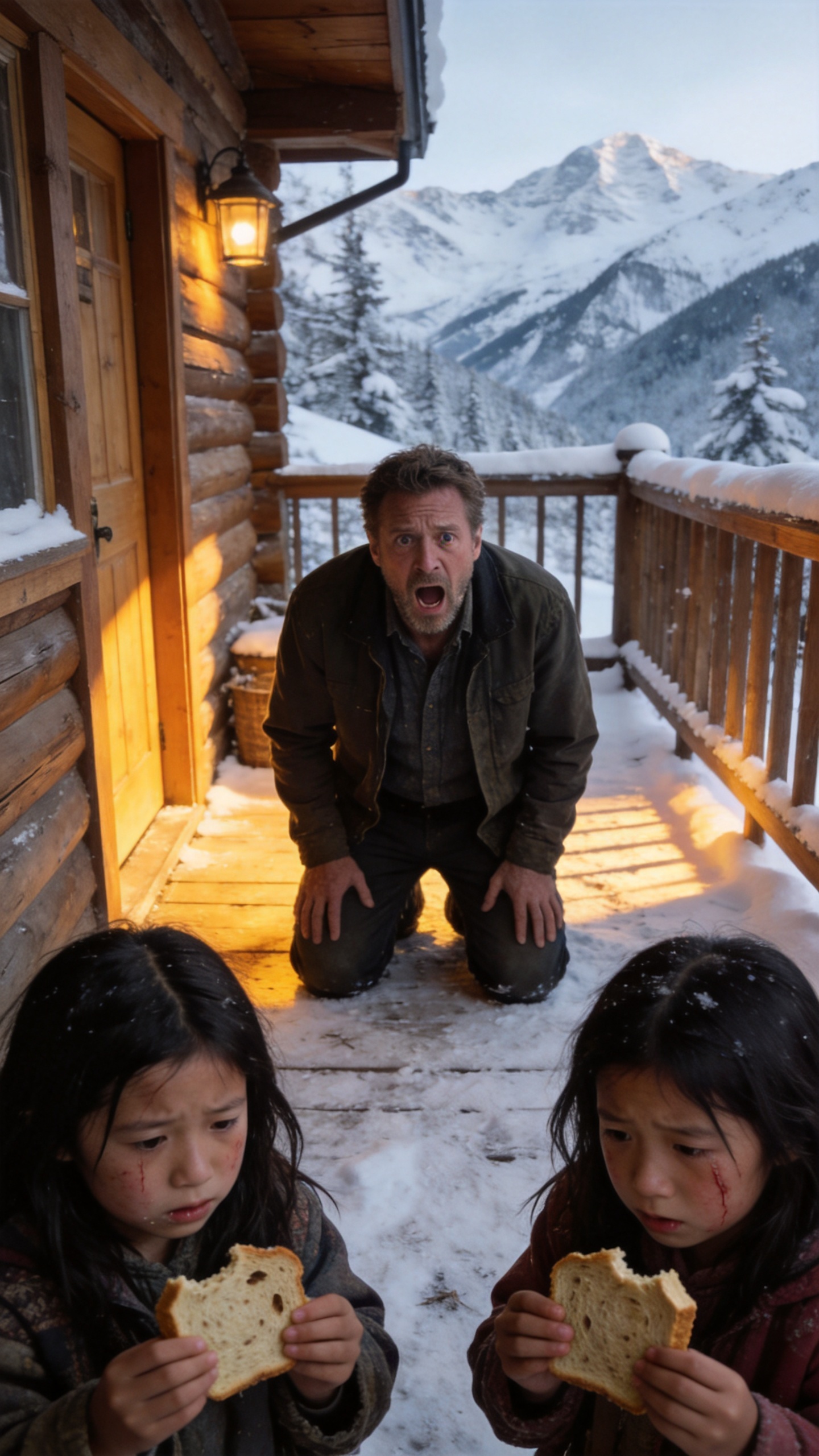
After a Year and a Half Deployed Abroad, I Battled Through a Blizzard to Reach Home, Hoping for a Warm Welcome, but Instead Found My Wife Collapsed on the Frosty Porch, Clutching Our Newborn: “Your Parents Kicked Us Out”
Years ago, my grandfather had put the remaining fifty-one percent in a trust for me, with an independent bank as the trustee until my thirty-fifth birthday. I had turned thirty-five while I was deployed. George had hidden the trust documents, thinking the bank's notices would get lost in my military mail.
I placed a certified letter on his desk.
“As of last Tuesday, I control the company,” I said.
My mother's face turned white. My father ripped the letter in half.
“A piece of paper changes nothing,” he said.
“It changes who can authorize an audit,” I replied.
The Boardroom Showdown
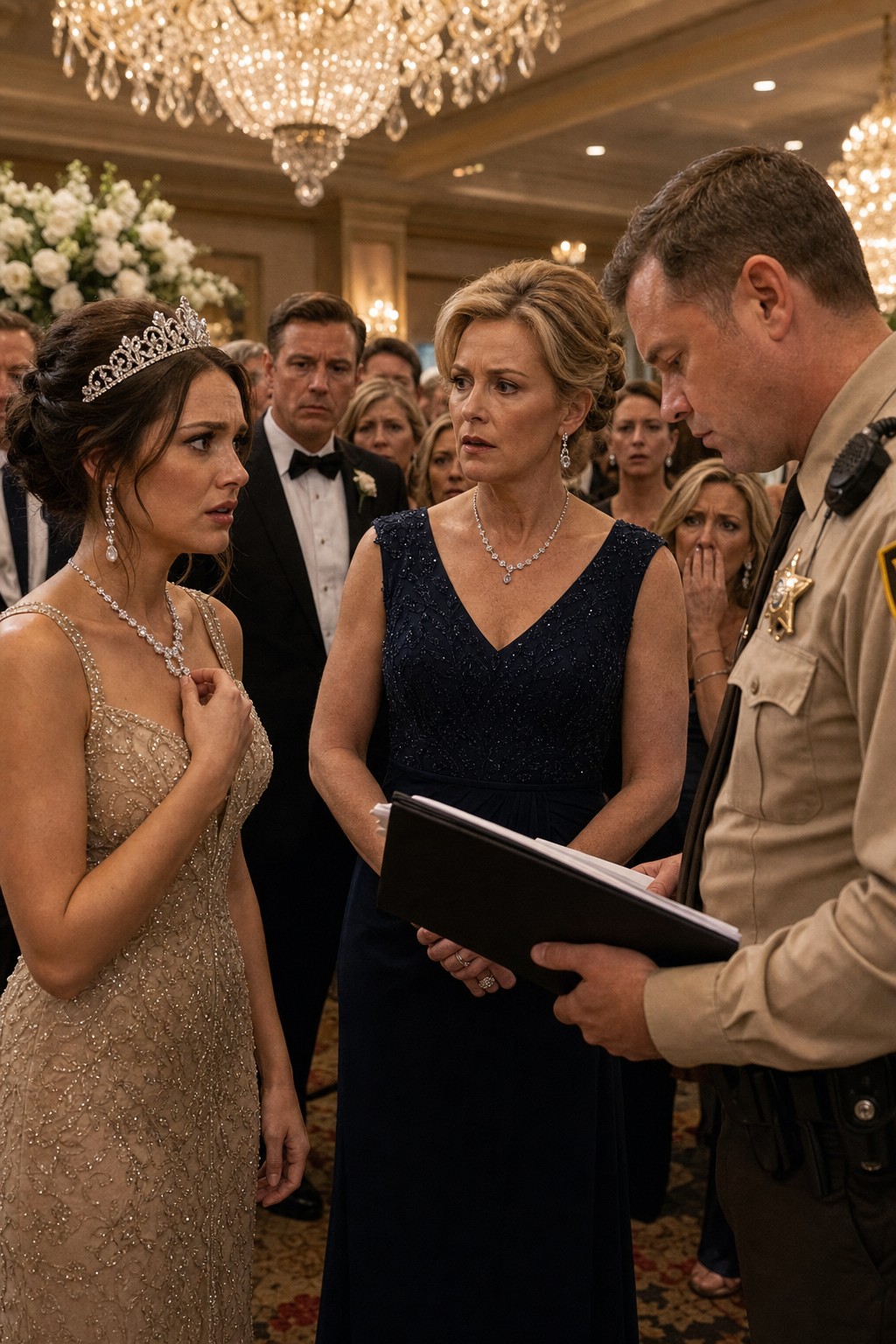
That afternoon, my father gathered the board and announced that combat stress had made me unstable. He claimed that Sarah had manipulated me and demanded that I be declared incompetent. My parents smiled as their attorney presented the forged power of attorney.
Then the doors to the conference room opened.
My grandfather's trustee entered with a federal forensic accountant, two CID agents, and the company's outside counsel.
The accountant projected six years of transactions onto the wall: fake vendors, diverted military contracts, stolen payroll taxes, and my deployment funds routed through Blackthorn.
My father finally stopped smiling.
Yet Helen leaned close and hissed, “They still need proof we intended any of it.”
I looked at the phone in my pocket.
She had just given me more evidence.
The Aftermath
The boardroom was so quiet that I could hear the projector fan running.
My father was the first to recover. He slammed his hands on the table. “This is my company. These people work for me.”
The outside counsel closed her folder. “Not anymore. The controlling shareholder has removed you as chief executive, effective immediately.”
I signed the resolution.
My father stared at me as if I had betrayed him. “You ungrateful coward.”
“No,” I said. “A coward throws a mother and infant into a blizzard because she discovered his theft.”
I played the recordings.
First was George admitting he had “invested” my money. Then came Helen describing how she copied my signature and read my messages. Finally, the security system captured them ordering Sarah outside while she begged for Mia's winter bag.
Several directors turned away in disgust. One started to cry.
The CID arrested my parents for identity theft, fraud involving military pay, and conspiracy. Federal agents handling the company audit added wire fraud, tax violations, and procurement charges. My father tried to blame my mother, and she screamed back that the shell companies had been his idea.
Their marriage fell apart before they even reached the elevator.
But I wasn't done.
The house had been placed in my trust by my grandfather. My parents only had a revocable right to live there, which was dependent on them taking care of the property and not committing any financial crimes against me. Their fraud ended that right automatically.
I changed the locks that same afternoon.
When Helen was released while awaiting trial, she came back with a suitcase and demanded to be let in. Sarah stood beside me on the porch, Mia warm in her arms.
“You can't leave your mother homeless,” Helen cried.
Sarah's stare hardened. “You left a baby in the snow.”
I gave Helen the address of a prepaid motel room.
“One week,” I said. “More mercy than you gave my family.”
My father pleaded guilty after the forensic audit uncovered eleven million dollars in diverted funds. He got eight years in federal prison and lost all his shares, vehicles, investment properties, and hidden accounts. Helen got four years for conspiracy, forgery, and identity theft. The stolen money was returned, employees got their unpaid benefits back, and every affected military subcontractor was reimbursed.
I sold the mansion. Sarah never wanted to see that porch again.
One year later, I left active duty and became the chairman of the rebuilt company. We renamed it Mia Shield Construction and started a housing program for military families going through emergencies during deployment. Sarah ran it with the kind of compassion that my parents had thought was weakness.
On the first snowy evening in our smaller home, I found Sarah near the fireplace, rocking Mia under a knitted blanket. There were no chandeliers, no marble staircase. Just warmth, safety, and peace.
“Do you miss what they lost?” Sarah asked.
I looked out the window as the snow fell on the garden.
“They lost things,” I said. “We saved a family.”
Mia reached out to me, laughing.
For the first time in years, I felt no anger, only peace.
This time, when I came home, the door was open.
── 2484 in + 2168 out = 4652 tokens ──
[exit:0 | 65006ms]