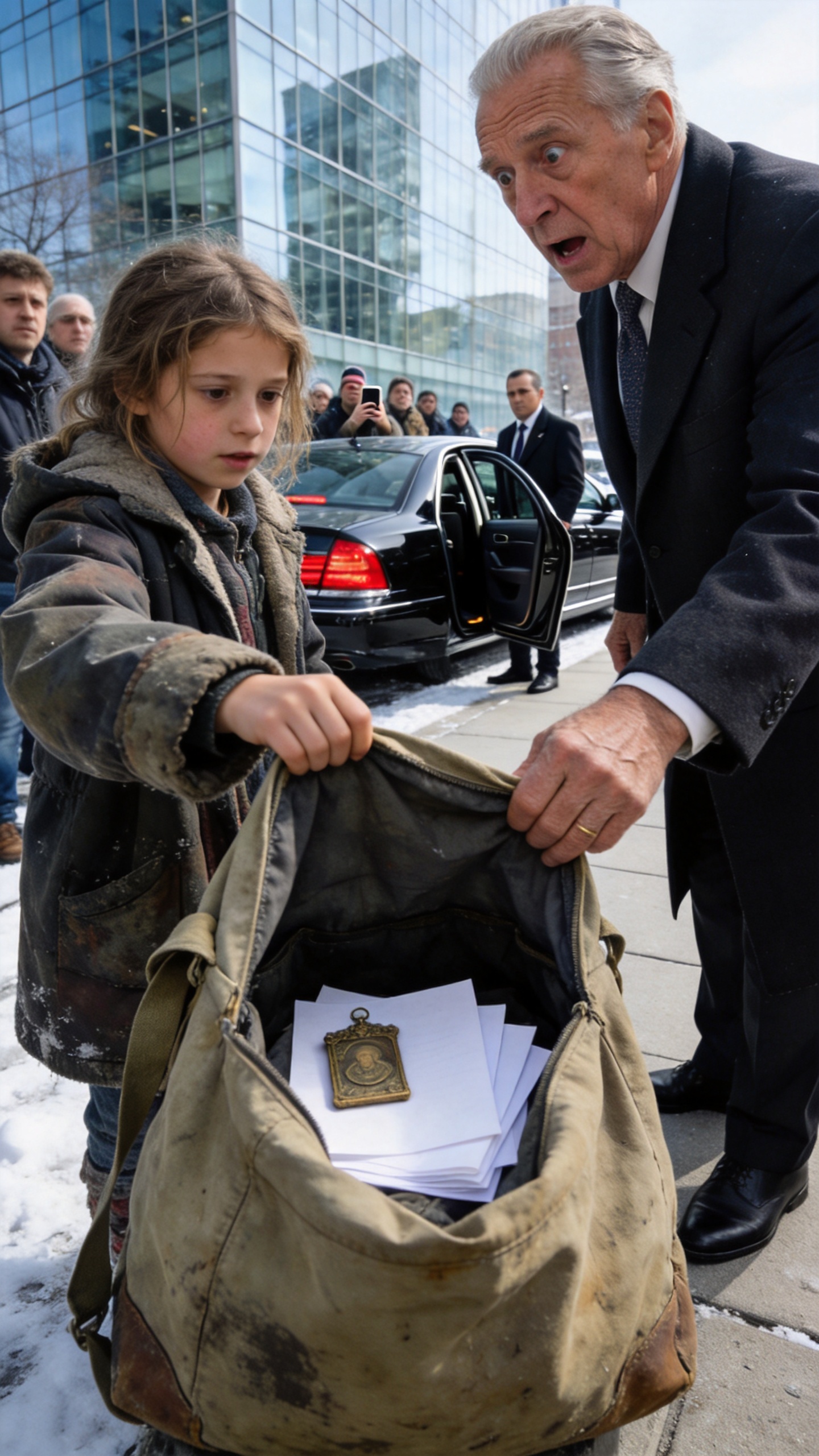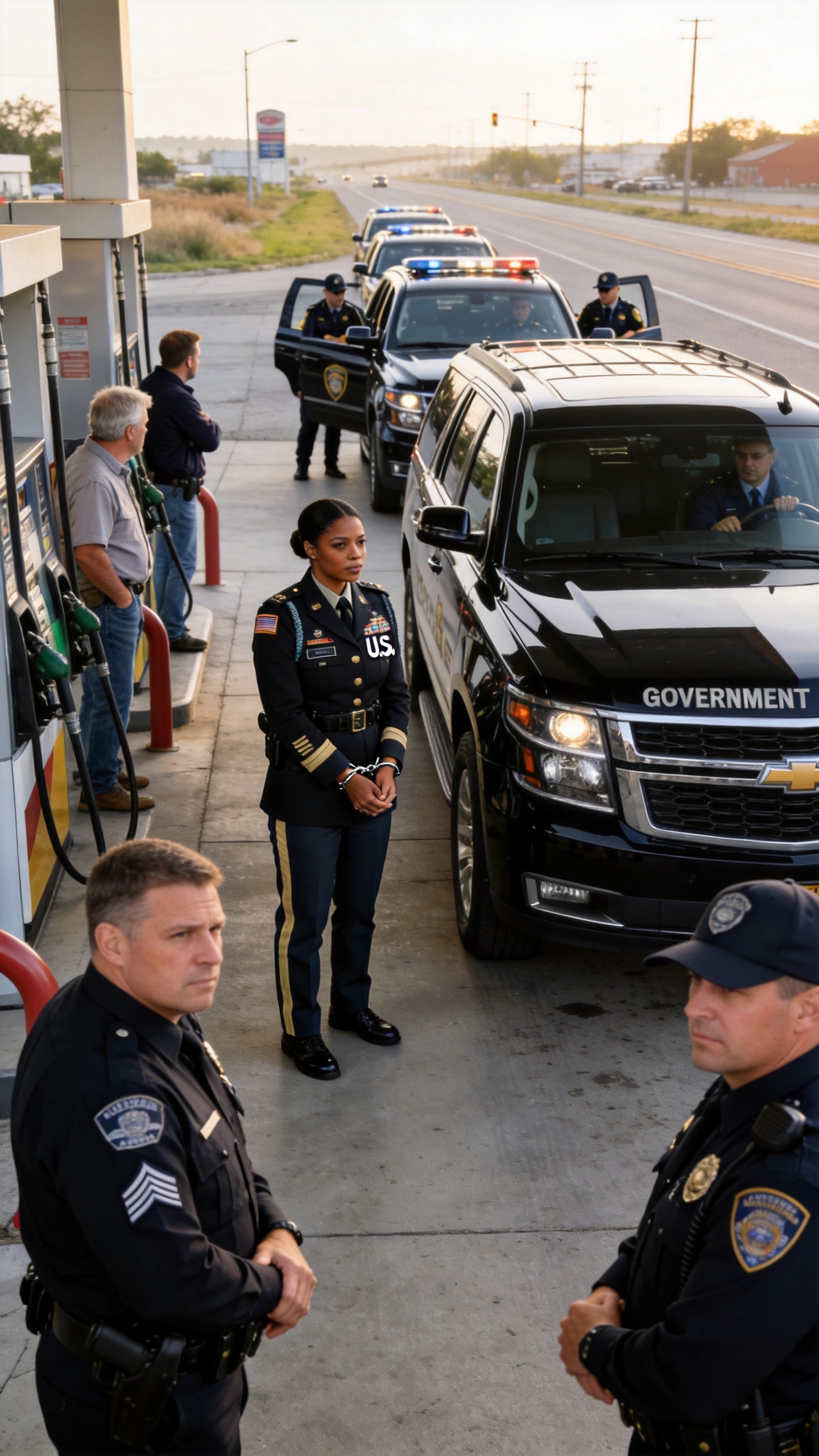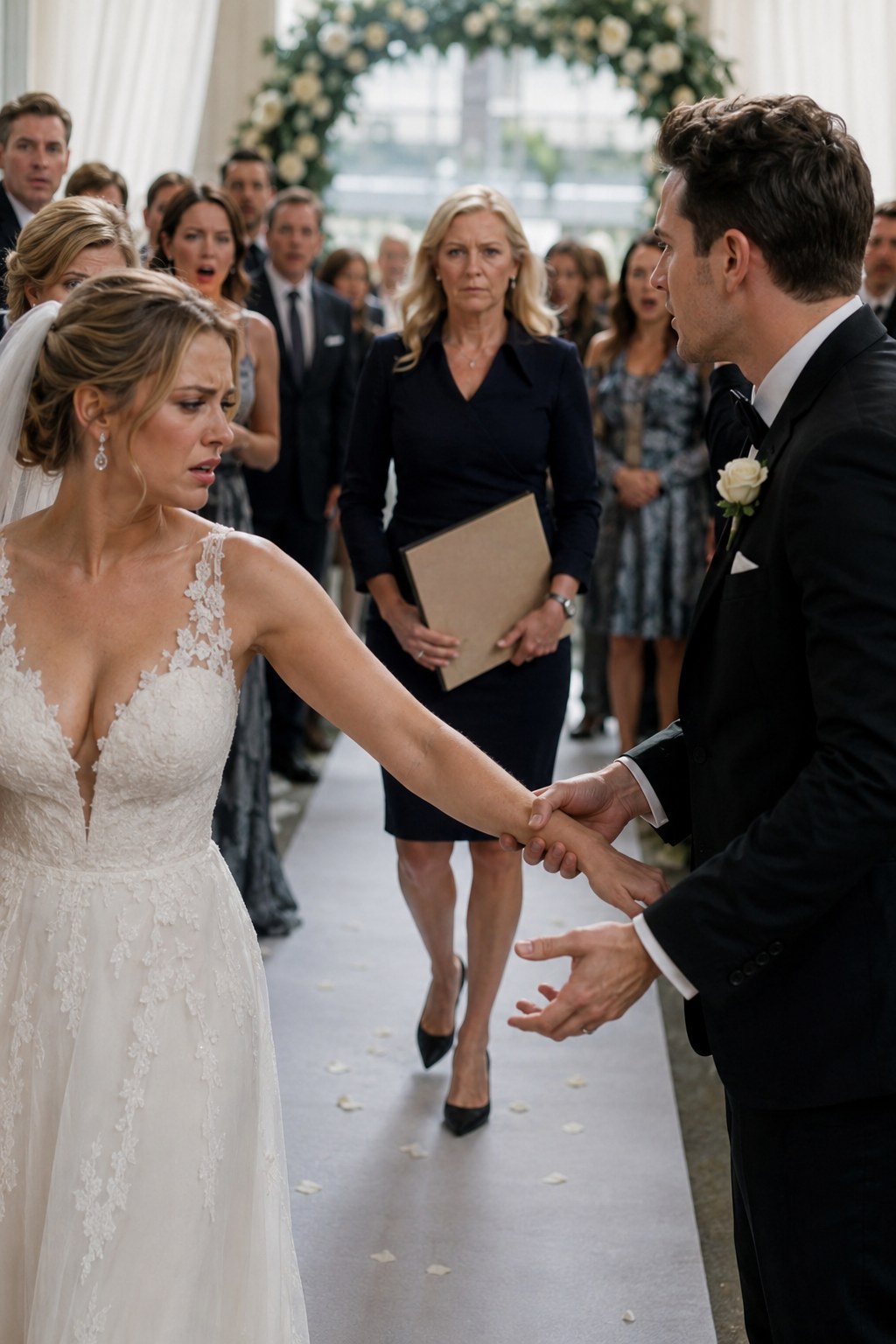
I Told the Cops I Was a Judge, but They Jeered, Handcuffed Me, and Shamed Me in the County Lockup. The Next Morning, They Stepped into Court—and Stopped Cold the Moment They Saw Who Was on the Bench
They knew they had made a grave mistake, but it was too late to take it back. By dawn, I was released without any charges. They offered me a side door, trying to avoid any public attention. I said no. I walked out through the front entrance with my shaved head out in the open, my wrists marked, my suit all wrinkled.
Every reporter on the courthouse steps turned to look at me, their cameras flashing. I wanted the world to know what had happened, to shine a light on the injustice that had occurred within the walls of the jail.
The Courtroom Showdown
By 8:59 a. m. , I was in my chambers.
My robe was hanging on the back of my chair, a symbol of my authority. The courtroom outside was already full because Jenkins and Davis had morning arraignments scheduled. They thought they were going to be witnesses in some protest-related arrests. They didn't know the docket had changed.
My clerk came in quietly, her face filled with concern.
“Your Honor, are you sure? ” she asked.
“No,” I said honestly.
“But I’m ready. ” I took a deep breath and stepped into the courtroom at 9:03.
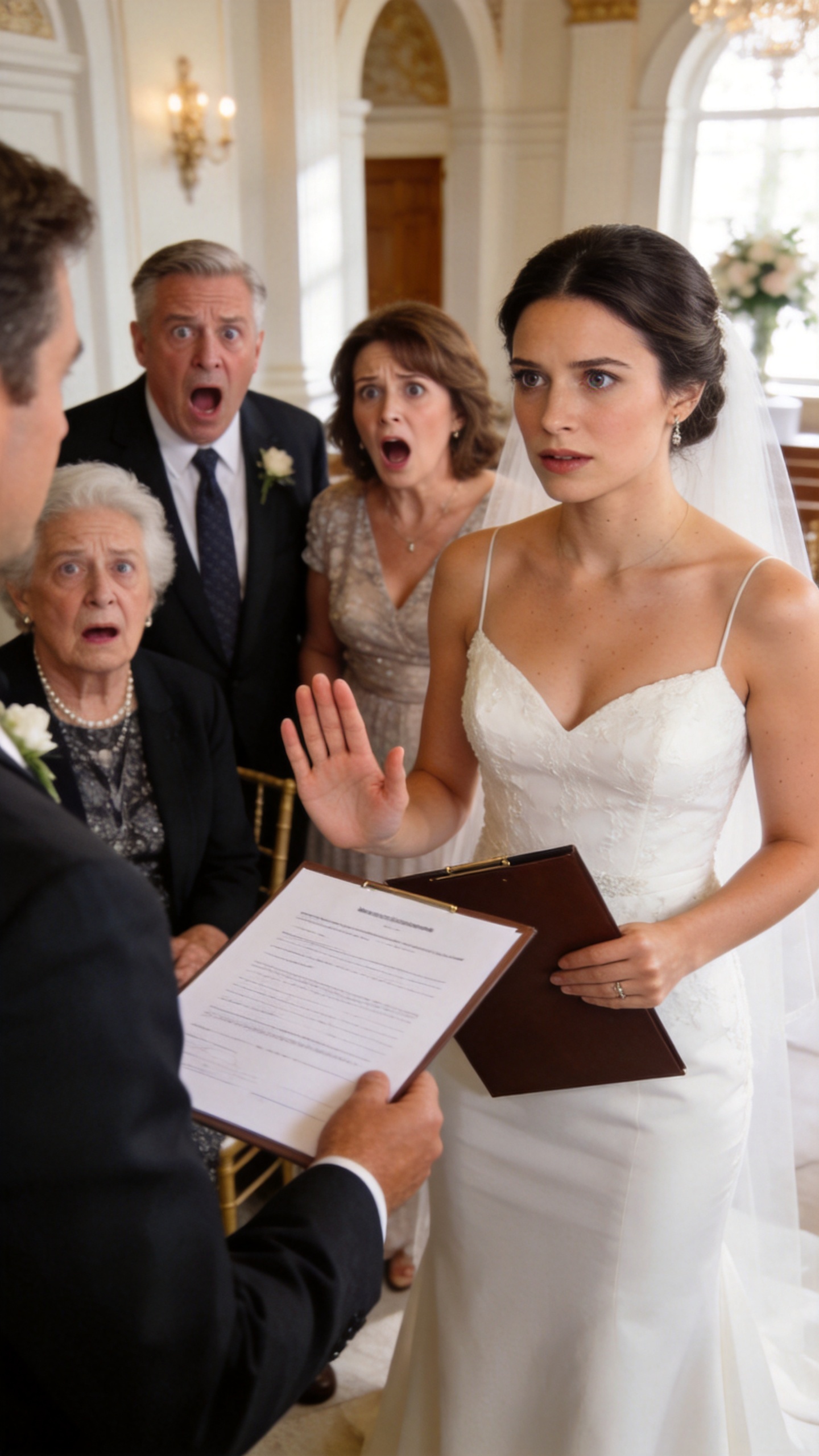
The whole room took a deep breath, as if they could sense the tension in the air. Officer Jenkins was standing near the prosecutor’s table, and Officer Davis was beside him. Both men looked annoyed until they saw my face.
Then they froze, their eyes wide with shock.
My shaved head was out there for everyone to see, and the red marks from the handcuffs were visible. I wanted everyone in that courtroom to see what had been done in the name of procedure. “All rise,” the bailiff said, his voice shaking. For half a second, no one moved. Then the whole courtroom stood up.
Jenkins’ mouth dropped open, and Davis looked at the floor, unable to meet my gaze. I sat down, my eyes scanning the room. “Be seated,” I said. The prosecutor stood up, her face filled with uncertainty. “Your Honor, before we start—” “We’ll proceed carefully,” I said. “And on the record.
” I was determined to get to the bottom of this, to expose the truth and ensure that justice was served.
Then came the twist. The public defender stood up from the back row.
“Your Honor, last night’s incident might affect more than just the officers’ behavior towards you. My office has received several complaints about arrests made by Officers Jenkins and Davis when people were peacefully recording. ” A murmur went through the courtroom. I looked towards the gallery.
Three people raised their hands. Then five. Then eight.
Phones had been taken away, reports had been changed, and charges had been made up after citizens recorded police actions. This wasn't about me anymore. It never had been. It was about the systemic abuse of power by these officers. I turned to the prosecutor.
“Counsel, are you ready to deal with possible pattern evidence, discovery violations, and illegal retaliation? ” Before she could answer, the courtroom doors opened. The sheriff walked in with two internal affairs investigators. And behind them came the detention officer who had shaved my head, holding a sealed evidence bag.
Inside it was a flash drive.
The Unveiling of the Evidence
Every eye in the courtroom went to the evidence bag. The detention officer, Lisa Green, looked like she hadn't slept. Her hands were shaking as she gave the drive to the clerk.
“I copied the booking footage before it got deleted,” she said. Jenkins snapped, “You what? ” That was the first time he sounded scared. Green turned towards him.
“You told me to delete it after the shift change. ” The courtroom exploded. People were shouting and pointing fingers. I hit the gavel once.
“Order. ” The word came out harder than I thought. Maybe because this time, everyone knew it wasn't a request. The footage was watched in my chambers with the lawyers there. I didn't watch all of it.
I didn't need to see my own humiliation twice.
But I heard enough: my requests for a lawyer, my demand for a supervisor, Jenkins joking about “teaching her a lesson,” Davis saying no one would believe me, the fake lice protocol, and the laughter. Then Green gave a statement. She admitted that the shaving had no medical reason.
She said Davis ordered it after hearing me say I was a judge. She said this had happened before to women who “talked too much” during booking. By noon, Jenkins and Davis were suspended.
By evening, they were arrested on charges including official misconduct, assault under color of authority, illegal detention, evidence tampering, and civil rights violations. The detention supervisor quit before the investigators could get to his office.
But the case didn't stop with just two officers. The flash drive had more than just my footage.
Green had copied months of clips: detainees being made fun of, requests for lawyers being ignored, people being punished for recording officers, reports being changed to match the arrests instead of what really happened. The county called it a scandal. The people in those cells called it an everyday thing.
Over the next few weeks, convictions were looked at again. Charges were dropped. Civil lawsuits were filed. Riverdale County asked for federal oversight after the public pressure made it impossible to stay quiet.
The courthouse square filled up again, but this time people were carrying signs with the names of those who had been ignored long before mine became important. I went back to the bench after an ethics panel said I could preside over cases that weren't related to this. My hair grew back slowly, soft at first, then thick.
Every morning, I looked in the mirror and saw not shame, but a record. A record of what happens when power forgets it’s only borrowed. At the disciplinary hearing, Jenkins avoided my eyes.
Davis stared at the table. Green testified through tears, not asking for praise, just saying she should have spoken up sooner. She was right. So was I. So were the protesters who recorded from the sidewalk. The law isn't protected by silence.
It's protected by people who refuse to look away.
Months later, I was standing outside the same courthouse with Sarah Miller, a high-school student whose charges had been dropped because of the recovered footage. She asked me if I thought the system could change. I looked at the steps, the cameras, the officers standing near the barricades, and the people watching them watch us.
“I believe systems change when the consequences are louder than the excuses,” I said. Across the square, a new group of officers formed a line. One of them saw a young kid raise a phone.
For a second, his hand moved towards his belt. Then he stopped. Maybe that was nothing. Maybe it was the beginning. What would you have done if you were Laura?
Share your thoughts, because silence is how abuse keeps winning again. Disclaimer: This story is a work of fiction created for entertainment purposes. Any resemblance to real persons, events, or places is coincidental.