My Husband And Six Relatives Flew His Pregnant Mistress To Miami, So I Froze Their Assets Before They Could Steal What My Father Built.
"Personal accountability from you as vice president," I said. "They think investors will trust the company more if you stand behind the restructuring."
His ego rose at once.
"They're right."
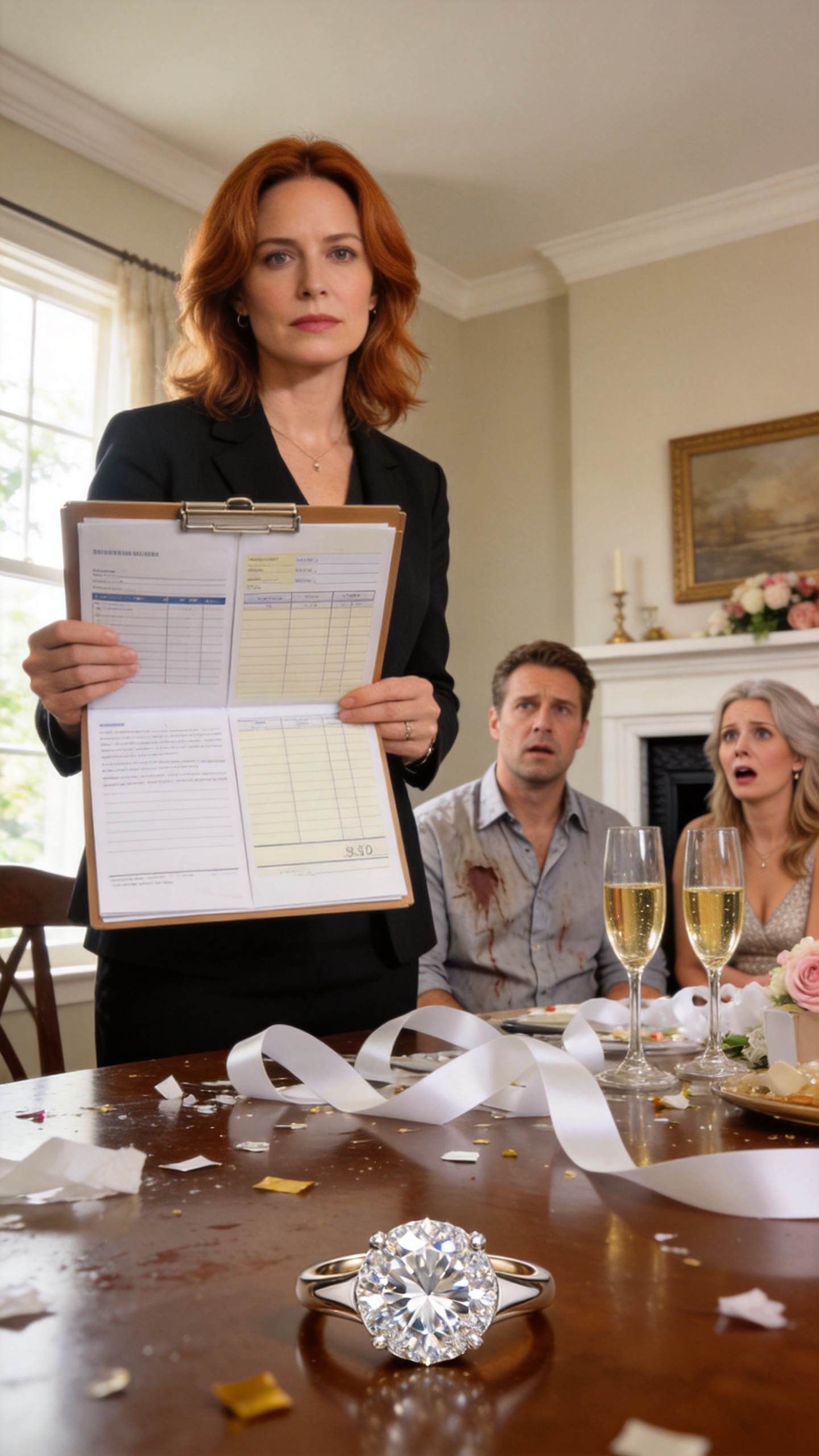
"And they need signatures on the marital asset guarantee. The house, the accounts, vehicles, shared investments. Everything used as temporary collateral."
He frowned.
"That's aggressive."
"I know." I dropped my gaze. "But you said you could save us."
That was enough.
He took the pen.
"After this, Vivian, you let me lead. Completely."
"Yes."
He signed the first page.
Then the second.
Then every page Eleanor had marked.
His signature looked strong, assured, almost elegant.
When he was done, he leaned back like a monarch.
"There. Now relax. I'm home."
I collected the papers with both hands.
He believed he had signed himself into power.
He had signed himself out of my life.
The following week moved like the closing act of a stage play. Julian paraded through the company, arranging emergency meetings and suggesting I would "step back for health reasons." He moved into my father's office. He told Priya to bring him coffee. He called Miami in hushed tones.
I entered the hospital the next Monday.
Mara drove me through a rainstorm before dawn. In the pre-op room, she helped me fold my clothes and fought not to cry.
"If something happens," I said, "BrightStart goes to the students. Not the board. Not the Caldwells."
"Stop."
"Promise me."
She nodded as tears spilled down.
Then I gave her my final instruction.
"When they wheel me in, text Eleanor Reed one word."
"What word?"
"Begin."
At 7:42 a.m., the orderlies rolled me toward surgery.
At the end of the hall stood Julian, acting concerned for anyone who might be watching.
He took my hand.
"Don't worry, babe," he said. "I'll take care of everything outside."
I looked at him for a long moment.
"Yes," I said. "You will."
The operating room doors opened. Cold air brushed my face. Bright lights opened above me.
As anesthesia dragged me under, Mara sent the message.
Begin.
Outside, the storm finally broke.
Their Confidence Started To Crack
At 7:46 a.m., while surgeons opened my body to remove the tumor, Eleanor Reed filed for divorce, fraud damages, asset freezes, and criminal referral in Suffolk County Superior Court.
At 7:52, Noah Mercer released the first article.
By 8:05, every major Boston news outlet had the photographs.
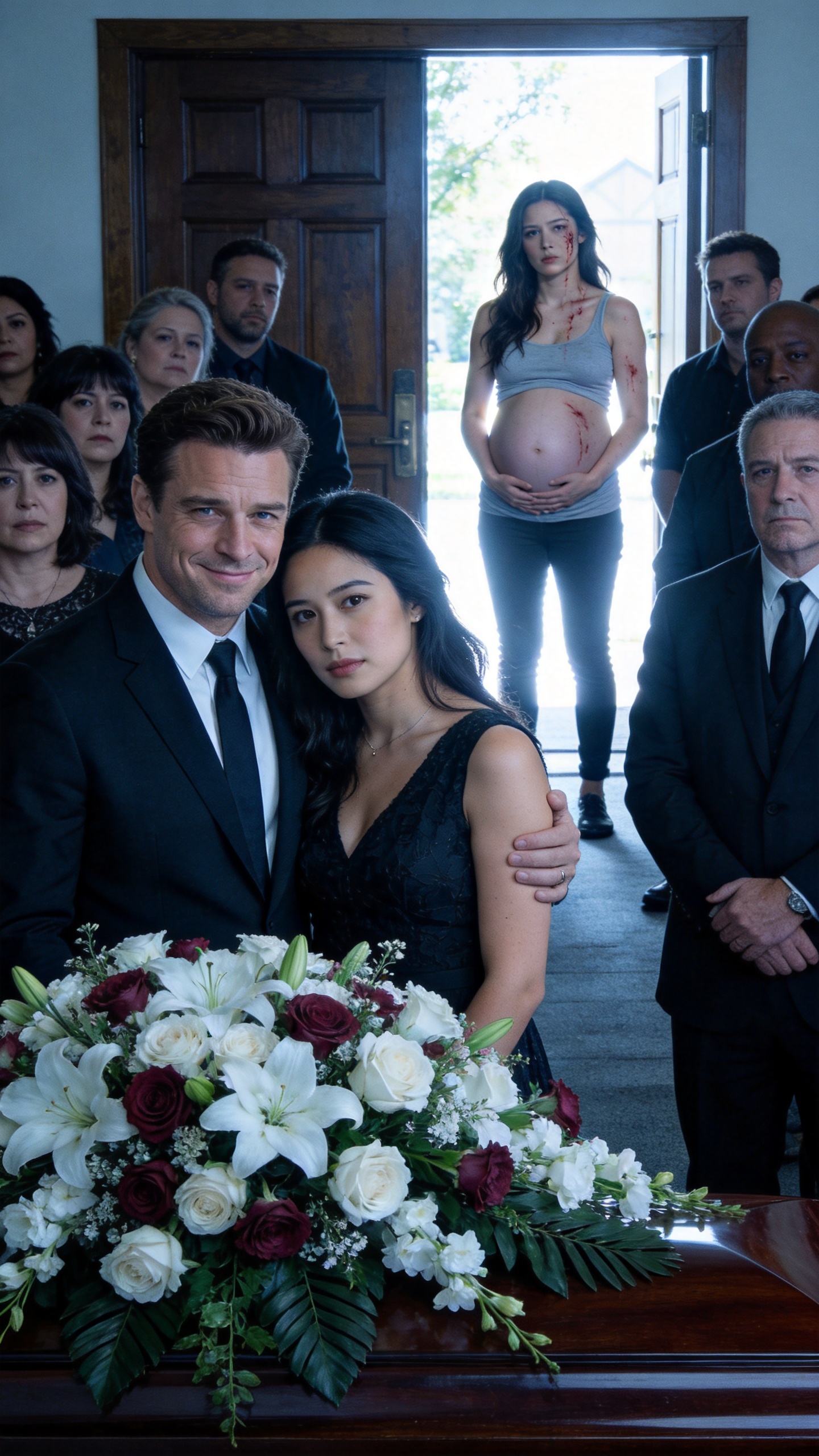
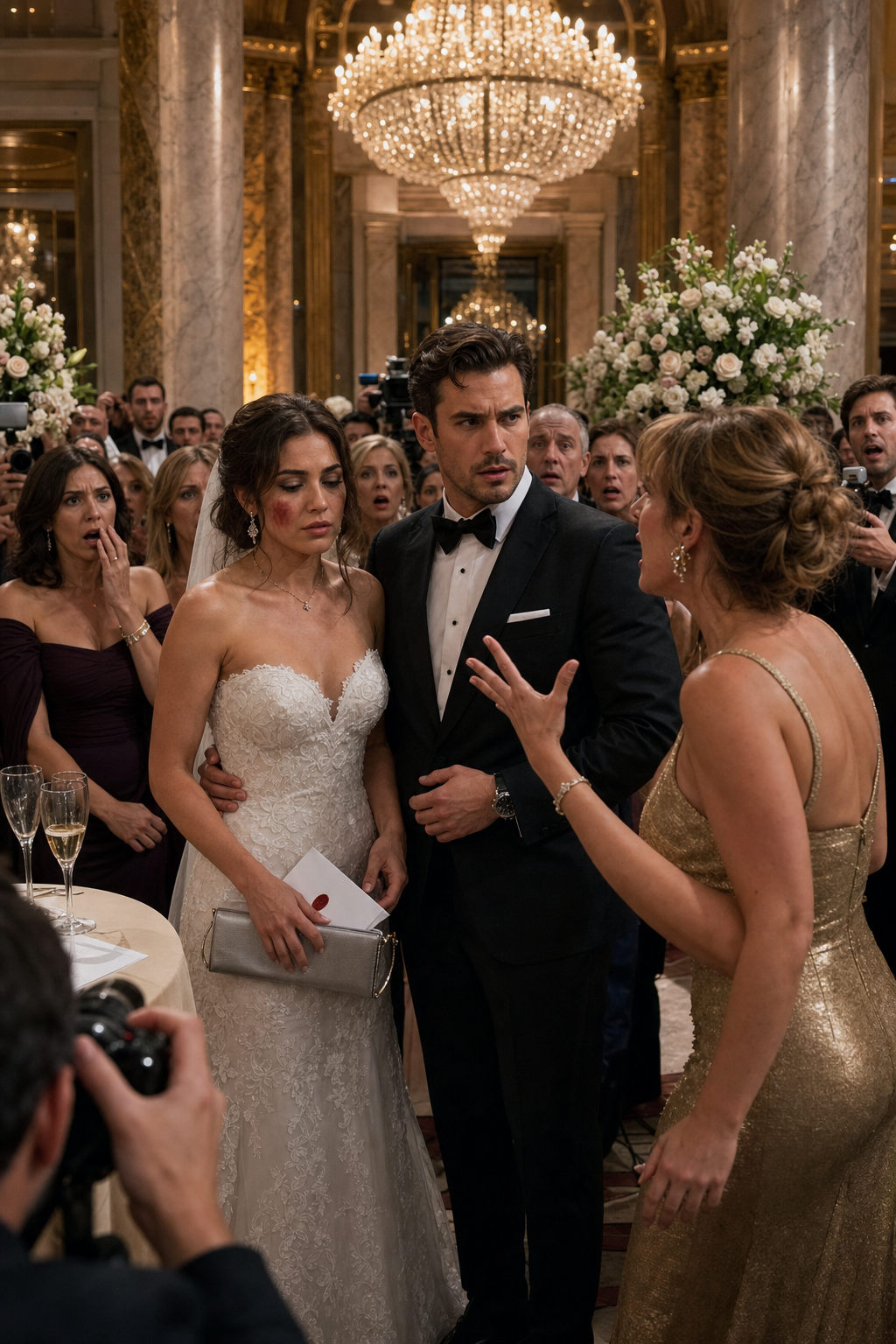
Julian Caldwell, vice president of Hartley Designs, caught taking pregnant mistress to Miami with entire family.
By 8:17, the second article appeared.
Charity money meant for students allegedly used to fund luxury pregnancy villa.
By 8:29, the third article revealed Preston Caldwell's abandoned lover, Daphne Hale, and decades of letters exposing the family's old hypocrisy.
At 8:41, police entered my father's office.
Julian was sitting behind the desk, preparing an emergency board takeover.
The lead detective said, "Mr. Caldwell, we need you to come with us regarding allegations of embezzlement, fraud, and misuse of charitable funds."
Julian laughed.
Then he noticed the phones.
Every executive in the room was looking at a screen.
His face lost color.
"This is my wife," he said. "She's unstable. She's sick."
Elaine Mercer rose from the conference table.
"Mrs. Caldwell is in surgery. And she left us all the evidence."
That was when Julian realized.
Witnesses later told me he swept a crystal paperweight off the desk, screamed my name, and tried to call his mother.
Her phone was already blowing up.
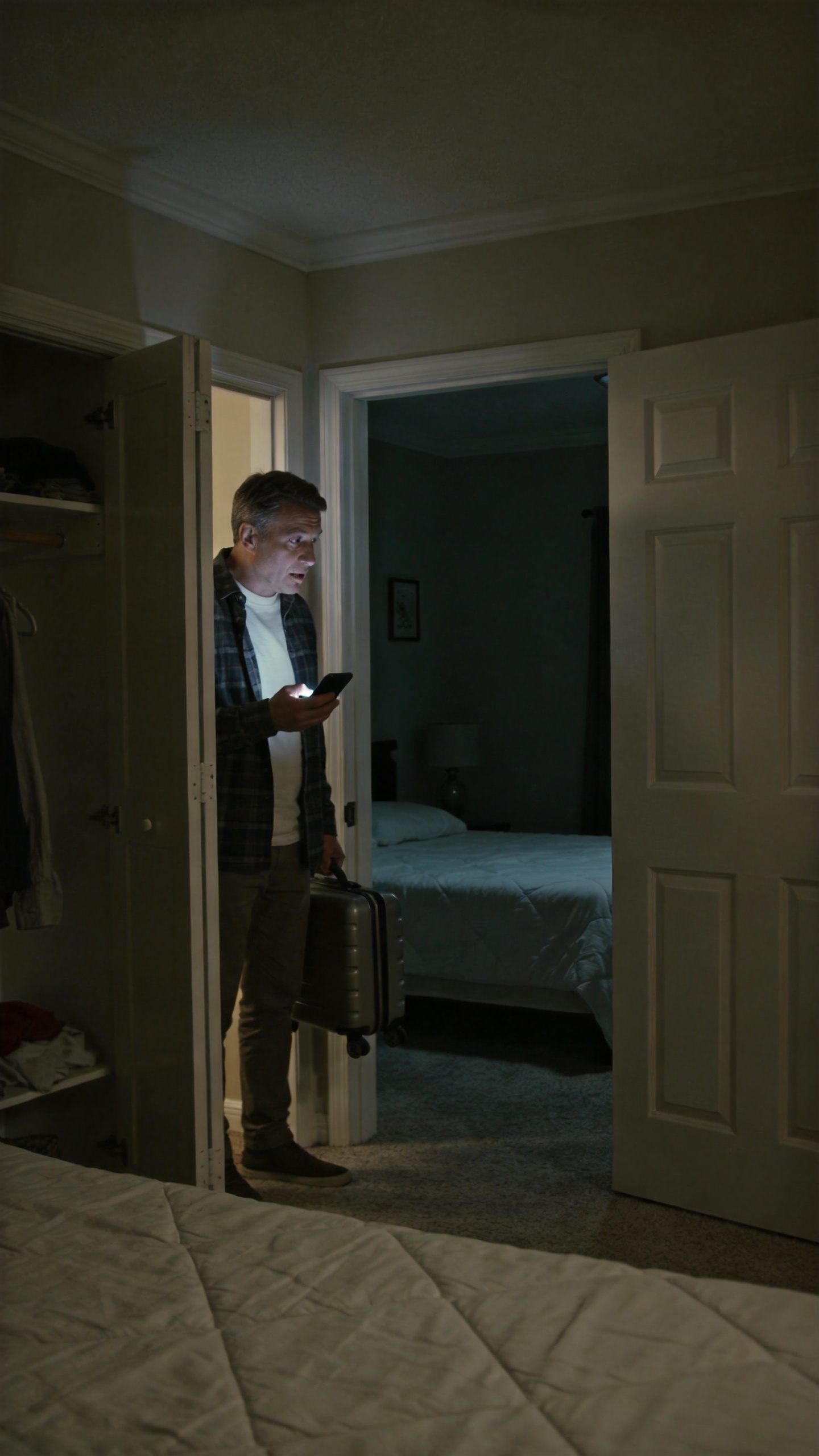
In Miami, Marjorie Caldwell was sitting in the private maternity suite with Camille when the clinic administrator arrived. Their accounts had been frozen. The villa lease had not been paid. The Porsche payment had failed. The medical retainer was invalid while the investigation was pending.
Eleanor screamed that she was a Caldwell.
The administrator said, "Then perhaps a Caldwell can provide a working credit card."
None of them could.
Camille went into premature labor that same night.
The baby survived, delicate but breathing.
Their luxury birth plan did not.
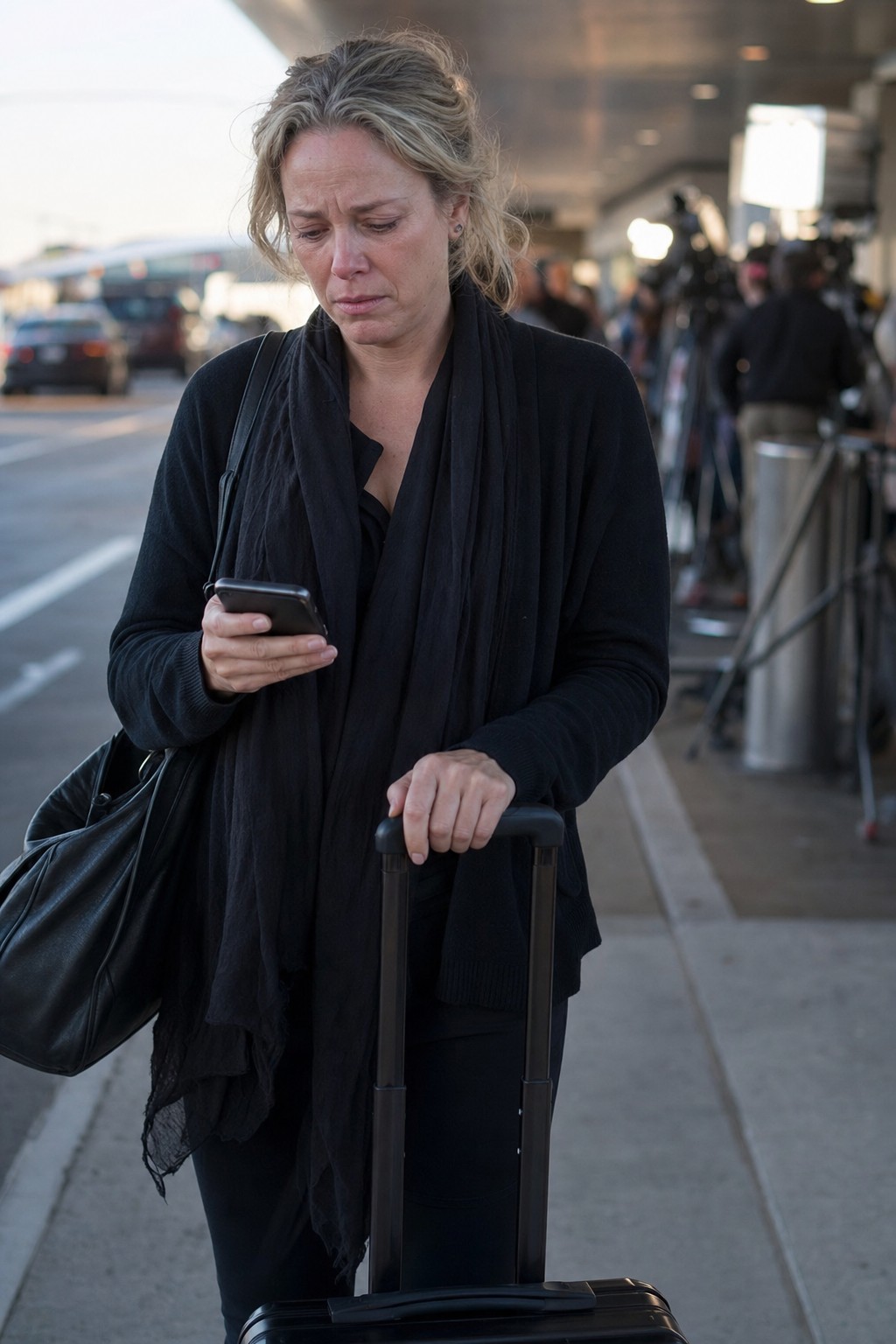
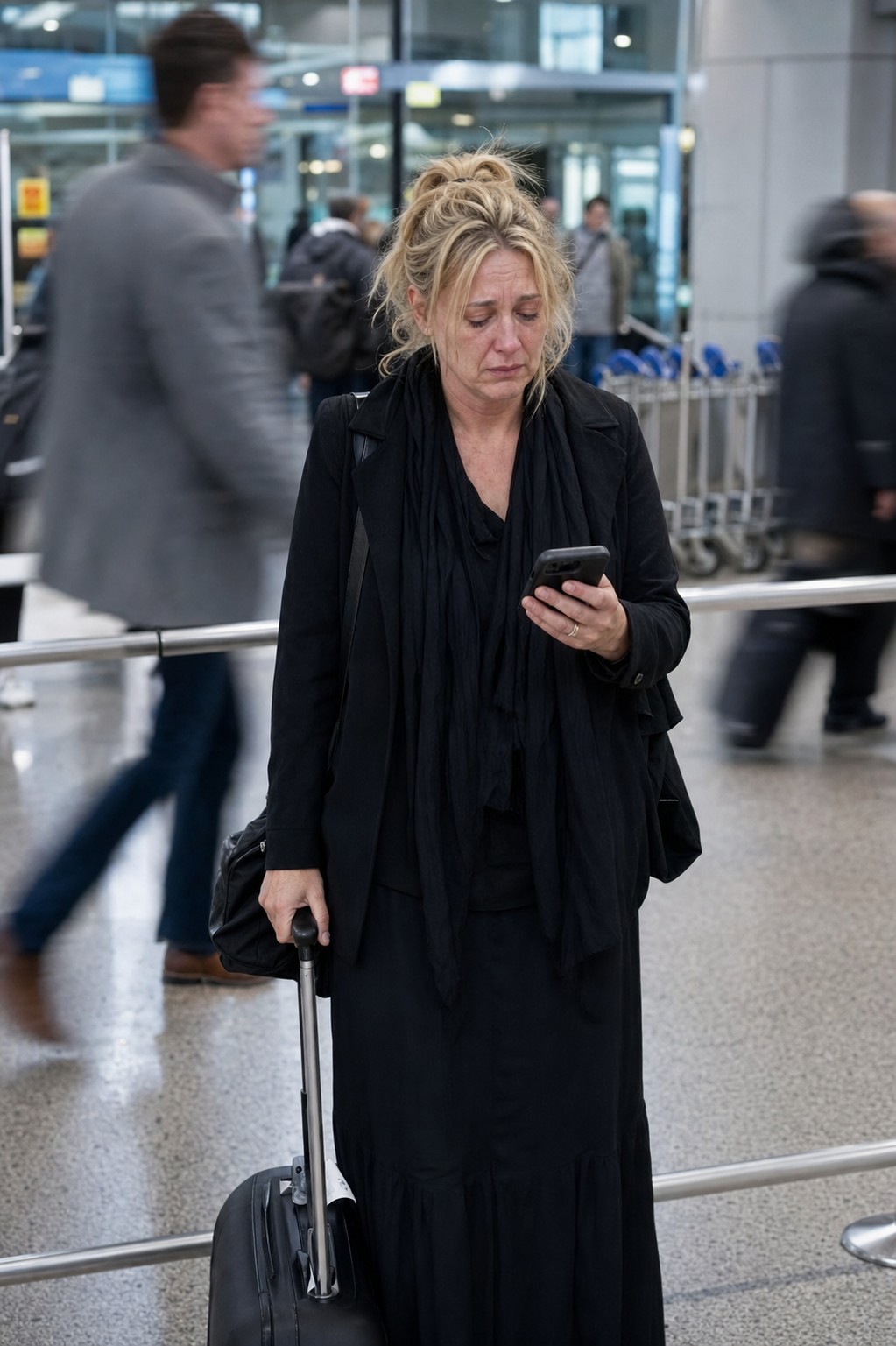
After emergency care, they were moved to a public hospital and later released to a cheap motel near the highway. Owen Marks, the private investigator, sent Eleanor Reed photographs: Marjorie Caldwell pulling luggage through the rain, Camille pale and furious, a newborn carrier dangling from one exhausted arm.
I did not see those pictures until several days later.
When I woke up, all I knew was pain.
White ceiling. Beeping monitor. Dry throat.
Mara's hand was wrapped around mine.
Dr. Shaw appeared beside my bed with a tired smile.
"You made it," he said. "The surgery went very well. We removed the tumor completely, and the surrounding lymph nodes look clean."
Tears slid down my cheeks.
Not tears of victory.
Tears of being alive.
For the first time, I had won something that had nothing to do with Julian.
During recovery, Mara became my source of news.
"Julian's in custody," she said one morning, fluffing my pillow with far more force than needed. "His lawyer is claiming you trapped him."
"I did."
"Yes, but legally."
I smiled despite the stitches.
"The court froze the marital assets," she continued. "The brownstone stays under your temporary control. His family accounts are locked. Madison's husband has moved out. The cousins are pretending they barely know him."
"And Eleanor?"
"Stuck in Miami with Camille and a screaming newborn in a motel that charges by the week."
I looked toward the window.
There had been a time when that might have seemed cruel.
Now it felt like simple arithmetic.
They had built a palace using my father's money. I removed the foundation. Gravity handled the rest.
A month later, I appeared at the first divorce hearing.
I was still weak, still thin, still covered in careful makeup and a white dress Mara had chosen because she said I looked like "a ghost with excellent tailoring."
Reporters packed the courthouse steps.
I walked between Mara and Eleanor Reed with my chin raised. Cameras flashed. Questions flew from every direction.
"Mrs. Caldwell, did your husband steal from your charity?"
"Did you know about the pregnant woman?"
"Are you fighting cancer?"
I answered none of them.
Inside the courtroom, Julian looked nothing like the man from Gate B17.
His hair was disordered. His suit fit badly. His eyes were red with rage.
When Eleanor Reed laid out the evidence, he tried to interrupt.
"My wife manipulated me!"
The judge warned him twice.
Then came the Miami photos.
The courtroom stirred.
Then the transfers.
Then the forged share clause.
Then the papers he had signed.
His lawyer tried to portray me as a jealous, childless wife who had finally snapped.
Eleanor Reed stood slowly.
"My client was recovering from cancer surgery while Mr. Caldwell's mistress delivered his child in Miami, funded by money stolen from a scholarship foundation created by my client's deceased father. If cruelty had a signature, Your Honor, it would look exactly like the defendant's name on these documents."
The judge granted the asset freeze and temporary control.
As Julian was led away, he turned toward me.
"You think you won?" he shouted. "You ruined my family!"
I met his eyes calmly.
"No, Julian. I returned it to what it always was."
Every camera outside captured his fury.
By evening, America had seen the real Julian Caldwell.
Not the faithful husband.
Not the ethical businessman.
Only a thief screaming at the woman he had failed to break.
The Company Remembered Whose Name Was On It
Six months later, Julian received an eight-year prison sentence for fraud, embezzlement, and breach of fiduciary duty.
I was not there.
I watched it from my living room with Mara beside me and a blanket across my knees. Chemotherapy had taken most of my hair and nearly all of my appetite, but it had not taken my resolve.
On the screen, Julian stood before the judge like a man made of ash.
This time, he did not yell.
He had learned that cameras no longer belonged to him.
The civil judgment made the divorce final. Everything connected to Hartley Designs stayed with me. The brownstone stayed with me. BrightStart was repaired. Julian received nothing but prison years and debt.
Then Preston Caldwell lost control.
As officers guided Julian away, Preston lunged toward the cameras.
"Vivian Hartley!" he shouted, using my maiden name as if it were an insult. "Are you satisfied now? Do you think your father died in peace? Julian was only a pawn!"
The room around me turned cold.
Mara snatched the remote and switched off the television.
"He's desperate," she said. "Ignore him."
But I could not.
Do you think your father died in peace?
My father had died from stomach cancer. The doctors had been certain. But memories, once disturbed, have teeth.
Julian carrying special broths to my father's bedside.
Julian insisting certain herbal tonics would "strengthen digestion."
My father grimacing after drinking them.
My father once trying to say, "Watch Julian around the company," before exhaustion stole his voice.
The investigation into my father's death was quietly reopened.
After five years, almost no physical evidence remained. But Eleanor Reed refused to stop. So did I.
Meanwhile, life demanded to be rebuilt.
Hartley Designs steadied under my leadership and the loyal team my father had wisely chosen. I gave my first interview unwillingly, then realized my story was reaching women I had never known.
So I created the Hartwell Second Start Fund, a program for women escaping abusive, fraudulent, or financially controlling marriages. We provided legal support, therapy, business training, and emergency housing.
At the opening gala in Boston, I stood under gentle lights and looked out at hundreds of women in the audience.
"I thought revenge would be watching them lose everything," I said. "But the sweetest revenge is becoming impossible to erase."
The applause washed over me like rain.
Still, my father's ghost stayed with me.
One year after surgery, when Dr. Shaw told me I was in remission, I took my first true vacation in years. I chose Paris because my father had loved it. He used to bring me sketchbooks from the Left Bank and tell me the city understood beauty better than people did.
In a narrow bookshop near the Seine, I discovered a leather-bound art book tucked behind a shelf.
A man beside me said, "That's a good one, if you like Renaissance restoration."
I turned.
For one second, I was twenty-two again.
"Andrew Hayes?"
He smiled, equally surprised.
"Vivian Hartley."
Andrew had been my friend in college, a gifted architecture student my father admired. After graduation, he earned a fellowship in France and vanished into the life we all promised we would keep up with but never did.
We had coffee in a small café with misted windows.
I gave him a shortened version of the past year.
He listened without pity, which I valued most.
"Your father would be proud," he said.
At the mention of my father, my smile faded. I told him about Preston's courtroom outburst, the old suspicions, the herbal broths.
Andrew went still.
"Your father gave me something once," he said. "A book. He said if anything happened, I should return it to you. I thought he meant emotionally. I didn't understand."
The next morning, Andrew brought it to my hotel.
It was my father's old notebook on textile dyes and natural compounds. Between two yellowed pages was a folded note written in his hand.
Julian's soup. Ask Dr. Milton again. Two herbs together? Pain worse after drinking.
My hands started shaking.
Dr. Milton had been my father's friend, a specialist in botanical chemistry.
Within weeks, Eleanor Reed located him in retirement in Vermont. He remembered my father's concern. He had even saved an email. Charles had asked whether two specific herbs, harmless on their own, could become dangerous in repeated doses for a gastric cancer patient when mixed with lotus seed and alcohol-based extracts.
Dr. Milton's answer had been careful: possible irritation, reduced treatment tolerance, dangerous without physician supervision.
Then Charles died before he could follow up.
Eleanor found the final piece in Julian's archived messages.
An email from Preston Caldwell to Julian:
Keep giving Charles the tonic. Weak men sign faster. Once he's gone, marry the girl tighter to the company.
I read it once.
Then again.
The room did not spin.
It became sharper.
The Last Signature Was Mine
Preston Caldwell was arrested three weeks later.
Julian, already behind bars, tried to negotiate. He claimed his father had designed everything: the marriage, the pressure on my father, the slow poisoning hidden beneath care, the attempt to make me a grieving heiress too dependent to fight back.
But Julian had poured the broths.
Julian had smiled beside my father's bed.
Julian had called himself a son.
The new criminal case lasted longer than the divorce, but this time I went to every hearing.
Not because I needed revenge.
Because my father deserved someone to witness it.
Preston appeared in court in a wheelchair, smaller than I remembered, his costly suit hanging from shoulders that had once filled every room with arrogance. Marjorie Caldwell sat behind him, empty-eyed and alone. The Miami mistress was gone. Camille had taken the child and disappeared after selling her story to a tabloid for enough money to begin again somewhere cheap.
I felt nothing when I heard it.
The child was innocent. The adults were not.
Dr. Milton testified. Eleanor Reed submitted the email. Andrew flew in from Paris to confirm how he had kept my father's notebook after receiving it years before.
Then I took the stand.
I spoke about my father's kindness. His stubbornness. His belief that companies should build jobs, not dynasties. I described Julian bringing him soup in porcelain bowls, Preston praising him as "the future of the family," and my own blindness because grief had made me thankful for any hand that reached toward me.
Preston refused to look at me.
When the prosecutor asked what I wanted from the court, I did not say punishment.
I said, "Recognition. My father did not die surrounded by loyalty. He died surrounded by people waiting to profit from his absence."
The courtroom fell silent.
In the end, Preston pled guilty to conspiracy connected to financial exploitation and reckless endangerment tied to the toxic regimen. After so many years, the medical causation could not be proven perfectly, but the conspiracy could.
His public image died entirely.
Julian's sentence was extended after his cooperation confirmed his part in the scheme.
Marjorie Caldwell sold the little jewelry she had left to pay legal bills. Madison divorced quietly. The cousins disappeared from society pages. Their once-grand name became a warning whispered in charity boards and country clubs.
As for me, I returned to Hartley Designs not as a survivor people pitied, but as a woman people listened to.
Two years after the airport, I stood inside our new manufacturing academy in Rhode Island, built with restored BrightStart funds. The first group of students sat before me, nervous and bright. A portrait of my father hung on the wall.
Beneath it were his words:
Build beautifully. Give honestly. Leave doors open behind you.
Andrew stood near the back, hands in his coat pockets, smiling. We had not rushed into love. I no longer trusted storms dressed up as passion. What grew between us was slower, quieter, and stronger because of it.
After the ceremony, I walked alone into the design wing.
Sunlight poured across cutting tables and bolts of fabric. Machines hummed in the next room. Young voices echoed down the halls.
For years, I believed legacy was something you defended from thieves.
Now I understood it was something you kept alive by sharing.
Mara found me near the window.
"You okay?"
I looked down into the courtyard, where students were laughing beneath the American flag.
"Yes," I said. "For the first time, I really am."
That night, I went back to the Back Bay brownstone. I had removed the wedding portrait long ago. In its place hung a photograph of my father in his first factory, sleeves rolled up, smiling as if the future belonged to anyone brave enough to work for it.
I lit a candle beneath it.
"They didn't win, Dad," I whispered. "Not your company. Not your name. Not me."
Outside, Boston shone beneath a clear winter moon.
Somewhere, Julian sat behind prison bars with nothing except time. Somewhere, Preston Caldwell spent his remaining years as a disgraced old man. Somewhere, Marjorie Caldwell learned what it meant to be ordinary.
And I, Vivian Hartley, the wife they thought would sign anything, finally signed one last document.
Not a transfer.
Not a surrender.
A donation.
The largest scholarship endowment BrightStart had ever made.
At the bottom, I wrote my name slowly and clearly.
Vivian Hartley.
Not Caldwell.
Never again.