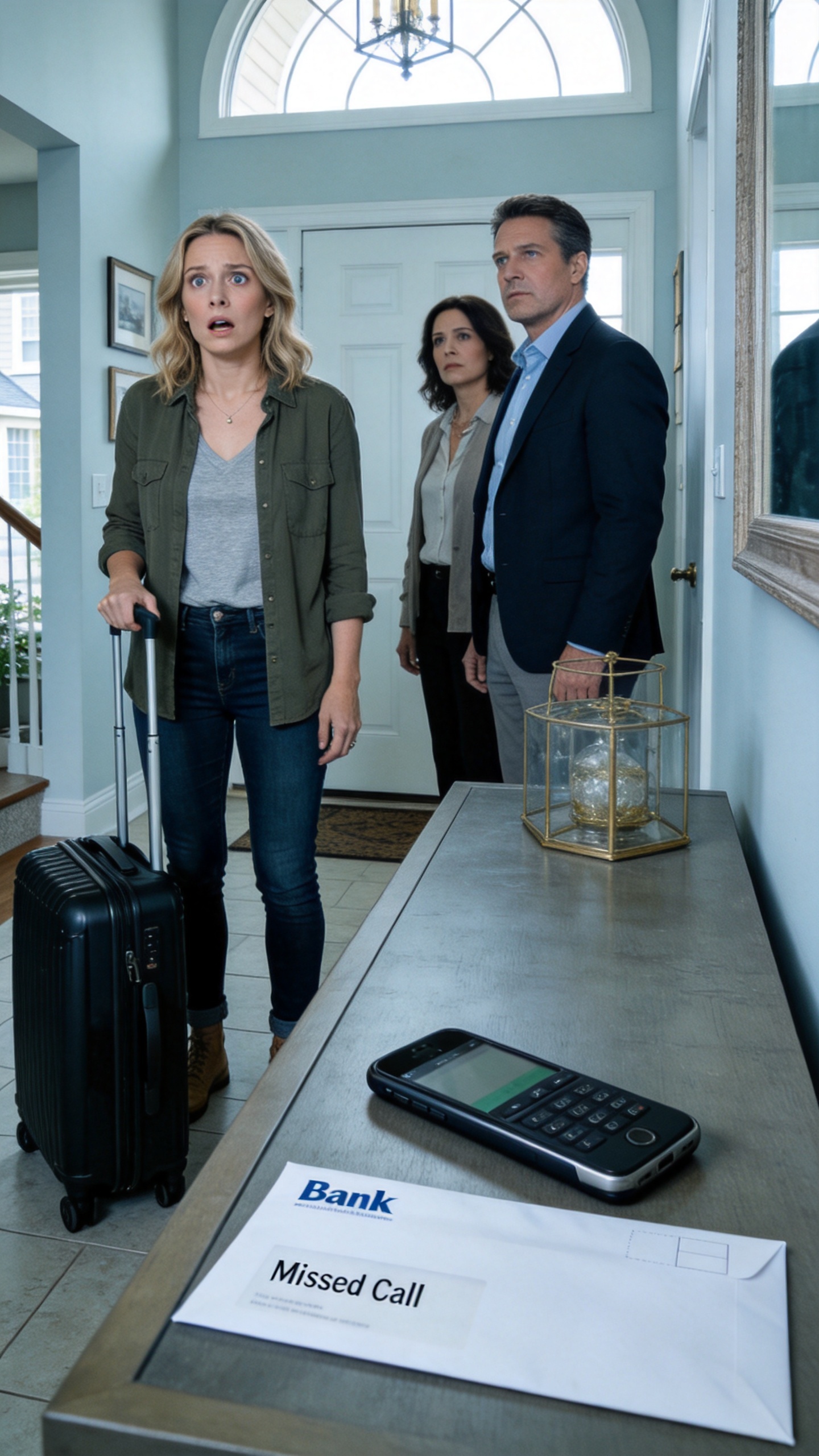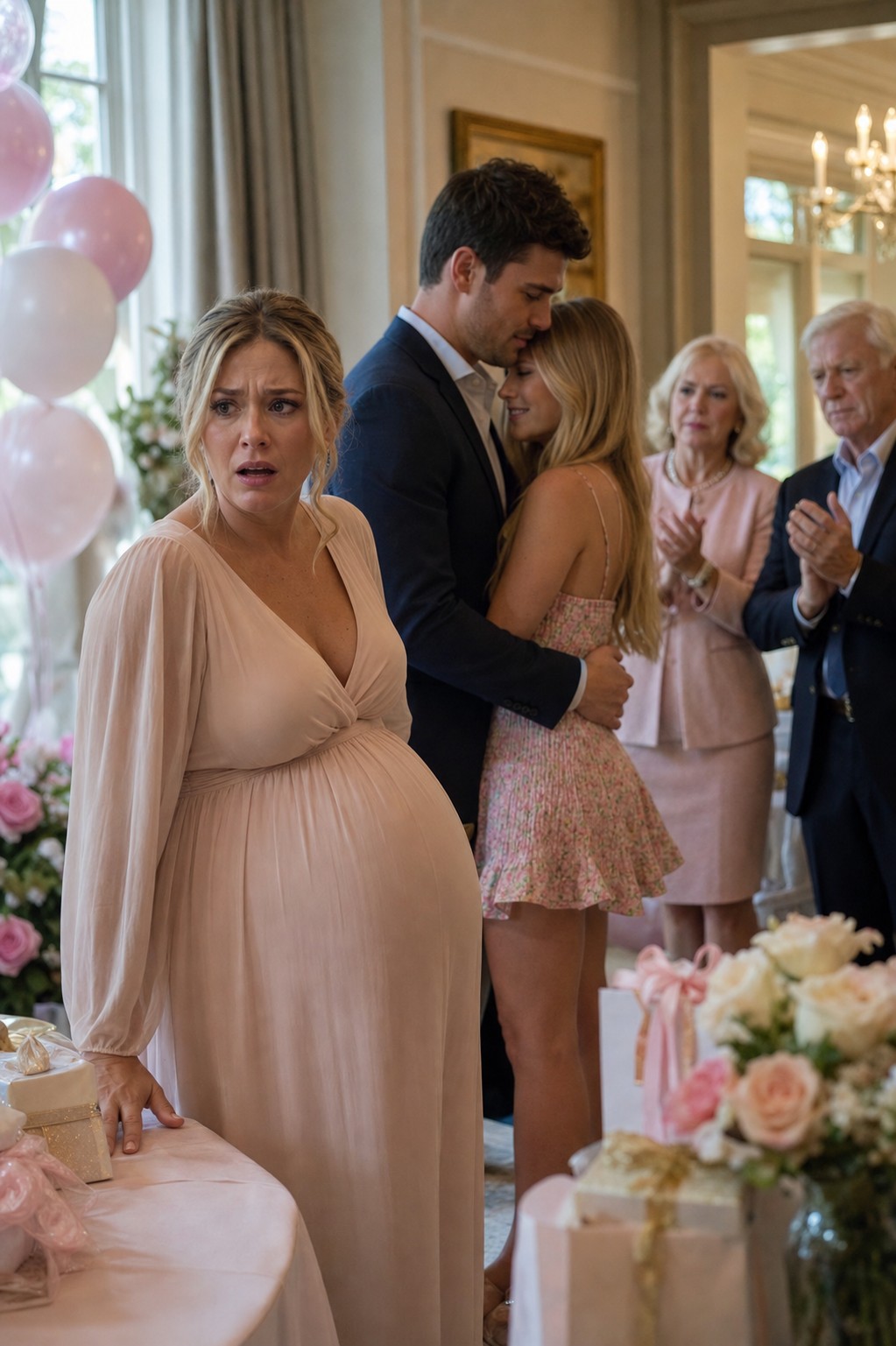
My husband called during my big presentation to say he'd inherited millions-then told me to leave "his" house and sign the divorce papers. I signed with a smile, knowing the clause he ignored would ruin everything he thought he'd won.
He tried anger first. Then almost-apology.
"Things got messy," he said. "I handled it badly."
"You told me to leave my home in two hours."
"You told me Kayla was pregnant to hurt me."
"I was being honest."
"No," I said. "You were being cruel enough to keep me from asking questions."
The silence told me he knew I had found the missing piece.
"What do you want?" he asked.
Old Nora might have said peace, closure, or an apology.
Instead, I said, "All communication goes through my attorney."
Then I hung up.
Soon after, the estate trustee, Margaret Vale, asked to meet me. She had known Evelyn for twenty-nine years. She told me Evelyn was never careless with legal matters.
"The will does not force you to stay married," Margaret explained. "It gives you leverage if Evan tries to profit from harming you."
For the first time, the clause felt less like a chain and more like a handrail.
Margaret gave me another letter from Evelyn, one she was instructed to deliver only if Evan filed for divorce within the twelve-month window.
I opened it later that night.
Evelyn wrote that Evan had done what she feared. She told me to protect the truth. Then she mentioned the lake house. Inside the desk at Briar Point was a key. The key opened a blue box hidden in the pantry wall.
The Signature Cost Him Everything
The next morning, I called Martin.
"There's something at the lake house," I said.
He went quiet. "Evan cannot know we're going."
Briar Point sat two hours north, surrounded by pine trees and a narrow lake. The house looked less like wealth than memory, with green shutters, dusty furniture, and sunlight falling through tall windows.
In the study, beneath the center drawer, we found the brass key.
In the pantry wall, behind a hidden panel, we found a blue lockbox.
Inside were documents, letters, a flash drive, and one envelope addressed to Evan.
The letter said the real inheritance was not money. It was the record of what happened at Briar Point in 1998.
Before we could understand what that meant, headlights swept across the kitchen window.
And Kayla was with him, holding a blue folder that looked almost exactly like Evelyn's lockbox.
Evan demanded to know why we were there. Margaret calmly told him the house belonged to the estate and that access was being supervised under trustee authority.
Kayla looked shaken. Evan told her to keep the folder closed.
That was when I noticed the way she flinched.
"I need to know what's true," Kayla whispered. "I found this in my father's office. He said it was a real estate proposal, but there were old photographs inside. And a letter with Evelyn Collins's name on it."
Inside the house, Kayla placed her folder beside the blue lockbox.
The papers revealed a woman named Marisol Reyes. In 1998, she had written to Evelyn, saying Daniel Collins-Evan's father-knew her baby was his. Kayla's father, Thomas Jensen, had helped arrange documents pressuring Marisol to accept money and disappear.
The baby's name was Clara Marisol Reyes.
Evan had a half sister.
The flash drive contained a video Evelyn had recorded in the same study. She admitted that her son Daniel had fathered Marisol's child and tried to silence her. Evelyn said she had failed at first, but later tried to preserve the truth.
Then she looked into the camera and said that if Evan ever tried to claim the estate while discarding me, his actions should be examined carefully.
"Nora has shown a steadiness this family has too often mistaken for something it could use," Evelyn said. "She is not to be used."
Those words broke something open inside me.
For once, I was not someone's wife, obstacle, signature, or convenience.
I was a person worth protecting.
Evan finally apologized, but I did not rush to forgive him. I told him I believed he was sorry in that moment, but I was no longer the person who could make that enough.
As we secured the documents and prepared to leave, Margaret's phone rang.
Her office had found preliminary information on Clara Reyes.
Margaret's face went pale.
"Clara died five years ago," she said. "But she had a daughter."
Rain tapped softly against the trees.
Margaret looked at me.
"Her daughter's name is Nora."