My Family Refused to Pick Me Up from the Airport. The Next Evening, They Saw What I Had Prepared on the News
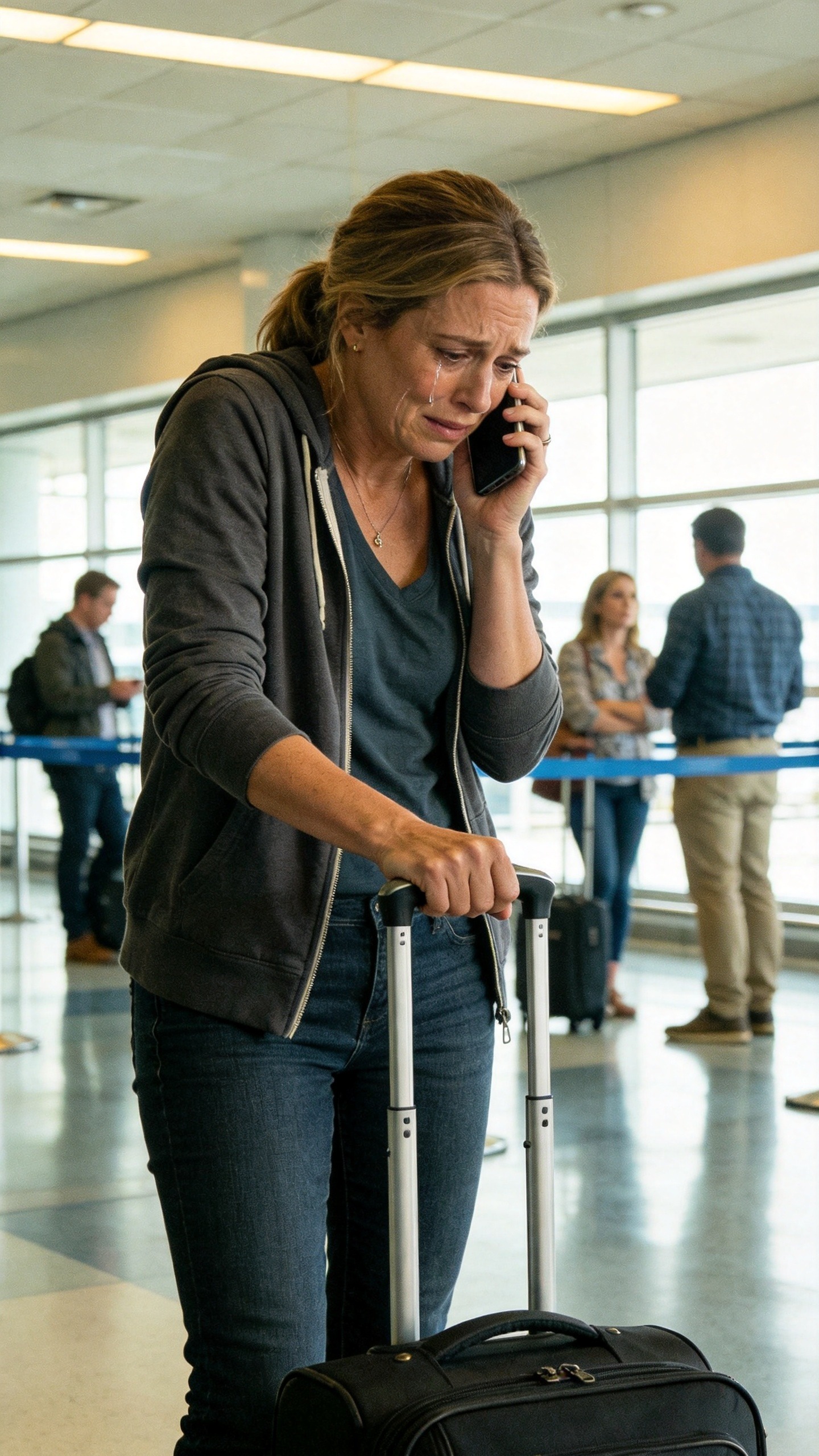
The day I came home from burying my husband overseas, I stood at the airport with one suitcase missing, three nights of sleep gone, and my phone pressed so tightly to my ear that my hand hurt.
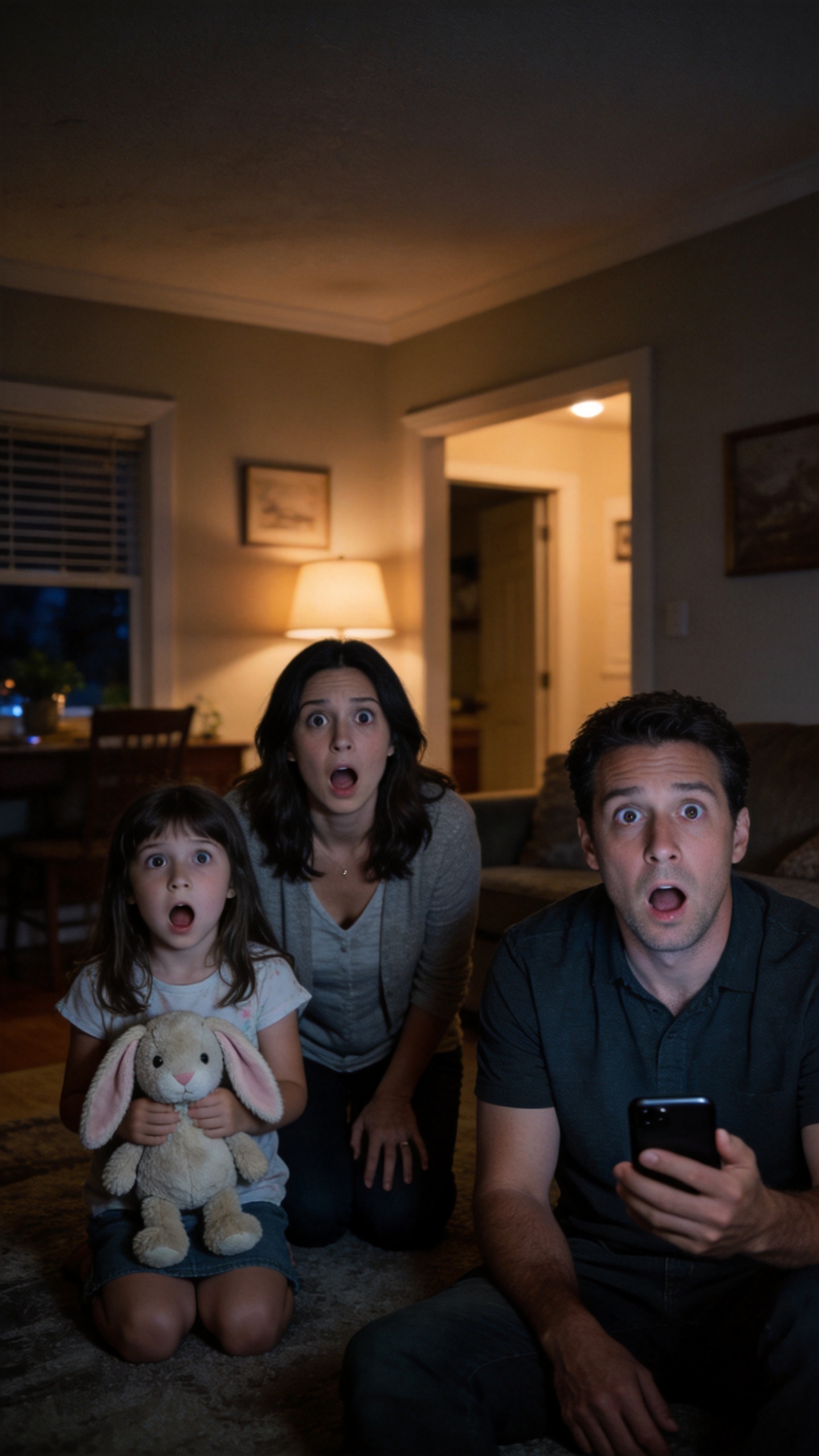
I had expected my children to be waiting near arrivals.
Instead, my son Daniel answered on the fourth ring and sounded annoyed before I even spoke.
"Mom, just take a cab," he said. "We are busy."
For a moment, the noise of the terminal seemed to fall away. I could see families hugging beside the baggage claim, children running into grandparents' arms, husbands lifting suitcases into carts.
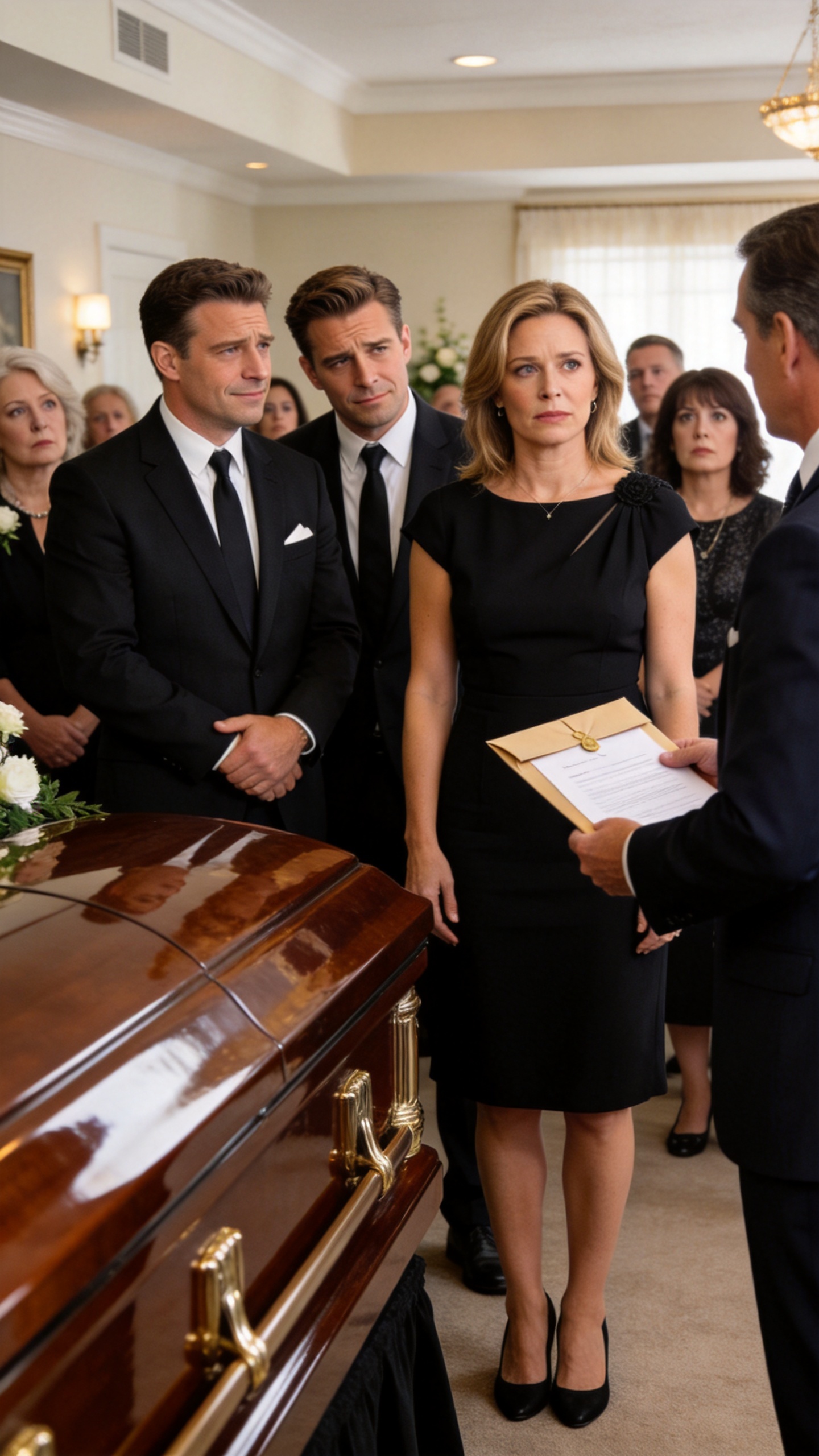
I had just buried Arthur, the man I had loved for forty years, in the small coastal town where he was born. I had flown home with a black dress folded in my bag and a grief so heavy I could barely stand upright.
"Daniel," I whispered, "I have not slept in three days. I just said goodbye to your father."
He sighed.
"Dad is gone, Mom. Stop making everyone else responsible for your grief."
Then the line went dead.
Nobody Came
I stood there long after the call ended.
My suitcase had been delayed during the transfer. The airline clerk kept apologizing, but I only nodded because the lost bag felt small compared with the silence from my own family.
I called my daughter Lauren next. I told myself she would understand. Lauren had always been the softer one when she was young, the child who climbed into my lap after nightmares and asked if I would stay until she fell asleep.
This time, her voice was flat.
"You knew Dad was sick," she said. "This was not sudden. You can get home by yourself."
I wanted to tell her that knowing death is coming does not make the empty chair easier to face. I wanted to tell her that I had held her father's hand until it went cold.
But the words would not come.
So I took a taxi alone.
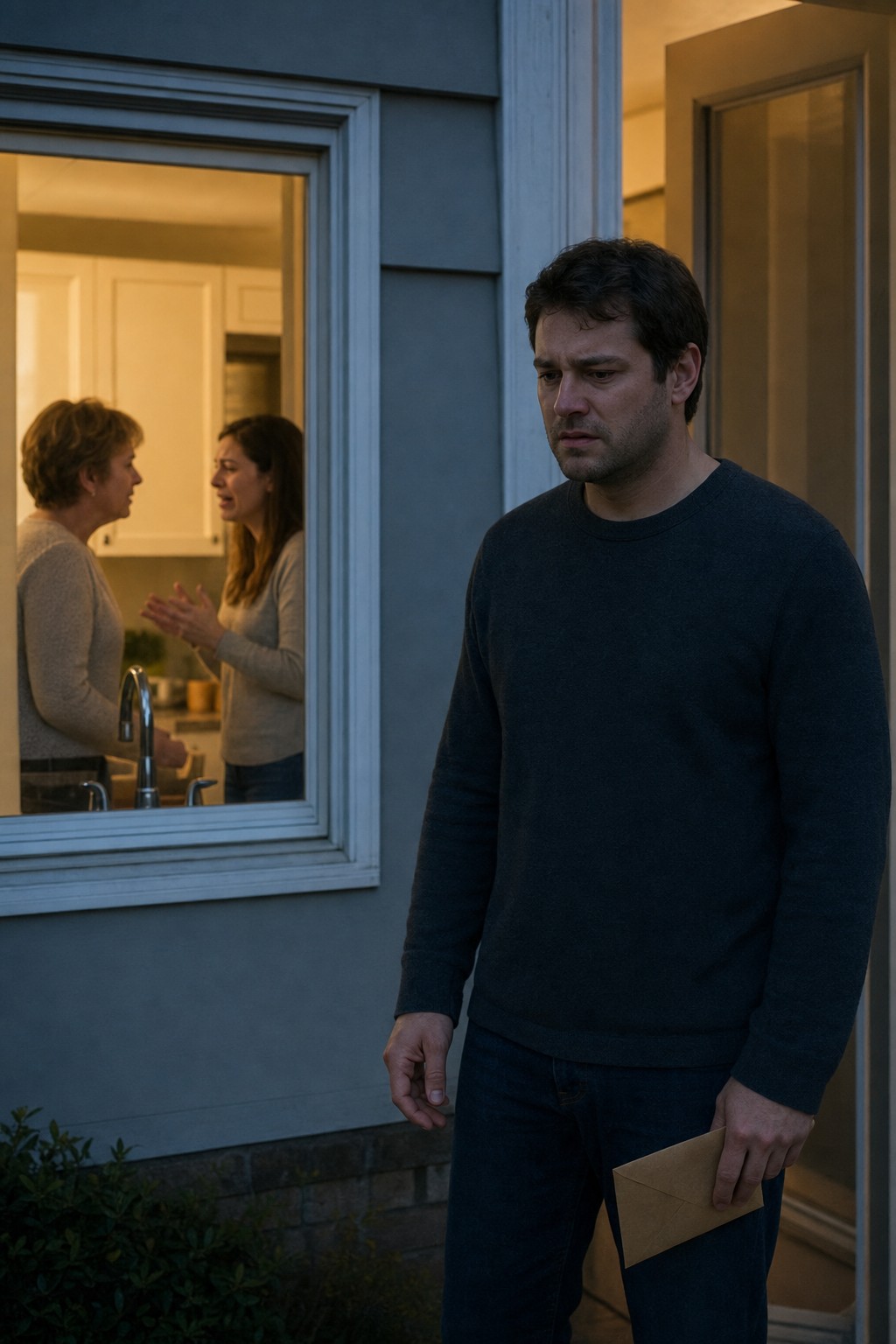
During the ride, I watched the city slide past the window and thought about Arthur. He had been quiet, almost shy about goodness. He never raised his voice. He never chased credit. Every morning, before leaving for his repair shop, he slipped a worn envelope into the inside pocket of his coat.
Whenever I asked what it was, he smiled and said, "Just bills, Margaret."
I believed him because I had always believed the best of the people I loved.
That included our children.
Arthur had noticed things before I did. The shorter birthday calls. The visits that happened only when someone needed money. The way Daniel asked for help and then vanished for weeks. The way Lauren measured family duty by what she might inherit someday.
I defended them anyway.
"They are still our children," I used to say.
Arthur would only give me that sad little smile.
A few months before he died, he told me, "Sometimes people forget the hands that carried them."
I did not understand then.
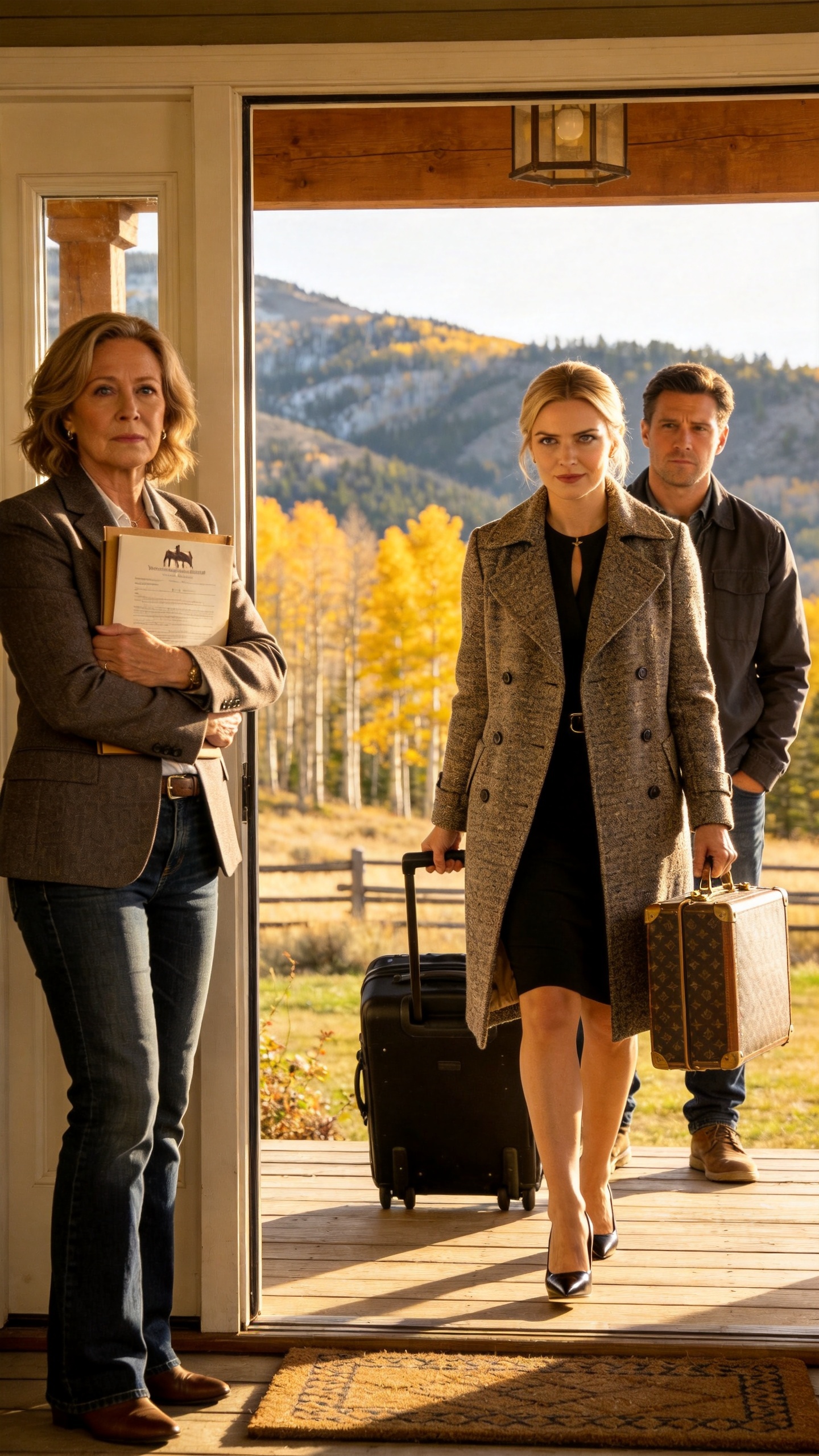
I understood when the taxi pulled into our driveway.
Blue Labels
The house Arthur and I had built together looked the same from the outside. The porch light was still crooked. The roses he planted beside the steps had survived the frost.
Inside, everything had changed.
Small blue labels were stuck all over the living room.
Daniel's name was on Arthur's favorite chair.
Lauren's name was on the silver-framed mirror from our bedroom.
There were labels on Arthur's tools, on the old record player, on boxes in the hallway, even on drawers in my jewelry cabinet.
My husband had been in the ground for less than a week, and our children had already begun dividing the life we had spent four decades making.
Lauren walked in from the kitchen holding a mug of coffee.
"You finally made it?" she said. "We had to make dinner ourselves."
I looked at her, then at the label on the cabinet beside her.
For the first time that day, I did not cry.
I went upstairs to the room Arthur and I had shared since our youngest child was born. His shirt was still on the pillow because I had not been able to move it before we left for the funeral.
I pressed it to my face and tried to breathe.
That was when I remembered the young man from the service.
His name had been Adrian. He had waited until most people left the cemetery, then approached me with tears in his eyes.
"Your husband paid for my mother's surgery ten years ago," he said. "She is alive because of him."
I thought grief had made me misunderstand him.
Arthur had never told me anything like that.
Later that evening, after I sat alone in our bedroom while my children whispered downstairs about the cabin, I remembered another call. A local journalist named Nora Whitcomb had contacted me before Arthur's funeral. She said she had been working on a story about him.
I had refused.
"Arthur was a private man," I told her.
Now, surrounded by blue labels in my own home, I wondered if privacy had been protecting the wrong people.
The Folder in His Desk
I called Nora from Arthur's study.
"Is your offer still open?" I asked.
She did not sound surprised.
"Yes, Margaret," she said softly. "It always was."
Then she told me something that made the room tilt.
"Arthur came to me months ago. He knew he was running out of time. He asked me to wait until you were ready."
"Ready for what?"
"For people to know what he did with his life."
After we hung up, I stood in front of Arthur's locked desk drawer. I had never opened it. Not once in forty years. Trust had been the quiet language of our marriage.
The key was taped beneath the bottom drawer, exactly where he used to hide spare keys for the children when they were small.
Inside, I found a leather folder.
It held bank records, letters, hospital receipts, school documents, and handwritten notes in Arthur's careful script.
He had paid medical bills for families who had no insurance.