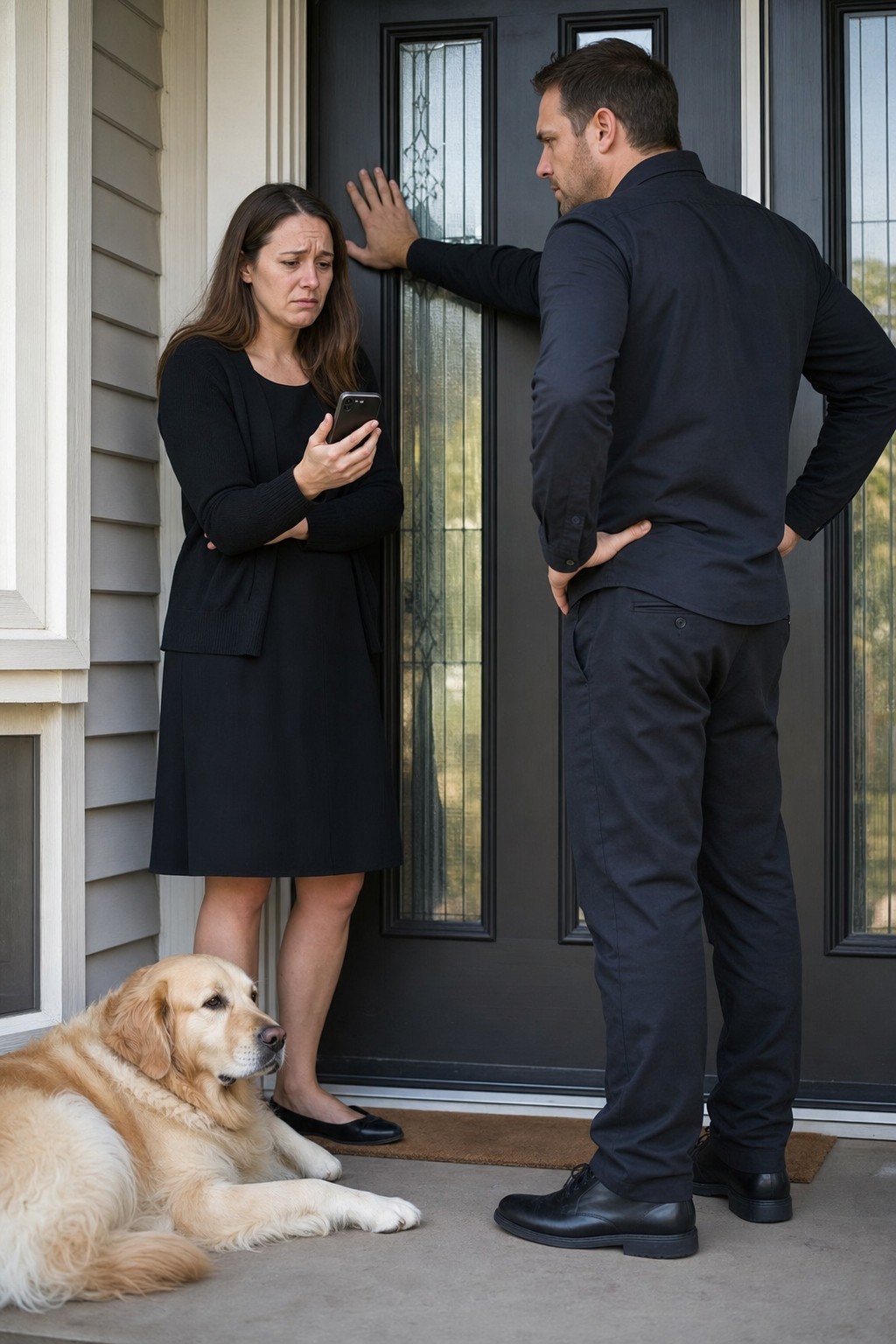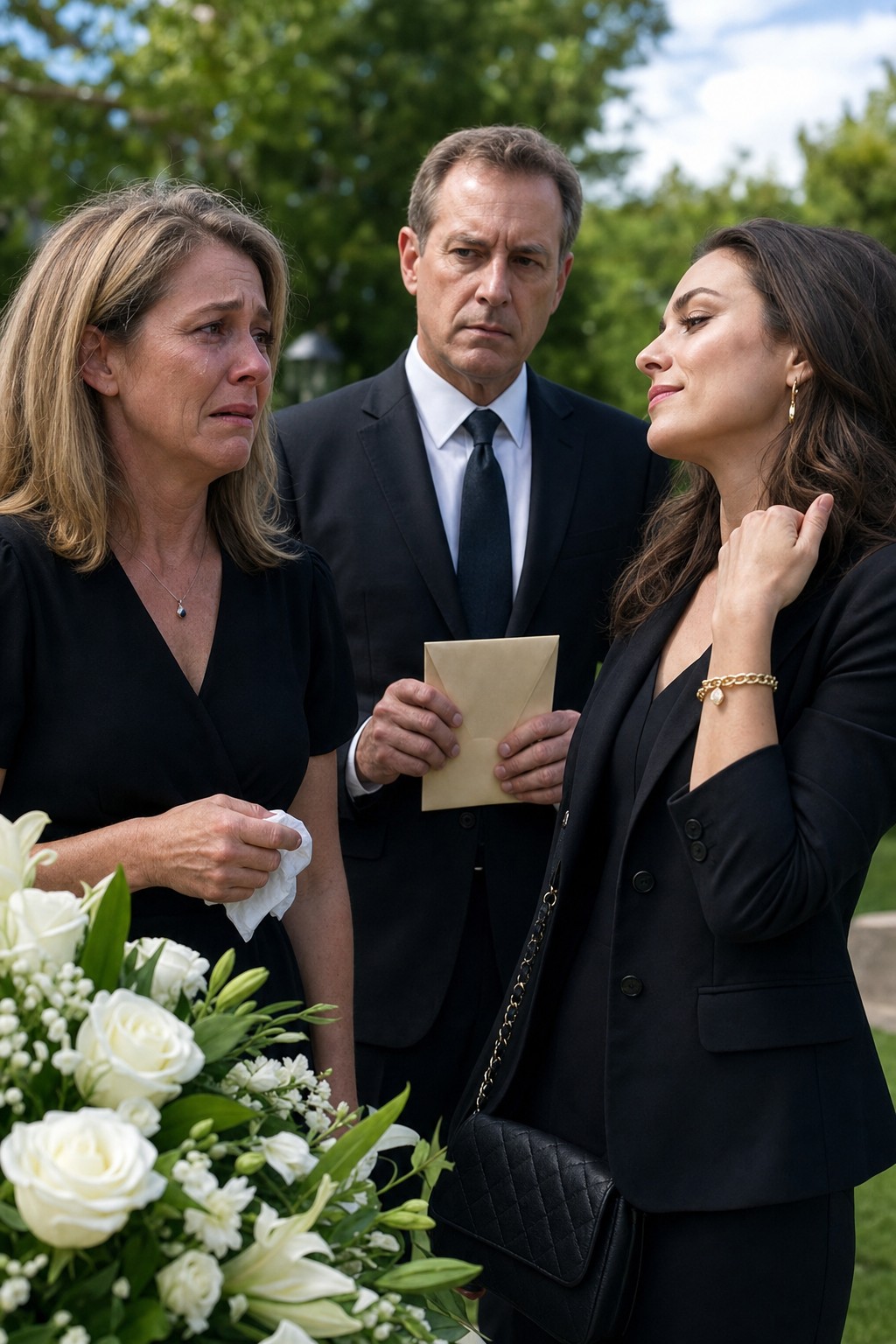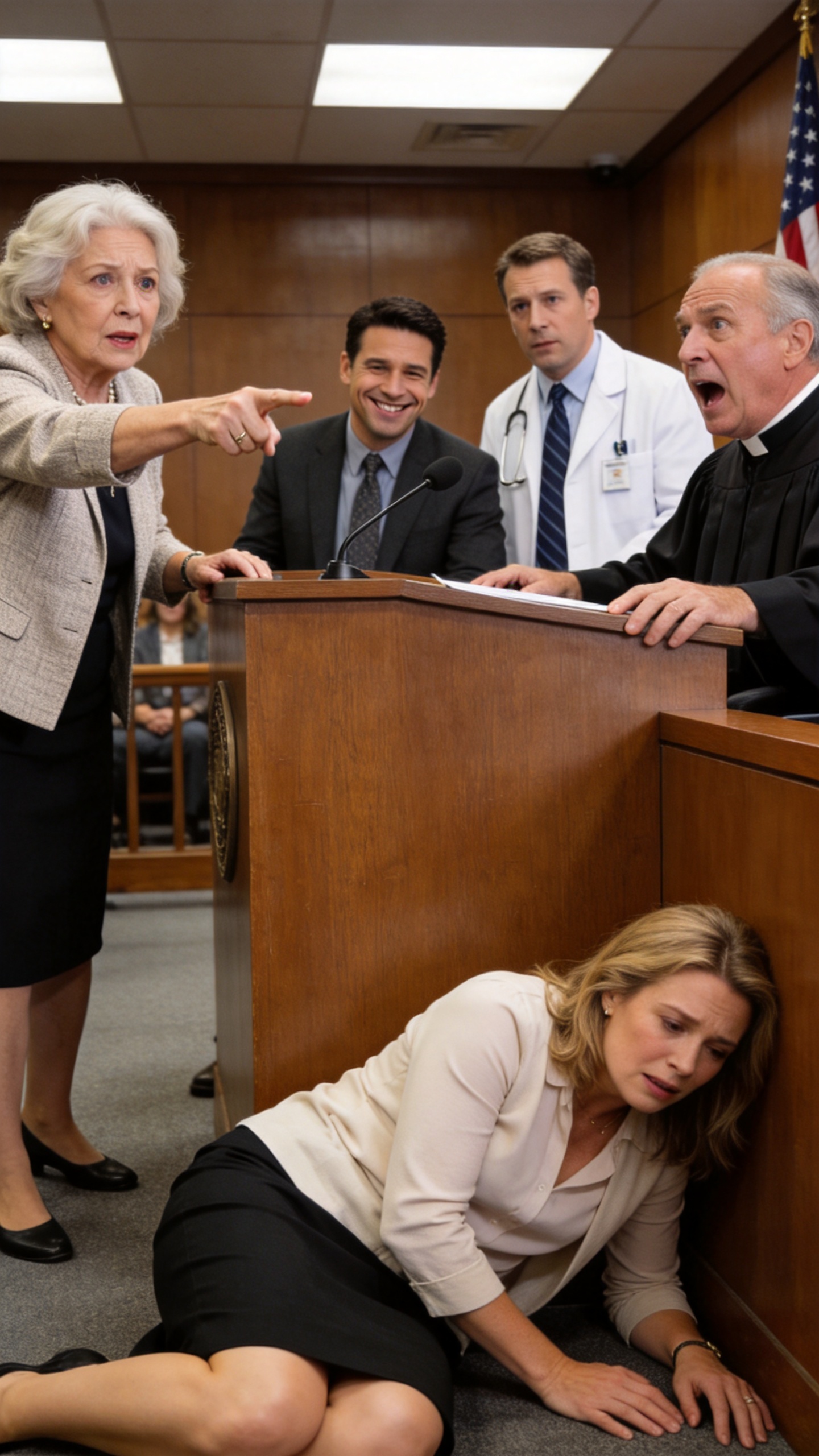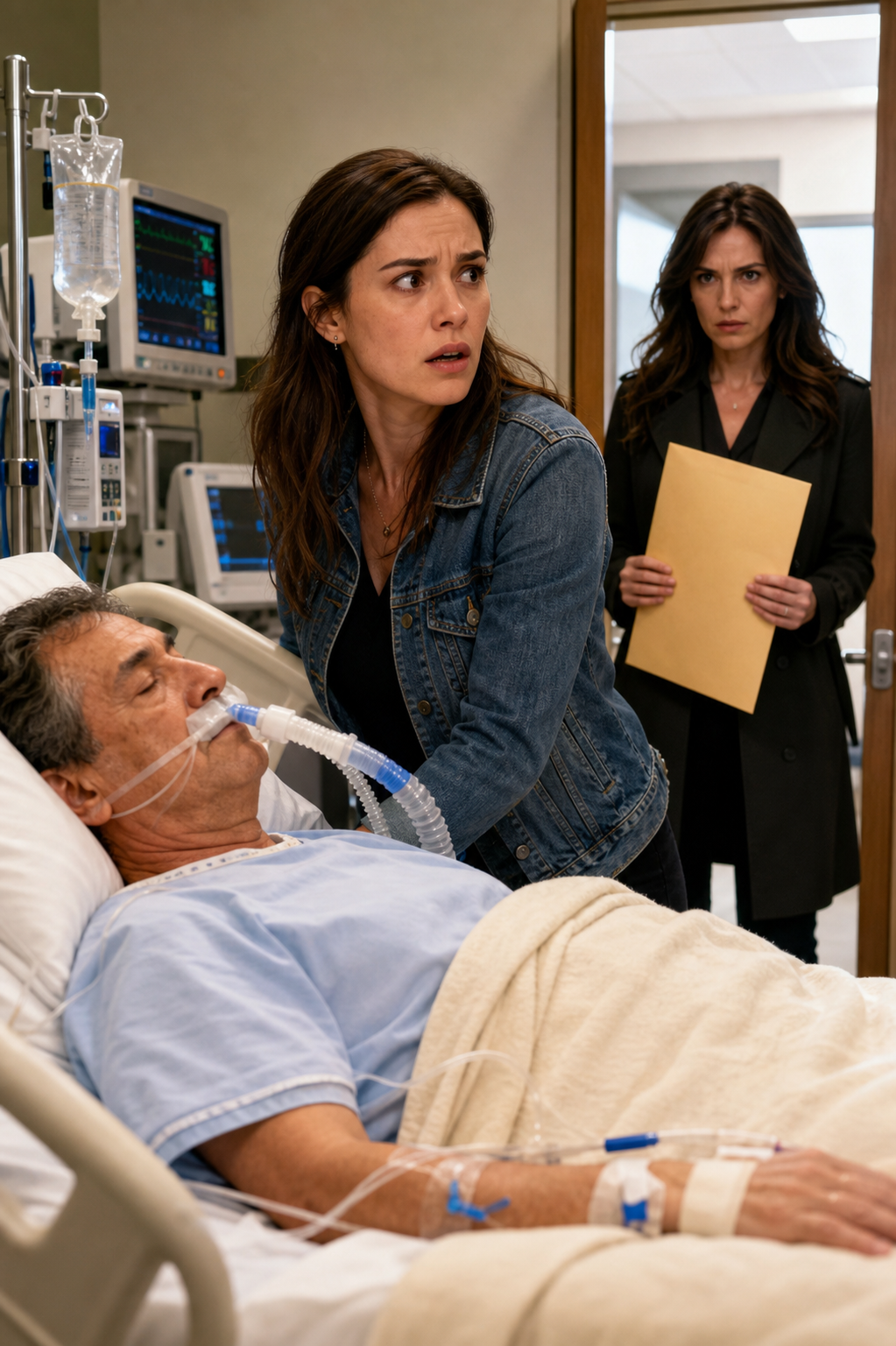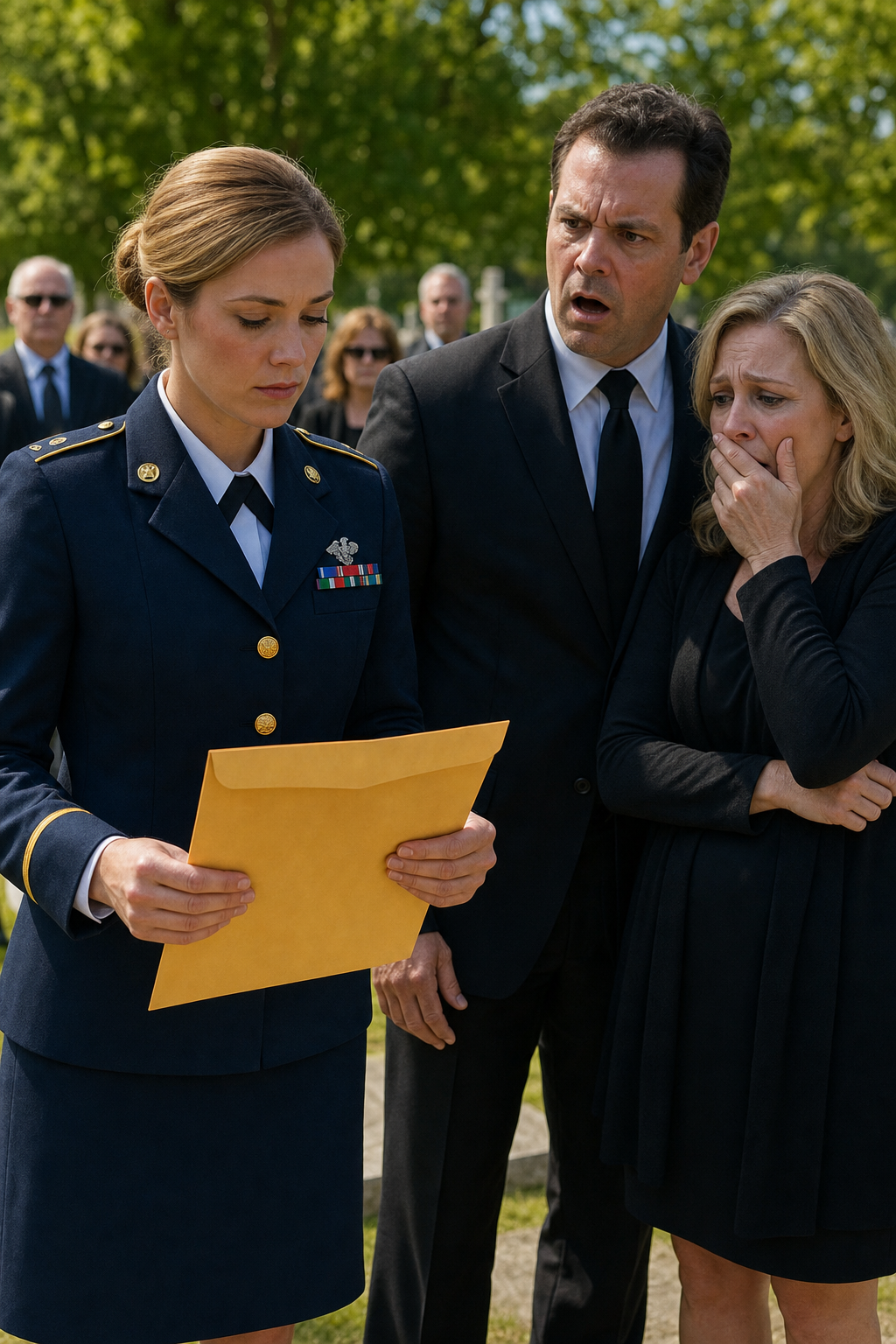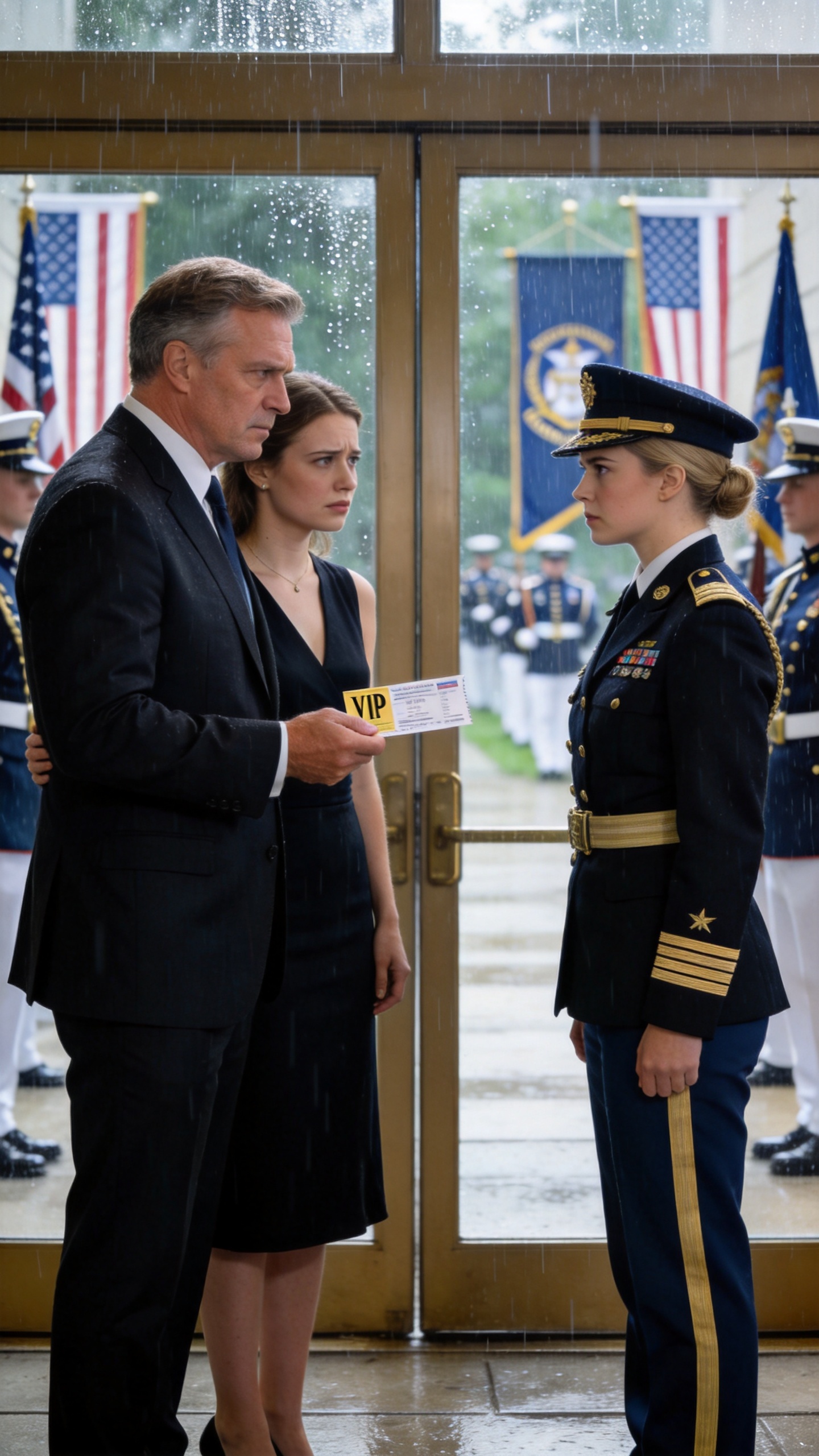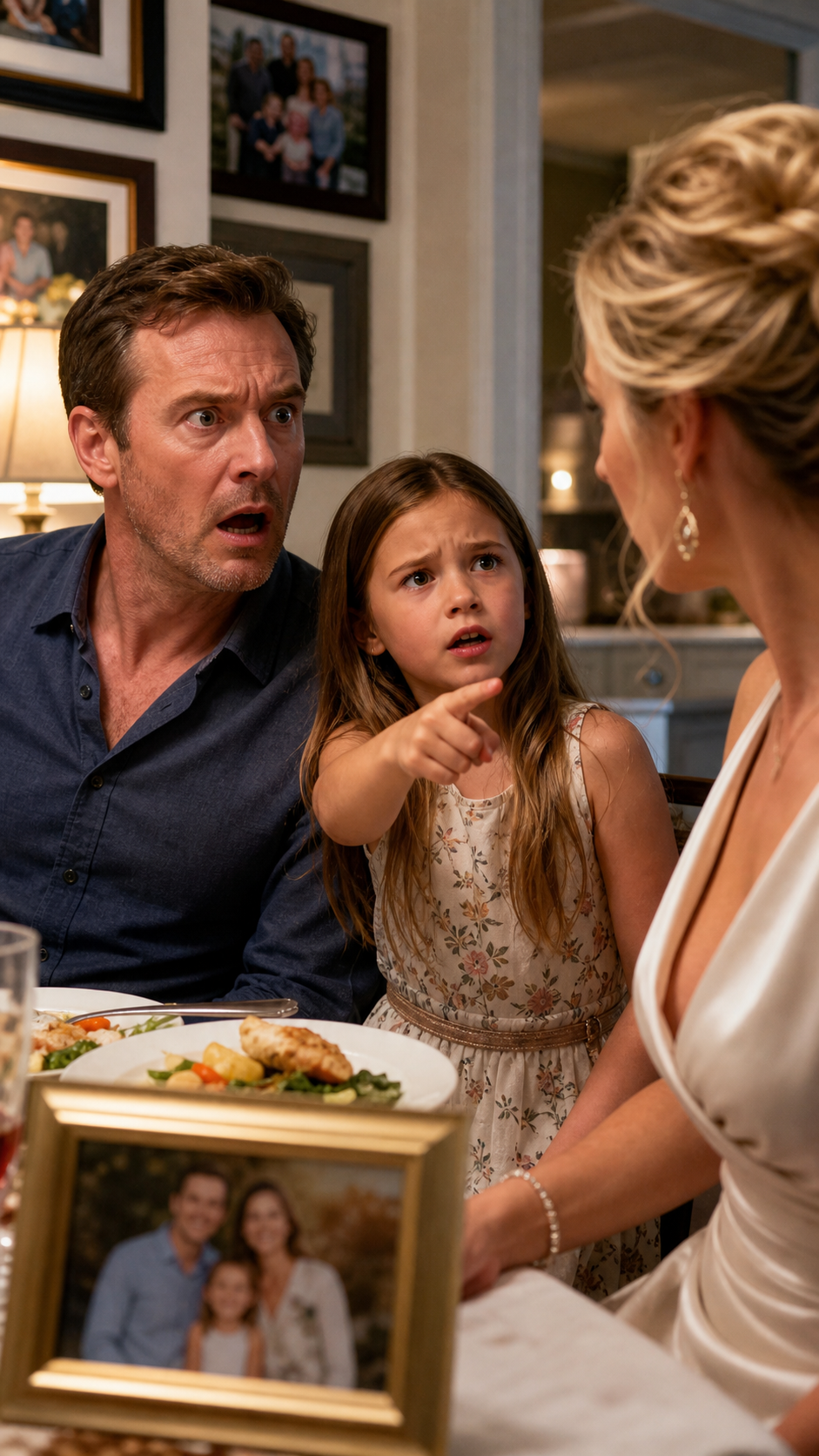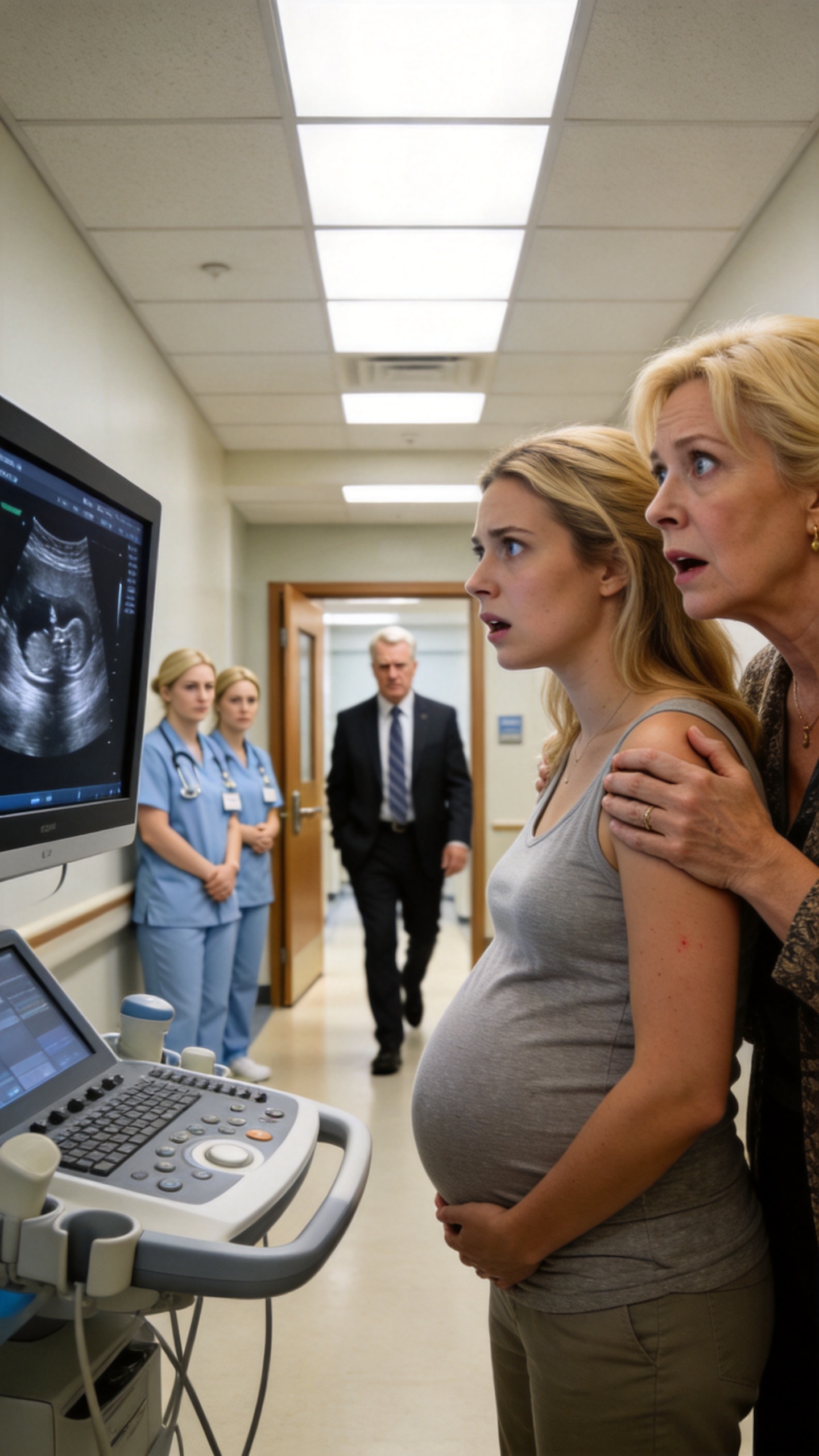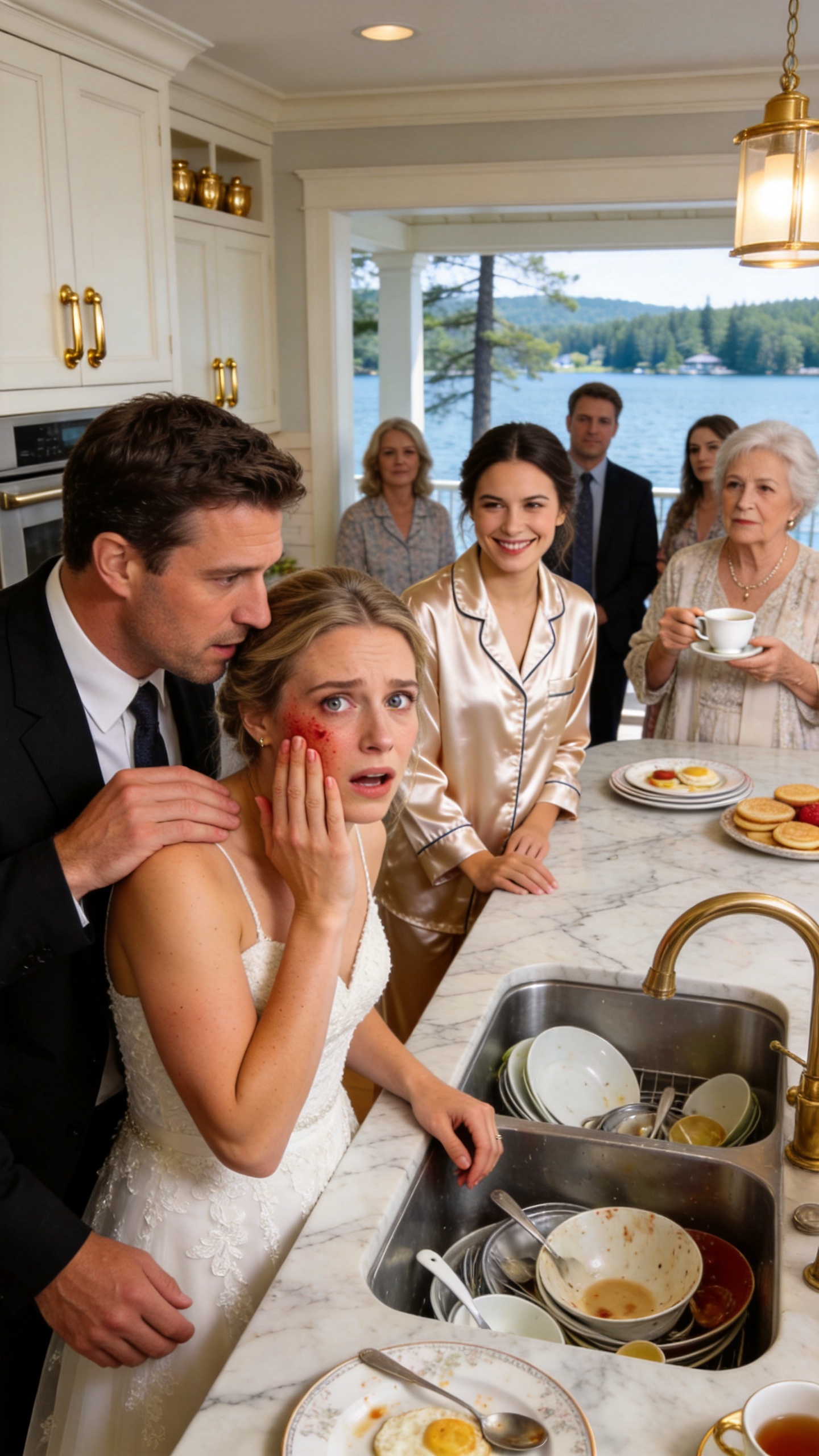
My daughter gasped, “Dad, help,” right before the call went completely dead. I tore down the highway at 100 mph, heading straight for her in-laws’ mansion. When I arrived, my son-in-law was blocking the porch, gripping a baseball bat with a smirk on his face. "This is a private family matter," he said coldly. "Your daughter had to be disciplined."
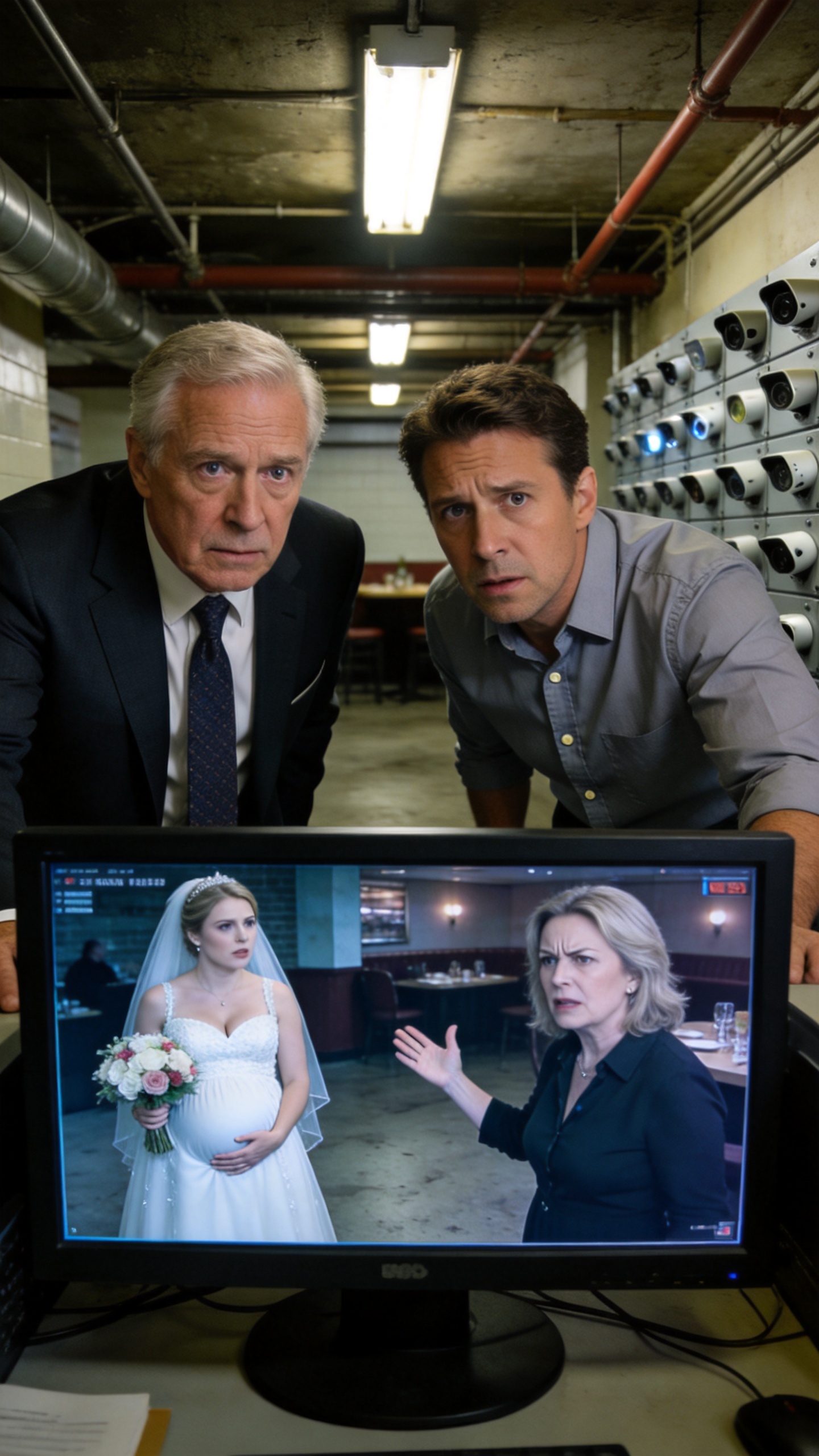
I listened to eight seconds before walking out.
Detective Finch found me in the corridor with both hands braced against the wall.
“You don’t need to hear more,” she said.
“And she will need you standing, not drowning.”
“I’ve worked these cases for seventeen years. Men like Caleb do not begin with bats. Women like Vivian do not begin with scissors. They begin with corrections. Suggestions. Clothing. Friends. Money. Sleep. Then they tighten the circle.”
Finch looked through the glass at Emily.
Emily gave her statement two days later.
That was one of the hardest things I had ever done.
Every instinct wanted to sit beside her, answer for her, and shield her from every question.
Taking over would only become another kind of silence.
So I sat in the hallway with cold coffee while voices murmured beyond the door.
After ten minutes, he said, “You’re tapping your foot.”
After twenty minutes, he said, “Now you’re cracking your knuckles.”
After thirty minutes, he said, “You’re scaring the vending machine.”
A hospital volunteer near the machine immediately walked away.
When the door opened, Emily came out in a wheelchair pushed by a nurse. Her face was pale, but her eyes were different.
“No,” I said again, kneeling before her chair. “You survived the way you could. That is not shameful.”
“Emily, listen carefully. The only disappointment I feel is in myself for not asking better questions.”
This time, when she cried, she did not look away.
The arrests became local news by evening.
A former Sterling housekeeper named Rosa had kept messages Vivian sent after firing her.
If anyone asks about Emily, you saw nothing. Remember who signs checks in this town.
By the next morning, the headlines changed.
Audio Reveals Alleged Attack on Daughter-in-Law.
Sheriff’s Office Under Review After Prior Welfare Calls.
The town that once lowered its voice around the Sterling name began speaking loudly.
A nurse remembered treating Emily after “a fall” months earlier.
A salon owner said Vivian had once joked that Emily’s long hair made her “too proud.”
That was the word Vivian hated most in other women.
At the preliminary hearing, Vivian wore pearls. Caleb wore a suit. Emily wore a soft blue scarf over her uneven hair and sat between me and Detective Finch.
Their attorney argued the situation had been exaggerated.
He used words like family tension, emotional misunderstanding, and cultural expectations.
Part 2 of 3 “Good. Maybe someone reasonable is here.” Part 2: The Key I Never Knew Existed The doorbell interrupted the silence before anyone could respond....
Part 2 of 3 “Which obligation are we discussing?” He frowned. “Helping your family.” “I have been helping my family.” I answered calmly. “The problem is that you...
Part 2 of 3 Names. Needs. Risk. Timing. Judgment. The invisible load-bearing wall. Pull one page carelessly, and someone real feels it. In the weeks that followed, I...
Part 2 of 3 Peter continued flipping through the exhibits until he reached the recorded deed and title report. Both documents had been sitting in his files for...
Part 2 of 3 Not through Lydia. Not through fear. Not through someone else’s report. Through Noah’s own trembling voice. Mark turned toward Lydia. “What did you do?”...
And for once, she was not invisible.
When the audio stopped, Eleanor's face remained rigid, but her hands shook. As deputies escorted them away, Eleanor turned to me. It's a rare sight in those who've never faced such a thing.
I'd left her old room just as it was after she went to college, though I'd have denied it if anyone asked.
The walls were a pale yellow. There were old paperbacks on the shelves. Yearbooks were stacked in a corner. A ceramic horse she'd painted when she was nine sat on a side table.
The stuffed rabbit from the county fair still lay on the dresser, one ear flopped forward. When she saw it, she covered her mouth. She let out a mix of laughter and sobs.
They'd hoped for one big moment. One powerful speech. One court win. One door closing for good. Like Eleanor walking to the mailbox without constantly looking over her shoulder.
Or Eleanor chopping off the rest of her hair into a short, uneven bob and realizing she liked it.
One morning, I found her barefoot in the garden near the Peace roses. “They're tough,” I replied. “That's not the same. ” A week later, she asked about Quantico. “Because one day I figured out I knew how to enter any room in the world, but not my own life.
” “I'm glad you became a gardener,” she said. “But I'm also glad you remembered the other part. ”
Three months later, Mark asked to talk to Eleanor before sentencing. “I think he just wants to hear himself say he's sorry. ” “Do whatever helps you get a part of yourself back,” I told her. I drove her to the courthouse.
Detective Finch was waiting in the hallway. A victim advocate sat nearby. Mark was brought into a small conference room in handcuffs. Men like Mark rarely shrink like that. No mother there claiming he was the victim.
Just a man in a county jumpsuit facing the woman he'd tried to break. I stood outside the open door so she could see me if she needed.
“I never meant for it to go so far,” Mark said. Eleanor touched the edge of her scarf, even though she didn't need it anymore. “It went exactly where you and your mom wanted it to.” Mark's face tightened for a second. “You're going to let them ruin my life?”
In the hallway, Eleanor took a deep breath. “I thought that would feel better,” she said. At sentencing, Diane talked about reputation, stress, family values, and the pain of seeing her son's marriage end. Then the judge said, “Mrs.
Hayes, cruelty often hides behind tradition. This court isn't fooled by words. ”
Neither Diane nor Mark looked at Eleanor when the deputies led them away. Eleanor stopped at the top of the steps. “Want to go around the back?” I asked. Then she let go of my hand. “No. I want to walk out the front.”
A reporter called out, “Eleanor, do you have anything to say? ” For a moment, I thought she'd keep walking. Her hair was short now. The blue scarf was gone. The sun shone on her face, pale but calm.
“If someone says suffering silently holds a family together, they're not protecting the family. They're protecting the abuser. ” “And if you're waiting for it to get bad enough to ask for help, don't wait. You can be believed before you're almost destroyed. ”
That evening, we sat on my back porch as the sun set behind the garden. She had tea. I had coffee. A woman whispered, “Is this Mr. Hale? ” “My sister saw Eleanor on the news. She gave me your number. I think… I think I need help.
” I asked into the phone, “Where are you? ”
Before the bank took over, the lawn had grown wild. The fountain had dried up. The shutters had faded.
What Their Cruelty Cost Them
Eleanor Hayes moved into a cozy little apartment above a downtown bookstore. She started working part - time at a domestic violence advocacy center. Her job was to answer phones three days a week. It took real courage, admitting fear but still pushing forward.
On the first anniversary of the day she called her dad, Eleanor came over for dinner. She brought a delicious pie from the local bakery and a brand - new pair of pruning gloves. “That’s the whole idea,” she said.
“We often assume things have to be broken to be valuable. ”
After dinner, they strolled into the garden. The Peace roses were in full bloom again. Their soft yellow petals had a delicate pink edge. “I used to believe peace meant no bad things could happen,” Eleanor said.
She gently touched a rose, being careful to avoid the thorns. “Now, I think peace means the bad stuff doesn’t control the rest of your life. ”
The evening air was filled with the scents of damp earth and flowers. Eleanor stood in the garden, alive, free, and not afraid of the quiet. For the first time in years, her dad didn't check the gate.
He just stood beside her, watching the roses sway in the wind. Because roots can withstand what cruel hands try to damage. And sometimes, when people mistake a quiet man for being harmless, one soft call is enough to make him remember who he once was.
Mark rubbed his forehead, looking really tired. “Are you really letting her do this?” he asked. Then he answered in a much quieter voice, “Maybe...”
Diane looked embarrassed before speaking. “Judith told everyone Caroline had been helping with the house,” she said. “She never said anything about your payments.” Those words made things a bit uneasy.
It wasn't a magical fix. It was real.
Eleanor's mom changed too. She started being really proud of her in public.
Peter opened an exhibit right in the courthouse hallway. “A letter from the Department of Defense Inspector General,” he said. As he got to the second part...
Eleanor opened the door wider. The hallway lamp was still working. It was the same one that had been left on when she was a kid. “You kept it?” she asked.
The hardest part was not the first consequence. It was the silence afterward, when everyone realized the old arrangement had ended. For years, they had treated my patience like a deed, a signature, or a permanent permission slip. That was the mistake.
I did not need to shout. The documents, the bruises, the records, and the witnesses had already said enough. By the time the calls started, I had stopped answering as the person they remembered. I was no longer protecting them from what they had chosen.
That was the part they never expected. I did not only take back a house, an account, a holiday, or a boundary. I took back the right to decide what my life would cost. The hardest part was not the first consequence.
It was the silence afterward, when everyone realized the old arrangement had ended. For years, they had treated my patience like a deed, a signature, or a permanent permission slip. That was the mistake. I did not need to shout.
The documents, the bruises, the records, and the witnesses had already said enough. By the time the calls started, I had stopped answering as the person they remembered. I was no longer protecting them from what they had chosen.
That was the part they never expected. I did not only take back a house, an account, a holiday, or a boundary. I took back the right to decide what my life would cost. The hardest part was not the first consequence.
It was the silence afterward, when everyone realized the old arrangement had ended. For years, they had treated my patience like a deed, a signature, or a permanent permission slip. That was the mistake. I did not need to shout.
The documents, the bruises, the records, and the witnesses had already said enough. By the time the calls started, I had stopped answering as the person they remembered. I was no longer protecting them from what they had chosen.
That was the part they never expected. I did not only take back a house, an account, a holiday, or a boundary. I took back the right to decide what my life would cost. The hardest part was not the first consequence.
It was the silence afterward, when everyone realized the old arrangement had ended. For years, they had treated my patience like a deed, a signature, or a permanent permission slip. That was the mistake. I did not need to shout.
The documents, the bruises, the records, and the witnesses had already said enough. By the time the calls started, I had stopped answering as the person they remembered. I was no longer protecting them from what they had chosen.
That was the part they never expected. I did not only take back a house, an account, a holiday, or a boundary. I took back the right to decide what my life would cost. The hardest part was not the first consequence.
It was the silence afterward, when everyone realized the old arrangement had ended. For years, they had treated my patience like a deed, a signature, or a permanent permission slip. That was the mistake. I did not need to shout.
The documents, the bruises, the records, and the witnesses had already said enough. By the time the calls started, I had stopped answering as the person they remembered. I was no longer protecting them from what they had chosen.
That was the part they never expected. I did not only take back a house, an account, a holiday, or a boundary. I took back the right to decide what my life would cost. The hardest part was not the first consequence.
It was the silence afterward, when everyone realized the old arrangement had ended. For years, they had treated my patience like a deed, a signature, or a permanent permission slip. That was the mistake. I did not need to shout.
The documents, the bruises, the records, and the witnesses had already said enough. By the time the calls started, I had stopped answering as the person they remembered. I was no longer protecting them from what they had chosen.
That was the part they never expected. I did not only take back a house, an account, a holiday, or a boundary. I took back the right to decide what my life would cost.